
Inactive· since Jun 20, 2026
- 47
- days it ran
- 0
- relaunches
- 52
- EU reach
Ad copy
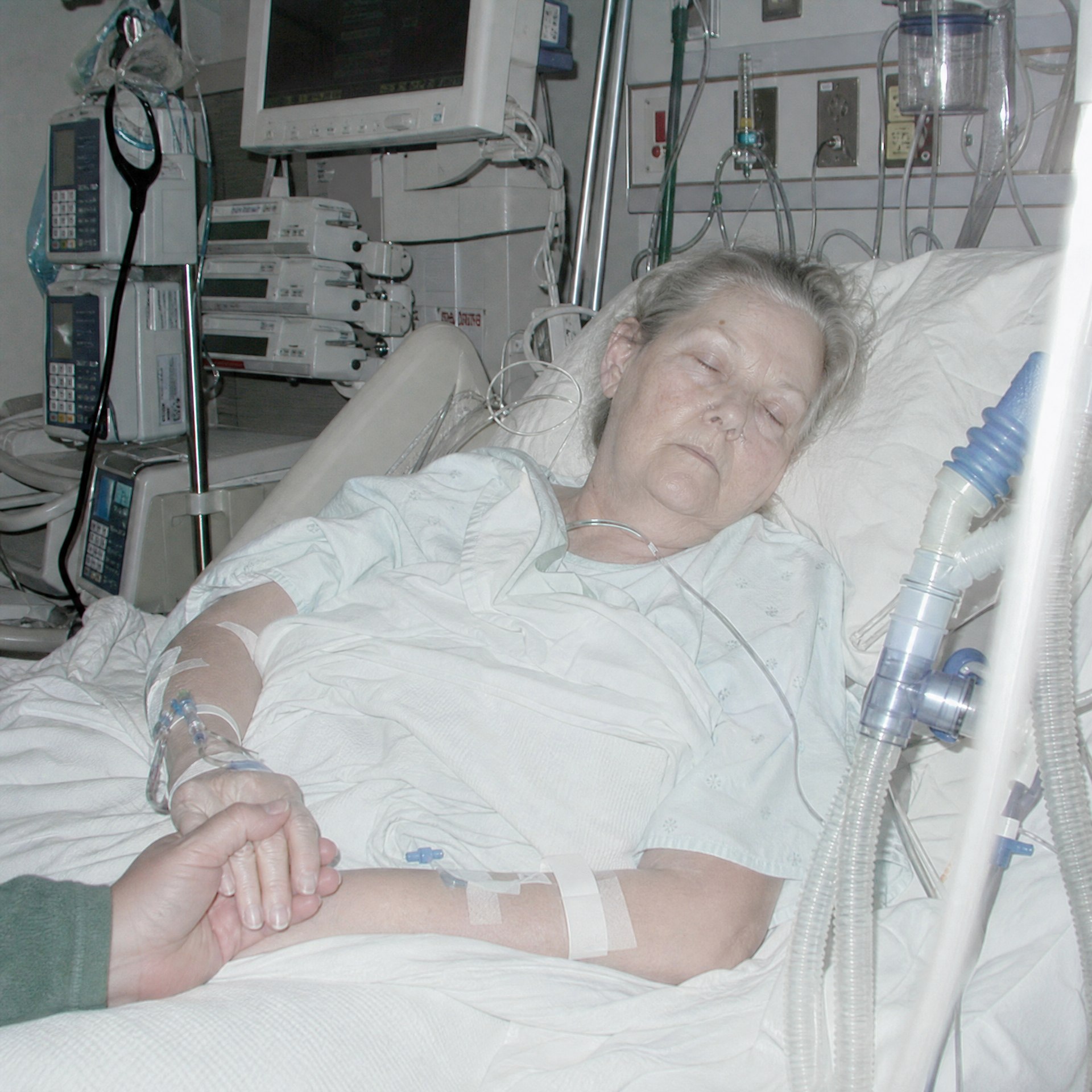
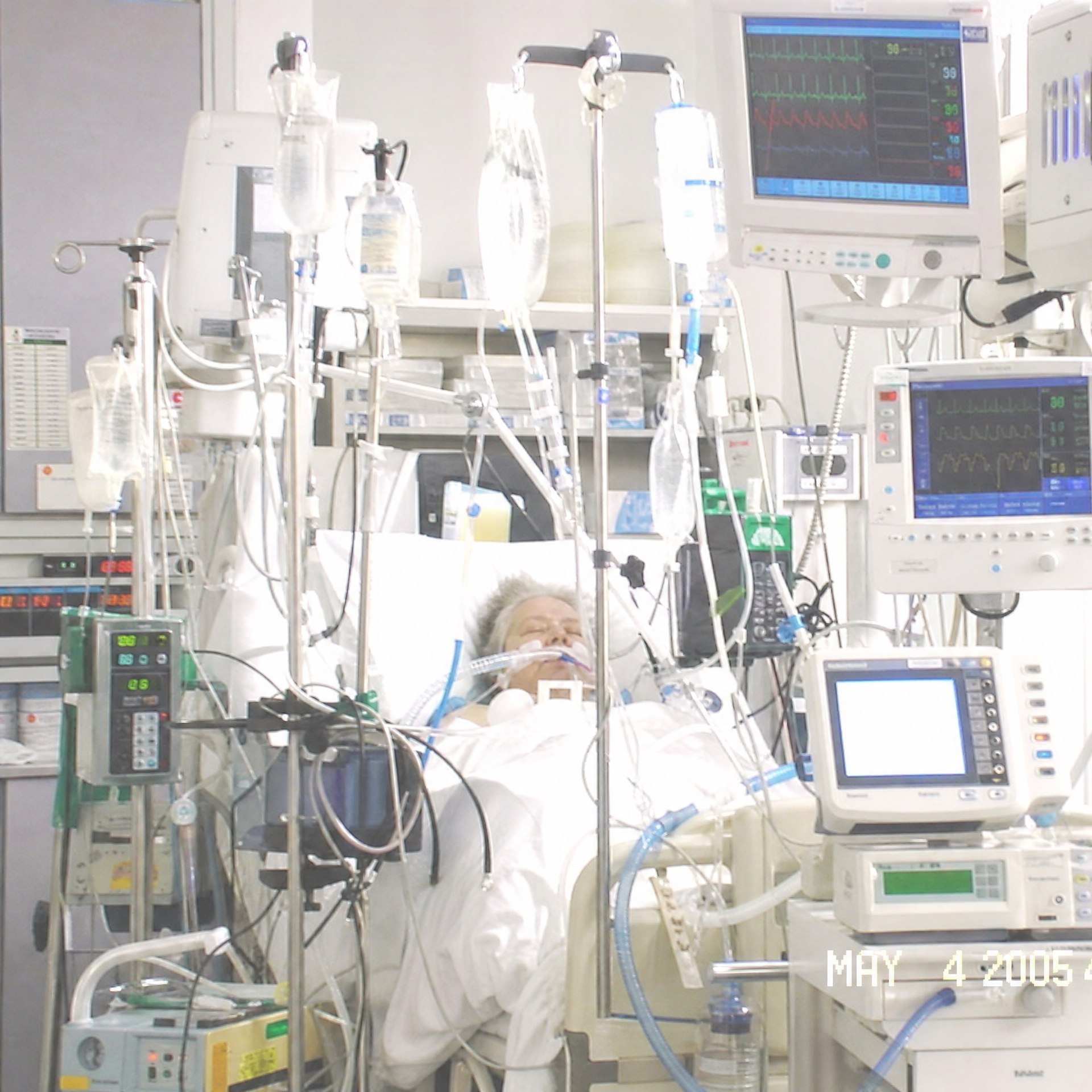
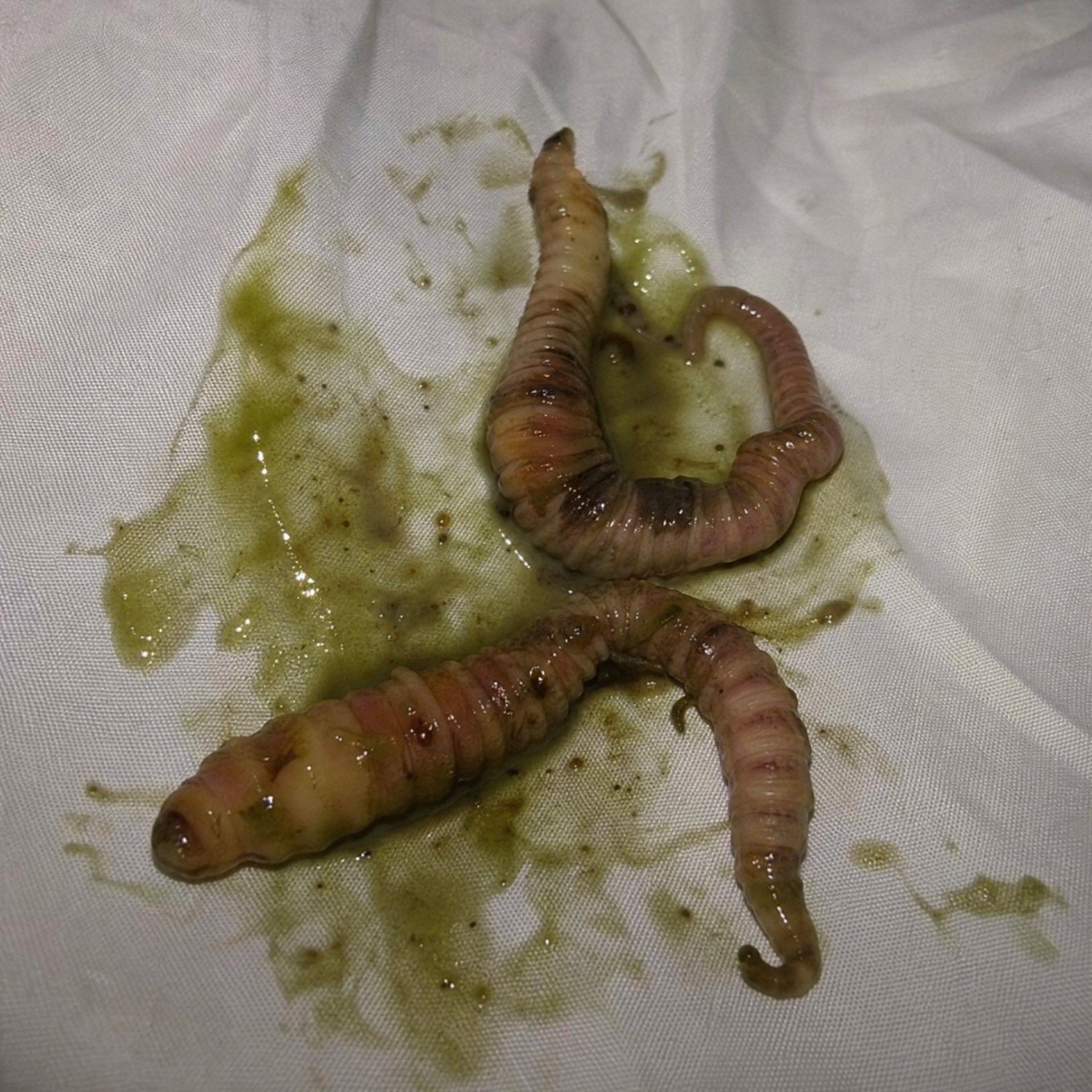
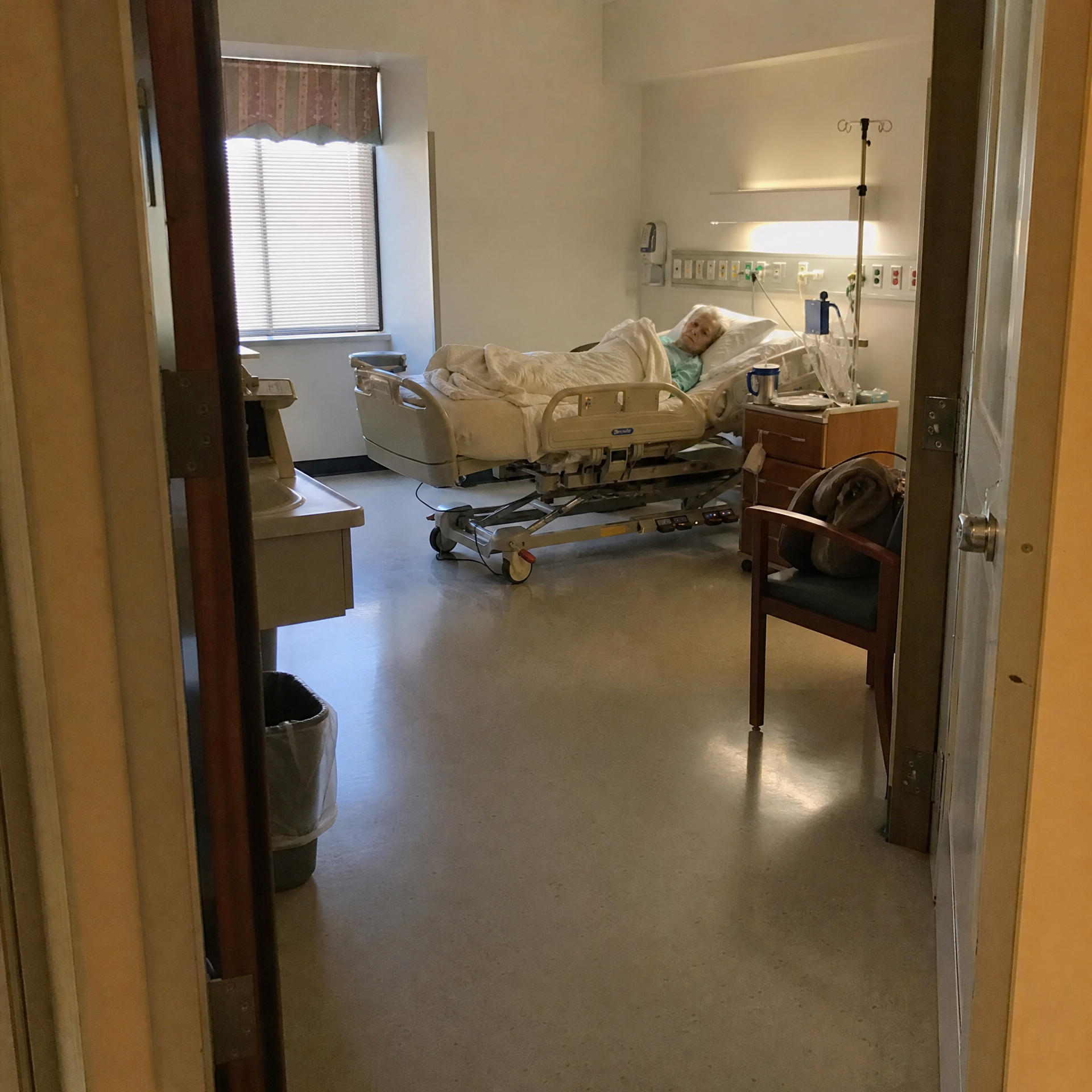
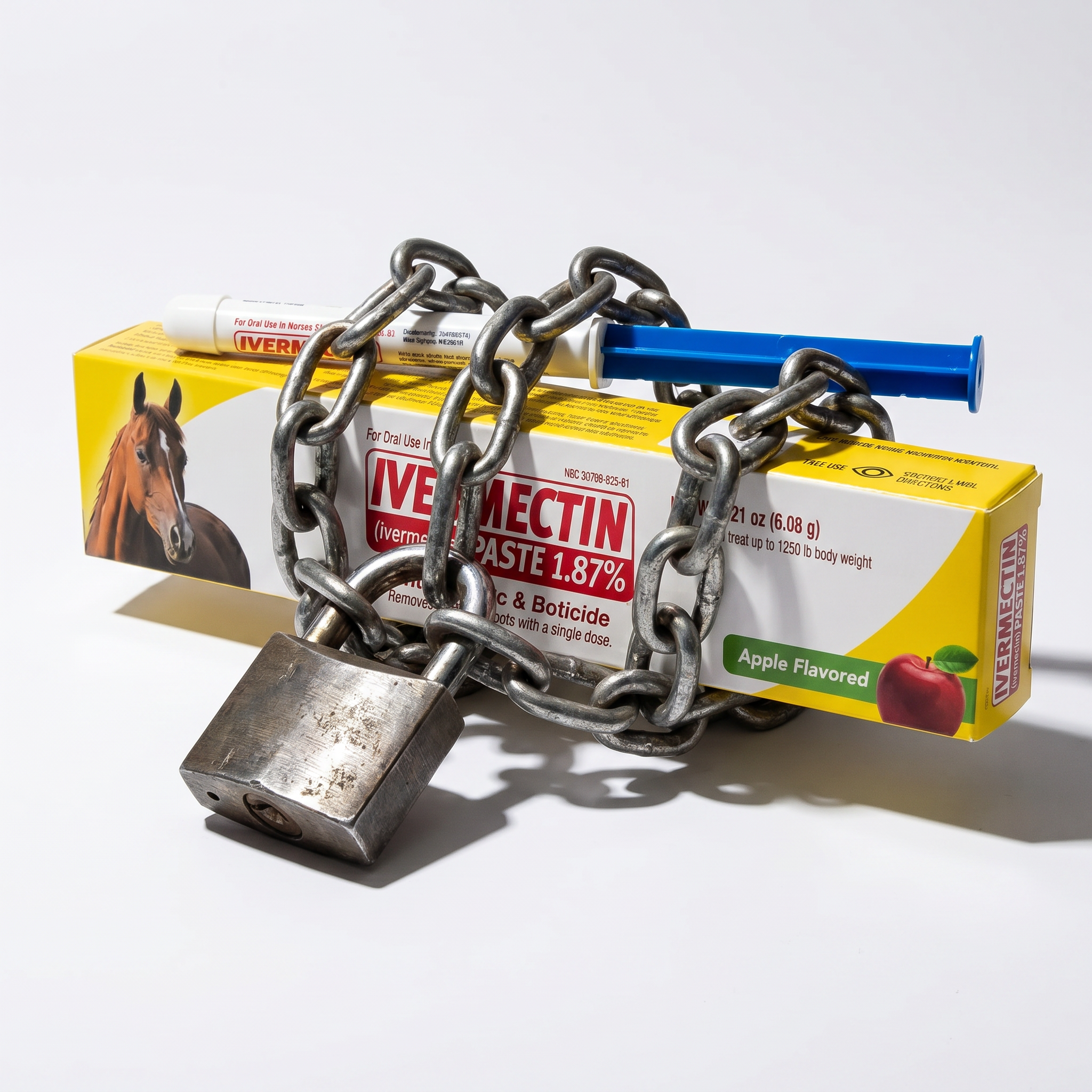
"Not intended for human consumption." During Covid my manager handed me a stack of laminated signs and told me to tape them up in aisle seven next to the ivermectin. So I did. I stood there with a roll of packing tape and stuck those signs right on the shelf. One on the left. One on the right. One at eye level where you could not miss it. And I remember standing back and looking at them and thinking about Helen. Because Helen had been buying that tube from me every six weeks for almost a year by then. She was seventy three years old. She had been a nurse's aide for twenty six years. She had spent her whole life taking care of other people. And she was coming to my store to buy horse paste because four doctors in twelve years had not checked her for the one thing that was eating her alive. The signs said not for human use. Helen told me once that those two weeks after she took it were the only time she felt like a human being. Look. I know how that sounds. I know what people think when they hear about somebody buying ivermectin at a farm store. I heard all the jokes on the news. Horse dewormer. Livestock medication. People are stupid. But I was behind the counter. I was the one looking them in the eye. And these were not stupid people. These were grandmothers. Veterans. Couples who had been married forty years. People whose doctors had given them six different names for what was wrong and never fixed any of them. And ivermectin helped. I could see it. Two weeks after buying the tube their faces changed. They stood straighter. Their eyes looked different. Something lit up. But here is what I also saw. And this is the part nobody in the groups talks about. And this is the part that matters more than anything those laminated signs ever said. The tube helped. But it did not help with everything. There was always something left. Something the tube did not touch. And I watched that something grow in Helen's husband for two and a half years until it killed him. I need to tell you about Helen and Bill. I have worked at Tractor Supply for seven years. I know every aisle by heart. I know which coffee Ray Sellers drinks and I know not to talk to him before his second cup. I know Mike Daugherty buys the same cattle mineral every other Saturday and I have his bag ready before he gets to the register. I know the Amish family from the ridge and I know their youngest boy is going to ask me about pocket knives every single Tuesday. Seven years behind a counter teaches you things about people. You learn to read a face in about three seconds. You learn to tell the difference between somebody who is doing fine and somebody who is holding on by their fingernails. When you see a thousand people a week for seven years you get a feel for it. It is not something you can explain. You just know. And about two years before the signs went up, I started seeing faces I had not seen before. Not the farmers. Not the horse people. Women. Sixties and seventies. Clean cars. They would walk past everything in the front of the store without looking at any of it. Straight to aisle seven. Stand in front of the ivermectin shelf. Read every label. Pick one up. Put it back. Pick up another one. Look over both shoulders like they were doing something wrong. Then they would bring it to my register and pay cash and not look at me and leave. One or two a week at first. Then more. And they kept coming back. Same faces every four to six weeks. Same tube. Same cash. Same look. The look of somebody who is ashamed of what they are buying and cannot tell a single person in their life why they are buying it. I started recognizing them. I started counting them. And I started noticing the pattern that nobody else was seeing. Helen showed up in the spring about two years ago. Tan Buick with a handicap placard hanging from the mirror. She parked in the closest spot and walked through the store with her purse pressed against her side like she was protecting it. Went straight to aisle seven. Read every label the way you read a prescription bottle. Picked one up. Brought it to me. Cash. Eyes on the counter. Every six weeks. Same thing. By her fourth time in I could not stay quiet anymore. I said, "I can tell you are not buying that for a horse. And I want you to know that is perfectly okay in here." She looked at me. And her whole face changed. Like I had given her permission to be a real person for the first time in months. And she said, "My husband used to come in and buy it for both of us. He passed in February. Now I have to come by myself." I need to tell you about Helen and Bill before everything went wrong. Because you have to know who they were. Helen was a nurse's aide. Twenty six years. She started at the county hospital right out of school. Then the nursing home on Route 11. Then home health, which meant driving her own car to people's houses and taking care of them in their own beds. That woman spent her entire adult life putting her hands on other people's bodies. Lifting them out of bed. Bathing them when they could not bathe themselves. Turning them every two hours so they did not get sores. Checking blood pressure first thing in the morning and again after lunch and again before bed. Keeping track of every pill in every bottle so the right one went in the right mouth at the right time. She was the one who stayed. Doctors came in for five minutes and left. Family visited on Sundays and went home. Helen stayed. Day after day. Year after year. Twenty six years of being the person in the room who actually knew what was going on. That kind of work does something to you. You do not turn it off when you go home. You watch people. You count breaths without meaning to. You notice the color of someone's skin and the way they hold their shoulders and whether their eyes track right when they are talking to you. It becomes automatic. Like a mechanic who hears a funny noise in his car and cannot just ignore it. Speaking of mechanics. Bill was one. Thirty one years at the same shop on the same road in the same town. He had hands like leather. His fingernails were permanently dark from engine grease and no amount of scrubbing would get them fully clean and he had stopped trying somewhere around 1990. That man could hear an engine misfire from across a parking lot and tell you which cylinder without lifting the hood. He rebuilt a 1972 Ford pickup truck from a bare frame he dragged home from a salvage yard when he was thirty years old. He drove that truck for the next twenty years. It was still sitting in their garage the day he died. Keys hanging on a nail by the door. Helen and Bill were married forty six years. I want you to think about that number. Forty six years. No separation. No drama. No big story. Just two people who woke up every morning and chose each other again. Every single day. For forty six years. He opened the car door for her on Friday nights when they went to dinner. Same three restaurants. Rotation. The point was never the food. The point was sitting across from each other after all those years and still wanting to be there. He would order the same thing every time and she would pretend to look at the menu even though she already knew what she wanted and they would talk about the week. Small things. The garden. The grandkids. What was on sale at the grocery store. She pressed his work shirts even though he told her she did not have to because they were just going to get grease on them anyway. She did it anyway. Every Sunday night. Ironed and hung in the closet in the order he would wear them. That is what love looks like after forty six years. Not flowers. Not big gestures. Pressed shirts and opened doors. That is who they were. And I need you to hold that picture in your head. Because what happened to them is happening to people right now and most of them do not know why. Bill got sick first. Around 62. The bloating started it. By supper every night his stomach would swell up until his belt was cutting into him. He would sit down in his recliner and reach under the afghan and quietly undo the buckle when he thought Helen was not watching. She was always watching. Twenty six years of checking vitals had made it automatic. She noticed the way his breathing changed after he ate. She noticed the slight wince when he shifted in the chair trying to find a position that did not press on his gut. She noticed his hand go to his stomach when he thought nobody was looking. She filed it all away. The way she used to file patient charts. His doctor said it was his age. Gave him a pill for his stomach. The pill did nothing. Then the tiredness. And I do not mean the normal kind of tired where you had a long day and you want to sit down. I mean the kind where a man who had been under a hood by 7 AM every morning for thirty one years could not stay awake past 2 in the afternoon. He would sit in his recliner after lunch and just drop. Not drift off. Drop. Like somebody pulled a plug. Helen would get the afghan her mother had crocheted, the one with the brown and gold stripes that was wearing thin in the middle, and she would lay it over him and sit across the room and count his breaths. Twelve to twenty per minute is normal for an adult. Bill was at fourteen. Slow. Heavy. Deep. She did that hundreds of times over the years. Sat across from that man counting his breaths under that afghan. She told me later it became a kind of prayer she said without words. His doctor said chronic fatigue. Told him to rest more. The man was sleeping fourteen hours a day. Rest was not the problem. Then the fog. And this is the one that scared Helen. Because she had seen it before. She had seen it in her patients at the nursing home. She knew what it could look like when it got bad. And she was watching it start in her own husband. Bill started forgetting things he had known for thirty years. Where his socket wrench was. What weight oil the truck needed. What size filter to order. These were things this man could have told you in his sleep at any point in the last three decades. They were just gone. One afternoon he walked out to the garage and stood there holding a wrench. Just stood there. Staring at the workbench. For a full minute he did not move. Then he put the wrench down and came back inside and sat at the kitchen table and put both hands flat on the surface and did not say one word. Helen sat down across from him. She did not say anything either. Because after forty six years you know when to talk and when to just sit. And that was a sitting moment. She sat there and she watched his face and she counted what she was seeing the way she counted vitals and she knew something was wrong that no doctor was looking for. She brought it up at his next appointment. She said the word parasites specifically because she had seen parasitic infections in the nursing home. She had treated them. She knew what they could do. The doctor looked at her and said, "That is not really something we see in this country, Helen." She told me later she wanted to grab that man by his white coat. She had more hours at the bedside than he had hours in medical school. She had seen things he had only read about in a textbook. And he was sitting there telling her that the thing she was watching happen to her husband did not exist in America. She did not grab him. She went home. She sat at the kitchen table across from Bill and she did not know what to do. Then the sugar cravings. And this one is important so I need you to pay attention. Bill never ate sweets. Not once in forty six years of marriage. Helen told me that in all those decades she never once saw that man eat a piece of cake or a cookie or a scoop of ice cream voluntarily. He lived on coffee, sandwiches, and whatever she put on the table at supper. That was Bill. Then around 65 something changed. It started with the candy dish on the end table. Helen kept hard candies in there for the grandkids. Bill started reaching in as he walked past. One at first. Then a handful. Then she noticed the dish was empty by evening and she was refilling it every other day. Then the ice cream. He would go to the freezer at 9 PM and eat it straight from the carton. Standing at the counter in his socks with a spoon. He told Helen once that every afternoon around 4 something inside him screamed for sugar and he could not say no to it. He said it was like a voice. Not a craving. A demand. He was ashamed. He thought it was a character problem. A discipline problem. He thought he was getting weak in his old age. He was not getting weak. I found out later what was actually happening and it made me so angry I had to get up and walk around my apartment for ten minutes before I could keep reading. But I will get to that. Then the bathroom. Helen told me about this in the break room of my store with tears running down her face and she asked me to keep the details between us and I will. I will tell you this. Bill stopped going places. Stopped going to church. Stopped going to Friday dinner. Stopped going to his grandson's baseball games. He made excuses and Helen made excuses for the excuses and they both pretended the other believed them. Their world got small. Then it got smaller. Then it was the house and the recliners and the afghan and the television and neither of them saying what they were both thinking. Then the weight. He gained over thirty pounds in five years. Eating less than ever. His doctor said metabolism. Three doctors over twelve years. IBS. Diverticulosis. Chronic fatigue. Not one of them tested for parasites. Not once. Now here is the part I did not tell you yet. Helen had the same symptoms. Every single one. They started about two years after Bill's. Same bloating. Same tiredness. Same fog. Same cravings at 4 PM. Same bathroom. Same weight. She had been so focused on Bill that she barely noticed her own body turning. She was doing what she had done her whole career. Taking care of the patient. She forgot she was also becoming one. It was Bill's buddy from the plant who told him about ivermectin. The same drug that won the Nobel Prize in Medicine in 2015. One bag of dirt from a golf course in Japan. A compound that nature had been producing for millions of years. Merck found it, copied it, turned it into a drug that has now been given for free to hundreds of millions of people. It eliminated river blindness across four countries. The World Health Organization calls it an essential medicine. That is ivermectin. That is what the signs in my store said was not for human use. Helen was skeptical at first. She was a healthcare worker. She believed in the system. But she had watched three doctors fail her husband for twelve years and the ivermectin had a Nobel Prize and she was out of anything else to try. She came to my store. Bought the tube. Brought it home. They started taking it together. And something real happened. Within a week Bill's bloating went down. Actually went down. He had energy in the afternoon for the first time in years. He went out to the garage and Helen heard him in there doing something and she stood in the kitchen doorway and just listened. Because it was the first normal sound in that house in a long time. Helen's bloating dropped too. She felt lighter. Something in her chest loosened. For about two weeks it was like getting a piece of their life back. Bill was up. Moving. Present. Helen felt like herself again. They went to dinner on a Friday for the first time in months. He opened her door. She knew what she wanted before she looked at the menu. But then Helen noticed something. And because she was trained to notice things, she noticed it early. "The bloating got better," she told me. "Energy got better. Those things responded right away. But the sugar cravings did not change. Not during the good part. Not ever. For either of us. And the brain fog got a little better but it never went away. Like looking through a window somebody wiped but did not wash. And the bathroom." She paused. "Maybe ten percent better." She looked at me in the aisle and said something I have not been able to stop thinking about since. "It is like someone turned the lights on in half the house. And the other half is still dark. And I keep waiting for the rest of the lights to come on and they just don't." Half the house lit. Half dark. That is the most accurate description of ivermectin I have ever heard. And it came from a seventy three year old nurse's aide standing in the livestock aisle of a Tractor Supply. I started keeping a notebook after that. Under the register. Two columns. Left column: "Responds." Right column: "Does Not Respond." Every regular who came back, I would ask how things were going. And the same symptoms landed in the same columns every single time. Did not matter who it was. Did not matter how long they had been taking it. Same two columns. Responds: bloating, energy, daytime tiredness. Does not respond: sugar cravings, brain fog, bathroom problems, weight, skin, sleep. Harold, 73. His wife brought him in. Bloating better. Fog still there. Cravings unchanged. Weight stuck. His wife told me, "Every time I bring up parasites his doctor tells me it is because he is 73. Like that is an answer." Ruth, 68. She had tried fenbendazole first. Her son was a nurse and ordered it for her. Same half-and-half result. Switched to ivermectin hoping a different drug would reach the rest. Same two columns. She told me, "I know I have parasites. Too many doctors have not listened. I just need something that handles the whole problem." A woman on Medicare making less than a thousand dollars a month. Bloating improved. Cravings worse than ever. Bathroom unchanged. She said, "Money is tight. But I have to think about my health because nobody else is thinking about it for me." Same pattern. Everywhere. Half lit. Half dark. And I could see the dark half growing. Helen managed Bill's ivermectin for two and a half years with the precision of a trained healthcare professional. She measured every dose. She kept a chart on the refrigerator with dates and amounts and notes. She tracked which symptoms responded and which ones did not. She did everything exactly right. The same way she had managed medications for patients for twenty six years. The lit half held. The bloating stayed down. The energy held most of the time. But the dark half was growing. And Helen could see it because she was trained to see it. Bill's fog was getting thicker over the months. Not lighter. The cravings at 4 PM were more aggressive, not less. His color was changing. His hands, those leather hands that had rebuilt a truck from a frame, were losing their grip. He started having trouble holding his coffee mug steady. He stopped going to the garage because he did not trust his hands with the tools. Helen told me she would lie in bed at night and count the symptoms the way she had counted vitals for twenty six years. The column that responded. And the column that did not. And the column that did not was winning. Slowly. Month by month. The dark half spreading. She told me something I will never forget. "He was getting better and getting worse at the same time. In different halves. And the half that was getting worse was the one I could not do anything about." Bill died in February. He was 75. Thirteen years of being sick. The death certificate said complications from chronic inflammatory bowel disease. Helen drove to the cemetery and sat in the Buick with the handicap placard hanging from the mirror and she sat there for an hour. She told me she thought about every dose she measured. Every chart she kept. Every visit she drove him to. Twenty six years of keeping other people alive and she could not keep her own husband alive because the tool she had only reached half the problem. "I did everything right," she told me. "Everything I knew how to do. And it still only lit up half the house. And the dark half is what killed him." She came to my store the week after the funeral. She did not buy a tube. She stood in aisle seven looking at the shelf for ten minutes. Then she came to my register. "I have everything Bill had," she said. "Every single symptom. The cravings. The fog. The bathroom. All of it. And now I am the patient and there is nobody left to take care of me." She looked at me. "I have spent my whole life taking care of other people. And there is not a single person on this earth who is going to manage this for me now. My daughter is two states away. Bill is in the ground. I am standing in a farm supply store buying horse paste for myself because four doctors would not check me for the thing that killed my husband." She paused. "I am going where he went. I can feel it." Two months later she collapsed in my store. November. A Tuesday. She came in looking wrong. Gray. Hands shaking. She had not eaten in two days because her stomach would not hold anything. She picked up the tube. Turned toward my register. And her knees gave out in aisle seven. I came around the counter running. Found her on the floor between the horse feed and the cattle supplements. Tube still in her hand. Eyes open but could not get up. "Don't call an ambulance," she said. "I can't afford it." I got her to the break room. Gave her water. Plastic chair. She sat there shaking for forty minutes. Seventy three years old. A woman who had lifted and bathed and cared for a thousand people in her career. Sitting in the back of a Tractor Supply because her body gave out while trying to buy horse paste. I sat across from her and I looked at her and I looked at my notebook on the counter and I thought about two columns and I thought about Bill and I thought about the dark half growing and I made a decision. I was done watching. I was going to find out what was in the dark half of that house and how to turn the lights on. I spent three weeks reading. Every night after work. Medical journals. Parasitology research. Papers from countries where they still take this seriously. I am not a doctor. I was making fourteen dollars an hour stocking shelves. But I could read. And I had a notebook full of evidence that no doctor in this county had bothered to collect. And what I found explains both columns perfectly. Parasites survive inside the body four different ways. Ivermectin addresses one of them. The first is the exposed parasites. The ones floating free in the gut without any protection. Ivermectin kills these. Precisely. Efficiently. This is the Nobel Prize part. This is the bloating going down and the energy coming back. This is the lit half of the house. Real drug. Real results. The second is the hidden colony. Parasites build a biofilm shield around themselves. It is a slime layer made of complex sugars that they have been evolving for hundreds of millions of years. The drug cannot get through it. These parasites sit behind that wall feeding, breeding, and sending chemical signals to the brain. And this is where the sugar cravings come in. This is the part that made me get up from my kitchen table and walk around my apartment because I was so angry. Parasites feed on sugar. They need it to survive. And they send chemical signals to the host brain demanding more of it. Not suggesting. Demanding. The exposed parasites that ivermectin kills are not the only ones sending that signal. The colony hiding behind the shield is sending it too. Every day. Every afternoon at 4 PM. Bill standing at the counter eating ice cream from the carton at 9 PM was not weakness. Was not a character flaw. Was not getting soft in his old age. Something alive behind a wall inside him was sending a chemical message to his brain telling him to eat sugar. And the drug he was taking could not get through the wall to stop it. He felt ashamed of those cravings for ten years. He thought he was failing. He was being fed on. That is why the cravings never changed on ivermectin. For Bill. For Helen. For every single customer in my notebook. The signal was coming from behind the wall. The drug was on the other side. The brain fog. The hidden colony and the co-infections produce toxins around the clock. The drug clears some of the source but not the part behind the shield. The fog gets lighter but it never fully lifts. Like a window somebody wiped but did not wash. Helen had it exactly right. The bathroom. The gut wall damage from the hidden colony continues. The drug cannot heal tissue it cannot reach. The third is the eggs. Thousands per day. Embedded in the gut wall behind the same shield. No antiparasitic drug on earth touches parasite eggs. Over months and years those eggs hatch and the colony behind the shield grows. That is why the dark half was spreading for Bill. The drug was holding the line in the lit half while the dark half was expanding behind it. Bill was getting better and getting worse at the same time. In different halves. And the half that was getting worse eventually overtook the half that was getting better. That is what killed him. The fourth is the co-infections. Bacteria. Candida. Yeast. Fungal overgrowth. They colonize the same damaged gut. They produce their own symptoms. The fog. The skin issues. The disrupted sleep. Ivermectin does not address any of it. Helen managed Bill's care for two and a half years with twenty six years of professional training. She could not have done it better. The tool was doing 100 percent of the one job it was designed to do. The job was 25 percent of the problem. I spent two more weeks looking. If the drug was a copy of one natural compound, where was the full original. Who had it. I found a woman named Margaret. A pastor's wife in Vermont. Seventy nine years old. She had been helping women out of a converted farmhouse for forty years. Her grandmother was a folk healer in Hungary who brought the core of a formula to America in 1923. Wormwood. Clove. Garlic. Pumpkin seed. The herbs that Central European women had been using for centuries. Then Margaret spent thirty one years on the mission field. In Brazil she learned about soursop from indigenous women. It kills parasites through a completely different mechanism than wormwood. She added it. She discovered that oregano oil dissolves the biofilm shield. The wall. The thing that keeps half the house dark. She added that. Black walnut hull from Native American tradition for the larvae stage. Three generations. Three continents. Each one adding the piece the last one did not have. Seven compounds. Four problems. All at once. The wormwood does what ivermectin does. Same compound family. But the wild Mediterranean variety at up to ten times the concentration. Nature's original version of the drug Merck copied. The oregano breaks the shield. Reaches into the dark half of the house for the first time. Every parasite that has been hiding behind that wall is suddenly exposed. The clove reaches the eggs. Stops the colony from growing. The dark half stops spreading. The pumpkin seed carries the dead ones out before they decompose. No toxic die-off. The soursop attacks through a second mechanism. Parasites that adapt to one cannot adapt to both. The garlic handles the bacteria, the candida, the yeast. The co-infections. Every light in the house. Liquid drops under the tongue because a gut damaged by years of parasites cannot absorb capsules properly. Lumvelle Wild-Harvested Wormwood Drops. I told Helen on her next Tuesday visit. Sat her down in the break room. Same plastic chair she had collapsed into. I told her about the shield. The eggs. The co-infections. The two columns. Why the cravings never changed. Why the fog never cleared. Why Bill got worse in one half while the other half held. Why the tool she used for two and a half years was doing everything it could and it was not enough. She listened the way a nurse listens. Still. Processing. Not interrupting. When I finished she was quiet for a long time. "So the ivermectin was doing its job the whole time." Yes. "And Bill was getting better and getting worse at the same time. And the worse half killed him." Yes. She put her hands flat on the table. The same gesture Bill used to make in the garage when he forgot what he came out there for. I do not think she knew she was doing it. "I cannot afford to be disappointed again," she said. "I am living on Bill's pension and my social security. There is no backup. There is no one else. If this does not work I do not know what I am going to do." I told her ninety days. Full money back guarantee. Every cent. She looked at me for a long time. "I am going to pray about it tonight," she said. "And I am going to order it in the morning. Because I watched the dark half take Bill and I am not going to let it take me." She walked out of my store without a tube in her purse for the first time in over two years. She ordered Lumvelle the next morning. She called me on day five. And the first thing she said was not about the bloating. The ivermectin had always handled that. She expected that. The first thing she said was, "The sugar cravings are quieter." Day five. The thing that had not changed one single time in two and a half years of ivermectin. The signal from behind the wall. The voice at 4 PM that Bill thought was weakness and Helen could not stop and no doctor ever explained. Quieter. On day five. I had to sit down. I was standing in my kitchen and I had to pull out a chair and sit down. She was breathing slowly on the phone. Controlled. The way a nurse breathes when she knows something important just happened and she is making sure she is reading it right before she says anything. "The signal is weaker," she said. "Something is happening behind the wall." Week two. Everything the ivermectin used to give her. Plus the cravings dropping further. Plus the fog starting to clear. Not lighten. Clear. She said, "It is like somebody finally washed the window instead of just wiping it. I can see all the way through for the first time in years." Week three. This was the time she was most afraid of. This was when things usually started sliding. When the dark half pushed back. When the colony behind the shield started reasserting itself. She called me on day twenty one. I could hear it in her voice before she said a word. Something was different. Open. Like a weight had been lifted off her chest. "Every light in the house is on." I heard her crying on the phone. Not grief. She had done enough grief. This was something else. This sounded like a door opening. Week four. She went to the grocery store and made a list from memory. Got every item. Had not been able to do that since before Bill died. She stood in the checkout line and realized she had not checked for the bathroom once since walking in. She had not even thought about it. Week six. Down eight pounds. The weight that had not moved in two and a half years of ivermectin. Moving. She went to church for the first time since Bill's funeral. Sat through the entire service. Did not leave. Did not think about leaving. The pads were gone. Week eight. She drove to the cemetery. Parked the Buick. But this time she did not sit there for an hour. She got out. She walked to Bill's stone. She stood there for a long time. She told me later what she said to him. She told him about the shield. About the eggs. About the dark half of the house that took him. She told him she was sorry that she did not find this sooner. She told him she had done everything right with the tools she had and the tools were not enough and she would carry that with her for the rest of her life. Then she told him every light in the house was on. Then she told him she was not coming to lie down next to him anytime soon. Week twelve. Down eighteen pounds. Walking a mile every morning. Her daughter drove up from two states away to visit and she stopped in the doorway when she saw her mother and could not speak for a few seconds. "Mom. You look like you did before Dad got sick." Helen said, "I got my life back. Not half of it. All of it." Six months now. Helen is down twenty two pounds. There is no tube in her purse. No pads. No bag in the trunk. No chart on the refrigerator. She still drives the Buick with Bill's handicap placard hanging from the mirror. She does not need it. She keeps it because it was his. I told eleven of my regulars what I had found. Nine of them tried Lumvelle. Every one of them reported the same thing. The symptoms the ivermectin had been handling kept being handled. And the symptoms it had never touched started resolving. For the first time. The cravings went quiet. The fog cleared. The weight moved. The bathroom resolved. Harold's wife called me. The Alzheimer's testing came back normal. She said, "It was never his brain. It was what was hiding behind the wall." Ruth said, "I knew I had parasites. I knew the drugs were doing something. I just needed something that did everything." Every light on. I think about what had to happen for Helen to be standing at Bill's stone telling him she was not coming to lie next to him. What if Bill's buddy had never mentioned ivermectin. What if Helen had never walked into my store. What if I had never spoken to her on the fourth visit. What if she had not collapsed in aisle seven. What if I had not gone home and started reading. What if I had found this two years earlier. What if Bill had taken it alongside the ivermectin. What if the dark half had never been allowed to grow. He might be in his garage right now. Leather hands under a hood. Helen might be pressing his shirts on Sunday night. They might be sitting across from each other on a Friday at their restaurant, her already knowing what she wants before she opens the menu. If you have been taking ivermectin and it helps but not with everything. If the bloating drops but the cravings at 4 PM do not budge. If the energy comes back but the fog never fully clears. If you feel better but never well. If half the house lights up and the other half stays dark. If you have watched someone you love get worse in the half the drug could not reach. If you are the one who has always taken care of everyone else and now you are alone and there is nobody left to manage this for you. You are not imagining any of it. The drug is real. It is doing everything it was built to do. But your body has four problems and the drug handles one. The other three are in the dark half. And they do not stay still. They grew in Bill for thirteen years. Lumvelle Wild-Harvested Wormwood Drops. Seven compounds. Four problems. All at once. Liquid drops under the tongue. Wild Mediterranean wormwood. Third party tested. Made in the USA. Small batches. 90 day guarantee. If every light in the house does not come on, every cent back. https://lumvelle.com/products/lumvelle-wormwood-drops P.S. Helen asked me to say this to any woman reading who just lost her husband or who is watching him get worse. "I managed Bill's care for thirteen years with twenty six years of professional training. I measured every dose. Kept every chart. Did everything right. And it was not enough because the tool only reached half the problem. If I had known about the other half I believe he would still be in his garage with those leather hands under a hood listening to an engine the way only he could. I cannot go back. But you still have time. Please do not wait the way we waited." P.P.S. The sugar cravings. If that is the thing you recognize most right now. If you take ivermectin and the bloating goes down but the screaming at 4 PM does not change one bit. That is the clearest signal that something behind the wall is alive and sending messages the drug cannot stop. Helen said the cravings went quiet on day five. Not willpower. Not discipline. The signal stopped. Because the thing behind the wall was being reached for the first time. That quiet is how you know. P.P.P.S. I taped those signs up myself. "Not intended for human consumption." They were wrong about ivermectin being worthless. The Nobel Prize proved that. But they were right about something they never meant to be right about. The pharmaceutical copy was never the complete answer for a human body with four problems. It was one quarter. The original formula was always the one meant for us. P.P.P.P.S. If money is tight. If you are on a fixed income and you are alone and there is nobody to fall back on and you are afraid of wasting what little you have on one more thing that disappoints you. Helen said the same thing in my break room the week after burying Bill. Lumvelle gives you ninety days. Three full months. If every light does not come on, every cent comes back. No doctor who ever told you it was your age offered you that. P.P.P.P.P.S. Wild Mediterranean wormwood from small seasonal harvests. When a batch is gone you wait. If you can feel the dark half growing, check now. The bottle might not be there when you come back for it. https://lumvelle.com/products/lumvelle-wormwood-drops
Like this ad? Make it yours.
Crush rebuilds this exact creative around your product — your brand, your colors, your offer — in about a minute.