Paws & Care Vet
Paws & Care Vet Facebook ad: “Veternarian Speaks The Truth.”
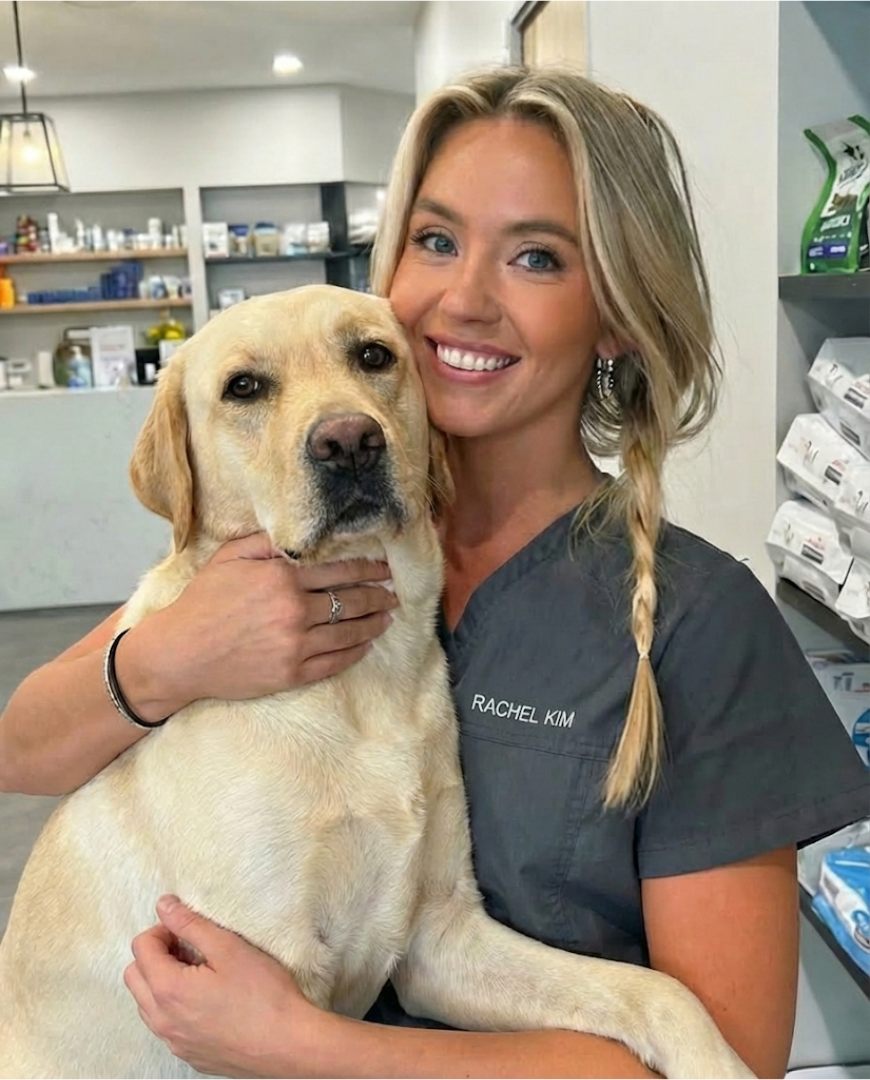
Ran for 25 days, from January 31 to February 25, 2026, the last day Crush saw it.
Run by Paws & Care Vet on Facebook. Crush is not the advertiser and does not verify its claims. See this ad in Meta's Ad Library(opens in a new tab)
Want an ad like this for your product?
Crush makes new ad images for your product from this ad: your logo, your product photo, your offer.
Trials from $19.95 USD, then $79.95 USD a month. Cancel anytime.
About this ad
- Meta Ad Library ID
- 1942029383064358
- Platforms
- Facebook, Instagram, Audience Network, Messenger and Threads
- Relaunches
- 0
Ad text
Three years of grain-free food. $4,200 in vet bills. And now the surgeon was prepping to amputate her dog's toes. The infection had eaten through the tissue between his paw pads. Dead skin. Exposed bone on two toes. The smell in the exam room made the vet tech gag. She'd done everything right. Switched from regular kibble to grain-free the month he started licking his paws. Upgraded to a high-end legume-free formula when the first one didn't work. Then an even more expensive "limited ingredient" version when the licking got worse. $78 per bag. High-protein with no fillers. His paws rotted anyway. My name is Dr. Rachel Kim, DVM. I've treated over 11,000 dogs at Riverside Animal Hospital. That dog — Cooper — survived. The surgeon saved his toes. But I couldn't stop thinking about what went wrong. This owner had spent three years and thousands of dollars on premium grain-free food specifically because she was told it would help his allergies and skin issues. Instead, she watched the problem get worse every single month until her dog nearly lost part of his foot. So I did something I'd never done for a skin case in 11 years of practice. I ordered a comprehensive stool panel. Not another skin scraping. Not another ear cytology. A full analysis of his gut microbiome. The results came back five days later. Severe dysbiosis. Gut flora completely destroyed. Yeast overgrowth markers off the charts. His gut was in worse condition than dogs eating grocery store kibble. And that's when I finally understood what the grain-free industry doesn't want you to know. Here's the truth about grain-free dog food: When companies removed grains, they replaced them with peas, lentils, chickpeas, and potatoes. The result? Grain-free formulas contain up to 340% more carbohydrates than the grains they replaced. Every single meal floods your dog's system with starch that breaks down into sugar — the exact fuel source yeast needs to multiply. The food marketed as "healthier" and "allergy-friendly" is creating the perfect internal environment for yeast to explode. Taste of the Wild. Merrick. Acana. Orijen. Blue Buffalo Wilderness. Premium prices. Five-star reviews. Instagram endorsements. 340% more carbs than regular kibble. And there's something else. The FDA has been investigating a link between grain-free diets and DCM — dilated cardiomyopathy, a serious heart condition. The legumes used to replace grains may be interfering with how dogs absorb taurine, an amino acid critical for heart function. The research is ongoing. But dogs are dying. And the grain-free industry keeps running ads telling you it's the "natural" choice. Here's what they don't teach in vet school: Over 86% of dogs with chronic ear infections and paw licking have severe gut imbalance driving the entire cycle. Not a food allergy. Not bad genetics. Not "some dogs are just prone to yeast." A gut problem manifesting on the skin. And here's the part that will probably frustrate you: True food allergies cause less than 0.2% of chronic skin issues in dogs. Less than one in five hundred. The pet food industry has convinced millions of dog owners that the answer to itching, ear infections, and paw licking is switching foods. So you switch. And switch. And switch again. Grain-free. Novel protein. Limited ingredient. Prescription hydrolyzed. Every switch helps for a week or two. Then the symptoms come back. Because the food isn't causing the yeast overgrowth. The damaged gut environment is. And every bag of high-carb grain-free food is making that environment worse. When a dog's gut microbiome is destroyed — from years of high-carb food, rounds of antibiotics, or chronic inflammation — their internal environment becomes a breeding ground for yeast. The gut can't regulate immune function. The skin barrier weakens. And Malassezia yeast — which normally lives harmlessly on every dog's skin — explodes into chronic infections. You can shampoo twice a week. Clean ears daily. Apply medicated wipes to paws. But if the internal environment is feeding yeast overgrowth, the moment you stop treatment, it erupts all over again. This is why diet switches seem to work temporarily. Any change disrupts the pattern briefly. Your dog's system gets a short break. Symptoms improve. Then the new food — still loaded with carbs, still feeding the imbalance — kicks in. And the cycle restarts. It was never about finding the "right" food. It was about the gut damage that no food switch can fix. After Cooper's diagnosis, I started running comprehensive stool panels on every dog that came in with chronic ear infections or paw licking. Over eight months, I tested 112 dogs. 96 showed severe dysbiosis patterns. 86%. These weren't dogs eating cheap food. These were dogs on: → Orijen Regional Red ($95/bag grain-free) → Blue Buffalo Wilderness ($72/bag grain-free) → Hill's Prescription Z/D (prescription hypoallergenic) → The Farmer's Dog (fresh, human-grade) → Stella & Chewy's (raw frozen) → Home-cooked diets designed by veterinary nutritionists The grain-free dogs had the worst results. But even the raw-fed and home-cooked dogs showed significant dysbiosis. Because once the gut environment is damaged, even the best food can't rebuild it alone. If your dog shows ANY of these signs, they likely have gut dysbiosis driving yeast right now: → Licking paws 2+ times per day (especially at night) → Frito feet smell that bathing doesn't fix → Ear infections that clear up then return within 2-3 weeks → Rust-colored staining on fur (paws, face, underarms) → Head shaking or ear scratching that never fully stops → Red, inflamed skin between toes or in skin folds → Brown, gunky ear discharge with a yeasty smell → Symptoms worse at night or after eating The ear infections and paw licking aren't the disease. They're the warning sign that your dog's internal environment is feeding yeast overgrowth. So what actually works? Two things need to happen: First — stop feeding the problem. Get off grain-free. The 340% carb increase is making everything worse. The best options are raw or home-cooked diets that are genuinely low in starch and high in quality protein. Fresh, whole foods without the legume fillers and potato starches that dominate commercial "allergy" formulas. If raw or home-cooked isn't realistic for you, at minimum switch to a genuinely low-carb formula — and read the actual ingredient panel, not the marketing claims. Second — address the gut damage directly. Here's the hard truth: Even the best diet cannot eliminate an established yeast overgrowth on its own. Your dog's gut microbiome is already compromised. The yeast colony is already thriving. The inflammatory cycle is already running. Switching to better food stops adding fuel to the fire. But it doesn't put out the fire that's already burning. You need direct antifungal and immune support to rebalance the internal environment. That's where most dog owners get stuck. After discovering how widespread gut dysbiosis was in my practice, I thought finding a good supplement would be easy. I was wrong. I ordered eleven different "yeast support" and probiotic supplements. All claiming to be "natural antifungal" and "vet formulated." I sent them all to an independent lab for potency and purity testing. What came back made me furious. NutriVet Yeast Guard (top seller on Chewy): Only 190mg of active ingredients per serving. Label claimed 500mg. Massively under-dosed. VetriScience Yeast Defense (sold at major pet stores): No third-party Certificate of Analysis. When I requested documentation, they sent a generic quality statement from 2019. PetHonesty Yeast Support (Amazon's Choice): Tested positive for rice flour and maltodextrin fillers not listed on the label. Zesty Paws Probiotic Bites: Zero detectable Pau d'Arco or Goldenseal. Completely ineffective for yeast. The supplement industry is unregulated. Companies can claim almost anything. I spent three months calling manufacturers, demanding Certificates of Analysis. Most wouldn't return my calls. Then I found Kivori Yeast Infection Drops. At first, I was skeptical. But when I called them, they answered immediately. I asked for their Certificate of Analysis. They emailed it within 30 minutes — from an accredited third-party lab, testing for purity, potency, and contaminants. I asked about sourcing. Full documentation: pharmaceutical-grade Pau d'Arco from Brazil, Goldenseal from certified organic farms, manufactured in a GMP-certified facility. I asked for batch testing. They provide it for every single production run. They were the only company that could answer every question with documentation. So I sent their product to the same independent lab. The results: ✓ 510mg of active ingredients per serving (label claims 500mg) ✓ Goldenseal extract standardized to 5% berberine ✓ Pau d'Arco standardized to 3% lapachol ✓ No fillers, no binders, no undisclosed ingredients ✓ 99.7% purity The only yeast supplement I've found that actually contains what it claims. I called Cooper's owner the week after his surgery. "His gut is destroyed from years of grain-free food. But I found something that can help — if you're willing to change his diet too." She switched Cooper to a balanced raw diet. And started giving him Kivori — just 2 drops on his food twice daily. Week 1: Still licking, but less frantic. Sleeping a bit longer. Week 2: Down to occasional licking. Ears less gunky. Week 3: Sleeping through the night for the first time in two years. Week 4: Paws no longer red. Ears pink instead of brown. Week 6: She sent me this message: "Dr. Kim — I can't remember the last time Cooper licked his paws. The smell is gone. His toes healed completely. I spent three years and thousands of dollars on grain-free food that was making him worse. I wish someone had told me sooner." Cooper's follow-up stool panel three months later: Gut microbiome balanced. Yeast markers normal. I've now put over 840 dogs on this protocol — better diet plus Kivori for direct gut support. 93% show measurable improvement within 30 days. Rachel's dog Benny, 8 years old: "Three different grain-free brands in two years. Ear infections every month. Switched to raw and started Kivori. Six weeks later — first clean ear check in three years." Marcus's dog Sadie, 5 years old: "Grain-free since she was a puppy. Paw licking so bad she had sores. Vet said 'some dogs are just like that.' Switched to home-cooked, added Kivori. The licking stopped in three weeks. She's a different dog." Tom's dog Duke, 4 years old: "Already feeding raw but still getting yeast flares. Started Kivori and within a month his ears and paws cleared up completely. The raw diet was right — his gut just needed help recovering." Jennifer's dog Bella, 6 years old: "Hill's Z/D prescription diet for two years. Apoquel every day. Still scratching. Switched to fresh food and Kivori. Week five I stopped the Apoquel. Her skin is calm for the first time since she was a puppy." This is what happens when you stop feeding the problem AND address the gut damage directly. Here's what I want you to understand: The pet food industry spent billions convincing you that grain-free was the answer. It wasn't. For most dogs with chronic yeast issues, grain-free made it worse — flooding their systems with legume carbs that feed the exact overgrowth you're trying to stop. True food allergies account for less than 0.2% of chronic skin cases. Switching foods won't fix this. But here's what will: Get off grain-free. Switch to raw, home-cooked, or a genuinely low-carb formula. Give your dog's gut the direct support it needs to eliminate the yeast overgrowth that's already established. You don't need another $800 specialist visit. You don't need another prescription diet that's still 40% starch. You don't need to keep switching foods hoping the next one finally works. You need to stop feeding the problem and start fixing the damage. The only supplement I trust after testing them all: Kivori Yeast Infection Drops. The same pharmaceutical-grade, third-party tested formula I use in my practice. Most dogs show noticeable improvement within 2-4 weeks — if you're also addressing the diet. → https://www.kivoripetstore.com/products/dog-ear-skin-relief-drops-bacon-flavor-60ml P.S. If your dog has been on grain-free food and still licks their paws or gets ear infections, now you know why. That premium bag is feeding the yeast overgrowth with every meal. Every week you wait, the gut damage gets worse. P.P.S. I don't get paid by Kivori. I recommend it because after testing every major dog yeast supplement on the market, they're the only ones who passed. And unlike the grain-free brands spending millions on marketing, they actually have the documentation to back up their claims.
Where the ad sends people
kivoripetstore.com
Veternarian Speaks The Truth..
Your premium dog food might be slowly harming your dog
Order now: kivoripetstore.com(opens in a new tab)