Sarah Johnson
 Facebook ad: “I read this article about…”
Ran for 74 days, from August 11 to October 24, 2026, the last day Crush saw it.
Run by Sarah Johnson on Facebook. Crush is not the advertiser and does not verify its claims. See this ad in Meta's Ad Library(opens in a new tab)
Make your own version of this ad
Crush makes it, launches it in your own Meta ad account, scales the winners and pauses the losers.
About this ad
- Meta Ad Library ID
- 1944164039558329
- Platforms
- Facebook, Instagram, Audience Network and Messenger
- Relaunches
- 0
- Niche
- Clinics & Medical
Ad text
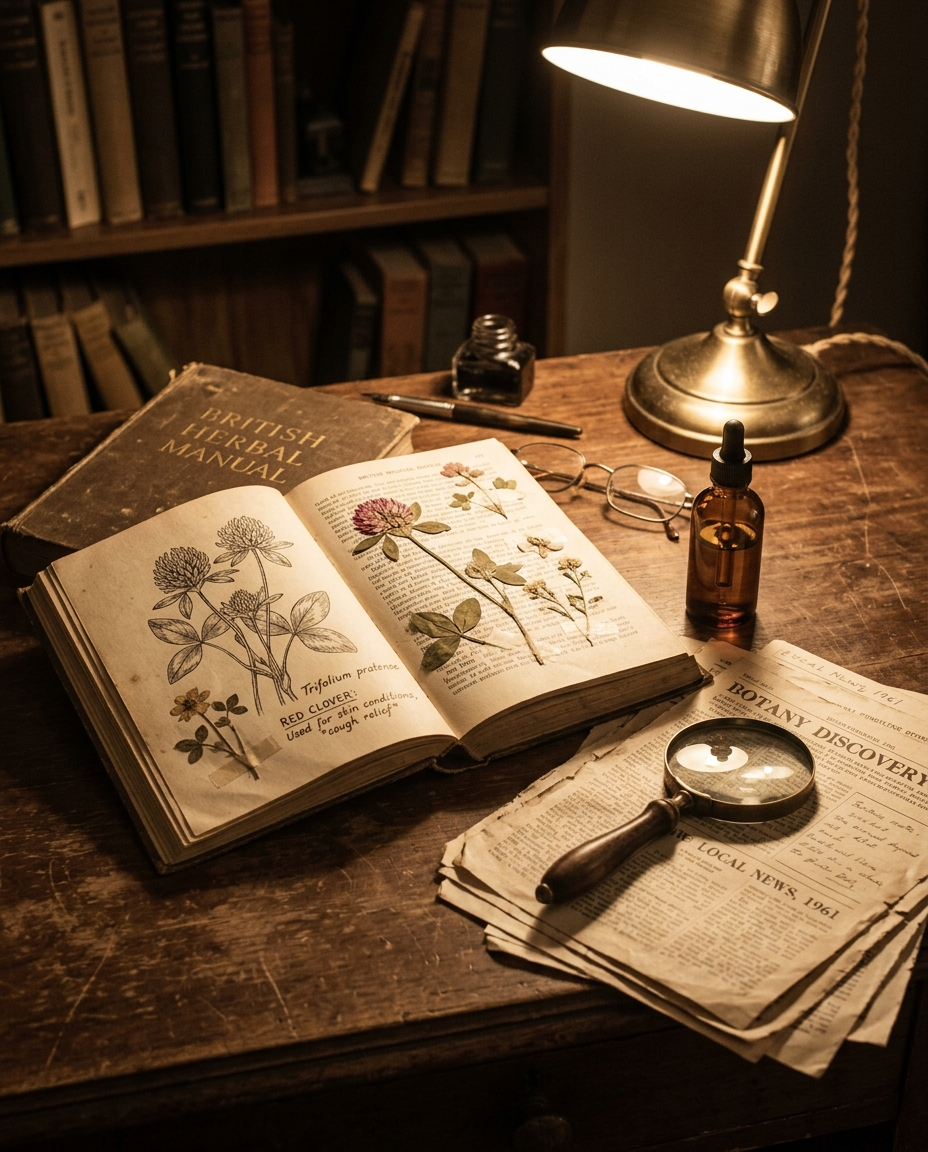
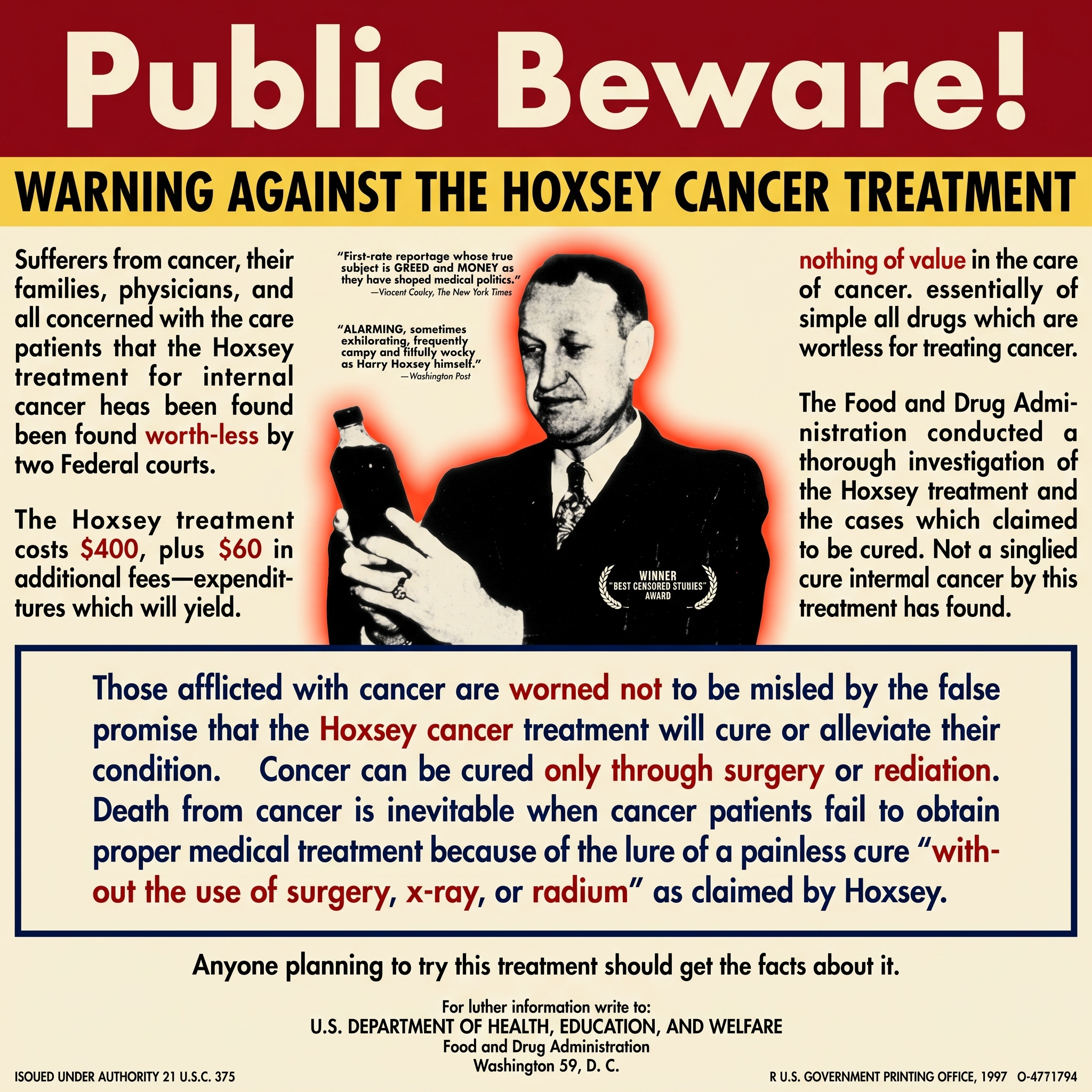
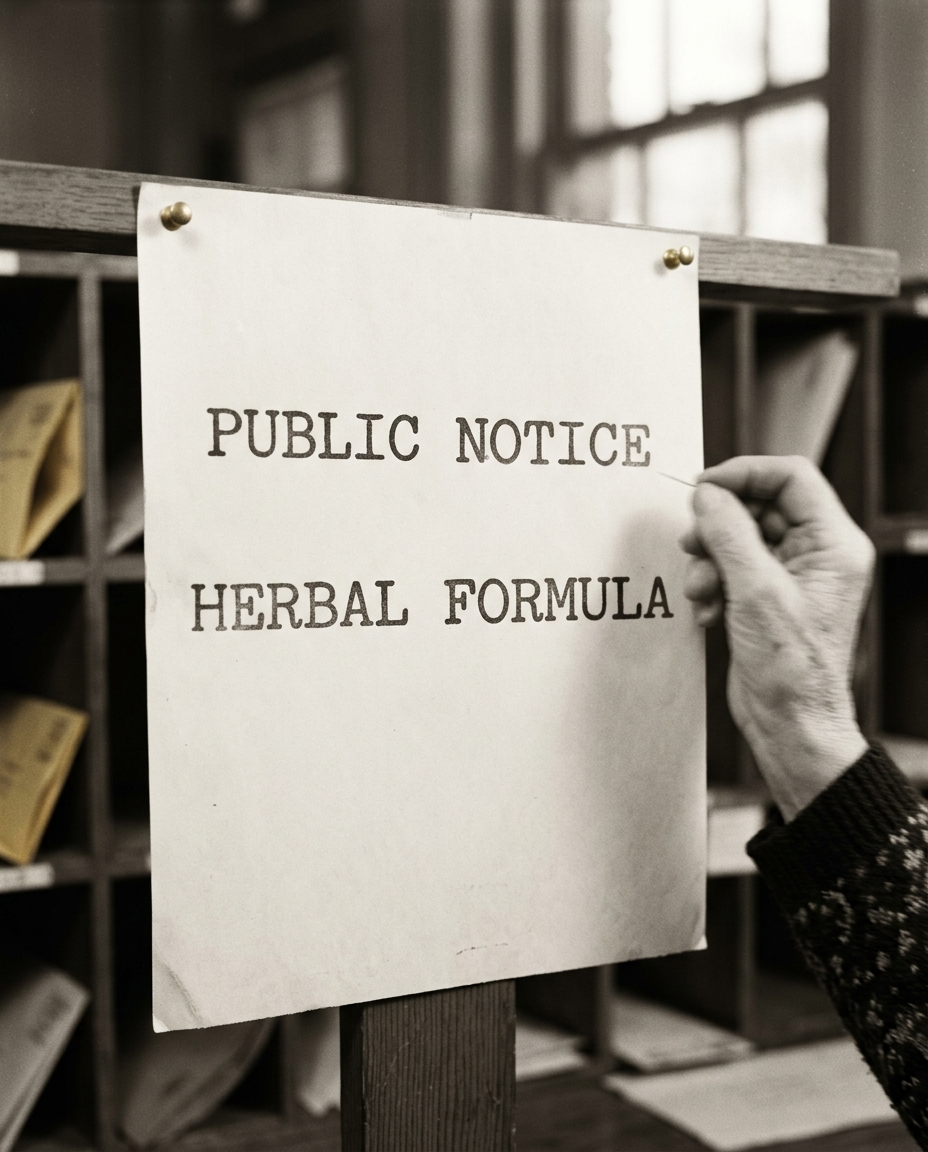
In 1956, the United States government printed warnings about a herbal formula and posted them in 46,000 post offices across the country. Every state. Every town. 46,000 buildings. Not for a drug. Not for a poison. For herbs. Herbs that had been used for centuries. Herbs that support a system in your body your doctor has almost certainly never mentioned. The system that handles your body's everyday swelling, stiffness, and that heavy, slow feeling so many of us carry into our sixties and seventies. The man who worked with those herbs treated patients for decades. He was arrested more than a hundred times. He sued the medical establishment and won — and won so completely that even the prosecutor who had spent years trying to shut him down ended up becoming his lawyer. And the most remarkable part of the story isn't the arrests. It's why the government never had a single patient testify against him. Not one. In decades of legal battles — not one patient stood in court and said this man harmed me. The story starts in the mid-1800s, when a family in Illinois put together a combination of plants that healers and herbalists across cultures had been using for generations. They didn't invent the herbs. The herbs had existed long before them — documented in old herbal guides, passed down through families, used quietly for centuries. The family simply put them together into one formula. One generation led to the next, and the formula kept being used. By the great-grandson's time — a man named Harry Hoxsey — it was being used by thousands of people every year, coming from other towns, then other counties, then other states. And that, the history books agree, is when the trouble began. Not because anyone was hurt. Not because patients complained. The trouble began because a small family clinic was drawing people away from the established medical institutions. When a leading physician was asked years later why his establishment had fought Hoxsey so hard, he gave a remarkably candid answer — a direct quote, published in a medical journal: "We must admit that we have never fought the homeopath on matters of principle; we fought him because he came into the community and got the business." Got the business. Read that sentence again. The fight wasn't about the herbs. It was about the business. Harry Hoxsey was arrested over 100 times. Each arrest made him more famous. Each trial brought more people to his door. And here is the detail that makes this story stick with you: The prosecutor — the man whose entire job was to arrest Hoxsey and close his clinics — quietly brought his own brother, who had been sick and worn down for years, to Hoxsey's clinic. In private. Away from the cameras and the courtrooms. The brother came out of that period feeling stronger. And the prosecutor did something that sounds like a movie plot but happened: He left his job and became Harry Hoxsey's defense lawyer. The man paid to shut him down became the man who defended him. That story has been told in old medical journals, in newspapers of the day, and in the memoirs of people who were there. It may have grown in the telling — that's what happens to stories told for seventy years — but the shape of it has never been denied. Hoxsey sued the Journal of the American Medical Association for defamation and won. The court found that parts of what they'd published about him were false. The damages they awarded him: Two dollars. Two dollars. The message in that verdict was clear to anyone watching — you may be right, but we don't care. Then, in 1956, the government's final move: The national warning campaign in 46,000 post offices. Every one of his clinics padlocked. And Hoxsey eventually forced out of the country entirely. He ended up in Mexico, where his team continued quietly working with patients for decades. The herbs in that formula had been growing in fields for centuries before he was born. They've kept growing ever since. They didn't need anyone's permission to grow. But for almost seventy years, you were never told about them. Here's why this history matters to you today. Three of the herbs in that old formula — Red Clover, Stillingia Root, and Prickly Ash Bark — are herbs that traditional herbalists have associated for centuries with supporting the body's fluid and drainage system. And a few years ago, I fell down a rabbit hole about that system. Because my own body started doing things my doctor couldn't explain. I'm 64. And for the last three years, my ankles have been swelling by evening. Not some days. Every single day. I'd take off my shoes at 5 PM and press my thumb into my ankle and watch the indentation stay there, like the skin had forgotten how to bounce back. My husband noticed first. He'd hold my arm going down the stairs and say, "Just take your time," in that careful voice. You know the one. The voice that says I'm worried about you and I don't know what to do about it. Three years of doctors. Three years of pills for blood pressure. Three years of compression socks that I fell asleep in, still waiting for the swelling to go down. And not one doctor — not ONE — ever mentioned the word I eventually found myself typing into a search bar at 1 AM. Alone. With my ankles propped on the couch cushions. Lymphatic. Here's what I learned. And I'll tell you the part that made me want to throw my phone across the room. Your body has two circulatory systems. The first one you know. Blood. The heart pumps it, and you learned about it in school. The second one is the lymphatic system. It collects and moves the fluid your body filters out every day — the everyday waste and fluid that blood circulation alone doesn't handle. It's part of how the body manages everyday swelling and stiffness, and how it supports normal immune function. And it has no pump. Your heart beats around 100,000 times a day whether you're awake or asleep. The lymphatic system has nothing like that. It only moves when you move — when you walk, when you breathe, when your muscles contract. And here's the part that genuinely surprised me: Doctors receive roughly thirty minutes of training on the lymphatic system across four years of medical school. Thirty minutes. A radiology journal even called it "The Forgotten System." Not because it doesn't matter. But because a system that responds to movement, hydration, and plant-based support doesn't have a prescription attached to it. And without a prescription, there's very little money in telling patients about it. The herbs that old herbalists associated with this system — the ones said to support drainage, move fluid, and loosen that heavy, backed-up feeling — are the same family of herbs from Harry Hoxsey's formula. The formula that survived over 100 arrests. The formula the establishment fought because "he got the business." The formula that earned a national warning campaign in 46,000 post offices. The herbs didn't stop working in 1956. They were just made very hard to find. There was a fourth herb that kept appearing in everything I read — one that wasn't part of the famous formula but that old herbalists considered the natural partner to the other three. Cleavers. Herbalists have called it the "lymphatic broom" for centuries, because of the way it's traditionally used to sweep the pathways clear. It's documented in the British Herbal Pharmacopoeia, and its seeds have turned up in archaeological sites thousands of years old. Four herbs. Each one traditionally associated with a different part of the drainage pathway — loosening stagnation, supporting waste clearance, moving fluid, supporting circulation. Together, they cover the whole route the way old herbalists always used them: As a team. They've existed longer than modern medicine. Longer than the FDA. Longer than the AMA. You can't patent a plant. And if you can't charge hundreds of dollars a month for something, there's no incentive to teach a doctor about it. So that was 1956. Nearly seventy years ago. And meanwhile, I was sitting there at 1 AM, with my ankles resting on the couch cushions and my thumb pressing into the indentation it had made. After years of doctors and pills and compression socks. Typing "herbs for lymphatic support" into a search bar out of sheer stubbornness. The deeper I went, the more I kept seeing the same four herbs. Over and over. In old herbal textbooks. In traditional formulas. In published pharmacopoeias. Published research on plant compounds that support healthy fluid balance. And then I found Harry Hoxsey's story. And it all clicked: The herbs I'd been reading about were three of the four herbs in a formula that a man was arrested more than a hundred times for using. The herbs never needed the FDA's permission to grow. They're still growing. So I tried the first lymphatic supplement I could find. Amazon. Sixteen dollars. One herb out of the four. Dried powder pressed into a capsule. I took it for three weeks. Nothing. I nearly gave up right there. I nearly told myself this was just my life now — that heaviness and puffiness and stiffness were simply the price of getting older. But something bothered me. Everything I'd read said these herbs lose a lot of their potency when they're dried out and compressed into powder. The old herbalists used liquid extracts for a reason — the active plant compounds simply don't survive the powder-and-capsule process very well. I hadn't taken the real thing. I'd taken the gas-station version and wondered why it didn't work. So I kept looking. All four herbs. Together. In liquid extract form. The way herbalists had actually used them for centuries, before anyone tried to press them into a pill. That's when I found Nuflos. Four herbs in a liquid dropper: Cleavers, Red Clover, Stillingia Root, and Prickly Ash Bark. No sugar, no fillers, nothing artificial. A quarter teaspoon in a glass of water, every morning. I checked every label I could find before I ordered. Nuflos was the only product that had all four herbs in liquid form at meaningful concentrations, and it was third-party tested. It also had a 30-day money-back guarantee — which was honestly the only reason I tried, because by that point I didn't believe in supplements anymore. I believed in the herbs. I just didn't believe anyone was selling them the way they'd been used for centuries. One more thing worth saying, because it matters: I only trusted companies that used careful language. The ones that said "supports healthy fluid balance" and "supports the body's natural drainage" — not the ones that said "cures" anything. Nobody should ever promise you a cure from a bottle. Nuflos's language was careful. That was the shape of honesty I was looking for. Here's what actually happened for me. And I want to be honest about the pace, because it wasn't dramatic at first. The first week, almost nothing changed. Honestly. The only thing I noticed was that my legs felt slightly less heavy at the end of the day — and I'm not even sure I wasn't imagining it. Week two, the evening swelling started to be a little less deep. I'd press my thumb in, and the skin came back faster. It sounds small. If you've never waited for swollen ankles to go down, you can't know how big it feels. Week three, I caught myself doing something without thinking. I'd walked up to the top of the stairs and only then realized I hadn't planned each step the way I had for two years. I stood there holding the rail out of habit. I didn't need it. Around week five, my daughter came over with my granddaughter. When I stood up from the kitchen table to help with dinner, my daughter looked at my feet. I'd left my shoes off. She said, "Mom. Your ankles look normal." She said it like she was reporting news. I've since read that these things take time and don't happen the same way for everyone. Some people notice changes in weeks, some take longer, and the herbs were never promised to work the same way in every body. I can only tell you my weeks, and what I saw. If you've been carrying that heavy, slow, puffed-up feeling — if your doctor shrugs and calls it aging — then maybe it's worth knowing this: Your body has a second circulatory system. It was called "The Forgotten System" for a reason. And the four herbs old herbalists used to support it have been growing in fields the whole time. Nuflos. Four herbs. A quarter teaspoon in your morning water. Third-party tested. 30-day money-back guarantee — a full refund if you don't feel the difference, no questions, no forms to fill out. If it's not for you, you lose nothing but a month of mornings. link below P.S. — If you want to read Harry Hoxsey's story yourself, the archives are out there. Old newspaper coverage, the court records, the medical journals. I'd encourage it. The 46,000 post offices, the prosecutor who switched sides, the two-dollar verdict: it's all a matter of public record. What was hidden wasn't the story. It was the herbs. P.P.S. — I don't care if you buy Nuflos or find another brand. I only ask that you stop taking dried-powder capsules for a drainage problem that liquid extracts have been used for, in one form or another, for centuries. Your body has been working overtime to move fluid it can't keep up with. The herbs that support that system have been growing in fields since before modern medicine existed. They survived a hundred arrests. They're still growing. The only question is how much longer you'll wait to see if they help you, too.
Where the ad sends people
nuflos.com
I read this article about…
Nuflos is a premium 4-in-1 herbal formula combining Cleavers, Red Clover, Stillingia Root, and Prickly Ash Bark. Together, they help clear lymph congestion, reduce bloating, boost energy, and restore mental clarity.
Learn more: nuflos.com(opens in a new tab)