Emily Caldwell - Health After 50
Emily Caldwell - Health After 50 Facebook ad: “The most dangerous thing about sciatica isn't the pain.”
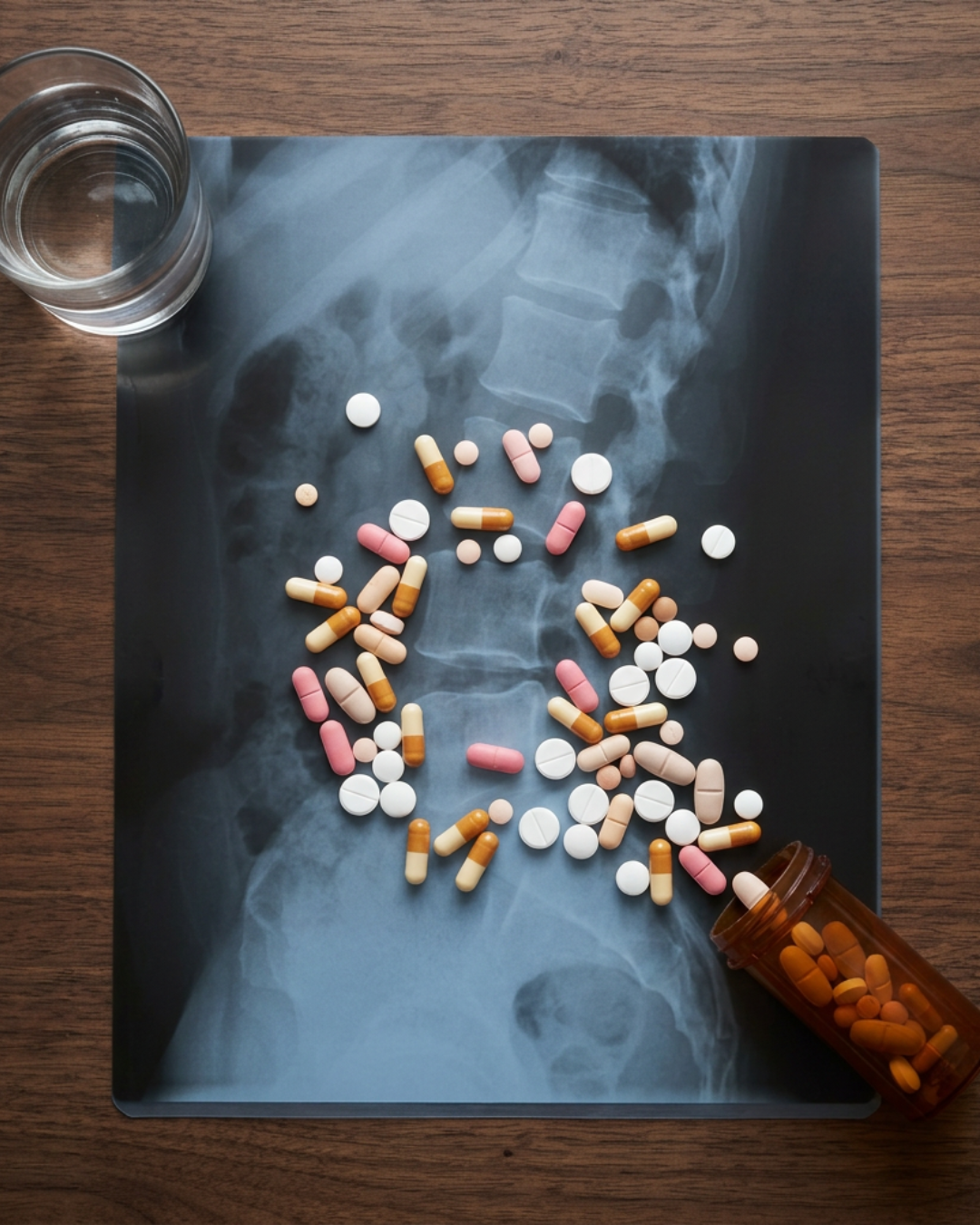
Ran for 3 days, from August 12 to August 15, 2026, the last day Crush saw it.
Run by Emily Caldwell - Health After 50 on Facebook. Crush is not the advertiser and does not verify its claims. See this ad in Meta's Ad Library(opens in a new tab)
Want an ad like this for your product?
Crush makes new ad images for your product from this ad: your logo, your product photo, your offer.
Trials from $19.95 USD, then $79.95 USD a month. Cancel anytime.
About this ad
- Meta Ad Library ID
- 1948518779126233
- Platforms
- Facebook, Instagram, Audience Network, Messenger and Threads
- Relaunches
- 0
Ad text
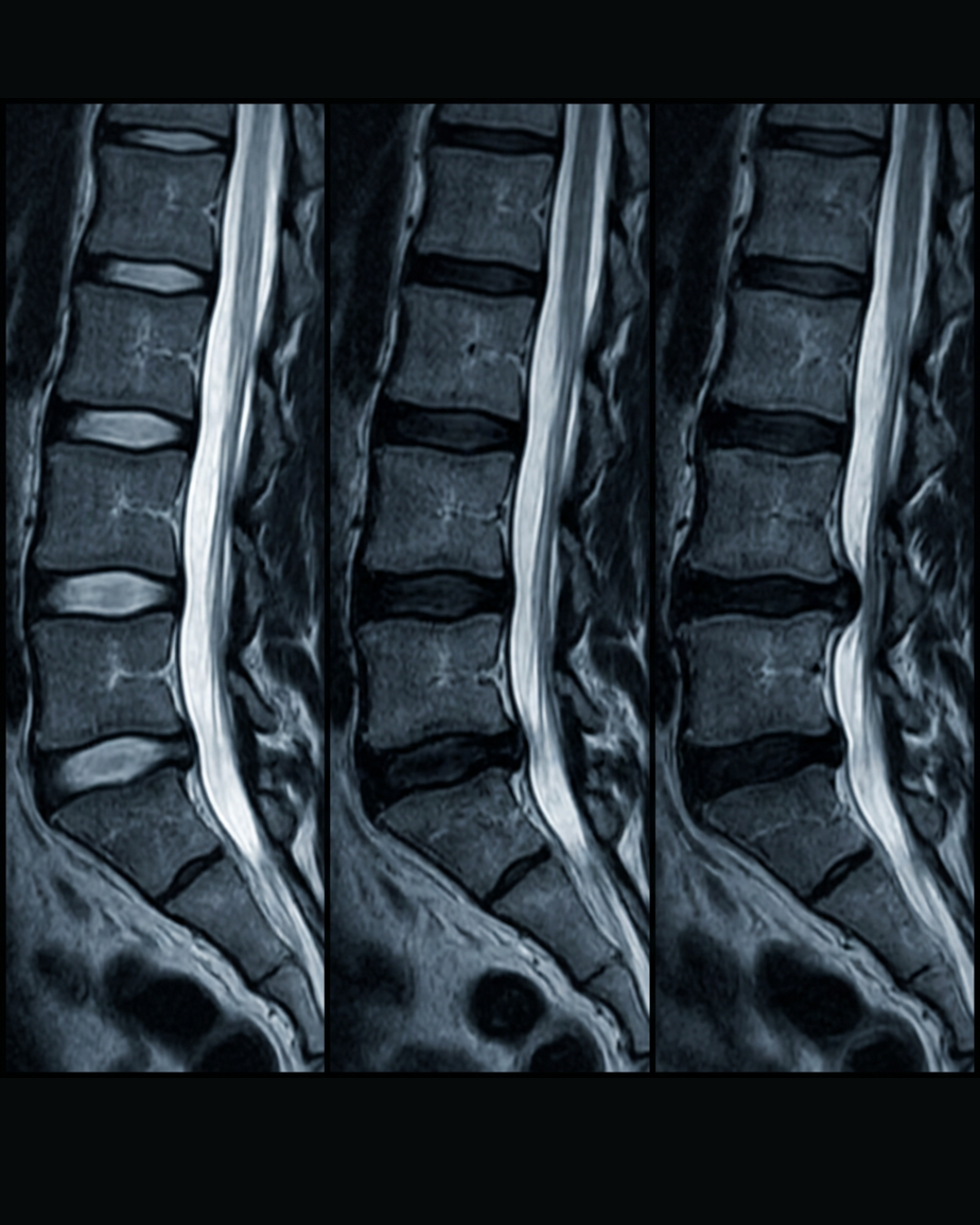
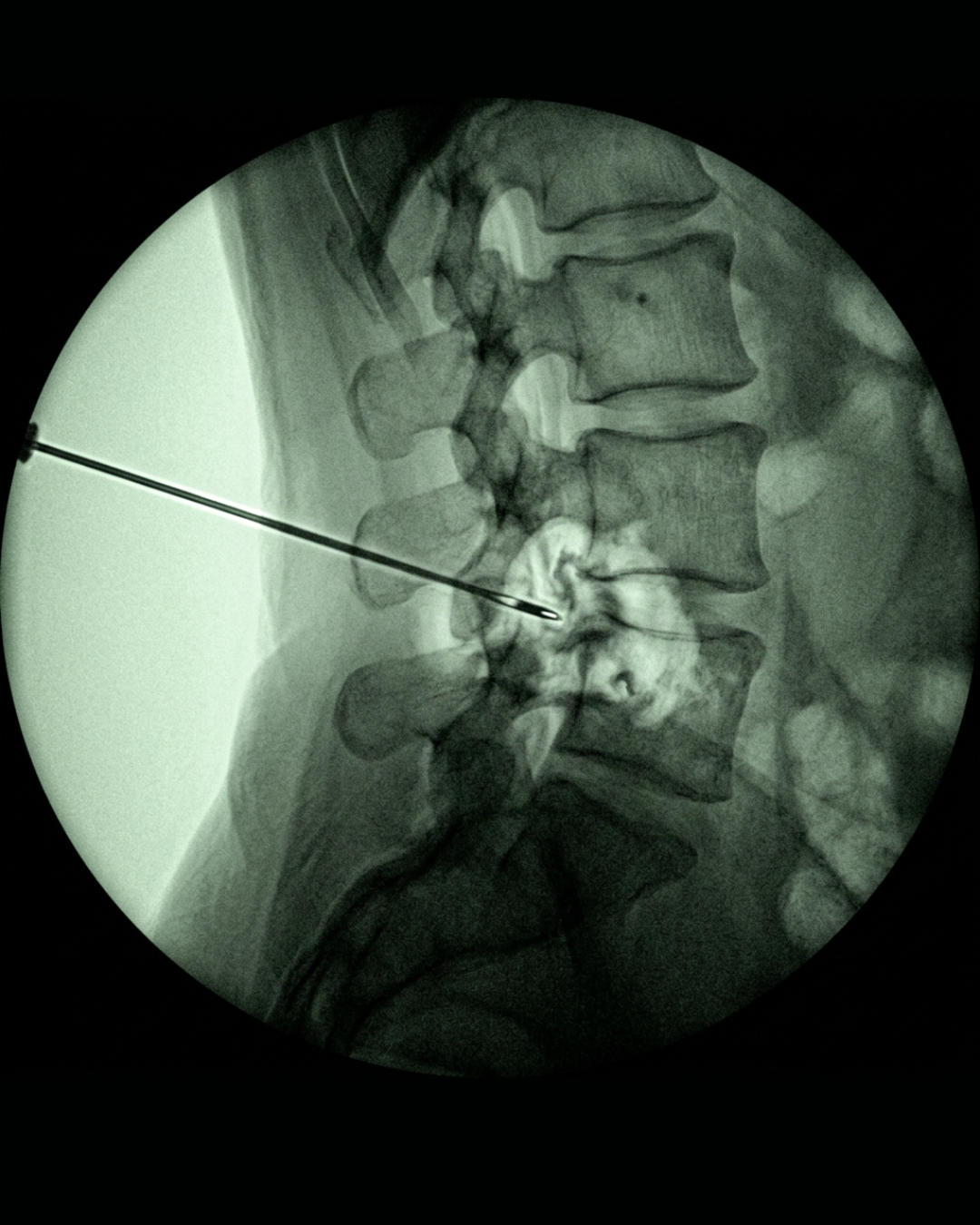
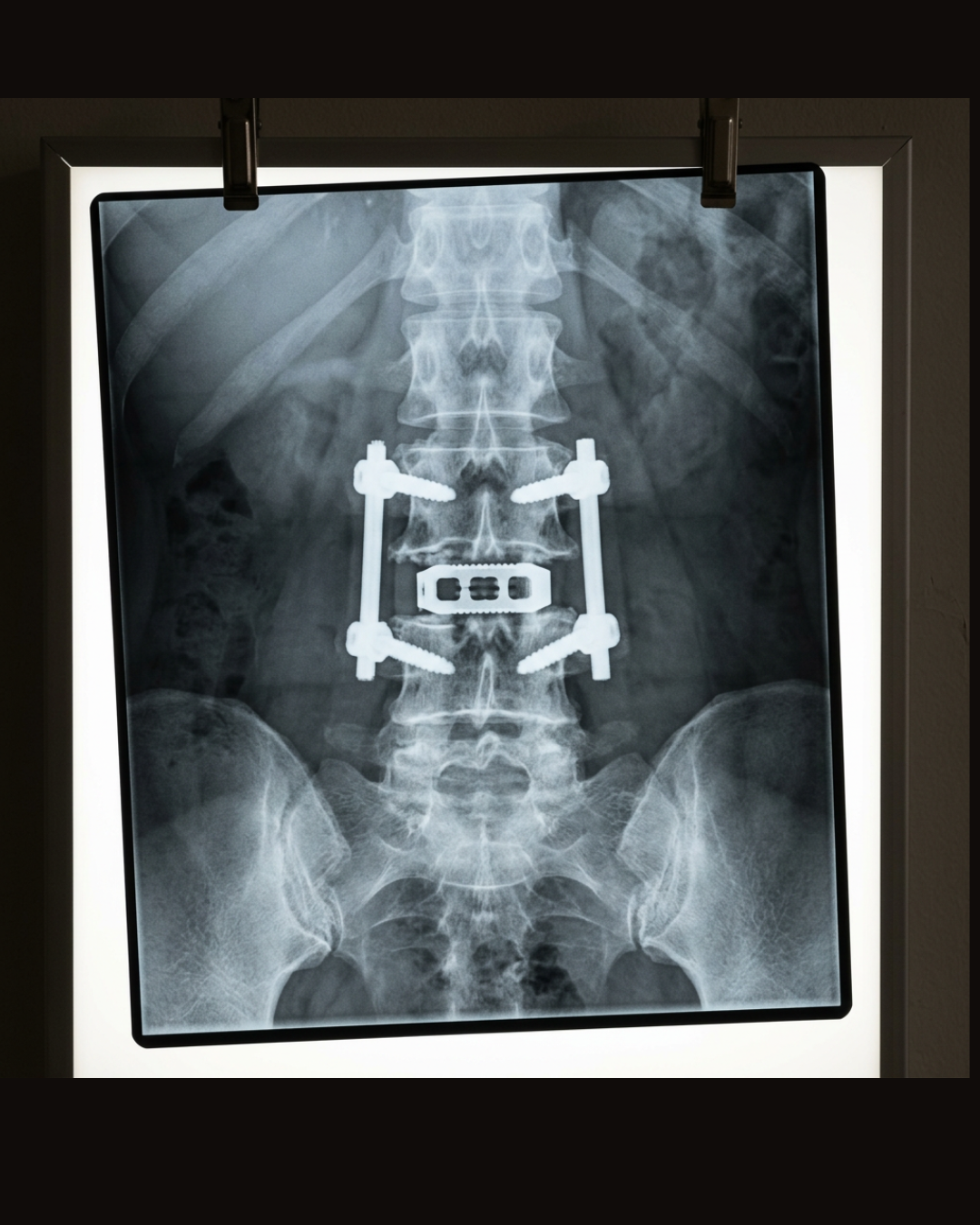
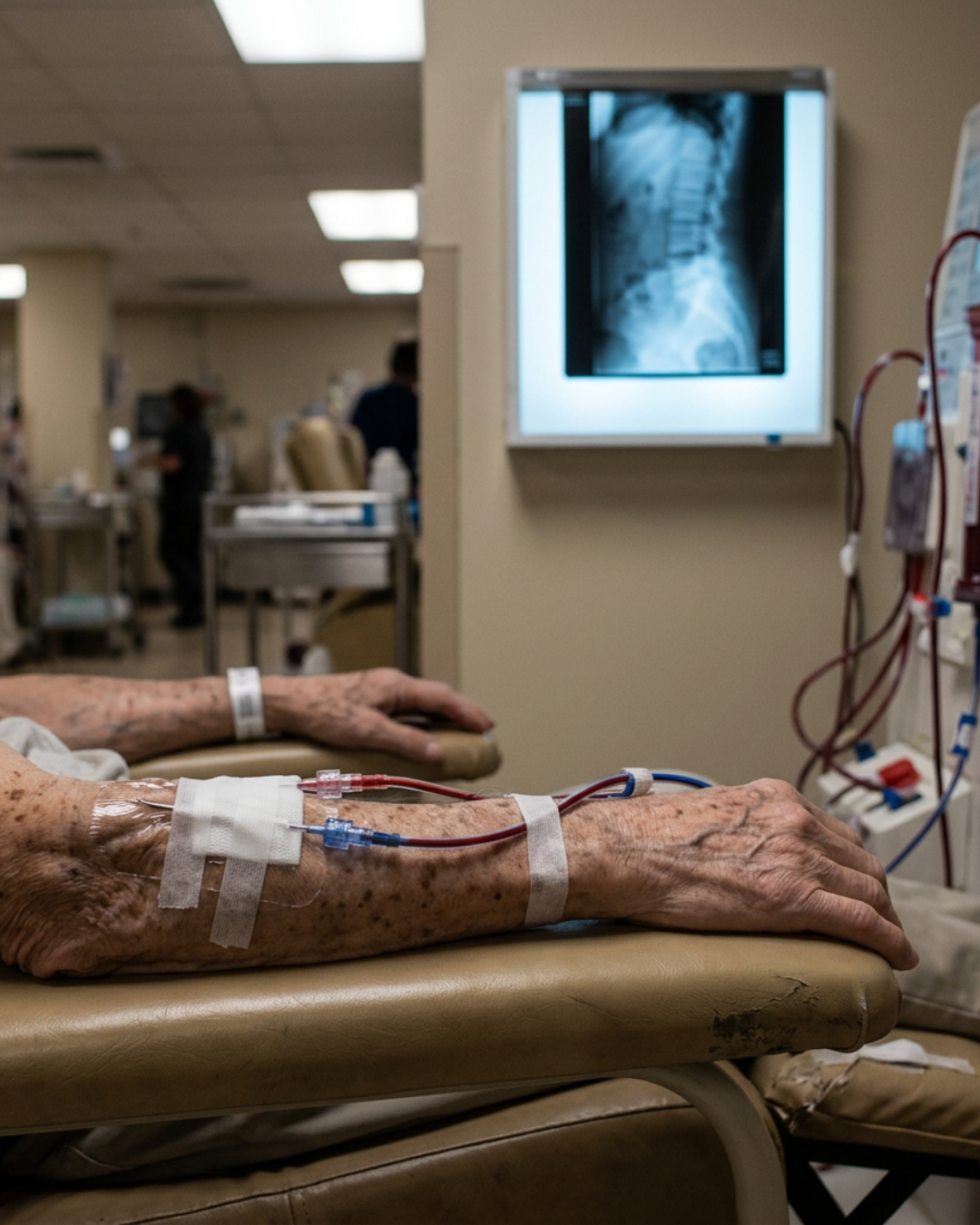
If you're 55 or older and you're leaning on ibuprofen, or the prescription stuff, just to get through the day with sciatica, read this before your next dose. I spent 30 years as a dialysis nurse, watching exactly where that road ends. Then it came for my own father. My name is Deborah, and before I tell you how I got my mornings back, I have to tell you about my dad. His name was Wendell. He taught me to fish off a wooden dock when I was 6, his big hands wrapped over mine on the rod. That was the last time I remember him truly easy in his own body. That same summer, he wrecked his back lifting a transmission at the shop, and the treatment started simply enough. "Take a couple when it flares." Then it became a couple every morning. Then the prescription kind. Then a muscle relaxer. Then the combination pills with the Tylenol baked in. By the time I was in nursing school, my father rattled when he walked. His last year, he spent 3 mornings a week in a vinyl recliner with 2 needles in his arm and a machine doing the work his kidneys couldn't do anymore. He was too foggy from the pills and too worn down to get in a boat. His tackle box sat on a shelf in the garage collecting dust, and I couldn't bring myself to move it. He died at 71. The certificate said kidney failure, like the kidneys had done it all on their own. I spent 30 years on that dialysis floor, and my father wasn't rare. Not even close. I hooked the machines up to men who'd worked a loading dock their whole lives and now couldn't make it across the waiting room, to women who came in by wheelchair with a grandchild carrying their bag. And buried in almost every chart was the same quiet history. A bad back, 10 or 20 years of pills for it, and a body that finally sent the bill to the kidneys. Sooner or later, nearly every one of them told me the same thing. "All I ever did was take what they gave me for my back." I'd heard it so many times it stopped landing. Until it was my own dad in that chair. I told myself that would never be me. Then, about 2 years ago, it came for me anyway. Thirty years of 12-hour shifts and hauling patients heavier than me off their beds finally sent the bill. It began as a stiffness deep in one hip. Then a burning cord ran from my lower back all the way down my leg and never fully shut off. The mornings were worst. I'd lie perfectly still, planning how to roll toward the edge of the bed without lighting up the whole leg. Then I'd brace both hands on the kitchen counter and count to 3 before I trusted my weight to that side. Sciatica. I'd watched it march through half my patients. I knew the road. My doctor offered the anti-inflammatories first. Then something stronger. Then a shot. Eventually, if it came to it, an operation. "It's what we do," he said gently, reaching for the pad. And I saw my father's pill organizer on the windowsill. I saw the vinyl recliner. I saw the 2 needles in his arm. I told him I needed to think it over, but I already knew that bottle would never get filled. The night it truly broke me, my grandson Cody was staying over. He came into the kitchen and found me braced against the counter, doing my slow-motion count to 3, and he looked up at me and asked, "Grandma, are you going to have to go sit in the chair like Great-Grandpa did?" He barely remembered my father. But he remembered the recliner and the needles. A 7-year-old had done the math nobody in a doctor's office ever would. I stood in that kitchen and cried, because there was already a prescription waiting at the pharmacy, and I understood exactly why people fill it. When it hurts that much for that long, you'll trade almost anything to make it stop. My father wasn't weak. He was in pain, and the pill was right there. I wasn't going to hand Cody the same picture of me. So at 2 in the morning I sat down at the kitchen table and stopped being the patient long enough to think like the nurse I'd been for 30 years. And I realized I'd spent my whole career asking the wrong question. Not "which pill comes next." The real question was why the pain keeps coming back, no matter what anybody takes for it. The pills were never fixing the cause. They quiet the alarm. They never lift the weight off what's setting the alarm off. The sciatic nerve was never the real problem. It's the thing getting hurt. A young disc sits full of fluid between the bones of your spine, propping them apart and keeping the little gate open where the nerve root passes through. As discs dry out and flatten, the bones settle closer together, the gate narrows onto the nerve root, and it bites harder every time you get to your feet. There's a well-known Swedish study from 1987 that looked at hundreds of people whose back and leg pain matched mine, and better than 9 out of 10 had a dried-out, collapsed disc sitting right underneath the pain. Picture a garden hose with a truck tire sitting on it. You can baby that hose all you want. Nothing changes until the weight rolls off. A pinched nerve isn't the same as a dead one. Lift the weight off, hold it off, and it can settle down and come back to life. That was the trap. The pills, the shot, and every gadget I'd go on to try, all of them chased the alarm and left the truck tire on the hose. And leaning on that alarm for years carried its own quiet cost, the part I'd watched up close for 30 years. The everyday anti-inflammatories work by choking the blood flow through your kidneys, so a couple every day for years slowly starves the organ that filters them out. My father crossed 5,000 of them before I finished nursing school, and he was never on just one, pills stacked on painkillers stacked on the combination tablets with the Tylenol that wrecks livers. Nobody built that stack to hurt him. There's a billing code for the shot, the pills, the operation. There's none for the one thing that would've taken the weight off the disc. So I tried everything that wasn't a pill. Chiropractic twice a week at $60 a visit. Relief for about a day, then a full shift loaded my spine right back down onto the nerve. Physical therapy that left me stiffer than when I walked in. A decompression clinic at $175 a session, one glorious hour and then the pain was back by dinner. A $40 arch stretcher. A $60 vibrating pad. An inversion table that became an expensive coat rack in the spare room. Every one did a little something. Not one held. When I finally understood why, the whole pattern got simple. The real fix was 3 things done together, every day. First, gently draw the spine apart to lift the load off the disc and open the gate. Second, drive deep heat into the area so the dried disc can pull moisture back and recover some of the height it lost. Third, loosen the muscles clamped around it so the space doesn't slam shut the moment you stand. Every gadget I'd bought was doing one part of a 3-part job and quitting there. I didn't know one device could do all 3. Sandra told me. Sandra and I went through nursing school together 30 years ago. She retired with the same fire down her leg I had. When I admitted how bad my back had gotten, she said, "Deb, I stopped fighting mine. I lie on a thing for 15 minutes before bed, and my surgeon just took me off his schedule." I was skeptical down to the bone. In 30 years I'd heard every miracle on earth. But Sandra reads a contract line by line before she signs it. If she said it worked, she'd already tested it twice over. It's called the SmoothSpine Triple Fusion Back Massager. You don't wear it. You don't hang from it. You lie flat on your back on the living room floor for 15 minutes. It draws the spine gently apart to take the load off the disc, runs a deep 122-degree heat into the area so the disc can pull its moisture back, and works the clamped muscles loose so the space you opened stays open. Space. Muscle. Blood. Traction. Heat. Massage. All 3 in the same 15 minutes. More than 21,500 people were already using one. Fewer than 1 in 200 sent theirs back. It came with a 90-day money-back guarantee. Set against a lifetime of pills I'd watched kill my own father, the math wasn't hard. When mine arrived, the first 2 nights were nothing dramatic. Then on the 4th morning I was dressed and halfway through my coffee before I realized the leg hadn't said a word all morning. I walked back through the routine just to be sure I wasn't imagining it. By the end of the 2nd week I got through a full shift on my feet without once checking whether the leg was still with me. I got to my car in the hospital lot afterward and cried, and for the first time in 2 years it was the good kind. One rough night hit after that, and I lay awake sure I'd talked myself into the whole thing. By sunrise it had quieted again. That was when it clicked that one rough night wasn't my old life coming back. It was just one rough night. The 3rd week, Cody wanted to play on the living room floor, and I got down there with him and back up again without a hand on the couch and without a single thought about it. He didn't even notice. That was the whole point. To him, a grandma who can get up off the floor is just a grandma. At 6 weeks, I took Cody fishing. I pulled Wendell's tackle box down from the garage shelf and wiped 20 years of dust off the lid. We drove to a dock like the one where my father taught me, and I stood behind my grandson with my hands over his on the rod, the exact way my father once stood behind me. I stood there the whole afternoon, and my back never once made me sit down. My father never got that day. The pills took it from him a little at a time. I got it back. And I got it back because I refused the one road nobody ever warned him about. Everyone's spine is different, and all I can honestly tell you is what happened in mine. But if you're sitting there with a bad leg and a prescription you're scared to fill, here's what I'd do. Take the weight off that disc yourself, 15 minutes a day on your own floor, drug-free, and give the nerve the one thing no pill ever gave it: a real rest. Give it 90 days, and if your leg feels no different, send it back and pay nothing. Because the other road, the one where you keep muting the alarm while the pressure stays right on the nerve, you already know where I watched that one end. There's another nurse who fought this on her own back, and she breaks the whole thing down on the next page, why the disc goes flat, why the pills never hold, and how one little device does all 3 jobs at once. She's the reason it finally clicked for me. Go have a look. It's 60 percent off right now, with the same 90-day guarantee I had. 👉 https://try.smoothspine.com/coc-tfbm-adv-nu2 ~ Deborah, dialysis nurse, 30 years
Where the ad sends people
try.smoothspine.com
The most dangerous thing about sciatica isn't the pain.
A white-hot bolt of electricity that shot from my L4 vertebra, ripped through my hip, and exploded into my foot like someone had shoved a cattle prod into my spine.
Learn more: try.smoothspine.com(opens in a new tab)