Westlyn
Westlyn Facebook ad: “An elder care lawyer's warning about nursing facilities”
Ran for 8 days, from June 10 to June 17, 2026, the last day Crush saw it.
Run by Westlyn on Facebook. Crush is not the advertiser and does not verify its claims. See this ad in Meta's Ad Library(opens in a new tab)
Want an ad like this for your product?
Crush makes new ad images for your product from this ad: your logo, your product photo, your offer.
Trials from $19.95 USD, then $79.95 USD a month. Cancel anytime.
About this ad
- Meta Ad Library ID
- 1950167275662462
- Platforms
- Facebook, Instagram, Messenger and Threads
- Relaunches
- 0
Ad text
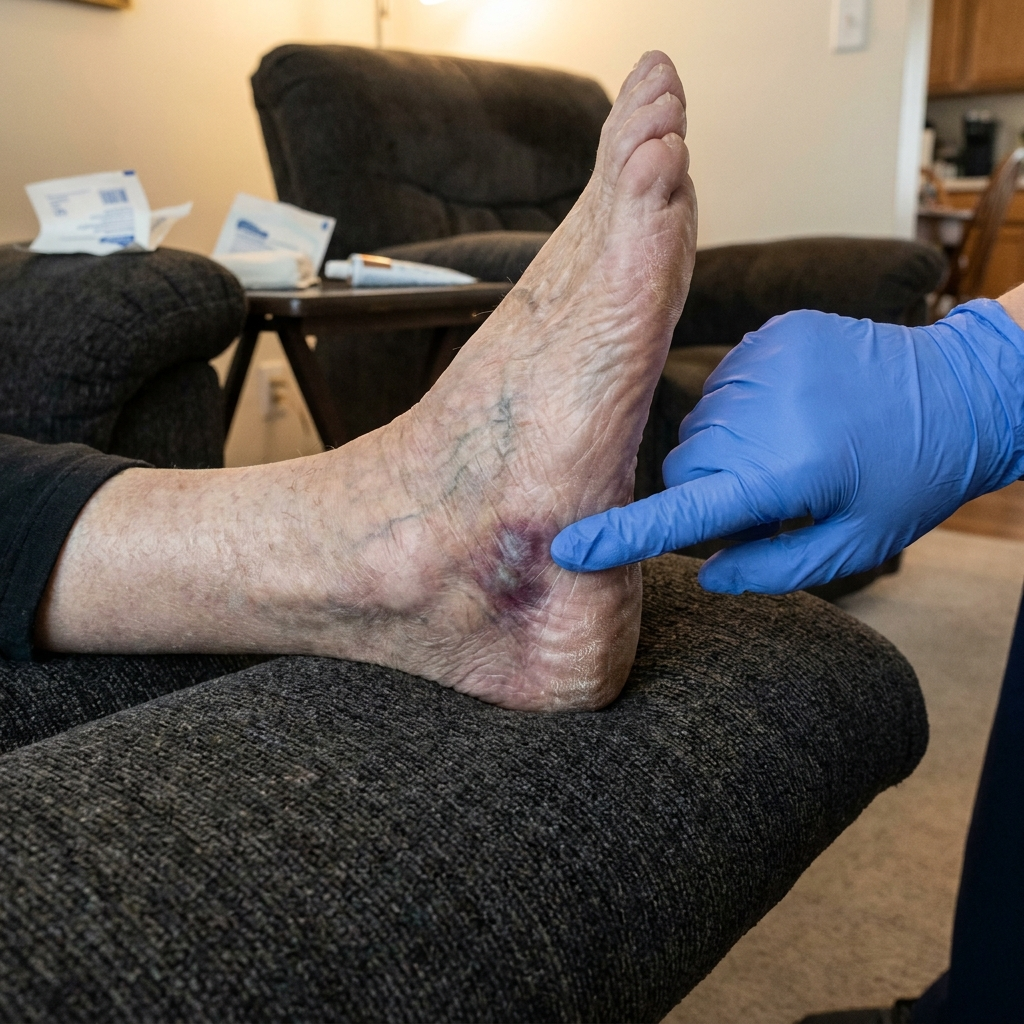
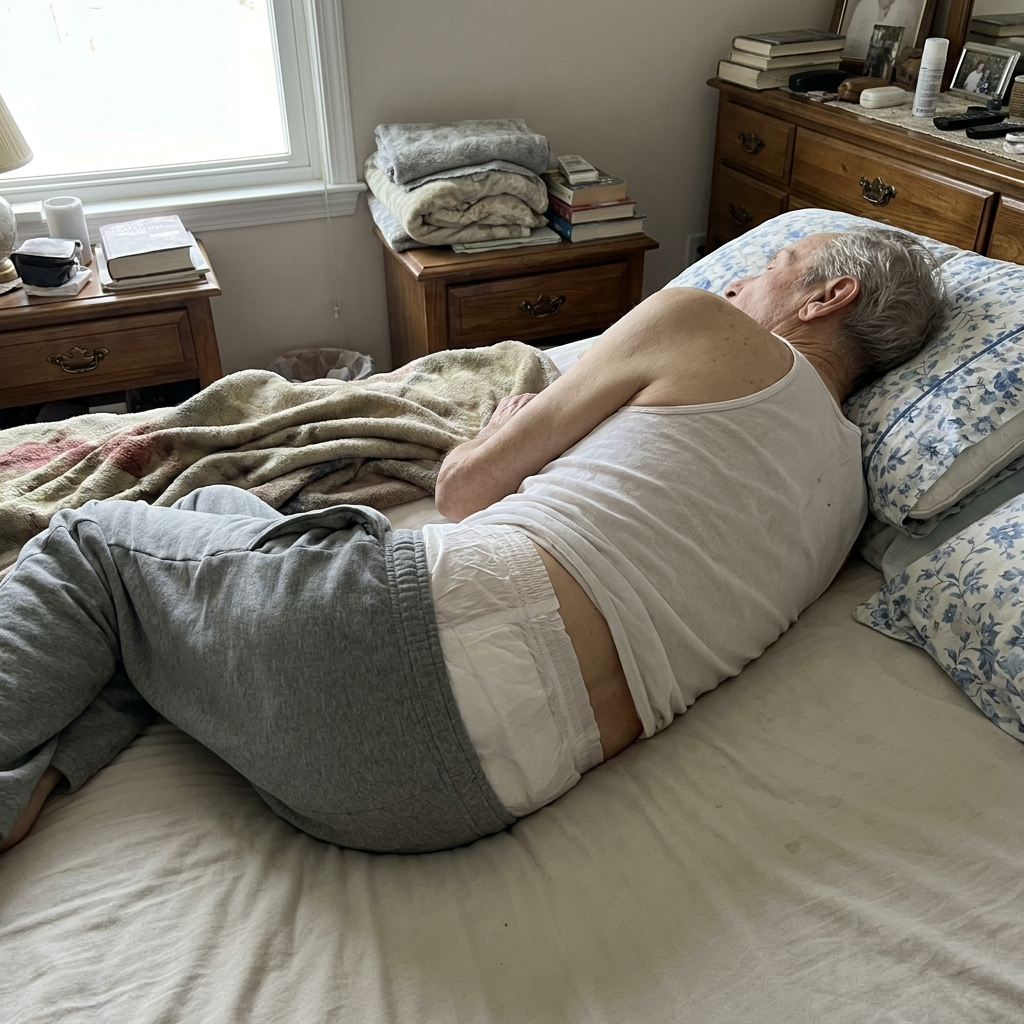
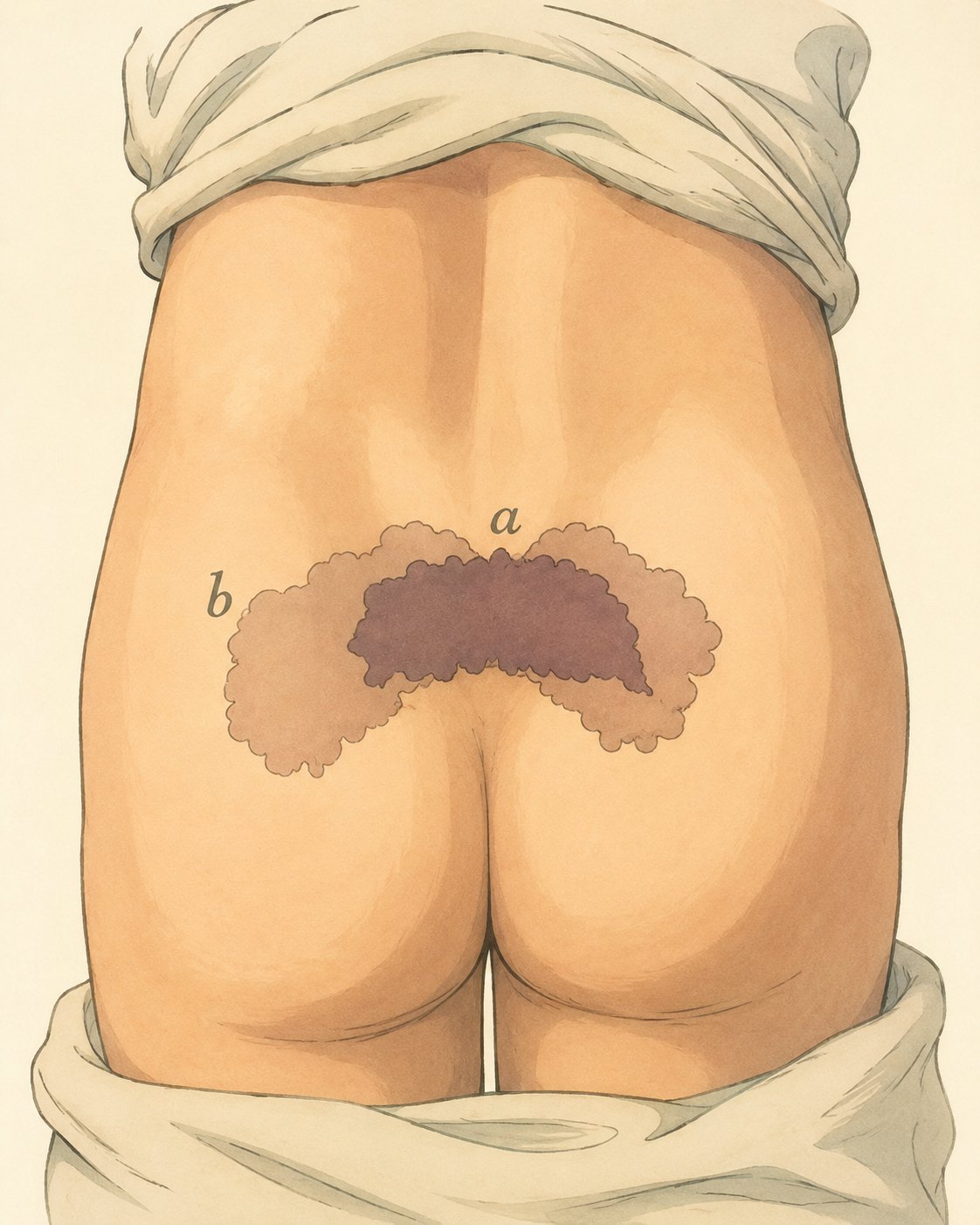
My client Sarah placed her mother in a $7,800 a month assisted living facility. She developed a Stage 2 pressure sore in her sixth week there. She called me ready to sue. I told her she was suing the wrong thing. That was the hardest conversation I have had in eleven years as an elder care lawyer. For most of my career I would have told Sarah the exact opposite. As an elder care lawyer, a pressure sore is one of the most serious red flags I encounter. In the medical and legal world it is classified as a never event, meaning it is something that should never happen if a facility is doing its job correctly. When families came to me, they wanted justice. They wanted to hold the facility accountable for neglect. They wanted someone to pay for the suffering of the person they loved. And for most of my career, I agreed with them. I would pull the medical charts. I would depose the nursing staff. I would subpoena the repositioning logs and wound care records. I was looking for the moment someone dropped the ball. Then something started happening in my cases that I could not explain. I started finding facilities that were doing everything right. The nurses were checking in on schedule. The repositioning protocol was being followed to the letter. The staff was attentive and documented. No neglect. No forgotten shifts. And yet the pressure sore still appeared. A reddish patch turned purple. Then black. And suddenly a family was staring at a wound that exposed tissue, carried a foul odor, and threatened their parent's life. If the facility wasn't failing, who was? I called a wound care specialist I had worked with for years. I laid out three of these cases in front of her. She reviewed the repositioning logs, the skin assessment notes, the wound staging timelines. Then she said something that reframed everything. "You're looking at the staffing side. You're not looking at the surface side." She explained what happens physically when an elderly person sits for hours at a time. When a person sits, their full body weight funnels down onto a few small points. The tailbone. The sit bones. Places where bone sits directly under the skin with almost nothing in between. On a surface that doesn't redistribute that weight, the pressure squeezes the blood vessels shut. Blood flow stops. Oxygen stops reaching the tissue. The cells start dying from the inside out. A healthy body prevents this automatically. It shifts weight constantly, dozens of times an hour, just enough to let the blood back in. As people age and mobility declines, those automatic adjustments happen less and less. "The repositioning schedule helps," she said. "But it assumes a body doing the work between turns. If the body isn't doing that work, and the surface underneath isn't compensating, two hours is too long. The damage accumulates in the gap." The everyday translation is that the chair is slowly killing the skin. I asked what she found in the rooms of the worst cases she had seen. She didn't hesitate. Foam cushions. Egg crate pads. Sheepskin throws. And donut pillows. Foam compresses. The moment a person sits on a foam cushion it begins to flatten. Within an hour they are essentially sitting on the hard base of the chair beneath it. The foam looks thick. It has stopped doing anything. The pressure goes straight to the tailbone and sit bones. I have reviewed cases with foam cushions that were three inches thick when purchased and compressed to less than half an inch after a single week of use. Foam also traps heat. Heat and moisture accelerate the breakdown of fragile aging skin. The cushion that was supposed to protect your parent becomes a warm pressurized surface working against them. The donut pillow is worse. Every family member who means well buys one. I have medical depositions from wound care nurses and occupational therapists who will testify that donut pillows do not reduce pressure. They transfer it. The hole in the center relieves one spot while dramatically increasing pressure on the surrounding tissue, cutting off circulation and causing fluid buildup. The product sold at every pharmacy as a solution may be accelerating the injury. You have not failed as a child. The facility has not necessarily failed as a caregiver. You have both been let down by outdated products that look like medical solutions and are not. Once I understood the surface was the problem, I needed to understand what actually solved it. My specialist told me about a completely different category of material. Not foam. Not foam with a gel layer bonded on top. A continuous honeycomb grid of gel columns made from a material called isoflex elastomer. These columns do not compress downward the way foam does. They flex sideways under load. When one column takes weight it pushes into the ones around it, and the pressure spreads across the entire surface the way water spreads across a table. No single point ever accumulates enough force to cut off blood flow. Because the grid is open, heat and moisture escape between the columns. The skin stays cool and dry. The two conditions that accelerate tissue breakdown are eliminated. And because it is an elastomer and not a foam, the gel returns to its original shape the moment the pressure is removed. It performs exactly the same on day one as it does a year later. "This is what hospitals use for their highest risk patients," she said. "The ones whose bodies cannot reposition themselves." I went back to Sarah. I told her what I had learned. I told her the facility had followed every protocol correctly. I told her to get a honeycomb gel cushion, one for her mother's wheelchair and one for the recliner in her room. She ordered them that afternoon. Eight weeks later Sarah called me. She wasn't calling about the case. She said her mother Ruth had asked to sit at the dining room table for the first time in four months. Ruth had been refusing to leave the wheelchair. She said the chairs in the dining room always hurt too much. That morning she sat through an entire breakfast at the table. She told Sarah the chair felt different. I dropped the case. The facility had followed every protocol. The surface had been working against them the whole time, and once we changed it, the wound closed. If your parent is in a care facility, or sitting in a chair at home for most of the day, please understand what took me eleven years and dozens of cases to learn. Professional care addresses the staffing problem. It does not address the surface problem. If the surface your parent is sitting on is compressing flat under their weight and trapping heat against their skin, repositioning alone cannot fully protect them. The foam cushion your family brought in, the egg crate pad, the donut pillow from the pharmacy, none of them are doing what you believe they are doing. I have the depositions to prove it. The only surface that actually works is a medical grade isoflex elastomer gel built as a honeycomb that flexes sideways under load and keeps pressure distributed continuously, whether anyone is in the room or not. I now tell every client with an aging parent about this before anything goes wrong. I call it the one thing you can actually control. I have seen what it costs when something does. Not just medically. Legally. I have watched families spend $30,000, $40,000, sometimes more, pursuing a facility that documented every protocol correctly and has the logs to prove it. The lawsuit almost never goes the way the family hopes. And even when it does, it does not undo what happened to the person they love. The cushion I recommend to every one of those clients now costs $69.95. The specific product is the MediGel. It uses the isoflex elastomer gel I described, built as a honeycomb grid that flexes sideways under load. It also has a cutout built directly underneath where the tailbone sits, so the single most exposed point has nothing pressing against it at all. On most cushions, even gel ones, the tailbone still makes direct contact with the surface. This one removes that contact entirely. That is the detail that separates it from everything else on the market. $69.95 against $40,000 in legal fees. $69.95 against months of wound care and the look on your parent's face while you clean and dress a wound twice a day. $69.95 against the kind of guilt that does not go away because you know it could have been prevented. I do not say this to frighten you. I say it because I have sat across from enough families to know exactly how fast something preventable becomes something catastrophic. The link is below. Get the right thing under them before you have to make the call I dread receiving.
Where the ad sends people
westlyn.co
An elder care lawyer's warning about nursing facilities
Westlyn
See details: westlyn.co(opens in a new tab)