
Active· since May 14, 2026
- 123
- days running
- 1
- relaunches
Ad copy
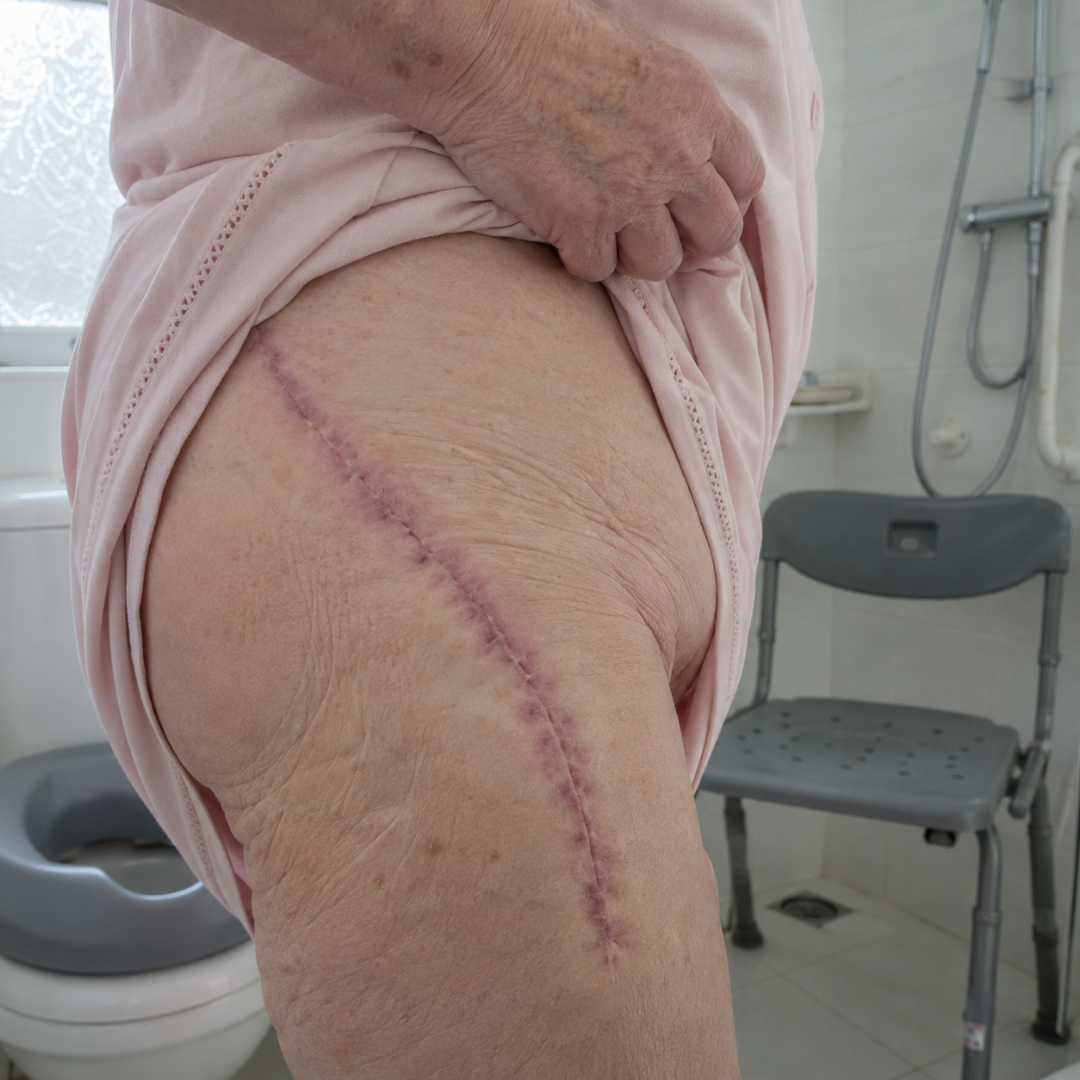
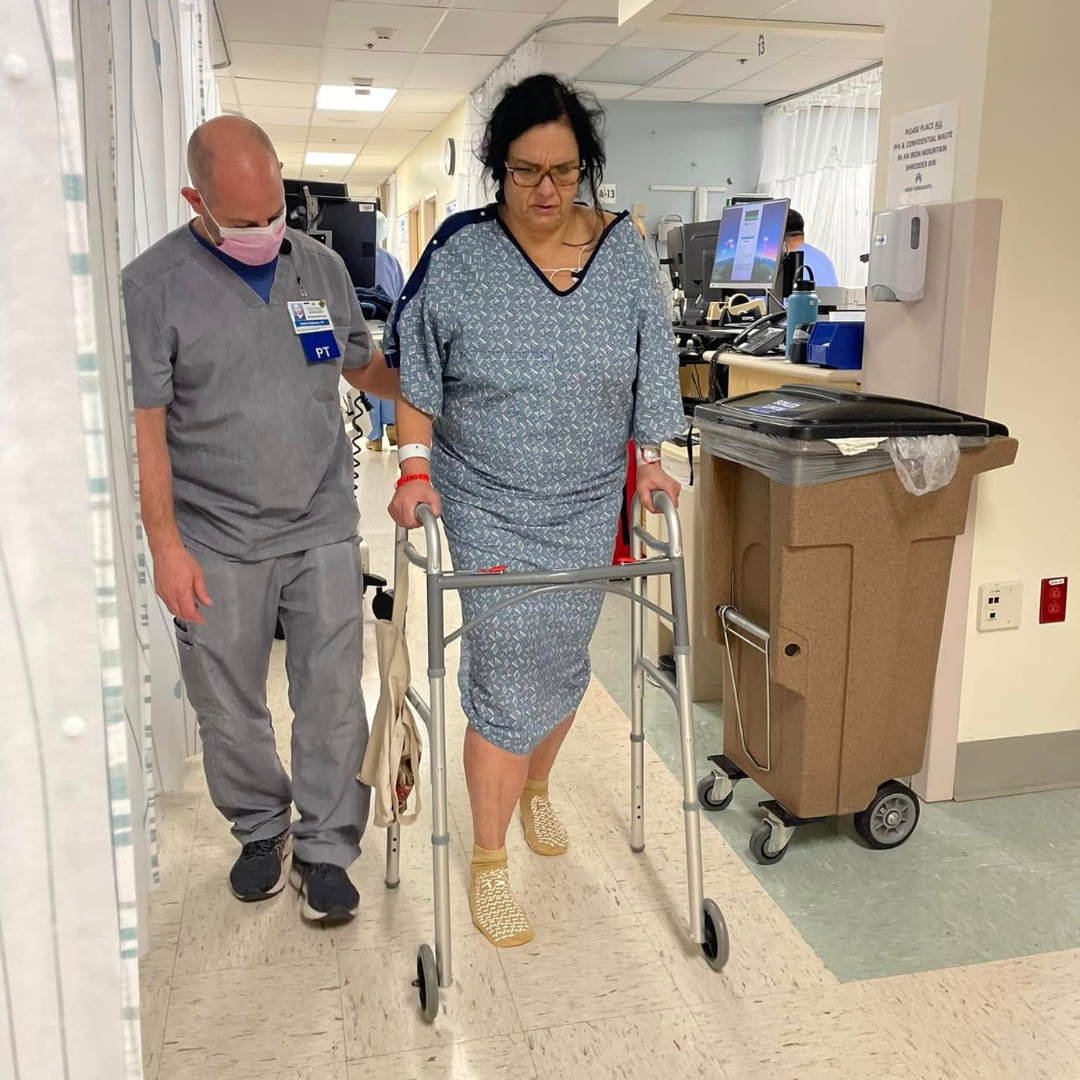
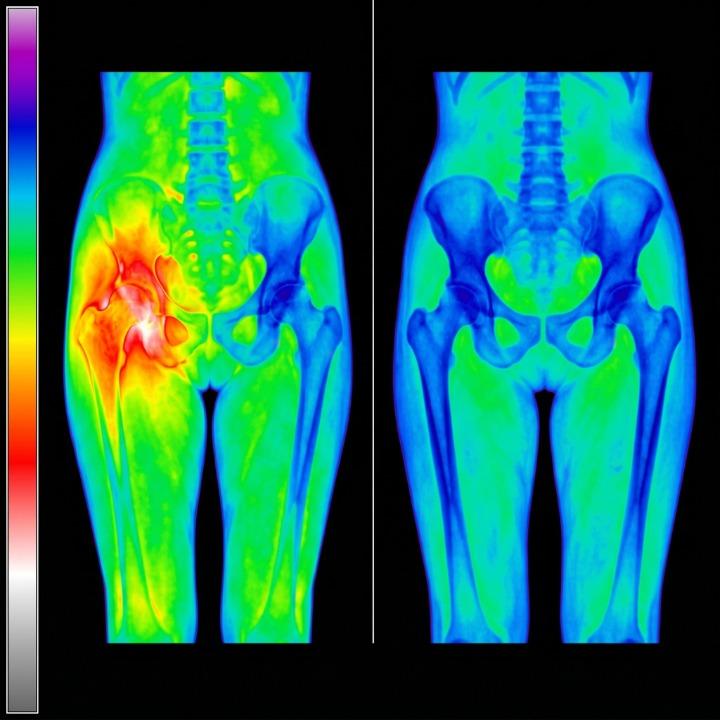
If your hip replacement letter from the NHS hasn't come and your cortisone has stopped working and your GP has told you there's nothing else they can do in the meantime, then I want you to read this carefully. I spent thirty-six years as a ward sister at the Royal Victoria Infirmary in Newcastle. I'm now on the same list you are. My name is Pauline. I'm sixty-six. I retired from the NHS in 2022 after running the trauma and orthopaedic ward at the RVI for the last fourteen of those thirty-six years. I want to tell you something that nobody at your GP surgery and nobody at your consultant's office is going to tell you, because nobody has the time to tell you, and most of them don't know it themselves. The first thing you need to understand is that the letter isn't coming this month, and probably not this year either. I'm not saying this to upset you. I'm saying it because I sat in the meetings where the lists were managed for fourteen years. I know how they work. The waiting list for a primary hip replacement in our region in 2024 was averaging sixty-four weeks from confirmation. We're now in 2026 and the number hasn't materially improved. When the letter comes you'll be relieved, but the date on it will be six to nine months further out. That's how the process runs. Always has. In the meantime, you wait. And the bit nobody warns you about, the bit I watched thousands of patients live through during my career on the ward, is what happens to the hip during that waiting period. It gets worse. Predictably. Measurably. Every single time. When I was on the ward we used to admit patients for their replacement and the first thing the surgical team would do was check their pre-op mobility. We'd compare it to the mobility recorded at the consultation, sometimes a year earlier, sometimes two. The pattern was the same. Every time. The patient had lost between thirty and fifty percent of their functional range during the wait. The cartilage had worn further. The deep gluteal and hip flexor muscles had locked up trying to compensate. The opposite hip was now compromised because of the limp. The lower back was complaining because of the altered gait. The patient had often put on weight because they couldn't move. The surgeons knew it. The patients didn't. The system never told them, because the system has nothing to offer for that gap. So why mention what you can't fix. When I retired in 2022 my own right hip had been complaining for about three years. Osteoarthritis, advanced, by the time I got around to asking my GP. I'd been ignoring it the way nurses always ignore their own bodies, with paracetamol and resignation and don't tell anyone you're sore because there's always someone sicker on the ward. By June 2023 the GP referred me to the orthopaedic clinic at the same hospital where I'd worked for over three decades. The consultant, a chap I'd actually worked alongside in 2018, looked at my X-ray and gave me the same speech he gave everyone. Bone on bone. Right hip. We'll add you to the list. I knew what the list meant better than he did. He had to give it to me in two minutes because the next patient was waiting outside. I didn't take it personally. He's a decent man and he was doing his job inside a system that gave him a hundred and twenty seconds with each of us. I had two steroid injections over the following ten months. First lasted three weeks. Second lasted eighteen days. By April 2024 the pain clinic told me there was nothing more they could offer. The GP said the same thing. Magnesium tablets from Holland and Barrett. Voltarol gel. Paracetamol. Co-codamol if I needed to sleep. So I waited. Just like you're waiting. I want to tell you about the gap. Because this is the part nobody explains. Between the point where the cortisone stops working and the point where the operation actually happens, there is a gap. For most patients it's eighteen to thirty months. For some, longer. During this gap the NHS has nothing to give you. Not because the NHS is uncaring. Because the structure of how care is funded and measured doesn't allow for anything in that gap. A replacement gets counted. A managed patient doesn't. The system pays for what it counts. It cannot pay for what it doesn't count. This isn't bitterness. I worked inside it for thirty-six years and I loved most of those years. The people I worked with were extraordinary. The system they worked inside was not built for the gap. The gap is the price patients pay for the way the system is structured, and the system is what it is. What I'm telling you is that the gap is real, that you're in it now, and that nobody in a uniform is going to call you about it. So you need to know what to do in the meantime, because the meantime is most of your year. In May 2024 a former colleague of mine, Dorothy, who had been a sister in the same ward and retired the year before me, came round for tea. Right hip, same diagnosis as mine, same list as mine. She walked into my kitchen without a stick. I noticed because I'd been using one for four months by then. I asked her what she was doing. She told me she was using a hip therapy belt that had been formulated by a consultant orthopaedic surgeon in the NHS. A man she'd come across because he'd written about the gap specifically. About what happens to patients during the waiting period and what could be done at the joint to manage the deeper symptoms without the tablets we'd both been told to stop taking. The product was called HipCore. She wore it twenty minutes morning and twenty minutes evening. The mechanism worked on four things at once. Medical-grade heat at three controlled levels to release the locked deep gluteal and hip flexor muscles. Two independent massage motors at six thousand RPM driving circulation back into the starved peri-articular tissue. An adjustable compression wrap holding the joint in continuous gentle pressure. And one hundred and five medical-grade red-light LEDs at six hundred and sixty nanometres, penetrating two to three inches into the soft tissue around the joint. She'd read what the consultant had published before she ordered it. So did I before I ordered mine. I'm a ward sister by training. I don't take products on faith. I want to see the mechanism explained by somebody whose name I can verify on the GMC register. That's what the consultant's article gave me. I'm still on the list. The letter still hasn't come. My estimated date is now late 2026, possibly into 2027. What's different is that I'm not losing the function I had at the consultation. I'm holding it. I climbed the stairs at my granddaughter's school nativity last December without the stick. I drove from Newcastle to my sister's in Berwick in February. I walked the Quayside on a Sunday morning in March without sitting down on a bench halfway. These are small things. They are also the things the gap usually takes from you. I will have the operation when they call me. I'm not avoiding it, I'm not refusing it, I'm not anti-surgery. I spent my career working alongside excellent surgeons and I will be glad to be on a theatre list when my turn comes. But I will arrive at that theatre list with the function I had at consultation. Not the function the gap would have left me with if I'd done nothing. If you're in the gap right now, the consultant who developed the formulation has published exactly what he saw across two decades of NHS hip work. He explains why the gap exists, why patients deteriorate during it, and what changes when you address the pain at the joint locally rather than waiting for the operation that the system will eventually deliver. I've left the link to what he published below. Read it before your next pain clinic appointment. Read it before the letter arrives. Read it tonight if you've been awake at four in the morning with the deep burning in your groin again. I'm telling you this because I sat on the other side of this system for thirty-six years and nobody told the patients I cared for what I'm telling you now. They didn't tell us because we didn't know. You know now.
Like this ad? Make it yours.
Crush rebuilds this exact creative around your product — your brand, your colors, your offer — in about a minute.