
Active· since May 26, 2026
- 112
- days running
- 0
- relaunches
Ad copy
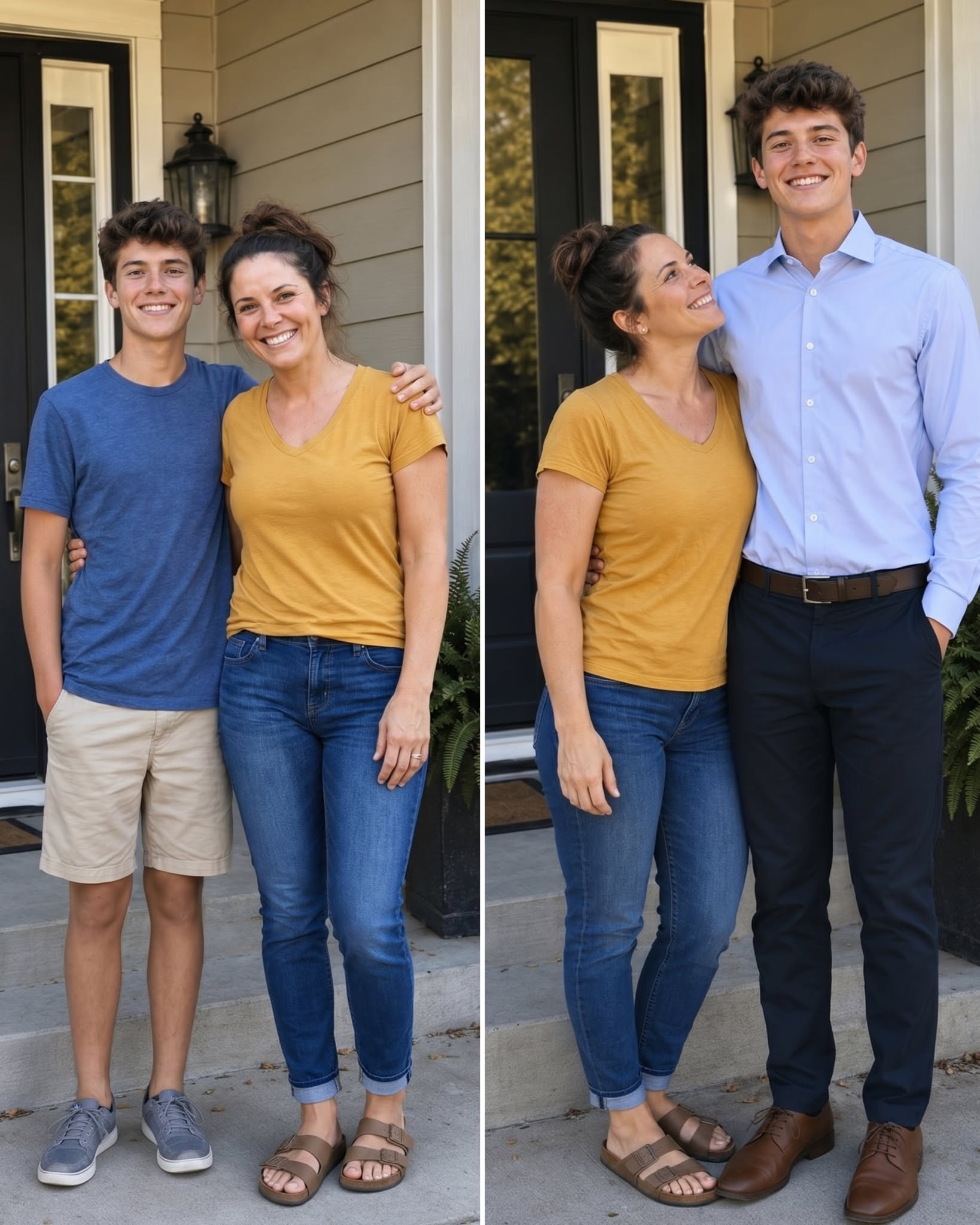
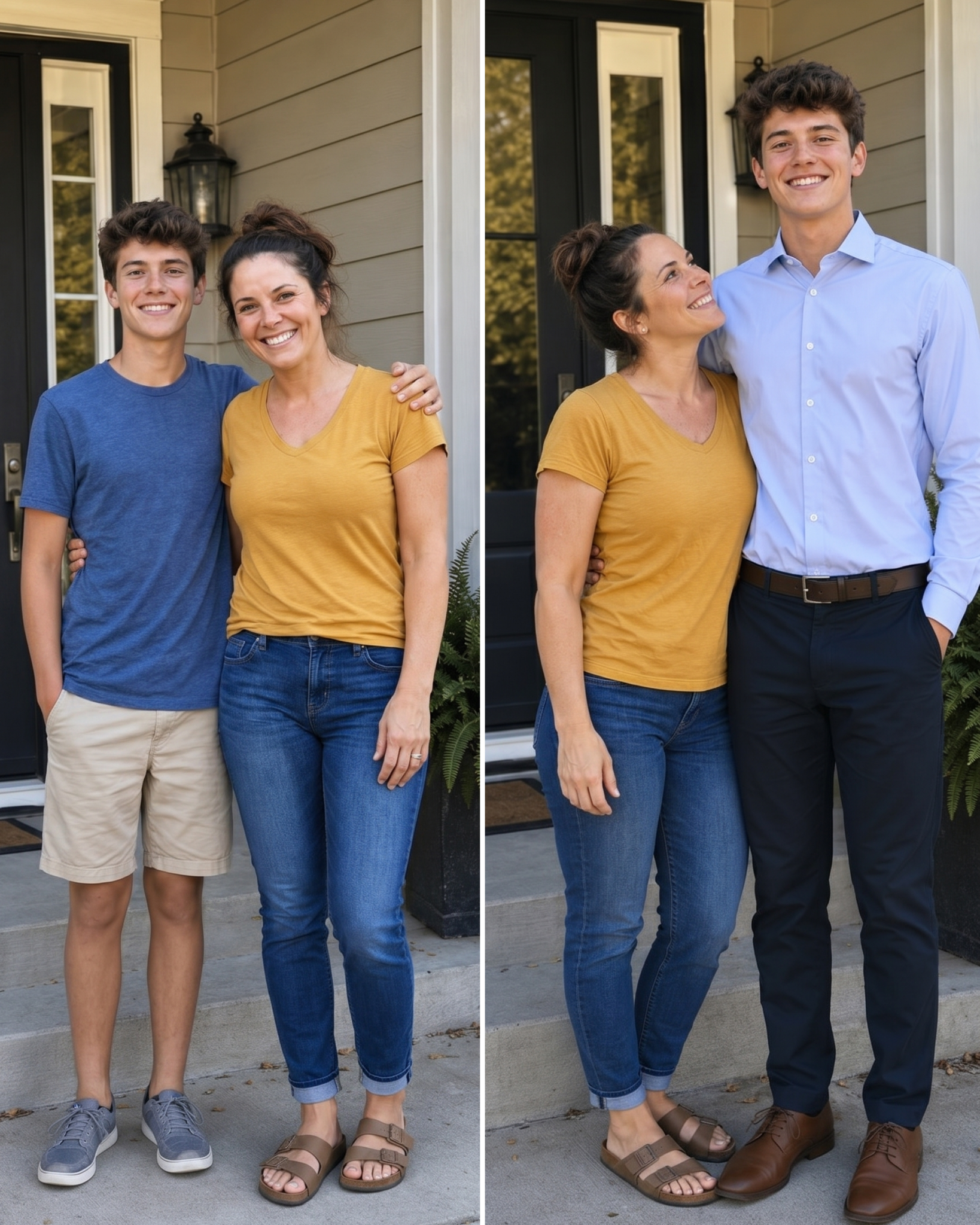
My son started slouching when he turned 14. I thought it was teenage stuff. Bad posture from too much phone time. I told him to stand up straight a hundred times and it never worked. He wasn't slouching because he was lazy. He was slouching because he was trying to disappear. That's the moment I realized height matters more than I knew. And I had a lot less time to help him with it than I thought. If you have a son who's been quietly getting smaller and retreating into his own world, the way mine was, this might be the most important thing you read this year. Most parents don't realize what their son's height is quietly doing to him. I didn't either. Not really. I knew he was shorter than his cousins. I knew he was one of the smaller kids on the team. I knew the pediatrician kept saying wait and see, that he'd hit a growth spurt eventually, that boys keep growing into their late teens. But what I didn't know was what it was doing to him. He stopped looking at the camera in our family photos around two years ago. He started picking the back row in school pictures. He stopped wanting to get measured at his physicals. He came home from tryouts last spring, walked past me in the kitchen, and went straight to his room without saying a word. I told myself he was just being a teenager. That's what every parent tells themselves. But then I read something that changed how I saw all of it. The American Academy of Pediatrics says the teen years are when confidence gets built for life. The way your son sees himself now is the way he'll see himself as an adult. That sentence sat with me for about a week. Because it meant my son wasn't just dealing with being shorter. He was building a relationship with himself that was going to follow him into every classroom, every job interview, every relationship he'd ever have. And the window for fixing it was the same window his body was using to grow. Both of those windows were closing at the same time. I'd always believed what every pediatrician told me. Height is purely genetics. There's nothing you can do. Just wait. That belief cost me almost two years of his window. Because when I started actually digging, I found something published in Scientific American that flipped everything I thought I knew. Up to 40% of a child's height is determined by environmental factors, not genes. Things like nutrition, sleep, and stress. Forty percent. That's the part you can do something about. Most kids never reach the height their genetics already promised them, because the 40% is being quietly missed every single night. That's not the parent's fault. It's not the kid's fault. It's the fault of every doctor who kept saying wait and see without telling parents the other half of the story. That night, around 2am, I couldn't sleep. I was scrolling YouTube, looking up everything I could find about late puberty in boys. That's when I came across a video by Dr. Marcus Hartley. He's a pediatric growth specialist with 21 years of experience. The video had less than two thousand views. No production. Just him talking to a camera in what looked like his office. The kind of video that feels like nobody's supposed to see it. What he said in the first ninety seconds rewrote everything I thought I knew about my son's height. He said genetics is 60% of height. The other 40% is environmental. And yes, genetics do set the ceiling, but most kids never reach it. And that 40% isn't one thing. It's five systems. Five biological systems that all have to work together for a child to reach their full genetic height. And if even one of them is missing or underperforming, the entire process slows down. Most kids are missing more than one. He also said something that hit me harder than anything else. Growth plates close at 16 for girls and 18 for boys. Once they fuse, the height your child is at that moment is the height they carry for the rest of their life. My son was 15. I had less than three years. So let me explain these five systems Dr. Hartley walked through in that video. I'm going through each one because if you skip even one, none of the rest matters. System one is bone building. Calcium is what bones are literally made of. But calcium sitting in the digestive tract does almost nothing on its own. It needs Vitamin D3 to absorb into the bloodstream. And then it needs Vitamin K2 to direct it specifically into bone tissue instead of soft tissue or arteries. All three have to work together. And the form of each one matters more than most parents know. Most cheap supplements use the wrong forms. Calcium carbonate instead of citrate. Vitamin D2 instead of D3. And no K2 at all. If your son's supplement uses any of those, the calcium isn't getting to his bones. That's the first piece of the 40% lost. System two is growth hormone production. Growth hormone is the body's signal to grow. Two amino acids tell the body to produce more of it naturally. They're called L-Arginine and L-Glutamine. Below a certain dose, both of these don't do anything at all. Researchers call that subtherapeutic, which is a fancy way of saying useless. This is why almost no supplements on Amazon actually work. They don't have the right amount that research shows a child's body needs. System three is deep sleep. This was the one that hit me hardest. Because I'd never heard anyone talk about it before. 95% of a child's growth hormone is released during deep sleep. Not during the day. Not during light sleep. Deep sleep specifically. If your son is stressed, anxious, sleeping light, or waking up multiple times a night, the growth hormone never gets released. The amino acids don't matter. The calcium doesn't matter. The body never gets the signal to grow. That's why you need something to help with sleep. Ashwagandha is what does that. It lowers cortisol, which is the stress hormone that blocks deep sleep every single night. In clinical trials, ashwagandha has been shown to deepen sleep by up to 70%. Meaning your child gets lower cortisol, deeper sleep, and a longer window for all that growth hormone to actually get released and do its job. System four is activation. Zinc is what turns the whole growth hormone process on. Without enough of it in the right form, the system never starts. The signal gets sent, the hormone gets made, but the body never turns on. And growth never happens. Most supplements use zinc oxide, the form the body can barely absorb. Zinc citrate is the form that actually works. System five is consistency. This one sounds simple but it's the one most parents miss completely. Every time your son gets sick, his body redirects energy from growing to fighting illness. A week down with the flu is a week of growth lost. A month of constant colds during the school year is a month of growth lost. That's where Spirulina comes in. Spirulina is one of the most underrated superfoods that supports immune function so your son can stay healthy and keep growing without interruption. That's all the systems. It's bone building, growth hormone production, deep sleep, activation, consistency. That's when I decided to look at every supplement we tried, and I realized something that made me sick. I'd given my son TruHeight for almost six months. It had calcium, but no K2. So the calcium wasn't getting to his bones. Before that, I tried NuBest for almost a year. It had no ashwagandha at all, which meant nothing was supporting deep sleep where all that growth hormone was supposed to get released. That's when it hit me. It wasn't that supplements don't work, or that they're all scams. It was that the ones I'd been buying for my son were missing 4 of the 5 systems his body actually needed for growth. I'd been throwing the right stuff at the wrong problem for almost two years. After watching the video twice and writing everything down, I started looking for a supplement that had all five systems in the right forms. I actually found one. It was called Novexa, and I ordered it that night. I started him on it as soon as it got here and this is what happened: The first thing I noticed wasn't height. It was sleep. By the end of week four, he wasn't waking up tired anymore. He was sleeping through the night without his usual 3am bathroom run. By month two, he was hungrier in the mornings. Actually asking for breakfast before school instead of grabbing a granola bar in the car. By month three, he came home from practice one afternoon and asked me if his pants were getting too short. I measured him against the doorframe in the kitchen the next morning, just like I had every birthday since he was eight. There was a real difference. He'd grown a full inch. But more than that, he seemed more confident. He'd started talking when he came home from practice. Walking with his head up. Like the kid I'd been afraid I wouldn't see again. By month six, his school pictures came home. He was looking right at the camera. First time in three years. I cried in the car for ten minutes after I saw it. It wasn't about the inches. It was that he was looking at the camera again. And I need you to know one thing. Height isn't purely genetics. You have control over 40% of how tall your son will grow. But there's a window. And once it closes, there's nothing you can do. This isn't about the inches. It's about giving him the confidence he deserves. I put together a full breakdown comparing the top height supplements on the market - what's in them, what's missing. I'll leave it here for any parent who wants to see the difference for themselves. https://trynovexahealth.com/pages/testing-the-top-5-height-supplements?fbclid=fbclid I'm just glad I figured this out before his window closed. Dr Sarah Mitchell, Pediatrician. PS. It works out to less than a dollar a day. I would pay that any day for my son's confidence.
Like this ad? Make it yours.
Crush rebuilds this exact creative around your product — your brand, your colors, your offer — in about a minute.