
Active· since Jan 22, 2026
- 237
- days running
- 0
- relaunches
Ad copy
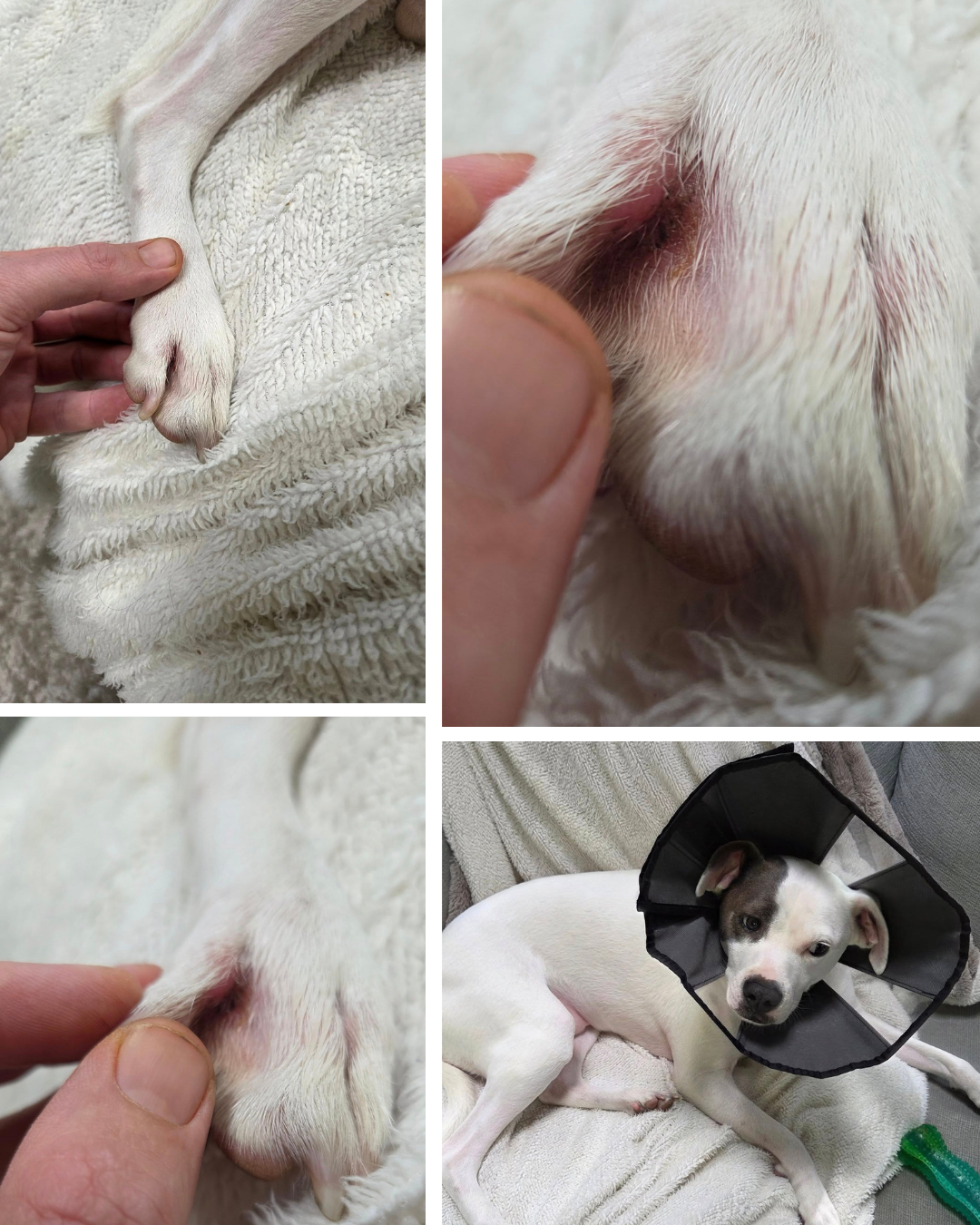
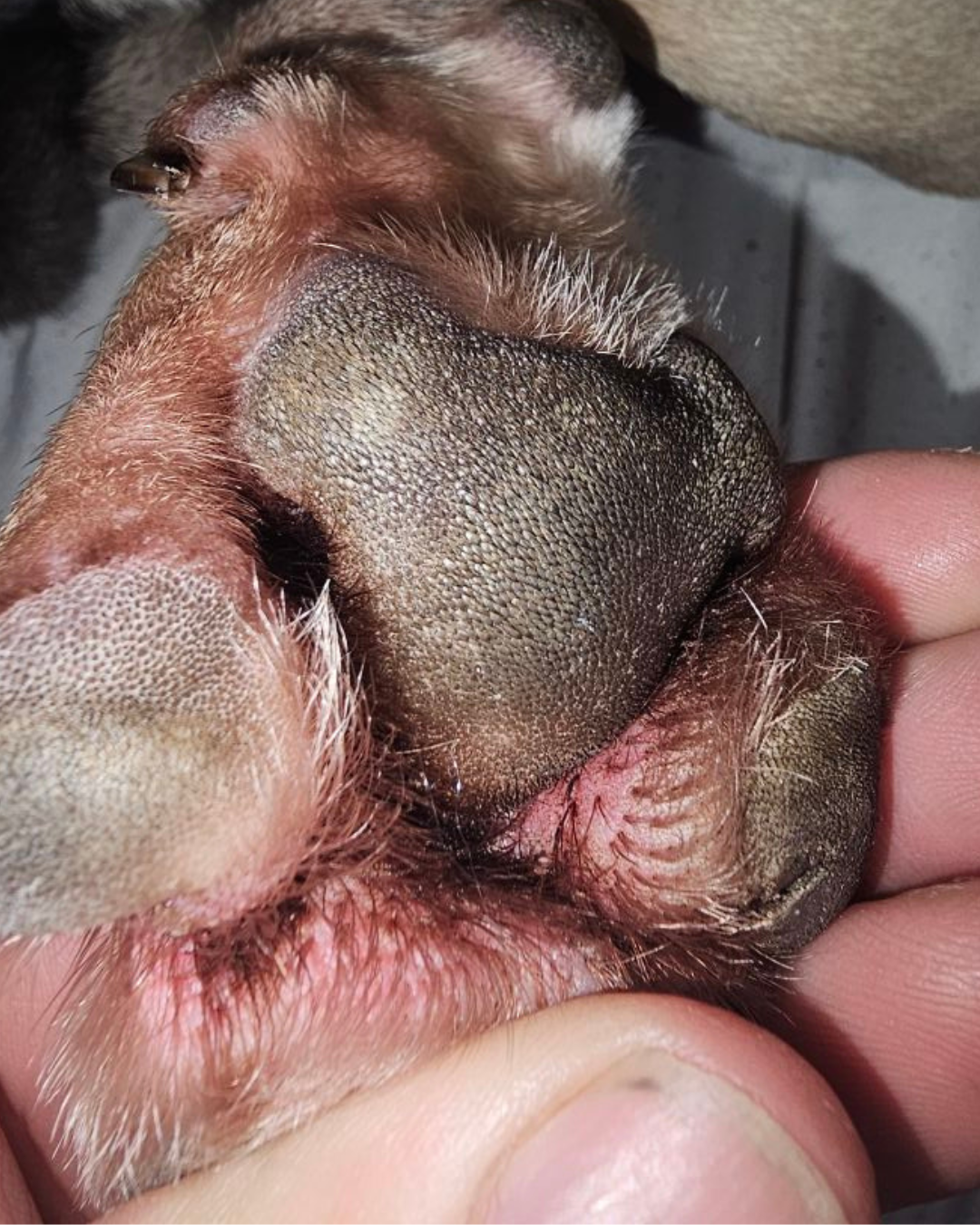
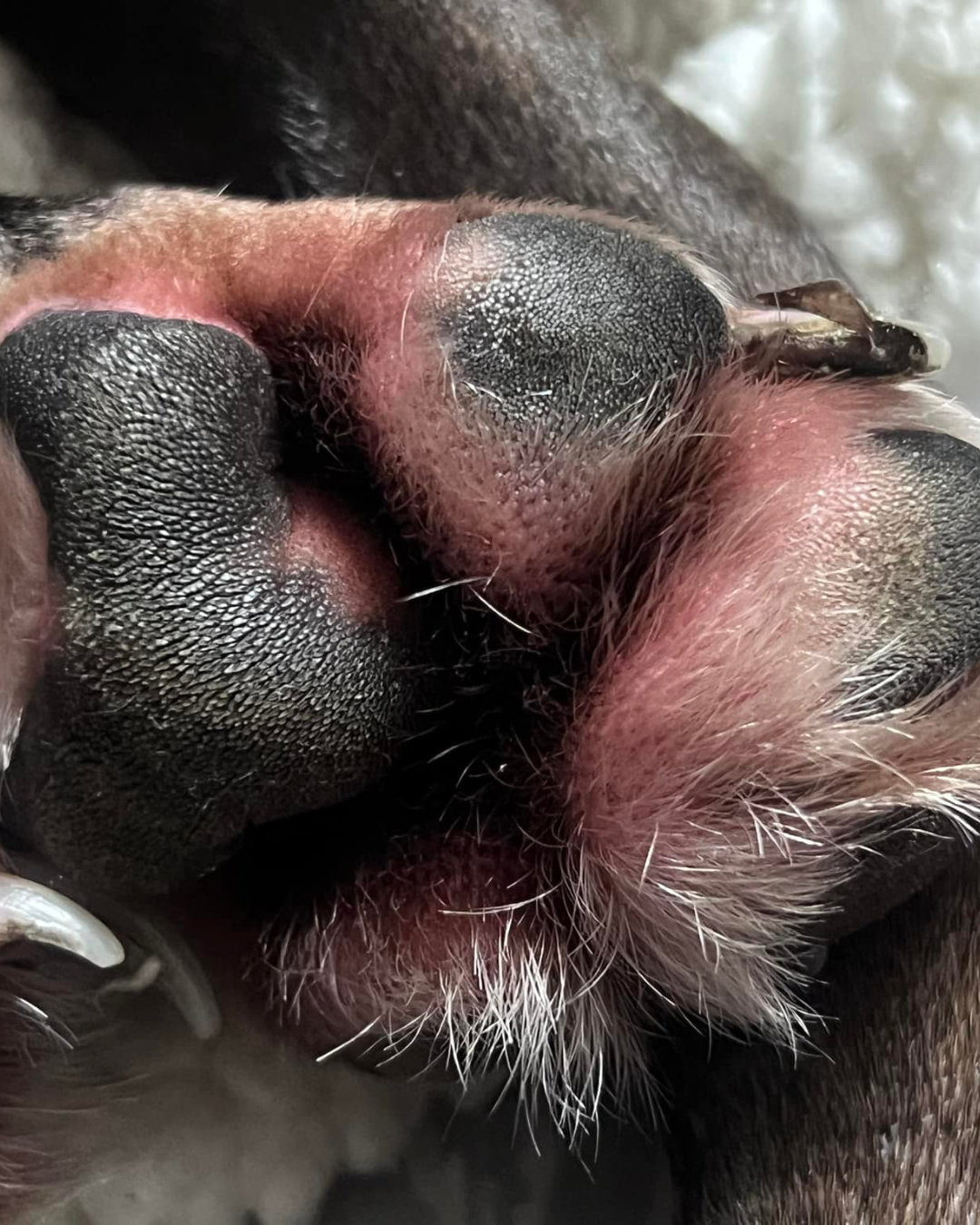
Please STOP giving your dog supplements for their paw licking, itching and allergies. I know that sounds crazy, but every time you buy another "probiotic" or "allergy chew," switch to another expensive kibble, or try another "miracle" supplement from Amazon, you might be using solutions that don't address the root cause of what's actually happening. I used to be just like you. I stood in the pet aisle at Target, reading labels on allergy chews. I hoped the $35 ones would work better than the $22 ones I had already tried. Ordering that $47 bag of "limited ingredient" kibble from Chewy, mixing it with pumpkin and bone broth, because the reviews said it "finally stopped the scratching." Tracking every single ingredient my dog ate obsessively in a notes app, eliminating chicken, then grain, then beef, then salmon, because everyone in the dog allergy Facebook groups kept saying it was definitely a food sensitivity. Spending over $50 on Dog is Human chews because surely something that popular had to work. Watching my bank account drain while my dog kept licking his paws raw. I tried everything. I mean everything. Every supplement the allergy groups recommended. Every "miracle solution" someone swore stopped their dog's itching. I did exactly what I was told to do. And my dog's paw licking got worse. Not better. Worse. The stained fur between his toes got darker. The raw spots got redder. The 2 AM licking sounds got louder. Every single night, that same wet, rhythmic sound coming from his bed. That frantic scratching at 3 AM that woke the whole house. I spent almost $2,000 on vet visits, specialty foods, and supplements in six months. His bloodwork came back normal. His allergy panel showed "mild environmental sensitivities." My vet called his condition "manageable." But none of that mattered when I looked at his paws and could see raw, pink skin where fur used to be. I was finally doing everything "right." Grain-free food. Limited ingredients. Salmon oil. Probiotics. Oatmeal baths twice a week. I felt like I was being the best dog mom I could be. But the truth was, I'd wake up at 2 AM to that sound every single night. That constant licking. That desperate scratching. Every morning I'd check his paws, and they looked worse than the day before. Every time I'd catch him chewing his feet, my heart would break a little more. I started putting socks on him at night, even though he hated them. Strategically keeping him on the tile floor where I could wipe his paws. Avoiding dog parks because I was embarrassed by how his feet looked. The worst part? I felt like a terrible dog mom. I spent hundreds each month on his care. I followed all the advice from the internet and my vet. Yet, I could only watch him suffer. But it wasn't failure. It was grief. I was watching my best friend be miserable every single day, and I didn't know how to stop it. Three months in, I got desperate enough to try Apoquel. I thought maybe if I just gave him the medication, the licking would stop. Maybe everyone was right—maybe he just needed the "real stuff." For six weeks, I gave him a pill every single day. I watched his paws like a hawk, checking every morning for improvement, inspecting his fur, listening for the licking at night. The paw licking slowed down a little. But it didn't stop. And then I started noticing other things. He seemed more tired. Less playful. The vet warned me about potential side effects—suppressed immune system, increased infection risk, possible liver issues with long-term use. I read the insert and couldn't sleep that night. I stopped the medication after six weeks. What choice did I have? The licking came roaring back worse than before. The red spots returned. The frantic scratching. All of it came back like we'd never left. I felt trapped. Like I was being forced to choose between medicating him into a fog or watching him suffer. Between potential long-term side effects and his quality of life right now. Between staying on something that barely worked and doing nothing at all. I made an appointment with a veterinary dermatologist. Told her everything. She did more testing—skin scrapes, cultures, another allergy panel. Everything. The results came back mostly normal. A little yeast on his paws. "Mild atopic dermatitis." Nothing that explained why he was this miserable. "His skin looks inflamed but not infected," she said, shrugging. "Some dogs are just itchier than others. We can try a higher dose of Apoquel or switch to Cytopoint injections." I wanted to scream. If everything was "normal," why was my dog chewing himself raw? I posted about it in a Facebook group again, desperate for answers. The responses were the same as always: "It's environmental allergies, nothing you can do but manage it." "You're probably feeding him something he's allergic to, even if the tests don't show it." "It's just seasonal. Your dog's body is reacting to pollen and grass." "Have you tried salmon oil? Coconut oil? Apple cider vinegar?" But here's what kept bothering me: if it was just environmental allergies, why didn't the antihistamines work? If it was food, why did eliminating everything make no difference? Why did Apoquel barely help and then stop working altogether? Nothing added up. And I was running out of hope. Then one night—2:47 AM, I remember the exact time because I'd been lying awake listening to him lick for hours—I couldn't take it anymore. I grabbed my phone and started searching. Not the same generic searches I'd done a hundred times before. This time I typed something different: "Why don't allergy supplements work for dogs" That's when I found an article that changed everything. It was about how most pet supplements are formulated. Not about the ingredients themselves. About what's actually IN them versus what the label says. The article explained that the vast majority of dog supplements—especially those popular allergy chews—are about 80% inactive ingredients. Fillers. Binding agents. Flavorings. Glycerin. Pea flour. Palm oil. Things that make the chew taste good and hold together, but do absolutely nothing for your dog's health. And here's the part that made my stomach drop: when only 20% of what you're giving your dog is actually working, you're not giving them enough of anything to make a real difference. I'd never thought about it that way before. I had to keep reading. The article went on to explain that dogs with chronic itching and paw licking aren't just dealing with surface-level allergies. There's something deeper happening. The gut-skin connection. When a dog's gut is out of balance—when the bacteria are off, when the gut lining is compromised, when inflammation is running rampant from the inside—it shows up on the outside. On the skin. On the paws. In the ears. That's why my dog was licking his paws. Not just from allergies attacking from the outside. From inflammation attacking from the inside. And suddenly everything made sense. That's why the allergy chews didn't work. They were 80% filler—my dog was barely getting any active ingredients at all. And the 20% that was active? Not nearly enough to heal what was broken inside. That's why switching foods didn't work. Because the problem wasn't what was going INTO his gut. It was what was happening INSIDE his gut. That's why Apoquel only worked temporarily. It was suppressing the symptom—the itch signal—without addressing what was causing the inflammation in the first place. Like putting tape over your check engine light instead of fixing the engine. That's why his tests were "normal." Standard bloodwork doesn't measure gut health, inflammation levels at the cellular level, or whether his microbiome is completely out of whack. I wasn't crazy. I wasn't a bad dog mom. My dog's body was dealing with systemic inflammation and gut imbalance that had nothing to do with which food he ate or which chew I gave him. For the first time in months, I felt like I could breathe. Because if the problem was internal—gut health and inflammation—that meant there might be a solution I hadn't tried yet. Something that actually addressed what was happening, not just the symptoms I could see. I spent the rest of that night researching. Reading everything I could find about the gut-skin connection in dogs. About what actually works when inflammation and gut imbalance are the problem, not just environmental triggers. That's when I started finding specific ingredients that actually target the root causes. Not just symptom-masking antihistamines or generic vitamins, but compounds that address gut health and inflammation directly. Probiotics kept coming up—but not just any probiotics. Multi-strain blends that actually colonize the gut and restore balance. Research showed that dogs with healthy gut bacteria had significantly less skin inflammation and itching. Quercetin appeared in study after study. Veterinary researchers call it "nature's Benadryl" because it helps control histamine response. But unlike Benadryl, it doesn't just hide symptoms. It actually supports the body's natural inflammatory response. Omega-3s from fish oil showed up constantly—but at therapeutic doses, not the tiny amounts in most chews. Real, concentrated EPA and DHA that help rebuild the skin barrier from the inside out. And turmeric—specifically high-concentration curcumin extract—kept appearing. One of the most studied natural anti-inflammatory compounds on the planet, helping to calm the systemic inflammation that drives so much chronic itching. But the key thing I kept seeing over and over was this: you need something that addresses the gut and inflammation together, not just the skin symptoms. Because If your dog's gut is damaged and their body is inflamed, adding salmon oil to their food won't help. It's like watering a plant with rotting roots. You have to fix what's happening underneath first. That's when someone in one of the forums mentioned they'd been using a powder specifically made for dogs with chronic skin issues. Not just a generic allergy chew. Something that was formulated around the gut-skin connection. I was skeptical. I'd spent so much money already on supplements that didn't work. But I was also desperate. And for the first time, what I was reading actually matched what was happening in my dog's body. The powder had a multi-strain probiotic blend plus postbiotics to rebuild the gut from the inside. It had quercetin at therapeutic doses to naturally regulate histamine. Omega-3s from wild-caught salmon for real anti-inflammatory support. And turmeric extract with piperine for absorption—the way it's actually supposed to be taken. But here's what really got my attention: it was 99.8% active ingredients. Not 80% filler like those chews I'd been wasting money on. Almost everything in the scoop was actually doing something. 18 ingredients total, all working together. Addressing the gut. Calming the inflammation. Supporting the skin from the inside out. It wasn't a prescription drug—just a supplement with ingredients that support your dog's body's natural healing processes. I could give it to him alongside anything else. It didn't interfere with anything my vet had prescribed. I ordered it. Told myself not to get my hopes up. I'd been disappointed too many times. It arrived two days later. A powder that smelled like beef broth. The instructions said to sprinkle it on food twice daily for the first few weeks as a "loading dose," then once daily after that. Easy enough. The first two weeks, nothing dramatic happened. Same amount of licking at night. Same pinkish paws when I checked in the morning. I started thinking this was just another expensive mistake. But I'd already bought it, so I kept giving it to him. What did I have to lose at this point? Week three is when I noticed the first change. It was subtle—so subtle I almost missed it. But one morning I woke up and realized something was different. I hadn't heard him licking at 2 AM. I'd actually slept through the night. I told myself I was imagining it. That I wanted it to work so badly I was noticing things that weren't there. But the next night, same thing. And the night after that. By week four, I wasn't imagining it. The raw pink spots between his toes were starting to look less angry. He wasn't waking me up at night anymore. He was still licking sometimes, but it felt more... normal. Like a dog cleaning his paws, not a dog trying to chew them off. Week six is when my husband noticed. He didn't say anything at first, but I caught him looking at our dog's paws while we were watching TV. Finally he said, "Is it just me, or do his feet look better?" I grabbed his paw gently. Looked between his toes. Checked the spots that had been red for months. He was right. The fur was starting to grow back. The skin looked healthy—actually healthy, not just "less raw." The staining on his fur was lighter. It was like someone had pressed pause on the whole nightmare. That's when I started believing this might actually work. By week eight, I could see new white fur growing in where he'd licked it all away. The paw pads looked normal. I took a photo to compare to one from three months earlier. The difference was undeniable. I wasn't imagining it. My dog was healing. Month three, our groomer said something without me even bringing it up. She was trimming his nails—I'd finally felt confident enough to let someone else handle his paws—and she stopped and said, "Whatever you're doing, keep doing it. His feet look amazing compared to last time. And his coat is so much softer." I told her about the powder. About learning it was gut-related, not just allergies. About finally finding something that addressed what was actually wrong. She was the one who told me to take another photo. A before and after. She said I'd want to remember where we started. It's been five months now. I still give him the powder every morning. His paws aren't perfect—he still licks occasionally, like a normal dog does—but the obsessive, frantic, raw-paw licking? Gone. The 2 AM scratching sessions that woke the whole house? Gone. The embarrassment of people seeing his feet at the dog park? Gone. But more than that, he seems like himself again. He's more playful. More energetic. He actually sleeps through the night now—and so do I. His coat is shinier than it's been in years. His stomach issues cleared up too, which I wasn't even trying to fix. I can be happy knowing I'm not just masking his symptoms or worrying about long-term medication side effects. And I didn't have to choose between his comfort and his health anymore. If you're reading this and you see yourself in my story—if your dog is licking their paws raw and everyone keeps telling you it's just allergies or just food sensitivities, but nothing you try actually works—I need you to understand something. It might not be coming from the outside at all. It might be coming from the inside. From the gut. From systemic inflammation. And if that's the case, all the allergy chews and limited ingredient diets and salmon oil in the world won't fix it. Because they're not addressing what's actually causing the problem. And most of those supplements? They're 80% filler anyway. Your dog isn't getting enough of anything to make a real difference. I wasted months trying to fix an allergy problem that wasn't really an allergy problem. Months of eliminating foods he didn't need to avoid, buying supplements that were mostly filler, watching him suffer while everyone told me to "be patient" and "give it time." But the moment I addressed the root cause—gut health and inflammation—with something that was actually concentrated enough to work? Everything changed. I'm not a vet. I can't tell you what's happening with your specific dog. But I can tell you what happened with mine. And I can tell you that if you've tried everything and your dog is still licking their paws raw, maybe it's time to ask a different question. Not "what is he allergic to?" but "what's happening inside his body?" The powder I found is called DA-1 Daily All-in-One. It's made by Pure Paw Labs. They designed it for dogs with chronic skin problems, itching, and paw licking. It focuses on the gut-skin link with 18 proven ingredients. This includes a blend of probiotics and postbiotics, quercetin, omega-3s, reishi mushrooms and turmeric, all in therapeutic doses. And unlike those allergy chews that are 80% filler? DA-1 is 99.8% active ingredients. Almost everything in the scoop is actually working. They offer a 60-day guarantee. If it doesn't work for your dog, you won't be stuck with it. I learned that the hard way with all those bags of pricey kibble and chews that did nothing. I'm sharing this because I spent so many nights lying awake at 2 AM. I was desperately searching for answers, feeling like I was the only person whose dog's itching didn't fit the normal explanations. And I don't want anyone else to waste months like I did, trying to fix something that was never broken in the first place. Your dog's food might be fine. Your elimination diet might be fine. Your dog's body might just need help healing the gut and calming the inflammation that nobody's been addressing. And there's something that actually does that. Click below to learn more about what worked for us, and why addressing the root cause made all the difference. You don't have to choose between expensive medications with side effects and watching your dog suffer. You just have to address what's actually causing the problem. And for us, that changed everything.
Like this ad? Make it yours.
Crush rebuilds this exact creative around your product — your brand, your colors, your offer — in about a minute.