Michael Harrison
Michael Harrison Facebook ad: “Read this if you care about your blood flow”
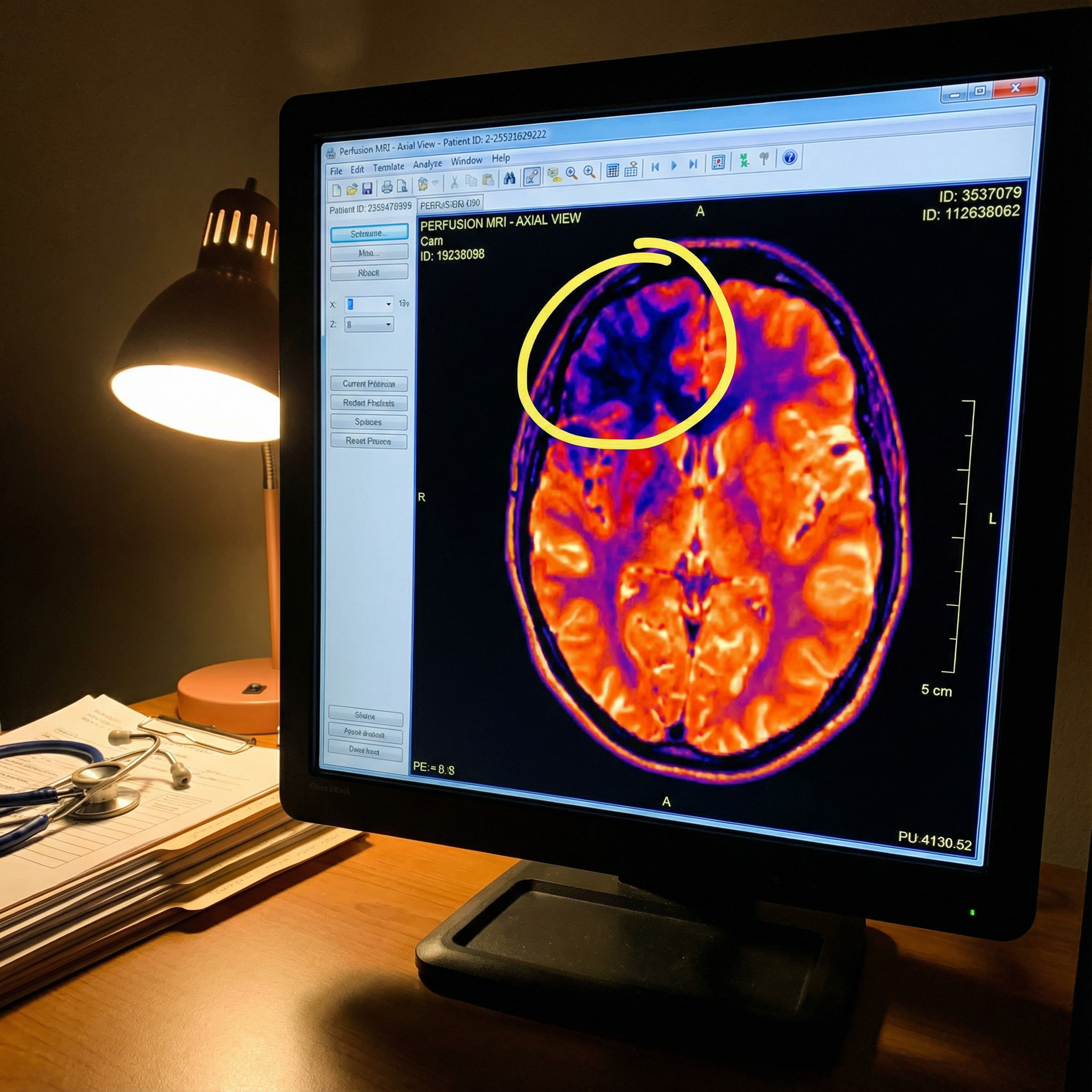
Ran for 1 day, from January 10 to January 11, 2026, the last day Crush saw it.
Run by Michael Harrison on Facebook. Crush is not the advertiser and does not verify its claims. See this ad in Meta's Ad Library(opens in a new tab)
Want an ad like this for your product?
Crush makes new ad images for your product from this ad: your logo, your product photo, your offer.
Trials from $19.95 USD, then $79.95 USD a month. Cancel anytime.
About this ad
- Meta Ad Library ID
- 1962870988000448
- Platforms
- Facebook, Instagram, Audience Network, Messenger and Threads
- Relaunches
- 0
- Niche
- Food & Beverage
Ad text
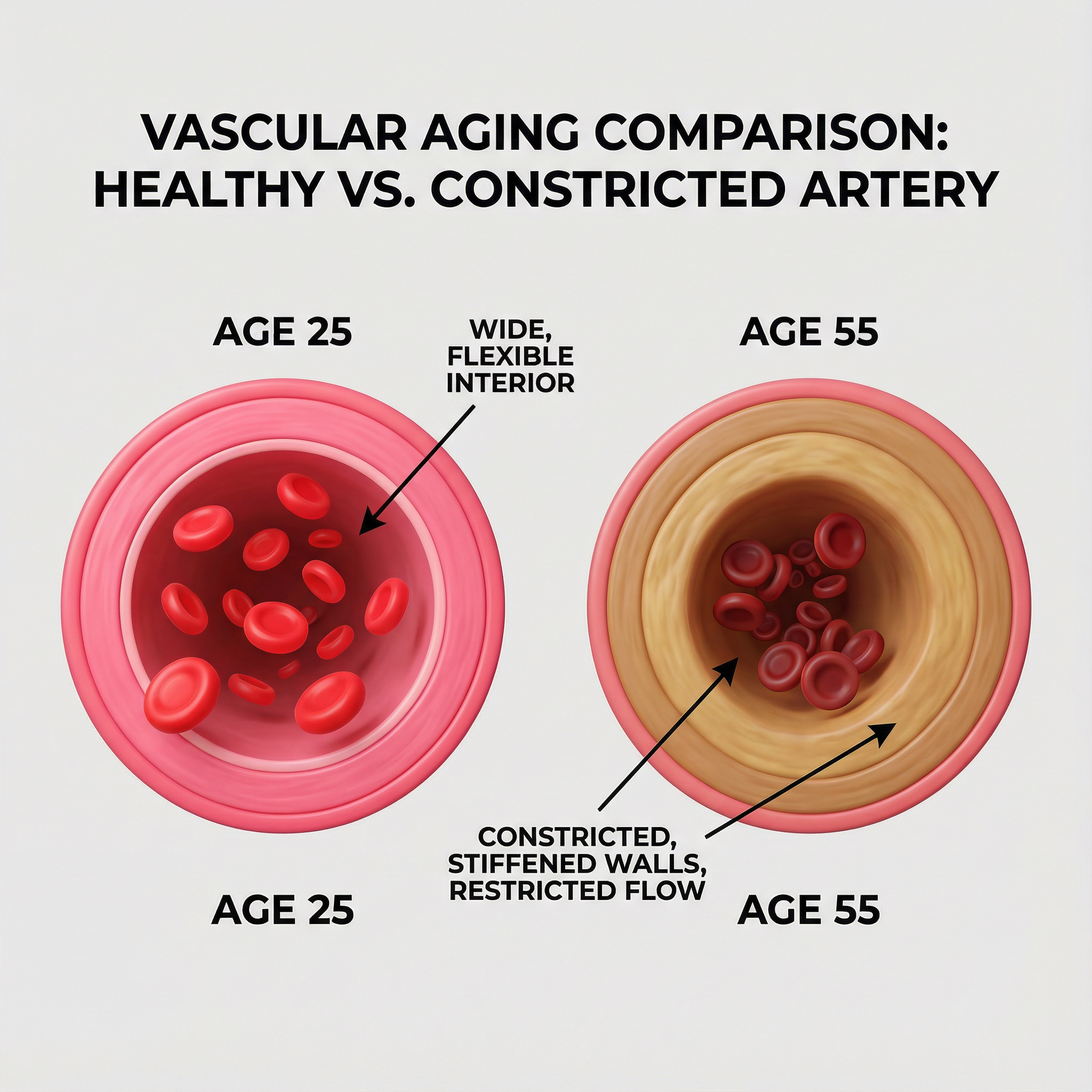
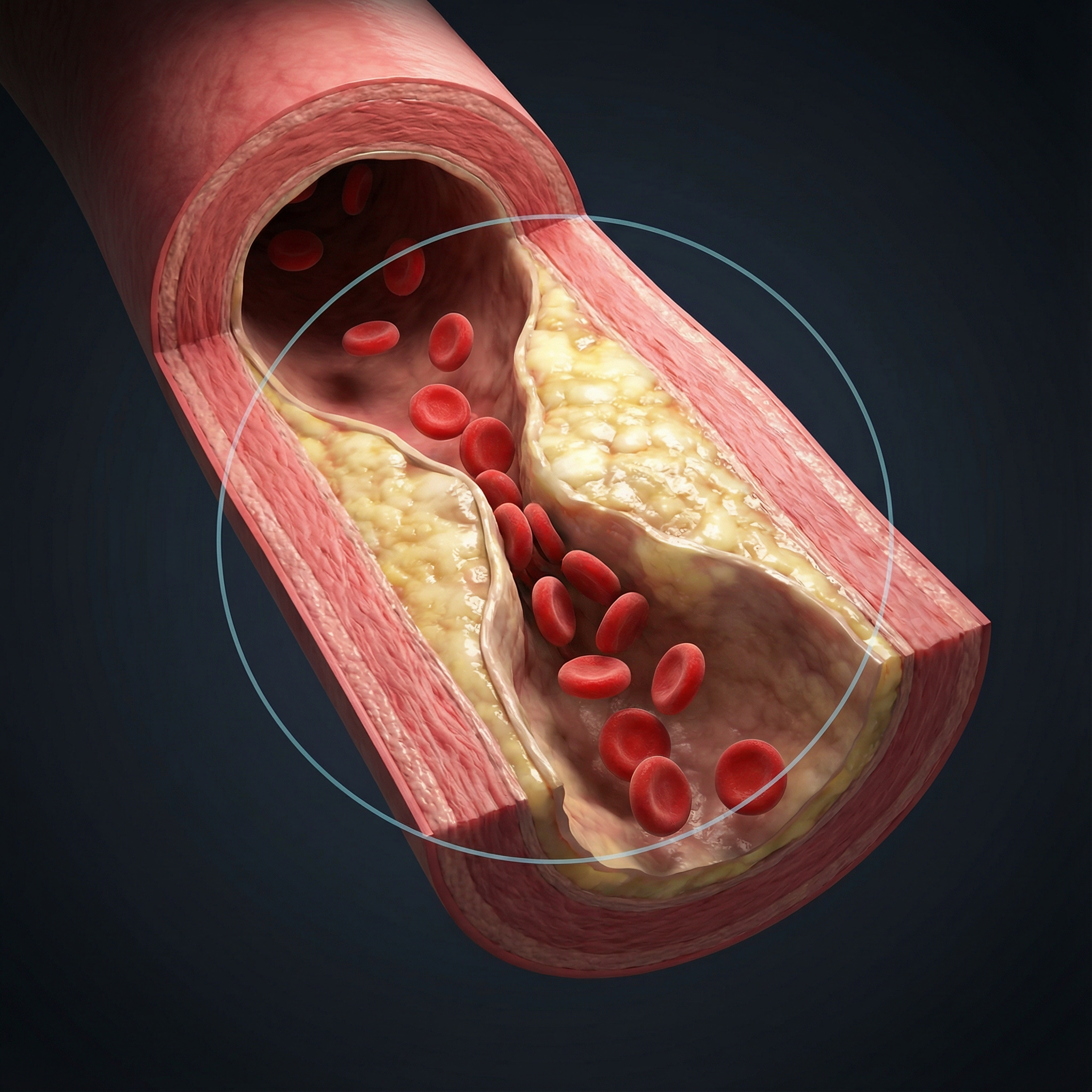
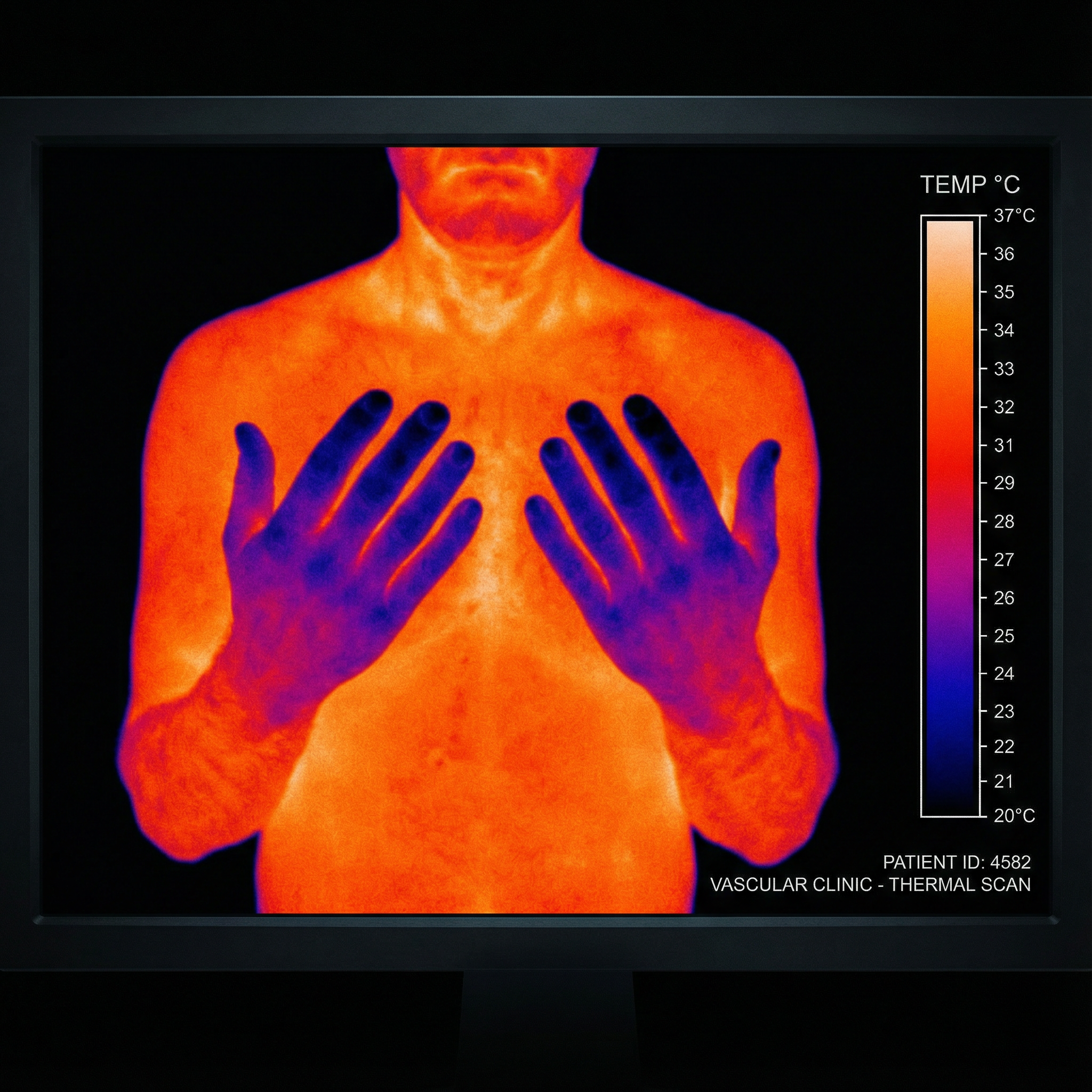
Purple fingertips at 49. Numb toes at 51. By 53, I was terrified I'd lose a finger. Then I discovered what was strangling blood flow to my extremities. Last winter, I took a photo of my hand. I was sitting in my living room — heat set to 72 degrees — wearing a sweater and thick socks. My fingertips were purple. Not pink. Not slightly discolored. Purple. Like bruises at the end of each finger. I showed my wife. She grabbed my hand and flinched. "You're ice cold. How is that possible? It's warm in here." I didn't have an answer. It started in my late 40s. Nothing dramatic. Just cold hands. Cold feet. The kind of thing you blame on getting older or bad circulation or whatever. I bought warmer socks. Started wearing gloves indoors during winter. Told myself it was normal. But it got worse. By 51, my toes would go completely numb. I'd be walking through the grocery store and realize I couldn't feel my feet. Like they belonged to someone else. I'd get home and peel off my socks. My toes would be white. Not pink-white. Corpse-white. Like the blood had just... abandoned them. It would take 20 minutes under a heating pad for the color to come back. And when it did, the pins and needles were so intense I'd grit my teeth. By 53, I started having thoughts that terrified me. What if this doesn't stop? What if it keeps getting worse? What if one day the blood doesn't come back? I'd read about people losing toes. Fingers. The word "amputation" started appearing in my late-night Google searches. I couldn't shake the image of my father's friend — a diabetic who lost two toes at 61 because of circulation problems. That's when I stopped pretending this was normal. My doctor ran tests. Checked for diabetes. Checked for Raynaud's. Checked my thyroid. Everything came back "within normal range." "Some people just run cold," he said. "Try keeping your core warm. Wear layers." Wear layers. That was his advice. I was already wearing two pairs of socks and my hands still looked like I'd been holding ice cubes for an hour. I tried everything the internet suggested. Cayenne pepper capsules. Supposedly increases circulation by "heating you from the inside." Made my stomach burn so bad I thought I had an ulcer. Gave me heartburn for weeks. And my hands? Still ice cold. Turns out, irritating your digestive system doesn't magically send blood to your fingertips. Ginkgo biloba. "Improves blood flow to extremities" — that's what the bottle said. I took it religiously for four months. Nothing. I later learned that most ginkgo supplements aren't standardized for the active compounds that actually matter. You're basically trusting that whatever leaves they ground up happen to contain enough of the right stuff. Most don't. Compression socks. The theory is they push blood back up from your feet. Made my calves ache. Didn't help my toes at all. Because the problem wasn't blood LEAVING my feet — it was blood not REACHING them in the first place. Hot yoga. A humiliating experience for a 53-year-old man who can barely touch his knees, let alone his toes. I walked out of a 105-degree room and my hands were cold again within ten minutes. External heat doesn't fix internal circulation. I bought a $200 heated blanket. A $150 foot warmer. Hand warmers by the case. I was treating symptoms. Spending hundreds of dollars on ways to artificially heat extremities that my own body refused to warm. Nothing addressed WHY my blood wasn't reaching my fingers and toes. One night — I remember it was a Sunday, around midnight — I was reading about nitric oxide. I'd heard of it before. The molecule that relaxes blood vessels. Opens them up. Lets blood flow through. It made sense. If my blood vessels were constricted, blood couldn't reach my extremities. They'd be cold. Numb. Oxygen-starved. This felt like the answer. The actual mechanism behind the problem. So I tried the "solutions" everyone recommended. First: L-Arginine capsules. The amino acid that converts directly into nitric oxide. Every article said it was THE solution for poor circulation. "Clinical strength," the bottle promised. 3,000mg every day. I took it religiously for ten weeks. My hands were still purple in the morning. I couldn't understand it. The science seemed so straightforward. L-Arginine converts to nitric oxide. Nitric oxide opens blood vessels. Blood reaches extremities. Warmth. Why wasn't it working? Second: Beetroot powder. The "natural nitric oxide booster" everyone raves about. Beets contain nitrates. Nitrates convert to nitric oxide. Simple, right? I mixed it into smoothies until I couldn't stand the earthy, dirt-like taste anymore. Added honey just to choke it down. Eight weeks of that. My toes were still going numb at the grocery store. I found out later why beetroot supplements fail for most people: They're not standardized for nitrate content. The actual amount of active compound varies wildly from batch to batch, scoop to scoop. You have no idea if you're getting a clinical dose or basically flavored powder. To get the nitrate levels used in actual studies, you'd need to consume POUNDS of beets per day. That little scoop? Nowhere close. The conversion process depends on specific bacteria in your mouth. If you use mouthwash, you kill those bacteria and the whole process breaks down. If you have any digestive issues, conversion rates plummet. And the kicker — many "circulation support" beetroot powders are loaded with sugar. Tapioca syrup. Cane sugar. Maltodextrin. They prioritize taste over potency because they know most people won't stick with something that tastes like actual beets. I'd been drinking sugar-laden dirt water every morning thinking I was helping myself. Third: A "Circulation Support" complex. $58 for a bottle with 19 different ingredients. Horse chestnut. Butcher's broom. Rutin. Diosmin. And of course — a "Proprietary Blend" of nitric oxide boosters with no amounts listed. Six weeks. My fingers were still turning white in the frozen food aisle. "Proprietary Blend" is supplement industry code for "we're not telling you how little we actually put in here." It lets companies list impressive ingredients on the label while including amounts so small they couldn't possibly do anything. I was buying hope in a bottle. Not results. I started to believe my doctor was right. Some people just run cold. Maybe I was broken in a way that couldn't be fixed. Then I found something that made me furious. It was buried in a research paper about amino acid absorption. Dense, technical stuff I had no business reading at 1 AM. But one paragraph stopped me cold. (Ironic, I know.) It explained why EVERYTHING I'd tried was destined to fail. The L-Arginine Problem: There's an enzyme in your digestive system called arginase. Its job is to break down L-Arginine. And it's incredibly efficient — destroying up to 70% of the L-Arginine you swallow before it ever reaches your bloodstream. Seventy percent. All those capsules. All those weeks. My own gut was neutralizing most of it before it could do anything. The L-Arginine wasn't reaching my blood vessels. It was being destroyed in my stomach. No wonder nothing worked. The Beetroot Problem: Even if I'd found a properly dosed, sugar-free beetroot supplement, the conversion pathway is unreliable at best. Nitrates → nitrites → nitric oxide. Three steps, each one dependent on factors outside your control. The bacteria in your mouth. The pH of your stomach. Your individual digestive chemistry. Too many variables. Too many points of failure. Too many reasons for it not to work. The "Circulation Complex" Problem: Those multi-ingredient formulas with proprietary blends? They're designed to look comprehensive on a label — not to actually work in your body. Nineteen ingredients sounds impressive. But when they're hiding behind a proprietary blend, you have no idea if you're getting clinical doses or trace amounts. Usually, it's trace amounts. Just enough to legally list the ingredient. Not enough to do anything. I'd spent hundreds of dollars on supplements that never had a chance. What Nobody Told Me: But the paper mentioned something else. A workaround that changed everything. L-Arginine isn't useless. It's still the raw material your body needs to produce nitric oxide. The science is real. But when you take it BY ITSELF, you're sending it straight through the kill zone — your gut — where arginase is waiting to destroy most of it. It's like trying to send soldiers through an ambush. Some might make it. Most won't. The workaround? A different amino acid called L-Citrulline. Unlike L-Arginine, it doesn't get attacked in your gut. It absorbs through your intestines, travels to your kidneys, and THEN converts into L-Arginine — after it's already past the enzyme that destroys everything. Two pathways to the same destination. One gets ambushed. One sneaks through the back door. Pathway One: L-Arginine directly. Yes, arginase destroys a lot of it. But not ALL of it. At clinical doses — not the pixie-dust amounts most supplements use — you still get some through. Pathway Two: L-Citrulline converting into L-Arginine AFTER it bypasses your gut. The reinforcements. The backup supply. The part that gets through no matter what. One pathway alone? Unreliable. Inconsistent. Like trying to fill a bathtub with a hose that has a massive hole in it. Both pathways together? Now your body has a steady, consistent supply of what it needs to produce nitric oxide. Enough to actually relax blood vessels. Enough to actually reach your extremities. I sat there at 1:47 AM thinking about all the money I'd wasted. All the supplements that never had a chance. All the nights I'd gone to bed with frozen feet, thinking I was doing everything right. I wasn't doing it wrong. I was just using products designed to SELL — not to WORK. I found a formula that combined both pathways. L-Arginine AND L-Citrulline. Clinical dosages of each — actual amounts listed right on the label. No proprietary blend. No sugar. No fillers. The direct route plus the bypass route. Working together. Ordered it that night. Didn't tell my wife. Didn't want to explain another supplement that probably wouldn't work. First week: Nothing obvious. Second week: I noticed I wasn't reaching for my gloves as much indoors. Small thing. Maybe placebo. Third week: I woke up on a Tuesday morning and did something I hadn't done in years. I looked at my hands first thing. They were pink. Not purple. Not white. Pink. I touched my face. My fingers weren't ice cold. I laid there for a minute, just opening and closing my fists. Feeling blood in my fingertips. Feeling warmth that my body was generating on its own. Week five: My wife grabbed my hand while we were watching TV. She didn't flinch. "Your hands are warm," she said. Like it was the most normal thing in the world. Like I hadn't spent four years with fingers that felt like frozen meat. Last month, I went fishing with my son. November. 41 degrees. Standing in a boat for six hours. My toes never went numb. Not once. I didn't wear hand warmers. Didn't need them. My son made a joke about how I used to complain about the cold constantly. "What happened to you? You used to be the guy with four layers and still shivering." I just shrugged. Didn't know how to explain that I'd found something at 1 AM that changed everything. Here's what I almost missed: That fishing trip with my son. Walking my daughter down the aisle next spring without frozen fingers fumbling with her veil. Holding my wife's hand without her pulling away from the cold. A decade of moments I'd already started writing off. Because I was ready to accept that this was just my life now. Cold hands. Numb feet. Watching my body slowly lose circulation to my extremities and wondering when it would get bad enough to become dangerous. If you've tried the cayenne and the ginkgo and the L-Arginine and the beetroot powder... if you've wasted money on "circulation complexes" with proprietary blends that hide how little you're actually getting... if you've spent hundreds on heated blankets and hand warmers just to feel normal... if you've watched your fingers turn colors that fingers shouldn't turn... You're not broken. Your body might just be destroying everything you're giving it before it can reach where it needs to go. The answer isn't more supplements that take the same failed route. It's completing the pathway. I found mine at 1 AM on a Sunday when I was too scared to sleep. My hands are warm now. Yours can be too.
Where the ad sends people
vitiorashop.com
Read this if you care about your blood flow ☝️
Nitric Oxide is designed to support healthy circulation and muscle growth, making it a great addition to your fitness or wellness routine. The formula includes L-Arginine Alpha-Ketoglutarate, known for its ability to promote normal blood flow and nutrient delivery to muscles, contributing to exercis...
Shop now: vitiorashop.com(opens in a new tab)