
Inactive· since Jun 16, 2026
- 78
- days it ran
- 1
- relaunches
Ad copy
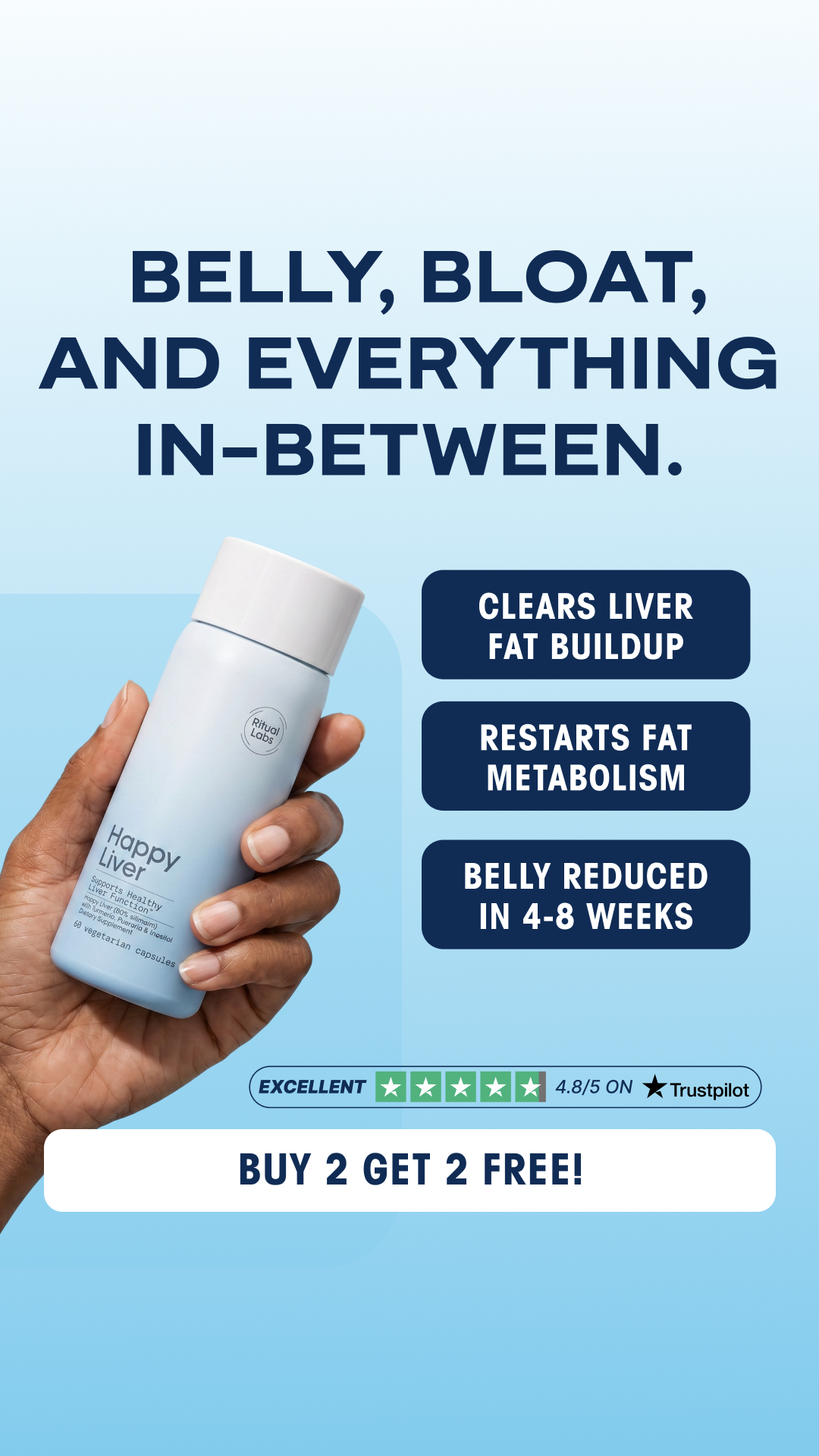
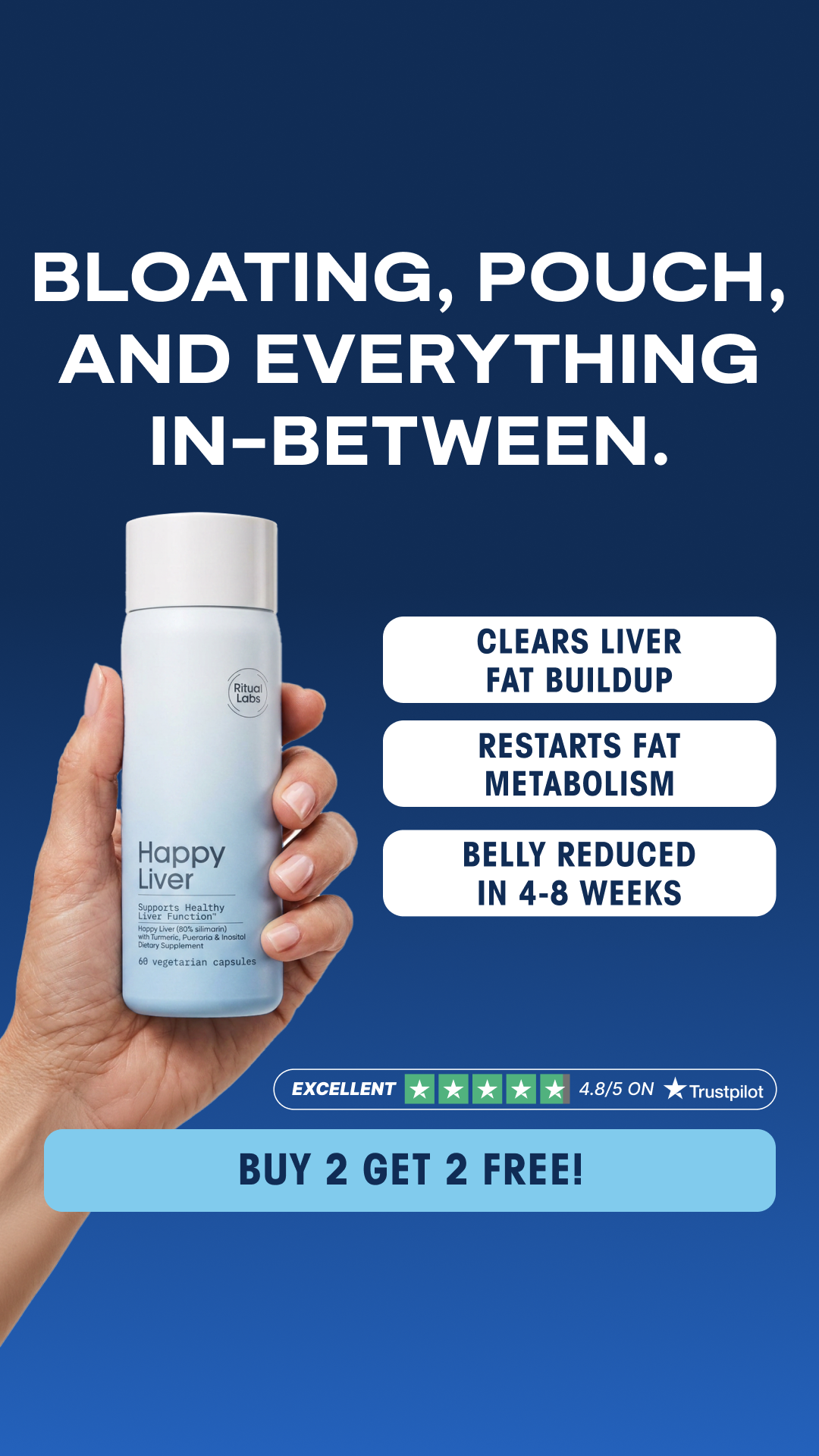
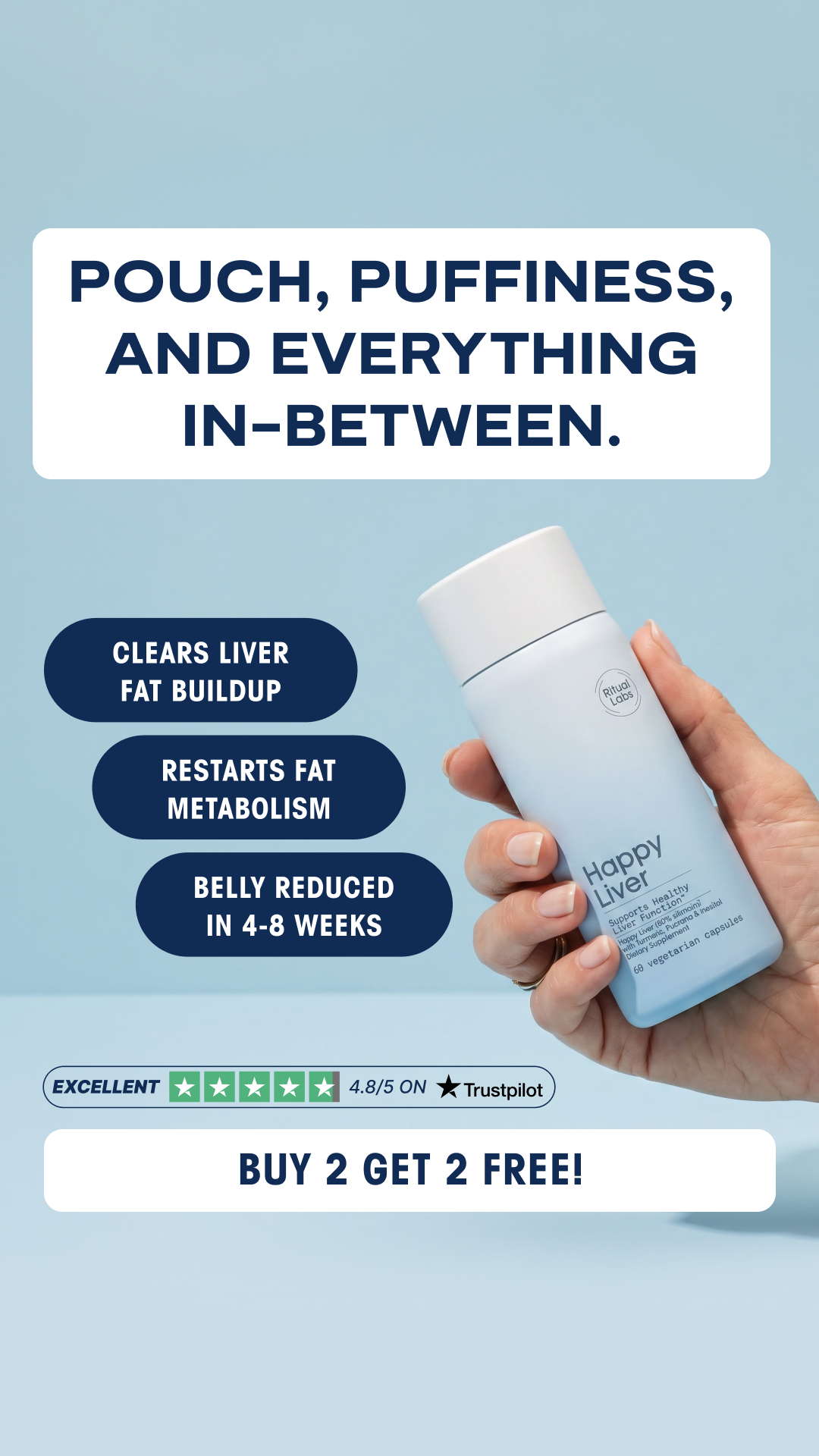
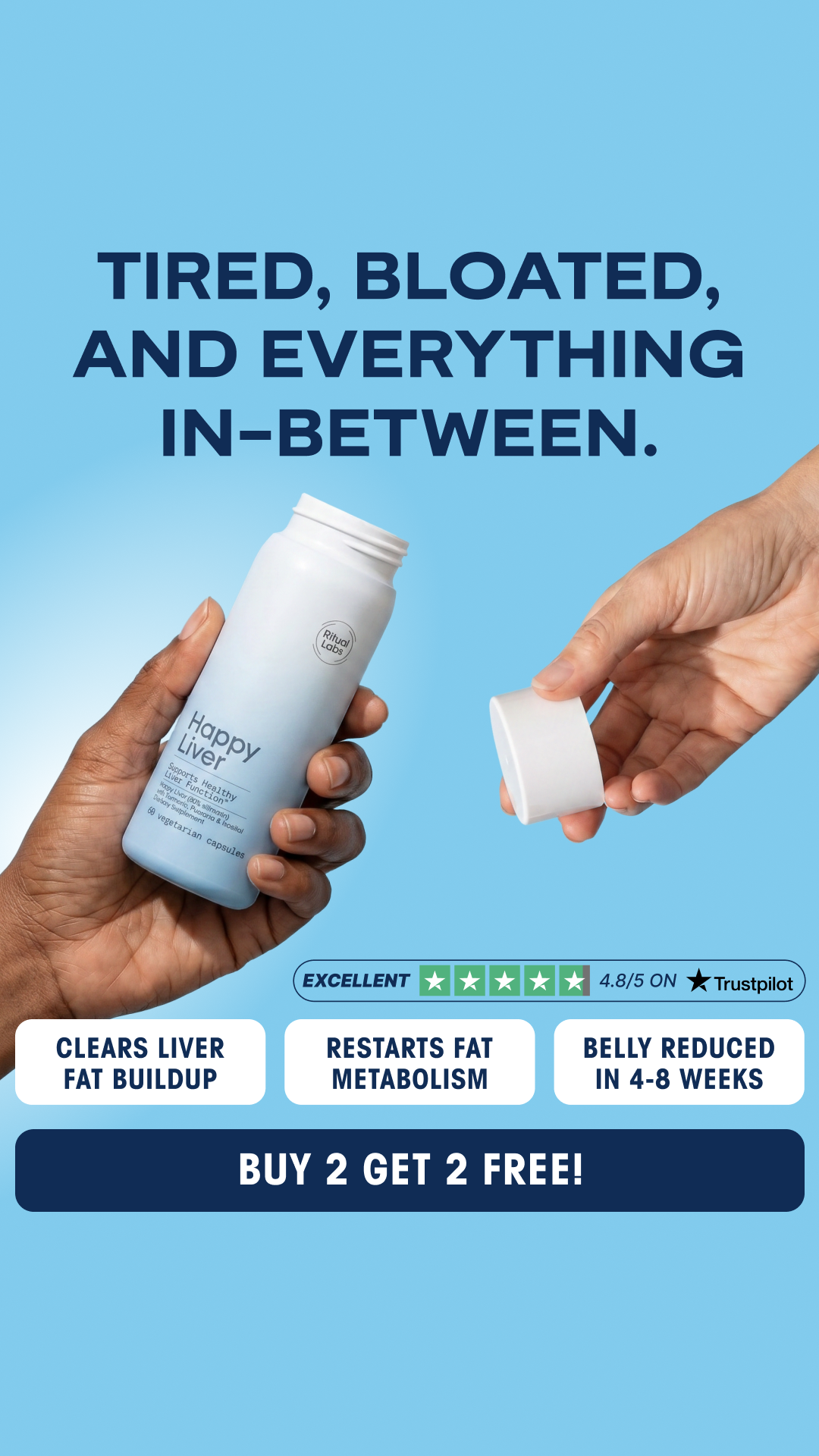
Alcohol consumption is associated with up to a 40% reduction in cardiovascular mortality. Long-term population studies consistently show that moderate drinkers have lower rates of heart disease, stroke, and type 2 diabetes than people who abstain entirely. Ancient Mediterranean populations built longevity cultures around wine with dinner. The cardioprotective effects of regular moderate drinking have been replicated across dozens of peer-reviewed studies spanning 4 decades. So why are your liver enzymes going up EVERY YEAR? If you drink regularly and have had bloodwork in the last few years, there is a good chance your doctor has mentioned your ALT or your AST. Maybe they flagged it. Maybe they just said to keep an eye on it. Maybe they told you to cut back and see what happens at your next annual. And maybe you cut back, and the numbers barely moved, still sitting above 100 on every panel, and nobody explained why. This is the part almost nobody gets told. When alcohol hits the bloodstream, the liver does not break it down in one clean step. It passes through a middle compound first, something called acetaldehyde, and acetaldehyde has to be cleared before the process is finished. The problem is that acetaldehyde is 30 times more toxic to liver cells than the alcohol that produced it. When the liver falls behind on clearing it, acetaldehyde damages cell walls, triggers an inflammatory response, and that inflammation is exactly what drives ALT and AST into the ranges your doctor is now watching. The enzyme elevation is not the problem. It is the liver signaling that acetaldehyde is backing up faster than it can clear. But here is the part that makes this harder to fix than it sounds. The liver clears acetaldehyde using a compound called glutathione. Every drink burns through some of your supply. So does every Tylenol, every prescription, every processed meal, every accumulated stress response. All of it draws from the same reserve the liver was supposed to be saving for alcohol clearance. By the time most people are in their late 40s or early 50s, years of cumulative input have left glutathione permanently low. Not depleted dramatically. Just chronically behind. And when it is behind, the clearance never fully catches up. The acetaldehyde from the weekend lingers into the week. The liver cells take more damage per drink than they did 10 years ago. The enzymes your doctor is watching quietly climb a little higher every year, even when the amount you drink stays exactly the same. That is why cutting back helps the number slightly but never fixes it. You are reducing how much acetaldehyde forms. But you are not giving the liver what it needs to clear what is already there. So the question becomes what actually replenishes glutathione. 2 things consistently move this, and they work through different mechanisms that reinforce each other. The first is pharmaceutical-grade milk thistle. At clinical concentration, the active compound does 2 things at the same time. It stabilizes the outer membrane of liver cells, making them physically harder for acetaldehyde to penetrate during the clearance window. And it signals the liver to produce more glutathione, which is the exact compound the clearance process runs on. The cells take less damage per drink while the system clears faster at the same time. Most people who have tried milk thistle from a pharmacy shelf felt nothing from it, and there is a reason for that. Most US milk thistle sits at 70 to 80% purity with significant filler content, which means almost none of the active compound reaches liver tissue in concentrations high enough to do anything. European pharmaceutical-grade silymarin at 90 to 96% purity is what shows up in the clinical research on liver enzyme reduction. At that grade, the levels crossing into liver tissue are enough for the protection and the glutathione stimulation to actually activate. The second is NAC. It is the direct precursor to glutathione. Where milk thistle tells the liver to produce more, NAC provides the raw material the production process needs to run. At pharmaceutical grade, glutathione production outpaces what regular drinking depletes. The clearance catches up. Acetaldehyde clears on schedule instead of accumulating between sessions. And the enzyme elevation that has been quietly climbing year after year starts moving in the other direction. These 2 compounds working together address the actual mechanism. Not the drinking. The biology of what happens to alcohol once it is inside the body. Happy Liver from Ritual Labs is built around this specifically. European pharmaceutical-grade milk thistle and NAC at the doses that matter, combined with choline, which the liver uses to repair cell membrane damage between sessions. Third-party tested. Small-batch European supply chain. The people who see results notice the shift in the first 2 to 3 weeks. The mornings after drinking feel different. Lighter… The fatigue that used to stretch into Tuesday starts clearing by Sunday. One patient, Mark, 47, 4 to 5 nights a week for most of his adult life, came back at week 2 saying he had drinks on a Friday, expected the usual write-off of a Saturday, and woke up feeling fine. His words were that he got his weekend back. By week 4 the morning puffiness his wife had been commenting on for years was gone. At 8 weeks his ALT had dropped from 118 to 39 and his AST from 102 to 41, both inside normal range for the first time in 6 years. He had assumed that was just what drinking in your late 40s felt like. It is not what it has to feel like. He is what most people look like at the 8-week mark. Anyway, I put the link below if you want to give it a shot. This is what I've been recommending to my patients. https://rituallabs.shop/products/happy-liver
Like this ad? Make it yours.
Crush rebuilds this exact creative around your product — your brand, your colors, your offer — in about a minute.