Caleb Harrison
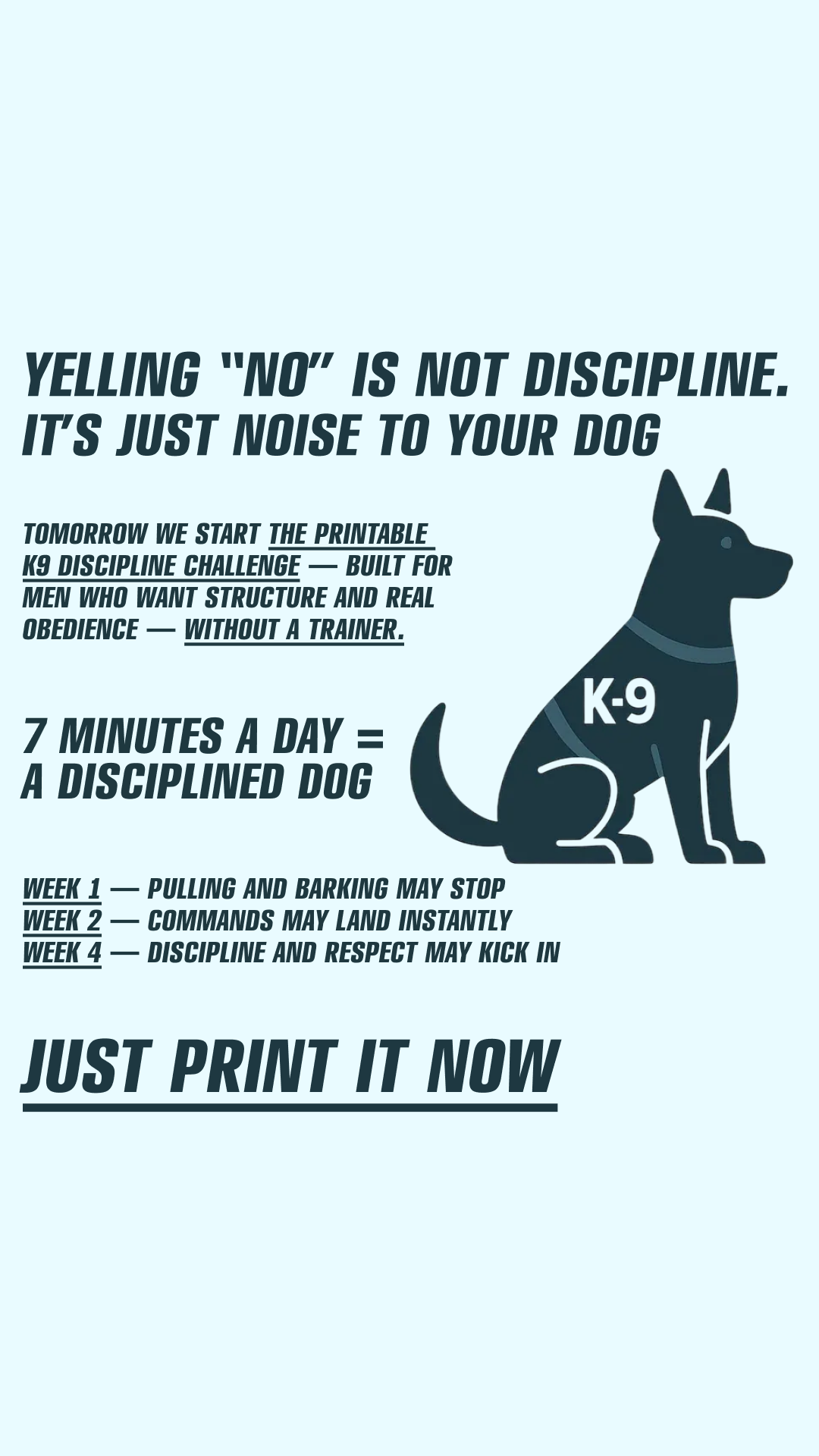
Caleb Harrison Facebook ad: “Start K9 Discipline Challenge”
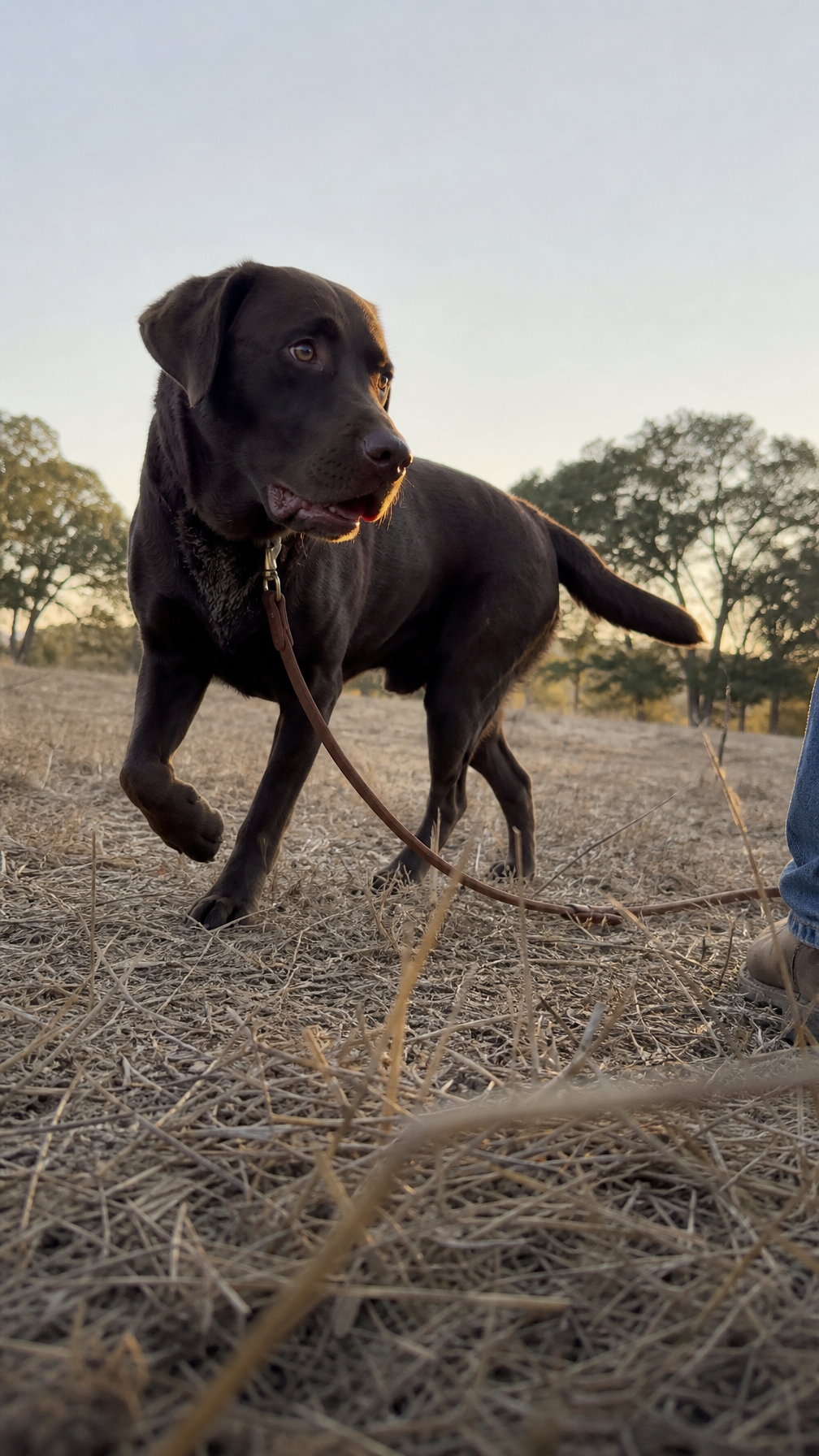
Ran for 14 days, from July 14 to July 28, 2026, the last day Crush saw it.
Run by Caleb Harrison on Facebook. Crush is not the advertiser and does not verify its claims. See this ad in Meta's Ad Library(opens in a new tab)
Want an ad like this for your product?
Crush makes new ad images for your product from this ad: your logo, your product photo, your offer.
Trials from $19.95 USD, then $79.95 USD a month. Cancel anytime.
About this ad
- Meta Ad Library ID
- 1973943269921806
- Platforms
- Facebook, Instagram, Messenger and Threads
- Relaunches
- 0
Ad text
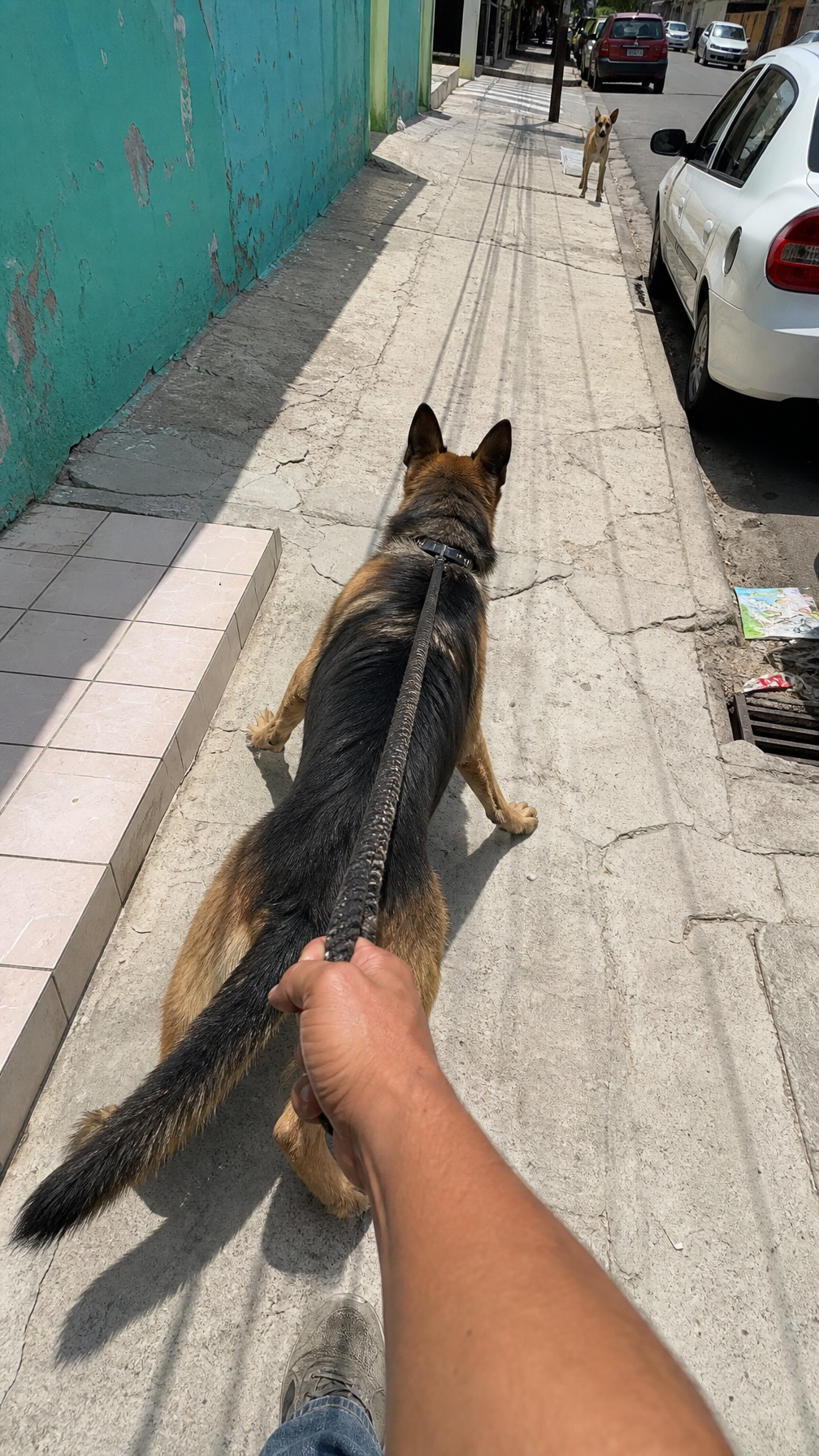
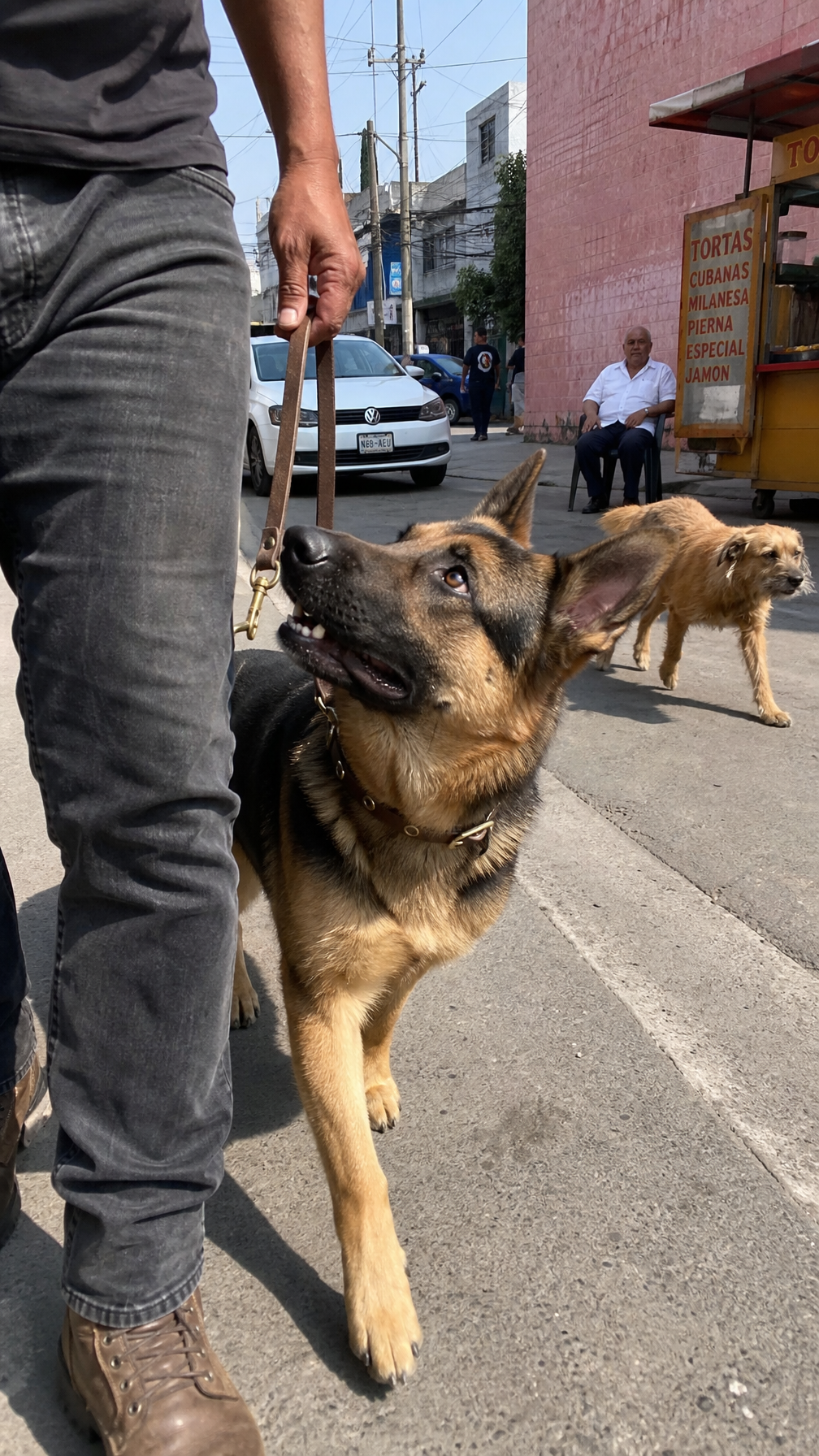
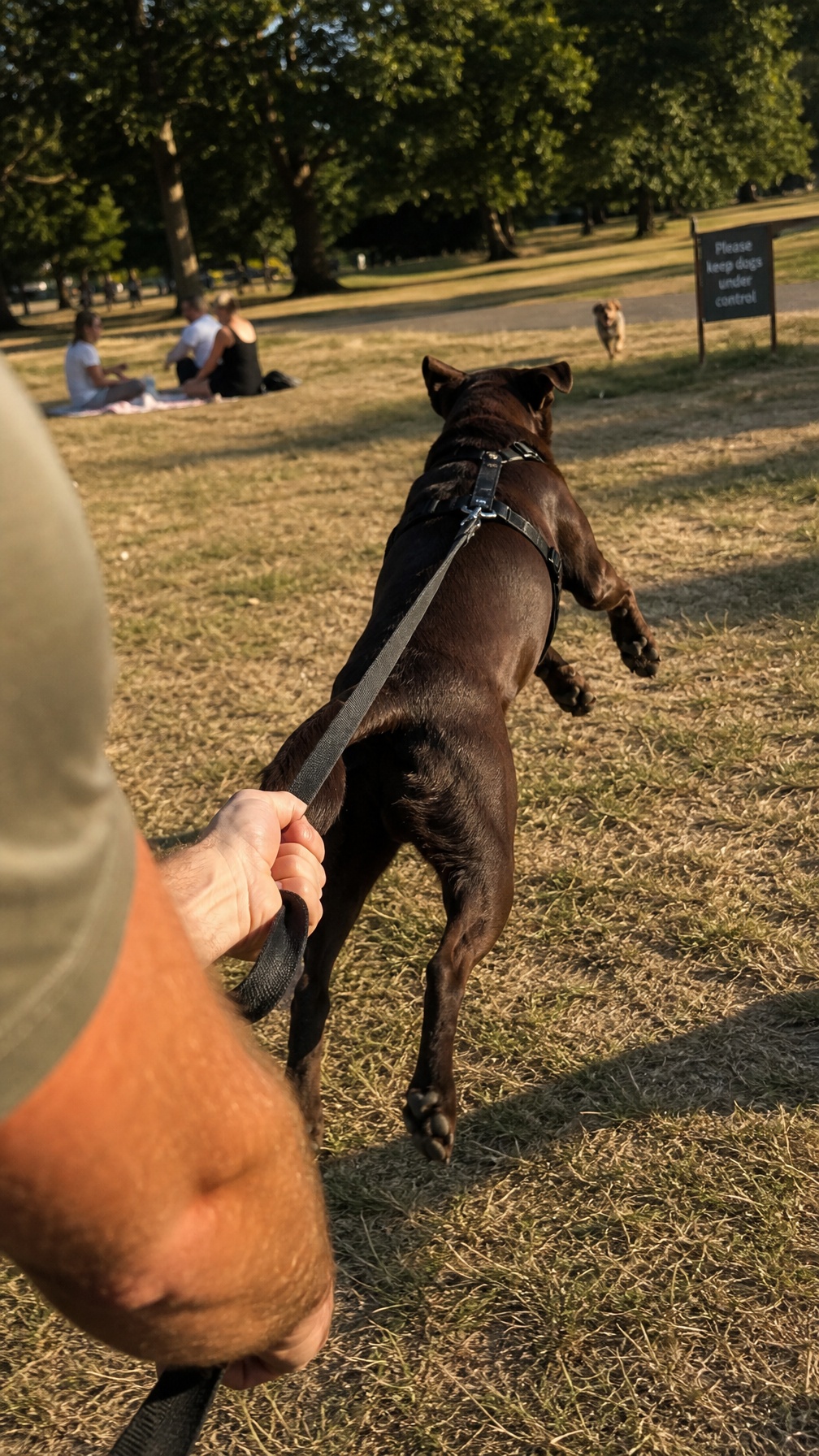
Everyone says Labradors are the friendly ones. Mine spent all summer trying to start on every dog in the park. I've got a Labrador. Murphy. Big, blocky, chocolate, the breed everyone tells you is the easy one. "Oh, a Lab — they're so soft, so good with everyone." And indoors, he is. Daft, gentle, leans his whole weight on you for a cuddle. My last dog was a quiet little terrier who pottered about and bothered no one. I genuinely thought a Labrador would be even easier. Then summer came, and the parks filled up, and I found out what I actually had. Because the moment Murphy clocked another dog — any dog, fifty yards off — he was a different animal. Hackles up, lunging, barking himself hoarse, hauling me down the path while I dug my heels in like I was water-skiing. Not nasty underneath it. Just completely gone. Overloaded. He couldn't hear me, couldn't look at me, couldn't do anything except fixate on the dog ahead. And summer's the worst possible time for it. Everyone's out. Longer evenings, packed parks, picnics, kids, dogs off the lead everywhere you look. The one season you're meant to enjoy with a dog, and I was dreading every single walk. So I adapted, the way you do without noticing. I started walking him at six in the morning, before anyone else was up. I crossed roads to avoid other dogs. I stopped taking him to the beer garden, gave the busy commons a miss, turned down a mate's barbecue because I couldn't face Murphy kicking off in someone's garden all afternoon. My whole summer quietly shrank down to whatever Murphy could cope with. It came to a head at a family picnic. Open park, lovely day, and someone walked past with a little spaniel about thirty feet away. Murphy erupted — barking, lunging, dragging the picnic rug half across the grass with him. Nobody was hurt. But the whole place went quiet and turned to look. And my brother-in-law, who I get on with fine, said — not unkindly — "He's a big lad to have on the end of a rope like that. Does he ever actually calm down?" And the honest answer was no. He didn't. I'd spent two summers telling myself it was hot, he was bored, he just needed more exercise. But I was already walking him for hours. It was never about the miles. That night I couldn't sleep — too hot, too wound up about it — and I ended up deep in a dog group at some daft hour. Someone had written: "Stop calling your dog reactive like it's a personality. He's not picking fights. His brain locks so hard onto the other dog that you stop existing. That's not aggression — it's overload. And no amount of shouting 'leave it' fixes a dog who can't even hear you." I read it about ten times. Underneath, they'd linked the Assistance-Dog-Level Discipline Challenge. Built around the way real assistance-dog handlers install focus — not more commands, not corrections, but the foundation underneath them. The bit where the dog checks in with you before he reacts to the world. Seven minutes a day. I did the one-minute quiz that night. Murphy's breed, his triggers, the exact thing that set him off, my schedule, everything I'd already tried. What came back didn't read like a generic "reactive dog" plan — it read like someone had watched him. One line stopped me dead: "He isn't trying to get to the other dog to fight. He's so over-aroused he physically can't disengage. Give him a reason to check in with you first, and the lunging has nowhere to go." A completely different problem. Which meant a completely different answer. First week, almost nothing you'd notice — just teaching him to look at me before he did anything, in the calm of my own kitchen and garden. But the way he watched me started to change. Second week, we passed a dog across the road and Murphy glanced at it… then looked back at me. On his own. I nearly cried on the pavement. By a few weeks in, we were back at the same park, on a busy summer evening, dogs everywhere. A spaniel trotted past about twenty feet away — the exact trigger — and Murphy looked, then turned back to me and carried on. A woman nearby watched the whole thing and said, "Is he in training? I can't believe he's just a pet." I had to pretend I was sorting his lead for a second. He's not a different dog. I'm a different handler. Murphy was never trying to start anything — he just had no foundation, nothing underneath the commands, no reason to check in before the world swallowed his attention whole. And until I gave him one, nothing I tried ever stuck. If your dog turns every summer walk into a battle — if you've found yourself walking at dawn, crossing roads, turning down barbecues, shrinking your whole summer down to what your dog can handle — take the one-minute quiz. It builds the Assistance-Dog-Level plan around your dog specifically. He was never letting you down. He just never had the foundation. There's a calmer dog in there, and a summer waiting for both of you. 👇
Where the ad sends people
paw-champ.com
Start K9 Discipline Challenge ▶️
Many trainers charge hundreds of dollars for no improvement! Get a result in a reasonable time frame, without having to spend hours training every day.
Learn more: paw-champ.com(opens in a new tab)