Michelle J Wellness Path
Michelle J Wellness Path Facebook ad: “Read this if nothing has worked for your crepey skin”
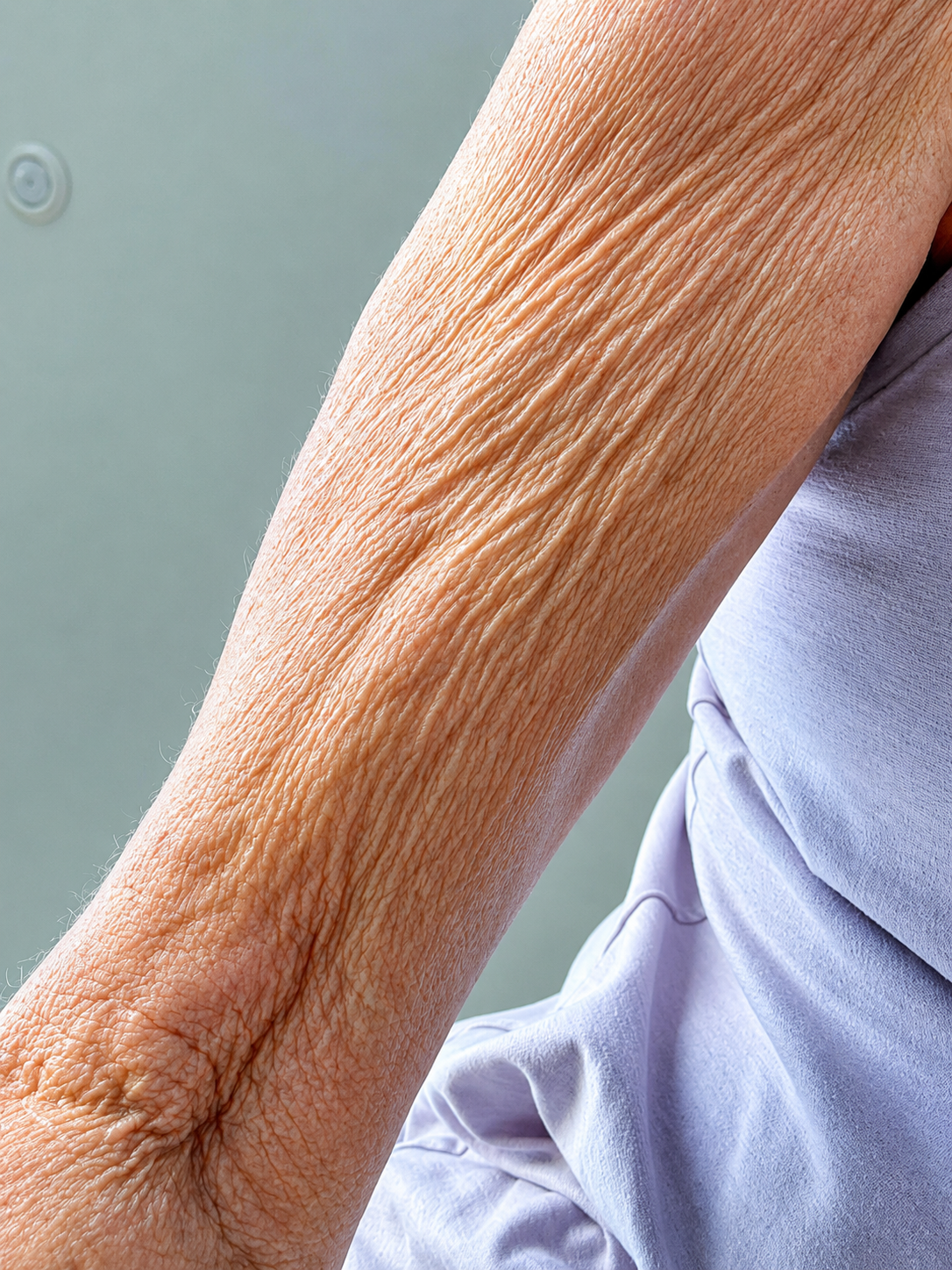
Ran for 8 days, from May 23 to May 31, 2026, the last day Crush saw it.
Run by Michelle J Wellness Path on Facebook. Crush is not the advertiser and does not verify its claims. See this ad in Meta's Ad Library(opens in a new tab)
Want an ad like this for your product?
Crush makes new ad images for your product from this ad: your logo, your product photo, your offer.
Trials from $19.95 USD, then $79.95 USD a month. Cancel anytime.
About this ad
- Meta Ad Library ID
- 1979953406222759
- Platforms
- Facebook, Instagram, Audience Network and Messenger
- Relaunches
- 0
- Niche
- Skincare & Beauty
Ad text
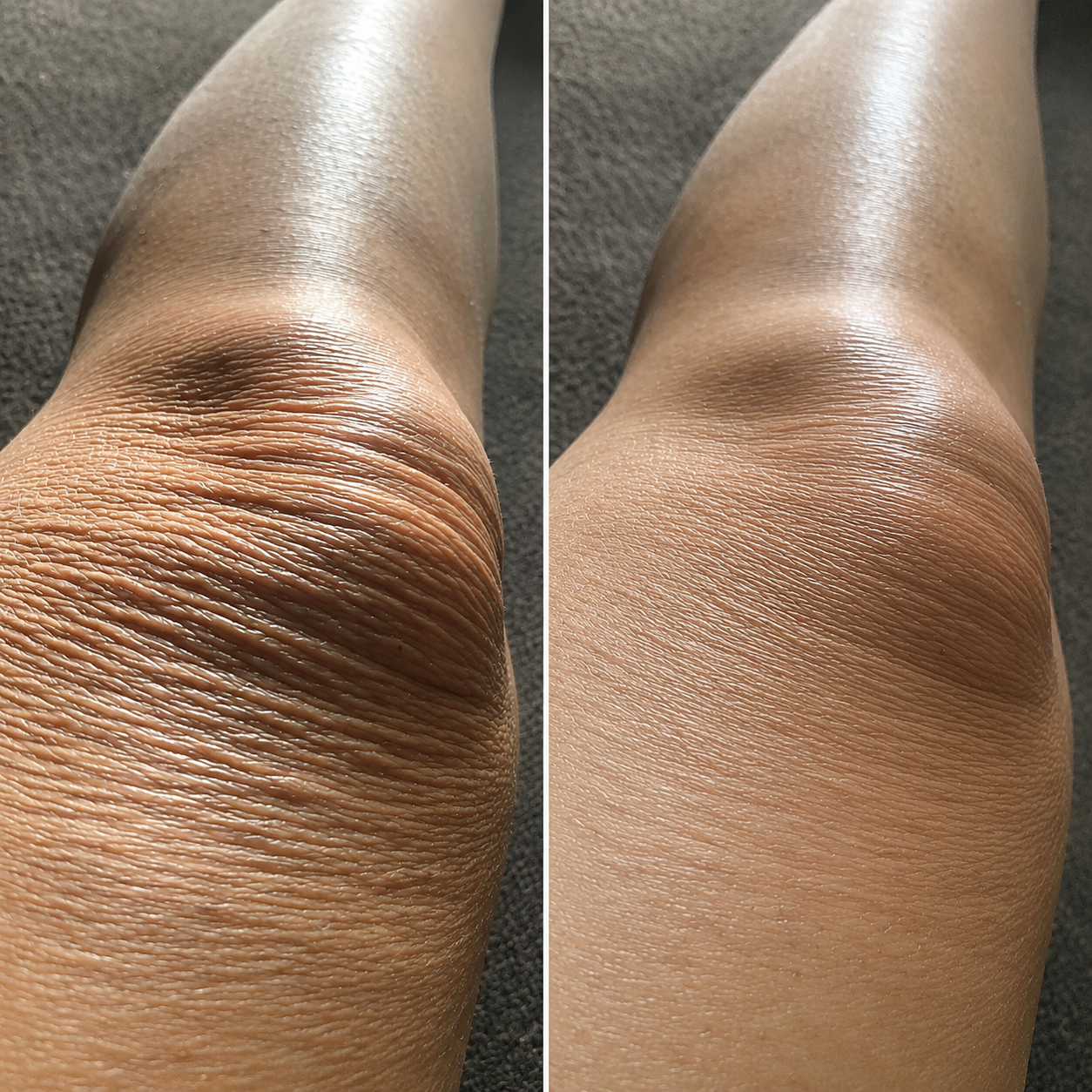
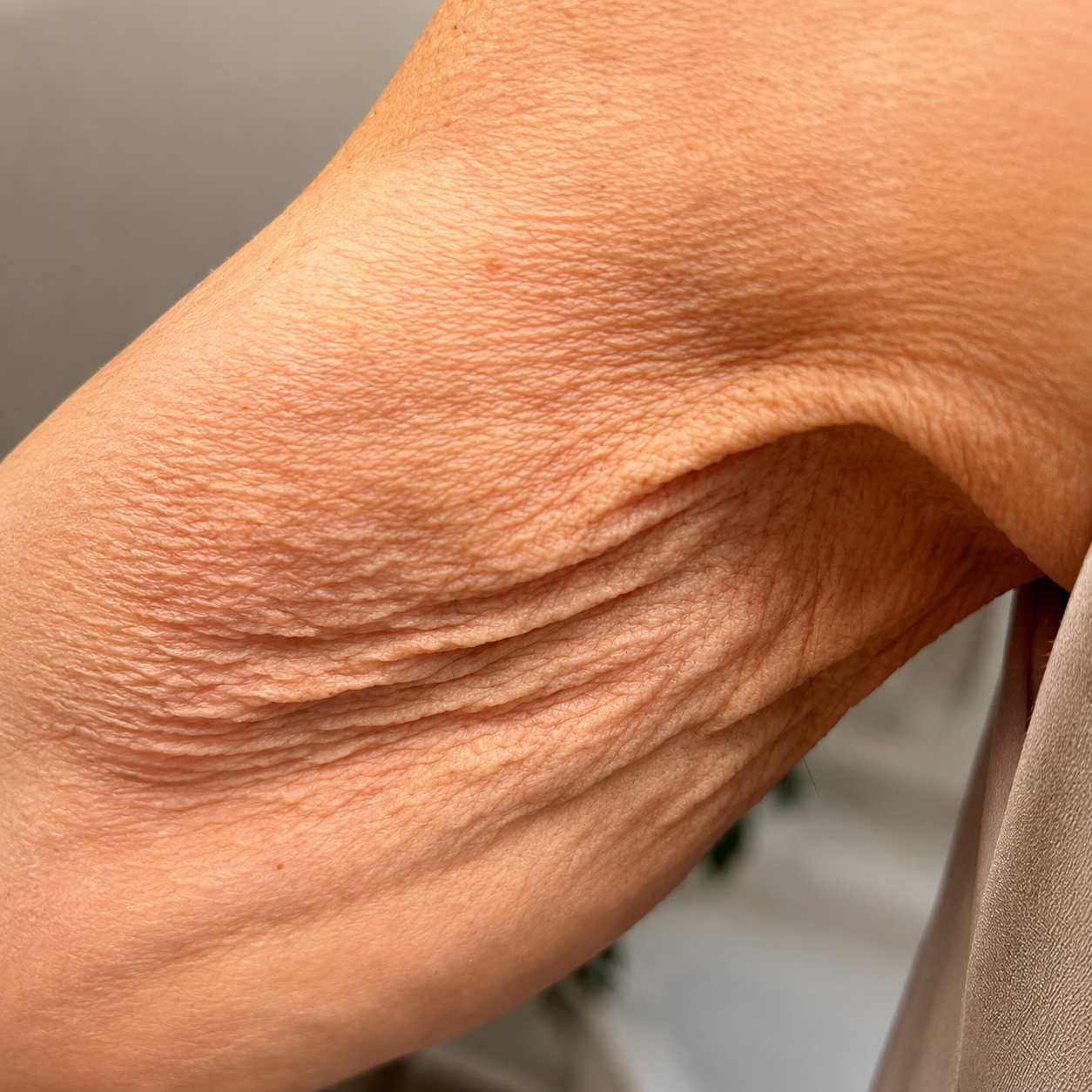
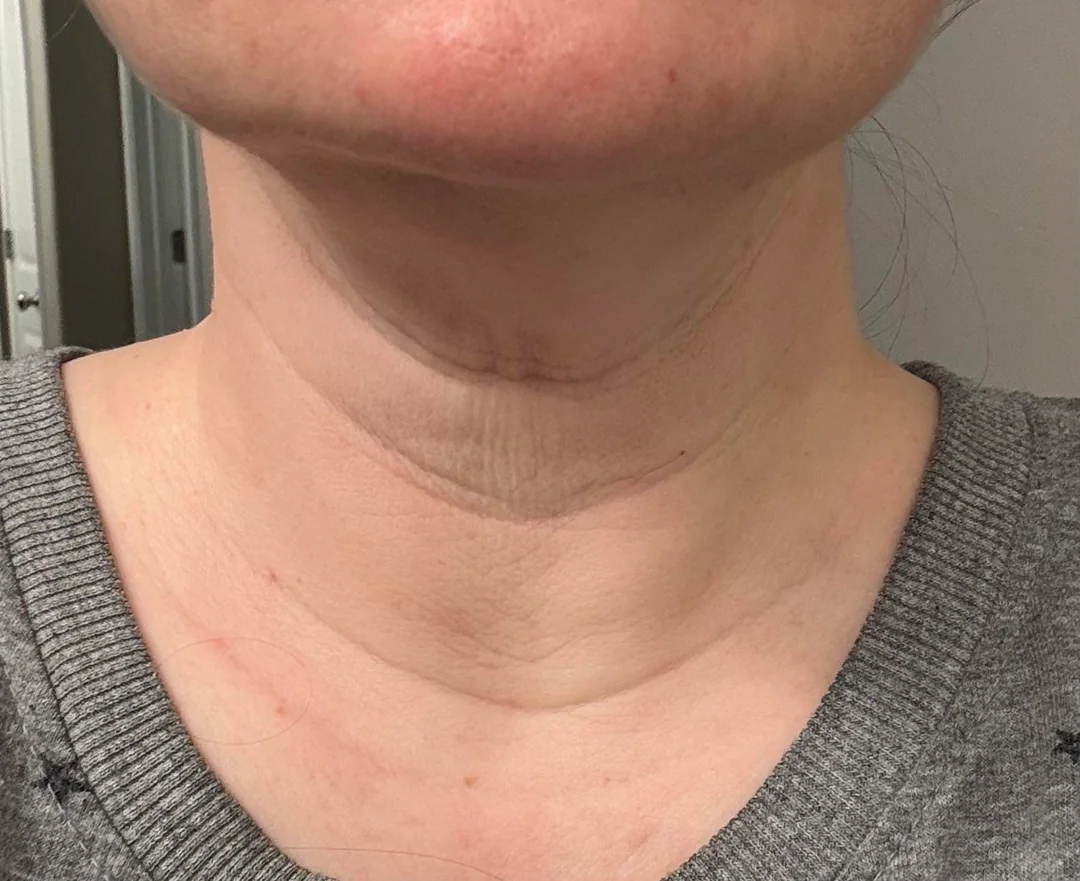
Please STOP layering more lotion on top of dry skin. I know that sounds backwards, but every time you apply a water-based moisturizer to post-menopausal skin, you're temporarily masking the problem while the real cause gets worse. Let me explain. It was 11:47pm on a Tuesday when I finally snapped. I'd just gotten out of the shower and done my usual routine — the one I'd done faithfully for fifteen years. Aveeno. Both hands. Arms, chest, legs. The whole thing. I stood there waiting for that feeling of relief that used to come. It didn't come. My skin still felt like paper. Still tight across my chest. Still that low-grade itch on my inner arms that had been driving me insane for two years. I remember standing in front of the bathroom mirror thinking: I am doing everything right. Why is nothing working anymore? I'd tried everything by that point. The Aveeno had been replaced by CeraVe, which had been replaced by a $58 "intensive repair" cream from the department store, which had been replaced by a body butter someone swore by in a Facebook group. I'd tried straight coconut oil after reading about it somewhere. I'd bought Vitamin E capsules and broken them open and rubbed them on my arms like some kind of kitchen witch. None of it worked. Or rather — it would work for about twenty minutes, and then it was as though I'd put nothing on at all. That Tuesday night, standing there with damp hands and dry skin, I did something I'd never done before. I went and got every single product from under my bathroom sink and lined them up on the counter. And I started reading ingredient lists. Not the front of the label. Not the marketing. The actual ingredient lists on the back, in that tiny font you need reading glasses to see. Every single one started the same way: Aqua. Water. Listed first, which means it's the primary ingredient by volume. I didn't think much of it at first. I knew moisturizers had water in them. Of course they did. But then I started Googling — not "best body lotion for dry skin," which I'd searched a thousand times. This time I searched: why does my lotion stop working after 20 minutes. I went down a rabbit hole that kept me up until 2am. What I found stopped me cold. Water-based moisturizers don't actually hydrate skin. Not in any lasting way. What they do is deposit water onto the surface of your skin, which temporarily plumps the top layer and makes it feel soft. And then — within thirty to sixty minutes — that water evaporates. It takes whatever surface moisture your skin had with it when it goes. You can end up drier than when you started. For women in their 20s and 30s, this partial fix is often good enough. Their skin still produces enough of its own sebum — its own natural oil — to compensate. The lotion fills a gap, the skin's own mechanisms do the rest. But here's what nobody had ever explained to me. After menopause, estrogen levels drop. And estrogen is what drives sebum production. So when estrogen goes, your skin's ability to produce its own protective oil barrier drops with it. The gap that lotion used to partially fill has become a chasm. And water-based moisturizer — no matter how expensive, no matter how many "active ingredients" are listed on the front — evaporates off post-menopausal skin and leaves nothing behind. There's no longer a natural oil system underneath to catch it. I sat on the edge of my bathtub at 1:30am and felt genuinely stupid for not understanding this sooner. And then I felt angry. Because in fifteen years of buying moisturizers, not one of them — not one dermatologist sample, not one beauty counter recommendation, not one drugstore shelf label — had ever told me this. They just kept selling me water. I went back to my phone. I needed to understand what my skin actually needed now. Not what it needed at 35. What it needed now. The answer kept coming back to oils. Specifically, to oils that hadn't been processed. This is where it got interesting. I'd already tried oils. The coconut oil had clogged my pores. The Vitamin E had just sat on top of my skin like a film — that greasy feeling that won't absorb no matter how long you wait. I'd assumed oils weren't for me. But what I was reading suggested the problem wasn't oil itself. The problem was refined oil. Almost every oil in mass-market skincare — even the expensive stuff — goes through a heat refinement process. Temperatures that can exceed 400 degrees Fahrenheit. This processing makes the oil shelf-stable, odorless, and cheap to produce. It also destroys the fatty acids and fat-soluble vitamins that are the entire reason plant oils are beneficial to skin in the first place. Refined oil is essentially nutrient-stripped oil. The label says "sweet almond oil" or "vitamin E." But the thing that used to make sweet almond oil remarkable for skin — its linoleic acid, its oleic acid, its natural vitamin content — has been largely cooked out of it. Cold-pressed oil is different. Cold-pressing extracts oil mechanically, without heat. The nutrient profile stays intact. The fatty acids that the skin's lipid barrier is literally made from are still present and bioavailable. I thought about the raw versus cooked food analogy. I eat raw spinach in salads because I know that cooking destroys some of its nutritional value. The same principle applies here. Cold-pressed is raw. Refined is cooked. I'd been buying cooked. I found Oile at about 1:55am. Seven cold-pressed, unrefined botanical oils. No water. No synthetic fillers. No parabens. The ingredient list was the shortest, most legible thing I'd seen in months of reading labels. Evening primrose — one of the few plant sources of GLA, a fatty acid with direct evidence for supporting skin elasticity. Rosehip — naturally high in vitamin A and C, which drive cell turnover. Patchouli — studied for collagen-supporting properties. Geranium — a natural astringent that tightens. Not marketing language. Actual compounds. Compounds I could look up. I ordered it that night. I wasn't expecting miracles. I was expecting to test a hypothesis. The first thing I noticed — within the first three days — was that my skin stopped itching. That low-grade itch I'd had for two years. Just gone. It took me a moment to realize what was different because I'd gotten so used to it. By two weeks, the tightness across my chest was markedly better. By six weeks, my daughter noticed something had changed before I said a word. I tell you this not because I think you should take my word for it — 9,200 Trustpilot reviews will tell you more than I can. I tell you this because I wasted two years and more money than I want to count on products that were never going to solve my problem. Not because they were bad products. Because they were the wrong mechanism entirely for what my skin needed. If your lotion disappears within an hour, that's not dry skin. That's a delivery problem. And there's a difference.
Where the ad sends people
tryoile.com
Read this if nothing has worked for your crepey skin☝️
Oile
Learn more: tryoile.com(opens in a new tab)