
Inactive· since Jan 9, 2026
- 68
- days it ran
- 0
- relaunches
Ad copy
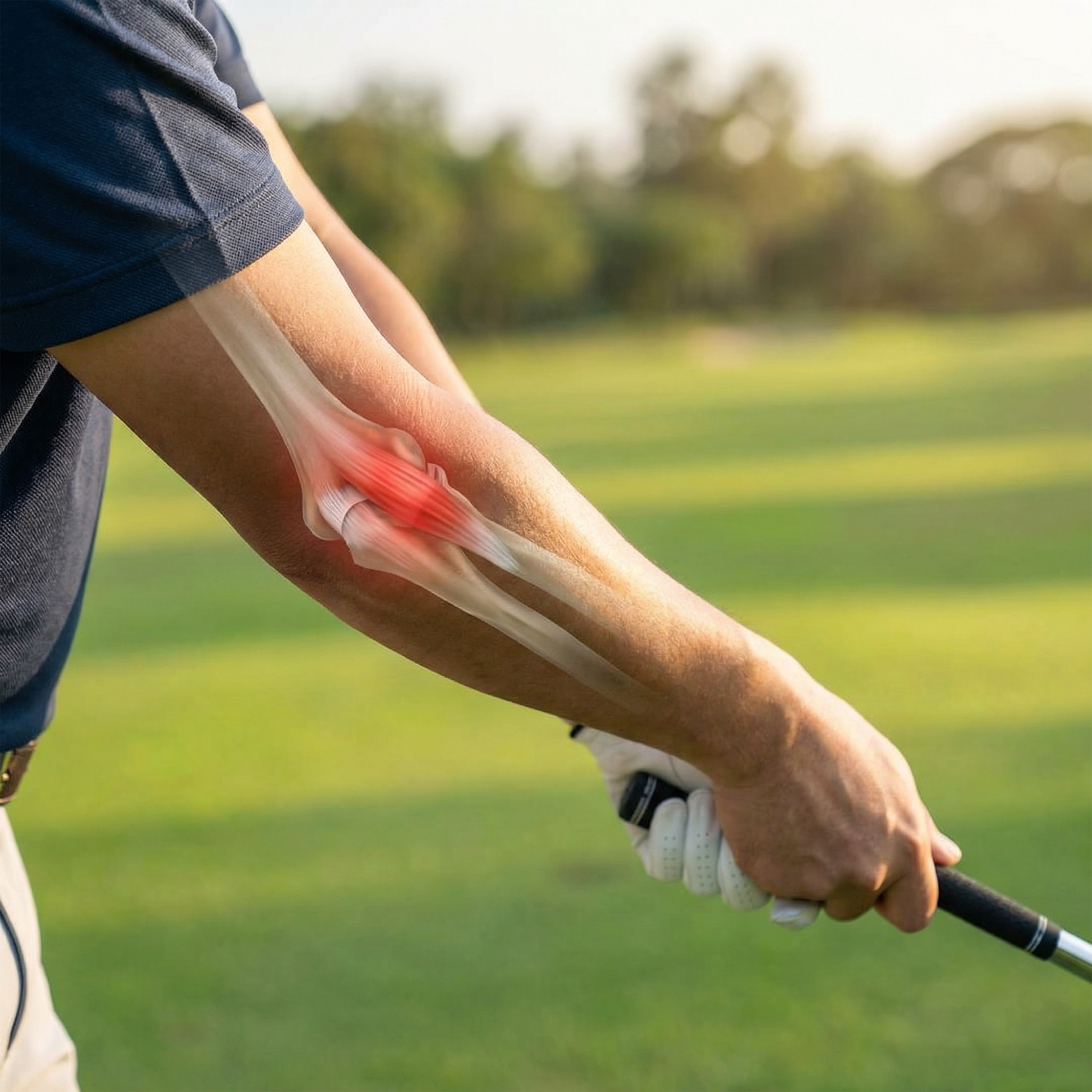
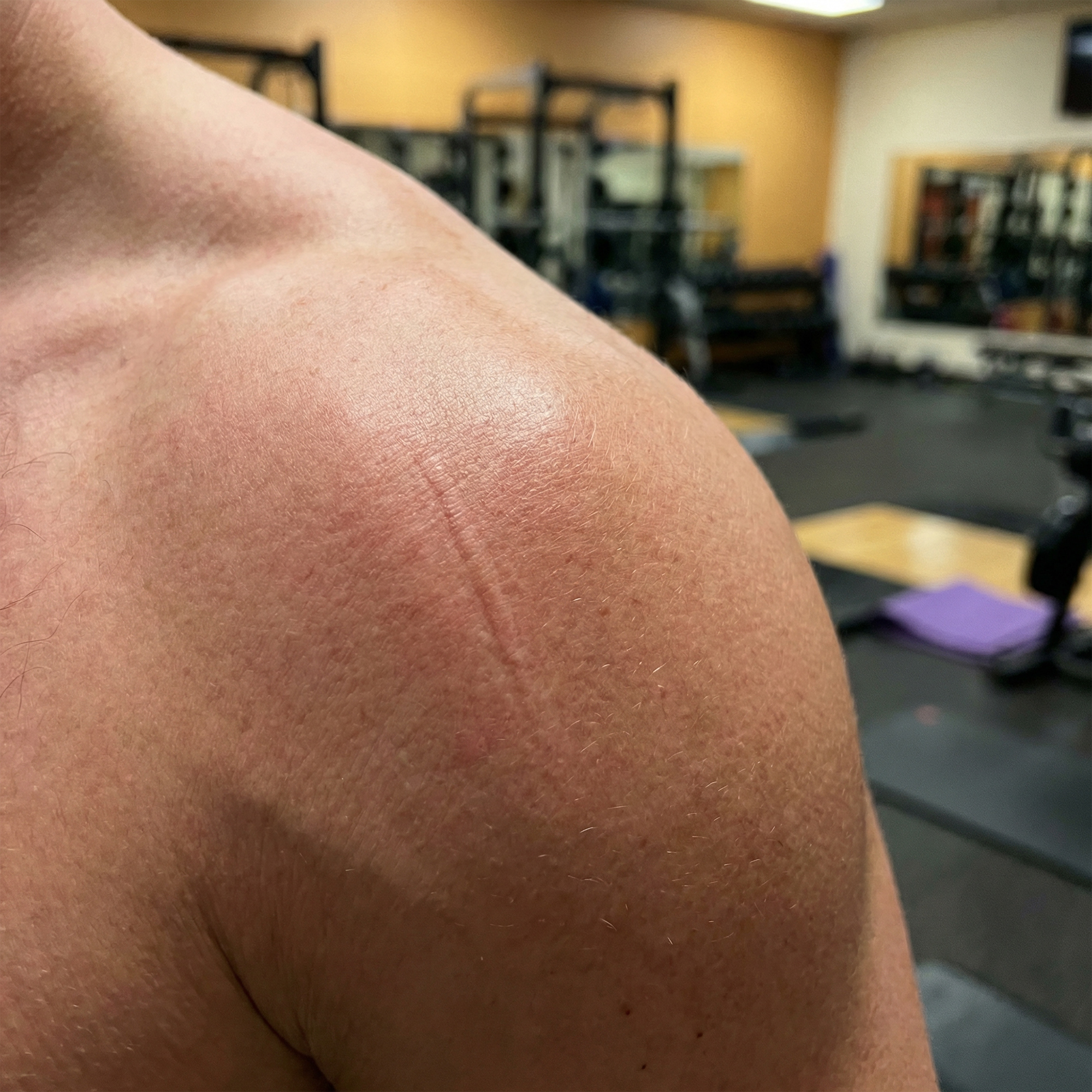
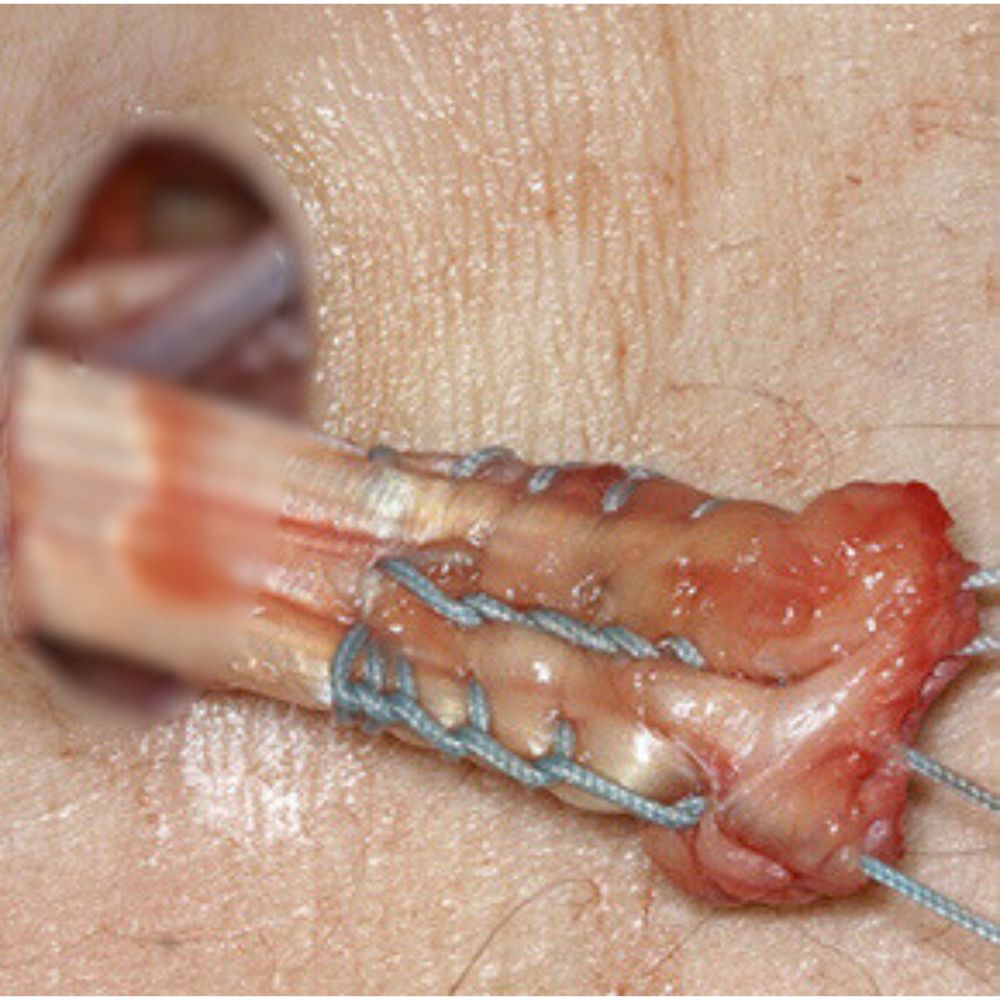
“The first tendon tear heals in 12-14 weeks. Second - 6 months. Third? A year or longer.” My orthopedist said it casually, like he was reading baseball statistics. I was sitting in his office three years after my first tendon grafting procedure. The one that was supposed to fix everything. And I was back. In worse pain than before. He was recommending another graft. Same tendon. One segment higher this time. “Graft degeneration,” he called it. Very common, apparently. Very. Common. I went home and couldn’t sleep. Again. The pain was one thing. But now I had questions I couldn’t stop asking: If the first grafting caused the second problem… What would the second graft cause? At 2:47 AM, I started searching. And what I found made me sick to my stomach. There’s a term orthopedic surgeons use: “The Cascade.” It’s not official. You won’t find it in any surgical brochure. But it’s whispered about in surgeon forums and buried deep in research papers. The first graft changes the biomechanics of the joint. The surrounding fibers take on extra stress. They break down faster. So you need another graft. Which alters more mechanics? Which breaks down more tissue? Which needs more surgery? A cascade. And here’s what nobody tells you before that first operation: Each grafting surgery is less likely to work than the one before. I found a study in an orthopedic journal. The numbers haunted me: - First tendon graft: up to 50% successful - Second graft: 30% successful - Third graft: 15% successful - Fourth graft: 5% successful And every single one creates more scar tissue. More inflammation. More mechanical instability that can never be undone. I thought about my neighbor, Frank. He’d had four rotator cuff grafts over twelve years. Each one was supposed to be “the fix.” Each one led straight into the next. The first graft cost him $14,000 and eight weeks of recovery. The second cost him $21,000 and three months of limited movement. By the fourth, he’d spent over $60,000 and lost count of the days he couldn’t lift a coffee mug without wincing. He couldn’t golf anymore. Couldn’t carry groceries. Spent most days icing his shoulder, waiting for pain meds to kick in. His wife told me quietly one day that Frank sometimes wished he’d never agreed to that first surgery at all. That he was in more pain now than before any of it started. I used to feel sorry for Frank. Now I was two failed grafts away from becoming him. I canceled my second grafting surgery. My surgeon was furious. Told me I was being irresponsible. That the pain would only get worse. But I couldn’t shake one question: Why was the solution always another graft? Why was nobody asking what caused the tissue to break down in the FIRST place? That’s when I went down a different rabbit hole. I found research showing that tendons can regenerate on their own. Given time, reduced inflammation, and the right biological signaling. I found studies on fibroblasts: the cells that literally rebuild tendon fibers, and how they become dysfunctional when your body is stuck in chronic inflammation. And I found something else: Your gut controls the majority of systemic inflammation. If the gut lining is damaged, inflammatory proteins - your body’s ‘alarm bells” - spill into circulation and attack connective tissue everywhere. And that’s when it hit me. My first tendon tear happened in 2019. For years before that, I had gut issues. Bloating. Food sensitivities. I ignored it. For years AFTER the graft? Same gut inflammation. Same internal fire burning nonstop. Nobody ever mentioned it. Not the surgeon. Not the physical therapist. Not the sports medicine doctor. Twenty-four hours a day, my graft and surrounding fibers were being bathed in inflammatory signals. No wonder the graft degenerated. No wonder the fibers above it began to fray. No wonder I was headed straight for graft #2. I was treating a daytime symptom… while ignoring the biological destruction happening underneath. So I started researching peptides. Tissue regeneration. The gut–movement connection. And I kept seeing one name over and over again: BPC-157. A peptide your body naturally makes in the stomach. The master repair signal. The molecule that tells fibroblasts how to rebuild collagen. The peptide that calms inflammation at the source. The one that restores tissue from the inside out. But here’s what mattered most: Your natural BPC-157 levels drop sharply after 30. Which means healing slows. Tissue breaks down. Grafts fail. Pain becomes chronic. And until you restore that repair signal… you’re just waiting for the next tendon to fail. I found one form of BPC-157 that actually works orally: Healthletic’s Arginine-Salt BPC-157 — 99.9% bioavailable, third-party tested, pharmaceutical-grade. No injections. No degradation in the stomach. No mystery purity. I was skeptical. After years of graft failures, medications, and procedures, could something this simple actually matter? But I’d spent thousands already on things that didn’t work. This costs a fraction of that. I figured I had nothing to lose. The first week, I noticed I wasn’t waking up as stiff. Week two, I could move my arm without that twenty-minute warmup ritual. By month two, my daily pain levels dropped so much I cut my medication in half. It’s been fourteen months now. I never got that second tendon graft. My latest imaging showed the tissue surrounding my original graft had actually remodeled. The degeneration wasn’t progressing. The inflammation markers had dropped dramatically. I’m not saying surgery is never necessary. For some people, it’s the only option. But I wish someone had told me this before I went under the knife the first time: Grafting doesn’t fix why your tendon broke down. It just patches the immediate problem. The underlying cause - chronic inflammation, gut breakdown, lost repair signaling - that’s still there. And until you address THAT, you’re just waiting for the next tendon to fail. If you’re being told you need another graft. Especially if it’s your second, or third, or fourth… Ask yourself one question: What’s happening inside your tissue every hour of every day when your body is supposed to be healing? Because each graft makes the next one more likely to fail. And once you’re on the cascade, it’s almost impossible to get off. I got off. Maybe you can too. David K. Columbus, OH P.S. The BPC-157 I use is linked below. It’s a fraction of what I spent on grafts and treatments that didn’t work. But more importantly, it addresses the one thing nobody was talking about: the biology of healing itself. 👉 https://compare.lifestylecrave.com/
End That Chronic Pain in 3 Weeks
Injuries, inflammation, and digestive problems don't just slow you down—they steal your quality of life. Whether you're an athlete facing recovery plateaus, someone battling persistent joint pain that conventional treatments miss, or dealing with gut issues that mainstream medicine hasn't resolved...
LEARN MORELike this ad? Make it yours.
Crush rebuilds this exact creative around your product — your brand, your colors, your offer — in about a minute.