
Inactive· since May 5, 2026
- 55
- days it ran
- 0
- relaunches
- 40,176
- EU reach
Ad copy
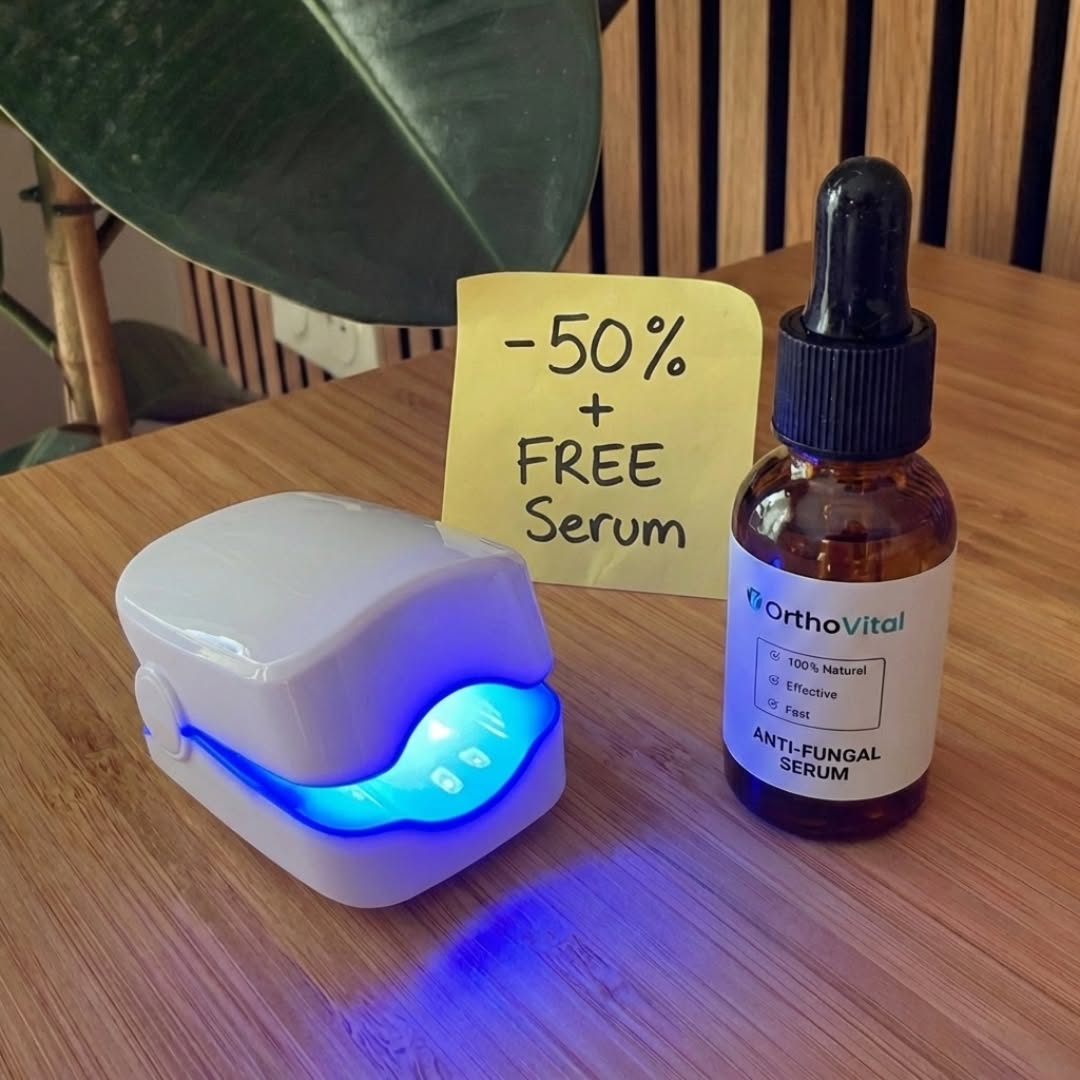
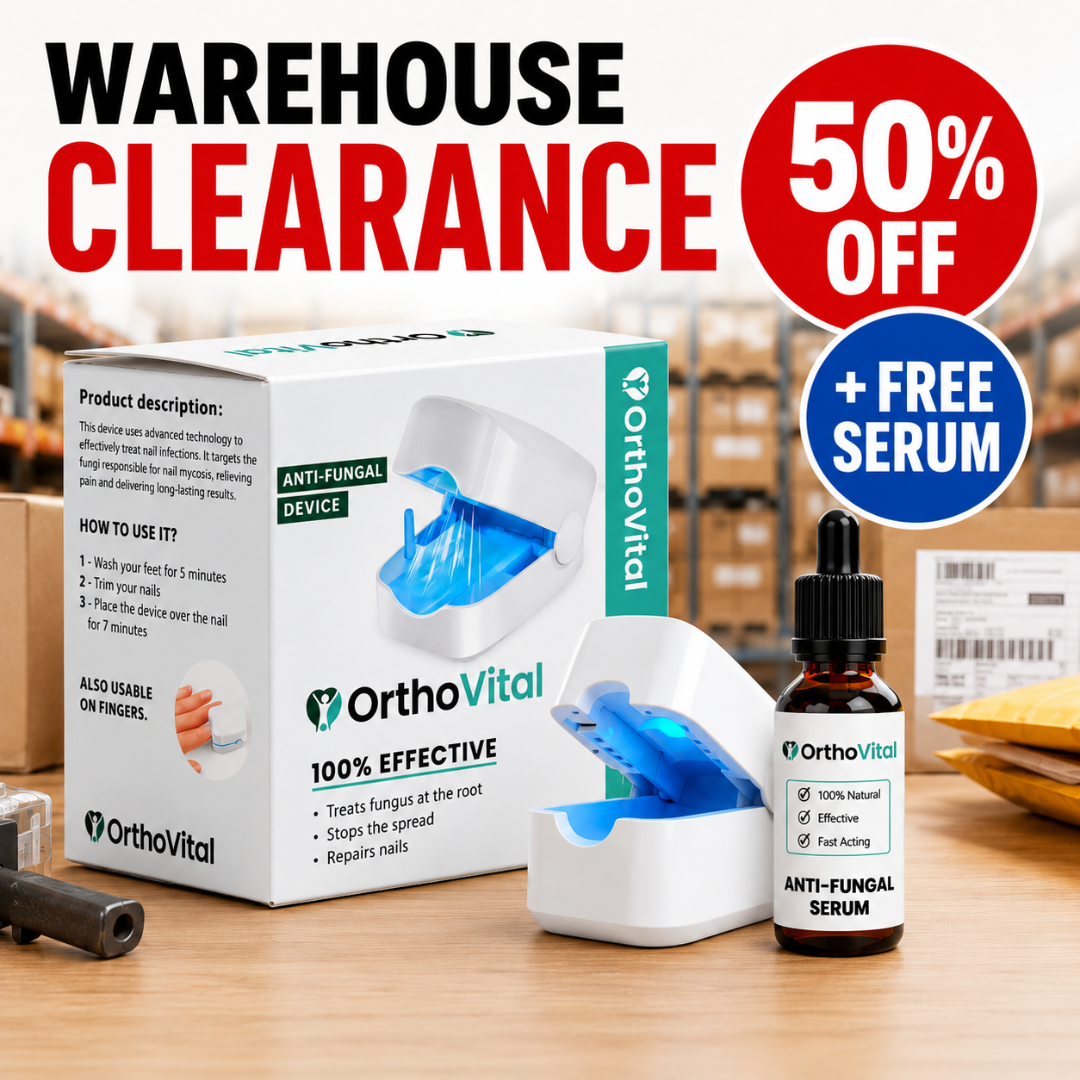
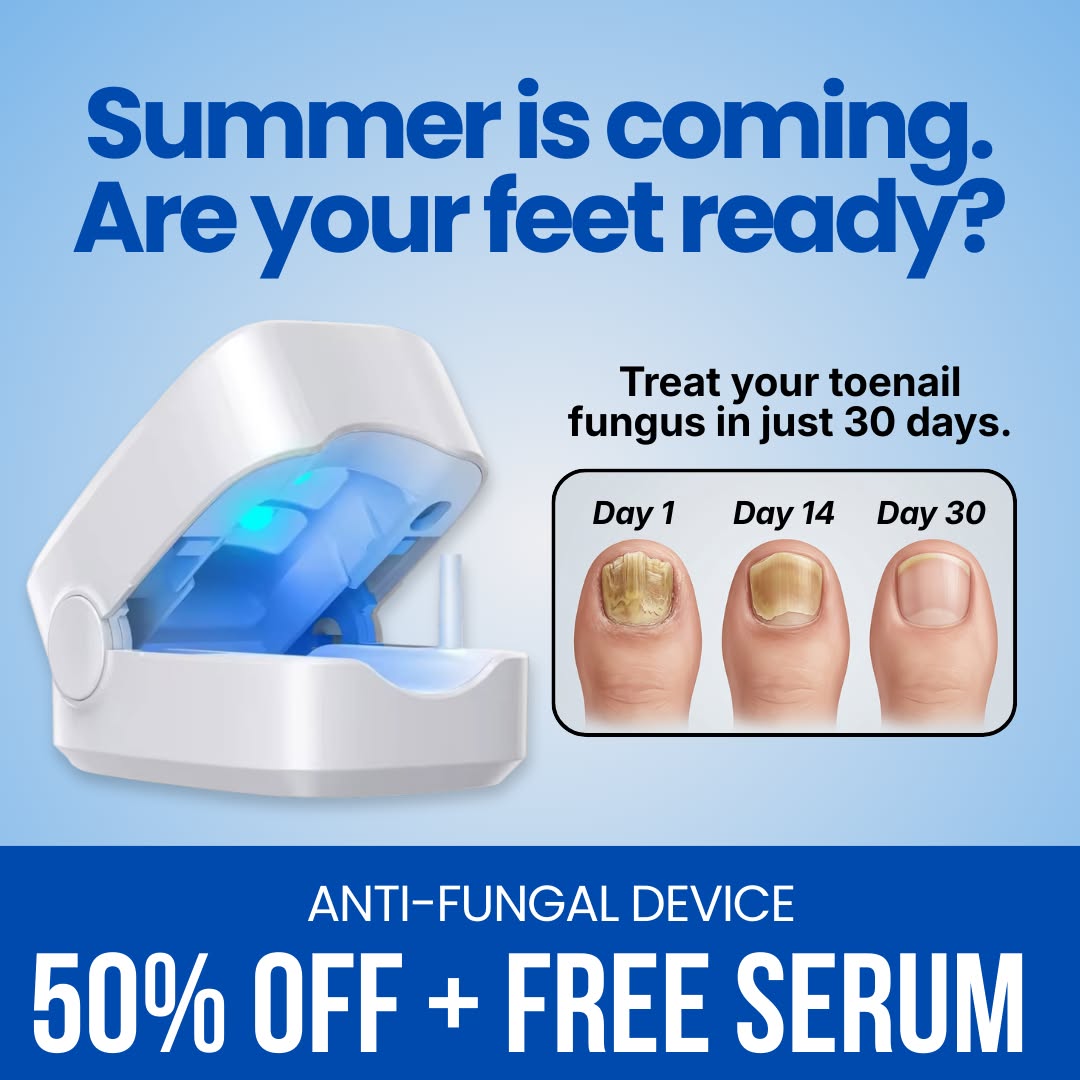
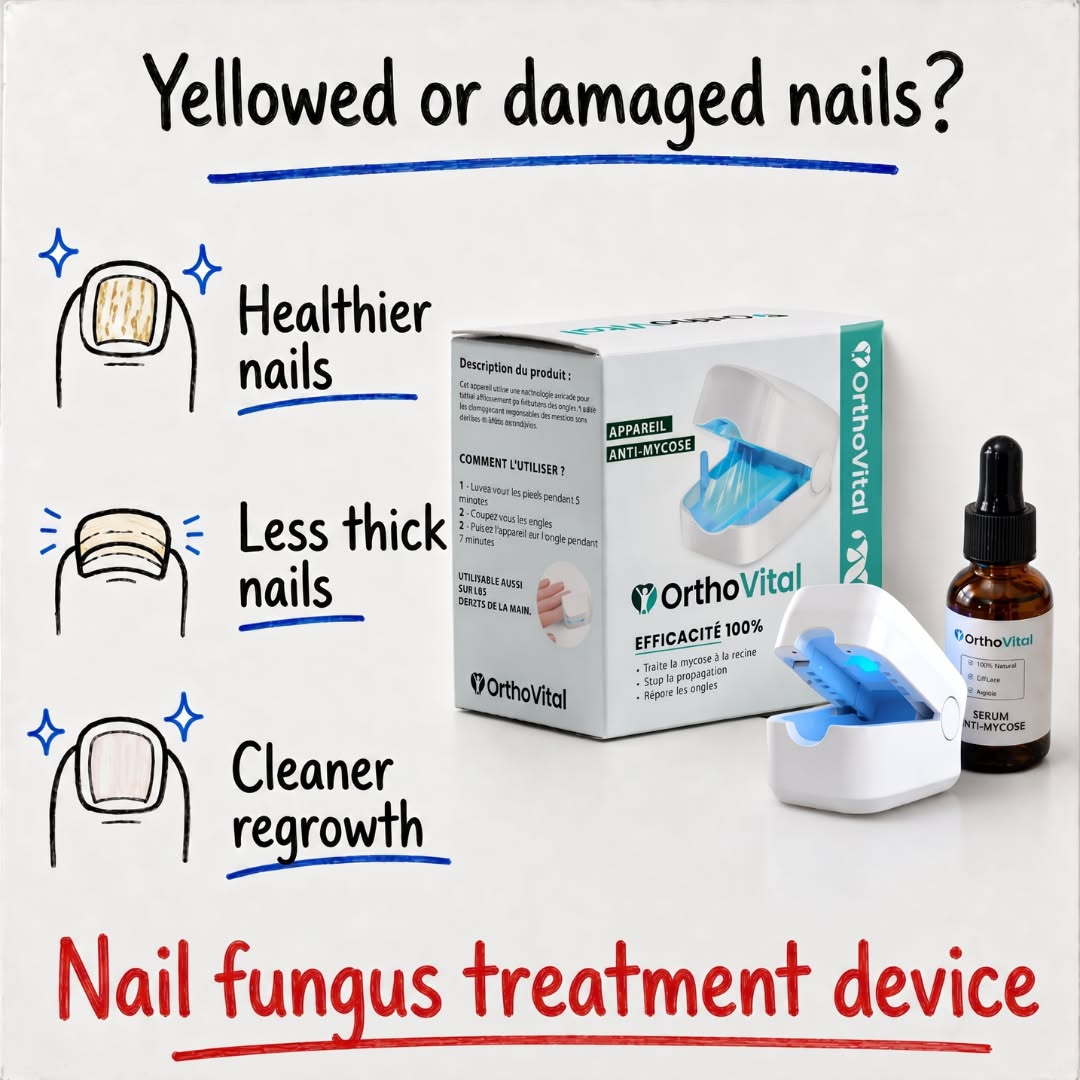
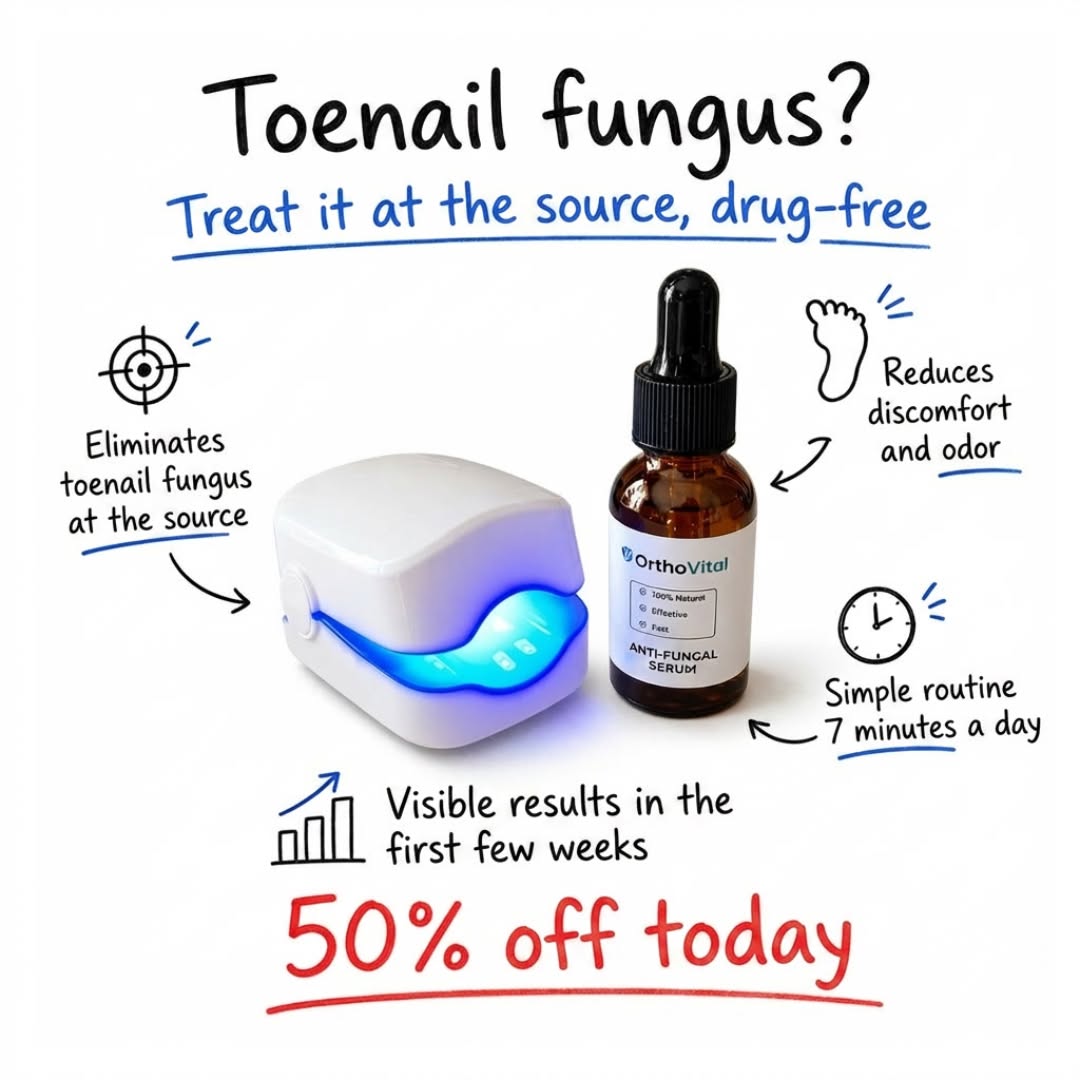
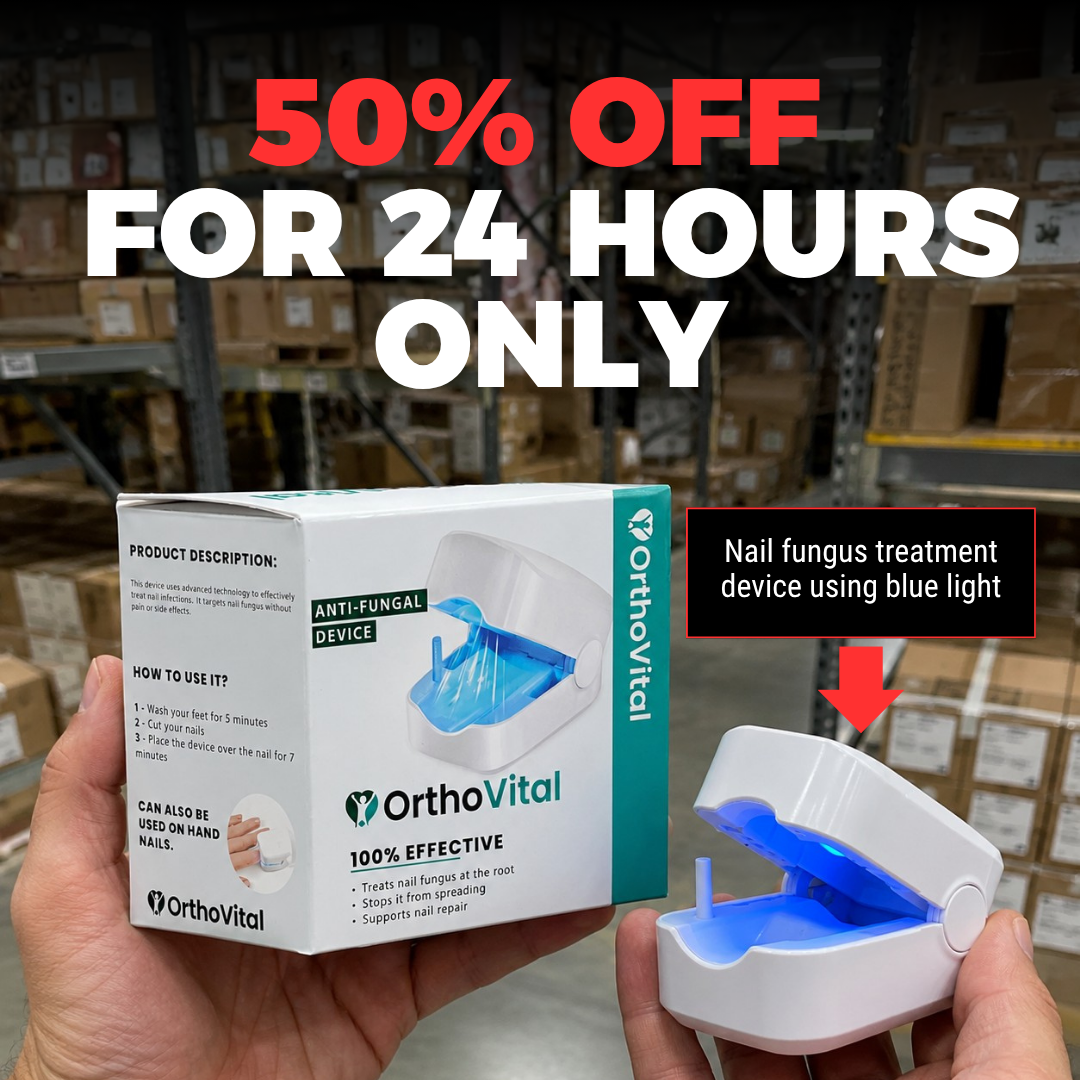
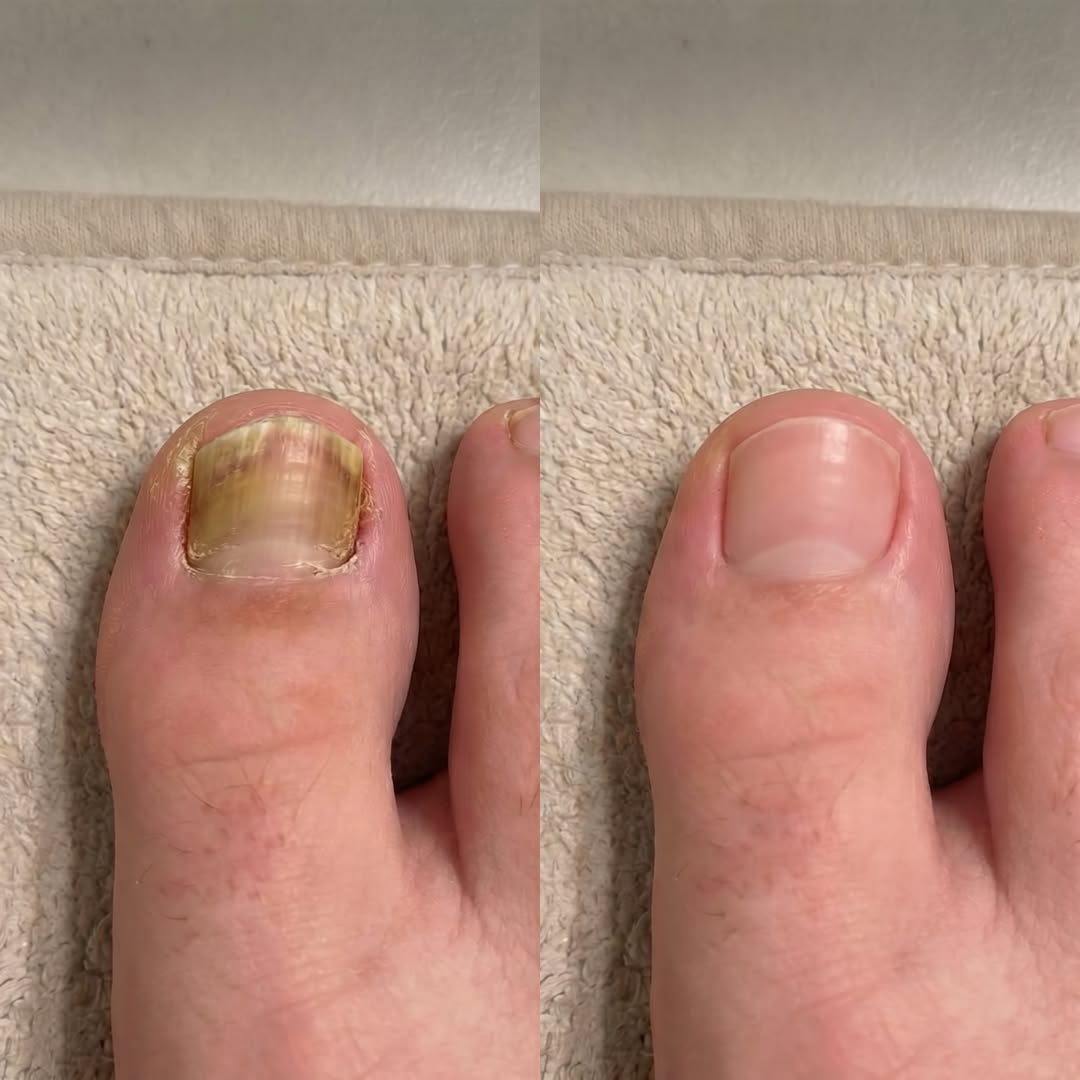
Between these two photos, I stopped doing one thing. I stopped rubbing creams on my toenail. For 6 years, every single night, I religiously applied Fungi-Nail. Then Kerasal. Then tea tree oil from the health store. Then Vicks VapoRub when I got desperate enough to try what my aunt swore by on Facebook. I'd sit on the edge of my bathtub, file down what little surface was left, apply the product, and go to bed thinking "maybe this is the one." Every 3 months I'd check the progress. Nothing. The yellow kept creeping back toward the cuticle. By year 4, I'd spent more on topical antifungals than I'd spent on my last vacation. The pharmacy lady at CVS knew me by name. By year 5, I'd given up. I accepted the nail was just going to look like that forever. Then last October, I read something that stopped me cold. There's a reason topical creams don't work on nail fungus. It's not the product. It's the physics. A toenail is 0.5 millimeters of compacted keratin — one of the densest, most impermeable substances the human body produces. Its entire biological job is to be a shield. Nothing living or chemical is supposed to get through it. So when you apply a cream, gel, or lacquer to the surface, roughly 98% of the active ingredient sits on top, dries, and flakes off over the next 24 hours. The fungus isn't on the surface. It's underneath. In the nail bed — the soft tissue between the nail and the bone. You've been putting medicine on the wrong side of the wall. That's the part nobody had ever explained to me. I kept reading. And what I found next is why I'm writing this: There's a treatment approach used by podiatrists that doesn't require penetration at all. It uses 470nm blue light — the same family of light hospitals use to treat newborn jaundice. Blue light at this frequency doesn't need to dissolve through the nail. It passes through. And when it reaches the fungus underneath, it disrupts the fungal cell's ability to function. Clinics have been charging $500 to $1,500 per session for laser variants of this treatment for years. The Lunula Laser — the professional-grade version — retails for over $24,000. A small company called OrthoVital built the same core technology into a $34 at-home device. 10 minutes a day. You clip it on, turn it on, and watch TV. I ordered one in November. Week 2: nothing visible. Maybe the yellow looked slightly less angry. Maybe that was wishful thinking. Week 4: I noticed the clear section at the base — where new nail grows in — was actually clear. Not yellow. Not streaked. Clear. Week 8: the clear section had grown. The yellow was still there, but it was being pushed out. Week 12: I took the photo on the right. I'd spent 6 years applying product to the wrong side of the nail. I spent 12 weeks shining light on the right side. That's the whole thing. That's the difference. The device is called OrthoVital. 60-day money-back guarantee — if nothing changes for you, they refund you. So the real cost of trying is 10 minutes of your evening while you watch Netflix. My before photo still gives me chills when I look at it. My after photo I keep on my camera roll so I remember what it took to get there. — Margaret, 57 P.S. — I asked my podiatrist about this at my last appointment. He told me he's been aware of blue light therapy for years but "doesn't have a way to prescribe it." Translation: the pharmaceutical reps don't visit his office to pitch a device patients can buy online for $34. Do with that what you will.
Like this ad? Make it yours.
Crush rebuilds this exact creative around your product — your brand, your colors, your offer — in about a minute.