
Inactive· since May 18, 2026
- 54
- days it ran
- 0
- relaunches
Ad copy
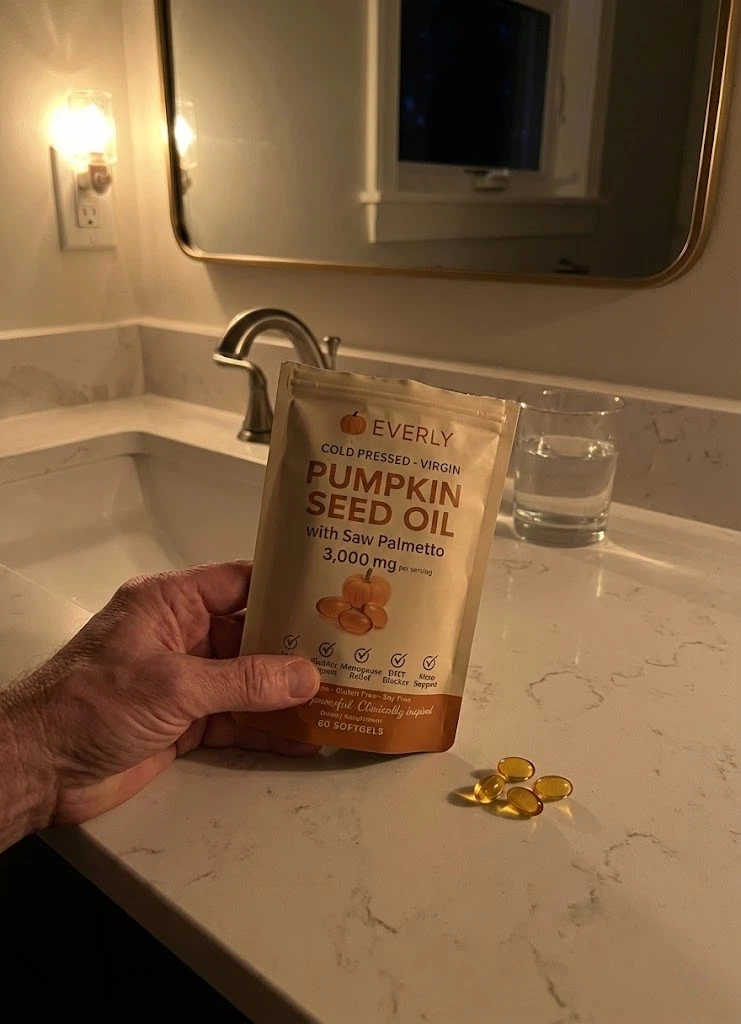
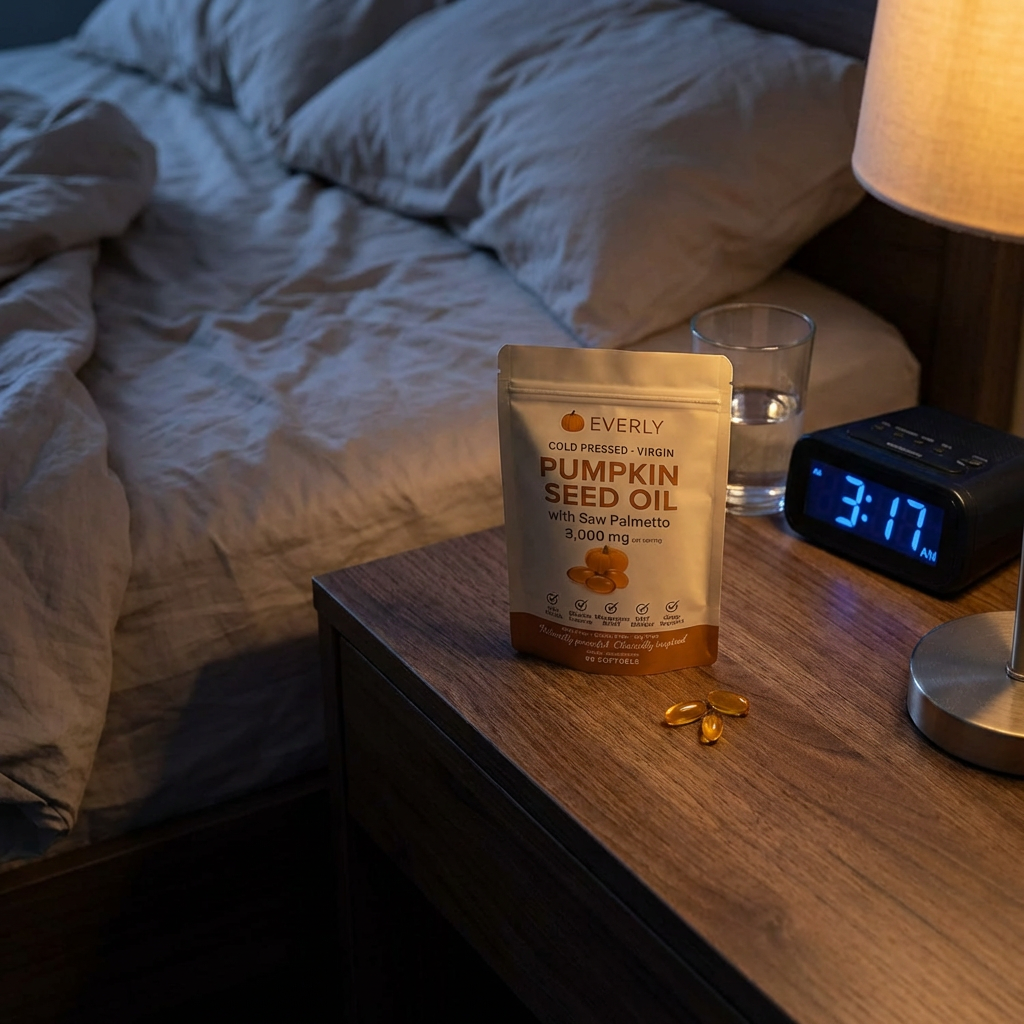
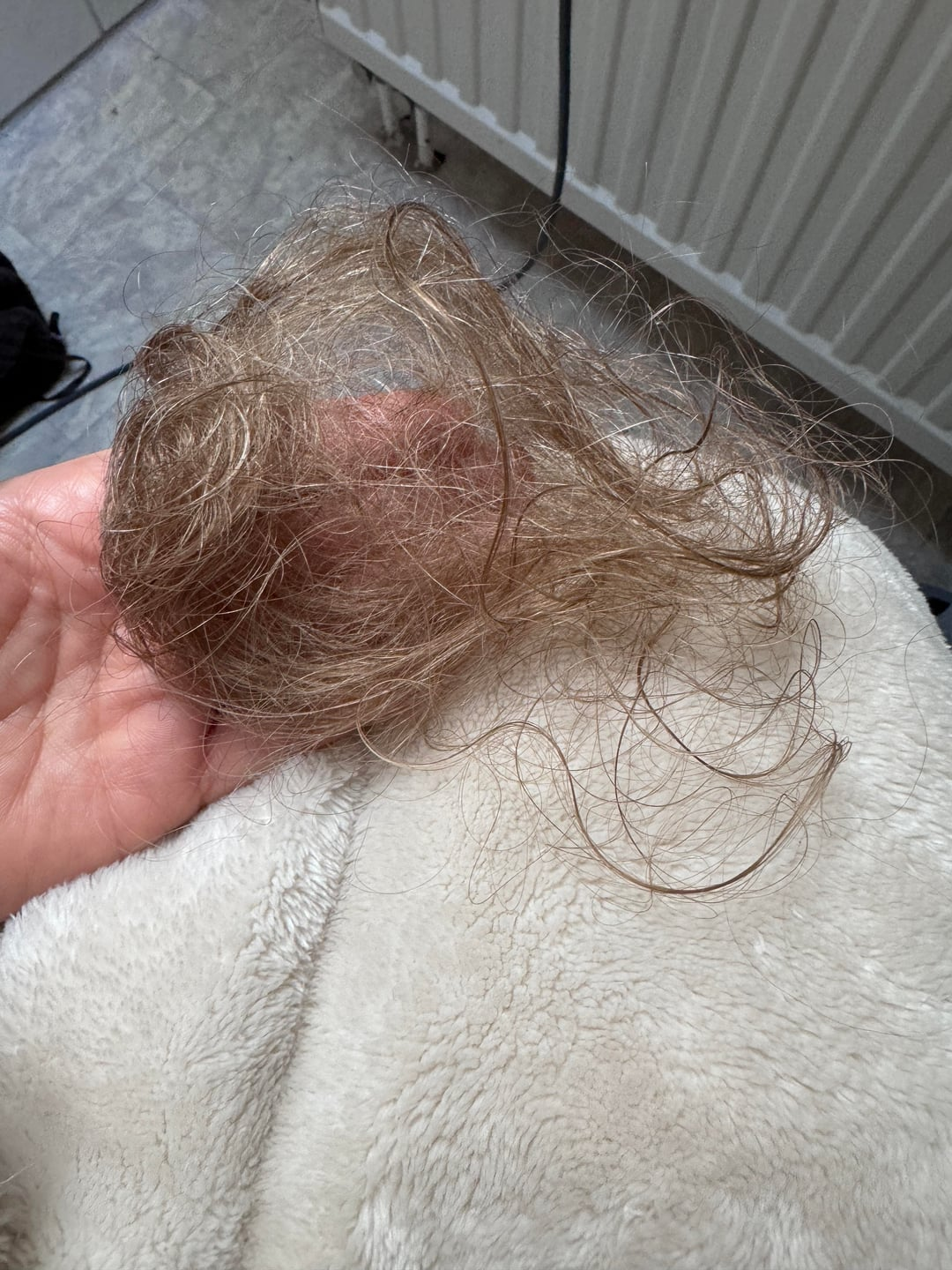
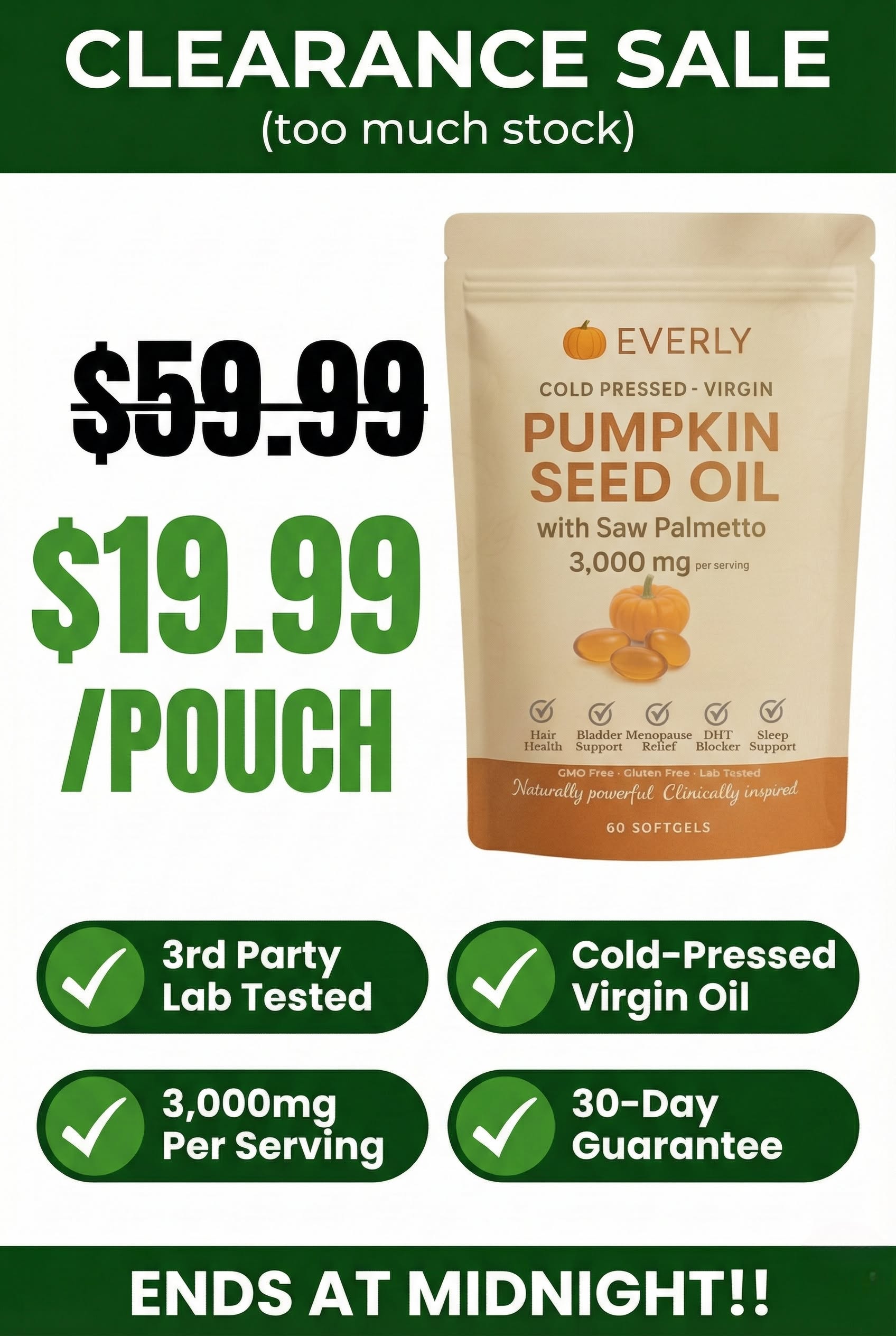
I'm a Japanese nephrologist who moved to America four years ago. Within six months, I saw something that made me question everything I thought I knew about how American doctors manage kidney disease. Not the dialysis machines. Not the transplant lists. The one number they watch go down — and do absolutely nothing to stop. My name is Dr. Kenji Tanaka. I've been a nephrologist for 19 years. The first 15, I practiced in Osaka. I moved to the United States when my daughter started her residency at Johns Hopkins and my wife didn't want an ocean between us. I joined a nephrology group in Baltimore. Good practice. Smart doctors. And in my first six months, I started seeing a pattern that I couldn't stop thinking about. Men and women in their 50s, 60s, 70s coming in for kidney function follow-ups. GFR declining year over year. Creatinine creeping upward. Every one of them on the standard protocol — ACE inhibitors, ARBs, sodium restriction, the same dietary sheet photocopied so many times the text was fading. Some had been on this protocol for 5 years. Some for 10. One woman for 14. Every one of them said some version of the same thing. "My doctor says we're managing it." Managing it. I'd look at these patients and see something "management" doesn't show. The 62-year-old retired postal worker whose wife had to help him out of the car because the fatigue was so deep he couldn't swing his legs off the seat. GFR of 38. "We're watching it closely." The 58-year-old grandmother who used to chase her grandchildren around the backyard and now sat in a chair by the window because standing for ten minutes made her dizzy and nauseous. GFR of 41. "Holding steady." The 67-year-old church deacon who fell asleep in the waiting room chair before I could call his name. Slumped over, mouth open, a Starbucks cup going cold beside him. His wife shook his shoulder and whispered, "Honey, they're calling you." He blinked at her like he wasn't sure where he was. GFR of 34. "Not bad for his age." In Japan, I would have intervened on what was happening to these patients years before they walked into my office. Because in Japan, we stopped treating the GFR number fifteen years ago. We started treating what was destroying the kidneys in the first place. That's the gap. The one American nephrology doesn't close. And the reason it matters is the difference between "managing" a decline and actually interrupting it. Your kidneys don't fail randomly. They don't just wear out like brake pads. The decline that shows up on your lab work as a dropping GFR — that decline has a mechanism. A specific, measurable, well-documented mechanism. It's called chronic renal microinflammation. Your kidneys contain over a million tiny filtration units called nephrons. Each one is a microscopic blood vessel wrapped in a membrane so delicate it makes tissue paper look like armor plating. Those membranes filter 50 gallons of blood every single day. When those membranes become inflamed — from oxidative stress, from blood pressure damage, from metabolic waste, from the simple accumulated wear of decades — they thicken. They scar. They lose their ability to filter. That scarring is called glomerulosclerosis. And once a nephron scars over, it doesn't come back. It's gone. Your GFR drops by a fraction of a point. Then another nephron scars. Another fraction. Year after year, lab report after lab report, your doctor watches the number fall and calls it "management." In Osaka, this was standard teaching by 2008. Every nephrologist I trained with understood it. We didn't just track the GFR and wait. We measured inflammatory markers — IL-6, TNF-alpha, C-reactive protein specific to renal tissue. We tracked the fire, not just the damage left behind. In America, in four years of practice, I have seen exactly two nephrologists who routinely measure renal inflammatory markers. Two. Which means a patient can have a GFR of 42 — "Stage 3a, we're keeping an eye on it" — while the inflammation that is actively destroying their remaining nephrons goes completely unmeasured and completely untreated. I've seen this pattern now in over four hundred American patients in my practice. Declining numbers. Advancing inflammation. Nobody connecting the two. Because the approach that would connect them — measuring and addressing the inflammation driving the damage — is not part of standard American nephrology training. I want to be honest about the standard treatments and everything else your husband has probably been told to do. Because most of my American patients had been on the standard kidney protocol for years. And the ones who suspected something was wrong had usually tried to fix it themselves before coming to me. An ACE inhibitor or ARB works by reducing the pressure inside the glomeruli — those tiny kidney filters. Less pressure means less mechanical stress on the membranes. The GFR decline slows slightly. Your doctor is satisfied. But the inflammation that is scarring those membranes — even at that lower pressure — continues unchecked. The ACE inhibitor reduced the force. It never addressed the fire. I'll put it in terms anyone can understand. An ACE inhibitor is a speed limit for your kidneys. It slows the car down while the engine overheats underneath. Now — the patients who sensed this. The wives who Googled at midnight. They tried other things. Baking soda supplements. I hear it constantly. "We read that sodium bicarbonate can help kidneys." Sodium bicarbonate can temporarily buffer metabolic acidosis — the acid buildup that occurs in later-stage kidney disease. But it does not reduce the inflammatory cascade that is causing the nephron scarring. It treats one downstream symptom while the upstream cause continues unchecked. Different mechanism entirely. Different problem. Astragalus root. I've had patients bring me the bottles. Astragalus contains compounds that may support immune function generally. But "immune support" is not the same as targeted anti-inflammatory action at the renal tubular level. The inflammation destroying your kidneys is happening in a specific tissue, at a specific cellular site. General immune support doesn't reach it with the precision or concentration required. Fish oil. Omega-3 fatty acids can modestly reduce systemic inflammation. But the kidneys present a unique challenge — the inflammatory mediators destroying the glomerular membrane operate through specific pathways (NF-kB, prostaglandin E2) that omega-3s only partially influence. It's like trying to put out a house fire with a garden hose. Technically water. Practically insufficient. Low-protein diets. I will never dismiss dietary modification. But I've had patients — disciplined patients, patients who weighed every meal, who cut protein to 0.6 grams per kilogram — whose renal inflammation markers were still dangerously elevated. Because diet reduces some inputs to kidney stress. It does not neutralize the inflammatory compounds that are already attacking the glomerular membranes. You can slow the fuel. You cannot extinguish the fire with diet alone. Cranberry supplements. These support urinary tract health — bladder, urethra. They do almost nothing for the nephrons. Different organ system. Different tissue. Patients take them because "kidneys" and "urinary" sound related. They are related the way the engine and the tires are related. Both part of the car. Completely different problems. Every one of these approaches addresses the problem at the surface or from the side. None of them reaches the inflammation at the glomerular level where the nephron destruction is actually occurring. And here is what makes the standard approach actively dangerous — not just insufficient. The medications prescribed to "protect" kidney function — ACE inhibitors, ARBs, certain diuretics — can mask the rate of decline. They reduce proteinuria on paper. They stabilize the GFR reading for months at a time. And this stability gives both the doctor and the patient a false sense that the situation is under control. Meanwhile, the inflammatory scarring continues behind the stable number. I've reviewed charts where patients maintained a stable GFR of 44 for three years straight — "excellent stability" — and then dropped to 28 in eight months. The doctor was shocked. The patient was devastated. I wasn't shocked. I'd seen their inflammatory markers. The fire had been burning the entire time. The medications were holding the reading steady while the damage accumulated behind it. When enough nephrons had scarred over, the number fell off a cliff. That's not a sudden decline. That's a dam breaking after years of invisible erosion. The 62-year-old whose wife helped him out of the car. The grandmother who couldn't stand for ten minutes. The deacon who fell asleep in my waiting room. Their American doctors charted these as "fatigue associated with CKD." I looked at these patients and saw chronic inflammatory toxicity. The kidney isn't just a filter — it produces erythropoietin, which drives red blood cell production. It activates vitamin D. It regulates electrolytes that keep your heart rhythm stable. When nephrons die from inflammatory scarring, every one of those functions degrades. The fatigue isn't just "kidney disease." It's your body losing the ability to oxygenate its own blood, mineralize its own bones, and regulate its own heartbeat — all because the inflammation that's killing the nephrons was never addressed. This is what nobody tells you about where this ends. Not where it starts — I showed you where it starts. The fatigue that pins you to the couch. The nausea that steals your appetite. The brain fog that makes your wife finish your sentences. Where it ends is a chair. Three days a week. Four hours at a time. A machine filtering your blood because your kidneys no longer can. Dialysis. I treated a colleague's mother in Osaka. Stage 3 CKD for nine years. Compliant. Disciplined. Never missed a medication. GFR stable between 38 and 42 the entire time. She started dialysis at 71. Her GFR had been "stable" for nearly a decade. And then it wasn't. Because nobody had measured the renal inflammation that was scarring her nephrons the entire time. The medications held the reading while the damage accumulated silently for nine years. In America, I've reviewed charts where this pattern repeated. Patients with years of "stable" kidney function who presented in Stage 4 or 5 seemingly overnight — requiring emergent dialysis access, vascular surgery, a fistula in their arm, a life rebuilt around a machine. I've sat across from wives who said the same sentence, almost word for word: "I don't understand. He did everything the doctor said." He did everything he was told. That's not the same thing. When I arrived in the US, I assumed the research on renal microinflammation and targeted intervention simply hadn't made it here yet. In Japan and Austria, researchers had been studying this for over two decades. It emerged from European and Asian renal research in the early 2000s — scientists studying why patients with "stable" GFR readings were still losing nephrons at alarming rates on biopsy. What they found was that these patients had dramatically elevated renal inflammatory markers. The ACE inhibitors were reducing pressure. But the inflammation driving the nephron scarring was operating through an entirely separate pathway that blood pressure medication doesn't touch. It wasn't a dosage problem. It wasn't a compliance problem. It was a mechanism problem. The drugs were addressing the wrong target. That research — now spanning hundreds of peer-reviewed publications — led to a specific question: what could interrupt the inflammatory cascade at the glomerular membrane, directly at the nephron, where the scarring is actually occurring? The answer was delta-7-sterols. Delta-7-sterols are a class of plant sterols found in significant concentration in only one common food source: the seeds of the Cucurbita pepo pumpkin. Pumpkin seed oil. But not any pumpkin seed oil. And not pumpkin seeds from a can. Delta-7-sterols do something almost no other anti-inflammatory compound does. Standard anti-inflammatories — ibuprofen, turmeric, even prescription corticosteroids — work systemically. They reduce inflammation broadly, across the entire body. The kidneys are collateral beneficiaries at best. The concentration that reaches the glomerular membrane is a fraction of what's needed. Delta-7-sterols are different. They have a specific affinity for the renal vasculature. Research published in the Journal of Medicinal Food and the European Journal of Lipid Science demonstrated that the delta-7-sterol fraction in pumpkin seed oil concentrates in kidney tissue at levels significantly higher than in other organs. Not in the bloodstream generally. Not in the gut. At the glomerular membrane itself. They inhibit NF-kB activation — the master switch of the inflammatory cascade that drives nephron scarring. They reduce prostaglandin E2 synthesis in renal tissue specifically. They interrupt the exact inflammatory pathway that converts a "stable" GFR reading into a clinic visit where your doctor says the word "dialysis" for the first time. In 19 years of clinical practice, I have never encountered a compound with this kind of tissue-specific anti-inflammatory action. It is not a carpet bomb. It is a precise intervention at the exact site of damage. A clinical trial published in Nutrition Research demonstrated that pumpkin seed oil supplementation significantly improved renal markers and reduced inflammatory biomarkers over a 12-week period. Patients showed measurable improvement in kidney filtration efficiency and reduction in proteinuria — the protein leakage that signals glomerular damage. But that is not the number that matters. What matters is that the inflammatory markers driving the nephron destruction dropped significantly. The kidneys weren't just holding steady. They were being protected from the very process that destroys them. Not by lowering pressure. By stopping the inflammation at the source. When I read that research in Osaka fourteen years ago, I changed my practice. When I arrived in America and saw that most nephrologists here had never read it, I understood why their patients were still progressing to dialysis with "stable" numbers. But I need to warn you about quality. Because this is where most people who try pumpkin seed oil get failed results and give up. Not all pumpkin seed oil is the same. Most of what's on the market — what you've probably seen at the grocery store, on Amazon, in the supplement aisle — is industrially extracted seed oil with minimal delta-7-sterol content. Modern commercial pumpkins have been bred for flesh yield and sugar content, not seed potency. The seeds are a byproduct. Nobody was measuring delta-7-sterol concentration — they were measuring pumpkin pie filling output. The seed that used to be medicine became waste. Then the manufacturers take those already-depleted seeds and extract the oil using hexane solvents at high temperatures. Heat and chemical extraction destroy the delta-7-sterols. The same compound that makes the medicine work is eliminated by the same process most companies use to manufacture the supplement. By the time it's sealed in a capsule, the active compound is gone. You're paying for oil, not for medicine. This is why patients tell me they've "tried pumpkin seed oil" and felt nothing. They didn't try pumpkin seed oil. They tried what was left of it after the seeds had been bred for flesh and the oil had been stripped with chemicals at industrial temperatures. The pumpkin seed oil that actually works has to come from Styrian-variety pumpkins — the hull-less seed cultivar that produces the highest delta-7-sterol concentration of any Cucurbita species. It has to be cold-pressed — mechanically, without solvents, at temperatures below 40°C — to preserve the sterols intact. And it has to be standardized to clinical delta-7-sterol concentration, with third-party testing that confirms what's in the softgel. You can tell the difference before you even take the first capsule. Real pumpkin seed oil — the kind with intact delta-7-sterols — is a deep, almost-black emerald green. The heat-extracted versions are a pale, watery yellow. That color difference is the sterols. If the oil is light yellow, the medicine is gone. This matters. If the delta-7-sterols don't reach your glomerular membranes in sufficient concentration, it doesn't matter how good the science is. You will feel nothing. Your numbers will not move. And you will conclude — incorrectly — that pumpkin seed oil doesn't work. It works. Properly sourced, properly extracted, properly dosed, it works. The processing matters as much as the compound itself. I want to tell you about one patient. Because his results are what I see when the right product at the right concentration is used to address the right problem. He was 59. Had been on Lisinopril since he was 49. GFR had dropped from 68 to 37 over ten years. His previous nephrologist called it "expected progression." His wife brought him to my office. She did most of the talking. That alone told me something. She described the fatigue. How he used to coach Little League and now couldn't get through a grocery store trip without leaning on the cart. The brain fog — she called it "losing him mid-conversation." The nausea that came and went but stole his appetite so completely that he'd lost 22 pounds in a year without trying. The night-time urgency — up four, five times a night. Neither of them had slept through the night in two years. She'd mentioned it to his doctor. Three times. Every time: "That's typical for Stage 3b. His numbers are actually holding up pretty well." I ran bloodwork his previous doctor had never ordered. Standard renal panel: consistent with his history. GFR 37. Creatinine 1.8. BUN 28. Everything "expected." Renal inflammatory markers: IL-6 was 8.4 pg/mL. CRP specific to renal function was elevated. Urinary albumin-to-creatinine ratio was 342 — significantly above the threshold that indicates active glomerular damage. His kidneys were actively being destroyed by inflammation that his standard blood work never measured, his doctor never tested for, and his medication never addressed. Over a decade of Lisinopril. Over a decade of "expected progression." And the fire that was scarring his nephrons was burning unchecked the entire time. I showed his wife the results. She stared at the inflammatory markers. "So his kidneys have been 'stable' this entire time. And this whole time..." "This whole time, the damage was advancing where no one was looking." She put her hands over her face. In Japan, this is where we start. Not with the ACE inhibitor. With the inflammation test. Because you cannot treat what you are not measuring. I recommended a 12-week protocol. Two softgels of cold-pressed Styrian pumpkin seed oil — standardized to clinical delta-7-sterol concentration — taken with a glass of water in the morning. He was skeptical. Why would pumpkin seed oil change what years of medication hadn't? I told him: your Lisinopril lowers the pressure. It doesn't stop what's happening to the tissue. You can reduce the force all you want — if the fire is still burning, the nephrons keep scarring over. He agreed to try. I want to be clear: I did not tell him to stop his ACE inhibitor. That is between a patient and his prescribing physician. What I told him was that the Lisinopril was addressing one variable — glomerular pressure — while leaving the more dangerous variable — glomerular inflammation — completely unaddressed. The delta-7-sterols address what the medication does not. Week 2: His wife called my office. "He slept through the night. First time in I don't know how long. And the nausea — it's less. Noticeably less." That early response is consistent with what I see clinically — the bladder calming and the systemic inflammation reduction often produce noticeable effects within the first week, well before the kidney numbers move. Week 4: He walked into his follow-up and told me he'd gone to Home Depot the previous Saturday. Walked the entire store. Didn't lean on the cart once. "I know that sounds pathetic," he said. "It's not pathetic to me." Week 8: Energy returning. Appetite coming back. He'd gained four pounds — the right kind. His wife said he was "more himself than he's been in three years." Week 12: I ran the full panel again. Standard renal panel: GFR 43. Up from 37. His wife made a sound I will never forget. Creatinine 1.5. Down from 1.8. BUN 22. Down from 28. Renal inflammatory markers: IL-6 dropped to 3.1 pg/mL. CRP normalized. Urinary albumin-to-creatinine ratio fell to 188 — still elevated, but a 45% reduction. In ten years of ACE inhibitor therapy, his GFR had dropped from 68 to 37. In twelve weeks of addressing the actual mechanism, it climbed from 37 to 43. His doctor — when he saw the results — said: "Whatever you're doing, keep doing it." His wife was in the room when I showed him the numbers. She didn't say anything for a long time. Then she said: "Does this mean he doesn't have to go on dialysis?" I told her that nothing in medicine is guaranteed. But that his trajectory had changed. That for the first time in a decade, the line was going up instead of down. She cried in my office. I share this because I spent four years quietly frustrated by what I saw here. Men and women who came to me after years of being told their kidney disease was being "managed" — while their nephrons were systematically destroyed by inflammation that nobody measured and nobody treated. Men who thought they were failing. Who thought their bodies were simply breaking down. Their wives who watched it happen. Who told the doctor something was wrong. Who were told the numbers were holding up. They weren't failing. The protocol was failing them. American nephrology training focuses on blood pressure management and dietary modification. Renal microinflammation, targeted anti-inflammatory intervention at the glomerular level, the role of specific plant sterols in nephron preservation — these aren't part of standard training here. Most American nephrologists graduated before this research was widely published. They practice what they were taught. That's not a criticism. It's just where the knowledge gap sits. But the research exists. Hundreds of peer-reviewed publications. Clinical trials across Europe and Asia. Published in journals that any nephrologist can access. And you don't have to wait for your doctor to find it. If your husband has been on kidney medication for years and his numbers are "stable" but he isn't — if the fatigue, the fog, the nausea, the urgency, the slow disappearance of the man you married keeps getting worse while his doctor keeps saying the numbers are holding — the numbers might not be measuring the right thing. The answer isn't a higher dose. It isn't a different ACE inhibitor. It isn't more of what hasn't been working. The answer is to address what was never addressed — the inflammation scarring the nephrons that remain, and the oxidative damage breaking down the glomerular membranes that still function. The product I recommend to my own patients is called Everly. It's pure cold-pressed Styrian pumpkin seed oil — 1,000 milligrams per softgel, sourced from hull-less seed cultivars grown specifically for delta-7-sterol potency. Two softgels taken with a glass of water in the morning. The delta-7-sterols are preserved intact through cold-press mechanical extraction — no hexane, no chemical solvents, no heat processing — which is the only way to deliver them in a form that actually reaches the glomerular membranes where the inflammation is occurring. You can see it before you open the bottle. The softgels are a deep, rich emerald green — almost black. Not the pale watery yellow of the heat-extracted versions. That color difference is the delta-7-sterols. If the softgel is light yellow, the medicine is gone. Every batch is third-party tested. I've reviewed the delta-7-sterol concentration data on multiple commercial pumpkin seed oil products. Everly was the one delivering what the label claims. The reason this matters: every ACE inhibitor, every ARB, every dietary restriction — fighting with one hand tied behind its back because the actual mechanism of nephron destruction was never addressed. Everly addresses it directly, where the inflammation is happening, with the compound that reaches renal tissue at therapeutic concentration. Inflammatory damage on one front. Decades of "stable numbers" masking the destruction on the other. Both fronts. Two softgels. One glass of water. I have no financial relationship with this company. I recommend it because the mechanism is sound, the research supports it, and I've seen the results in my own patients. You've spent years doing what you were told. It's time to address what you were never told. 👉 https://try.shopeverly.shop/esl P.S. — The man I described — the 59-year-old whose wife brought him to my office after a decade of watching his kidneys "manage" their way toward dialysis — his wife emailed me three months later. She said he coached his nephew's basketball team that winter. Every practice. Every game. Stood on his feet for two hours without sitting down. She wrote: "His last GFR was 48. His doctor used the word 'improvement' for the first time in eleven years. I have my husband back." I read that email in my office in Baltimore and thought about every patient I'd treated in Osaka who never had to lose their kidney function to a protocol that was measuring the wrong thing. That's why I'm writing this. Not because I sell anything. Because the gap between what Japanese and European research proved fifteen years ago and what American patients are living through today is something I can no longer watch in silence. P.P.S. — You'll often feel a shift within the first few days of starting. Not the kidney function benefit — that takes weeks to appear on bloodwork. But the bladder calming. The urgency dropping. The sleep improving. That's the delta-7-sterols reducing inflammation in the urinary tract and bladder — something no ACE inhibitor has ever done. If your husband has been getting up four or five times a night and neither of you can remember the last time you slept through — this is the first thing that changes. He'll know it's different within the first week. P.P.P.S. — I mentioned this ad is about your husband's kidneys. But I need to tell you about the second thing wives notice. The hair. Delta-7-sterols are one of nature's most potent inhibitors of 5-alpha-reductase — the enzyme that converts testosterone into DHT. DHT is the hormone that miniaturizes hair follicles and drives pattern hair loss in both men and women. Within four to six weeks of consistent use, many of my patients — and their wives — report visible new growth. Thicker. Fuller. Coming back in places it had been thinning for years. The kidneys brought them to Everly. The hair is what makes them stay. P.P.P.P.S. — Everly has a money-back guarantee. If his numbers don't improve, full refund. No questions asked. In 19 years of clinical practice I have never seen a pharmaceutical company offer to return your money when their drug didn't work. Think about that. The system that charges you for a lifetime of kidney medication offers no guarantee. Everly offers proof or your money back. P.P.P.P.P.S. — For the wives reading this who've been wondering: yes, Everly works identically in women. The inflammation mechanism doesn't differentiate by gender. If your own kidney numbers are declining, if your own doctor is saying "we'll keep watching it," if your own energy has been fading, if you're the one getting up five times a night — this is for you too. The inflammation is the inflammation. It works the same. P.P.P.P.P.P.S. — Do not forget about their money-back guarantee. 👉 https://try.shopeverly.shop/esl
🎃 Natural Support for Your Daily Routine
“I’ve been feeling stronger and more balanced since taking Everly Pumpkin Seed Oil. My bladder feels so much calmer, I’m sleeping through the night again, and my hair feels thicker than it has in years. I love how natural it feels — just pure support for my body.”
LEARN MORELike this ad? Make it yours.
Crush rebuilds this exact creative around your product — your brand, your colors, your offer — in about a minute.