Claire Bennett
 Facebook ad: “Your ADHD kids natural solution”
Ran for 39 days, from October 4 to November 12, 2026, the last day Crush saw it.
Run by Claire Bennett on Facebook. Crush is not the advertiser and does not verify its claims. See this ad in Meta's Ad Library(opens in a new tab)
Make your own version of this ad
Crush makes it, launches it in your own Meta ad account, scales the winners and pauses the losers.
About this ad
- Meta Ad Library ID
- 1987276288625952
- Platforms
- Facebook, Instagram, Audience Network and Threads
- Relaunches
- 0
Ad text
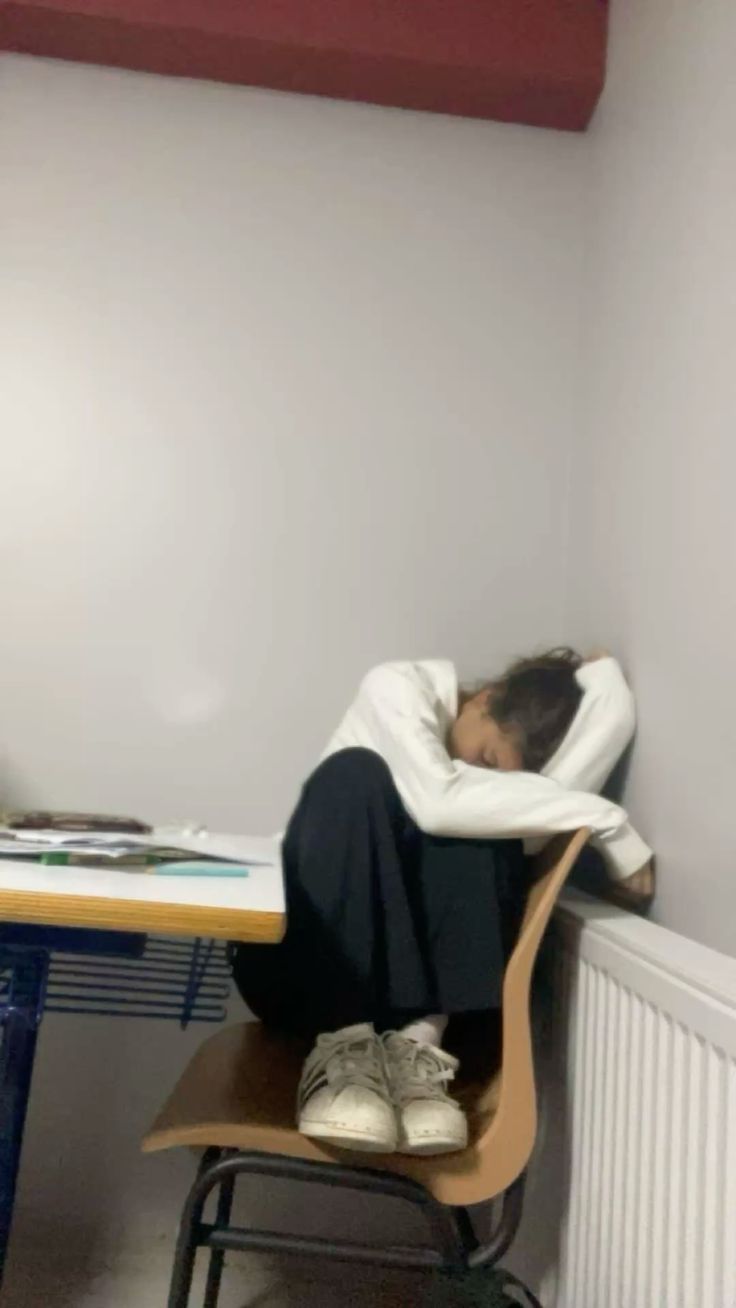
I still feel guilty that for five years I told my daughter's teachers she was "just sensitive" and left it at that. She was seven when it started. Bright kid, kind, did her work. She just cried. A lot. More than made sense. And I had my comfortable answer ready every single time someone asked. Year 3 parents' evening. "Grace is doing well academically but she does get very emotional." I nodded and said: "She's just a sensitive soul." Her teacher smiled. We moved on. Year 4. Different teacher, same conversation. "She's lovely but she does cry quite easily." I gave them the line again. Sensitive soul. Like a diagnosis I'd written myself. Year 5. A supply teacher sent her out of the classroom for crying during a group project. The note home said "attention-seeking behaviour." I was furious at the teacher. But I never once turned that anger on the real question. Why is my daughter crying this much in the first place? Because I already had my answer. And my answer meant I didn't have to ask. Then secondary started. And the answer stopped working. Five subjects a day. Five teachers. Five classrooms. Not one person holding the thread. And within half a term, everything fell apart. Not the way you'd expect. She wasn't failing. She wasn't getting detentions. She wasn't forgetting her homework. She was doing it at midnight, in tears, but she was doing it. What happened was the crying got worse. Dramatically worse. And it spread. She'd come home from school and go straight to her room and I'd hear her crying through the door. Not about anything specific. Not because someone had been cruel. Just because the day had been too much and she had nothing left to hold it together with. Friendship fallouts every other week. Not because she was difficult. Because her reactions were always at a ten when the situation was a three. A friend would cancel plans and Grace would be devastated. Not disappointed. Devastated. Like the friendship was ending. Like the world was collapsing. Every single time. And I was still saying it. "She's just sensitive." To my mum on the phone. To her dad. To myself, standing outside her bedroom door at nine o'clock on a Tuesday, listening to her sob over something that shouldn't have mattered that much. Then her form tutor emailed me in Year 8. My stomach dropped the way it always does when I see a school email. But this one was different. "Grace seems to struggle with emotional regulation. Have you considered whether there might be something else going on?" Emotional regulation. That was the first time anyone had used those words. And they landed like a brick, because I'd spent five years calling it sensitivity and this woman had just, very carefully, suggested it might be something else entirely. I went home that night and typed "emotional dysregulation in teenage girls" into Google. I don't know what I expected to find. Maybe a list of tips. Maybe a parenting article that would tell me what to do differently. What I found was page after page of parents describing my daughter. Not similar to my daughter. My daughter. The crying that doesn't match the situation. The friendship reactions at a ten when the problem is a three. The homework getting done but only through tears and at midnight. The "sensitive" label from every teacher since Year 3. The bright kid who holds it together at school and falls apart the second she walks through the front door. And then I found the word that changed everything. ADHD. Not the version I thought I knew. Not the boy bouncing off walls in the back of the classroom. The other kind. The kind that shows up in girls as emotional dysregulation. Not physical restlessness. Emotional restlessness. Not bouncing off walls. Crying in toilets. I sat at the kitchen table at eleven o'clock at night reading a thread from a mum who could have been writing about Grace. Her daughter was twelve. Cried every day. Called sensitive by everyone. Nobody had ever mentioned ADHD because she sat still, did her work, and got good marks. The mum had eventually got a private assessment. ADHD. Combined type. The inattentive symptoms masked by how hard she worked. The emotional dysregulation dismissed as personality. I read for three hours that night. And every single thing I read made more sense than five years of "she's just sensitive" had ever made. That was the moment the guilt hit properly. Five years. Five years of parents' evenings where I'd smiled and nodded and said my comfortable line and gone home and done nothing. Five years where a better question might have changed everything. And I hadn't asked it. Not once. I rang the GP the next morning. Explained what I'd found. Said I wanted Grace referred for an assessment. The GP was sympathetic. She agreed it was worth looking into. She put the referral through. The wait was two years. Two years. Grace was in Year 8. She'd be starting her GCSEs before anyone even looked at her. I asked about private. Somewhere between £800 and £1,200 for a child. I'm a single mum. I work full-time in a job that covers the bills and not much else. I didn't have £800. I didn't have half of that. So I was stuck. I knew, I was as sure as I'd ever been about anything, that my daughter had ADHD. I could see it in every single day. And I couldn't prove it, I couldn't get her seen, and I couldn't get her help. I wasn't going to sit in that queue for two years doing nothing. Not after five years of already doing nothing. I tried the supplement route. Methodical about it. Magnesium glycinate. The one every ADHD forum says is different from the cheap stuff. Eight weeks. Nothing I could point to. Omega-3s. Nothing. L-theanine on its own. Nothing. Those focus gummies off Amazon with the cartoon brains on the packaging. Two different brands. Nothing. Six weeks each, the way the labels said. Over eight months I spent close to £700 on supplements that did absolutely nothing for the crying, the meltdowns, or her ability to get through a school day without falling apart. And I kept coming back to the same thought: even if the assessment eventually happens, even if they confirm what I already know, then what? Medication? The same medication I'd spent months reading horror stories about from other mums? The appetite loss, the personality changes, the afternoon crash? That was my low point. Not a crisis. Just the quiet resignation of a mum who'd already wasted five years not asking the right questions, and was now wasting money on supplements that weren't asking the right questions either. What I found the next day changed everything I thought I understood about what was happening inside my daughter. On my lunch break, sitting in the car because it was the only twenty minutes I'd get to myself, I opened the ADHD parents group I'd been lurking in for months. A mum had posted about her daughter. Never been diagnosed either. Still on the waiting list. No medication. No official anything. Just a mum who'd done the same late-night research I had, connected the same dots, and been left in the same queue. But she'd found something. And the comments underneath her post stopped me. Dozens of mums. Some with diagnoses, some without. Some who'd tried medication and come off it, some who'd never been given the option. And they were all describing the same thing: the emotional regulation coming back, the fuse getting longer, the tears becoming proportionate. And still themselves. Still loud. Still dramatic. Still the child they recognised. One comment stopped me completely. "Mine's thirteen. No diagnosis. Still waiting. I stopped caring about the label and started caring about what actually helps. Eight weeks on this and the meltdowns went from daily to maybe once a week. Her teacher said she seems more settled. I don't need a piece of paper to tell me what I can see with my own eyes." I read that three times. I don't need a piece of paper to tell me what I can see with my own eyes. That was the permission I hadn't known I was waiting for. I found the study that night, once the house was quiet. What I read changed how I understood everything I'd tried and everything I'd been told. ADHD isn't just a focus problem. It isn't one chemical running low. The current research shows it's at least four systems, dopamine, serotonin, GABA, and norepinephrine, not working together properly. And emotional dysregulation isn't a side effect of ADHD. It's a core feature. It's the bit that gets missed in girls because it doesn't look like the stereotype. Every supplement on that bathroom shelf targeted one pathway. Magnesium: one pathway. Omega-3s: one pathway. One pathway at a time, and none of them strong enough to shift what was actually going on. You can't fix a four-system problem with a one-system answer. That's why none of it worked. I didn't fail at picking supplements. I was never told that a one-pathway solution can't fix a four-pathway problem. The study compared clinical-strength saffron extract directly to stimulant medication in children and teenagers with ADHD. Focus, attention, behaviour, rated by parents and teachers. The results were comparable. Without the appetite loss. Without the sleep problems. Without the flatness that every mum in the forums warned about. And here's the part that mattered most to me: you don't need a prescription for it. You don't need a diagnosis. You don't need to be through a two-year waiting list. You can just start. The product the mums in the group kept mentioning wasn't just saffron. It was built around the whole problem, not just one corner of it. Nine ingredients covering all four pathways instead of hammering one. Not one of them is a stimulant. All in a gummy. Two a day at her age. I ordered it that night. I didn't tell anyone. I couldn't face another "how's the new thing going?" conversation. She chewed the first one at breakfast. Said it tasted like sweets. Ten seconds. No fight. Week one: nothing. I told myself that was fine. I'd done this before. Week two: she came home from school and came into the kitchen instead of going straight to her room. Didn't say much. Made herself toast. Stood at the counter eating it while I cooked. Small. First domino. Week three: an email from her English teacher. Not flagging anything. She wanted to let me know Grace had handed in a full first draft, on time, and that it was good. She said she wasn't sure what had changed but to keep going. Same week: Grace had a falling-out with her friend Chloe. Came home upset. Told me about it at the kitchen table. Was annoyed, properly annoyed, and I could see the old reaction trying to build. The catastrophising, the "she hates me," the spiral. It didn't spiral. She was upset for about twenty minutes. Then she went upstairs, texted Chloe, sorted it out, and came back down and asked what was for dinner. I stood in the kitchen on my own for a minute after that. Because six months ago that would have been the whole evening. Crying on her bed. Door shut. Me outside it, not knowing whether to knock or not. "YOU DON'T UNDERSTAND." All of us walking on eggshells until morning. Twenty minutes. Resolved. Done. Week four: she sat down and did her homework without me asking. Not at midnight. Not through tears. At half four, at the kitchen table, with a biscuit and her headphones in. Like it was normal. Like it had always been that easy. Week five: she cried at a film we were watching together. A dog died in it, the kind of scene that's designed to make you cry. She cried. Normally. Wiped her eyes, said "that was so sad," and kept watching. A normal cry. Proportionate. Connected to something real. Not the old kind. The kind that came from nowhere and stayed for hours and had no off switch. That was the moment I knew something had actually changed. Not because she'd stopped being emotional. Because she'd started being emotional in a way that made sense. Week six: her form tutor emailed. The woman who'd first said the words "emotional regulation" to me two years earlier. "I've noticed a real change in Grace this half term. She's more settled in herself. Still engaged, still contributing, but calmer. She handled a disagreement with another student last week really well. Talked it through instead of getting upset. Whatever's happening at home, it's working." She handled a disagreement by talking it through. My daughter. The girl who'd been sent out of a classroom for crying in Year 5. Talked it through. I printed that email and put it in my bedside drawer and I still have it. It's been three months. She still cries. She's thirteen. She's supposed to cry. She cried last week because she got a mark back she was disappointed with. She cried for about five minutes, said "that's annoying," and started her corrections. Five minutes. Not an hour. Not the evening. Not the next morning as well. She's sleeping properly. Light off by half ten most nights. Not perfect. She's a teenager, some nights she's on her phone until eleven and I pretend not to know. But the lying-awake staring-at-the-ceiling thing is gone. Her friendships are holding. That's the one that surprises me most. Chloe is still her best friend. They had a disagreement last month and Grace was upset but she wasn't destroyed. The reaction matched the situation. That's all I ever wanted. Not a child who doesn't feel things. A child whose feelings match the size of what's actually happened. And she's loud again. Talking at a hundred miles an hour about something that happened at school, getting annoyed about something her friend said, laughing at her phone in the other room loud enough that I can hear her through the wall. She feels things again. Properly. Not too much. Not too little. Just right. We're still on the waiting list. I don't even check anymore. Because whatever a diagnosis would give me, it wouldn't give me more than what I'm already watching happen in my own house. Here's what I need every mum who's stuck in that queue to hear. Especially the ones who spent years doing what I did. Calling it sensitivity. Having the comfortable answer. Not asking the harder question because the easy one felt like enough. You don't need a diagnosis to help her. You don't need a prescription. You don't need permission from a system that put your daughter at the back of a two-year line and told you to wait. And you don't need to carry the guilt of not seeing it sooner. Because nobody told you to look. Every teacher wrote "sensitive" on the report and moved on. Every GP said give it time. Every person who looked at a girl sitting quietly in tears and didn't see what was right in front of them. They should have said it first. They didn't. So I'm saying it now. You can start today. Not with medication. Not with a referral that takes two years to go anywhere. With something you can order tonight and put in her hand at breakfast tomorrow. When you're supporting all four pathways, not waiting for someone to confirm which one is broken, you don't need the label to see the change. The focus comes up. The emotional regulation comes with it. And the personality stays. Grace is doing better now. Without a diagnosis. Without medication. Without anyone's permission. She's still Grace. Loud and dramatic and permanently on her phone and cries at sad films and argues with me about bedtime and is completely, utterly herself. I didn't think I could help her without a diagnosis. I was wrong. The one I use is here: https://www.try-bryte.com/pages/5-reasons-listicle-teen 60-day money-back guarantee. Two a day at her age. Grace's first shift was week two. The proper one came at week six. Give it that long before you decide. If you're where I was. The late-night research, the waiting list, the supplement cabinet, the form tutor's email about emotional regulation, the parents' evenings where they called your daughter sensitive and you went home and Googled it and realised they were wrong. Try one box before you give up on finding something that works. If nothing shifts, send it back. If something changes, you'll know exactly what I mean. She feels things. She just doesn't drown in them anymore. I didn't need a diagnosis to help her. I just needed to stop waiting for one. P.S. If you've been calling it sensitivity for years and something in this made you feel that twist in your stomach, that's not guilt. That's recognition. And it means you're closer to helping her than you think. Every supplement on that bathroom shelf targeted one pathway. Magnesium: one pathway. Omega-3s: one pathway. One pathway at a time, and none of them strong enough to shift what was actually going on. You can't fix a four-system problem with a one-system answer. That's why none of it worked. I didn't fail at picking supplements. I was never told that a one-pathway solution can't fix a four-pathway problem. The study compared clinical-strength saffron extract directly to stimulant medication in children and teenagers with ADHD. Focus, attention, behaviour, rated by parents and teachers. The results were comparable. Without the appetite loss. Without the sleep problems. Without the flatness that every mum in the forums warned about. And here's the part that mattered most to me: you don't need a prescription for it. You don't need a diagnosis. You don't need to be through a two-year waiting list. You can just start. The product the mums in the group kept mentioning wasn't just saffron. It was built around the whole problem, not just one corner of it. Nine ingredients covering all four pathways instead of hammering one. Not one of them is a stimulant. All in a gummy. Two a day at her age. I ordered it that night. I didn't tell anyone. I couldn't face another "how's the new thing going?" conversation. She chewed the first one at breakfast. Said it tasted like sweets. Ten seconds. No fight. Week one: nothing. I told myself that was fine. I'd done this before. Week two: she came home from school and came into the kitchen instead of going straight to her room. Didn't say much. Made herself toast. Stood at the counter eating it while I cooked. Small. First domino. Week three: an email from her English teacher. Not flagging anything. She wanted to let me know Grace had handed in a full first draft, on time, and that it was good. She said she wasn't sure what had changed but to keep going. Same week: Grace had a falling-out with her friend Chloe. Came home upset. Told me about it at the kitchen table. Was annoyed, properly annoyed, and I could see the old reaction trying to build. The catastrophising, the "she hates me," the spiral. It didn't spiral. She was upset for about twenty minutes. Then she went upstairs, texted Chloe, sorted it out, and came back down and asked what was for dinner. I stood in the kitchen on my own for a minute after that. Because six months ago that would have been the whole evening. Crying on her bed. Door shut. Me outside it, not knowing whether to knock or not. "YOU DON'T UNDERSTAND." All of us walking on eggshells until morning. Twenty minutes. Resolved. Done. Week four: she sat down and did her homework without me asking. Not at midnight. Not through tears. At half four, at the kitchen table, with a biscuit and her headphones in. Like it was normal. Like it had always been that easy. Week five: she cried at a film we were watching together. A dog died in it, the kind of scene that's designed to make you cry. She cried. Normally. Wiped her eyes, said "that was so sad," and kept watching. A normal cry. Proportionate. Connected to something real. Not the old kind. The kind that came from nowhere and stayed for hours and had no off switch. That was the moment I knew something had actually changed. Not because she'd stopped being emotional. Because she'd started being emotional in a way that made sense. Week six: her form tutor emailed. The woman who'd first said the words "emotional regulation" to me two years earlier. "I've noticed a real change in Grace this half term. She's more settled in herself. Still engaged, still contributing, but calmer. She handled a disagreement with another student last week really well. Talked it through instead of getting upset. Whatever's happening at home, it's working." She handled a disagreement by talking it through. My daughter. The girl who'd been sent out of a classroom for crying in Year 5. Talked it through. I printed that email and put it in my bedside drawer and I still have it. It's been three months. She still cries. She's thirteen. She's supposed to cry. She cried last week because she got a mark back she was disappointed with. She cried for about five minutes, said "that's annoying," and started her corrections. Five minutes. Not an hour. Not the evening. Not the next morning as well. She's sleeping properly. Light off by half ten most nights. Not perfect. She's a teenager, some nights she's on her phone until eleven and I pretend not to know. But the lying-awake staring-at-the-ceiling thing is gone. Her friendships are holding. That's the one that surprises me most. Chloe is still her best friend. They had a disagreement last month and Grace was upset but she wasn't destroyed. The reaction matched the situation. That's all I ever wanted. Not a child who doesn't feel things. A child whose feelings match the size of what's actually happened. And she's loud again. Talking at a hundred miles an hour about something that happened at school, getting annoyed about something her friend said, laughing at her phone in the other room loud enough that I can hear her through the wall. She feels things again. Properly. Not too much. Not too little. Just right. We're still on the waiting list. I don't even check anymore. Because whatever a diagnosis would give me, it wouldn't give me more than what I'm already watching happen in my own house. Here's what I need every mum who's stuck in that queue to hear. Especially the ones who spent years doing what I did. Calling it sensitivity. Having the comfortable answer. Not asking the harder question because the easy one felt like enough. You don't need a diagnosis to help her. You don't need a prescription. You don't need permission from a system that put your daughter at the back of a two-year line and told you to wait. And you don't need to carry the guilt of not seeing it sooner. Because nobody told you to look. Every teacher wrote "sensitive" on the report and moved on. Every GP said give it time. Every person who looked at a girl sitting quietly in tears and didn't see what was right in front of them. They should have said it first. They didn't. So I'm saying it now. You can start today. Not with medication. Not with a referral that takes two years to go anywhere. With something you can order tonight and put in her hand at breakfast tomorrow. When you're supporting all four pathways, not waiting for someone to confirm which one is broken, you don't need the label to see the change. The focus comes up. The emotional regulation comes with it. And the personality stays. Grace is doing better now. Without a diagnosis. Without medication. Without anyone's permission. She's still Grace. Loud and dramatic and permanently on her phone and cries at sad films and argues with me about bedtime and is completely, utterly herself. I didn't think I could help her without a diagnosis. I was wrong. The one I use is here: [link] 60-day money-back guarantee. Two a day at her age. Grace's first shift was week two. The proper one came at week six. Give it that long before you decide. If you're where I was. The late-night research, the waiting list, the supplement cabinet, the form tutor's email about emotional regulation, the parents' evenings where they called your daughter sensitive and you went home and Googled it and realised they were wrong. Try one box before you give up on finding something that works. If nothing shifts, send it back. If something changes, you'll know exactly what I mean. She feels things. She just doesn't drown in them anymore. I didn't need a diagnosis to help her. I just needed to stop waiting for one. P.S. If you've been calling it sensitivity for years and something in this made you feel that twist in your stomach, that's not guilt. That's recognition. And it means you're closer to helping her than you think.
Where the ad sends people
try-bryte.com
Your ADHD kids natural solution
Bryte Saffron
Shop now: try-bryte.com(opens in a new tab)