Margaret Hooper
Margaret Hooper Facebook ad: “The shopping cart wasn't helping my balance. It was hiding…”
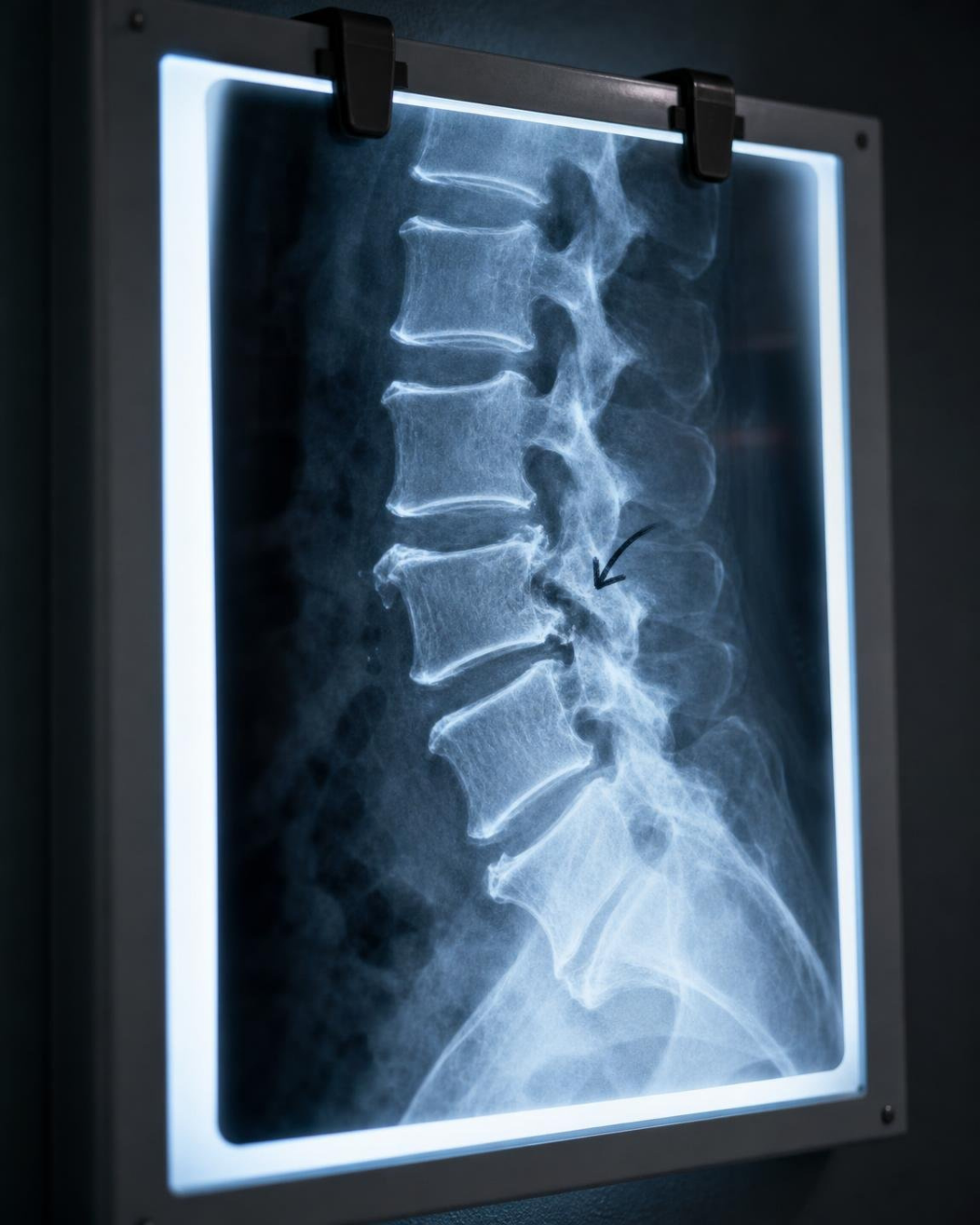
Ran for 2 days, from September 3 to September 5, 2026, the last day Crush saw it.
Run by Margaret Hooper on Facebook. Crush is not the advertiser and does not verify its claims. See this ad in Meta's Ad Library(opens in a new tab)
Want an ad like this for your product?
Crush makes new ad images for your product from this ad: your logo, your product photo, your offer.
Trials from $19.95 USD, then $79.95 USD a month. Cancel anytime.
About this ad
- Meta Ad Library ID
- 1987612078448485
- Platforms
- Facebook, Instagram and Threads
- Relaunches
- 0
Ad text
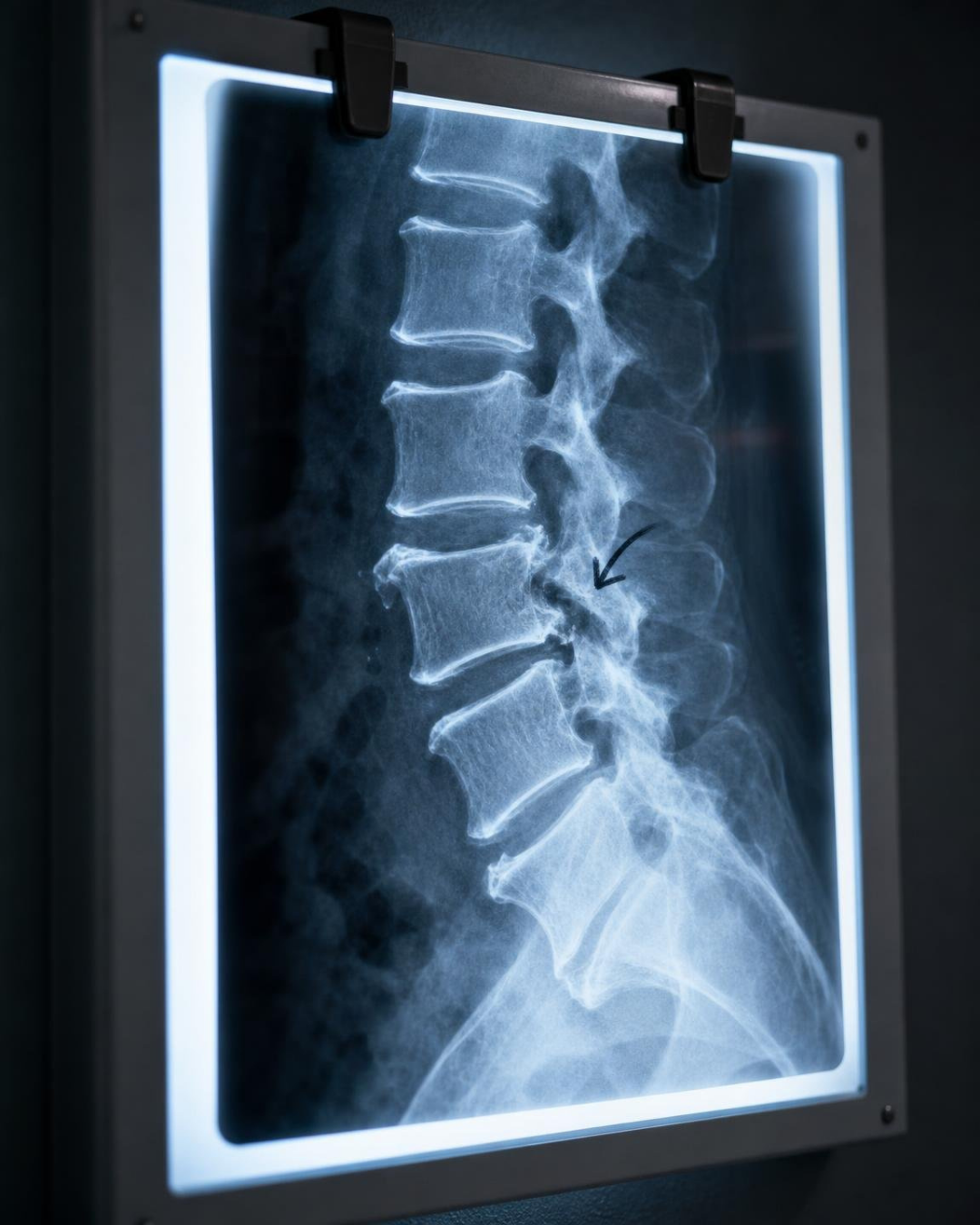
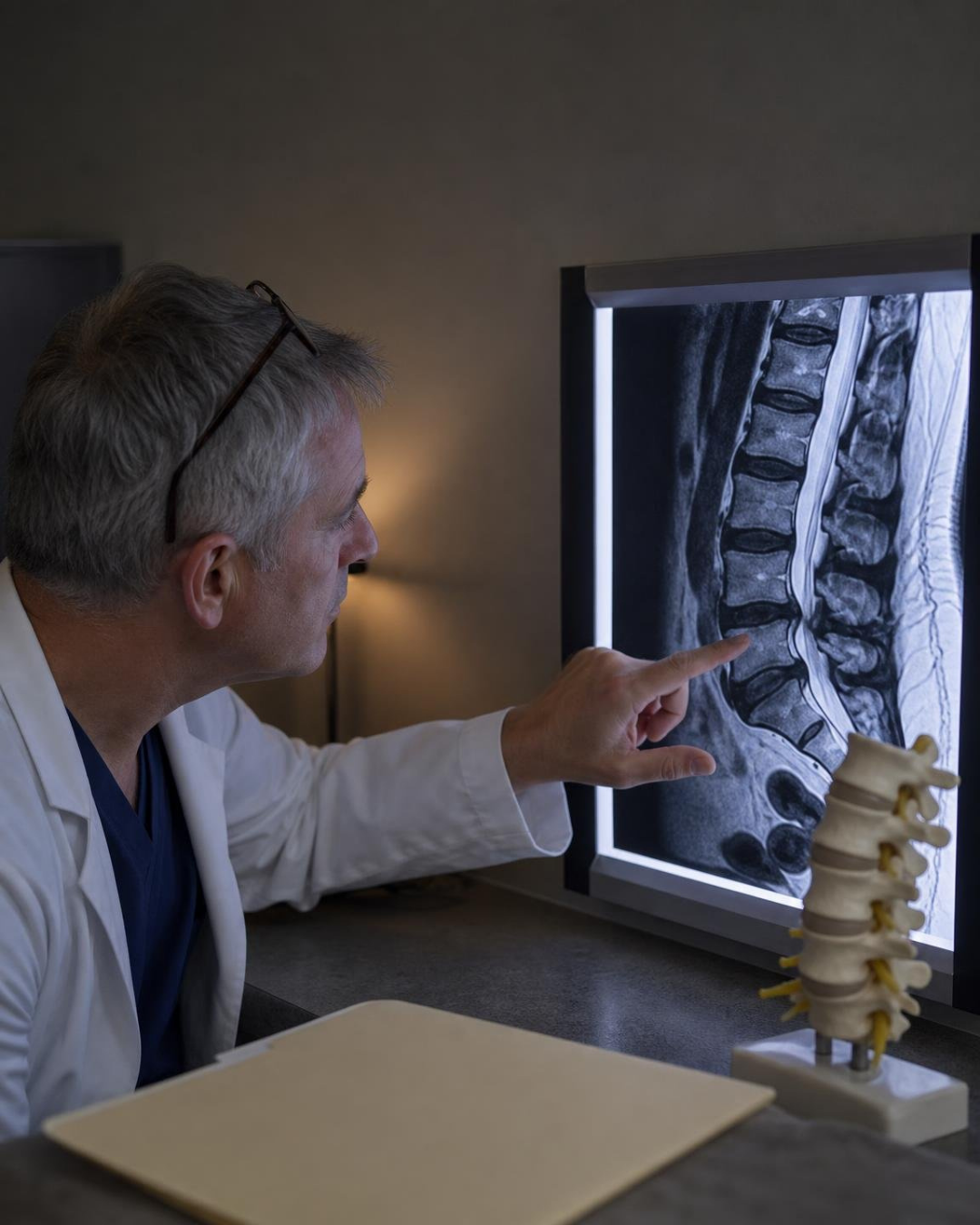
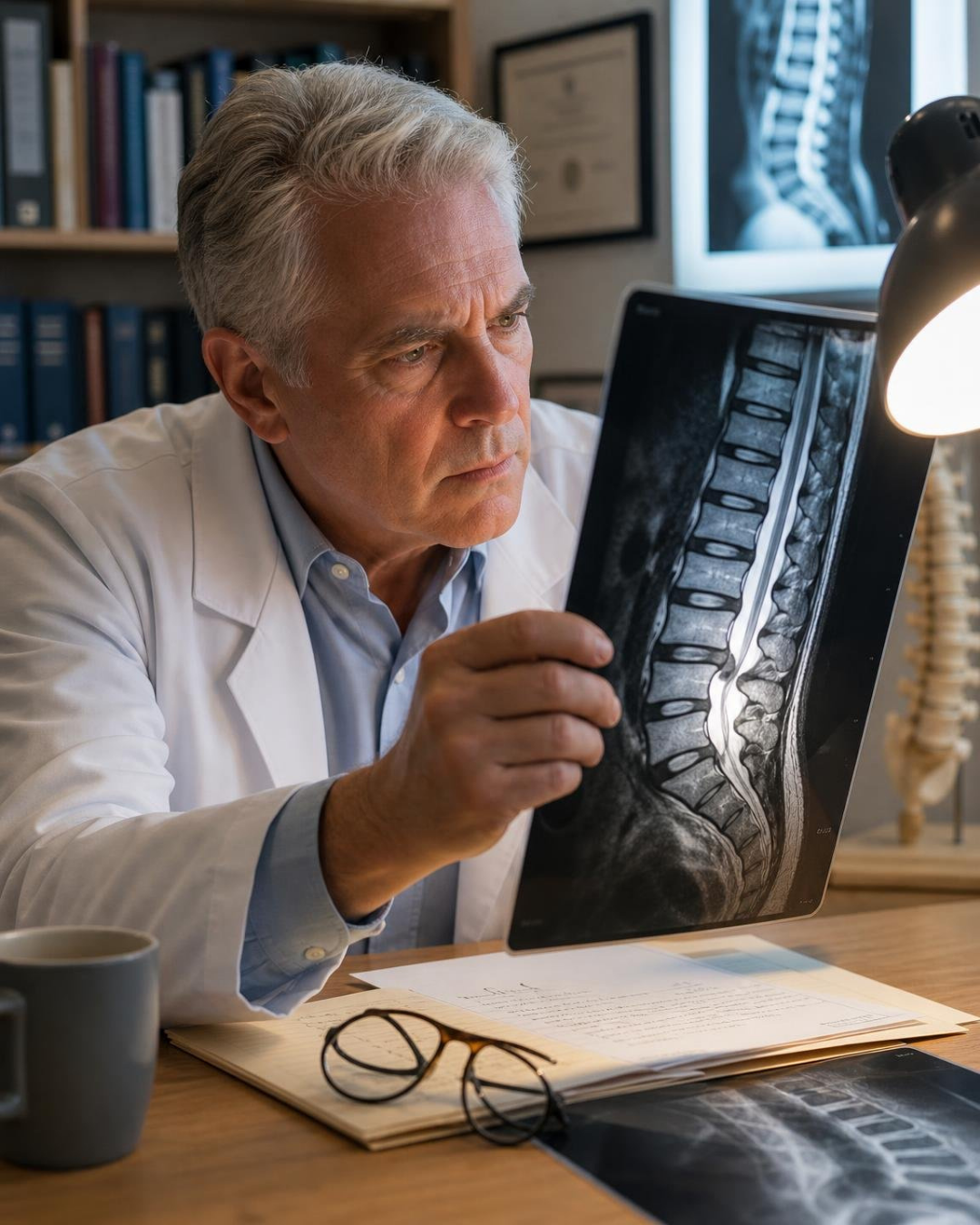
If you have spinal stenosis and you lean on a shopping cart to get through the store, that lean isn't about balance. I told my husband it was for almost 2 years, and he believed me. The day my leg buckled in a hardware store and a stranger asked if I needed a chair, I finally had to admit what the cart was actually doing. I managed a bank branch for 3 decades. If something needed fixing, I fixed it. But standing in that hardware store, both hands gripping a shelf to keep my leg from collapsing... I realized I'd been wrong about what I could fix. It took me almost 2 years to admit I couldn't fix this one. And I only admitted it because a stranger made me say it out loud. The shopping cart habit came on so gradually I didn't notice it happening. First I was just reaching for it. Then I was leaning into it. Then I was timing my grocery trips around having one available. My husband Ed would offer to come with me and I'd say I was fine, I just liked having it for balance. He's a practical man. He didn't push it. What I didn't know, because no one had explained it to me, was why the cart helped. When you push a cart, you lean slightly forward. That lean flexes the lumbar spine and gives the canal a few extra millimeters of room. When you stand straight, the canal narrows. With stenosis, the canal is already tight, and standing upright closes it back in. Your legs feel it first because they're the furthest endpoint downstream from where the nerve is being compressed. I wasn't building a shopping habit. I was finding the one position that gave my stenosis temporary relief. And then going home and sitting in a recliner that let everything close back in. For almost 2 years. Here's what I spent in the 22 months before I understood any of that. Months 1 through 8, I did PT twice a week. $185 a session after insurance, about 24 sessions total... roughly $4,440. The therapist was thorough. Core work, posture drills, hands-on stretching. I felt better on therapy days. I lost the ground within 48 hours every time. Month 9, they ordered an MRI. $850 out of pocket. Moderate canal narrowing at L4-L5, thickening of the ligamentum flavum. My GP sent me to a pain specialist. Months 10 through 15, three epidural steroid injections. $680 each, roughly $2,040 total. The first bought me about 6 weeks of real relief. The second, about 3 weeks. The third, maybe 10 days. My pain specialist used the phrase "diminishing returns" and said we'd need to think about next steps. Months 16 through 22, chiropractic twice a week. $80 a visit, about 6 months, roughly $4,160. The adjustments helped with the general stiffness. The left leg weakness didn't change. Somewhere in the middle of all that I also bought a $45 back stretcher arch, the curved plastic kind you lie back over. It opened me up for about 20 minutes at a time. No heat to keep the disc pliable while it was open, nothing at all for the muscles that closed it again before I'd finished making dinner. One job, no follow-through. Total, rough count: about $11,495. And I still needed the cart. The hardware store was the first time I couldn't hide it from myself. Ed had asked me to pick up a can of paint for the guest room. I'd done it dozens of times before. I parked the cart at the end of the paint aisle and walked about 12 steps to the shelf. I reached for the can and my left leg buckled under me. Just dropped. I grabbed the shelving unit with both hands. The shelving shook. An employee in an orange store vest rounded the corner and said, "Ma'am, are you all right? Do you need a chair?" I said I'd just lost my footing. I stood there for a moment, both hands on the metal shelving, waiting for my leg to steady under me. I drove home without the paint and told Ed I'd forgotten which shade he'd asked for. Lucas's birthday party was the day I realized I'd become the grandmother who sits in the booth. My daughter Cynthia had organized it at an arcade about 20 minutes from their house. Lucas had been counting down to it for a month. I'd been looking forward to it since June. I made it there and found a booth in the back within the first 10 minutes. The noise and the standing were already too much. I watched from the booth while Lucas went from machine to machine with his friends, and every so often he'd run back to show me his tickets. About an hour in, he came and climbed into the booth across from me. He said, "Grandma, how come you're always sitting?" He said it the way kids do. Not unkind. Just noticing something that had been obvious to him for a while. I said my back was a little sore. He nodded and went back to the games. Cynthia found me in the booth a while later. She sat down and looked at me for a moment without speaking. She said, "Mom. How long has it been this bad?" Cynthia has been a PT for 19 years. She'd been watching me at family events, staying quiet. She said the PT exercises I'd been doing were right. Good exercises. But they were designed to stabilize the spine, and stabilization holds what's there. If the canal is already narrowed, holding the position doesn't create more room. What creates room is traction. Mechanical decompression. It separates the vertebrae, just enough to lift the weight off the disc and give the narrowed segment space. But here's the problem: the relief lasts while you're being decompressed. You stand up, bear weight... and the disc begins compressing again. "Most people with stenosis can't get to a clinic every day," she said. "So the gains don't hold between twice-weekly sessions." She said there were home devices now that combined traction with heat and targeted massage. The heat kept the disc tissue more responsive, so it held the decompressed position better. The massage broke the muscle guarding pattern that pulled the vertebrae back together even between sessions. She told me the underlying research isn't new. A Swedish rehabilitation institute tracked 540 patients across 14 weeks back in 1987, and the group receiving traction saw 91% measurable symptom reduction, with 46% regaining normal sensation. She'd had 3 patients try one in the past year and report consistent improvement. "I've been waiting until I could tell you honestly that it was worth trying," she said. "I think it is." They call it Triple Fusion Therapy, and the whole thing runs in one 15-minute session. Spinal traction to separate the vertebrae and create space in the narrowed segment. Then deep heat at 122 degrees to keep the disc tissue pliable so it holds the decompressed position. Then targeted massage to unlock the paraspinal guarding that has been pulling the vertebrae back together even at rest. The machine that runs all 3 in your own bedroom is the Triple Fusion Back Massager, and SmoothSpine brings it home for a fraction of the cost of a 26 session clinic course. There was a 90-day money-back guarantee. I ordered it that evening. Week 1: First session on my back, 15 minutes. The traction started about 40 seconds in. Not dramatic, just a slow, gentle separation in my lower back, something letting go that had been braced for years. When I stood up afterward, my back felt lighter. Day 5: I stood at the kitchen counter making breakfast for 14 minutes without reaching for anything to hold. Ed came in and noticed without saying a word. Week 2: Lucas called to tell me about a project at school. He talked for 25 minutes. I stood in the kitchen the whole time without thinking about it. I didn't notice until after I hung up. Week 3: I went back to the hardware store. I took a cart out of habit, then left it at the front. I walked the paint aisle, picked up what Ed needed, and stood in the checkout line. I didn't grab anything. Week 6: I stood through the full Sunday service at our church for the first time in almost 2 years. Ed took my hand when we walked to the car. He didn't say anything. He didn't need to. Month 2: Cynthia came for dinner. She watched me carry plates from the kitchen and said, "Your gait pattern is different." I said, "Is that the PT talking or my daughter?" She said, "Both." Month 3: Lucas had a school performance. Ed and I sat in the second row. Lucas came out with his class and scanned the audience the way kids do until he spotted us. He waved. I waved back. Standing. After the show, he ran over and I crouched down to hug him. He didn't comment on the crouching. There was no reason he would. Here's what I wish I had understood 22 months before the hardware store. I ran a bank branch, not a clinic, so all I can give you is what happened to my own spine. Spinal stenosis doesn't announce itself. It closes in slowly, year by year, while you adapt around it. First you walk a little less. Then you lean on a cart and tell yourself it's just balance. Then a stranger asks if you need a chair, and you realize how long you've been performing fine. Physical therapy holds what's there. Epidurals reduce the inflammation temporarily. Traction creates the space, and if it happens every day, the canal stops losing ground. The clinics do it too. A standard course runs 26 to 30 visits and gets quoted at $6,900 to $9,600 up front, none of it covered by Medicare, and the canal starts closing again the moment you stand up off the table. Spinal decompression therapy runs all 3 in sequence, in a single sitting. SmoothSpine brings it home, 15 minutes every morning. If you have stenosis and you've been leaning on a cart, bending forward to get relief, or told that surgery is the next conversation, you haven't been doing anything wrong. You've been finding the position that temporarily opens the canal. The canal needs to be opened on purpose. Daily. Before you're upright and the load returns. That's what the cart was telling me for 2 years. And what Lucas was asking me at his birthday party. I just didn't have the explanation yet. Now I do. The article below explains why spinal decompression works when everything else fails. I wasted 22 months and $11,495 figuring this out. You don't have to. Read the full explanation at the link below... before your next appointment. 👉 https://try.smoothspine.com/tfbm-coc-adv2-ss
Where the ad sends people
try.smoothspine.com
The shopping cart wasn't helping my balance. It was hiding something.
That line is 60% spinal canal narrowing . Once your spinal canal narrows by more than 60%, permanent nerve compression sets in. For life.
Learn more: try.smoothspine.com(opens in a new tab)