
Active· since Jun 9, 2026
- 98
- days running
- 0
- relaunches
Ad copy
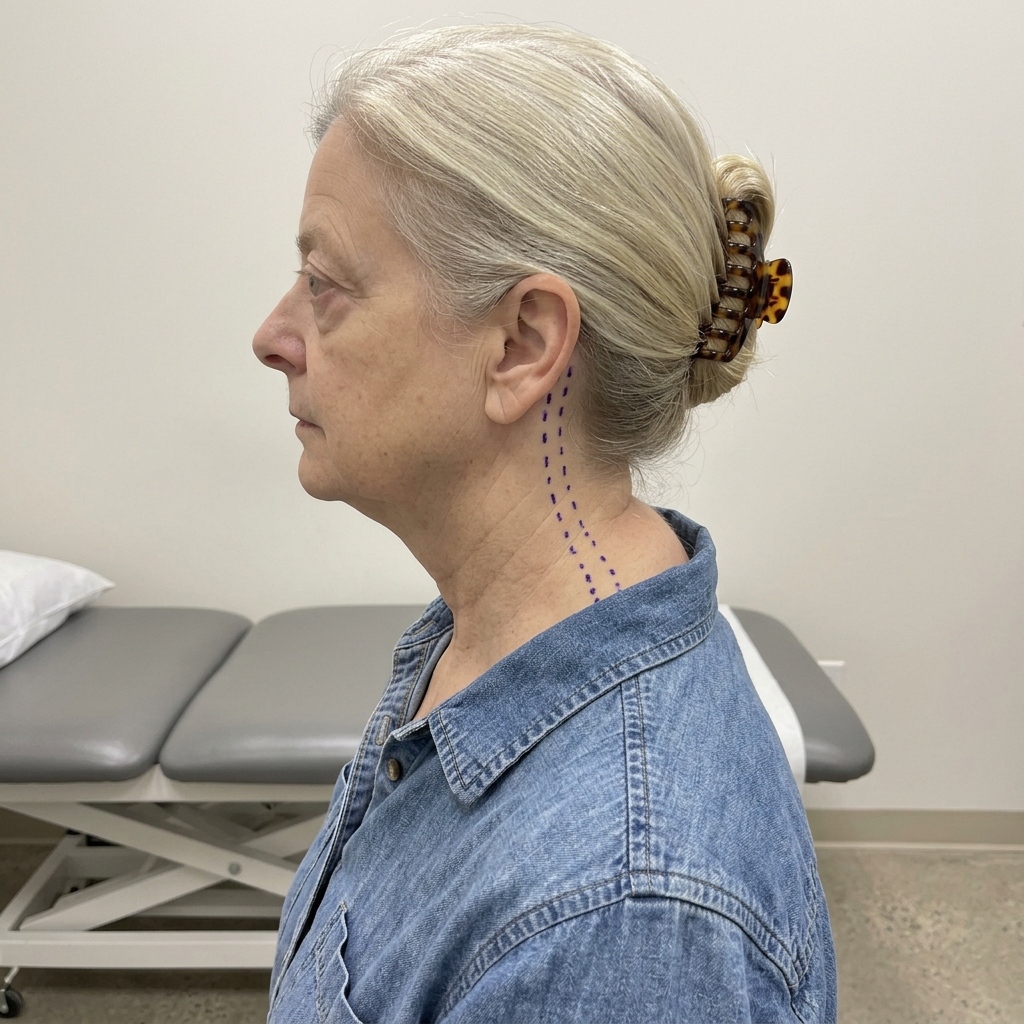
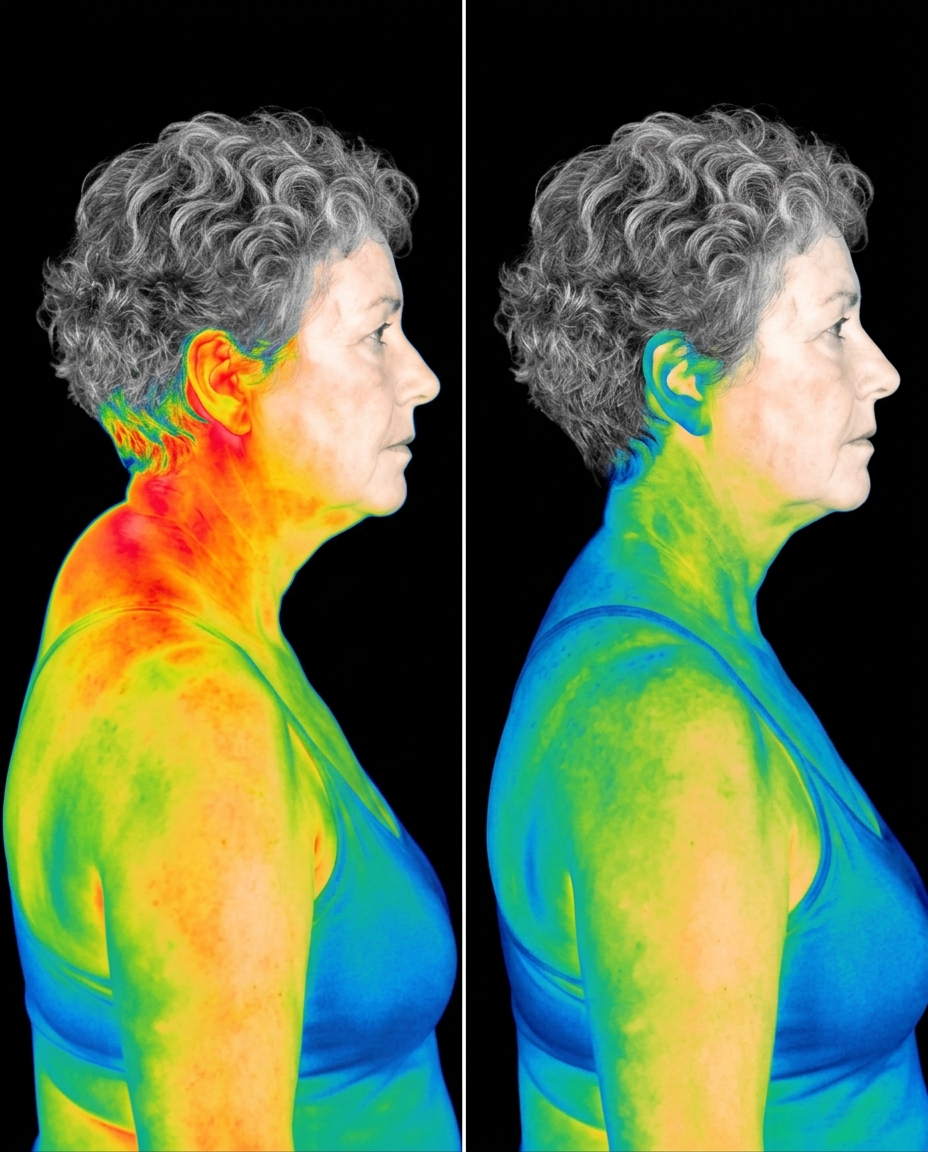
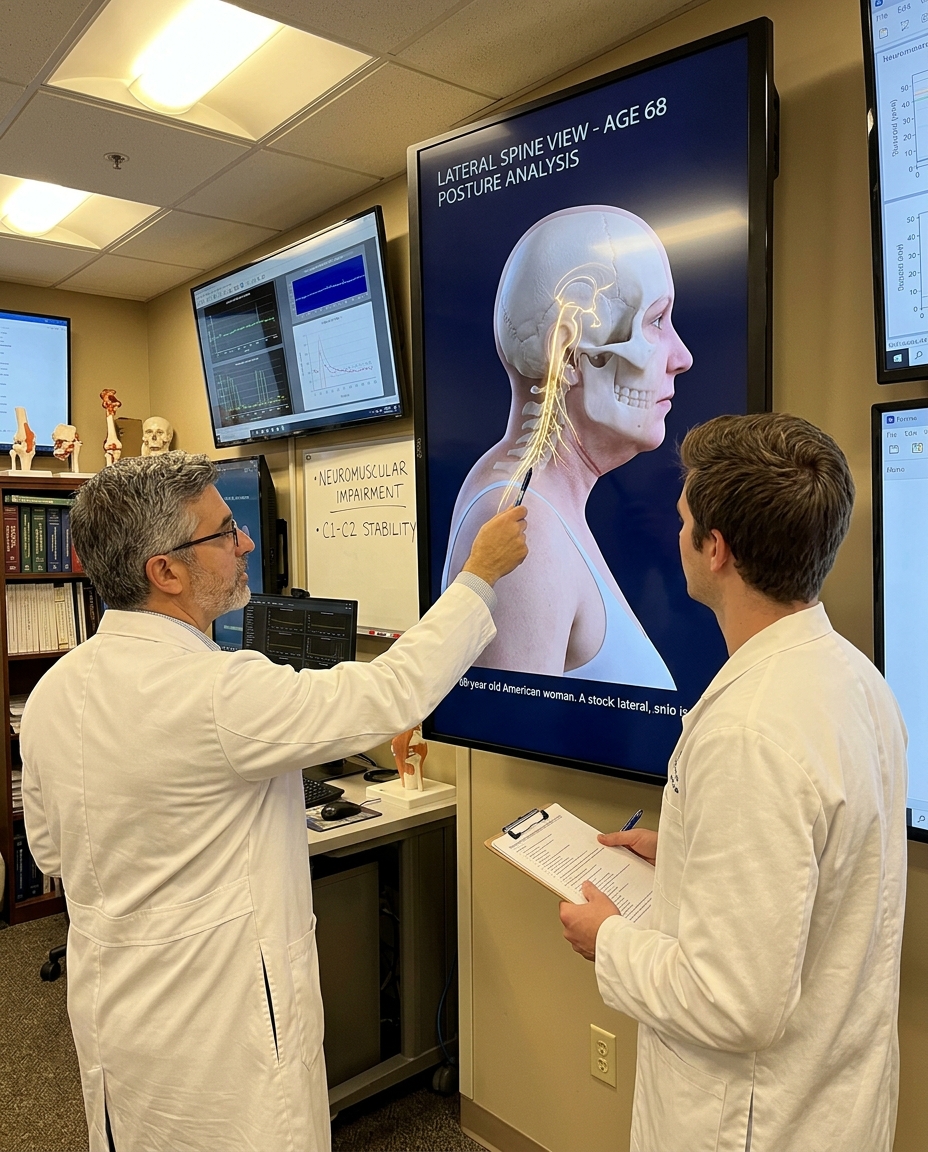
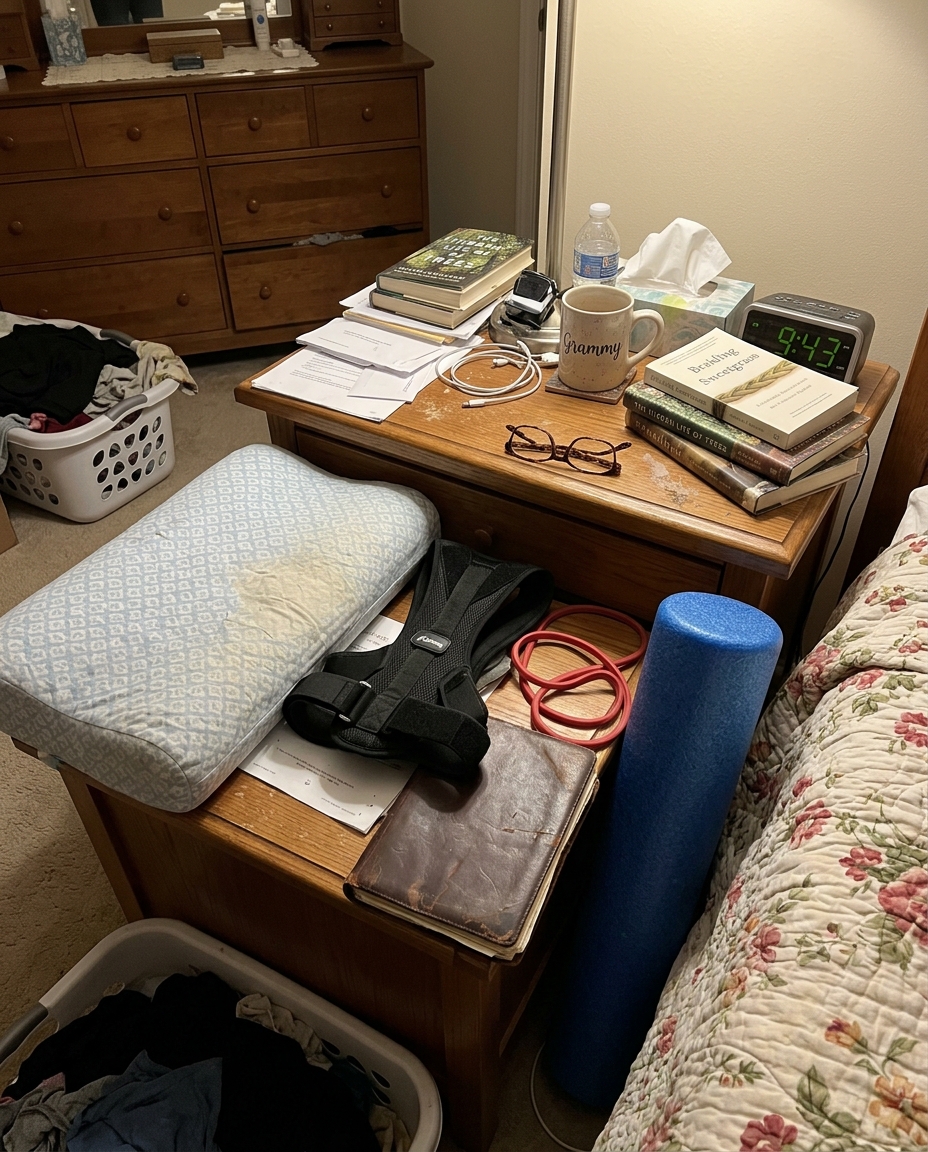
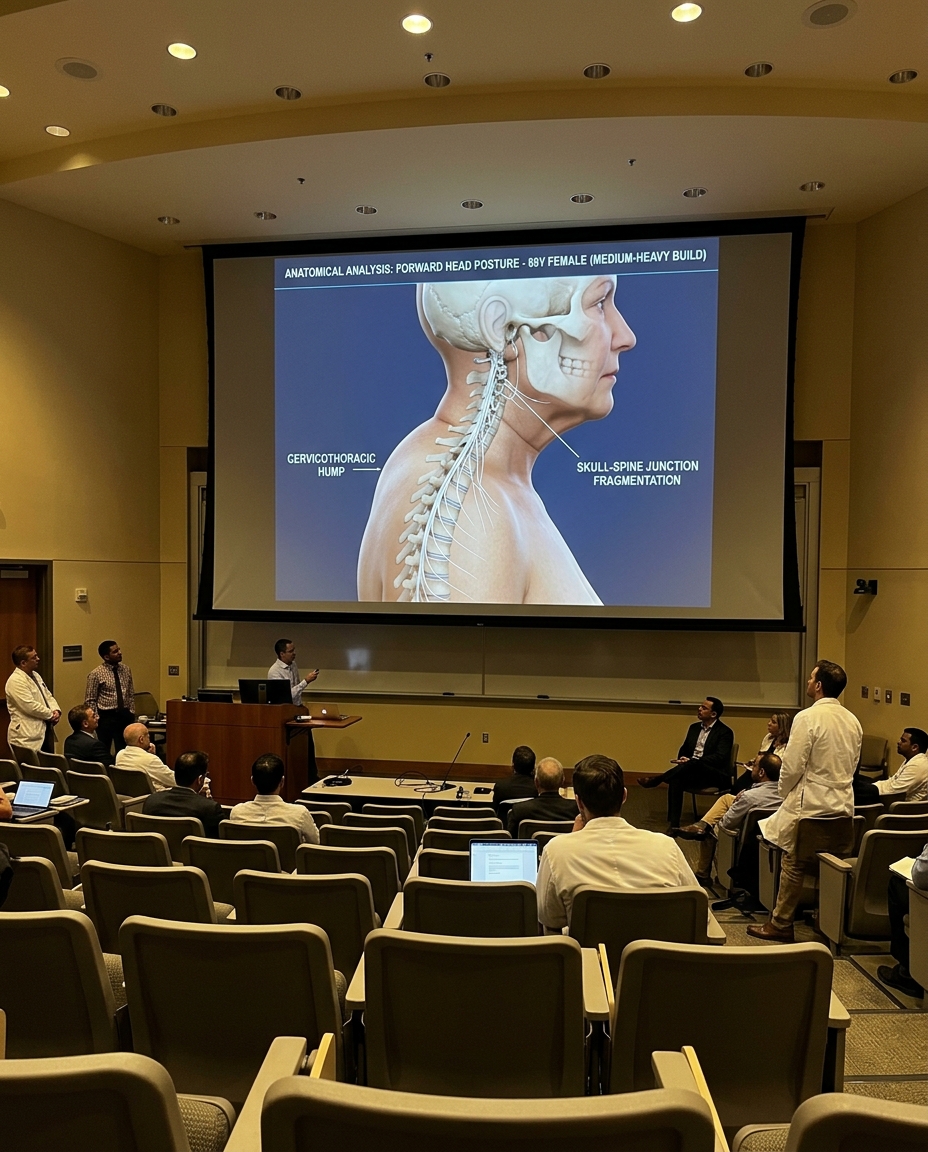
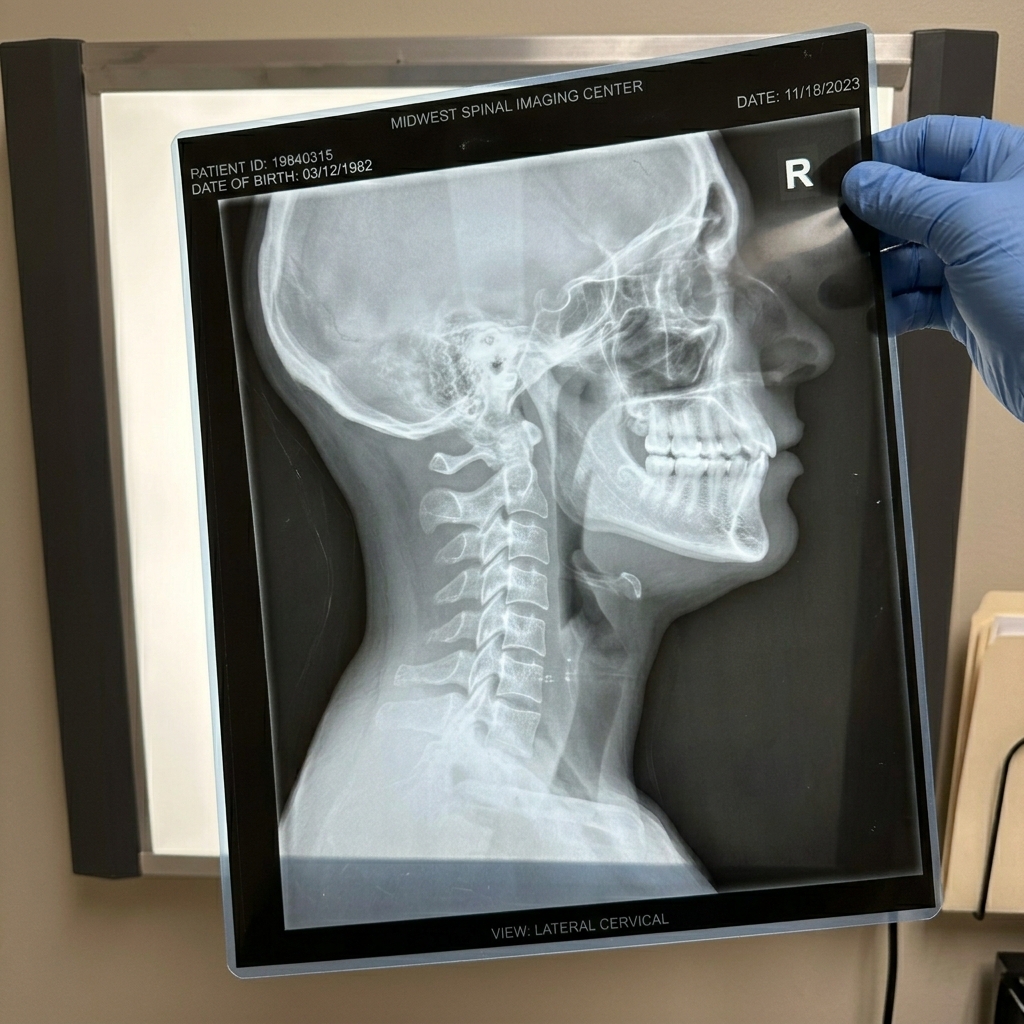
I retired as a manual therapist six weeks ago. 31 years. Over 2,000 patients on management protocol. And I'm about to say something publicly that would have gotten me fired any time in the last three decades. I almost didn't say it. My husband told me to leave it alone. My former colleagues would say I'm being dramatic. The professional association could still pull my pension review. But I'm 62 years old. I've been carrying this for 31 years. And I watched too many people deteriorate while I kept my mouth shut. So here it is. Almost every patient I put on management in 31 years never had their release mechanism addressed. And I was never encouraged to say so in a single session note. The tissue index. The translation measurement. The joint mobility. All documented meticulously. Never the release mechanism. Never the truth about why the sessions weren't lasting. I want to tell you about the one time I tried to tell the truth. And what happened when I did. It was 2011. Fourteen years into practice. I was experienced enough to know what I was looking at and still naive enough to think honesty mattered. Her name was Margaret. Margaret was 54. Secondary school librarian. Married 26 years. Two kids — one at university, one still at home. The kind of woman who made every room warmer just by arriving. Her husband told me she'd been managing her cervical tissue for years. The morning calculation that kept getting longer. The wardrobe that kept getting smaller. The social withdrawal that was accelerating. The confidence that had quietly left. Her practitioner had said postural habits. Then accumulated load. Then "you're in your fifties, this is how it progresses." Margaret withdrew completely on a Tuesday morning. Stopped accepting invitations entirely. Her youngest daughter came home to find her sitting at the kitchen table in her housecoat at noon, not dressed, not going anywhere. She'd been there since breakfast. She came to my clinic that Thursday. I assessed her. The translation, the tissue index, the standard measurements. And then I did something I hadn't done in years — I specifically assessed her suboccipital release mechanism. The muscles right at the base of her skull. Whether the release signal was firing after forward movements. It wasn't. Completely dormant. Not reduced — absent. The release mechanism had stopped firing entirely. The sessions she'd been attending for six years had been mobilising the joint above it without ever reaching it. The tissue had kept building because the mechanism driving it had never been addressed. The management was working on the symptom. The cause had been running unchecked for six years. Margaret hadn't withdrawn from her life because she'd been managing poorly. She'd withdrawn because she'd been managed correctly by every standard measure — and the one thing that actually needed addressing had been invisible to everyone treating her. I wrote it all into my session notes. The dormant release mechanism. The misdirected management. The six years of appropriate protocols that had never reached the actual cause. I filed it on a Wednesday. By Friday, I was in the clinic director's office. He didn't raise his voice. That would have been easier. He was professional. Almost kind about it. "These notes are going to create problems." "It's what I found." "I don't doubt what you found. I doubt the wisdom of documenting it this way." He laid it out for me. Margaret had been a patient in the clinic network for six years. She'd seen three different therapists. Had her protocol adjusted four times. Not one of them had specifically assessed the release mechanism. If my notes stood, Margaret's family would ask questions. The previous protocols would face review. Professional practice standards would be examined. Liability insurance for the entire network would increase. "You're telling me to change it." "I'm telling you to reconsider your language. Cervical tissue progression is accurate. The release mechanism findings are... additional context. Not all additional context needs to appear in the final session documentation." "Her family deserves to know why six years of management didn't hold." He looked at me for a long time. "Her family will be told that her tissue progressed despite consistent management. Which it did. We don't perform retroactive critiques of protocols that met the accepted standard of care at the time. That's not our role. Our role is to document the treatment delivered. Not to create liability for practitioners who followed every guideline correctly." I sat there. "And if this happens again?" "You document the treatment delivered and the measurements recorded. Like everyone else in this network. Like everyone in every clinic in this field." He stood up. Meeting over. "You're an excellent therapist. Don't make this a pattern." That was the sentence. The one I heard under the professional courtesy. Do this again and you're done. I went back to my treatment room. Amended Margaret's notes. Changed the session documentation to standard tissue progression language. Removed every mention of the dormant release mechanism. Every reference to misdirected management. Margaret's family got the same answer every family gets. Tissue progressed despite management. We don't fully understand why. We're sorry. I saw her once after that. At a local event. She was standing against the far wall, positioned, calculating. She didn't see me. I went home and sat in my car in the driveway for twenty minutes. And then I kept writing session notes for seventeen more years. That's the thing people don't understand about a system like this. They imagine some dramatic suppression. Meetings. Policy documents. Deliberate decisions made at the top. It's not like that. It's one conversation in an office. One sentence. "Don't make this a pattern." And you understand. You adjust. You write tissue progression. You go home. Nobody orders you to stay silent. They just make it clear what happens if you don't. And so you stop saying it. After Margaret, I never specifically documented release mechanism dormancy again. Not once in seventeen years. But I never stopped finding it. Every week. Patient after patient. The same building tissue. The same morning calculation getting longer. The same wardrobe getting smaller. The same withdrawal accelerating. All of them on management that was meeting every accepted standard. All of them progressing anyway. I'd assess the release mechanism privately — as part of my own understanding of what was happening — document the tissue measurements, write the standard progression language, and move on. I kept a private log. Off the record. Just dates, ages, and what I actually found in the release mechanism. By the time I retired six weeks ago, that log had over 1,400 entries. 1,400 patients whose families were told "management was appropriate" when the release mechanism was never once directly addressed. That's what I carried for 31 years. Here's the part where it stopped being something I carried and became something I couldn't ignore. My husband, David. We've been married 34 years. He's 63. Retired engineer. Walks four miles every morning. The most methodical, consistent person in any room he walks into. About two years ago, he started with the forward pull. Not significant at first. Just enough that he'd mention it when he caught his reflection unexpectedly. He made light of it. I didn't. Then the morning stiffness. David had never needed more than a few minutes to be ready and out the door. Suddenly he was standing at the mirror for twenty minutes without appearing to accomplish much. Every morning. Then the social recalibration. I'd watch him position himself before entering rooms. Choose seats with his back to the wall. Arrive later to events so fewer photographs were taken. He laughed it off. Called it getting older. I wasn't laughing. I'd seen these patterns in charts. Hundreds of charts. Thousands. They were the same every time. Morning stiffness. Calculation. Social withdrawal. Wardrobe restriction. And they all ended the same way. In a life that had quietly reorganised itself around one thing. David went to his GP. Assessment. Standard panel. Referral to a manual therapist. Everything came back normal range. Management recommended. Of course it did. I'd spent thirty-one years with patients who tested normal range, received appropriate management, and kept building tissue. Standard assessments only measure the tissue and the translation. The release mechanism — dormant in the muscles right at the skull base — doesn't show on a translation measurement. Doesn't appear in a tissue index. Doesn't exist as far as the standard assessment is concerned. The protocols are designed around what they can measure. They can't measure what I'd been finding privately for thirty-one years. I sat with David one evening watching him unconsciously position himself before sitting down in his own armchair. And I felt the full weight of thirty-one years of silence. I knew what was happening. I'd been documenting it privately my entire career. Fourteen hundred times in a log that nobody would ever read. And I'd never said a word. To anyone. Because one conversation in 2011 taught me what happens when you do. But this was David. I wasn't going to watch the man I'd been married to for thirty-four years withdraw from his own life while I stayed quiet. I tried the standard protocols first. Twice-weekly sessions. Precision cervical pillow. Structured morning routine. Everything the guidelines recommend. Three months. Nothing lasting. Some temporary improvement. No change to the morning calculation or the social withdrawal. I should have known. I'd been privately assessing release mechanisms for thirty-one years. Standard protocols don't reach it. They mobilise the joint above it. The translation eases for 48 hours. The mechanism re-engages. The tissue keeps building. Everything resets. I tried an intensive specialist referral next. A colleague helped me get a priority appointment. Same story as everyone on escalated management reports. Better in the weeks of intensive input. Energy came back to the sessions. Forward pull reduced temporarily. I thought it was working. Six weeks after the intensive period ended: everything back. The tissue. The morning calculation. The positioning. All of it. As if the intensive period had never happened. Because the sessions had addressed the tissue and the joint above it. The release mechanism — the dormant muscles right at the skull base that I'd been privately documenting for thirty-one years — had been untouched through the entire intensive period. And when the intensive input stopped, the mechanism re-engaged exactly where it had been. That's the cycle. Weeks of improvement. Then a reset. Every escalated protocol. Every time. I was out of ideas. That's when I called Frances. Frances Novak. She'd been a cervical biomechanics researcher in the next region for thirty-eight years before she retired. Old school. The kind of woman who said exactly what she thought regardless of consequence. Frances was the only researcher I'd ever known who talked openly about what we find in long-term patients. Not publicly — but between us, privately. She'd bring it up over dinner when we met at conferences. "Another one today. Forty-four years old. Release mechanism completely dormant. Wrote tissue progression, recommended session increase." She'd shake her head. Take a sip. Move on. I called her and told her about David. Told her what I'd tried. Told her none of it worked. She was quiet. Then: "You've been looking at this wrong for thirty-one years." "What do you mean?" "You keep trying to address it through the joint above. Mobilising above the mechanism. Hoping the release fires indirectly. It doesn't. You know it doesn't. You've been privately assessing it your entire career. You know how dormant it gets." "So what reaches it directly?" "Three simultaneous inputs. All three at once, or the release doesn't fire. Exact placement at C1-C2 — not approximate, not above, the exact suboccipital address where the muscles live. Gravity-assisted sustained delivery through the head's own weight — not a practitioner's hand, which varies in pressure and fatigues. And a minimum hold of ten minutes — long enough for the release signal to complete rather than just begin." I waited. "You can't deliver all three simultaneously in a clinical session. Exact placement maintained consistently for ten uninterrupted minutes while gravity-assisted — physically impossible on a treatment table. The patient sits up and the delivery ends. Which is why every session resets. Which is why escalated frequency just means more resets. The mechanism never gets the full signal." "Then how do you deliver it?" "At home. Before bed. Lying back on two precision-engineered foam nodes at the exact C1-C2 address. Head weight provides the gravity-assisted delivery automatically. Hold for ten minutes. The release mechanism finally receives all three inputs simultaneously. For the first time in years." She paused. "And you do it every night. Because the mechanism needs regular input to stay awake. That's the maintenance the sessions were supposed to provide but couldn't — because sessions end and the delivery stops. Overnight home use means the mechanism receives the signal during the exact window when re-engagement is most active." "Frances. How long have you been doing this?" "Eighteen years. My husband does it too. He's 76 and his translation is within normal range. Hasn't needed a session for anything other than a voluntary check-up in over a decade." "And you never told me." "You never asked. And honestly? I figured you'd think I was talking about something fringe. A retired biomechanics researcher recommending a home tool. Nobody wants to hear that from the person who spent their career in clinical settings." She was right. If she'd told me five years ago I might have been skeptical. But I wasn't skeptical now. My husband was withdrawing from his own life with the same patterns I'd privately logged in fourteen hundred patients. And every clinical approach I'd tried had reset within weeks. I looked up the tool she described that night. Two precision foam nodes. Exact C1-C2 anatomical placement. Gravity-assisted delivery. Ten-minute protocol before bed. I ordered immediately. The tool arrived two days later. I understood within the first session why the standard protocols hadn't worked. This was built for what Frances described. Precision nodes locked to the exact suboccipital address. Not adjustable — locked. Head weight providing consistent, unvarying force. No practitioner fatigue. No varying pressure. Just the exact input, consistently, for the full ten minutes. David used it that first night. "That feels different," he said, about seven minutes in. He sounded surprised. He slept through the night without repositioning. First time in months. Week one: Morning routine noticeably shorter. David came downstairs and was dressed and ready before I'd finished making coffee. Hadn't happened in over a year. Week two: The morning calculation started reducing. By the end of the week David stood in front of the hall mirror and said, "My neck looks different. When's the last time I looked like this?" I couldn't tell him without crying. Week three: The overnight re-engagement stopped. He woke up without the stiffness that had been his first sensation every morning for two years. I'd wake up out of habit and look over at him. Sound asleep. Still. No repositioning. I can't describe what that felt like. After months of lying there watching him calculate before he'd even fully woken up. Knowing what that meant. Knowing what I'd privately logged in fourteen hundred patients that started with the same pattern. Still at 6am. It was the most reassuring thing I'd seen in years. Week four: David's brother came for dinner. Halfway through the meal he stopped and looked at David. "What's different about you? You look ten years younger. Are you sleeping better?" David smiled and looked at me. I couldn't say anything. I was thinking about every patient I'd sent away with adjusted protocols. Every husband. Every wife. The ones whose person had the same patterns David had. The same dismissals. The same negative assessments. The same progression. The only difference was I knew what to look for. And I found it in time. Week six: Morning calculation gone. Energy back. David walked six miles that morning and came home and suggested we rearrange the living room. The man who was positioning himself before sitting in his own armchair six months ago was rearranging furniture at noon and asking if we wanted to visit his brother that weekend. The social withdrawal reversed. The wardrobe restrictions ended. He moved through rooms the way he used to — without calculating, without positioning, without the low-level management of his own presence that had been running in the background for two years. Because he was himself again. He'd just had a mechanism that had gone dormant — stealing his ease, his presence, his confidence, his sleep — one morning at a time. And now it was waking up. The release was firing. The tissue was reducing. What had been locked inside his cervical structure for years had finally received the signal it needed. I started using it myself the following week. Same results. The morning stiffness I'd attributed to thirty-one years of clinical work — gone. The background awareness of my own cervical line I'd managed so long I'd stopped noticing it — gone. I sleep through the night. I move through rooms without calculating. I'm 62 years old and I feel more present than I did at 45. We both use Cevera a few nights a week now. Maintenance. Making sure the release mechanism stays awake. I've been retired for six weeks. I don't write session notes anymore. I don't sign off on management protocols. I don't sit across from patients and tell them to keep attending when I know the mechanism isn't being reached. But I think about it every day. I think about Margaret. Her daughter finding her at the kitchen table in her housecoat at noon. The notes I wrote and then rewrote because one conversation in an office taught me to keep my mouth shut. I think about the fourteen hundred entries in my private log. The patients whose families were told "management was appropriate" when the release mechanism had never once been directly addressed. I think about David. How close he came to the same withdrawal I'd logged fourteen hundred times. How his patterns were identical to the people in my records. How his assessments came back normal range just like theirs did. How his practitioners recommended the same things their practitioners had recommended. The only difference is I knew what to look for. Most people don't. That's why I'm saying this now. Because I can. Because there's no clinic director to call me into his office. No professional review to threaten. No career to end. I'm retired. And I'm done being quiet. The morning calculation that keeps getting longer. The wardrobe that keeps getting smaller. The social withdrawal that's accelerating. The tissue that keeps building despite management. Those aren't separate problems. Those are warnings. The release mechanism at the base of your skull has gone dormant. Re-engaging every night. Building tissue every day. Running unchecked while your practitioner tells you the management is appropriate. And the longer you wait, the more dormant it gets. Your assessments will come back normal range. Your practitioner will say keep attending. Or try a new device. Or increase your frequency. I've written those exact recommendations in the session notes of fourteen hundred patients. Patients whose release mechanism was dormant throughout their entire management history. Patients whose tissue kept building because nothing was reaching the actual mechanism. Patients who kept attending because nobody told them the sessions weren't addressing the cause. The standard protocols are designed around what they can measure. They can't measure what I've been finding privately for thirty-one years. Nothing delivered above the release mechanism can reach it. The joint mobilisation eases the tissue temporarily. The mechanism re-engages within 48 hours. The management resets. The tissue rebuilds. The cycle continues. The only inputs shown to fire the release mechanism directly are three simultaneous requirements at the exact C1-C2 address. Exact placement — locked to the suboccipital muscles, not approximate. Gravity-assisted sustained delivery — consistent, unvarying, through your own head weight. Minimum ten-minute hold — long enough for the release signal to complete. That's what Cevera delivers. Two precision foam nodes at exact C1-C2 anatomical placement. Not adjustable — locked. Gravity-assisted delivery through your own head weight. Ten-minute protocol before bed. No sessions. No recurring cost. No protocols that reset. One purchase. Reusable. No subscription. No management schedule. No practitioner. 90-day money-back guarantee. If nothing changes, every penny back. But they're a smaller company and stock is limited. If they're out when you click, get on the notification list. It's worth the wait. Every night you sleep without addressing the release mechanism is another night it re-engages. Another night the tissue builds. Another morning the calculation is a little longer. Another season the wardrobe gets a little smaller. I spent thirty-one years watching what happens when people wait. I documented it fourteen hundred times in a log nobody was ever supposed to read. I'm not carrying that anymore. I'm 62. I'm retired. And for the first time in thirty-one years, I'm telling the truth. The tissue won't reduce on its own. The morning calculation won't shorten. The withdrawal won't reverse. Not until the release mechanism finally receives the three simultaneous inputs it needs. Stop letting the mechanism re-engage every night while you sleep. 👉 https://trycevera.com/pages/adv-womens-wellness-report
Like this ad? Make it yours.
Crush rebuilds this exact creative around your product — your brand, your colors, your offer — in about a minute.