
Active· since Apr 21, 2026
- 148
- days running
- 0
- relaunches
Ad copy
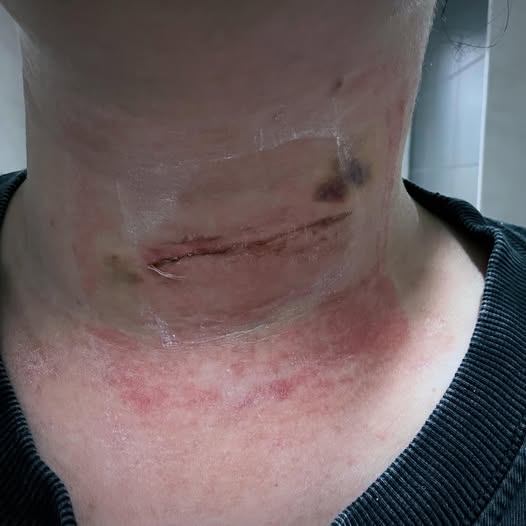
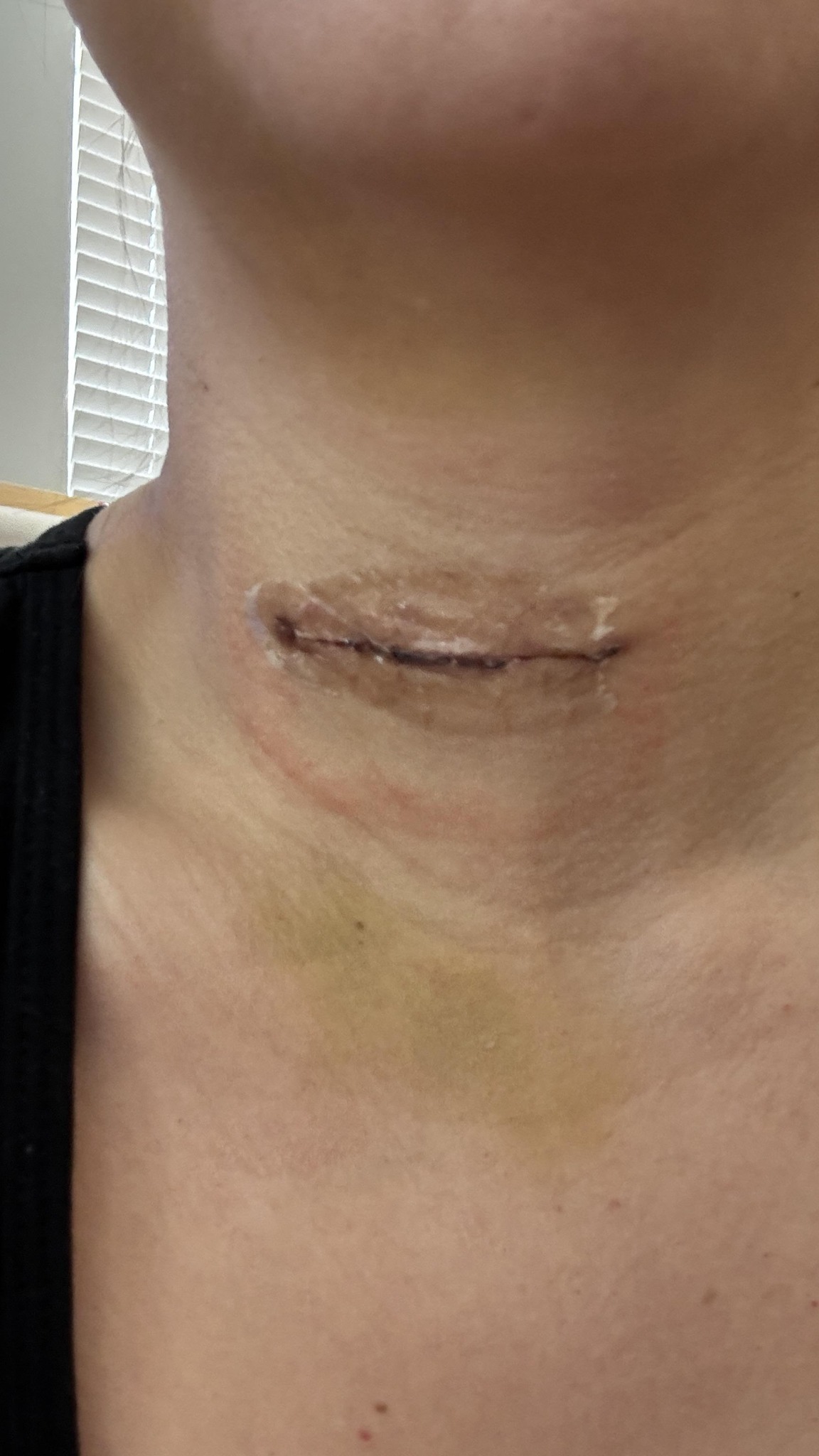
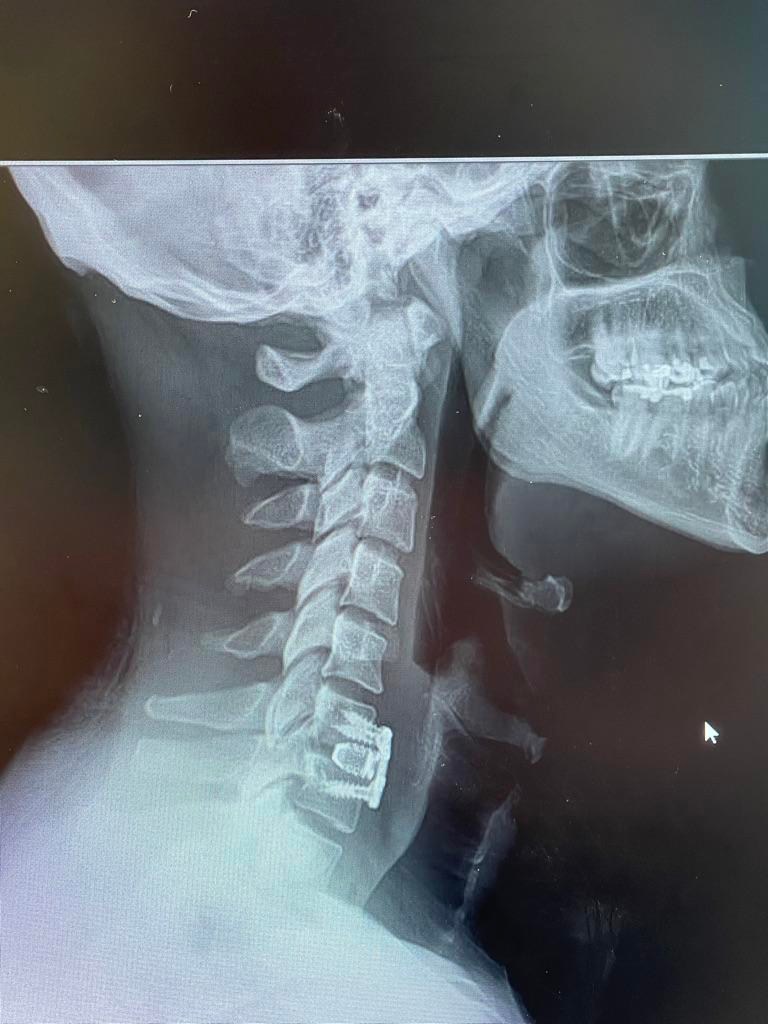
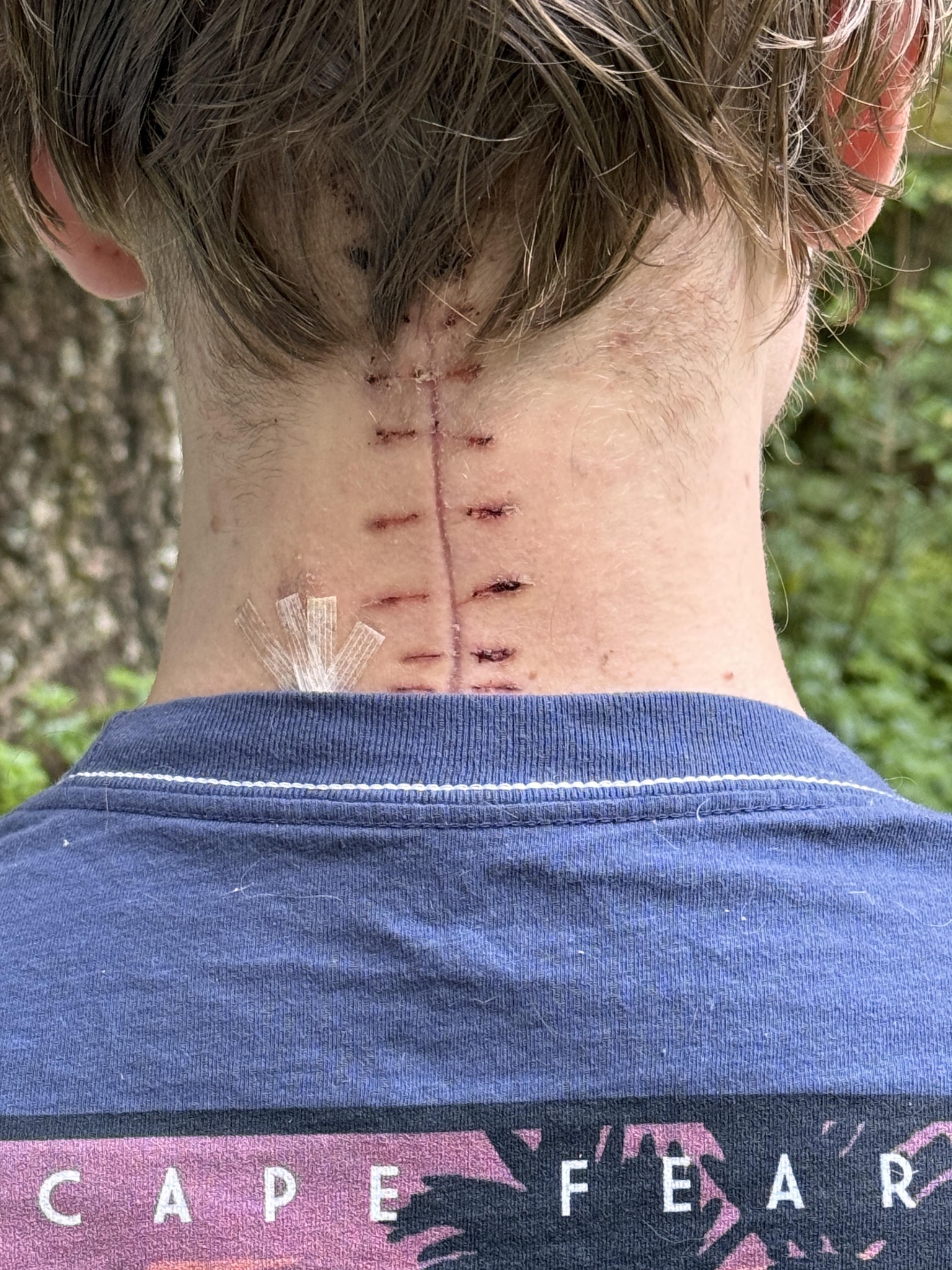
I refused cervical fusion. My surgeon said I'd regret it. Here's what happened instead. The surgeon pulled up my MRI and pointed at the screen. "C5-C6," he said. "Significant herniation. It's compressing the nerve root. That's why your arm goes numb. That's why you're dropping things. The longer you wait, the worse the damage gets." He clicked to another view. The side angle. I could see it — the disc bulging into the space where the nerve should be. The narrowing. The cord sitting right there, millimeters away from the compression. "The procedure is called ACDF," he said. "Anterior Cervical Discectomy and Fusion. We go in through the front of your neck, remove the damaged disc, and stabilize the vertebrae with a titanium plate and screws." Through the front of my neck. I felt my throat tighten. "It's routine," he said. "We do hundreds of these. You'll have a small incision right here" — he drew a line across the front of his own throat with his finger — "and you'll be back to normal activities in six weeks." I'd heard the pitch. I'd also spent three months reading the forums. Vocal cord paralysis. Difficulty swallowing that lasts months — sometimes permanently. Plates that migrate. Screws that loosen. Adjacent Segment Disease — the discs above and below the fusion breaking down because they're now carrying the load the fused segment used to handle. Twenty-five percent of ACDF patients develop it within ten years. And the one that kept me up at night: the spinal cord sits right there. Right behind those cervical discs. One wrong move during surgery and you're paralyzed. It's rare. But "rare" isn't "never." I looked at him. "What are my other options?" He shrugged. "You've tried physical therapy. You've tried injections. Conservative management has a ceiling, and you've hit it. At some point, you have to accept that surgery is the answer." I didn't accept it. I walked out of that office with my MRI films in a manila envelope and made a decision. I would try everything — every damn thing — before I let someone cut through the front of my throat and bolt my spine together with a metal plate. My surgeon said I'd regret it. I was determined to prove him wrong. I threw myself into the research. I already knew more than most. I understood the anatomy — C5-C6, the disc, the nerve root, the foramen, the spinal cord sitting right behind everything. I knew what cervical stenosis meant. I knew how a bulge becomes a herniation becomes a surgical emergency. I started with physical therapy. Twice a week for four months. Chin tucks. Cervical retractions. Isometric strengthening. Nerve glides for the arm numbness. Posture correction. Ergonomic changes at my desk. New monitor height. New keyboard position. The numbness in my arm didn't care. I went to the chiropractor. Cervical adjustments. Three times a week. I'd walk out and my neck would feel looser, lighter. The headache would ease. The tightness across my shoulders would release. By the next morning, everything was locked up again. The numbness was back. The fingers were tingling. I tried the injections again. Cervical epidural steroids. The first round gave me two weeks where the arm felt almost normal. The second round, maybe ten days. The third, I couldn't tell the difference. I bought every cervical pillow on the market. Memory foam. Water-based. Contoured. Buckwheat. I spent over $800 on pillows alone. Each one was "the one" for about three nights. Then I'd wake up at 4 AM with my arm completely dead and the headache drilling through the base of my skull. I tried acupuncture. Dry needling in my neck and trapezius. TENS units strapped to my shoulders. Muscle relaxers that made me a zombie but didn't touch the nerve pain. Nothing lasted. Meanwhile, the surgeon's office kept calling. "Have you reconsidered? We have an opening next month. The compression is significant. Waiting increases the risk of permanent nerve damage." I ignored them. But privately, I was terrified. The numbness in my right hand was getting worse. I'd been a graphic designer for twenty-two years. My hands were my career. I was dropping my coffee mug. Fumbling with buttons. My grip strength was disappearing. And every night, the same thought: What if I'm wrong? What if refusing surgery is the mistake he said it would be? What if I wake up one morning and can't feel my hand at all? I wasn't ready to give up. But I was running out of options. That was three weeks before my appointment with Dr. Ellison. She wasn't a surgeon. She was my pain management doctor — the one who'd been ordering the cervical injections. I'd been seeing her for over a year. I expected the usual. Another round of steroids. Another referral back to the surgeon. Another warning about "not waiting too long." But this time, she closed my file and looked at me directly. "I'm going to be honest with you," she said. "The injections aren't working the way they should. Diminishing returns. I could keep giving them to you, but I don't think that's the right path." I braced myself for the surgery pitch. It didn't come. "I also don't think ACDF is the right answer for you," she said. "Not yet. The complication rates are higher than surgeons like to admit. Dysphagia. Vocal cord issues. Adjacent Segment Disease. And I've seen too many patients come back with new problems at C4-C5 or C6-C7 within a few years." I stared at her. A doctor — actually saying what I'd been thinking for months. "So what do I do?" She leaned forward. "There's something I need to explain first," she said. "Something most doctors don't talk about because there's no surgical fix for it." She pulled up an image on her screen. A cervical spine. Seven small vertebrae stacked with discs between them. "After about age 40, your cervical spine starts losing magnesium," she said. "Not muscle magnesium — spinal magnesium. The magnesium that lives in your disc tissue. It's called Spinal Magnesium Depletion." I'd never heard of this. "Your cervical discs aren't just cushions," she continued. "They're made of molecules called proteoglycans that pull water into the disc and keep it plump. But these proteoglycans are magnesium-dependent. Without enough magnesium, they stop working. Your discs dry out. They flatten. They lose height. The vertebrae compress together. And in your cervical spine, that means the nerves feeding your arms, hands, and fingers get crushed." She looked at me. "This is why the chiropractor adjustments never lasted. This is why the cervical pillows didn't help. You were creating temporary alignment in a neck that couldn't hold hydration anymore. The magnesium was gone." "So what do I do? Take magnesium? I've tried that." She shook her head. "Regular magnesium won't work. Most forms get absorbed in your gut and used by your muscles. They never reach the cervical discs. Your neck stays depleted no matter how many pills you take." She reached into her desk and pulled out a bottle. "This is different," she said. "It's called Spinal Restore, from True Relief. It's specifically engineered to deliver magnesium to vertebral disc tissue — where standard supplements can't reach." I was skeptical. "How is that different from the magnesium I already tried?" "It uses three specific forms of magnesium in precise ratios," she said. "Glycinate for deep tissue penetration — it actually reaches the cervical discs. Malate to restore the vertebral endplates — they calcify with age and block nutrients from entering the disc interior. And Taurate for central nervous system delivery — which is especially critical in the cervical spine, because your spinal cord is right there. Millimeters from the compression." She told me about five patients she'd recommended it to. All five had been facing ACDF. Three had canceled surgery. One had postponed indefinitely. The fifth was still early in the process but her arm numbness had already started retreating. "One of them came back last month with a follow-up MRI," she said. "Disc height at C5-C6 had improved. The herniation had reduced. I couldn't argue with the imaging." I wrote down the name. "I'm not saying it's a miracle," she said. "But if your goal is to avoid someone cutting through the front of your throat and fusing your vertebrae with hardware, this is the best option I've seen." That night, I looked it up. I was still skeptical. I'd tried supplements. Magnesium. Turmeric. CBD. Cervical pillows. Everything the forums recommended. None of it lasted. But Dr. Ellison's explanation stayed with me. Spinal Magnesium Depletion. Proteoglycans. Vertebral endplates. I started digging deeper. And that's when I finally understood why nothing had lasted. The problem wasn't decompression or alignment. Cervical adjustments work. Creating space between the vertebrae takes pressure off the nerve. That's why I felt better walking out of the chiropractor. That's why the headache eased for a few hours. But here's what I didn't understand: My cervical discs were starving. After 40, your cervical spine enters Spinal Magnesium Depletion. The magnesium concentration in your disc tissue drops year after year. Without it, the proteoglycans that hold water in your discs fail. Your discs dry out. Flatten. Lose height. The vertebrae crush together. And in your neck — where the spinal cord and the nerve roots feeding your arms and hands live — the consequences are devastating. Creating space without restoring magnesium is like stretching a dried sponge without giving it what it needs to hold water. The moment you let go, it collapses back to its original shape. That's exactly what was happening. The chiropractor created space in my cervical spine — but my discs couldn't hold it because they were depleted. Gravity and the weight of my own head crushed everything back down within hours. The cervical pillows supported my neck in the right position — but they can't rehydrate a disc that's already dried out. The injections reduced inflammation around the nerve — but did nothing about the disc depletion causing the compression in the first place. And the regular magnesium I'd tried? It never reached my cervical discs. Absorbed in the gut, used by muscles, excreted. My neck stayed starved. I'd been chasing space without restoration. Alignment without hydration. Treating the symptom while the root cause sat there untouched. No wonder nothing lasted. When I looked at how Spinal Restore worked, Dr. Ellison's words finally made sense. It doesn't use one form of magnesium. It uses eight — in precise ratios calibrated for spinal bioavailability. But three forms do the heavy lifting: Magnesium Glycinate has the highest tissue penetration rate of any magnesium form. It bypasses the gut absorption limitations that trap other supplements and delivers magnesium directly into soft tissue — including the proteoglycans in your cervical discs. This is what reactivates the hydration mechanism that's been failing for years. Magnesium Malate targets the vertebral endplates — the thin cartilage layers that control nutrient flow into your discs. After 40, these endplates calcify and harden, blocking magnesium from entering the disc interior. Malate helps restore endplate permeability, reopening the pathway that's been sealed shut. Magnesium Taurate addresses the neurological component — and this is especially critical in the cervical spine. Your spinal cord runs directly through the cervical vertebrae. The nerves that control your arms, hands, and fingers branch off here. Taurate is one of the few forms that crosses into neural tissue, ensuring magnesium reaches the cervical spinal column — not just the surrounding muscles. This formula was engineered specifically for spinal health. The forms matter. The ratios matter. The delivery pathway matters. Generic magnesium — even "high quality" magnesium — won't reach your cervical discs. It gets absorbed elsewhere and your neck stays depleted. Spinal Restore was designed to go where your spine needs it most. When your cervical discs finally receive the magnesium they've been starved of, they begin to rehydrate. The proteoglycans reactivate. The discs plump back up. The compression that's been crushing the nerves feeding your arms and hands starts to reverse — from the inside out. I ordered it that night. Three days later, it arrived. First week: subtle. I slept a little deeper. Woke up without the usual headache. My neck wasn't as locked up in the morning. Nothing dramatic — but something was shifting. By week two, the numbness in my arm changed. Not gone. But the tingling in my fingers wasn't constant anymore. It would come and go instead of screaming all day. Like someone turned the volume down. I didn't trust it. I'd felt "better" before. By week three, I picked up my coffee mug without thinking about it. Didn't grip it with both hands. Didn't brace. Just picked it up. My wife saw it before I did. "You just did that with one hand," she said. By week four, I worked a full day at my desk without the headache. First time in over a year. By week six, I realized I hadn't thought about my neck in two days. Hadn't adjusted my pillow. Hadn't rubbed my shoulder. Hadn't shaken out my hand to get the feeling back. It's been five months now. I turn my head to check my blind spot when I drive. Without thinking. Without bracing. Without the grinding and the catch. I sleep through the night. On any pillow. In any position. My grip strength is back. I hold a pen. I use my mouse. I carry groceries. I open jars. My hands work again. No plate in my throat. No screws in my vertebrae. No scar across the front of my neck. No months of difficulty swallowing. No voice changes. No Adjacent Segment Disease at C4-C5. None of it. I got my life back. Last month, I went back to Dr. Ellison for a follow-up MRI. She pulled up the images. Compared them to the ones from six months ago. "The herniation at C5-C6 has reduced significantly," she said. "Disc height has improved. Whatever you're doing, keep doing it." I smiled. A few weeks later, I ran into my surgeon at the pharmacy. He recognized me. Asked how I was doing. "Great," I said. "Never got the surgery." He looked surprised. "And your neck?" "Better than it's been in years." He didn't say anything. Just nodded. I walked away smiling. He said I'd regret refusing surgery. I don't. If you've been where I was... The surgeon pushing ACDF. The injections wearing off. The chiropractor adjustments that don't last past morning. The pile of cervical pillows that didn't fix anything. The supplements that did nothing. The numbness spreading down your arm. The headaches that never stop. The forums full of horror stories — vocal cord damage, swallowing problems, plates that shift, screws that loosen, the disc above the fusion failing within years. The fear of someone cutting through the front of your throat. The fear of paralysis. The fear of waking up worse. And the voice in your head asking: What if refusing surgery is a mistake? You're not crazy. You're not in denial. You're not "non-compliant." You're right to be skeptical. The body can heal itself — if you give it what it's been missing. The problem is that everything you've tried only addresses the symptom. Alignment without hydration. Inflammation reduction without addressing depletion. Temporary relief that gravity and the weight of your own head crush back down. But here's what I learned: there's another way. Spinal Restore delivers the specific forms of magnesium your cervical spine actually needs — in ratios calibrated for spinal bioavailability. At home. No surgeon. No plate. No screws. No scar on your throat. True Relief offers a 90-day guarantee. Three full months to test it yourself. Because real disc restoration takes time — and they know it works. Track it yourself. The way you already track everything. Is the numbness in your arm fading? Can you grip without thinking? Are the headaches quieter? Can you turn your head without the grinding? You'll feel the first shifts within the first few weeks. You'll know within the first two months. Right now, True Relief is offering 60% off. https://true-relief.co/pages/listicle-v4 You've done the research. You've read the horror stories. You've refused to accept "surgery is your only option." You were right to refuse. Now prove them wrong. The body can heal itself — if you give it what it's been missing. You deserve to get your life back. Without the knife. Without the plate. Without the regret. Just the right formula.
Like this ad? Make it yours.
Crush rebuilds this exact creative around your product — your brand, your colors, your offer — in about a minute.