
Active· since May 19, 2026
- 125
- days running
- 1
- relaunches
Ad copy
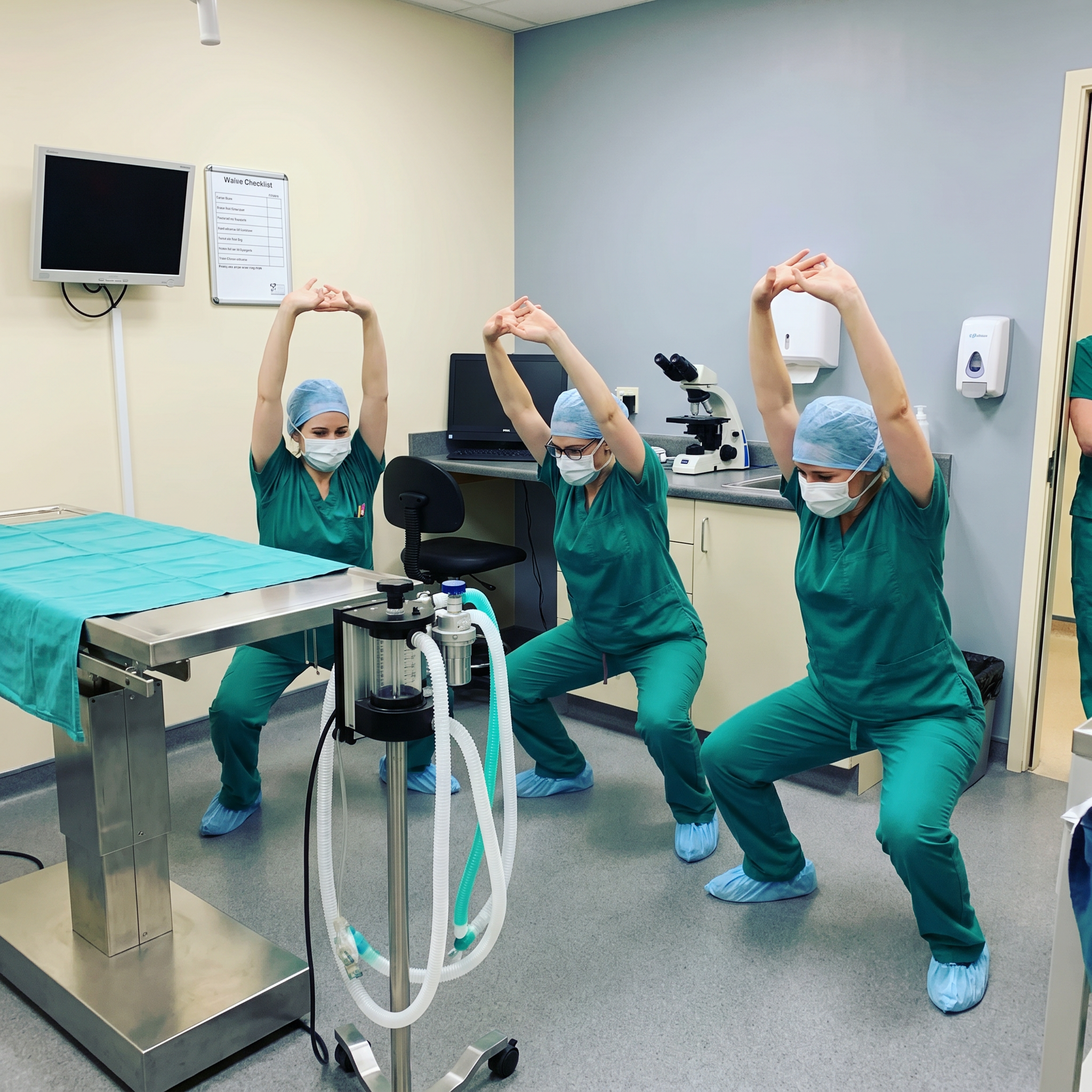
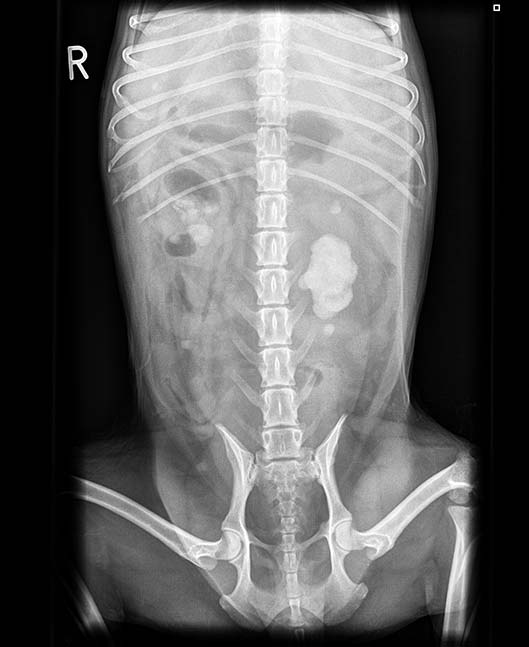
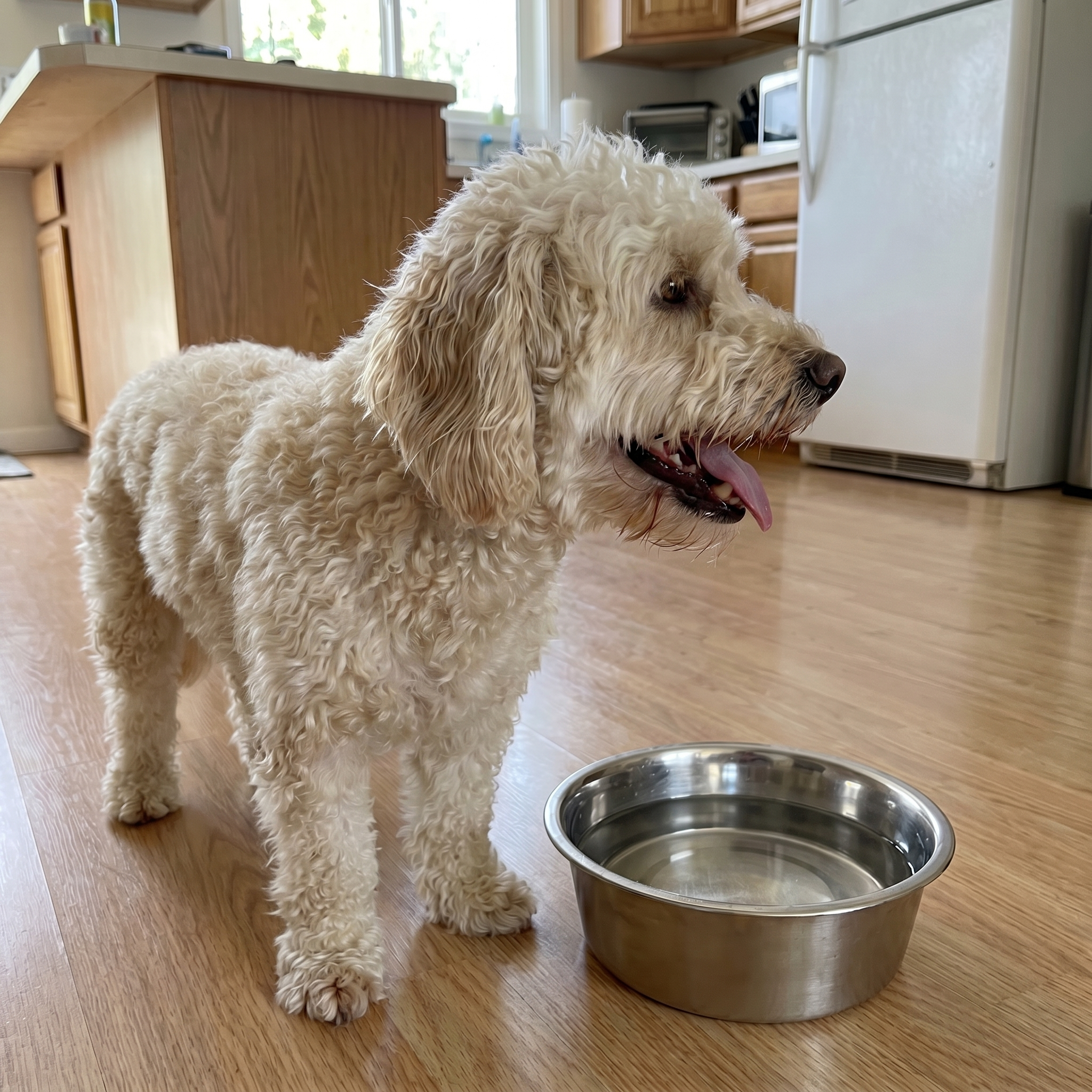
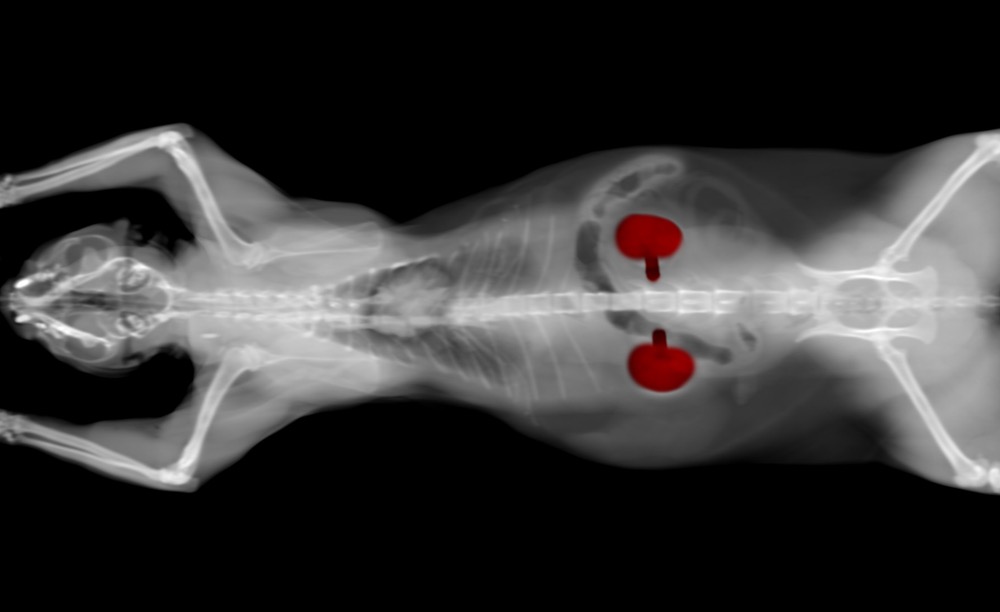
I'm a veterinarian. I've spent 12 years watching kidney disease quietly destroy dogs from the inside while their owners had no idea anything was wrong. The first thing you learn in vet school is that chronic dehydration is what sets it up. Then I traveled to Japan. The country with the longest-living dogs on earth. What I found there broke everything I thought I knew. Let me back up. I run a general practice. Dogs come through my door every day. Wellness exams. Sick visits. Senior bloodwork. The full range. By the time a dog gets to me, I already know what the chart is going to say. Because it almost always says the same thing. Owner reports the dog seems tired. Not as playful. Sleeping more. Owner reports the dog is drinking from the toilet. Lapping at puddles on walks. Going crazy when the hose comes out. Owner reports occasional vomiting. Not eating well. Owner reports the dog seems "off" but they can't say why. I run the senior bloodwork. And I find it almost every time. Elevated kidney values. Not catastrophic yet. Not full kidney failure. Just enough to flag. Just enough to mean the damage has been quietly building for years before anyone noticed. By the time those numbers show up on the printout, the dog's kidneys have often lost 65 to 75 percent of their function. And that loss is permanent. Five years of refilling the bowl. Five years of "she drinks when she's thirsty." Five years of slow, silent damage. And the owner sitting across from me has no idea. This is what I see every week. It never changes. The bloodwork is always the same. The owner's confusion is always the same. The slow damage is always there. Behind the scenes. Waiting. So when I noticed something strange about one of my oldest patients last year, I had to dig in. Because something had been bothering me for a while. Something I couldn't explain with anything I'd learned in 12 years of practice. Her name is Mrs. Tanaka. She's 78 years old. Lives alone. Her dog is a 16-year-old shiba inu named Yuki. Sixteen. For a shiba, that's well past life expectancy. Most shibas I see start having serious health problems around 12. Kidney disease. Heart issues. Arthritis so bad they can't walk. By 15, most of them are gone. But Yuki is sharp. Bright-eyed. Walks into my office like she owns the place. Her bloodwork at her last senior wellness was the cleanest I've seen in any dog her age. Kidneys looked like a 4-year-old's. That makes no sense. Based on my training, Yuki should be in the same shape as every other dog her age I treat. She should have the same elevated values. The same slow decline. Not less. I needed to understand why. So I asked Mrs. Tanaka what she was doing. She smiled. Sat down on the bench in my exam room. And told me something that changed how I think about canine hydration completely. She told me about her grandmother in Japan. How her grandmother kept dogs that lived into their late teens and early twenties. How every dog in her village did. And how every one of those dogs drank from a small running stream in the garden. Never from a bowl. "My grandmother taught me," she said. "Dogs are not meant to drink from still water. Their bodies know it is wrong. They will drink, but not enough. And the water sits and grows things you cannot see. We never gave our dogs still water. Only moving." When she came to America 50 years ago, she had a dog. She tried using a normal water bowl. The dog wouldn't drink. She remembered what her grandmother taught her. So she set up a small pump in a ceramic dish on her kitchen floor. Moving water. Always. Every dog she has owned in 50 years has drunk from moving water. Not one of them has had kidney disease. Not one. I sat there staring at her. I have a doctorate in veterinary medicine. I've spent 12 years treating dogs for exactly the conditions her dogs never get. And this 78-year-old woman just described in one sentence the exact thing I'd been seeing on bloodwork for over a decade. Like it was obvious. I went home that night and started pulling research. What I found changed how I practice medicine. Dogs evolved from wild canids that drank from streams, rivers, and rainfall. Moving water meant safe water. Their bodies have known this for 15,000 years. Standing water meant contaminated water. In the wild, that's where bacteria grow. Where parasites breed. Where animals get sick. So evolution gave dogs a powerful instinct. Avoid still water when you can. Most dogs will still drink from a bowl. They're domesticated. They've learned to. But they don't drink enough. Studies have shown dogs drinking from still bowls consume significantly less water than they actually need. Often 30 to 40 percent below optimal intake. That's not a problem on day one. Or week one. Or even year one. But over years, chronic mild dehydration grinds down the kidneys. Concentrates the urine. Stresses the bladder. Sets up the slow degeneration I see on senior bloodwork every single week. By the time I find it, the damage is already done. The bowl isn't broken. The bowl is the problem. That's the truth I had to swallow. Standing water in a bowl is fighting your dog's biology every single day. Around this same time, I had a problem at home. My own dog is a goldendoodle named Murphy. He's 4 years old. Healthy. Playful. Loved by my kids. But Murphy walked past his water bowl all day long. He'd take maybe two sips and walk away. The second the bathroom door opened, he'd race in and lap from the toilet. The garden hose? He went crazy for it. I'd been telling myself for years it was just his personality. Picky dog. Quirky habit. After my conversation with Mrs. Tanaka, I sat in my kitchen on a Sunday afternoon and watched Murphy. He walked past his bowl seven times in two hours. The water was clean. I'd just refilled it. It looked fine to me. But Murphy wouldn't touch it. He wasn't being picky. He was telling me, in dog language, that the still bowl was wrong. He'd been telling me for four years. I just hadn't been listening. That night I went into my office and started researching dog water fountains. I figured this should be easy. Get a fountain. Problem solved. It was not easy. The first fountain I bought was a plastic model from a major pet retailer. Forty-two dollars. Reviews looked good. Murphy drank from it for two days. Then I noticed a pinkish ring developing around the pump housing. Biofilm. The exact thing I tell my clients to watch for in their dog's ears and gums. Within three weeks, the pump started making a high-pitched whine. By month four, it had died completely. I bought a second fountain. Ceramic this time. Seventy-nine dollars. Lasted five months before the base cracked at the seam and leaked water across my kitchen floor twice. Third fountain. Sixty-five dollars. Marketed as "vet-recommended." As a vet, I can tell you. Nobody asked me. It lasted almost a year. Then I disassembled it for a deep clean and found pink slime coating the inside of a silicone tube I couldn't reach with any brush. I threw it out. I sat at my kitchen table that night with three dead fountains and Murphy drinking from the toilet again. I'm a veterinarian. I research evidence-based medicine for a living. And the consumer pet fountain category had failed me three times in a row. That's when I called my friend David. David is a veterinarian too. We went to vet school together. He's been in practice as long as I have. Six months earlier, he'd mentioned he was working on something on the side. "You said you were building a fountain," I said. "What's the status?" He laughed. "I've been waiting for you to ask. Come over Saturday." David had a prototype on a workbench in his garage. It looked nothing like the plastic fountains I'd been buying. A single piece of brushed stainless steel. Heavy. Solid. The kind of build quality you see on commercial kitchen equipment. He picked it up and handed it to me. It felt like a tool, not a toy. "304 medical-grade stainless steel," he said. "Same grade they use for surgical instruments." He walked me through it. Three parts total. Not eight. Not twelve. Three. Reservoir, pump, lid. Every surface reachable. Every surface cleanable. Dishwasher safe. Or you could boil it. A faucet-style stream that triggered the moving-water instinct Mrs. Tanaka had told me about. A three-layer filter. Activated carbon. Ion-exchange. Mechanical filtration. Removing chlorine, heavy metals, hair, sediment. Everything cheap fountains don't touch. Whisper quiet. He plugged it in. I could barely hear it. Under 25 decibels. Quieter than a whisper. And completely wireless. Thirty days on a single charge. No cord across the floor. I asked him why nothing else on the market looked like this. His answer was the part that stuck with me. "Because the pet fountain industry doesn't actually want to solve this. The business model is built on cheap plastic fountains that die in 8 months so you buy another one. Disposable garbage. The whole category. I got tired of recommending fountains to my clients and watching them come back six months later asking what to buy next." I asked him why he didn't just sell it through normal pet retailers. "Same reason. Most pet retailers don't want a product that lasts. They want repeat customers. So we sell direct." I took the prototype home that night. Set it up in the kitchen. Murphy walked over within a minute. Sniffed it. Then he drank for almost 45 seconds straight. I stood there in my pajamas in my kitchen at 11pm watching my dog drink. And I knew. I'd just watched four years of bad bowl habit unwind in 60 seconds. I called David the next morning and asked to come on as a co-founder. That's how I ended up doing this. When I went back through the science, everything Mrs. Tanaka had said lined up with what I'd been reading about hydration physiology my entire career. There are two separate problems with how most dogs get their water. One is biological. Bacteria. Biofilm. The pink slime. The hidden microbial growth that builds up in the pump, the tubes, the crevices of any plastic fountain. Dogs can taste it. We can't. Within weeks, a plastic fountain has more bacteria than the bowl it was supposed to replace. Two is chemical. Chlorine. Heavy metals like lead and copper from old pipes. Pharmaceutical residues that municipal water treatment doesn't fully remove. Your dog is drinking all of this every day. It's invisible. But the kidneys and liver have to filter it. Year after year. A fountain that only addresses problem one is half a solution. A fountain that only addresses problem two is half a solution. Mrs. Tanaka's grandmother had figured out the answer a hundred years ago. Running water. Always moving. Catching nothing. David and I just built the modern version. The brand we built is called Good Origins. 304 medical-grade stainless steel that bacteria can't stick to. That's step one. The three-layer filter that pulls chlorine, heavy metals, hair, and sediment out of the water. That's step two. Stainless and filtration. Working together. Clean and moving. No guessing. No biofilm. No fountain that breaks in 8 months anyway. It's the modern version of what every ancient water-keeper figured out before plastic ruined the category. Starts at $99. Full 30-day money-back guarantee. No cheap plastic fountain that dies before it's paid for itself. I changed how I practice after this. When an owner brings in a dog over 8 years old now, I have a conversation I never used to have. I ask about their water setup. I ask if the dog drinks from the bowl voluntarily, or only when refilled. I ask how often they actually see the dog drinking. The answers are always the same as what I used to give myself. He drinks when he's thirsty. I refill the bowl every day. She likes the toilet. He's always been a picky drinker. I used to nod and move on to the next item on the wellness checklist. Now I tell them the truth. Your dog is probably under-hydrated. Has been for years. And it's quietly stressing the kidneys we'll be looking at on bloodwork in a few years. Some of them push back. My last dog drank from a bowl and lived to 13. I tell them that's true. And I also tell them their next dog could live to 16. Like Yuki. Which brings me back to why I'm telling you this. Your veterinarian spent four years in vet school. We learned a lot. But the thing we didn't learn at the level of detail we should have is how much daily hydration shapes the slow trajectory of canine kidney health. We were taught to look at acute presentations. The crisis cases. The dog who comes in already in renal failure. We weren't taught to look upstream. To ask whether the dog has been quietly under-drinking for five years because the water bowl in their kitchen is the wrong vessel for their biology. I missed it on hundreds of patients before Mrs. Tanaka and Yuki forced me to look at it. I'm not the only vet missing it. Most of my colleagues are missing it too. Not because we're bad doctors. Because we were trained to react to crisis rather than prevent slow decline. That's why dogs with three years of mild bloodwork drift end up on my exam table with stage 3 kidney disease. Not because their owner failed them. Not because their vet failed them. Because the system is designed to find the disease, not prevent the dehydration that's setting it up. And the consumer fountain industry has made it worse. Selling cheap plastic disposable fountains that grow biofilm and fail in months. Training owners to expect failure. Pushing them back to the bowl every time. David and I built Origins because we got tired of being the last stop in a chain that should never have started. I still see senior dogs every week with the same bloodwork. I still find elevated kidney values in patients whose owners said everything looked fine at home. I still walk through the same conversation about diet and medication and supplements that probably won't be enough. And now I think about Mrs. Tanaka every time. Seventy-eight years old. Walking her 16-year-old shiba into my office twice a year for bloodwork that looks like a 4-year-old's. Because she figured out something fifty years ago that most American dog owners never get told. Yuki will never end up on my exam table with stage 3 kidney disease. She just won't. While my American patients with bowls in their kitchens come in year after year with values that creep up and up and up. If your dog walks past their water bowl every day. If they drink from the toilet or the sink or the garden hose. If your last vet visit mentioned anything about kidney values being "a little high." If they're a senior and you've started noticing they sleep more, eat less, slow down. Those aren't separate problems. Those are signals. Your dog has probably been mildly dehydrated for a long time. And the bowl in your kitchen is the reason. But Origins is a small company and we sell out constantly. If you click and we're out of stock, sign up for the restock notification. It's worth the wait. Stop fighting your dog's biology. Almost forgot the link. Here it is: https://goodorigins.shop/pages/origins-10-reasons-why?
Like this ad? Make it yours.
Crush rebuilds this exact creative around your product — your brand, your colors, your offer — in about a minute.