The Small Print Health
The Small Print Health Facebook ad: “Read This If Nothing Is Working For Your Dry Eyes”
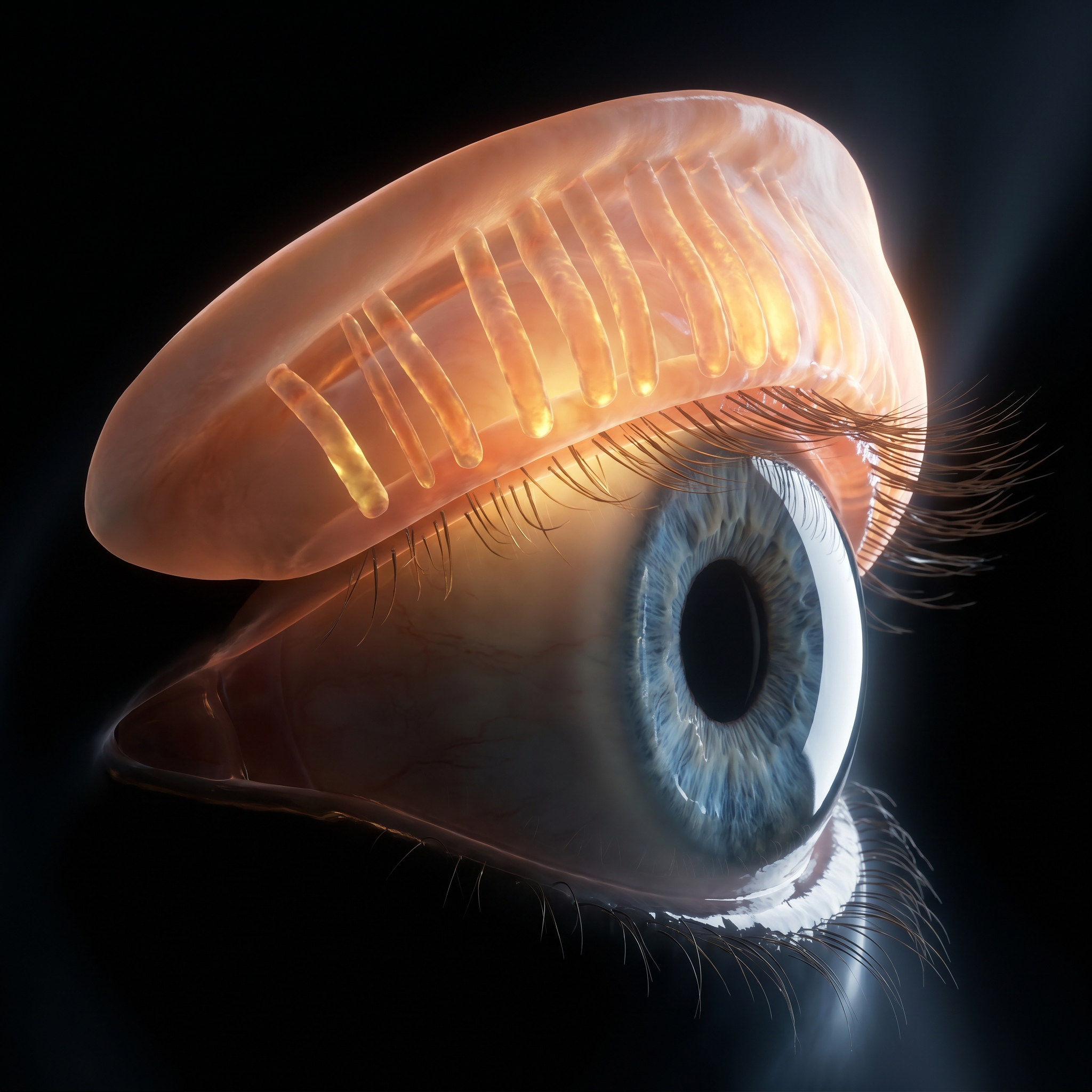
Ran for 47 days, from May 15 to July 1, 2026, the last day Crush saw it.
Run by The Small Print Health on Facebook. Crush is not the advertiser and does not verify its claims. See this ad in Meta's Ad Library(opens in a new tab)
Want an ad like this for your product?
Crush makes new ad images for your product from this ad: your logo, your product photo, your offer.
Trials from $19.95 USD, then $79.95 USD a month. Cancel anytime.
About this ad
- Meta Ad Library ID
- 2003080297234580
- Platforms
- Facebook, Instagram, Audience Network, Messenger and Threads
- Relaunches
- 0
Ad text
I'm going to say something that no woman in perimenopause wants to hear, and I'm done caring whether it upsets anyone. Switching to a different brand of eye drops is not going to save your eyes. Not Refresh. Not Systane. Not Xiidra. Not the $580 Restasis prescription your ophthalmologist swore would work. NONE OF IT WORKED. I know because I tried all of it. Every drop. Every gel. Every prescription. For three years. And in February, I tore my cornea trying to pry my eyelid open at 4 AM. Forty-nine years old. Permanent scar. Because I spent three years treating a surface problem that was never a surface problem. And the worst part? My right eye is doing the exact same thing now. Same morning crust. Same velcro. Same panicked, slow-motion pry. And I almost let it happen all over again last month. Because I was still listening to the same garbage advice that scarred me in the first place. I'm done being polite about this. If you're waking up with your eyes glued shut and you're posting in a Facebook group asking which drops to try next, you are wasting time your eyes do not have. Read this entire post. Every word. Because the answer is in here, and it is NOT another bottle of Refresh. My name is Sarah Mitchell. I'm 49. I live in Portland with my husband David. Five years ago, my eyes were unremarkable. They worked. I wore contacts to my wedding. I read books in bed until 1 AM. They were just… my eyes. Now they're something else. My left eye has a permanent scar on the cornea. A thin vertical white line. It started with morning velcro. It ended in February when I tore it. My right eye still works. Mostly. But it's started the same pattern. Morning crust. Stinging by 3 PM. Watering for no reason on the freeway. Two eyes. Same body. Same problem. Same slow decline. Every single morning. For me, it started about three years ago. I'd wake up at 5 AM and my left eyelid would be welded to my eyeball. Not stuck. Welded. Like someone had glued my eyelashes to my cheek overnight. I'd lie there in the dark working my fingertip under my eyelid to pry it open. Sometimes I'd hear a faint tear. A sound my eye should not be making. I called my eye doctor. "It's probably just dryness from screen time. Try Refresh Optive Advanced Preservative Free. The single-use vials." So I bought them. $32 at CVS. For the first week, it seemed to work. My eyelids unstuck a little faster. I thought: finally. Problem solved. Then the drops stopped working. By month three the drops were only working for 90 minutes at a time. I had a bottle in my purse, a bottle on my desk, a bottle in my nightstand, a bottle in my car. I posted in a Reddit thread. "Refresh isn't cutting it anymore. What do I try next?" Everyone had suggestions. "Try Systane Ultra — the thicker formula." "Try Optive Gel at night." "Try Retaine MGD — it's for the oil layer." "You need a prescription. Ask for Restasis." So I tried. Systane Ultra. Optive Gel. Retaine MGD. Restasis at $580 a quarter for six months. Xiidra when Restasis stopped working. Bruder heated mask. Eyelid wipes. Punctal plugs at $400 a session. I spent over $2,800 on dry-eye products in two years. My eyes got worse anyway. And other things started changing too. My skin felt like paper. My mouth was dry constantly. My nasal passages cracked and bled some mornings. My hair felt different. My nails started splitting. I felt like I was 80 in a 49-year-old body. Like nature had abandoned me because I couldn't make babies anymore. I stopped wearing contacts entirely. I'd worn them since I was 16. Thirty-three years. Gone. I stopped reading at night. I stopped going to the movies. I stopped looking at myself in the mirror after 8 PM, because by then my eyes were red and watering and I didn't recognize the woman looking back. I went back to my ophthalmologist in January. The third visit in eight months. "My eyes are getting worse. Restasis didn't help. Xiidra didn't help. I'm using drops every 30 minutes and my eyes still feel like they have sand in them by 2 PM." She nodded the way doctors nod when they don't have an answer. "This happens with age, especially in women. We can try a short course of steroid drops. Keep up with the heated mask." I asked her if it could be hormonal. "Maybe. Some women see improvements on HRT." That was it. No tests. No questions about my mouth or my skin. No mention of meibomian glands. Just: this happens with age. Try a steroid. I went home and cried in the car for 20 minutes before I drove. And then in February, the worst night happened. I'd taken half a Benadryl the night before for a sinus thing. I didn't think about my eyes. I just went to bed. At 4:17 AM, I woke up to use the bathroom. My left eye was completely sealed shut. Not stuck. Sealed. Like the eyelid and the eyeball had become one piece of tissue. I sat up in bed in the dark and tried to open it. It wouldn't move. I went into the bathroom, ran warm water on a washcloth, pressed it to my eye for two minutes, and tried again. This time it opened. But I felt something tear. A sharp, deep, scraping pain. The pain was so bad I dropped to the bathroom floor. David heard me hit the tile and came running. He drove me to the urgent care eye clinic at 5:30 AM. The doctor on call put a fluorescein drop in my eye and looked at it under the blue light. "You tore your cornea. Two millimeters across. We see this in women your age with chronic dry eye — the eyes get so dry overnight that the eyelid adheres to the cornea. Be very careful when you wake up." He gave me antibiotic drops. A bandage contact lens. "It'll heal in about a week. But it'll scar. You'll probably have a thin permanent line in your visual field for the rest of your life." I paid the bill. $740 with insurance. David drove home in silence. I couldn't stop thinking: I saw it. I SAW IT. For three years, I watched my eyes do this. The morning velcro. The crust. The fear of opening them. The dryness that got worse no matter what I tried. And everyone told me it was normal. "This happens with age." "Try a different drop." "Try more fish oil." "Some women just have dry eyes." But it wasn't normal. My body was screaming for help. And by the time I understood what it meant, my cornea was already scarred. The worst part? My right eye was doing the exact same thing. Crust in the corner. Velcro by morning. Stinging by 3 PM. I knew what was coming. I knew my right eye was going to scar the same way my left one did. And I couldn't let that happen. I spent the next two weeks obsessively researching. I joined every menopause subreddit. I read every thread on r/menopause and r/perimenopause about dry eyes. I watched YouTube videos from menopause specialists. And I kept seeing the same terrifying pattern. Eye doctor says it's screen time → woman tries Refresh → still dry → tries Systane → tries Restasis for six months → can't tolerate Xiidra → buys a Bruder mask, eyelid wipes, plugs, omegas → spends $2,000-$5,000 → eyes keep getting worse → some give up contacts → some scratch a cornea → almost all of them eventually find out it was hormonal the whole time. The dry eye wasn't just dry eye. It was the first warning sign. And I'd ignored mine for three years. Then, buried in a thread on r/Menopause at 2 AM, I found a comment that changed everything. A woman wrote: "Had peri dry eye for four years. Tried every drop. Finally tried astaxanthin. Six weeks in, the morning crust was gone. Haven't used drops since." Astaxanthin. I'd seen the word on antioxidant labels. I knew it was the pigment in salmon. I had no idea it had anything to do with eyes. I googled. There were studies. Forum posts. A few podcasts. All saying the same thing: women with hormonal dry eye were getting better on astaxanthin. I didn't understand the science. I didn't know how it worked. I just knew: other women's dry eyes got better when they took it. That was enough for me. I went on Amazon that night and bought the highest-reviewed astaxanthin I could find. $19.99. 60 capsules. "Eye Health Support." 4mg per capsule. It arrived two days later. I started taking one with my coffee every morning. Week one: No change. Week two: No change. Week three: My right eye stuck shut three mornings in a row. Week four: I was sitting in my backyard at 7 AM, holding a cold compress to my right eye, crying. Watching the same pattern unfold all over again. My neighbor, Dr. Eleanor Reyes, came over the fence to drop off a Tupperware of soup. Eleanor is 71. She's a retired ophthalmologist. She ran the cornea and dry eye clinic at a major teaching hospital for 28 years before she retired in 2020. She's been our neighbor for six years. She saw me crying with a cold compress on my eye. "Sarah? Honey, what's wrong?" I told her everything. The scar. The drops. Restasis. Xiidra. The Bruder. The plugs. The Amazon astaxanthin. The four weeks of nothing. "I found something about astaxanthin online," I said, showing her the bottle. "I've been taking it for four weeks and it's not working. My right eye is starting to stick shut. I don't know what to do." Eleanor took the bottle from my hand and looked at the label. Her face changed. "Oh, honey. This is garbage. No wonder it's not working." She sat down on the patio chair across from me. "Can I tell you something? Something I learned in 28 years running a dry eye clinic for women in their 40s and 50s?" I nodded, wiping my eyes. "You were right. Astaxanthin can help. But this supplement?" She held up the Amazon bottle. "This isn't real astaxanthin. Or at least, not enough of it. And not in a form your body can use." "What do you mean?" She settled into the chair. "Let me explain what's actually happening in your eyes. Your tears aren't just water. They have three layers — a thin mucin layer, a water layer, and on top, a microscopic oil layer that keeps everything from evaporating. The oil layer comes from glands inside your eyelid. They're called meibomian glands. When estrogen drops in perimenopause, those glands get inflamed. The oil they produce gets thicker, clogs the gland, and the oil layer on your tears thins out. Your tears start evaporating in seconds instead of minutes. That's why drops feel good for 20 minutes and then leave you worse than before. You've just rinsed away the bit of oil layer you had left." "And that's why my eyelid stuck to my eye?" "When there's no oil layer, your eyelid sits directly on your cornea overnight. With nothing between them. The two surfaces literally adhere. That's how you tore yours." I thought of the white scar. "But I tried everything. Drops. Restasis. Xiidra. Plugs. Masks. Wipes. Omegas." "And none of it could reach the gland tissue. That's not your fault. That's the design of the products." She counted off on her fingers. "Eye drops add water to the surface — but you don't have a water problem. You have an oil problem. Restasis works on tear production — but you produce plenty of tears. They just evaporate. Xiidra works on inflammation receptors on the eye surface — but your inflammation is inside the eyelid, in the gland tissue. Heated masks soften surface gland blockages — but don't reach the inflammation underneath. Eyelid wipes clean the lash line — but can't penetrate to the gland body. Punctal plugs trap your tears — but don't fix the quality of your tears. Fish oil helps a little — but doesn't concentrate in eye tissue. Even HRT raises systemic estrogen — but the gland tissue often needs targeted antioxidant support to fully recover." She paused. "Everything you went through these three years — the morning velcro, the contacts you gave up, the cornea you tore — it wasn't separate events. It was a slow cascade. Your gland tissue was failing for three years straight. Your body was telling you the whole time. Drops can't quiet that. They can only mute it for twenty minutes at a stretch." My stomach dropped. "And no one told me. Not one doctor." "Most ophthalmologists were trained in an older model of dry eye — one focused on tear production rather than gland function. So women come in with gland inflammation, get sent home with drops that can't reach it, and are told to come back in three months. You didn't fail, Sarah. The drops did. They were never designed to reach the place the inflammation actually lives." She reached over and squeezed my hand. "You didn't know. How could you have known? The entire dry-eye industry — the drop brands, the mask makers, the prescription manufacturers — they all profit from a chronic problem that has an internal solution. Why would any of them tell you?" I put my face in my hands. "For three years. Every doctor. Every drop. Every prescription. And none of it could ever have worked." "None of it could ever have worked. I'm sorry, honey." "So the supplement was the right idea?" "The right molecule. But this brand?" She tapped the Amazon bottle. "I ordered three of these for the clinic five years ago for a lab analysis. Sent them to the lab we used for trial verification. One. It was synthetic astaxanthin. Made from petrochemicals. Synthetic astaxanthin has a different molecular structure than the natural form. Your body absorbs a fraction of what it absorbs from natural. Two. It was 4 milligrams per capsule. The clinical research dose for meibomian gland support is 12 milligrams. So even if it had been the right form, you were taking a third of a therapeutic dose. Three. It was dry powder in a hard capsule. Astaxanthin is fat-soluble — it needs to be carried in oil to absorb. Dry-powder astaxanthin passes through your gut mostly intact. The same dose in an oil-based softgel absorbs significantly more efficiently. So you weren't getting 4mg of usable astaxanthin per day. You were getting a fraction of a fraction of that. Of the wrong form." "No wonder I felt nothing." "No wonder. And every day you take this stuff is another day your right eye spends eight hours overnight sitting against a cornea with no oil layer to protect it." Eleanor stood up. "Hold on. Let me get something." She went into her house and came back two minutes later with a small dark bottle. "This is what I started recommending to my dry-eye patients in the last two years before I retired. Celvara. 12 milligrams of natural astaxanthin per softgel. 120 softgels per bottle. The exact dose used in a 60-patient clinical trial for tear film and eyelid oil quality." I took the bottle from her. "How is it different?" She listed it the way she'd listed differential diagnoses for 28 years. "One. It's natural astaxanthin from Haematococcus pluvialis — microalgae cultivated for its astaxanthin content. In its natural esterified form. Not synthetic. Your body recognizes it. Two. It's delivered in a sunflower oil softgel — a lipid carrier. Astaxanthin is fat-soluble, so the oil carrier increases absorption significantly over dry-powder capsules. So 12mg in a lipid-based softgel delivers far more usable astaxanthin than 40 or 50mg of cheap powdered astaxanthin would. Three. It's a single ingredient. No fish oil hiding the dose. No proprietary blends. Every ingredient disclosed. And astaxanthin is 6,000 times stronger than vitamin C and 800 times stronger than CoQ10 at quenching the oxidative stress that inflames meibomian glands. Nothing else in the supplement aisle is even close." "And it reaches the gland tissue?" "Astaxanthin is one of the only carotenoids in human diet that crosses the blood-retinal barrier — the wall that keeps most molecules in your bloodstream out of eye tissue. Vitamin C can't cross it. Vitamin E can't. CoQ10 can't. Once astaxanthin's through, it concentrates in the lacrimal glands and meibomian glands. The exact tissue that's inflamed in you. That's what the 60-patient trial measured — tear film stability and oil gland function at this 12mg dose. Both improved measurably." "How long?" "Weeks 1 and 2 are cellular activation — the antioxidant integrates into your cell membranes. You won't feel obvious changes yet. Weeks 3 and 4 are when tear film stability starts to improve. Your mornings change. You reach for drops less often. By week 8, gland function is in active recovery." "And if I'm already on HRT?" "It works alongside HRT. Many of my patients took both." "And if my left eye is already scarred?" She looked at me kindly. "The scar on your cornea is permanent. That part won't change. But your right eye does not have to follow it." I held the bottle in my hands. "Is it safe?" "You're already eating astaxanthin in salmon, shrimp, and krill. Your body has been processing it from food for as long as humans have eaten seafood. At the 12mg supplemental dose, it's been used in clinical trials without adverse events." She pressed the bottle into my hands. "Start it today, Sarah. And don't blame yourself for these three years. Your eye doctor should have known about meibomian gland dysfunction. The drop companies should have stopped marketing surface treatments for an internal problem. But they don't, because they make billions selling drops to women whose glands are failing. They profit from the cycle." I started Celvara that day. For the first two weeks, nothing obvious changed. My right eye still stuck some mornings. I was terrified it wasn't going to work — that I was too late, that the inflammation was already too deep. But around day 16, I noticed something. I woke up. My eyes opened normally. No velcro. No pry. Just… opened. I didn't even notice it at first. I was halfway through making coffee before I realized. Week three: my eyes felt different by evening. I made it to 9 PM without reaching for a drop bottle. Week four: I read a book in bed for an hour. I hadn't done that in two years. Week six: my right eye hadn't stuck shut in eleven days. The morning crust was gone. The panic was gone. Other things changed too. My skin started absorbing moisturizer again. My mouth wasn't dry constantly. My nose stopped cracking in the mornings. At week eight, I went back to my ophthalmologist for a recheck on the scar. She measured my tear film break-up time — the test that times how long your tears last on the surface before evaporating. "Your tear film break-up time is 12 seconds. Last visit you were at 4." "Is that normal?" "It's normal for a woman in her 30s. I'm honestly surprised. What did you change?" "Astaxanthin. 12 milligrams a day. In a sunflower oil softgel." She paused. "Huh. Keep doing it." I asked her: "Why didn't you ever tell me about this?" She didn't have an answer. That was 14 weeks ago. I haven't used a drop bottle in 11 weeks. I'm wearing contacts again — only two days a week, but I'm wearing them. My right eye hasn't stuck shut once. My left eye still has the scar. I see it sometimes when I'm tired. But I don't see it the same way anymore. It's not what I'm becoming. It's what I refused to let happen again. I'm writing this because I see so many of you posting the same things I posted three years ago. "Switched to preservative-free drops. Still waking up with crust. What do I try next?" "Restasis hasn't done anything in four months. Has anyone tried Xiidra?" "Has anyone else had to give up contacts in their 40s?" "My eye doctor keeps saying it's screen time but I'm 49 and this started before I worked from home." "Has anyone else's eyes gotten worse on HRT? My hot flashes are gone but my eyes still do the morning velcro thing." "I scratched my cornea last month and I'm scared to go to sleep." You are not doing anything wrong. The drops are not the problem. The brand is not the problem. You are not "just aging." Your meibomian glands are inflamed inside your eyelid. They are not making enough oil. Your tears are evaporating in seconds. And no eye drop on Earth can reach the tissue that is actually inflamed. The morning velcro is not an inconvenience. It is the first warning sign that your eyes are spending eight hours every night with no oil layer protecting your cornea. Every morning is a chance to wake up the way I did at 4:17 AM in February. Eleanor told me something that still keeps me up some nights. She said in 28 years of practice, she watched perimenopausal dry eye become more and more common. But the standard of care didn't change. Most ophthalmologists are still prescribing drops, plugs, and masks for a problem that lives behind the eyelid, where none of those things will ever reach. She said: "These women aren't getting the wrong dose of treatment. They're getting the wrong category of treatment entirely." And here's what gave me the most relief when she said it: You are already eating astaxanthin in food. It's the pigment in salmon, shrimp, and krill. At the 12mg supplemental dose used in the clinical trial, it's been studied without adverse events. There is no reason for you not to start. So even if you are not sure your meibomian glands are the cause — even if you are not on HRT yet, even if your doctor still says it's "just aging" — there is no reason not to start the 12mg clinical-trial dose today. Your eye doctor isn't going to tell you about this. They will keep recommending drops because that is what they were trained to recommend. The longer you wait, the longer your gland tissue inflames untreated. I wasted four weeks taking generic astaxanthin while my right eye started to do exactly what my left eye did. Four weeks I'll never get back. Eleanor only recommended one brand to her patients in the last two years of her practice: Celvara. 12mg natural astaxanthin per softgel. 120 softgels per bottle. From Haematococcus pluvialis microalgae. In sunflower oil for fat-soluble absorption. Single ingredient. No proprietary blends. The exact 12mg dose used in the 60-patient clinical trial. One daily softgel, with a meal. Within 4-6 weeks: tear film stability starts to improve. Your mornings change. You reach for drops less. By week 8: gland function in active recovery. Screen days feel different. Reading at night feels possible again. They offer a 60-day money-back guarantee. I haven't used a drop in 11 weeks. I'm wearing contacts again. I made it to 9 PM last night without reaching for anything. My right eye is whole. But my left eye will always have that scar. And I think about it every single morning when I open my eyes and they don't stick. Don't let that be your story. Don't watch your eyes get worse for three years while you try drops that were never going to work. Don't wait until you tear something. Start the 12mg clinical-trial dose today. Get the astaxanthin that gave me my right eye back: 👉 https://trycelvara.com/products/celvara-astaxanthin-12mg-softgels EDIT: A lot of women have messaged me saying they bought "astaxanthin" on Amazon or at Whole Foods and didn't feel anything in 4-8 weeks. I asked what brand. Every single one was either synthetic, dry-powder, 4-6mg per capsule, or all three. Celvara only sells from their site so they can guarantee the form, dose, and freshness. Buy it directly: 👉 https://trycelvara.com/products/celvara-astaxanthin-12mg-softgels P.S. The Amazon astaxanthin I took for 4 weeks was synthetic, 4mg, dry powder. The math: 4mg synthetic in a dry capsule absorbs at a tiny fraction of 12mg natural in a sunflower oil softgel. I was getting basically nothing. Four weeks on Celvara and the morning velcro was gone. Eight weeks and my tear film time tripled. Don't waste weeks on a supplement that can't reach the tissue. Your gland inflammation gets worse every night it goes untreated. P.P.S. I had morning dry eye for 3 years before I scratched my cornea. The morning velcro wasn't "just dryness" — it was the first warning sign that the oil layer was failing and my eyelid was fusing to my eye in my sleep. I thought I had time. I didn't. If you have woken up with your eyelid stuck even once, start the 12mg clinical-trial dose today: 👉 https://trycelvara.com/products/celvara-astaxanthin-12mg-softgels
Where the ad sends people
trycelvara.com
Read This If Nothing Is Working For Your Dry Eyes 👆
12mg of natural, algae-sourced astaxanthin to protect your eyes, skin, and body. One capsule a day. Powerful protection from the inside out.
Shop now: trycelvara.com(opens in a new tab)