
Stopped· since Mar 6, 2026
- 25
- days it ran
- 1
- relaunches
Ad copy
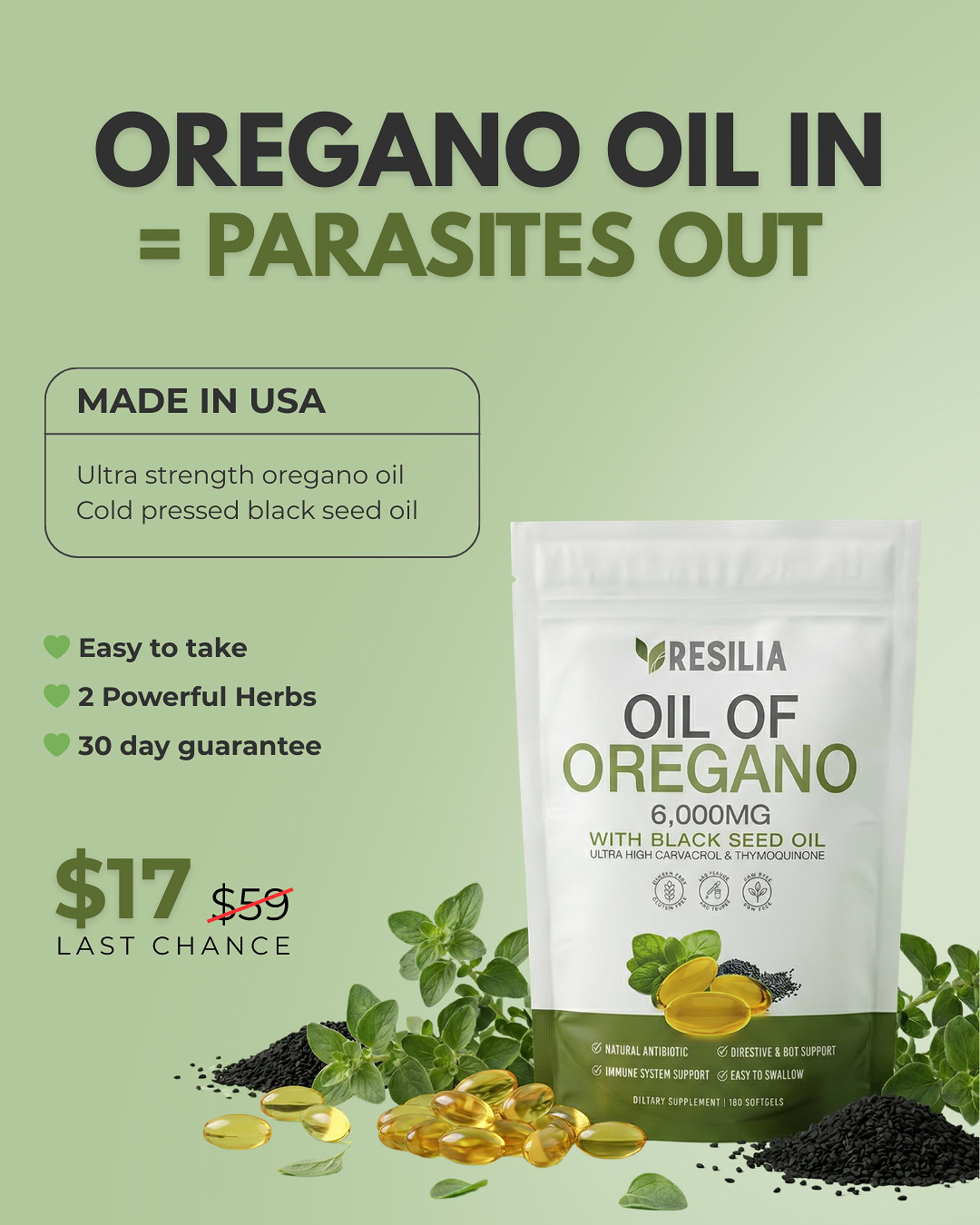
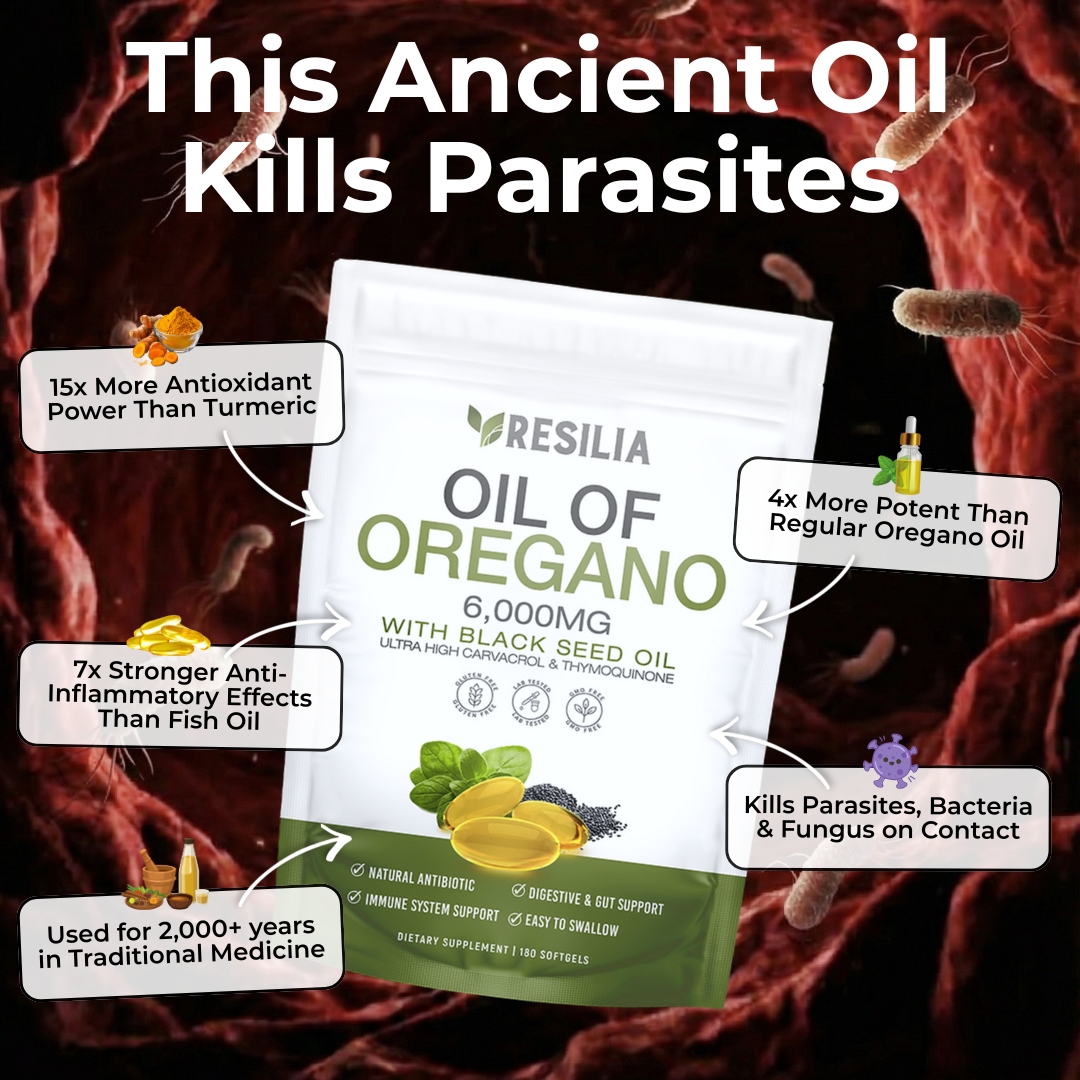
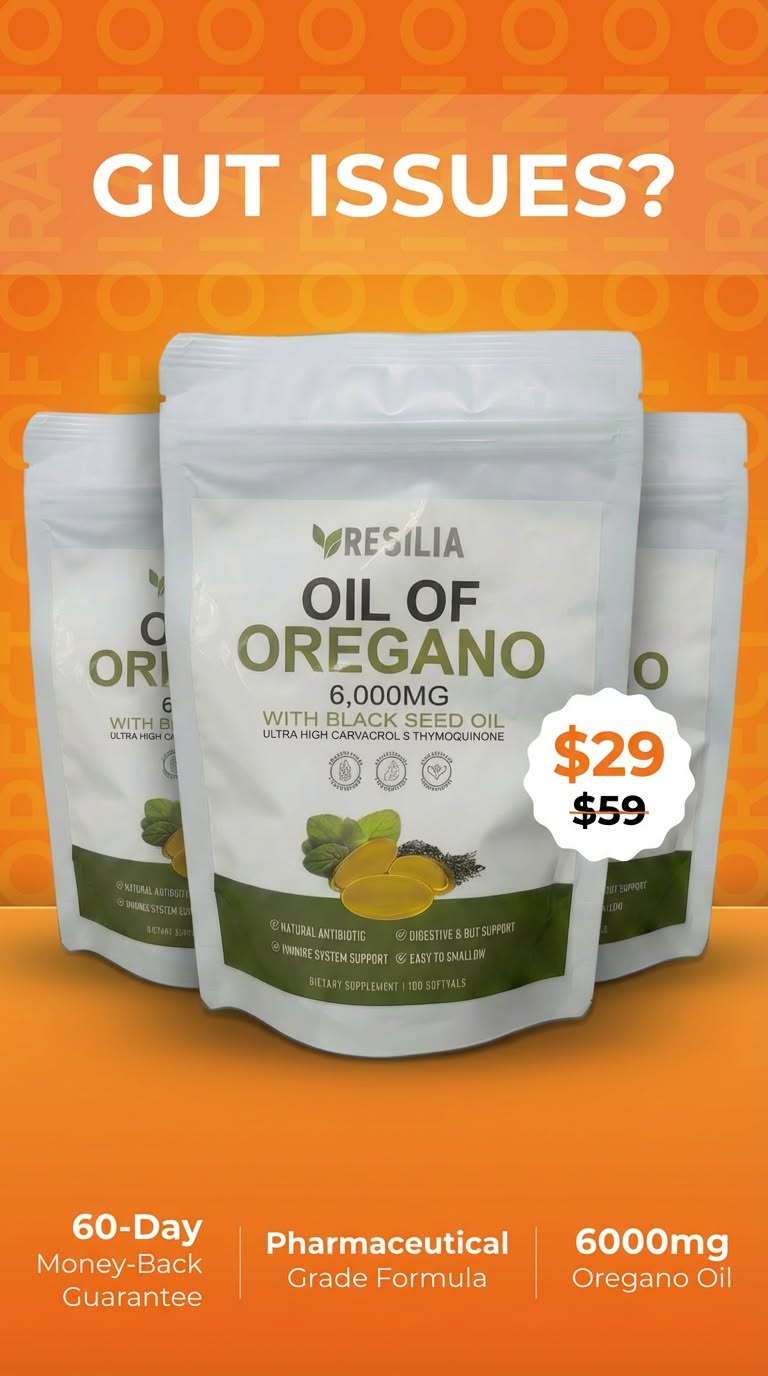
IBS is just what doctors call it when parasites have destroyed your gut and they don't know what else to say. That's not an opinion. That's what the research shows and what I see every single day in my practice. As a human biologist, I can tell you 80% of people are carrying parasites right now — most of them without any idea. But when I test people who've been diagnosed with IBS, the number jumps to 9 out of 10. Completely infested. Not "a few harmless organisms." Infested. Colonies of parasites that have burrowed into the intestinal lining, destroyed the gut wall, disrupted the microbiome, and triggered a permanent state of inflammation that doctors can't explain — so they label it IBS and tell you to manage it. Manage it. That's the word they use. Not fix. Not cure. Not eliminate. Manage. Because "Irritable Bowel Syndrome" isn't a diagnosis. It's a surrender. It's a doctor saying: your gut is broken, we don't know why, here's a prescription, good luck. You've tried Linzess. You've tried Bentyl. You've tried Xifaxan — the $2,000 antibiotic that's supposed to reset your gut but somehow leaves you in the same place three months later. You've tried the FODMAP diet, eliminating food after food after food until you're eating boiled chicken and rice like a prisoner and still bloating after every meal. You've tried probiotics — the expensive refrigerated kind, the spore-based kind, the 50 billion CFU kind — and nothing changed. Maybe it helped for a week. Then the cramps came back. The urgency came back. The unpredictability came back. And your doctor looked at you and said: "IBS is a chronic condition. We need to focus on management." Management. As if the goal is just to make it tolerable enough that you can white-knuckle your way through every day for the rest of your life. Nobody told you it could be eliminated. Nobody told you there was a root cause. Nobody told you that something was living inside your gut, multiplying, burrowing, releasing toxins, and creating every single symptom you've been told to "manage." Because if they told you that, the prescription pad stops. The $2,000 antibiotics stop. The monthly gastroenterologist appointments stop. The lifetime of management stops. And that's not good for business. My sister suffered with IBS for 12 years. Twelve years. I need you to sit with that number for a second. That's not a bad few months. That's over a decade of her life stolen by a condition that three different gastroenterologists told her was permanent. She was diagnosed at 31. By the time she came to me, she was 43 years old and had completely restructured her entire life around her gut. She carried spare underwear everywhere. In her purse. In her car. In her desk drawer at work. Not because she wanted to — because she'd learned the hard way what happens when you don't. More than once. In public. The kind of humiliation that doesn't leave you. She knew every bathroom in a 10-mile radius. Every gas station, every coffee shop, every department store. She had them mapped in her head like escape routes. Because when an IBS attack hits, you don't have five minutes. You have sixty seconds. Sometimes less. She left her daughter's school recital in tears. Her daughter was singing a solo — something she'd practiced for weeks, something she was so proud of — and my sister felt the cramp hit during the second verse. She had to get up, climb over three people in the middle of the row, and rush to the bathroom while her 8-year-old daughter watched her leave. She made it in time. Barely. But she missed the solo. And when her daughter asked "Mommy, where did you go?" she had to make up a lie because how do you explain that to a child? She spent more time on the toilet than with her family. Mornings were a negotiation — how many times do I need to go before I can safely leave the house? Dinners out were a gamble she usually lost. Road trips were impossible. Vacations were planned around bathroom access. She was living on Imodium. Popping it like candy before every meal, every car ride, every social event. The stomach cramps were constant — this low-grade, grinding pain that never fully went away, just intensified and receded like waves. Some days manageable. Some days fetal-position-on-the-bathroom-floor. She told me — and I'll never forget the way she said it — "I'm not living. I'm just surviving between attacks." Twelve years. Three gastroenterologists. Thousands of dollars in prescriptions. An elimination diet that left her eating maybe fifteen foods. A life reduced to managing a condition that nobody could explain. That's when I tested her. Not the standard tests her doctors had run. Not the colonoscopy that came back "normal." Not the bloodwork that showed "nothing abnormal." Not the stool culture that tested for maybe four common pathogens and missed everything else. A comprehensive parasitology panel. The kind most gastroenterologists don't order because they're not trained to think about parasites. The kind that looks for what's actually there, not just the five or six organisms on the standard checklist. The results came back and I had to read them twice. Parasites had completely taken over her digestive tract. Multiple species. Entrenched. Established colonies that had been living, feeding, and reproducing inside her gut for what was likely the better part of a decade. Twelve years of IBS. Twelve years of "managing." And the cause was sitting right there the entire time. No doctor had ever looked for it. Here's what most people — and most doctors — don't understand about parasites and IBS: Parasites don't just irritate your gut. They colonize it. They burrow into the intestinal wall. They create biofilm — a protective mucus shield that hides them from your immune system and from most medications. Behind that biofilm, they feed on your nutrients, reproduce, and release metabolic waste directly into your intestinal lining. That waste is toxic. It damages the gut wall, creates microscopic perforations, and triggers a chronic inflammatory response that your immune system can't resolve because the source of the inflammation — the parasites — is still there, still feeding, still producing toxins. That inflammation is your cramps. The gut wall damage is your urgency and diarrhea. The disrupted microbiome is your bloating. The nutrient malabsorption is your fatigue, your brain fog, your weakened immune system. The nervous system disruption from chronic gut inflammation is your anxiety, your insomnia, your feeling that something is deeply wrong even when every test comes back "normal." It's not IBS. It was never IBS. IBS is just what they call it when they can't find the parasites they're not looking for. Now, here's the part that makes me angry. Every conventional treatment my sister was prescribed didn't just fail to fix the problem — most of them made it worse. Probiotics? Useless when parasites are present. You're throwing good bacteria into a war zone. The parasites destroy them before they can colonize. It's like planting flowers in a minefield. Fiber supplements? They feed the parasites along with everything else. More food for the organisms that are already feasting on your gut. Antispasmodics like Bentyl? They reduce cramping temporarily by suppressing the gut's muscle contractions — which also suppresses your body's natural attempt to expel the parasites. You feel slightly better while the organisms dig in deeper. Antibiotics like Xifaxan? They carpet-bomb your entire microbiome — good and bad — without specifically targeting parasitic organisms. Your gut flora is devastated, the parasites survive behind their biofilm, and when the antibiotic course ends, the parasites repopulate faster than the beneficial bacteria can recover. Net result: you're worse than before. And store-bought "cleanses"? The ones that promise to detox your gut in seven days? These are the most dangerous of all. Harsh laxatives and random herbal blends may kill some parasites on the surface, but they leave dead parasites rotting inside your gut. Those decomposing organisms release a flood of toxins — a die-off reaction so severe it can trigger the worst IBS flare of your life. I've seen people end up in the ER after a store cleanse because nobody told them that killing parasites without properly flushing them out is like knocking down a wall in a burning building. You've made the collapse worse, not better. That's why precision matters. That's why concentration matters. That's why the delivery mechanism matters. What my sister needed — what everyone with parasite-driven IBS needs — is a compound that does three things in sequence: penetrate the biofilm shield, eliminate the parasites, and support the gut's ability to flush the debris and heal. The most effective natural compound for this is carvacrol — the active molecule in oregano oil. Not the oregano on your pizza. Therapeutic-grade oregano oil with a carvacrol concentration high enough to actually penetrate biofilm and kill parasitic organisms on contact. Carvacrol has been studied extensively for its antiparasitic, antibacterial, and antifungal properties. It disrupts the cell membranes of parasites, effectively dissolving their structural integrity. And critically, it breaks down biofilm — that protective shield parasites hide behind — exposing the organisms to your immune system and to the carvacrol itself. But concentration is everything. Most oregano oil supplements contain 30 to 50% carvacrol. At that concentration, you're not penetrating biofilm. You're not eliminating established colonies. You're barely scratching the surface. It's like trying to pressure-wash a wall with a garden hose. At 85% carvacrol — pharmaceutical grade — you're breaking through the shield and eliminating what's behind it. That's the threshold where the research shows real parasitic elimination, not just mild suppression. The second component is equally critical: black seed oil, specifically its active compound thymoquinone. Thymoquinone does what carvacrol can't do alone — it supports the flushing process. Dead parasites, their eggs, and the toxic debris they leave behind need to be expelled from the body. If they sit in your gut decomposing, they trigger the same inflammatory response as living parasites, sometimes worse. Thymoquinone helps break down that debris, calms the inflammatory response, and supports the gut lining as it begins to heal. Kill. Flush. Heal. In that order. I gave my sister Resilia Oil of Oregano. Two softgels daily with food. Each softgel delivers 6,000mg of oregano oil — a 20:1 extract from Origanum minutiflorum leaf — with 85% carvacrol. Plus 200mg of black seed oil with thymoquinone for flushing and gut repair. I chose Resilia specifically because of the carvacrol concentration. I've tested other brands. Most of them are underdosed, diluted, or use inferior oregano species that don't produce therapeutic levels of carvacrol. They put "oregano oil" on the label and it means nothing. Resilia's 85% is pharmaceutical grade — the concentration that actually does what the research says oregano oil can do. The softgel delivery matters too. A lot of people with damaged, inflamed guts can't tolerate liquid oregano oil — it burns, it causes reflux, it tastes like you're drinking a garden. And standard hard capsules often pass through an inflamed gut without fully dissolving. Softgels deliver the oil in a form that absorbs efficiently without the harshness. No taste. No reflux. No stomach upset. Your gut is already at war — the last thing you need is a delivery system that adds to the damage. The first week, my sister had some die-off symptoms. Headache. Fatigue. Slightly worse bloating for a few days. I expected this and told her in advance — it means the carvacrol is working, parasites are dying, and her body is processing the debris. It's uncomfortable but temporary. By day ten, the bloating started to settle. Not fluctuate — settle. For the first time in years, her stomach wasn't a roulette wheel after every meal. Two weeks in, she ate at a restaurant without mapping the bathroom first. She ordered what she wanted — not what was "safe." She sat through the entire meal. No cramps. No urgency. No emergency exit. She called me afterward, and her voice sounded different. Lighter. Like someone had lifted something off her chest. Four weeks in, something happened that she hadn't experienced in 12 years: normal bowel movements. Predictable. Formed. No urgency. No cramping. No planning. No spare underwear. Just... normal. She called me laughing. Genuinely laughing. The kind of laugh I hadn't heard from her in years. "It was never IBS," she said. "It was parasites. This whole time. Twelve years. It was parasites." That was six months ago. She hasn't had a flare since. She went to her daughter's next recital and stayed for the whole thing. She went on a road trip with her family — three hours in the car without a single stop. She ate at a new restaurant last weekend and didn't check where the bathroom was before she sat down. She's living. Not surviving between attacks. Living. Resilia Oil of Oregano. That's what I trust. That's what I take myself. That's what I recommend to everyone who comes to me with IBS, chronic bloating, gut issues that won't resolve, and a medicine cabinet full of prescriptions that aren't working. Two softgels daily. 85% carvacrol. Black seed oil with thymoquinone. No fillers. No artificial ingredients. Vegan. Non-GMO. Gluten-free, dairy-free, soy-free, sugar-free. Third-party tested for purity and potency. Made in GMP-certified facilities. Trusted by over 75,000 people. Rated 4.9 out of 5 stars. 30-day money-back guarantee — if you don't feel a significant difference in your digestion, your bloating, your energy, and your freedom, every penny back. No questions. I always keep bottles stocked. I take it myself every day — not because I have IBS, but because I know what's out there. Parasites aren't a one-time problem. They're an ongoing exposure. Contaminated food, water, surfaces, pets, travel. Consistent carvacrol keeps the environment hostile to recolonization. Resilia is running a limited promotion right now. But I have to be honest — this sells out fast. IBS sufferers order multiple bottles once they realize they're finally free. Once you've lived twelve years in a prison and someone hands you the key, you don't buy one — you stock up. And I understand that. My sister has a subscription now. She'll never go back. Remember — nine out of ten people diagnosed with IBS are infested with parasites that no standard test is looking for. Every day you wait, the colonies grow. The biofilm thickens. The gut wall takes more damage. The inflammation deepens. If you can still add it to cart, stock up now. If it's sold out, get on the waitlist — it's worth the wait. Stop living bathroom to bathroom. Stop planning your life around attacks. Stop "managing" a condition that was never a condition — it was an infestation. Get your freedom back. 👉 https://try.resilia.shop/rsl
🧽 Flush Out What Doesn’t Belong – Feel the Reset
“I’ve been feeling stronger and more balanced since taking Resilia Oil of Oregano. My energy feels steady throughout the day, and I haven’t been getting sick like before. I love how natural it feels — just pure support for my body.”
LEARN MORELike this ad? Make it yours.
Crush rebuilds this exact creative around your product — your brand, your colors, your offer — in about a minute.