University Hospitals Rainbow Babies & Children’s Hospital
University Hospitals Rainbow Babies & Children’s Hospital Facebook ad: “The Truth About 'Dry Drowning' - And What Parents Need To…”
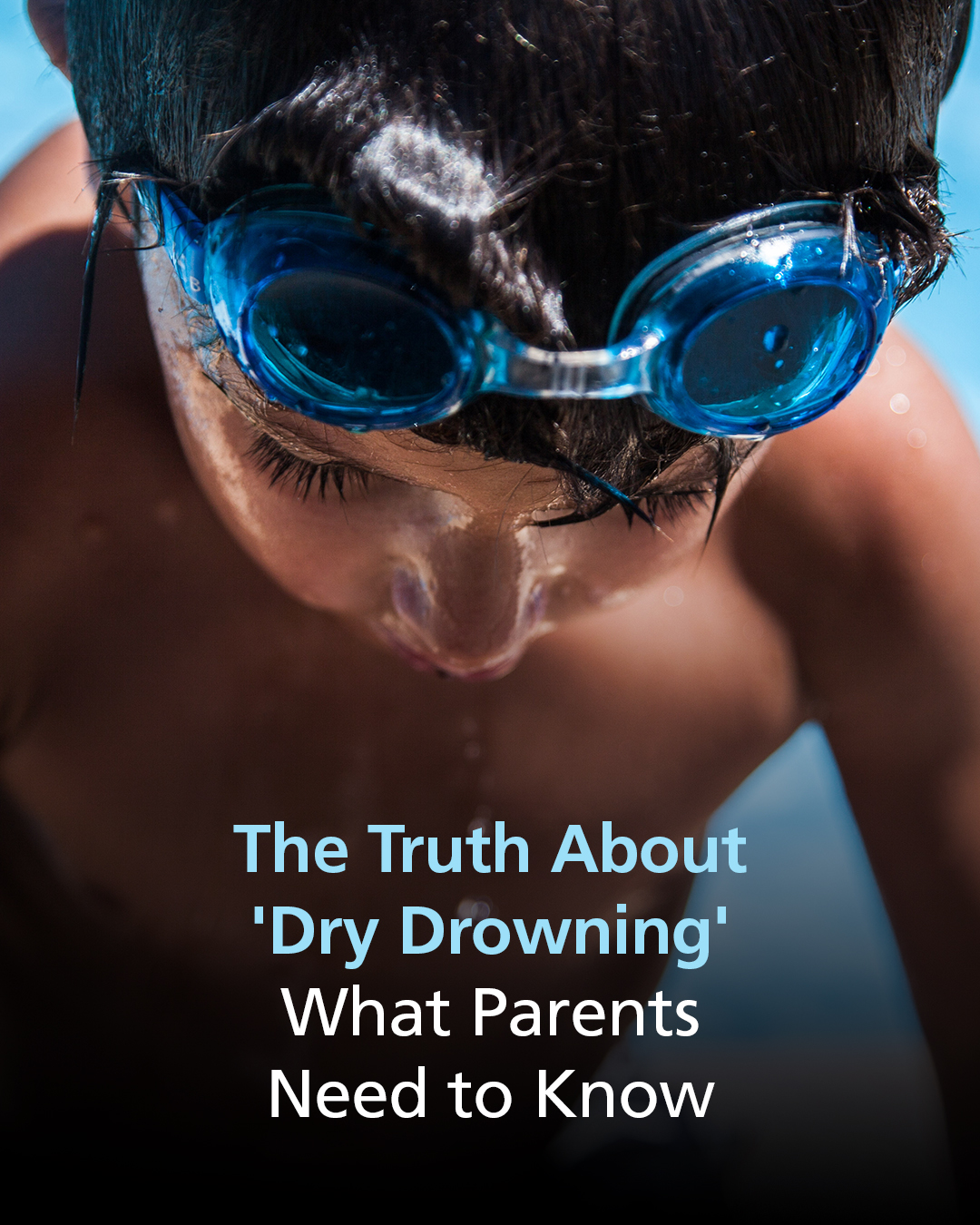
Ran for 46 days, from July 16 to August 31, 2026, the last day Crush saw it.
Run by University Hospitals Rainbow Babies & Children’s Hospital on Facebook. Crush is not the advertiser and does not verify its claims. See this ad in Meta's Ad Library(opens in a new tab)
Want an ad like this for your product?
Crush makes new ad images for your product from this ad: your logo, your product photo, your offer.
Trials from $19.95 USD, then $79.95 USD a month. Cancel anytime.
About this ad
- Meta Ad Library ID
- 2013875342618906
- Platforms
- Facebook and Instagram
- Relaunches
- 0
Ad text
Have you heard the term “dry drowning?” It may sound like a contradiction, but the name has been used in recent years to describe breathing problems that develop several hours after swimming or other water activities. Despite its name, “dry drowning” is a myth and not a medical diagnosis, says UH Rainbow Babies & Children's pediatrician Dr. Tracy McCallin. Research shows that if a child has complications after going underwater, symptoms like trouble breathing or unusual fatigue typically appear within 1-2 hours. "Instead of focusing on the term 'dry drowning,' parents should know the signs of drowning and seek medical care right away if they appear," says Dr. McCallin. Non-Fatal Drowning: Non-fatal drowning can range from mild to severe. Some children recover quickly, while others experience breathing problems, brain damage and other serious outcomes. According to the CDC, for every child who dies from drowning, another eight receive emergency care for non-fatal drowning. Fortunately, most children recover after a non-fatal drowning, with only 5-10 percent developing a long-term disability, says Dr. McCallin. What Parents Should Watch For: If your child is submerged and experiences any breathing difficulty, it’s vital to get your child checked by a medical provider. Warning signs of drowning if a child has been submerged in water include: - Persistent cough. - Fast breathing or difficulty breathing. - Significant confusion or mental status changes. - Persistent vomiting. Fatigue can occur after a day in the sun at the beach or pool, and a coughing or vomiting episode that goes away can occur after swallowing water into the stomach. These symptoms should only be worrisome if the child went underwater and they do not get better. #drowning #drydrowning #drowningprevention
Where the ad sends people
uhhospitals.org
The Truth About 'Dry Drowning' - And What Parents Need To Know
It’s more useful to think in terms of fatal or non-fatal drowning – and imperative for parents to recognize the signs of respiratory injury after their child has been under water.
Learn more: uhhospitals.org(opens in a new tab)