Dr. Daniel Brooks
Dr. Daniel Brooks Facebook ad: “Stop SIBO Bloating & Pain”
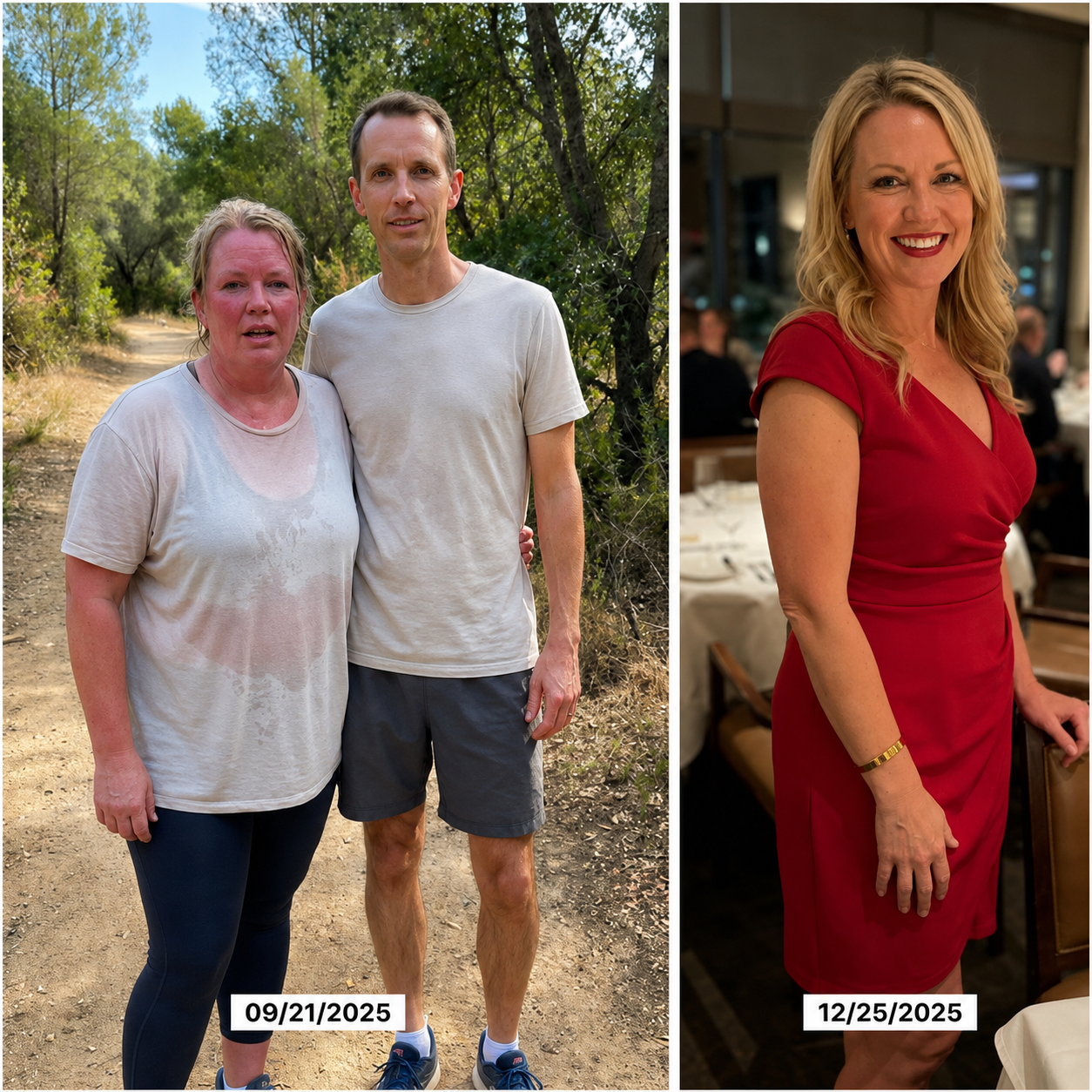
Ran for 16 days, from June 25 to July 11, 2026, the last day Crush saw it.
Run by Dr. Daniel Brooks on Facebook. Crush is not the advertiser and does not verify its claims. See this ad in Meta's Ad Library(opens in a new tab)
Want an ad like this for your product?
Crush makes new ad images for your product from this ad: your logo, your product photo, your offer.
Trials from $19.95 USD, then $79.95 USD a month. Cancel anytime.
About this ad
- Meta Ad Library ID
- 2014013856169552
- Platforms
- Facebook, Audience Network and Messenger
- Relaunches
- 0
Ad text
If every SIBO treatment you've tried has been designed for hydrogen-dominant patients, and you're sitting here with methane levels through the roof, constipated for days at a stretch, bloated so badly you look six months pregnant, and NOTHING has worked—not Rifaximin, not herbal protocols, not low FODMAP, not the elemental diet... I need you to understand something that could finally explain why you've failed every treatment: You haven't failed. Every treatment has failed YOU—because none of them were built for the type of organism living in your gut. And once I explain what's actually going on, you're going to be furious at every practitioner who treated your methane SIBO the same way they treat hydrogen SIBO. Because there are three things happening right now that the entire SIBO industry is either ignorant about or deliberately ignoring: One - Methane-dominant SIBO isn't caused by bacteria at all—it's caused by archaea, a completely different class of organism with unique cell membranes that most antibiotics and herbal antimicrobials cannot penetrate Two - Nearly every SIBO protocol on the market—pharmaceutical and natural alike—was designed to kill hydrogen-producing bacteria, which means roughly 40% of SIBO patients are being handed treatments that were never built for the organisms actually making them sick And three - The constipation, the extreme bloating, the weight you can't lose, the feeling like your entire digestive system has ground to a halt—those aren't just "SIBO symptoms." Those are METHANE-SPECIFIC symptoms caused by archaea that slow your gut motility to a crawl, and they require a fundamentally different approach than what you've been given Let me walk you through what happened with my wife Hannah, because she spent 6 years being treated for the wrong type of SIBO—and her story is going to show you why methane patients keep falling through the cracks. Hannah knew she had SIBO. That wasn't the mystery. She'd tested positive years ago. Hydrogen at 24 ppm, methane at 38 ppm. Both elevated. But here's what nobody explained to her at the time: her primary problem wasn't the hydrogen. It was the methane. And methane-dominant SIBO is a completely different animal. Her gastroenterologist glossed right over the distinction. Looked at the breath test, saw both numbers above normal, and prescribed the standard treatment: Rifaximin, 14 days. "This should take care of it," he said. It didn't take care of anything. Here's what Hannah's SIBO actually looked like on a daily basis—and if you have methane-dominant SIBO, I'm guessing this is going to sound painfully familiar: She wouldn't have a bowel movement for 4-5 days at a time. And when she finally did, it felt incomplete. Like there was always more that wouldn't come out. Her bloating wasn't the kind that comes and goes after meals. It started the moment she woke up and stayed all day. She'd go to bed looking pregnant and wake up looking pregnant. There was no flat-stomach window. Ever. The bloating was HARD. Not soft, gassy distension. A rigid, pressurized swelling that made it painful to bend over, painful to sit at her desk, painful to wear anything with a waistband. She gained 15 pounds in a year without changing what she ate. Her doctor told her weight fluctuation was "normal with IBS." But it wasn't fluctuation—it was a slow, steady climb that no amount of exercise or calorie counting could reverse. Brain fog so severe she'd forget what she was saying mid-sentence. She started writing everything down because she couldn't trust her own memory anymore. Fatigue that went beyond tiredness. This was a heaviness in her body, like she was moving through wet concrete. By 2pm she was done. Not sleepy—shut down. Like someone had pulled her plug. And here's the part that isolated her more than anything: everyone around her—friends, family, even her doctors—compared her symptoms to the "typical" SIBO stories they'd heard about. Diarrhea. Gas after meals. Bloating that comes in waves. Hannah didn't have that. Hannah had constipation. Relentless, concrete bloating. Weight gain. Cognitive collapse. "That doesn't really sound like SIBO," people would tell her. "Are you sure it's not something else?" Even within the SIBO community, she felt invisible. Every forum, every support group, every blog post was dominated by hydrogen patients talking about their diarrhea and post-meal gas. The protocols people raved about—the ones that "cured" them—were hydrogen protocols. They didn't work for Hannah because they weren't designed for methane archaea. She was the wrong type of SIBO patient in a world built for the other type. So Hannah does Rifaximin. Two weeks. $1,800. Here's what happened: Her hydrogen dropped from 24 to 11 ppm. Her methane? Barely budged. Went from 38 to 34. The hydrogen bacteria responded to the antibiotic. The methane archaea shrugged it off completely. And because the methane archaea were the primary drivers of her symptoms—the constipation, the hard bloating, the motility shutdown—she felt almost no improvement. "Some patients need a longer course," her GI said. "Or we can add Neomycin to target the methane." They added Neomycin. Another round. More money. More side effects—Neomycin is significantly harsher than Rifaximin and gave her brutal nausea. Results after Rifaximin + Neomycin: Hydrogen: 9 ppm. Methane: 28 ppm. Hydrogen was now in normal range. Methane was still nearly triple the normal threshold. Her GI doctor looked at the results and said something that stunned her: "Well, the hydrogen is resolved. The methane is stubborn—it often is. We might need to repeat the dual protocol, or we can try managing symptoms with a prokinetic and low FODMAP." Managing symptoms. With methane still at 28 ppm. With archaea still colonizing her small intestine. With her constipation, bloating, weight gain, and brain fog still as severe as day one. That's when it hit me: The medical system treats SIBO as if it's one condition. One type of organism. One treatment approach. And when the standard approach doesn't work for methane patients, they don't adapt the strategy—they shrug and switch to "symptom management." Methane patients aren't treatment failures. They're victims of a treatment paradigm that was never built for what's actually living in their gut. So I dove into the research on methane-dominant SIBO specifically. Not generic SIBO studies. Not hydrogen-focused protocols. Research on archaea. On Methanobrevibacter smithii. On why these organisms resist conventional treatment. And what I learned explained everything Hannah had been going through. HERE'S WHY METHANE SIBO DOESN'T RESPOND TO STANDARD TREATMENTS: Archaea aren't bacteria. I know that sounds like a minor scientific distinction, but it's the single most important thing to understand about methane SIBO. Bacteria and archaea are fundamentally different organisms. They diverged on the tree of life billions of years ago. Their cell structures are different. Their membranes are different. The way they metabolize is different. Standard antibiotics—including Rifaximin—were developed to target bacterial cell structures. They attack bacterial cell walls, disrupt bacterial protein synthesis, interfere with bacterial DNA replication. Archaea don't have the same cell walls. Don't use the same protein synthesis pathways. Don't replicate DNA the same way. Trying to kill methane archaea with a standard antibiotic is like trying to open a combination lock with a house key. The tool doesn't match the mechanism. It wasn't designed for this type of organism. That's why Rifaximin knocks down hydrogen bacteria effectively but leaves methane archaea largely unaffected. It's not that Rifaximin is a weak drug. It's that archaea are a completely different kind of organism that Rifaximin was never designed to target. And it gets worse. Methane archaea have a second line of defense: they slow your gut motility. Methane gas itself acts as a paralytic agent on your intestinal muscles. The more methane the archaea produce, the slower your gut moves. The slower your gut moves, the longer food sits in your small intestine. The longer food sits, the more the archaea ferment it and produce more methane. It's a self-reinforcing cycle. The archaea literally create the conditions that allow them to thrive. This is why methane-dominant patients are constipated. It's not a coincidence. Methane gas directly slows intestinal transit. The archaea are engineering your gut environment to benefit themselves. And this is also why methane SIBO is so much harder to eradicate than hydrogen. The archaea slow down your migrating motor complex (MMC)—the cleaning wave that normally sweeps organisms out of the small intestine. With the MMC impaired by methane gas, the archaea can't be flushed out. They stay put, keep fermenting, keep producing methane, keep slowing motility. Even if you partially reduce the population with antibiotics, the remaining archaea just regenerate because the motility suppression prevents your body from clearing them naturally. Now here's what really enraged me: All of this is documented in gastroenterology research. The archaea-bacteria distinction. The methane-motility connection. The inadequacy of Rifaximin for methane populations. It's published. It's peer-reviewed. It's known. And yet the vast majority of SIBO patients—including Hannah—get treated as if hydrogen and methane are the same problem requiring the same solution. You wouldn't treat a viral infection with antibiotics. You wouldn't treat a fungal infection with antivirals. But somehow, treating archaea with drugs designed for bacteria is considered standard medical practice. Methane patients deserve a protocol that actually accounts for the organisms making them sick. Not a hydrogen protocol applied with a shrug and a prayer. After months of research, I realized something critical: You can't just try to KILL archaea. You have to STARVE them. Every antibiotic and antimicrobial herb Hannah tried was attempting to directly poison the archaea. But archaea have defenses against that approach—protective membranes, biofilm barriers, DNA repair mechanisms. What archaea CAN'T defend against is losing their food supply. Here's what I mean: Archaea don't feed directly on your food. They feed on HYDROGEN. And that hydrogen comes from bacteria fermenting undigested food in your small intestine. The chain looks like this: Undigested food → Bacteria ferment it → Produce hydrogen → Archaea consume hydrogen → Produce methane If you break that chain at the source—by ensuring food is COMPLETELY digested before it reaches the small intestine—the bacteria have nothing to ferment. No fermentation means no hydrogen. No hydrogen means the archaea starve. This is a fundamentally different approach than antibiotics. You're not trying to poison organisms that have evolved defenses against being poisoned. You're removing the conditions that allow them to exist. And there's a second critical piece: Archaea hide in BIOFILM—a protective mucus matrix that antibiotics can't penetrate at therapeutic concentrations. This is why Hannah's methane barely budged after Rifaximin. The drug couldn't reach the archaea hiding in their protective coating. But certain enzymes can break down biofilm. Specifically, proteolytic enzymes that dissolve the protein structure holding the biofilm together. Once the biofilm is disrupted, the archaea become vulnerable. And finally: You have to restore MOTILITY. Because even if you reduce the archaeal population, they'll regenerate if your gut isn't moving properly. The migrating motor complex needs to start sweeping organisms out again. Antibiotics don't do this. They kill some organisms and send you home with your motility still impaired. I identified a five-phase approach that addresses each of these mechanisms simultaneously: Phase 1: Biofilm Disruption Papaya seeds contain papain—a powerful proteolytic enzyme that breaks down the protein matrix forming biofilm. Research shows papain dissolves the structural proteins that hold biofilm together, exposing the organisms hiding inside. This is the critical first step that antibiotics skip entirely. You can't kill what you can't reach. Papain reaches it. Phase 2: Starving the Methanogens Once biofilm is disrupted, you need to cut off the food supply. Papain doesn't just break biofilm—it's also a digestive enzyme that breaks down proteins completely in the stomach and upper digestive tract. When proteins are fully digested before reaching the small intestine, bacteria have nothing to ferment. No fermentation = no hydrogen = no fuel for archaea. This is the starvation mechanism that antibiotics completely miss. Rifaximin tries to poison archaea while you keep feeding them. Papain stops the feeding. Additionally, pomegranate punicalagins and benzyl isothiocyanate (naturally present in papaya seeds) have selective antimicrobial properties that reduce hydrogen-producing bacteria—further cutting off the archaea's fuel source. Research shows a 71.4% reduction in harmful bacterial populations. Phase 3: Restoring Motility This is the piece that makes the entire protocol work for methane patients specifically. Ginger increases gastric emptying by 25% and directly stimulates the migrating motor complex—the "cleansing wave" that sweeps organisms out of the small intestine. Methane gas paralyzes your gut. Ginger counteracts that paralysis. This breaks the self-reinforcing cycle: fewer archaea means less methane, less methane means better motility, better motility means your gut starts clearing remaining organisms naturally. No antibiotic on the market does this. Rifaximin kills some organisms (mostly hydrogen) and sends you home. Your motility stays impaired. The archaea stay protected. The cycle continues. Ginger breaks the cycle. Phase 4: Binding Die-Off Toxins When archaea and bacteria die, they release endotoxins (lipopolysaccharides) that make you feel horrible—brain fog, fatigue, flu-like symptoms. This is "die-off" or Herxheimer reaction. The reason Hannah felt so sick during antibiotic treatment wasn't just the drug—it was massive die-off with nowhere for the toxins to go. Her body was being poisoned by dying organisms. Apple pectin and seaweed alginates bind these endotoxins in the gut and escort them out through stool. No reabsorption. No circulation. No die-off symptoms. This is why Hannah always felt worse during antibiotic treatment but felt BETTER during this protocol. The toxins were being captured and removed instead of flooding her system. Phase 5: Gut Healing and Relapse Prevention Turmeric and ginger reduce gut inflammation. Seaweed polysaccharides support the intestinal lining. Once the gut heals, it's harder for bacteria and archaea to migrate back into the small intestine. This is the relapse prevention that antibiotics completely lack. Rifaximin clears some organisms (temporarily) and does nothing to prevent recolonization. Within weeks, the SIBO returns. This protocol heals the environment so organisms can't re-establish. Hannah found a functional medicine practitioner who actually understood methane-dominant SIBO—not a generalist who lumped hydrogen and methane together. The first thing this doctor said: "Your methane at 28 ppm after Rifaximin plus Neomycin tells me everything. Rifaximin cleared your hydrogen component but couldn't reach the archaea. Neomycin touched them slightly but not enough. You need to stop trying to poison organisms that have evolved defenses against being poisoned. You need to starve them, expose them, and restore the motility that sweeps them out." She put Hannah on a protocol built around papaya seed enzyme, pomegranate, ginger, turmeric, apple pectin, and seaweed extracts. "For the first time," the doctor told Hannah, "you're using a protocol that actually matches the biology of methane SIBO. This isn't a hydrogen treatment being applied to a methane problem. This is designed for archaea." Two weeks in? Something Hannah hadn't experienced in nearly 6 years: she had a bowel movement three days in a row. Not forced with laxatives. Not after a dose of magnesium citrate. Her gut just... moved. On its own. Like it was supposed to. She called me from the bathroom, half laughing, half crying. "I know this is insane but I just went for the third day in a row and I didn't take anything." It wasn't insane. It was the first sign that the methane-motility cycle was breaking. Fewer archaea meant less methane gas. Less methane meant her intestinal muscles could actually contract normally. Normal contractions meant regular bowel movements. For someone who'd gone 4-5 days between movements for 6 years, three consecutive days felt miraculous. Four weeks in? The bloating shifted dramatically. Not the gradual, modest improvement she'd gotten from Rifaximin. This was different. The rigid, pressurized swelling that had been constant from morning to night started deflating. For the first time, she'd wake up with a genuinely flat stomach. And it would STAY flat through most of the day. The brain fog that had been her constant shadow began dissipating. She stopped writing reminders on her hand. She could hold a conversation without losing her thread. Her team at work noticed—"You seem more present lately," her colleague told her. The weight started shifting. Not dramatically at first—she dropped four pounds in the first month without changing her diet or exercise. But it was moving in the right direction for the first time in years. The slow, unexplained gain had stopped and reversed. Eight weeks in? She ate a meal that would have left her locked up for days previously—a bowl of chili with beans, onions, peppers, and garlic. Foods that ferment. Foods that feed archaea. Foods that would have meant five days of constipation and agonizing bloating. She had a normal bowel movement the next morning. I watched her face when she came out of the bathroom. She looked stunned. "That should have destroyed me," she said. "Nothing happened." Because the archaea that were fermenting those foods and producing methane were being starved out. Less methane. Less motility suppression. Less constipation. Less bloating. The organism driving the entire cascade was being dismantled—not by poison, but by starvation. Twelve weeks. Retest day. This was the test that mattered. Not like the post-Rifaximin retests where the hydrogen dropped and the methane barely budged and they called it "progress." This was the test that would tell us whether the archaea had actually been reached. Results: Hydrogen: 6 ppm (normal is under 10) Methane: 5 ppm (normal is under 10) Methane: FIVE. From 38 ppm at original diagnosis. To 28 ppm after Rifaximin plus Neomycin. To 5 ppm after twelve weeks on a protocol that starved and exposed the archaea instead of trying to poison them. The doctor stared at the methane number. "In 6 years of treating your SIBO, this is the first time your methane has been in the normal range. Not close to normal. Not trending down. Actually normal." Hannah didn't cry this time. She was quiet for a long time. Then she said: "Six years. I spent 6 years being treated for the wrong thing." "Not the wrong condition," the doctor clarified. "The wrong approach. You had methane SIBO and every treatment you received was trying to directly kill archaea that have evolved to survive direct attacks. Nobody cut off their food supply. Nobody broke down their biofilm. Nobody restored your motility. Until now." Now I'm watching Hannah 14 months later. She goes to the bathroom every single day. Sometimes twice. Without laxatives. Without magnesium. Without spending 45 minutes waiting and straining. Her gut MOVES. The bloating is gone. Not reduced. Not "better." Gone. She wears fitted clothes again. She tucked in a shirt last week—something she hadn't done in 6 years because her abdomen was always swollen. She lost the 15 pounds. Not through dieting. Through her metabolism actually functioning because methane gas was no longer suppressing her intestinal motility and disrupting nutrient absorption. The brain fog is a distant memory. She's sharp again. Quick. Present. Back to being the person she was before archaea colonized her small intestine and shut everything down. She eats beans. Lentils. Onions. Garlic. Broccoli. Whole grains. Every high-fermentation food that methane archaea would have turned into days of constipation and concrete bloating. No reaction. Because the organisms that were converting those foods into methane gas have been starved out. That's when I found Almape. The exact five-phase formula that broke Hannah's methane SIBO after 6 years of failed treatment: Papaya Seed Extract (4500mg) – Biofilm disruption via papain enzyme + complete protein digestion that starves hydrogen-producing bacteria + benzyl isothiocyanate for selective antimicrobial action Pomegranate Extract (500mg) – Punicalagins that reduce hydrogen-producing bacterial populations by up to 71.4%, cutting off the archaea's fuel source Ginger Root Extract (150mg) – 25% faster gastric emptying + direct MMC stimulation that counteracts methane's paralytic effect on gut motility Turmeric Root Extract (150mg) – Anti-inflammatory support for gut healing and relapse prevention Apple Pectin (500mg) + Seaweed Extracts (Bladderwrack, Nori, Wakame - 450mg total) – Endotoxin binding that eliminates die-off symptoms + gut lining support Peppermint & Fennel (300mg) – Releases trapped gas and relaxes gut muscles for immediate comfort Built for methane. Not adapted from a hydrogen protocol. Not trying to poison organisms that have evolved defenses against poison. Actually designed to starve archaea while restoring the motility that sweeps them out. When Hannah was sourcing these individually? Over $150 per month. Seven different bottles. 12+ pills per day. One bottle of Almape? $35 for a full 30-day supply. The complete 90-day protocol? $105 when you buy 2 get 1 free. Compare that to the methane SIBO treatment gauntlet: Rifaximin: $1,800 per round (minimal methane efficacy) Rifaximin + Neomycin: $2,200+ per round (marginally better, significantly harsher side effects) Repeat courses after inevitable relapse: $4,000-6,000+ and climbing Prokinetics prescribed to "manage" the motility suppression without eliminating the cause: $50-200/month indefinitely Laxatives and magnesium to force bowel movements: $30-60/month forever Breath tests every few months confirming what you already feel—the methane is still there: $250 each Years of constipation, bloating, weight gain, and cognitive decline while being treated with hydrogen protocols: no price tag covers that Hannah uses Almape for maintenance—2 capsules a day. Her breath tests have remained clean for 14 months. Hydrogen: 5-7 ppm. Methane: 3-5 ppm. Both gases. Consistently in the normal range. Her methane has never crept back up. Because the archaea were actually starved out—not partially suppressed, not temporarily reduced, starved—by a protocol that cut off their food supply and restored her gut's ability to clear them naturally. Now here's what I need you to hear if you have methane-dominant SIBO: You are not a treatment failure. You are a patient whose organisms were never properly addressed. Every round of Rifaximin that "didn't work" wasn't your body failing to respond. It was an antibiotic trying to poison organisms that have evolved to survive poison. Every herbal protocol that disappointed you was probably trying the same approach—oregano oil, berberine, neem—all attempting to directly kill archaea instead of starving them. Every practitioner who looked at your still-elevated methane numbers and said "it's stubborn" or "methane is harder to treat" was telling you a half-truth. Methane IS harder to treat—when you try to poison it. It's not harder to treat when you starve it, expose it, and restore motility. You've been fighting the wrong war with the wrong strategy. Not because better strategies don't exist—but because the medical system is stuck on "kill the organism" when the answer for methane is "starve the organism." Every month you spend on another poison-based treatment while archaea sit protected in biofilm is another month of: Constipation controlling your daily life Rigid bloating that never fully deflates Unexplained weight gain that resists every intervention Brain fog stealing your sharpness and your confidence Motility getting worse as methane continues suppressing your gut muscles Archaea entrenching deeper, producing more methane, creating more favorable conditions for themselves The gap between you and normal life widening I put the link below. Pick up one bottle. Twelve weeks. One full protocol built for methane-producing archaea—not another attempt to poison organisms that have evolved to survive being poisoned. If your methane levels have stayed elevated through Rifaximin, through Neomycin, through herbal protocols—this is the first time you'll be using a protocol that starves archaea by cutting off their hydrogen fuel source while restoring the motility that methane gas has been suppressing. Retest at 12 weeks. Look specifically at your methane number. See if it drops into the normal range—possibly for the first time since you were diagnosed. Then pay attention to your body. Are you going to the bathroom regularly? Is the bloating deflating? Is the fog lifting? Is the scale finally moving in the right direction? Because those are the signs that archaea are being starved out. And once they're gone, the methane stops, the motility recovers, and the entire cascade that's been holding your gut hostage unwinds. The SIBO industry treats methane patients as an afterthought. A difficult subgroup. A "stubborn" variant that just needs more of the same treatment. You're not stubborn. Your organisms are different. And you finally deserve a protocol that recognizes that. Go get it. 👉 https://tryalmape.com/ P.S. - If your hydrogen clears on Rifaximin but your methane barely moves, that's not your body being resistant. That's an antibiotic hitting the organisms it was built for and missing the ones it wasn't. Archaea aren't bacteria. They can't be poisoned the same way. But they CAN be starved. Almape's papain enzyme breaks down their biofilm protection and cuts off their hydrogen fuel source by ensuring complete protein digestion. Ginger restores the motility that methane has been suppressing. Apple pectin and seaweeds bind the die-off toxins so you don't feel like death during the process. Stop trying to poison archaea. Start starving them. Get your gut moving again.
Where the ad sends people
tryalmape.com
Stop SIBO Bloating & Pain
Natural Ingredients
Learn more: tryalmape.com(opens in a new tab)