Suzanne Hathaway
Suzanne Hathaway Facebook ad: “Read this if your cat ignores every toy”
Ran for 1 day, from January 20 to January 21, 2026, the last day Crush saw it.
Run by Suzanne Hathaway on Facebook. Crush is not the advertiser and does not verify its claims. See this ad in Meta's Ad Library(opens in a new tab)
Want an ad like this for your product?
Crush makes new ad images for your product from this ad: your logo, your product photo, your offer.
Trials from $19.95 USD, then $79.95 USD a month. Cancel anytime.
About this ad
- Meta Ad Library ID
- 2023626178283339
- Platforms
- Facebook, Instagram, Audience Network, Messenger and Threads
- Relaunches
- 0
Ad text
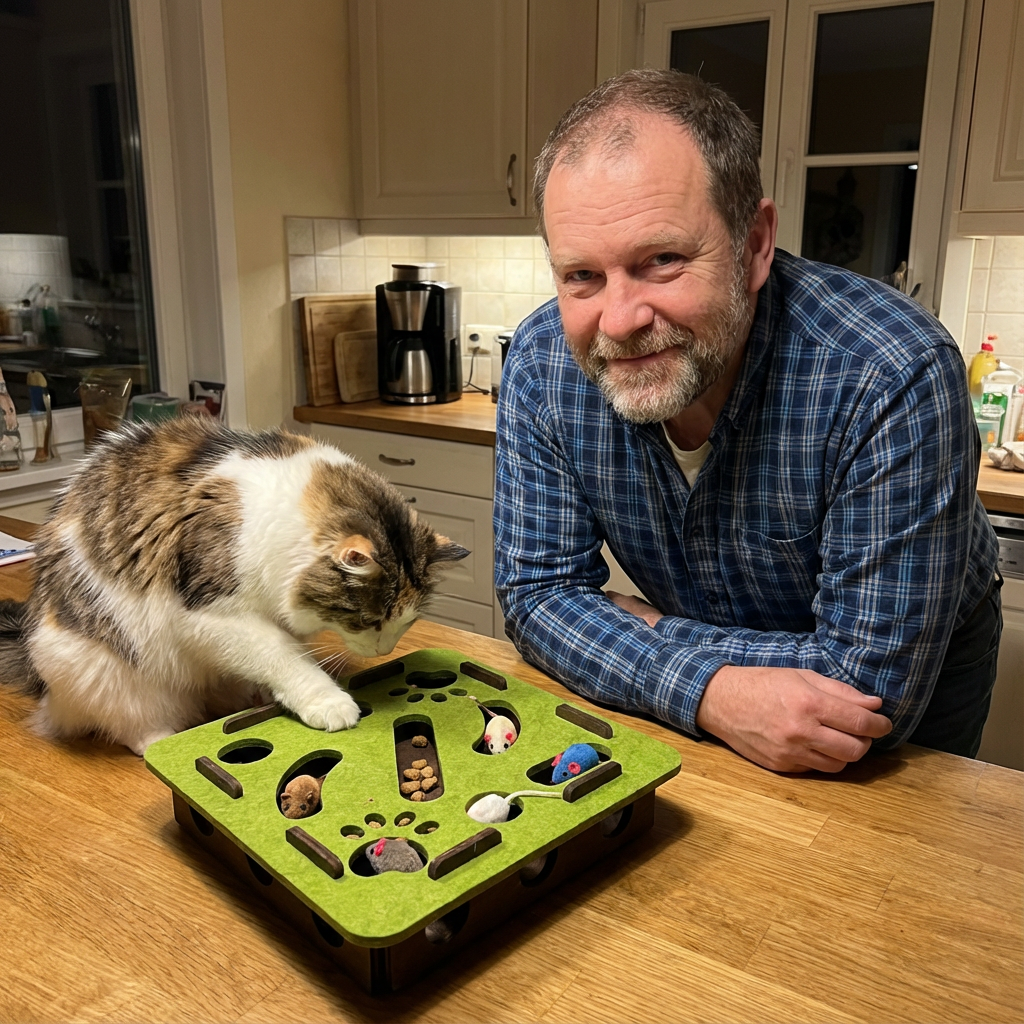
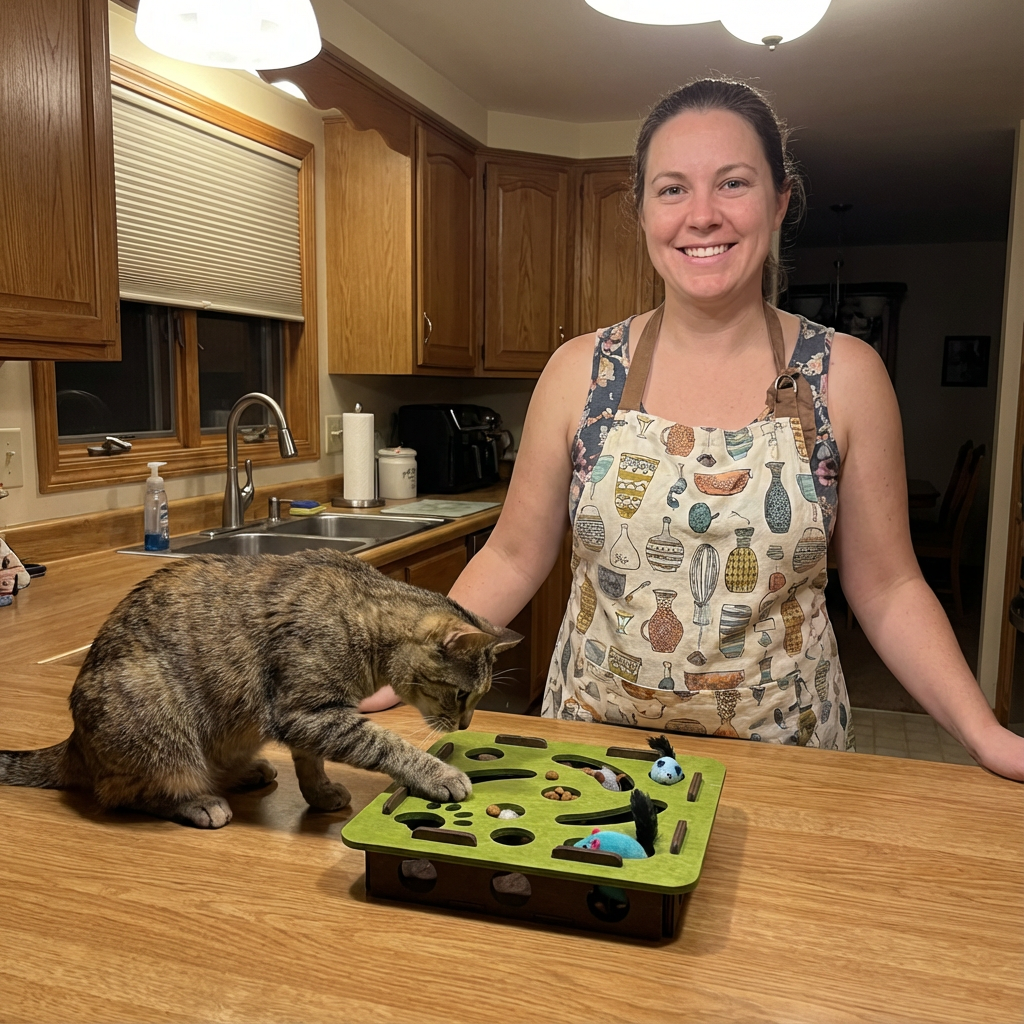
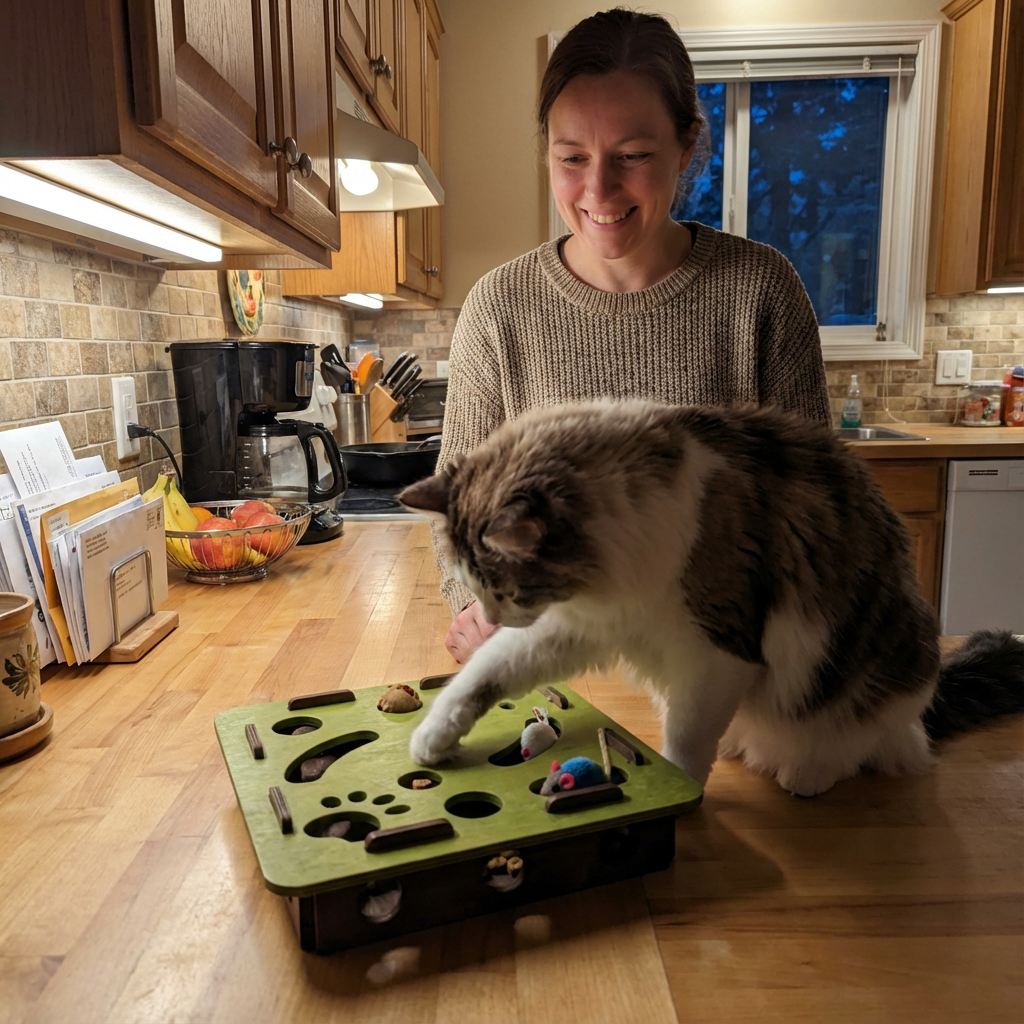
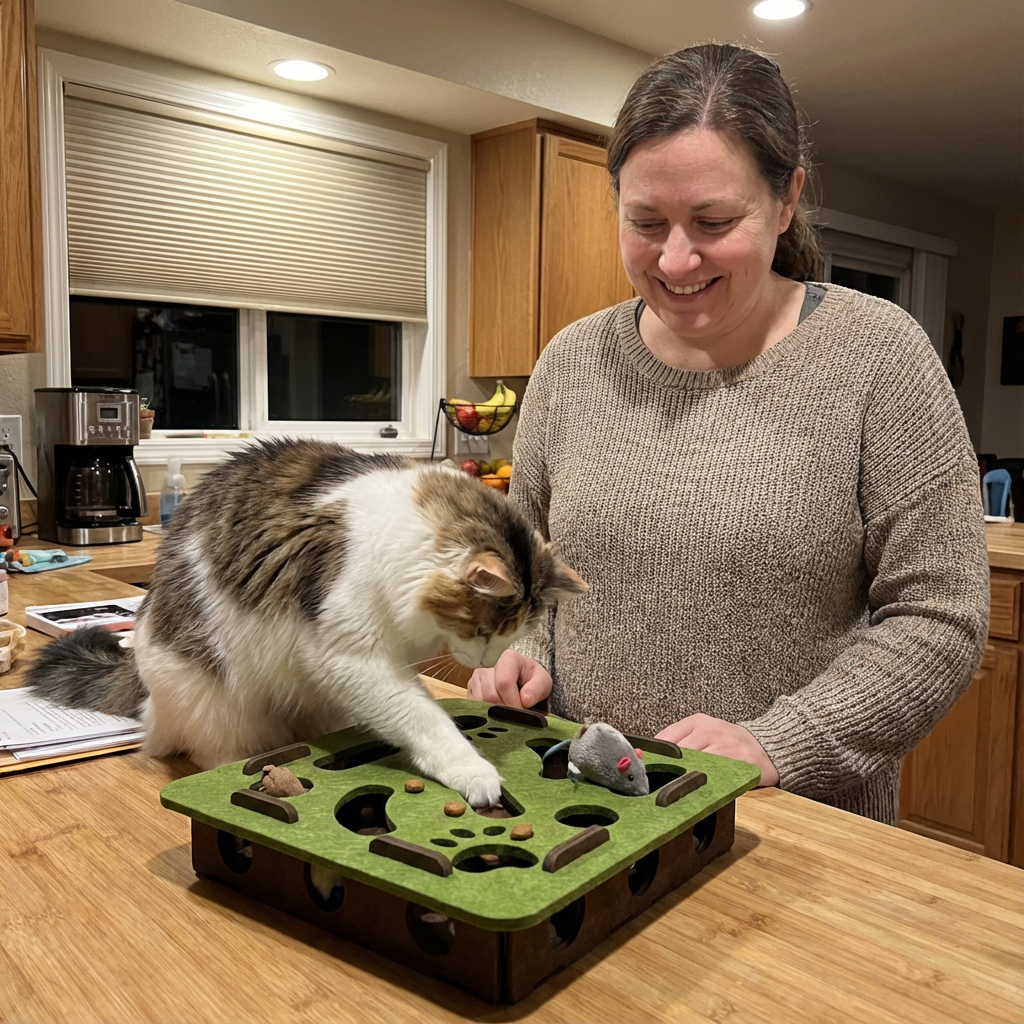
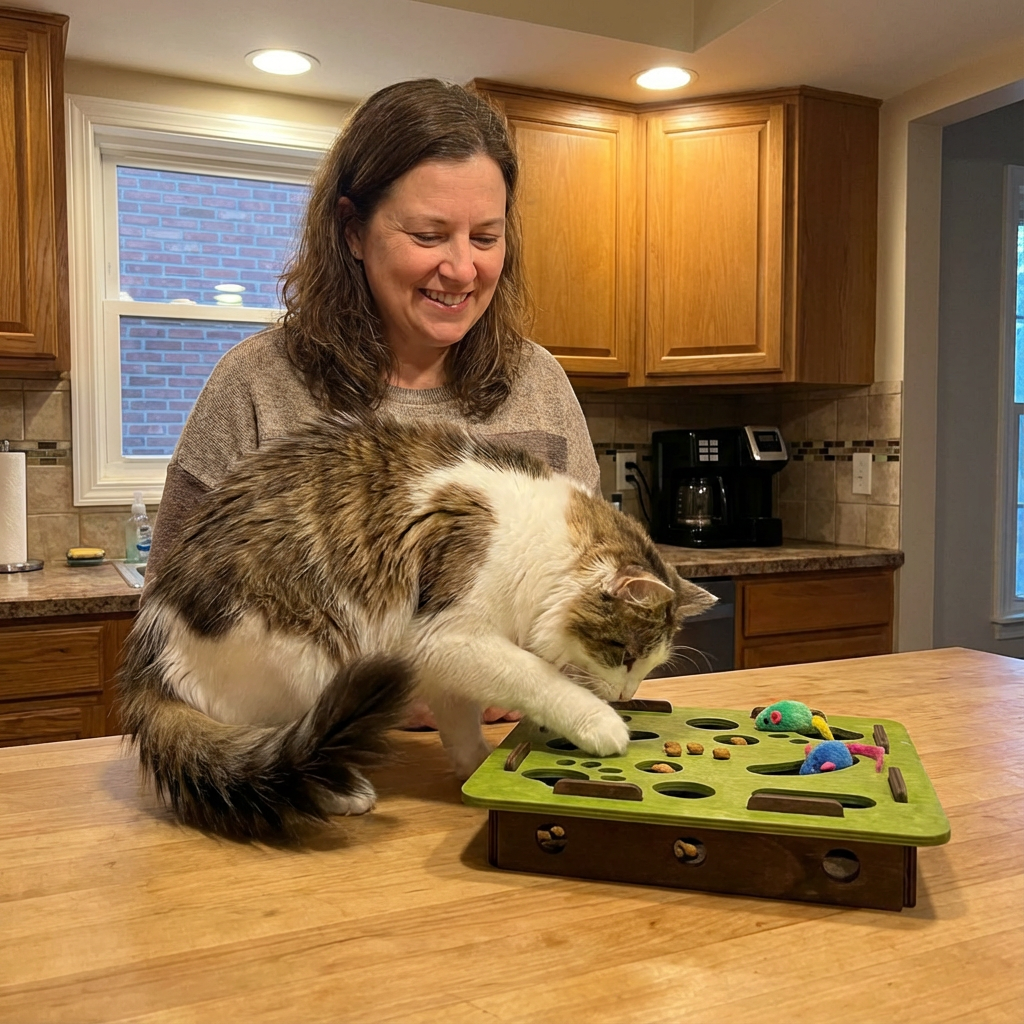
I spent $347 on cat toys in six months, and my vet said I'd been torturing my cat's brain the entire time. I live in Brooklyn with Luna, my 3-year-old tabby, and I'd convinced myself that the next toy would be THE toy. The one that finally worked. It started after I brought her home from the shelter. She was anxious, destructive, attacking my ankles at 2 AM. "She needs enrichment," the adoption counselor had said. "Bengals are smart. Keep her mind busy." Simple enough. I went to Petco that weekend and loaded up. Feather wands, crinkle balls, those little mice filled with catnip. Luna would love them. Except she didn't. Day one, she batted the mouse twice. Day two, she sniffed the feather wand and walked away. By day three, the toys were scattered under my couch, forgotten. "She's just settling in," I told myself. "Give it time." So I upgraded. Spent $35 on one of those automatic laser pointers that's supposed to "simulate prey." The reviews said cats went crazy for it. Luna chased the dot for maybe four minutes. Then she sat down, stared at where the laser disappeared into the wall, and meowed. Not a playful meow. A frustrated, almost angry sound. She did this for ten minutes straight. Staring at the wall. Crying. I turned it off and Googled "cat angry at laser pointer." That's when I learned about the incomplete hunting cycle. How lasers trigger the chase but cats never get the satisfaction of catching anything. How it can actually cause anxiety and aggression. Great. I'd spent $35 to stress out my cat. Next came the track toys. The ones with the ball that rolls around in a circle. Luna played with it for maybe thirty seconds, figured out the pattern, and never touched it again. Then the electronic fish that flops around. Luna watched it suspiciously from across the room like it might explode. The spring toys? Scattered everywhere, stepped on in the dark at 3 AM. The feather on a string attached to a doorknob? She pulled it down in one yank. $18 for five minutes of entertainment. I tried tunnel systems. Puzzle feeders made of hard plastic that she'd knock over in frustration. Catnip-filled everything. She'd sniff it, seem vaguely interested, then walk away. My living room looked like a pet store exploded. Toys everywhere. A graveyard of colorful plastic things Luna had touched once and abandoned. And she was still attacking my ankles. Still zooming around at 5 AM. Still scratching the corner of my couch despite having three different scratching posts. "Maybe she's just a difficult cat," my roommate suggested. "Some cats don't like toys." But I'd see her playing with random things—the tie from my bathrobe, a crumpled receipt, the cardboard box my last failed toy purchase came in. She'd spend twenty minutes pawing at a box, trying to fish out a pen I'd accidentally dropped inside. That's when it hit me. Luna didn't hate toys. She hated MY toys. Or more specifically, she hated toys that were either too easy, too frustrating, or made of materials that felt wrong to her. The laser? Too frustrating—chase with no catch. The track toy? Too predictable—she solved it in seconds. The plastic puzzles? Too hard and slippery—her claws couldn't grip anything. The cardboard box? That was perfect. It had texture. Resistance. Mystery. She could sink her claws in and actually FEEL like she was hunting. I went down a research rabbit hole at 2 AM, the kind where you find yourself on page 47 of Google results. That's where I found a forum post from a vet tech that changed everything. "Cats have 200 million scent receptors. They can detect when a material is 'dead' versus 'alive.' Hard plastic doesn't provide tactile feedback. Their claws slide right off. It's like trying to catch prey that has no texture. Frustrating and unsatisfying." She went on to explain that the most engaging toys for cats mimic organic materials—things their claws can grip and pull. Felt. Fabric. Suede. Materials with resistance. "The best toy I've found is this felt puzzle box. Not the hard plastic Nina Ottosson ones—those are too slippery. The felt ones from AliExpress. My cat plays with it for 30 minutes straight." I clicked the link skeptically. After $347 in failures, I wasn't optimistic. But the more I read, the more it made sense. The maze design meant Luna couldn't "solve" it in ten seconds like the track toy. The felt material meant her claws could actually grip when she tried to fish out the balls. It combined the mystery of the cardboard box with actual cognitive challenge. The reviews sealed it. Person after person saying the same thing: "My cat ignored every other toy. Plays with this for 20+ minutes." "Finally, a toy that didn't end up in the graveyard after two days." "I spent hundreds on toys my cat hated. This $15 felt box is the only thing she actually uses." I ordered it at midnight, half-expecting to add one more item to the toy graveyard. When it arrived, I didn't make a big deal about it. Just set it up on the living room floor with a few treats hidden inside and walked away. Luna approached cautiously. Three months of failed toys had made her suspicious of anything new. She sniffed it. Circled it. Then tentatively reached one paw inside. Her claw caught on the felt. I could see her surprise—the material actually had resistance. Wasn't slippery. Felt like something real. She pulled her paw back, repositioning. Tried a different angle. Her whole body engaged—crouching, calculating, problem-solving. Then she got her claw hooked on one of the balls inside. I watched her pupils dilate. That hunting focus I'd only seen when she stalked receipts. She played with it for fifteen minutes straight. Not the frantic, frustrated play of the laser pointer. Not the bored batting of the track toy. Actual, engaged, problem-solving play. When she finally pulled the ball out through one of the holes, she grabbed it in her mouth and carried it across the room like a kill. Then went back for more. I stood there watching, almost afraid to move and break the spell. Over the next few days, the Purrpuzzle became Luna's obsession. She'd play with it every morning. Every evening. Sometimes I'd wake up at 2 AM to the soft sound of felt-on-felt as she fished balls through the maze. The ankle attacks stopped. The 5 AM zoomies disappeared. She still had energy, but now she had an outlet that actually satisfied her. The couch scratching reduced dramatically. Turns out she wasn't trying to destroy furniture—she needed something she could sink her claws into. The felt puzzle box gave her that tactile resistance. Three weeks in, my roommate commented, "Luna seems... calmer. Happier." She was right. Luna's whole demeanor had changed. More relaxed. More content. Still playful, but not frantic. I looked at the toy graveyard under my couch. The laser pointer. The track toys. The electronic fish. The spring toys. The feather wands. $347 worth of colorful plastic garbage that promised engagement and delivered nothing. Then I looked at Luna, completely absorbed in the felt puzzle box. Her claws gripping. Her mind working. Her predatory instincts finally, FINALLY satisfied. I pulled out every failed toy and donated them. Cleared them out like the junk they were. Here's what I learned: Expensive doesn't mean effective. Electronic doesn't mean engaging. And what works for dogs—bright colors, loud sounds, obvious rewards—is completely wrong for cats. Cats need texture. Mystery. The satisfaction of actually catching something. Materials their 10,000-year-old hunting instincts recognize as "real." Felt isn't fancy. It's functional. It's what their claws are designed to grip. What their brains recognize as prey-like. What actually completes the hunting cycle instead of frustrating it halfway through. I think about all the cat owners buying the same junk I bought. Spending hundreds on toys that end up in the graveyard. Thinking their cat is "picky" or "difficult" when really, we're just buying the wrong materials. Luna isn't difficult. She's a predator. And predators need to feel like they're hunting something real. The Purrpuzzle isn't in some premium pet boutique with a $60 price tag. It's on AliExpress for less than the cost of that stupid electronic fish. And it's the only toy Luna has ever consistently played with. If your living room looks like mine did—a graveyard of abandoned toys your cat touched once—I'm telling you, it's not your cat. It's the toys. Get something made of material their claws can actually grip. Something their brain recognizes as worth hunting. Something that doesn't solve itself in thirty seconds. Stop wasting money on plastic junk that looks cute to humans but feels dead to cats. Luna's playing with her Purrpuzzle right now. Fourth time today. Same engagement as day one. That's not luck. That's finally buying the right toy after buying twenty wrong ones. Your cat isn't picky. They're just waiting for something that actually works.
Where the ad sends people
purrpuzzle.com
Read this if your cat ignores every toy 👆
Is your indoor cat bored? Ditch the plastic "toy graveyard." Our vet-concept felt puzzle provides professional-grade foraging enrichment for happy, quiet cats.
Shop now: purrpuzzle.com(opens in a new tab)