
Inactive· since Jun 10, 2026
- 9
- days it ran
- 0
- relaunches
Ad copy
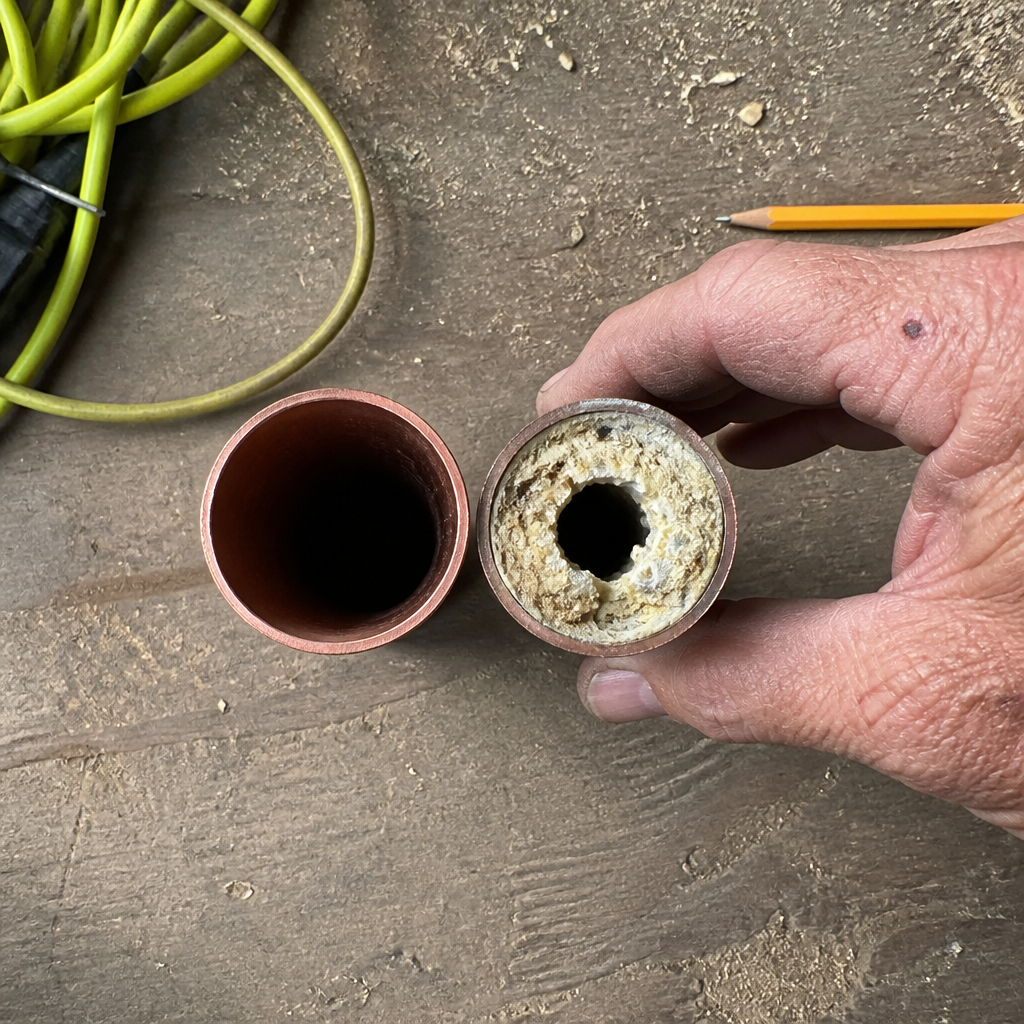
Experts say plaque slowly fills your arteries. Cholesterol builds up, year after year, until one day the pipe is too narrow and you need a stent. That's the story most of us have heard. But here's what they don't tell you. Something worse happens before the blockage ever becomes the problem. Your arteries turn to stone. Not metaphorically. Literally. The walls of your blood vessels calcify. They lose the ability to flex, to expand, to respond to pressure the way they did when you were younger. And once that happens, it doesn't matter how clean your cholesterol numbers look on paper. You're still one step away from the cardiologist's office. Let me explain what's actually happening inside your cardiovascular system. Because once you see it, the solution becomes obvious. Think of your arteries like a flexible garden hose. When the hose is new, it's soft. It bends. It absorbs pressure. When you turn the water on, the hose expands slightly to accommodate the flow. That's what healthy arteries do with every heartbeat. They flex. Now imagine that same hose left outside through ten winters. The rubber gets stiff. Cracks start to form. It doesn't bend anymore. When you turn the water on, the pressure has nowhere to go. The hose can't expand. So the pressure just builds. That's what happens to your arteries as calcium deposits embed in the vessel walls. They lose elasticity. They can't dilate when your heart pumps. So your blood pressure climbs. Your heart works harder. And every uphill walk, every flight of stairs, every moment of exertion becomes a test your cardiovascular system is barely passing. Here's the part that surprised me when I first learned it. The plaque itself isn't always the danger. It's the rigidity. A flexible artery with some plaque can still function. It can still respond to demand, still deliver oxygen where it's needed. But a calcified artery, even with moderate plaque, is a pipe under constant stress. And stress fractures pipes. That's when you get the rupture. The clot. The event that sends you to the ER. So the question isn't just "how do we reduce plaque?" The question is: how do we restore flexibility to blood vessels that have already started to stiffen? For decades, the answer was: you can't. You manage it. You take statins to slow new plaque. You take blood pressure supplements to reduce the strain. You hope the hose holds. But about twenty years ago, researchers in Japan started looking at a different approach. They weren't cardiologists. They were food scientists studying natto, a traditional fermented soybean dish that's been eaten in Japan for over a thousand years. And they discovered something unusual. Natto contains an enzyme that breaks down fibrin. Fibrin is the protein your body uses to form clots. It's also one of the main components of the sticky matrix that holds arterial plaque together. The enzyme is called nattokinase. And in controlled studies, it didn't just support healthy circulation. It supported the body's ability to break down the fibrin networks that make plaque rigid. Not overnight. Not like a drug. But steadily, consistently, the way your body would if it still produced enough of this enzyme on its own. Which it doesn't, after about age fifty. Here's what the research showed. In a 2016 study published in Integrated Blood Pressure Control, participants with elevated blood pressure were given nattokinase daily for eight weeks. Their systolic pressure dropped an average of 5.5 mmHg. Their diastolic dropped 2.8 mmHg. In people whose numbers were already in the range their specialists wanted them in. Not because it forced the vessels open. Because it supported the breakdown of fibrin, allowing the vessels to regain some of their natural flexibility. Another study, this one from Nutrition Research in 2015, measured arterial stiffness directly using pulse wave velocity. That's the speed at which pressure waves travel through your arteries. The stiffer the vessel, the faster the wave. After eight weeks of nattokinase supplementation, pulse wave velocity decreased. The arteries had become measurably more flexible. The dose that mattered in these studies was 5,000 fibrinolytic units, taken daily. That's the amount in one capsule of Maia Nattokinase. It's derived from non-GMO soybeans, fermented under controlled conditions to isolate the enzyme without the strong taste or vitamin K2 content of whole natto. Because not everyone wants to eat fermented soybeans for breakfast. But everyone with a high calcium score, everyone who gets winded on hills, everyone who's been told their arteries are stiff, deserves to know this enzyme exists. I'm not saying it reverses calcification. I'm not saying it clears blockages. I'm saying it supports the process your body uses to maintain healthy blood viscosity and vascular flexibility. The process that, for most of us over sixty, has slowed down to the point where the pipes are getting stiffer every year. Nattokinase gives your body the tool it needs to keep that process running. If you've been managing your cholesterol, watching your diet, doing everything right and still seeing your calcium score climb, this is the missing piece. The enzyme that supports fibrin breakdown. The one your body used to make more of. Maia Nattokinase. 5,000 FU per capsule. The clinical dose. Tap below to learn more. https://www.buymaia.com/shocking-discovery-nattokinase-plaque
Like this ad? Make it yours.
Crush rebuilds this exact creative around your product — your brand, your colors, your offer — in about a minute.