
Inactive· since Mar 8, 2026
- 13
- days it ran
- 1
- relaunches
Ad copy
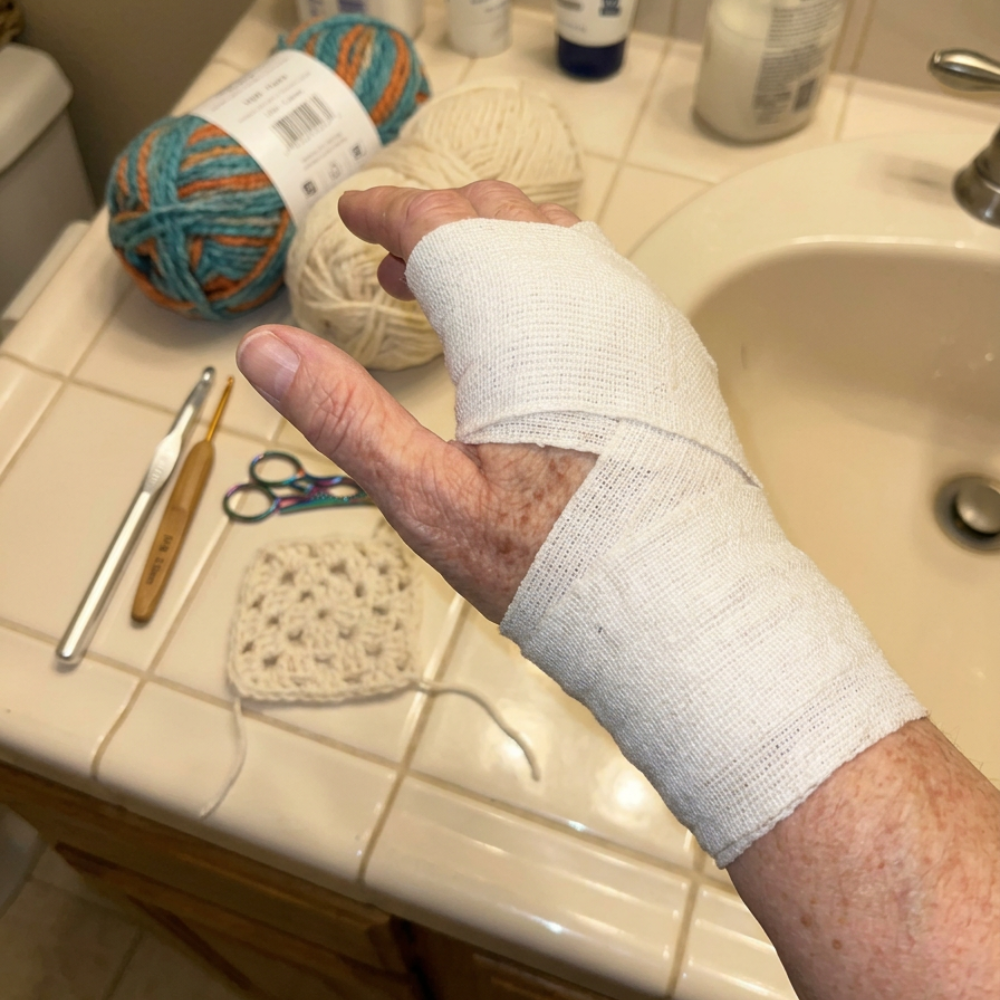
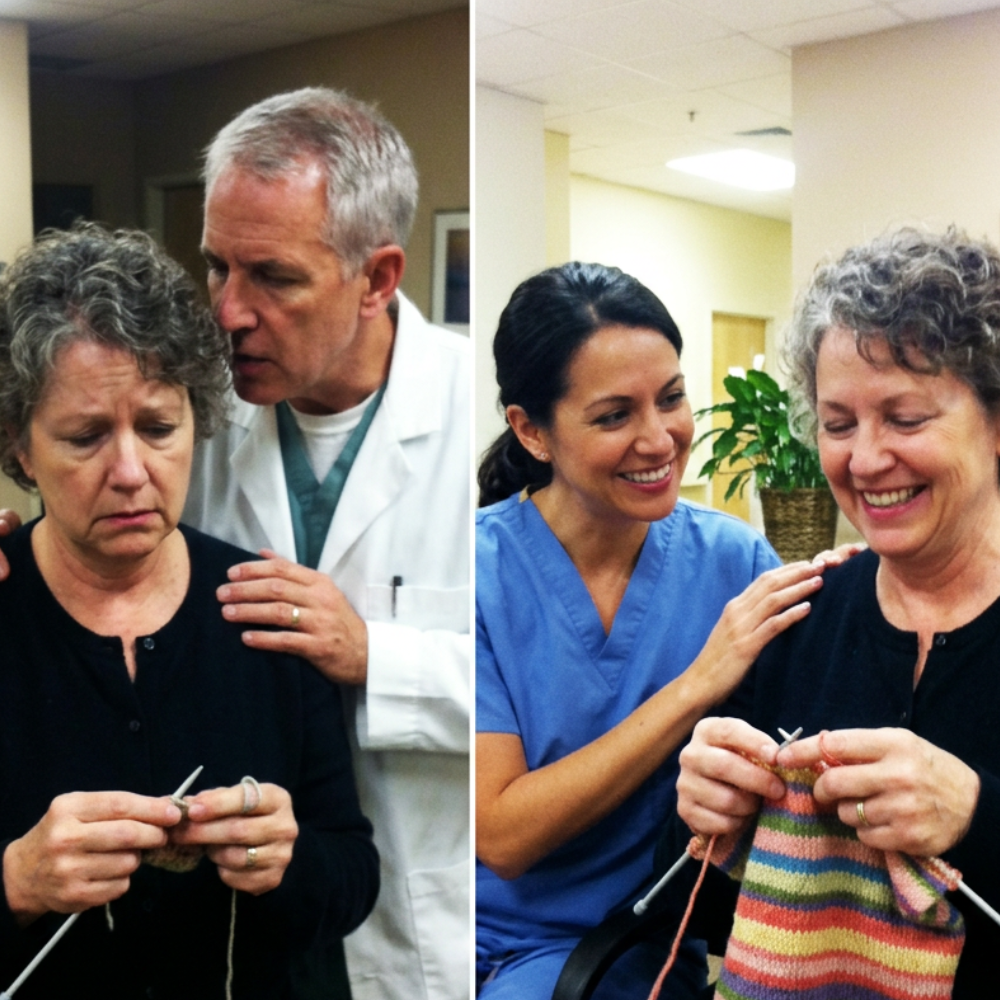
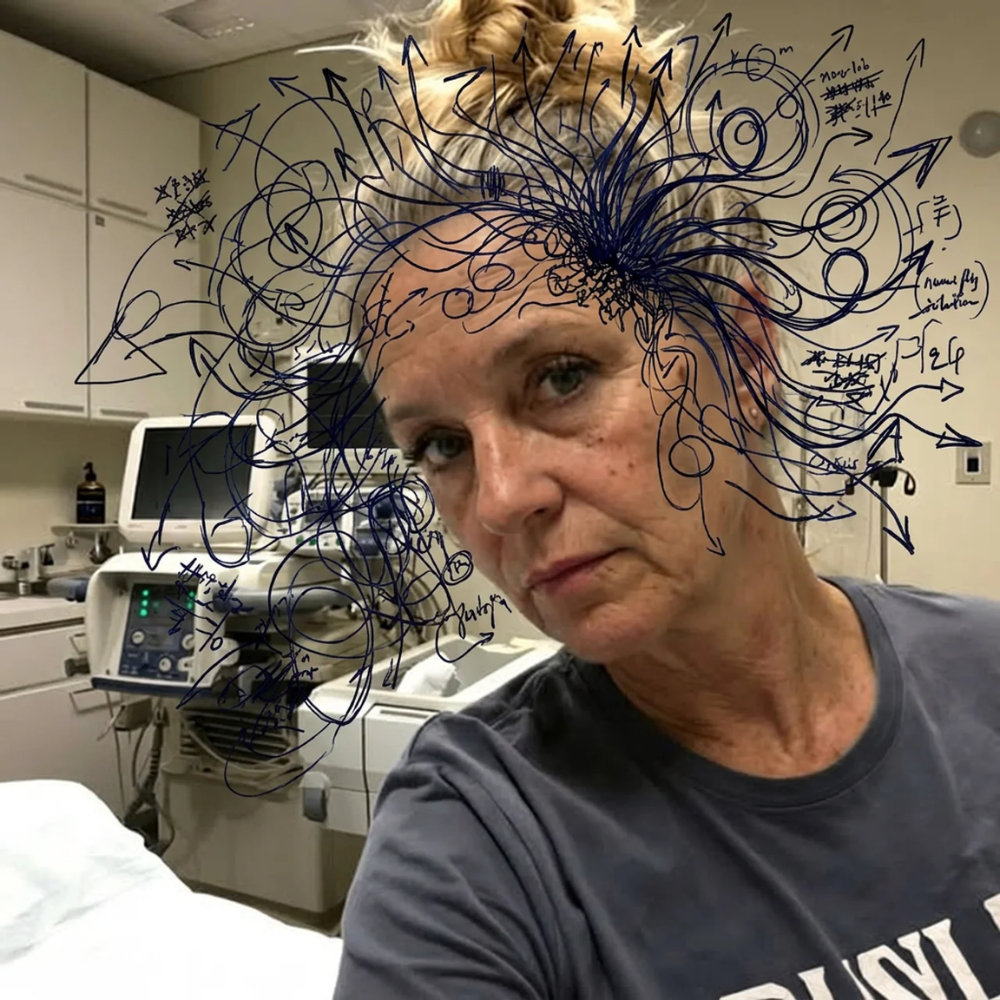
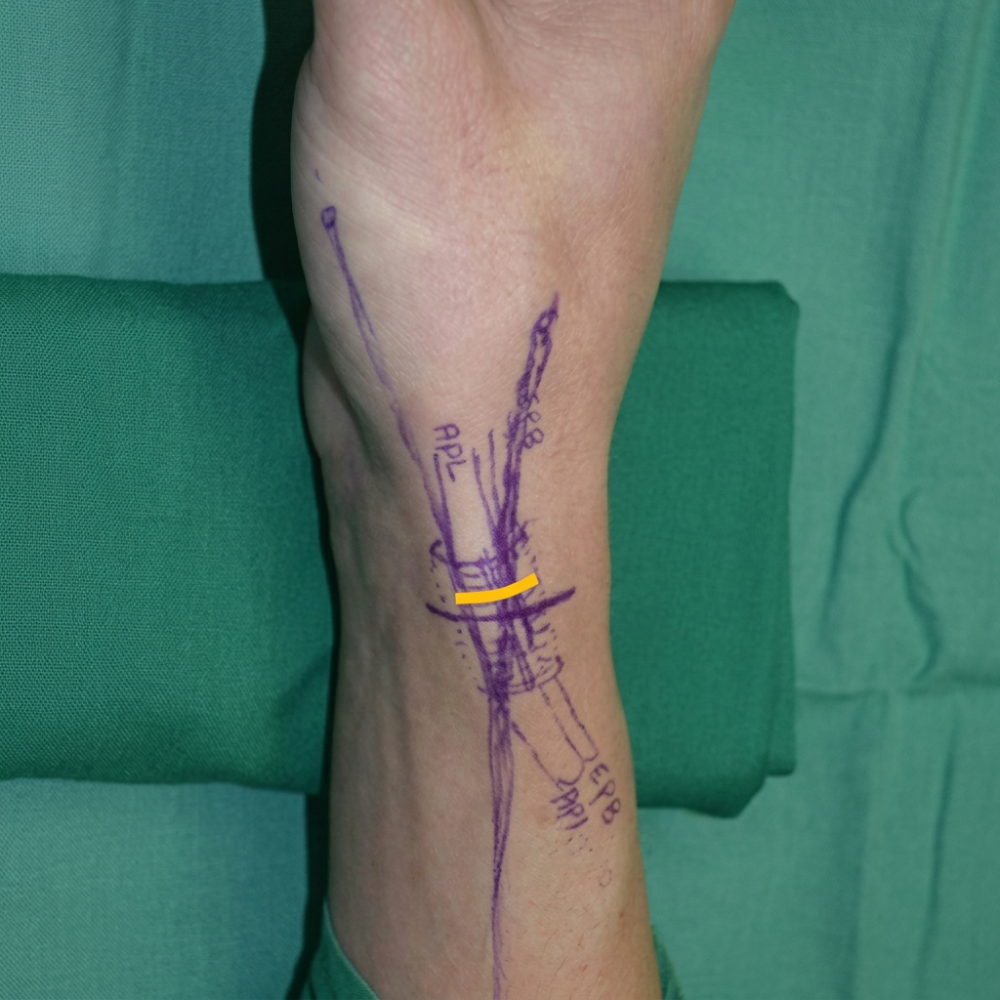
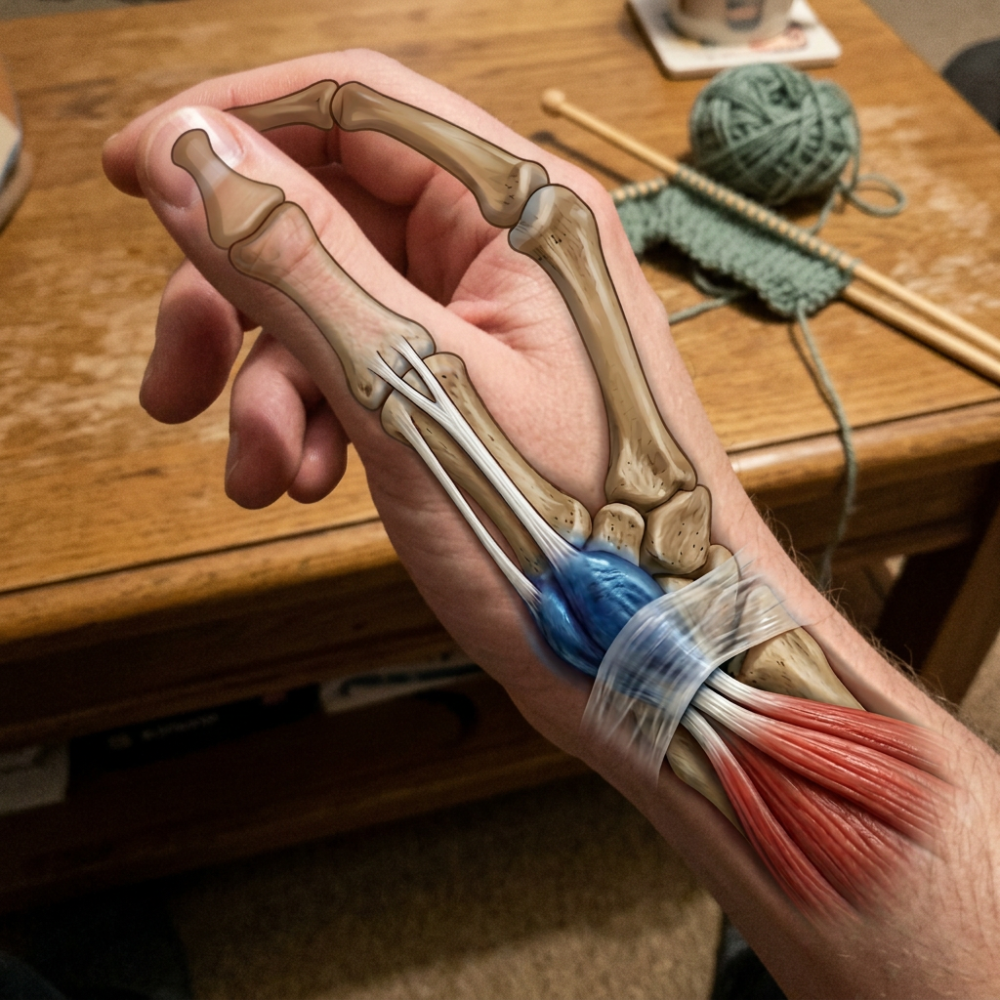
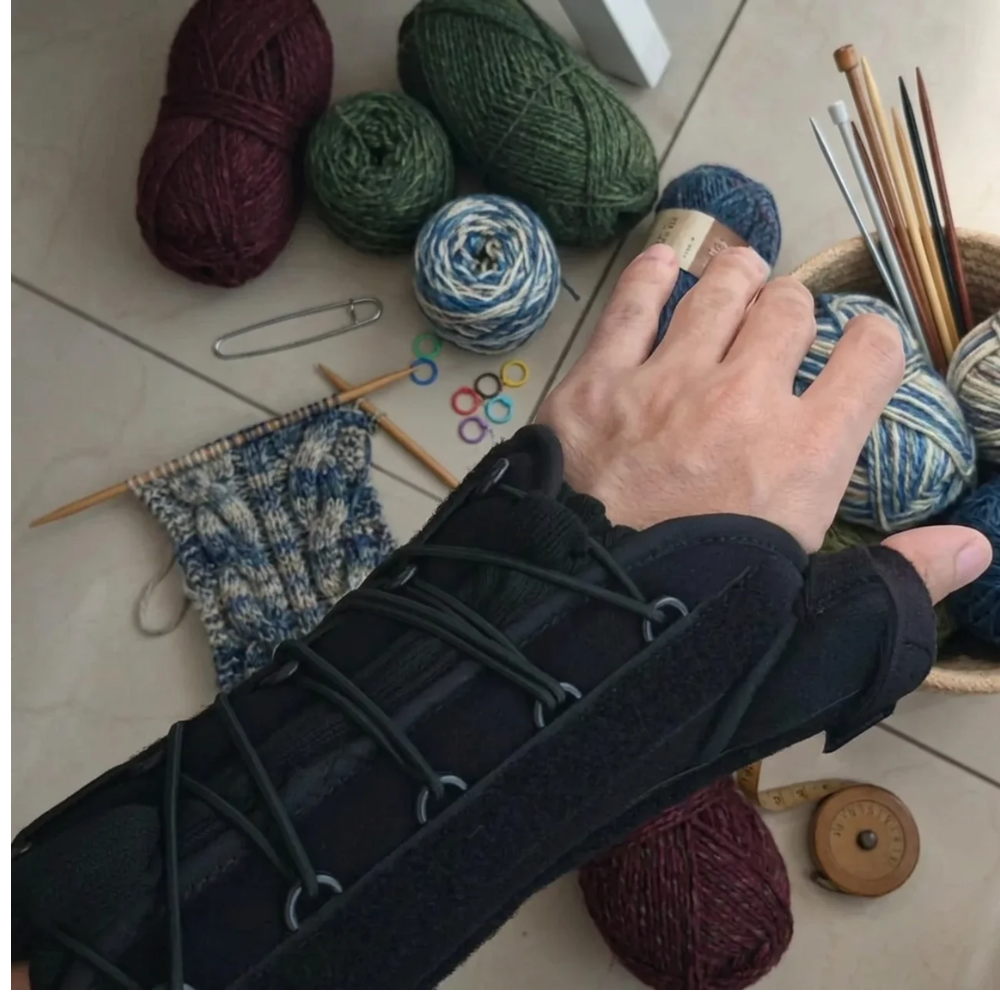
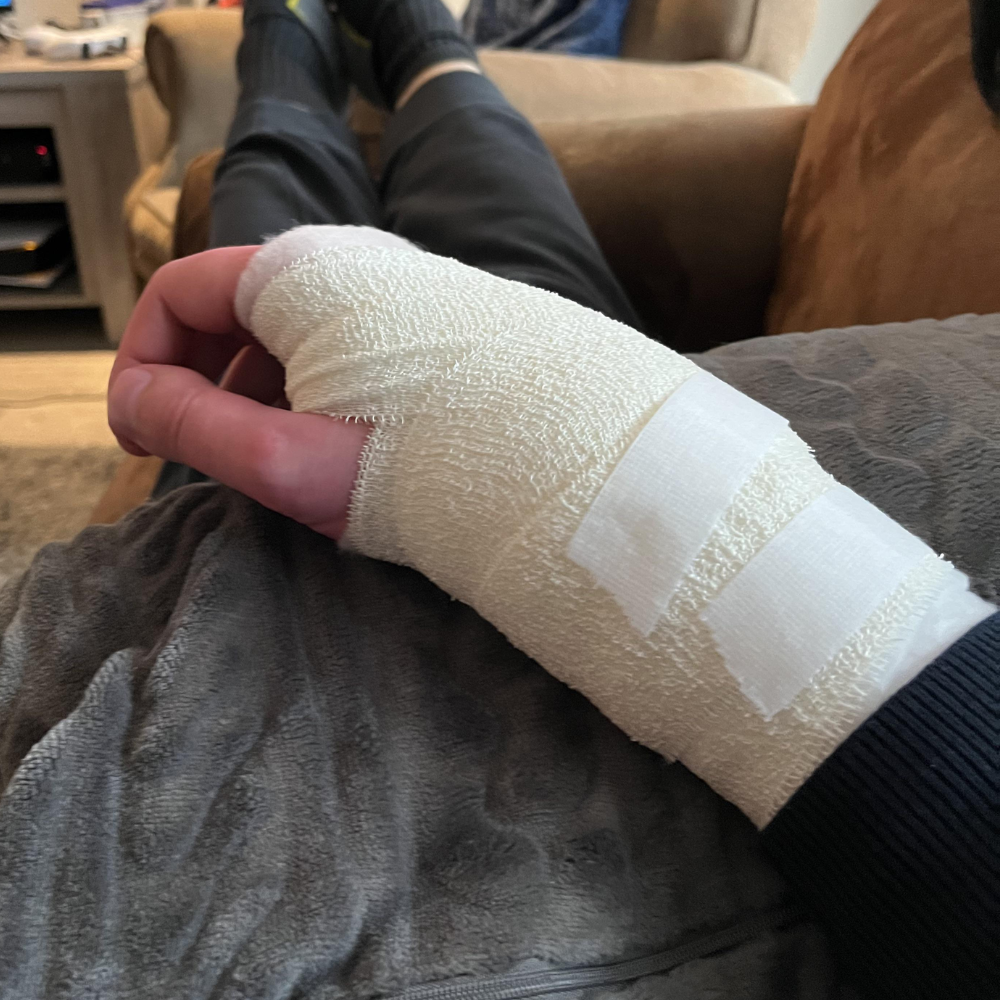
I put all my yarn in garbage bags last December. My daughter found them in the garage and called me crying. I need to explain why I did that. Because it wasn’t dramatic. It was the quietest, saddest thing I’ve ever done. I’m 63. I’ve been knitting since I was nineteen. Forty-four years. Through two pregnancies, a divorce, three moves, the death of my mother, and the kind of loneliness that comes after your kids leave and the house goes silent. Knitting was the thread that held all those years together. Not a metaphor. Literally. Thread through my fingers, every single night. Last September, my doctor told me I have De Quervain’s tenosynovitis. Inflammation of the tendons on the thumb side of the wrist. He showed me on a little plastic model where the swelling was. He said it was caused by “chronic repetitive motion.” He looked at me over his glasses. “What do you do with your hands?” “I knit.” “How often?” “Every day.” He wrote something on his pad. Then he said: “You need to stop. At least for now. This will only get worse if you keep doing the thing that’s causing it.” I nodded. Went home. Sat in my living room. And for the first week I was good. I didn’t pick up my needles. I watched TV. I read a book I didn’t care about. I reorganized the kitchen pantry for no reason. By week two my hands were restless. Not in a cute way. In a crawl-out-of-your-skin way. I’d catch myself making the motion—thumb and forefinger pinching empty air—while watching television. My hands didn’t know what to do without yarn. By week three the restlessness turned into something heavier. I felt hollow. I know that sounds like I’m making too much of it. But knitting was the one thing in my day that was mine. Not for anyone else. Not because I had to. Just mine. And it was gone. I tried picking it up once. Just once, in early October. Thirteen minutes. That’s all I got before the pain in my wrist flared so sharp I gasped. Not the dull ache I was used to. A hot, stabbing pain right along the tendon, like someone had pressed a lit match against the inside of my wrist. I put the needles down and didn’t touch them again for six weeks. That’s when I put the yarn in the garbage bags. It wasn’t anger. It wasn’t a decision. It was surrender. I couldn’t keep looking at it. The bins in my craft room. The project bags hanging on the door hook. The half-finished ripple blanket in autumn colors that I’d been making for my daughter’s new apartment. Every time I walked past that room, it felt like visiting a grave. So I bagged it all. Twelve garbage bags. Forty-four years of collected yarn, sorted by color, labeled by weight. I carried them to the garage one at a time and lined them against the back wall. My daughter Katie came over the next weekend. She went to grab something from the garage and saw them. When she came back she confronted me. I could hear it in her voice before she even asked. “Mom. Why is your yarn in the garage?” I told her. The diagnosis. The pain. The thirteen minutes. The doctor’s orders. She was quiet for a long time. Then she said, very softly: “Mom, you can’t just stop. That’s… that’s who you are.” And then she started crying. Not for the yarn. For me. Because she knew what it meant. She grew up watching me knit every night of her life. She learned her first stitches on my lap. Her baby blanket, her prom shawl, her first apartment throw—all my hands. That conversation broke something open. Not in a good way. In the way where you realize you’ve been pretending you’re okay and suddenly you’re not. Katie called me back two days later. She’d been researching. She does that—she’s a digger. She said she’d found a video from an occupational therapist who specializes in hand and wrist rehabilitation for people who do repetitive fine-motor work. Embroiderers. Jewelers. Seamstresses. Knitters. “Just watch it,” she said. “Please.” I watched it that night at the kitchen table with a cup of tea going cold next to me. The therapist said something in the first five minutes that made me set my mug down. She said most of the crafters she treats weren’t diagnosed with what was actually causing their pain. They were diagnosed with the result of what was causing their pain. The tendonitis, the De Quervain’s, the carpal tunnel—those were the end point. The inflammation. The swelling. The damage that showed up on the exam. But nobody was asking what was creating the inflammation in the first place. She said in almost every crafter she’d worked with, the root cause was the same: chronic wrist instability from years of unsupported micro-movements. Every stitch—every single one—requires a tiny lateral shift in the wrist. Not big enough to feel. But hundreds of them per minute, hour after hour, year after year add up. Over time, those micro-shifts strain the small tendons and soft tissue. The tissue swells. The swelling compresses the structures inside the wrist. And depending on where the compression lands, you get a different diagnosis. De Quervain’s. Carpal tunnel. Tendonitis. Different labels. Same underlying cause. And here’s what stopped me cold. She said the standard medical advice—stop the activity—treats the inflammation but not the instability. So the swelling goes down during rest. But the moment you resume the activity, the wrist goes right back to absorbing those micro-movements unsupported. And the inflammation returns. Often faster. Often worse. That’s exactly what happened to me. My thirteen minutes in October. Six weeks of rest and I lasted thirteen minutes before the pain came back hotter than before. She said braces didn’t solve it because they immobilize the wrist completely. Good for rest. Useless for crafting. Compression gloves didn’t solve it because they target the fingers and palm—not the wrist joint where the instability lives. What the wrist actually needs, she said, is stabilization during movement. Something that holds the joint steady while still letting it work. Not a lockdown. Not a squeeze. Targeted support around the wrist itself, flexible enough to craft in but firm enough to absorb those hundreds of micro-shifts that the tendons have been absorbing alone for decades. She recommended compression wrist sleeves designed for handwork. Not braces. Not gloves. Sleeves. I watched that video twice. Then I sat at my kitchen table for a long time. Because if she was right—if the instability was the cause and the diagnosis was the symptom—then stopping knitting wasn’t fixing anything. It was just pausing the symptom while the cause waited for me to come back. I ordered a sleeve the next morning. Three days later it arrived. I went to the garage. I opened the first garbage bag. Pulled out a skein of that autumn-colored yarn for Katie’s blanket. Brought it inside. Sat in my chair. I put the sleeve on. Picked up my needles. And I was terrified. Because I remembered thirteen minutes. I remembered the hot, stabbing pain. I remembered putting the needles down and not touching them for six weeks. And I thought: what if this doesn’t work and I have to bag the yarn again and this time I don’t bring it back? Fifteen minutes. No pain. I kept going. My hands were shaking slightly but I kept going. Thirty minutes. A warmth in my wrist but not pain. Just awareness. Like the joint knew it was working but wasn’t being hurt. Forty-five minutes. I looked at the clock and something released in my chest. Like a fist unclenching. Because I had exceeded thirty minute and my wrist felt steady. I knitted for an hour and twenty minutes that night. When I stopped, I sat in my chair holding my needles and the first few inches of Katie’s blanket and I didn’t move for a long time. That was eight weeks ago. I knit every night now. An hour and a half, sometimes two hours. I wear the sleeve every single session. Katie’s blanket is almost finished—I’m on the border rows. The autumn colors look even better than I imagined. The stabbing pain hasn’t come back. The dull ache that used to live in my wrist like a permanent tenant is gone. I went back to my doctor last month and he said the inflammation had decreased. He asked what I’d changed. I told him. He wrote it down. The yarn is back in the craft room. All twelve bags. Sorted by color, labeled by weight, exactly where they belong. Last weekend Katie came over. She walked past the craft room and stopped. Looked in. Looked at me. And she didn’t say anything. She just hugged me. If you’ve been told to stop—if someone has looked at your wrist and said the knitting has to go, or the crocheting, or the quilting—I’m not telling you to ignore your doctor. I’m telling you there might be a question nobody asked. And the answer to that question might be the difference between bagging your yarn and bringing it back inside. I almost didn’t bring mine back. Link is below.
Like this ad? Make it yours.
Crush rebuilds this exact creative around your product — your brand, your colors, your offer — in about a minute.