Naturelia
Naturelia Facebook ad: “The Strange Feeling of Being Mentally Tired All…”
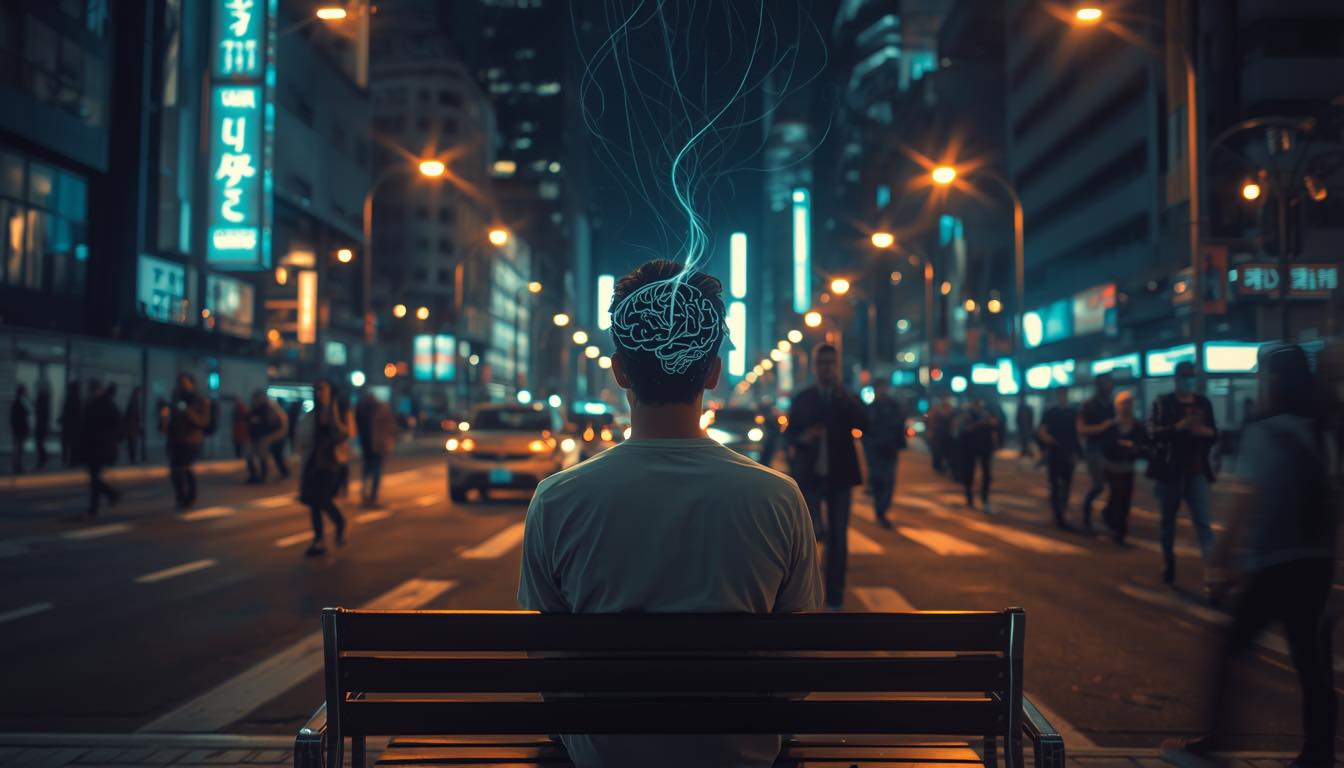
Ran for 84 days, from May 28 to August 20, 2026, the last day Crush saw it.
Run by Naturelia on Facebook. Crush is not the advertiser and does not verify its claims. See this ad in Meta's Ad Library(opens in a new tab)
Want an ad like this for your product?
Crush makes new ad images for your product from this ad: your logo, your product photo, your offer.
Trials from $19.95 USD, then $79.95 USD a month. Cancel anytime.
About this ad
- Meta Ad Library ID
- 2029232537688236
- Platforms
- Facebook and Instagram
- Relaunches
- 0
- EU reach
- 292
Ad text
The Strange Feeling of Being Mentally Tired All the Time Even When You’re Not Physically Exhausted One of the strangest things about mental exhaustion is that it doesn’t always look dramatic from the outside. You can still go to work. Still answer messages. Still function normally enough that nobody around you notices anything is wrong. And yet, somewhere in the background, your mind feels permanently tired. Not sleepy, exactly. Just mentally worn down in a way that’s difficult to describe properly. Simple things begin requiring more effort than they used to. Concentration becomes fragile. Thoughts feel less organized. Even moments that are supposed to feel relaxing somehow fail to create real recovery. And because life keeps moving, most people adapt to this state without fully realizing how unnatural it actually feels. That’s what makes mental fatigue so deceptive. It doesn’t always arrive as a breakdown. Sometimes it arrives quietly — through constant stimulation, interrupted attention, emotional pressure, information overload, poor recovery, and the endless feeling that your brain is never truly allowed to stop processing. Modern life rewards mental availability almost all the time. People are expected to respond quickly, absorb constantly, switch attention rapidly, stay updated endlessly. Even moments of “rest” are often filled with more input: more scrolling, more content, more noise pretending to be relaxation. The nervous system never fully leaves reaction mode. After enough time in that cycle, the brain starts protecting itself in subtle ways. Focus weakens. Mental resistance increases. Motivation becomes inconsistent. Not necessarily because someone is lazy or unmotivated, but because the brain has been overloaded for longer than it was designed to handle comfortably. And what’s difficult is that many people blame themselves instead of recognizing the environment they’ve been mentally living inside. They assume they need more discipline. More pressure. More productivity. But sometimes the real problem is that the brain has spent too much time carrying more stimulation than it can properly recover from. That’s why genuine mental recovery feels so different when it finally happens. A quiet evening without constant input. A slow morning where attention isn’t immediately attacked. A walk where the mind isn’t multitasking every second. These moments seem small, but they allow something important to happen: the nervous system softens. And once that begins happening consistently, people often notice that clarity slowly starts returning in ways they didn’t expect. Not instantly. Not perfectly. But enough to remember what it feels like when the mind is no longer constantly fighting to keep up with everything around it. Maybe that’s why mental exhaustion feels so confusing today. Because people are physically present almost everywhere… while mentally, they rarely get the chance to fully rest anywhere at all. #MentalFatigue #BrainHealth #MentalClarity #MentalWellness #MindAndBrain #Focus #MentalPerformance #HealthyHabits #Wellbeing #BrainFunction #Attention #HealthyLifestyle #MentalEnergy #Neuroscience #NaturalHealth #Overstimulation #SlowLiving #CalmMind #ClearMind #Naturelia