Jennifer Nelson
Jennifer Nelson Facebook ad: “Reverse GLP-1 Hair Loss”
Ran for 24 days, from February 25 to March 21, 2026, the last day Crush saw it.
Run by Jennifer Nelson on Facebook. Crush is not the advertiser and does not verify its claims. See this ad in Meta's Ad Library(opens in a new tab)
Want an ad like this for your product?
Crush makes new ad images for your product from this ad: your logo, your product photo, your offer.
Trials from $19.95 USD, then $79.95 USD a month. Cancel anytime.
About this ad
- Meta Ad Library ID
- 2039820086578786
- Platforms
- Facebook, Instagram, Audience Network, Messenger and Threads
- Relaunches
- 3
- Niche
- Hair Care
Ad text
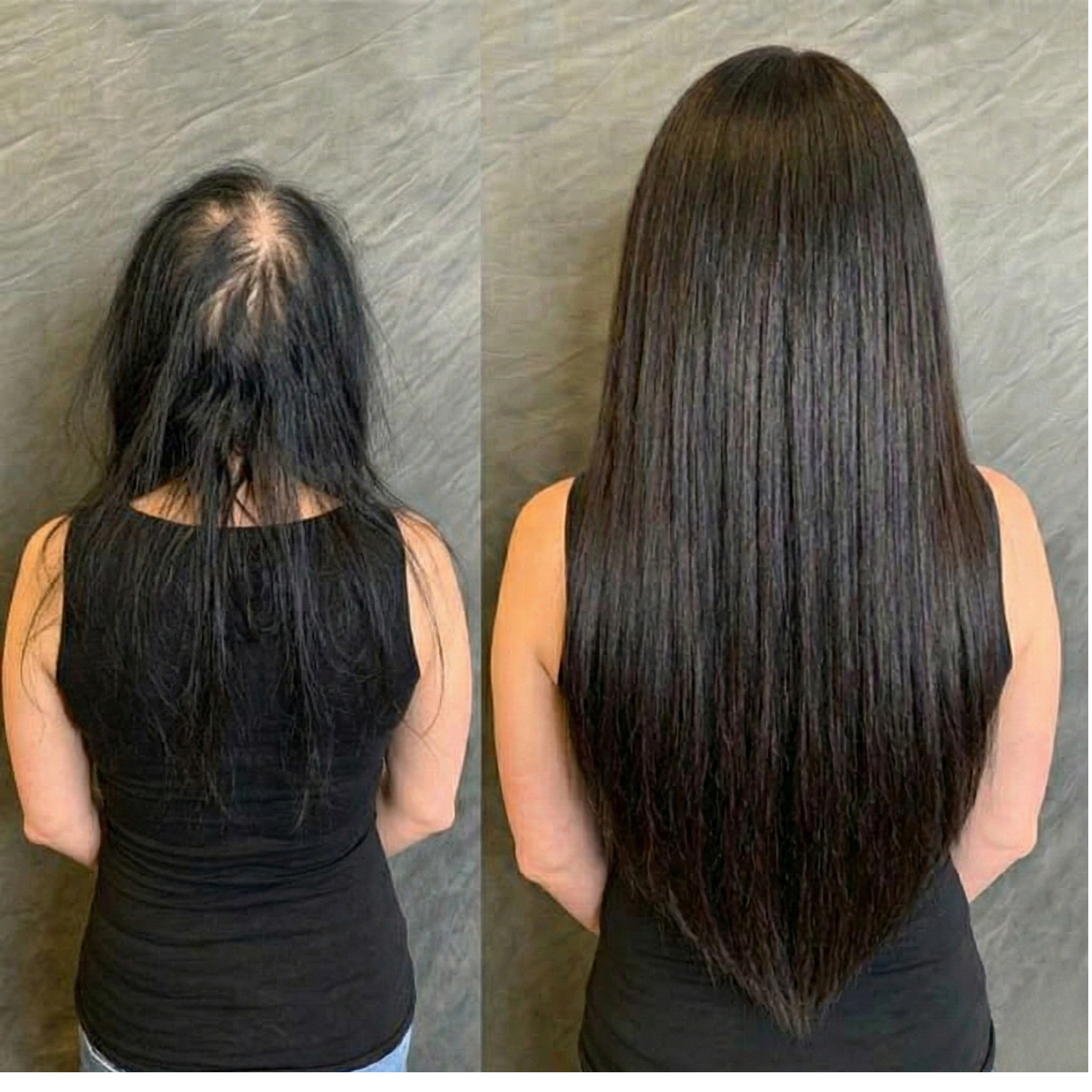
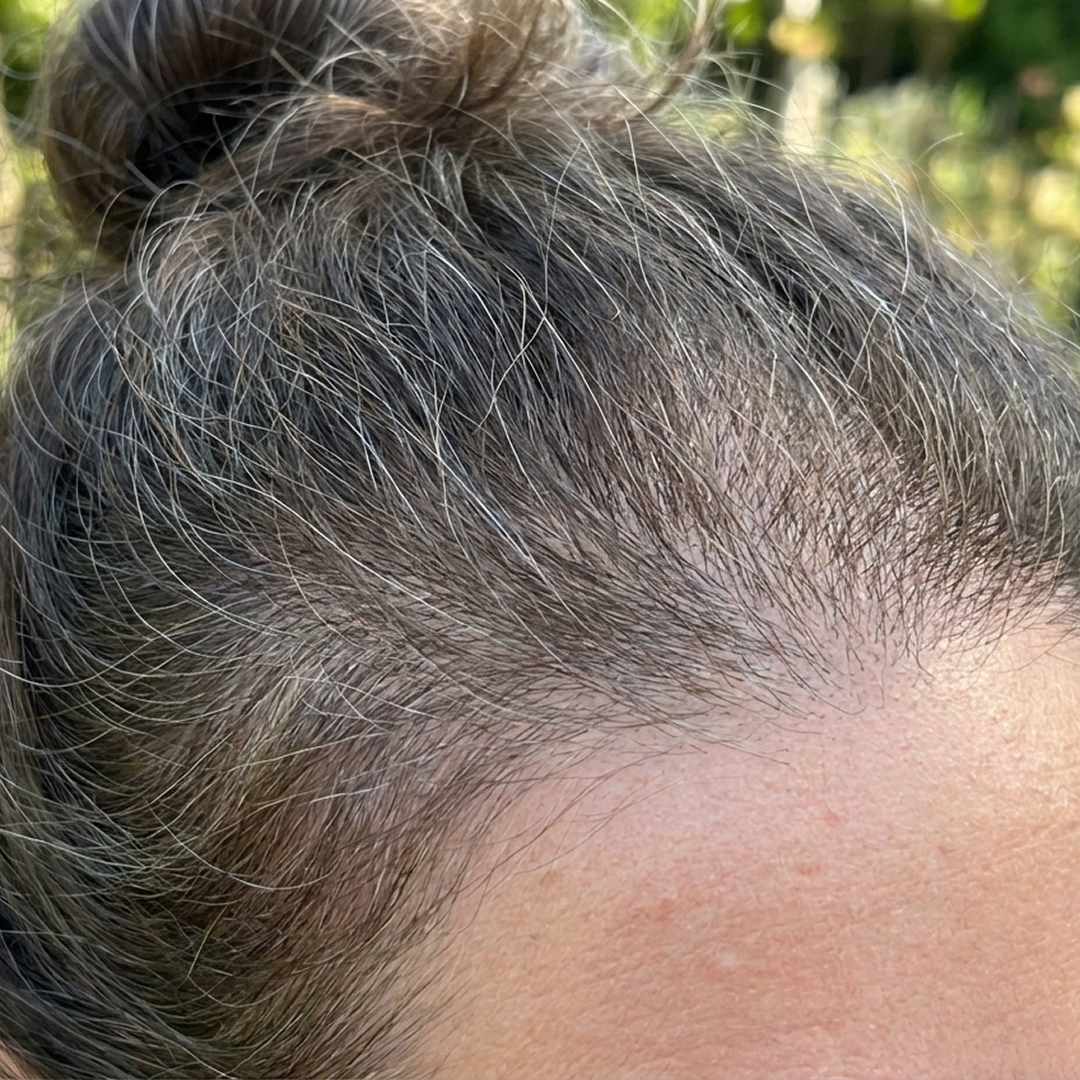
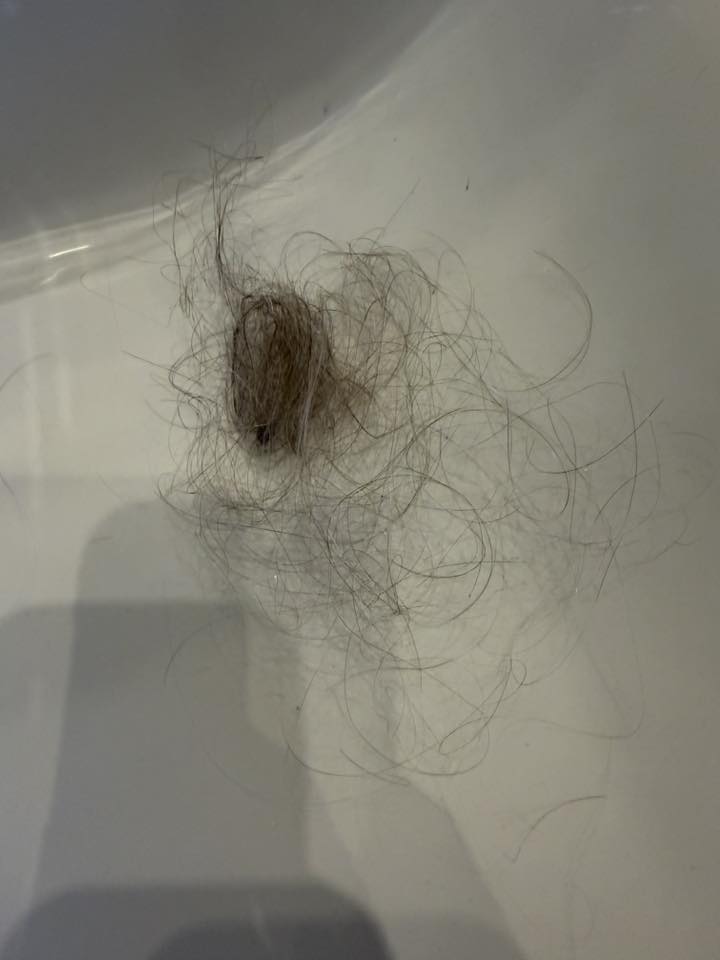
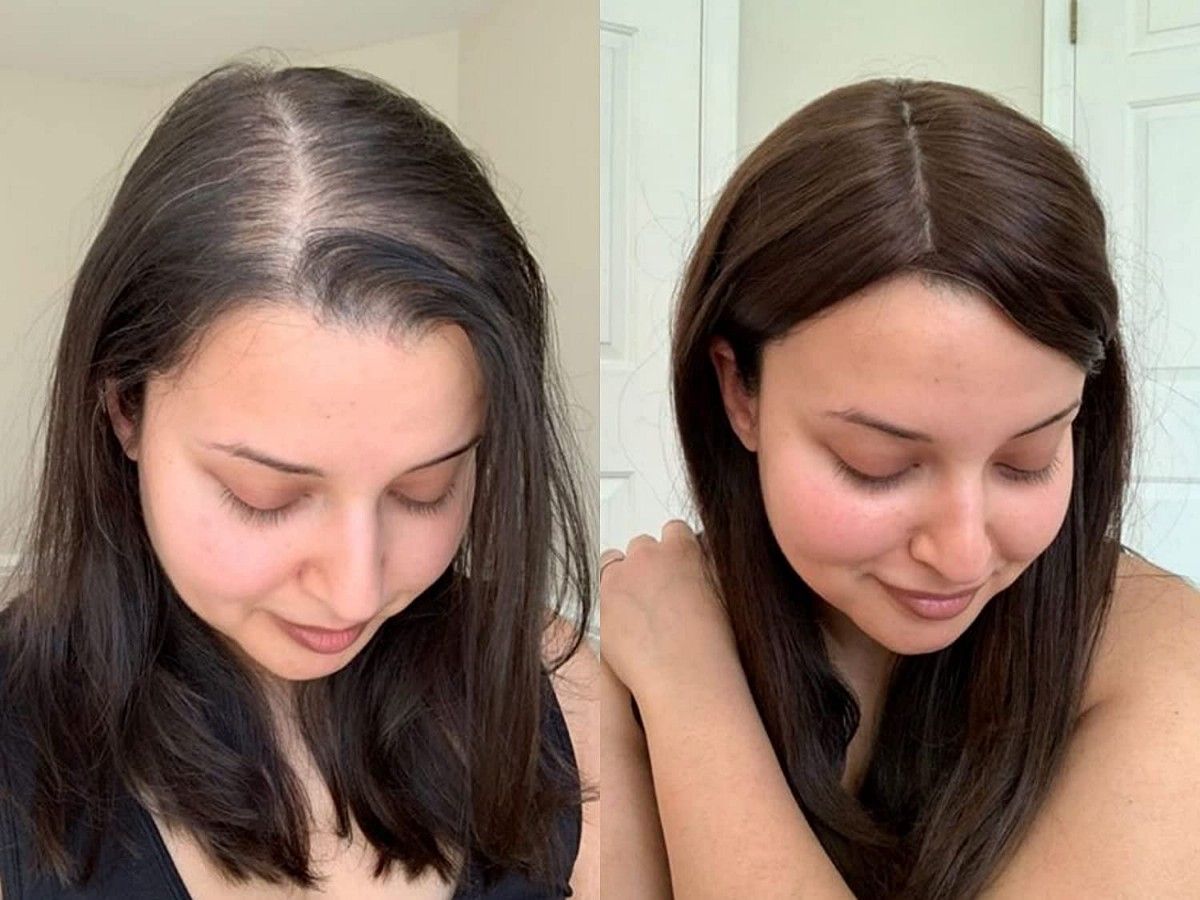
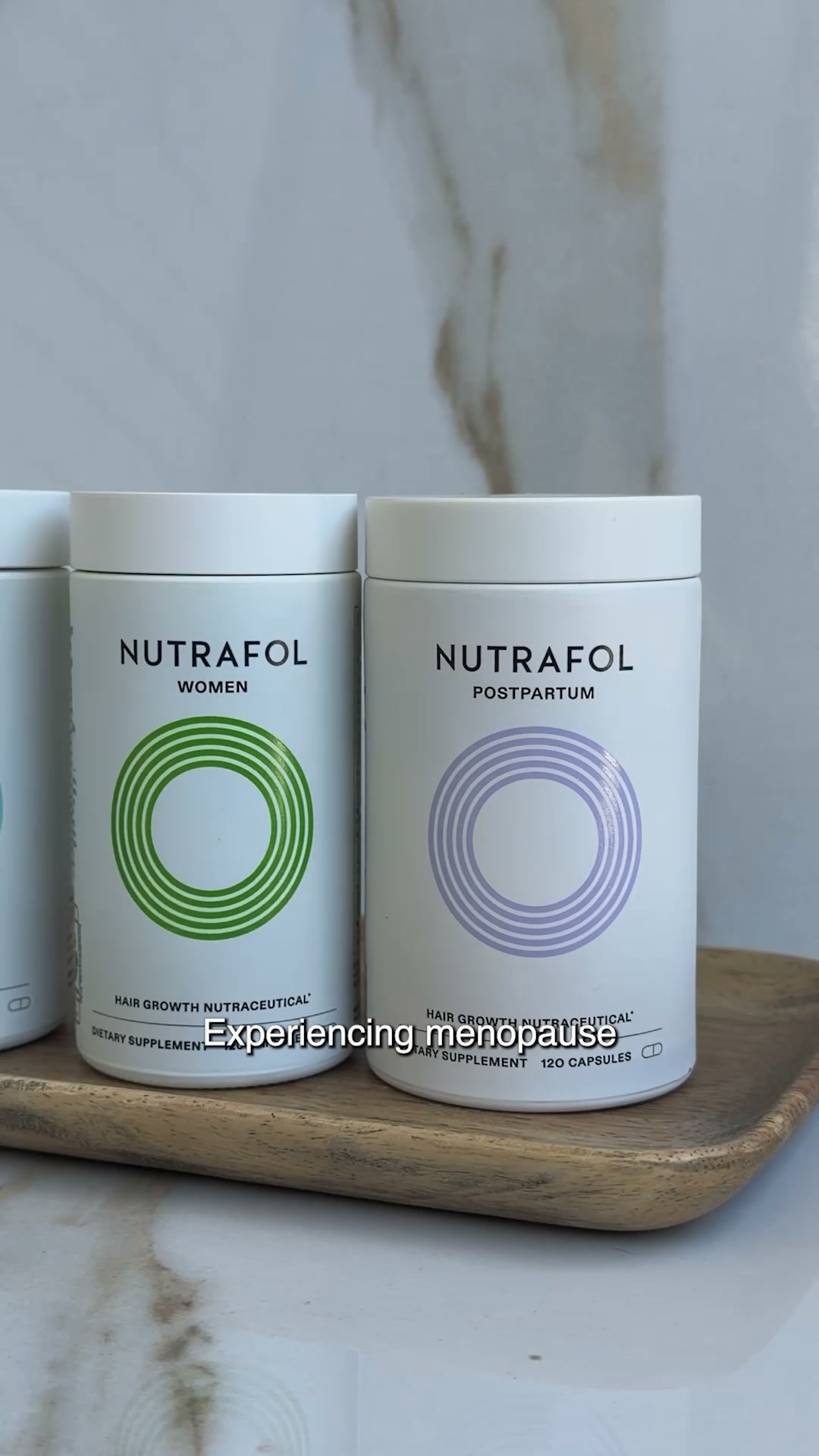
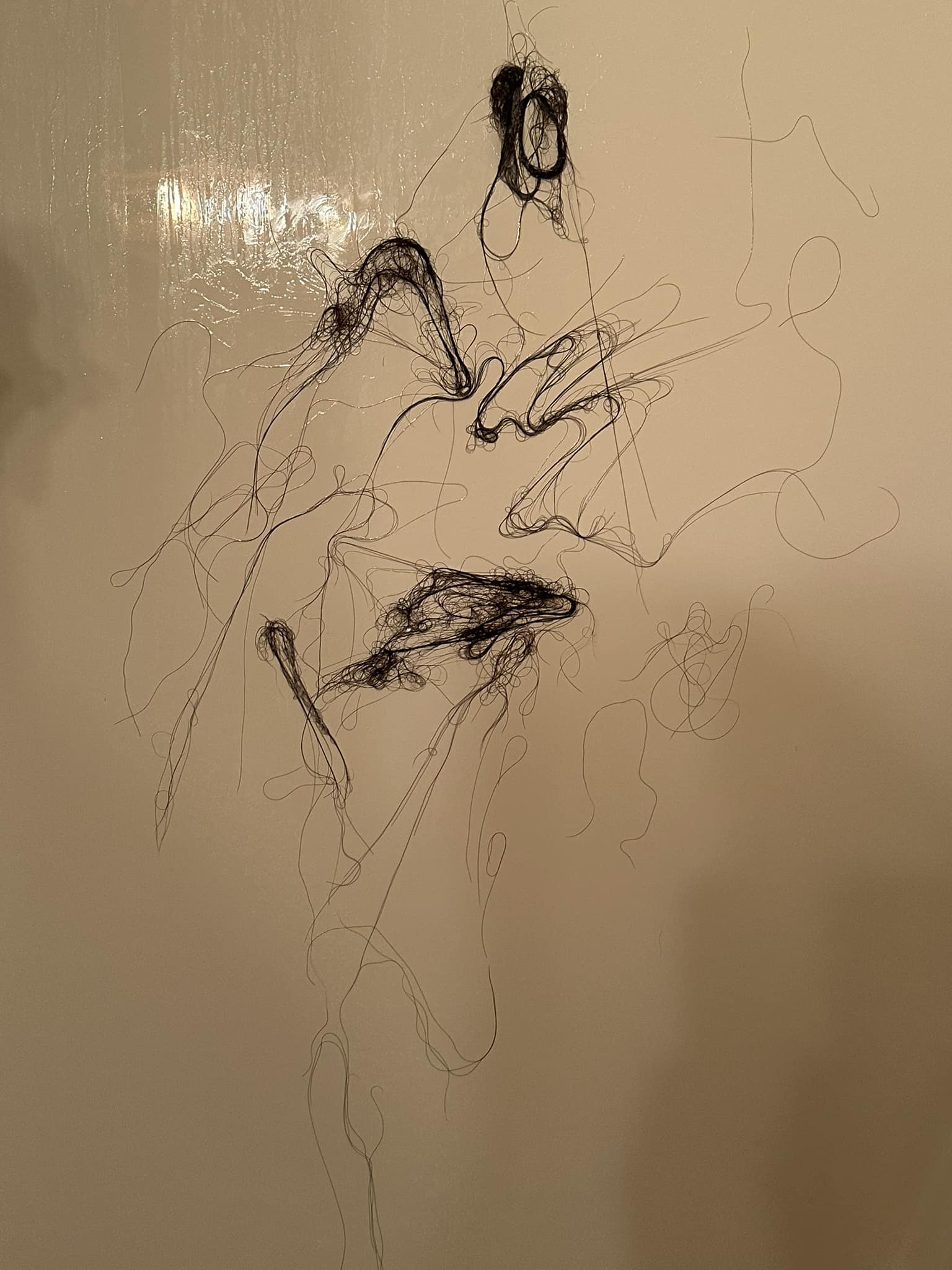
So today I found out that men don't lose their hair the way we do on GLP-1 medications. Like, at all. They lose weight. Their hair stays. Meanwhile I'm pulling clumps out of my shower drain every single morning wondering what I did wrong. And honestly? I just sat with that for a minute. Because it hit me in a way I wasn't expecting. We've been losing our hair our entire lives and nobody talks about it like it matters. After babies. During menopause. On birth control. Off birth control. During stress. After stress. And now — on the one medication that's finally helping us get our health back — our hair is falling out again. And men just... don't deal with this. They take the same medication. They lose the weight. They keep their hair. Nobody's telling them to "eat more protein" or "just give it time" or "it's the price you pay." It's always us. It's always our hair. And we're always expected to just handle it. I'm tired of handling it. Here's my story. I started my GLP-1 about a year ago. Ozempic. I'd tried everything else — every diet, every program, every "lifestyle change" that was supposed to be the answer. Nothing stuck. My doctor finally said it was time to try medication, and I agreed. And it worked. It actually worked. The weight started coming off. My blood sugar stabilized. My energy came back. For the first time in years, I felt like my body was on my side. Three months in, my hair started falling out. Not gradually. Not subtly. Clumps in the shower. Handfuls on my brush. Hair on my pillow, on my clothes, on the back of my chair at work. My ponytail went from full to thin in what felt like weeks. I could see my scalp through my part. My crown was thinning. My temples were disappearing. And I just thought... not again. Because this wasn't my first time. After my first baby, my hair fell out for six months. Nobody warned me. I remember standing in the shower at 3 AM — because that was the only time I could shower — watching hair slide down the drain and crying. My OB said it was normal. "Postpartum shedding. Hormones. It'll grow back." She said it like it was nothing. Like I should just move on. It did grow back. Eventually. But it took over a year, and it was never quite the same. Then perimenopause started. And my hair changed again. Thinner. Drier. More fragile. Less volume. I started noticing my part getting wider, my hairline pulling back just slightly. My stylist started saying things like "let's add some layers to give you more movement" — which I eventually realized was her kind way of saying my hair was thinning. I bought volumizing shampoo. Thickening spray. Root powder. I learned how to style around it. I adjusted. Because that's what we do, right? We adjust. We figure it out. We handle it quietly. And then the GLP-1 took whatever I had left. Three months on the medication and my hair was falling out faster than it ever had — worse than postpartum, worse than perimenopause. This was different. This was aggressive. This was every single day, hair everywhere, thinning everywhere, and nothing I did slowed it down. I increased my protein to 100 grams a day. I took biotin. I bought Nutrafol — $89 a month. I tried pumpkin seed oil capsules. I tried collagen powder. I tried every supplement the GLP-1 groups recommended. My hair kept falling out. And here's the thing that made it so much worse this time: I was supposed to be celebrating. I'd lost almost 90 pounds. My doctor was thrilled. My family kept telling me how amazing I looked. My bloodwork was the best it had been in a decade. But every morning I'd look in the mirror and see less hair. Every shower was a grief ritual. Every brush stroke was a countdown. And I felt guilty for caring. Because I knew this medication was saving my life. I knew obesity was killing me. I knew hair loss doesn't kill you. But nobody tells you that grief doesn't care about logic. You can know all of that and still cry when your ponytail is half the size it used to be. My husband lost 60 pounds on the same class of medication. His hair? Exactly the same. Thick. Full. Unchanged. He never once checked his brush. Never once inspected the drain. Never once positioned himself in a photo to hide his part. He didn't even know that was something I did. I love him. But I wanted to scream. Because it's not just the GLP-1. It's the accumulation of a lifetime of our bodies taking from our hair first. Every hormonal shift. Every pregnancy. Every stage of aging. Our bodies treat our hair like it's optional — like it's the first thing that can go when resources get tight. And nobody treats it like it matters. Doctors say "it's normal." The internet says "eat more protein." Other women say "at least you're healthy now." But it's not just hair. It's identity. It's femininity. It's the thing I'd look at in the mirror and still recognize myself in, even when everything else was changing. My hair was the one constant. And now it was leaving too. I posted on Reddit. I joined every GLP-1 hair loss group I could find. Thousands of women — thousands — all going through the same thing. All trying the same supplements. All hearing the same advice. All still shedding. And you know what I noticed? Every single thread was women. Every single one. Men were in the GLP-1 groups too. Posting about their weight loss, their energy, their lab results. But they weren't posting about hair loss. Because they weren't losing their hair. Or if they were, it wasn't the same — not the clumps, not the handfuls, not the "I can see my scalp" kind of loss. It was just us. And that's when I stopped accepting the answers I'd been given. Because if it was really just about protein, or just about rapid weight loss, or just about calorie deficits — men would be losing their hair too. They're on the same medications. They're losing weight just as fast. They're eating just as little. But they're not shedding like we are. So what's different? One night — late, because that's when all my worst spiraling happens — I went searching for an actual answer. Not "eat more protein." Not "try this gummy." I wanted to know why women's hair sheds on GLP-1s and men's doesn't. And what I found was so simple it made me angry that nobody had explained it sooner. It comes down to how our bodies respond to stress. And women's bodies — especially women who've already been through pregnancy, postpartum, perimenopause, hormonal shifts — have a hair stress response that's fundamentally different. When your body goes through something big — and a GLP-1 is big, even when it doesn't feel like it — it decides what matters most. Organs. Brain. Muscles. Recovery. And for women, hair gets deprioritized faster and harder than it does for men. Our bodies have been trained by every hormonal event we've ever been through to treat hair as expendable. So your body sends a signal to your hair roots: let go. We've got bigger things to deal with. And they do. They shut down. They stop growing. They loosen their grip. It takes 3 to 6 months for that to show up — which is why the shedding seems to come out of nowhere months after starting the medication. But the decision was made months ago. You're just seeing the result now. And here's the part that broke me and gave me hope at the same time: Those roots aren't dead. They're not damaged. They're switched off. They got the signal to stop and they never got the signal to start again. They're just sitting there, waiting. And while you're still on the medication, your body keeps deciding hair isn't the priority — so the signal to restart never comes. That's why protein doesn't fix it. You're not deficient — your labs prove that. Your body just isn't sending resources to your scalp. That's why biotin doesn't fix it. Your roots aren't broken — they're switched off. That's why supplements don't fix it. Everything you swallow goes through your body, and your body has already decided hair doesn't make the cut. Those supplements go everywhere except your scalp. That's why your hair grows fine on your arms, your legs, your face — just not your head. Your body CAN grow hair. Your scalp just isn't getting the signal. My hair wasn't falling out because something was wrong with me. It was falling out because my body did what women's bodies have always done — deprioritized hair during stress. Only this time, nobody told my roots the stress was over. Nobody flipped the switch back on. And no amount of supplements or protein was going to do it — because they couldn't even reach my roots. For the first time, I didn't feel broken. I didn't feel like I was doing something wrong. I just felt like I finally understood. And I understood something else too: I needed something that actually reached my hair roots. Not something I swallowed that my body rerouted away from my scalp. Something that went directly to the roots and told them it was okay to grow again. That's when I found Hair Revive. It wasn't a pill or a gummy or another supplement to add to the pile of things that hadn't worked. It was a topical — applied directly to my scalp, directly to my roots. The first thing I'd ever tried that actually went to the place where the problem was. Two steps. First, it calms the stress signals telling the roots to keep shedding. Then it delivers growth-signaling peptides directly to the roots, telling them the stress is over — it's safe to grow again. Stop the shedding. Then wake the roots up. In the right order. Not forcing anything. Not overriding my body the way Minoxidil does. No facial hair side effects. No lifetime commitment. No dread shed. Just sending the signal my roots had been waiting for — directly, to the exact place that needed it. I ordered it. I didn't tell anyone. I was tired of announcing that I'd found "the answer" only to be disappointed again. The first two weeks, nothing dramatic. I almost didn't keep going. Week three, I noticed. Less hair in the drain. Not zero. But less. The kind of less that made me look twice. I told myself I was imagining it. I'd wanted things to work so badly before that I'd seen improvement where there wasn't any. But the next morning — same thing. And the next. And the next. By week four, the clumps on my brush were smaller. The drain wasn't clogging. The shedding felt... normal. Like what it used to feel like before all of this. Week six, my husband noticed before I said anything. "Your hair looks different," he said. He couldn't even explain how. Just different. Fuller. More like it used to be. By week eight, I could see them — tiny baby hairs along my hairline. Little new growth. Short pieces sticking up that hadn't been there before. Roots that had been switched off for months were waking up. Month three, my hairstylist stopped mid-cut. "Whatever you're doing," she said, "keep doing it." I cried in the salon chair. Because she didn't know what those words meant to me. After postpartum hair loss. After perimenopause thinning. After months of GLP-1 shedding. After a lifetime of my body treating my hair like it was expendable. Someone was finally telling me it was coming back. It's been five months. My hair isn't what it was ten years ago — but it's fuller than it's been in a long time. The shedding is normal. The thin spots are filling in. My part looks like a part again. And I'm still on my GLP-1. I'm still losing weight. My health is better than it's ever been. I don't have to choose anymore. I think about all the women in those groups. The thousands of posts. The same questions over and over. The same advice that doesn't work. The same frustration. The same grief that nobody takes seriously. I think about how we've been losing our hair at every stage of our lives and we've been told every single time that it's "normal" and we should just "wait it out." I think about how men take the same medication and keep their hair, and nobody even notices because it's not a problem for them. And I think about how I almost accepted that this was just another thing I had to lose. If you're reading this and you feel what I felt — if you're tired of being told it's just protein, it's just stress, it's just the medication, just be patient, just be grateful — I need you to hear something. You're not doing anything wrong. Your body is doing what women's bodies do — deprioritizing hair during stress. But your roots aren't damaged. They're switched off. And everything you've been swallowing can't reach them. They need to be switched back on. Directly. At the root level. By something that actually gets there. The product I found is called Hair Revive, by Sera Labs. It's a topical that goes directly to your scalp — calms the shedding first, then signals your roots to grow again. It's not a supplement. It's not Minoxidil. No lifetime commitment. No side effects. And they have a guarantee, so you're not stuck with another product that doesn't work. I'm sharing this because I'm tired of women being told to just deal with it. We've been dealing with it our entire lives. After babies. Through menopause. And now on medications that are supposed to help us. We deserve something that actually works. That actually reaches the problem. That doesn't ask us to just be patient for another six months while our hair keeps falling out. Click below to learn more about what worked for me. Because you've been patient enough. Here’s the link 👉 https://seralabs.co/pages/adv1 You don't have to choose between your health and your hair. And you don't have to just handle it anymore. For me, finding that out changed everything.
Where the ad sends people
hairlossforum.com
Reverse GLP-1 Hair Loss
Sera Labs
Learn more: seralabs.co(opens in a new tab)