
Active· since Jun 16, 2026
- 87
- days running
- 0
- relaunches
Ad copy
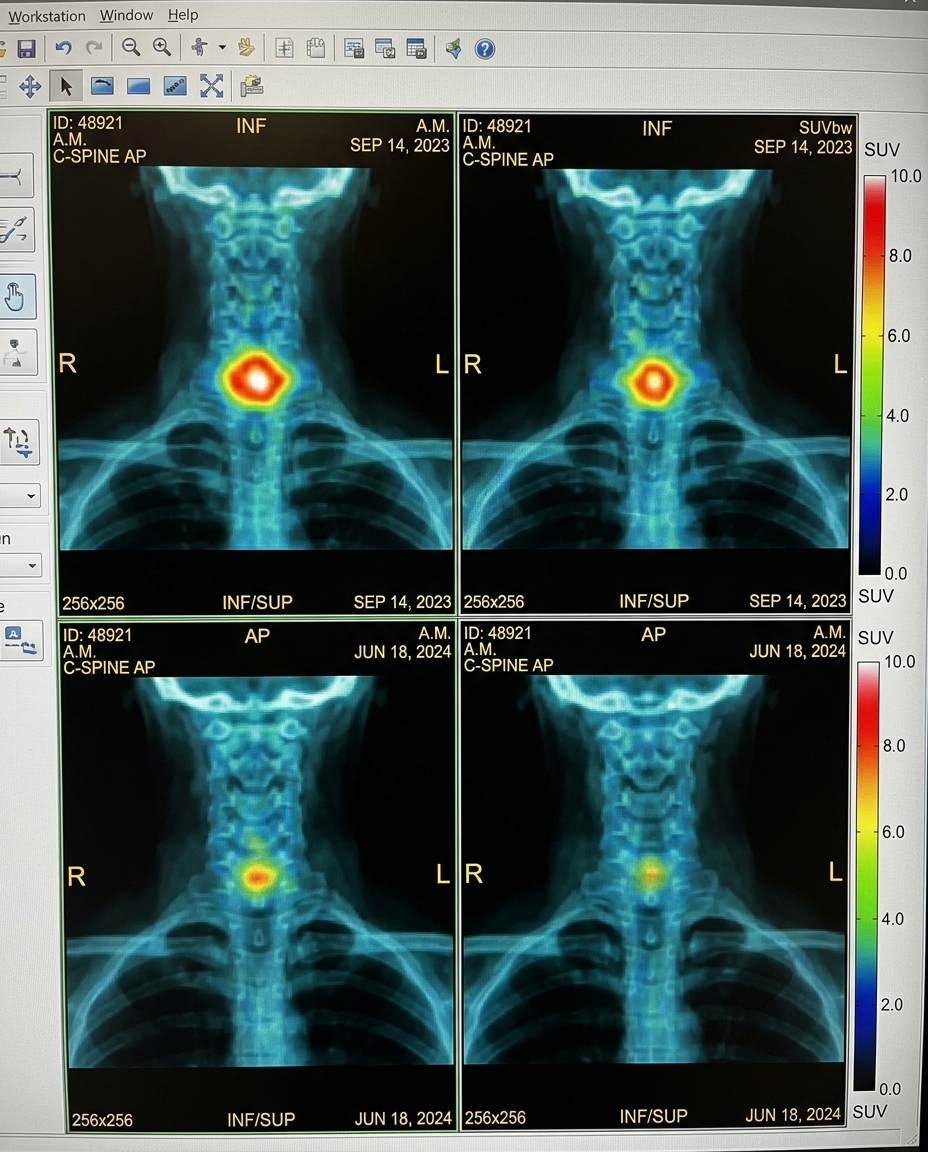
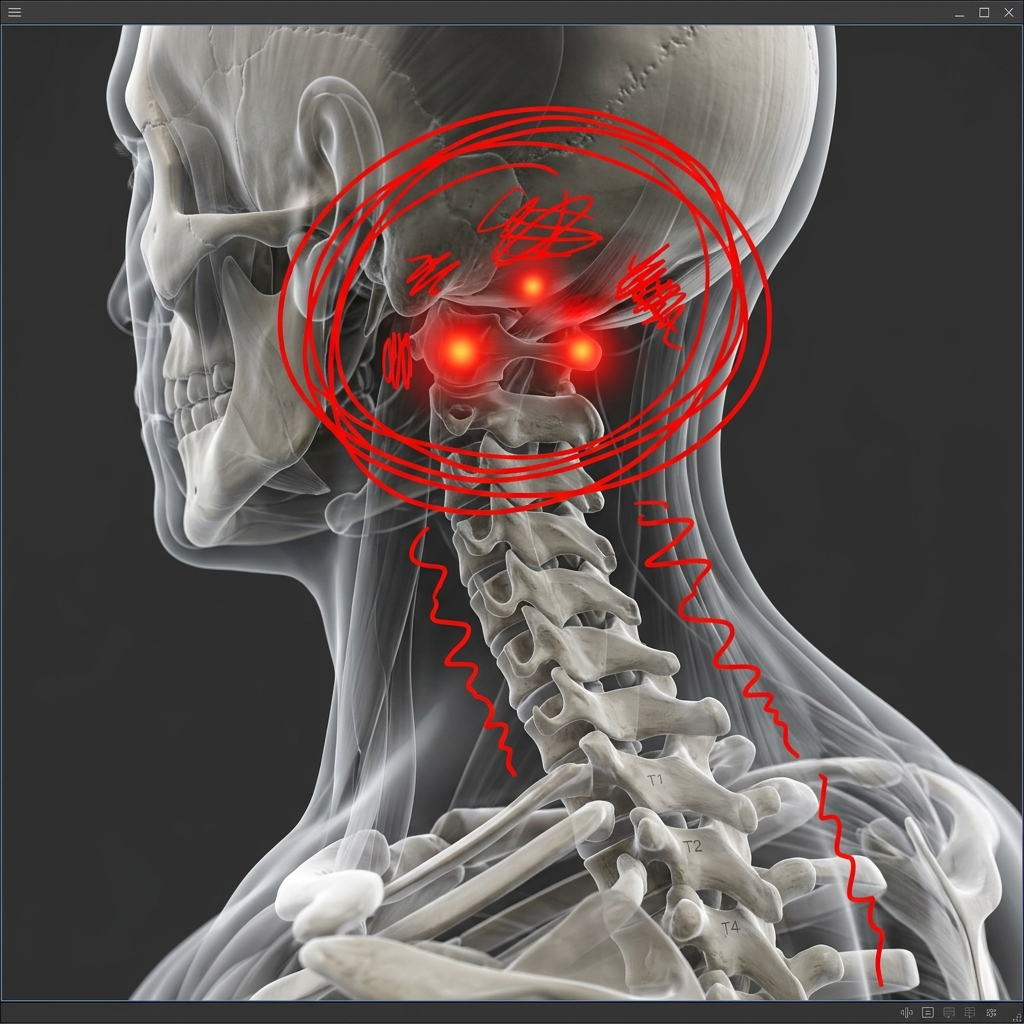
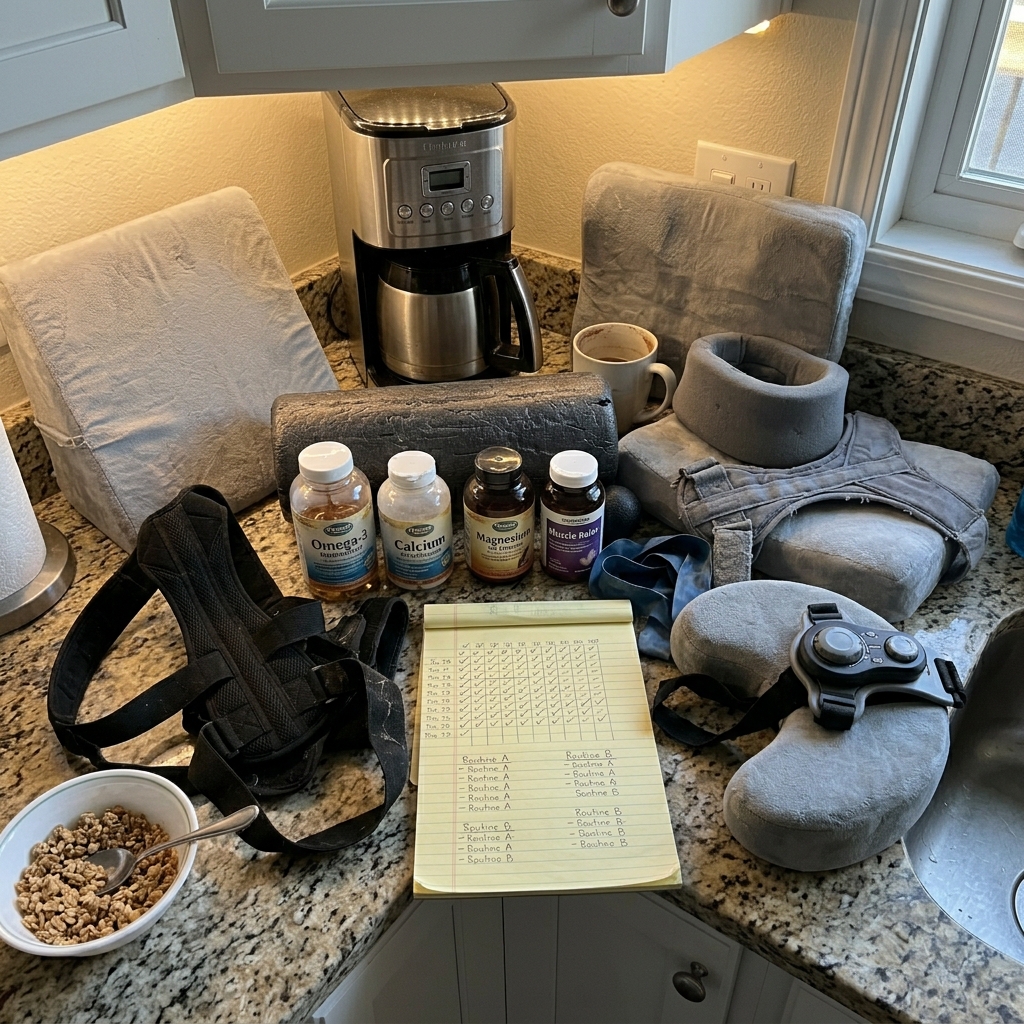
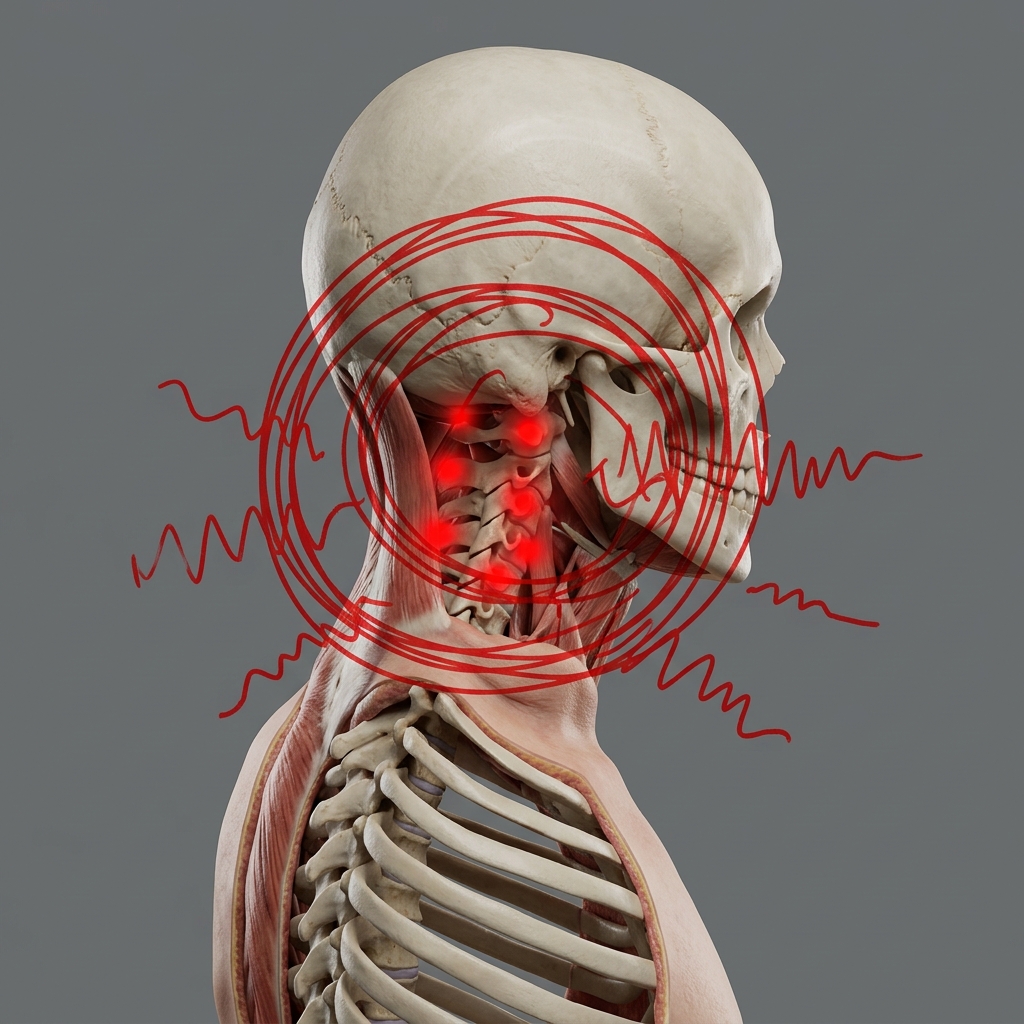
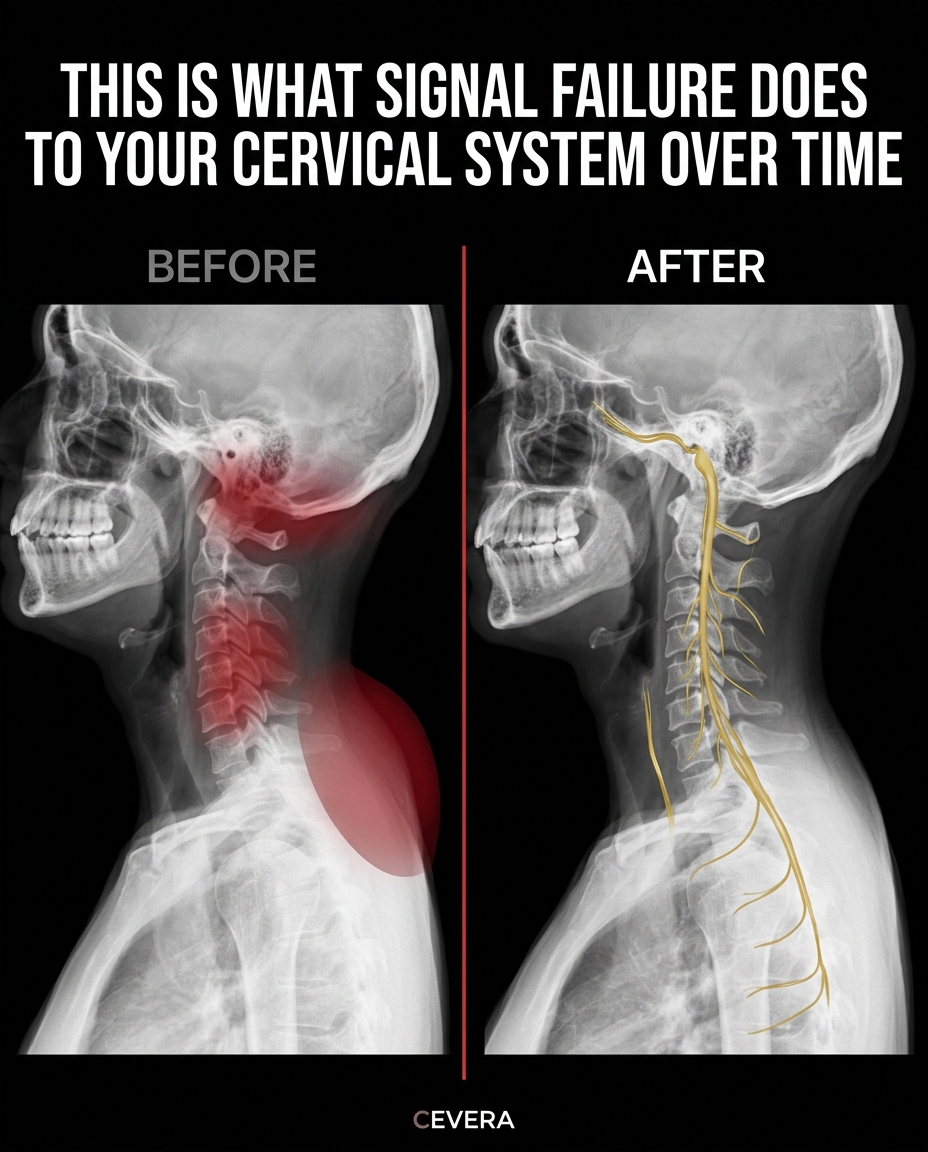
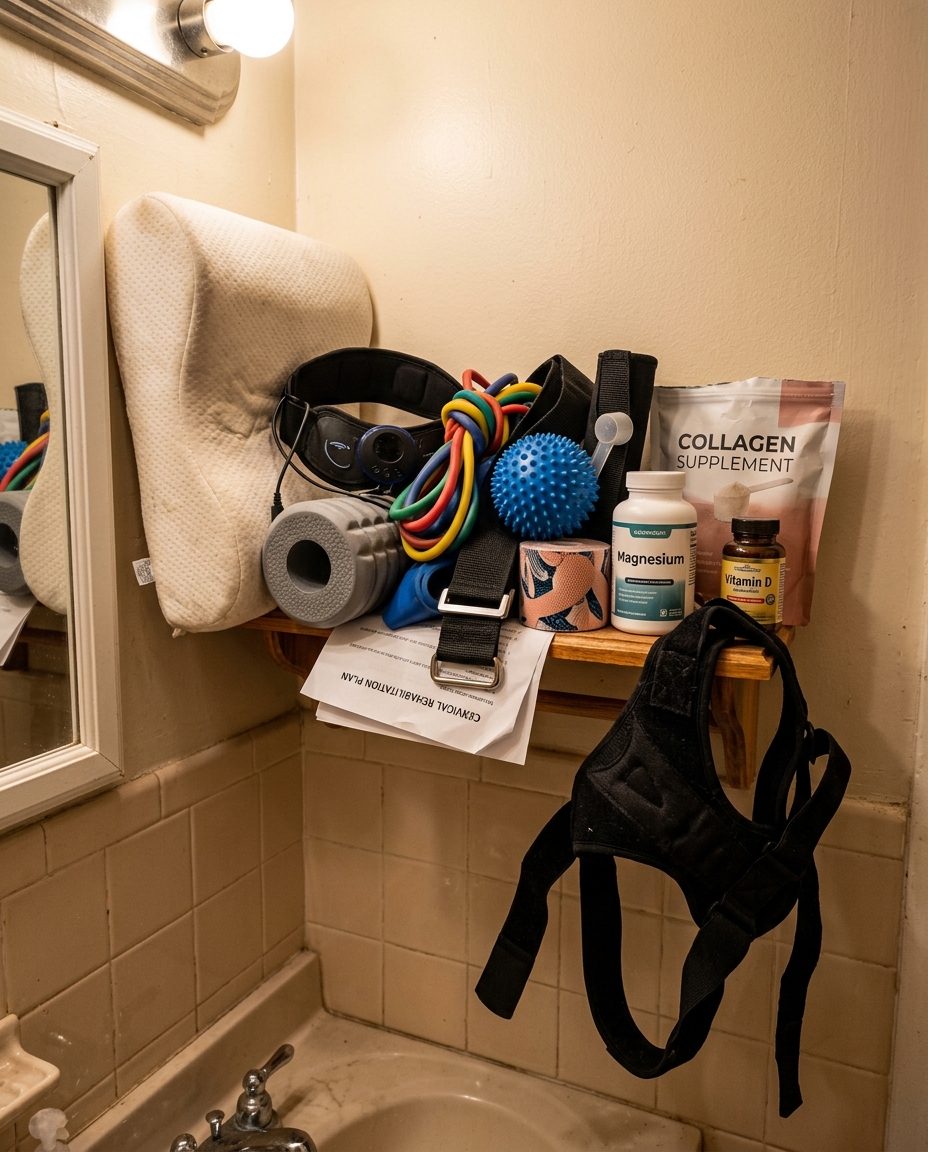
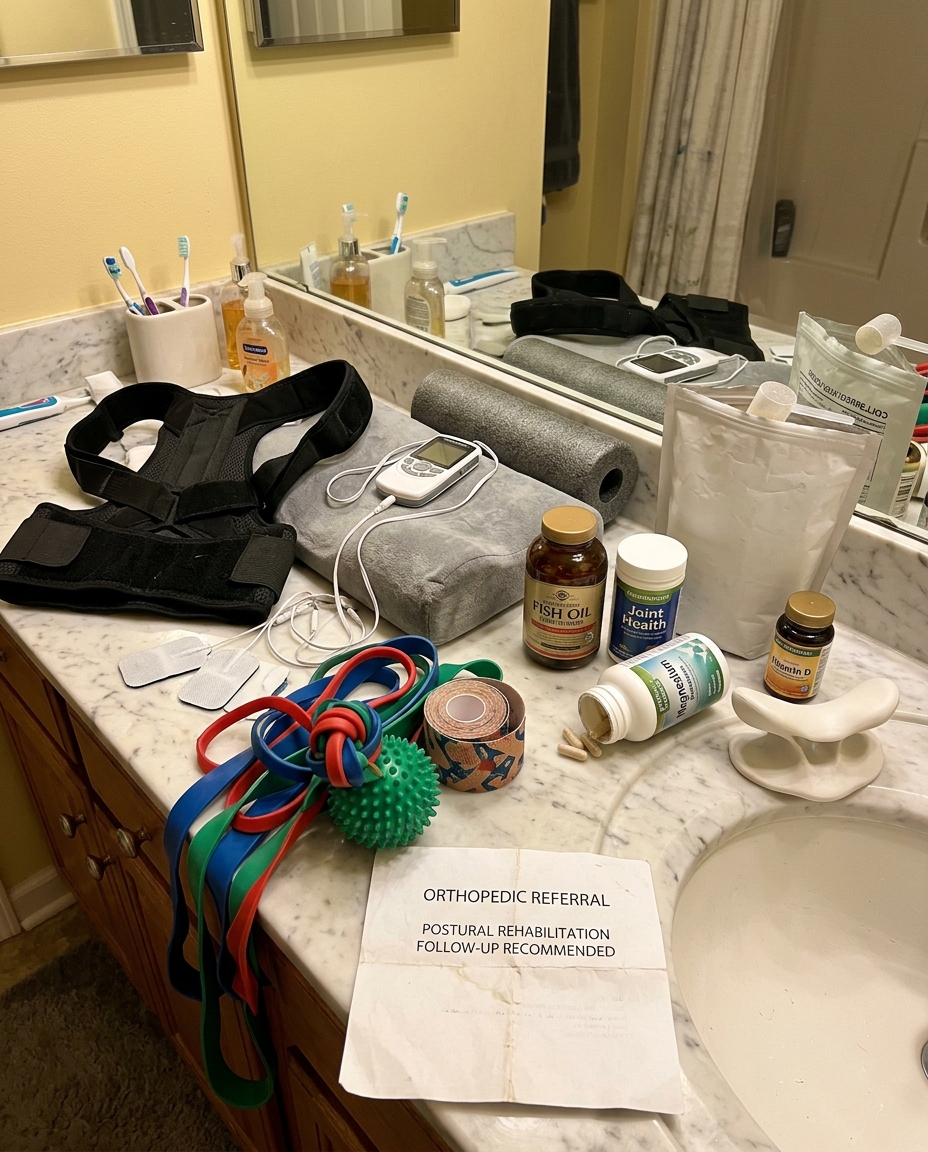
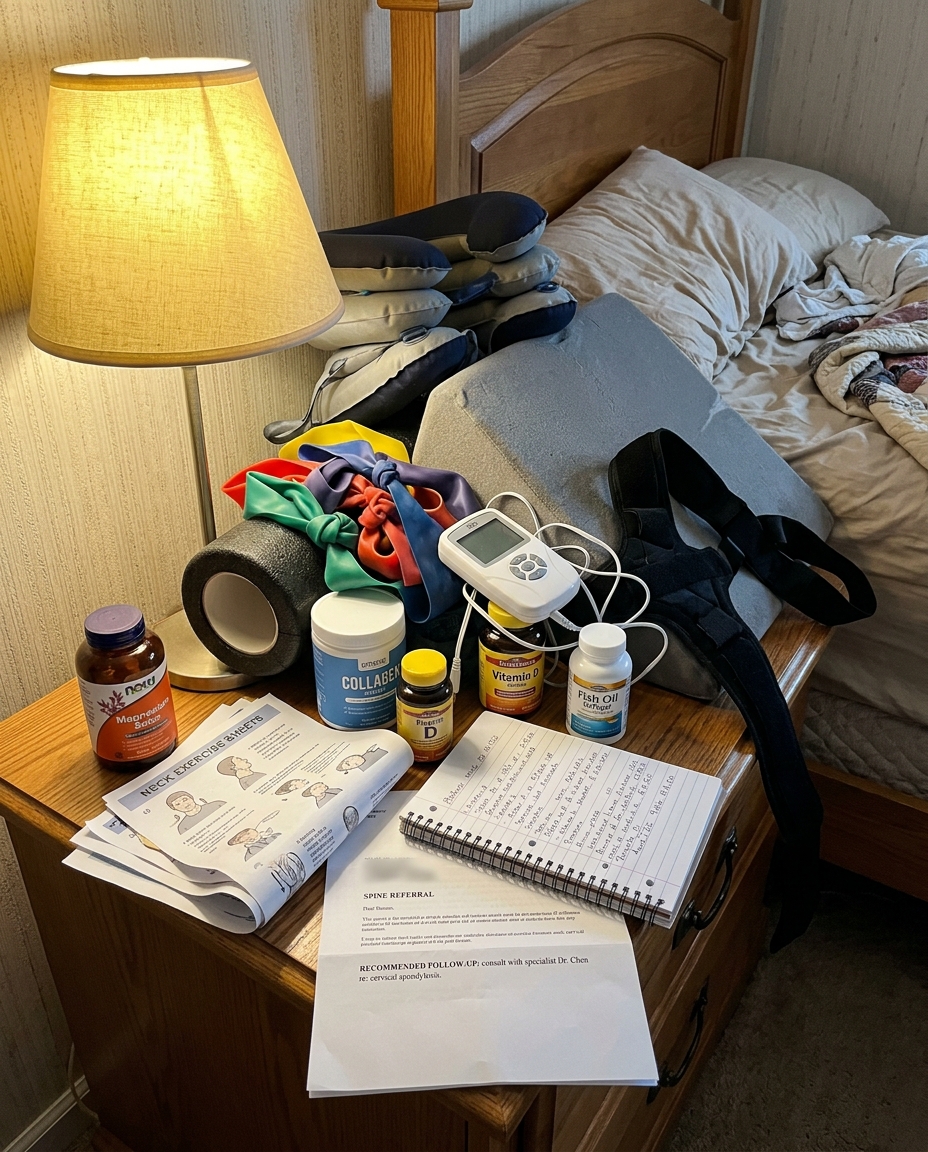
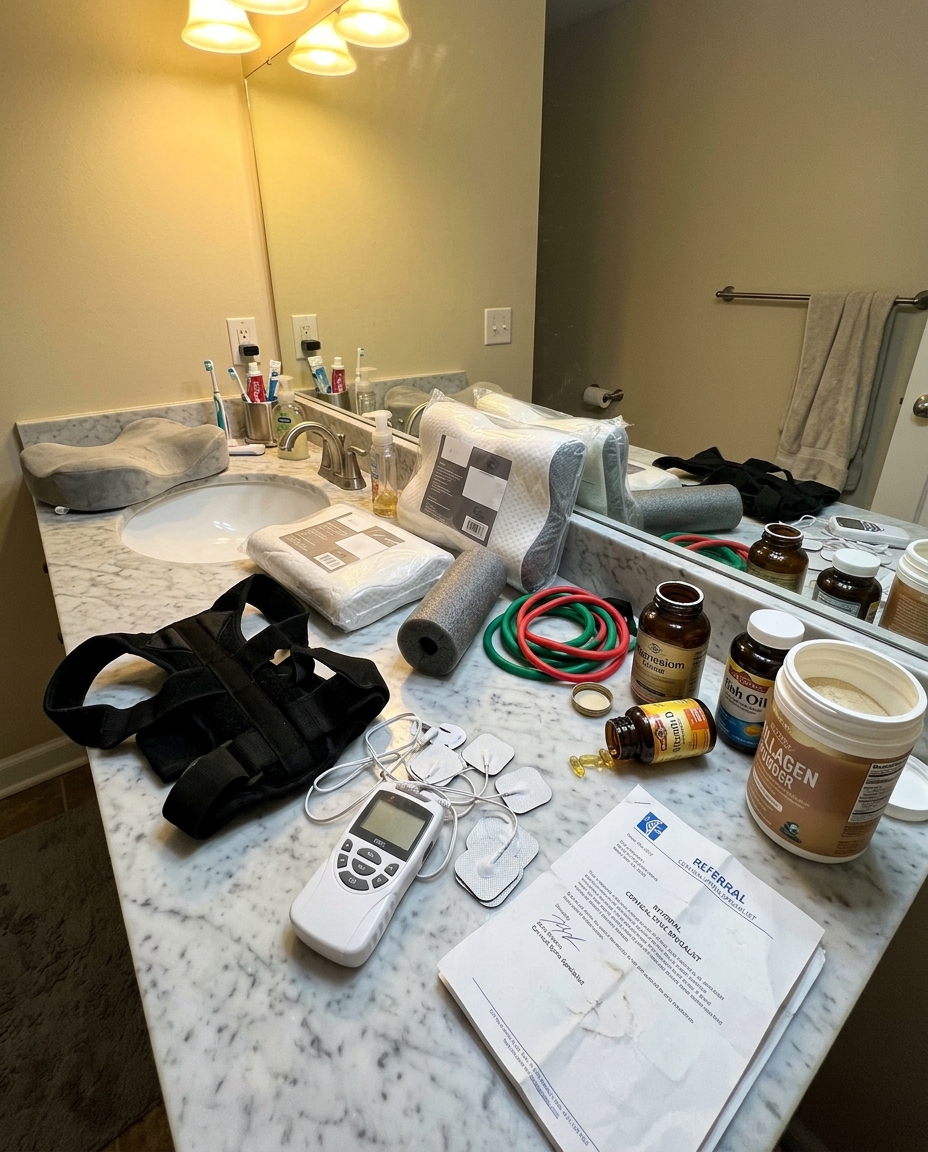
There are 37 million women over 60 in America right now with a neck hump that keeps growing. Most of them have tried something. None of it worked. I was one of them. And until eight weeks ago, I thought I was failing my own body. I want to tell you what happened to me — because I've now talked to enough other women to know I wasn't the only one stuck in this exact loop. And the way out of it was not the thing I expected. I'm 61. I noticed the tissue building at the base of my neck when I was 57. Not sudden. Gradual. The kind of thing you see in a photo and think — wait, has that always been there? My practitioner diagnosed me with progressive forward head posture and tissue buildup at the base of my neck. She handed me a protocol: twice-weekly adjustments, daily exercise routine, posture brace two hours per day. I sat in my car in the parking lot and felt something sink in my chest before driving home with that protocol sheet. I followed it. Not because I thought it would fix everything. But because I didn't know what else to do. I'd watched my mother manage the same thing for years — she kept going to her sessions, doing her exercises, and quietly stepped back from more and more things over time until gatherings became something she attended at the edges rather than the center. I told myself I wouldn't let that happen to me. So I decided I'd do everything right. I started buying devices and supplements. This is where I want every other woman with a neck hump reading this to pay attention. Because I think what happened to me is happening to a lot of you. I bought a posture corrector brace. The internet said bracing. I wore it every day for eight weeks. Nothing lasting. I bought a cervical traction device — the kind all the rehabilitation forums recommended. Three months. Nothing. Then a cervical pillow with an ergonomic curve. Then a generic EMS device. Then a foam roller protocol I followed religiously. A supplement protocol involving collagen, magnesium, vitamin D, and fish oil that was supposed to be specifically for "neck tissue health" and cost $60 a month. Every product was a midnight search and a forty-dollar gamble. I gave each one six to eight weeks because the labels all said "give it time." Eleven products. Eleven disappointments. By the time I turned 60, I had spent — I worked it out — about $4,000 in three years on approaches that did absolutely nothing lasting. And the tissue kept building. Because life continued. Because every day added more forward load. Because the drift that reset every 48 hours after my sessions kept coming back. I was sitting at my bathroom vanity one Tuesday night last September, after a day where I'd spent an entire family gathering positioning myself and left early because I was exhausted from managing — and I opened the drawer and counted everything. Eleven half-used failures. I picked one up. The ergonomic cervical pillow. I read the packaging. "Supports healthy neck curvature." Then the generic EMS device. "Supports muscle relaxation." Then the collagen supplement. "Promotes tissue health." I stood there for I don't know how long, holding three products in different hands, and I felt — for the first time — that I had been doing something fundamentally wrong and I couldn't even name what. The next day I called a friend who's a cervical rehabilitation researcher. I read her the list of everything I'd tried. And she said, very gently, "Honey. Do you actually know what's driving your neck hump?" I said yes. Of course. Forward posture. Tissue building up. Everyone knows that. She said: "That's the version practitioners taught patients in 2005. The current science is that a neck hump that keeps growing is at least a two-layer problem — the visible tissue you can see AND the broken signal underneath it. The muscles that are supposed to hold your head back have stopped receiving the signal to activate. Every product on your list addresses the surface. You've been trying to fix a two-layer problem by working on one layer at a time." I had to sit down. She sent me a study on motor nerve dormancy in women with progressive neck humps. Then a paper specifically about the brain-muscle signal breakdown that drives tissue buildup. Then a research article saying — and I'm paraphrasing — "Visible neck hump tissue cannot be reversed by positional approaches alone without restoring the underlying muscle activation signal." The science had moved. The product aisle hadn't. Every adjustment protocol on the market, every exercise routine, every brace, every "posture support" device in the wellness section — they were all built on the old model. Surface layer. Top-down position management. And my neck hump wasn't responding to any of them because it didn't have a one-layer problem. I didn't fail at picking approaches. I was never told that approaches built for an outdated model couldn't fix what was actually broken. I want to be careful here, because the last thing I want is for you to think I'm telling you about another miracle device. I'm not. I'm telling you about the only thing I've found that was built on the two-layer model. It's called Cevera. Direct EMS — but not just surface stimulation. 8 unique programs targeting different stages of muscle signal dormancy. Clinical-grade activation that reaches the deep muscle layer. 19 adjustable intensity levels that build as the dormant muscles begin to respond. Both sides activated simultaneously. Two layers. One device. The first thing I'd ever bought that wasn't built on the surface-only theory. I want to tell you what happened, because it wasn't a miracle and it wasn't overnight. Week one — nothing. Or maybe a slightly easier morning. I told myself I was imagining it. Week two — I had a bad afternoon at a gathering. But I caught myself halfway through and realized I'd been fully present for the first hour without managing once. Before, I'd been positioning from the moment I arrived. Week three — my daughter commented. Not about the tissue. About me. She said "Mum, you seem more like yourself lately." I didn't know what to say. Week four — I attended a family birthday dinner where someone took an impromptu group photo and I just... stood there. In the frame. With everyone. Without thinking once about my angle. I mentioned it to my husband afterwards and we both just stood in the kitchen like, "Did that just happen?" Week eight — and this is the one that broke me — I looked in the mirror one morning and the management just didn't start. I stood there waiting for it. It didn't come. I just got dressed. I didn't know what to say. I just stood there for a moment. I want to be honest about something. My husband was the skeptic. He'd watched me throw money at the product graveyard for three years and been patiently kind about every failure. When I came home with Cevera and told him about the two-layer model, I could see him filing it under "another one." He didn't say anything. He just nodded. A month in, he was the one who pointed out the tissue looked visibly different. He said it at dinner one night, totally casually. "I don't know what's happening, but something is changing at the back of your neck." Then he went back to his salad. A week later he ordered a second device for my sister without telling me. I found the order confirmation in our shared email. He'd never bought anything wellness-related in his life. So here's what I want every woman with a growing neck hump to take from this. If you've got the bathroom drawer I had — the pillow, the brace, the EMS device, the eleven products of "this might help" — you didn't fail. You were sold an outdated model of your problem. The science moved on. The product aisle didn't. You don't need to give up if you don't want to. 37 million of us are in the same place. But you also don't need to keep buying single-layer approaches built on a theory that's been quietly retired in the literature. You need something built on the two-layer model. There are not many of these. I know because I researched it for three weeks before I bought. The one I tried is here: 👉 https://trycevera.com/pages/adv2-womens-wellness-report It has a 90-day money-back guarantee. My first real shift showed up in week two, and the major one hit at week eight. That's enough time to know. If you've been where I was — the drawer, the guilt, the protocol you kept following that wasn't working — try one device. If nothing changes, send it back. If something changes, you'll know what I'm talking about. I ordered one for my sister last month. She's 58 and just noticed the same tissue starting to build. She's where I was three years ago. I sent it without explaining much, just a note: "Try this before you do anything else." She called me last week. She didn't say hello. She said, "What is this device." That's how it goes. P.S. — I'm not a doctor. I'm not a researcher. I'm a woman who spent three years and $4,000 on the wrong approaches and finally found one built on the science that actually describes what's happening in my neck. If this is your drawer too, you're not failing. You were misinformed. There's a difference, and now you know.
I wasted $4,000 before I learned this.
37 million women are making the same mistake I made.
LEARN MORELike this ad? Make it yours.
Crush rebuilds this exact creative around your product — your brand, your colors, your offer — in about a minute.