Dr. Robert Kellerman
Dr. Robert Kellerman Facebook ad: “Most Men Notice It First on an Ordinary Morning”

Ran for 5 days, from May 5 to May 10, 2026, the last day Crush saw it.
Run by Dr. Robert Kellerman on Facebook. Crush is not the advertiser and does not verify its claims. See this ad in Meta's Ad Library(opens in a new tab)
Want an ad like this for your product?
Crush makes new ad images for your product from this ad: your logo, your product photo, your offer.
Trials from $19.95 USD, then $79.95 USD a month. Cancel anytime.
About this ad
- Meta Ad Library ID
- 2047965499432526
- Platforms
- Facebook, Instagram, Audience Network, Messenger and Threads
- Relaunches
- 0
Ad text
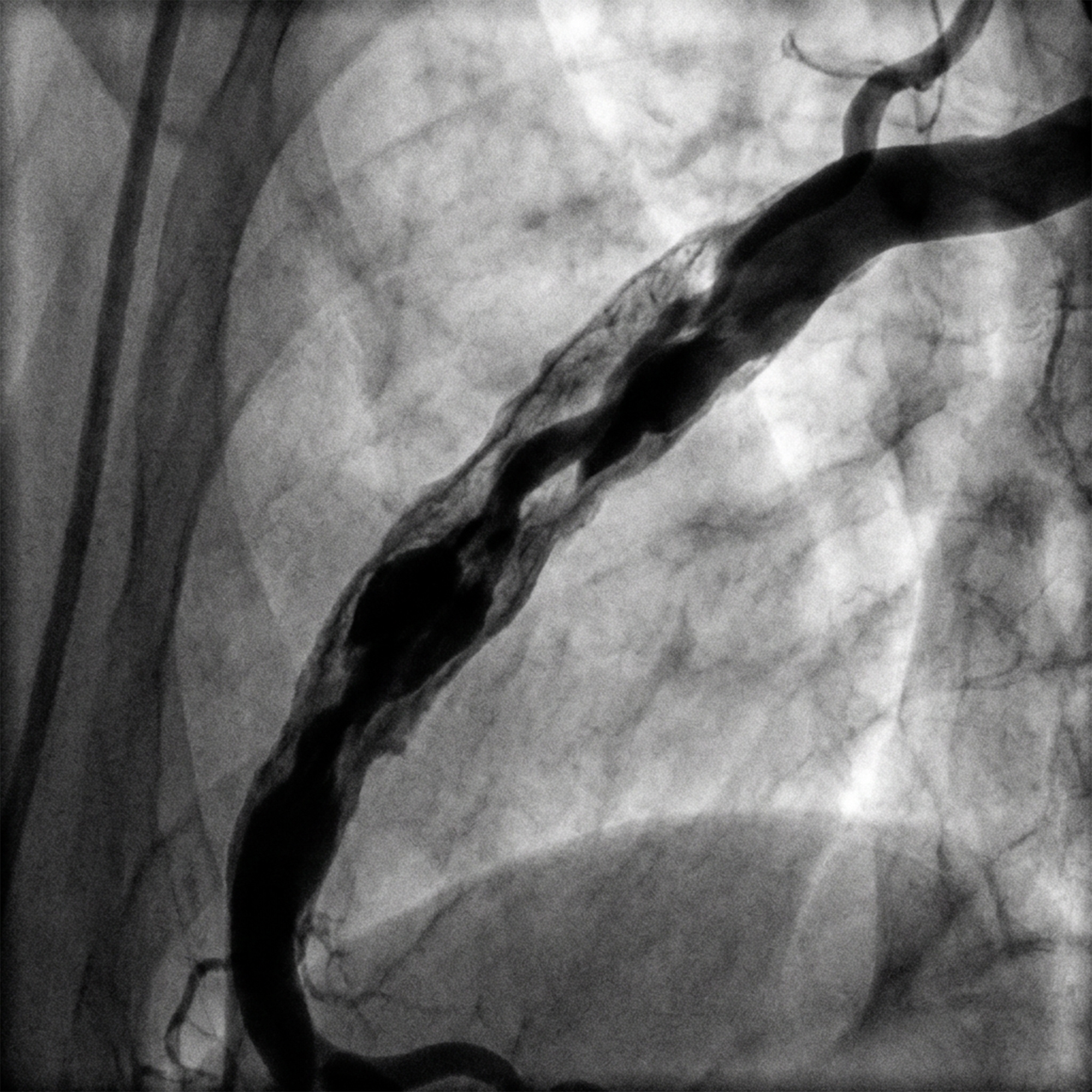
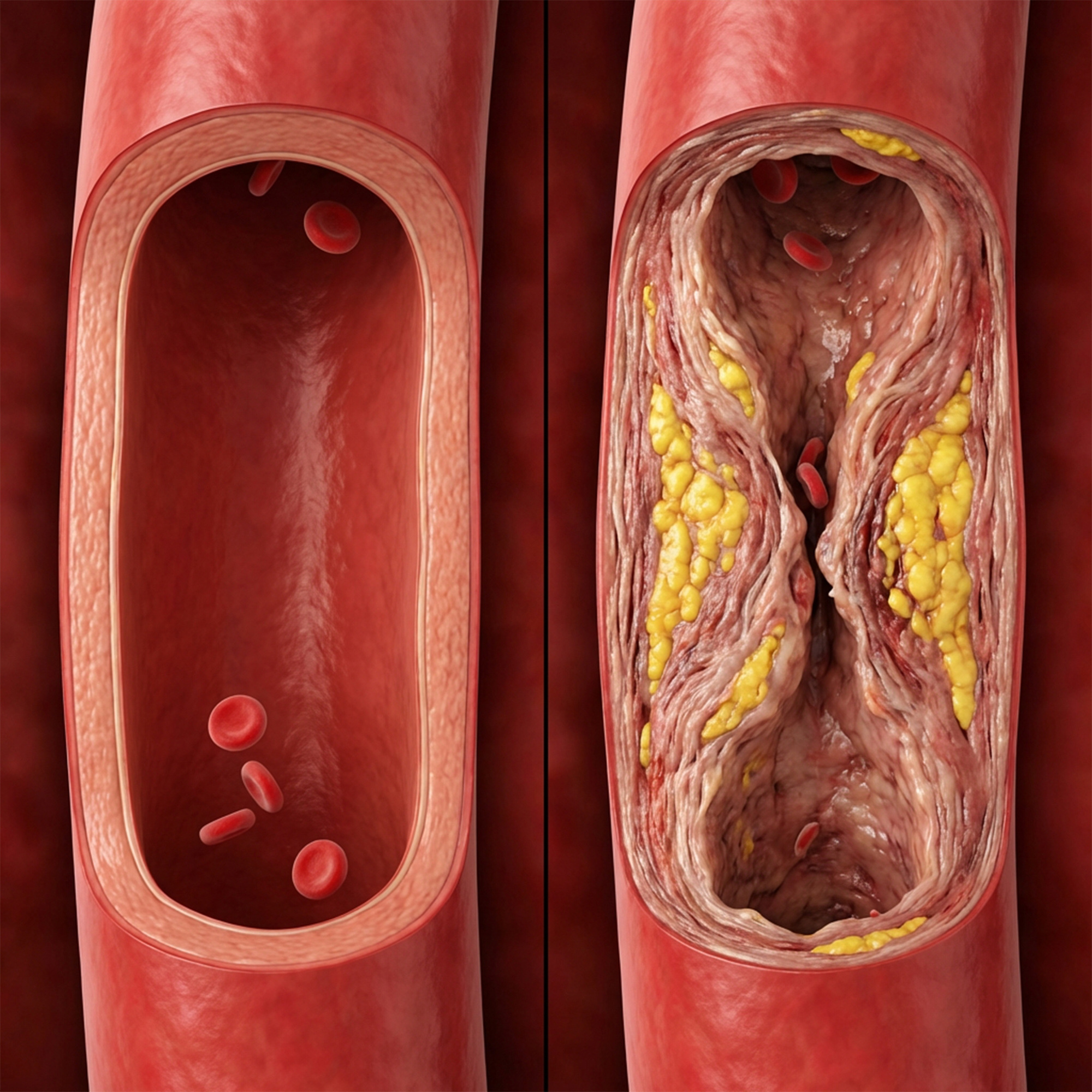
Most men notice it first in the morning. Not during sex. Not at a moment that feels significant. Just an ordinary morning when they wake up and realize something that used to be automatic has quietly stopped happening. Morning erections are a vascular report. Your body running a circulation check while you sleep, sending blood into small vessels at full pressure, confirming the system still works. When that report goes silent, your vascular system is telling you something your doctor will almost certainly never raise in an appointment. Because nobody told you that signal existed. Nobody told you what it meant when it faded. And nobody told you that the same decline showing up in your bedroom is showing up in your heart, your brain, and your arteries at the same time. The medical system handed you a number to manage and called it cardiovascular care. Your numbers improved. The vessels producing those numbers kept deteriorating. I am a cardiologist. I've spent 18 years in integrative cardiovascular medicine. And in 18 years, I have watched the same pattern repeat itself in hundreds of men. The morning report fades first. Then energy starts dropping in a way that feels like aging, but arrives faster than it should. Cold hands and feet that never fully warm up. Erections during sex that are weaker, less reliable, requiring more effort for less result. And then something worse than the physical changes. The men I see do not panic when it happens once. They panic when it becomes a pattern. Then they go quiet. They stop initiating. They absorb the rejection of their own body in silence. They quietly rewrite what intimacy looks like in their marriage, shrinking the definition until it fits what they can still reliably deliver. They stop reaching for their partner the way they used to. Not because they stopped wanting to. Because wanting to and not being able to has become a specific private humiliation they have learned to avoid in advance. And eventually they convince themselves that this is just what aging feels like. It is not aging. It is a circulation problem with a specific cause that your doctor is not looking for, not testing for, and not addressing. And the reason he is not addressing it is not incompetence. It is that the tool he has for this situation manages the symptom you can see while leaving the underlying damage completely untouched. You were handed a solution designed for the visible problem. Nobody was looking at what was causing it. That is not an accident. Symptom management generates repeat prescriptions. Root cause resolution does not. The financial architecture of that arrangement points in one direction, and it is not toward finding what is actually narrowing your vessels. Here is what is actually happening. The inner lining of your blood vessels actively manages blood flow and keeps vessel walls clean and flexible. As you age, chronic inflammation, blood pressure stress, and years of normal wear cause microscopic damage to this lining. Your body responds by deploying fibrin, a sticky clotting protein, to patch the damage. In the short term, this is repair. Over years, it becomes the problem. Fibrin accumulates layer by layer on damaged vessel walls. It traps cholesterol and debris. It hardens. It narrows the interior of your arteries the way mineral scale builds inside old pipes. Blood moves through under less pressure and in lower volume. The vessels responsible for morning erections are among the smallest and most pressure-sensitive in the body. They show the damage first. But the same accumulation is happening in your coronary arteries, your cerebral vessels, your peripheral circulation. By the time sex is affected, the decline is advanced throughout your entire vascular system. That is why men with erectile dysfunction have significantly elevated rates of cardiovascular events in the years that follow. They received an early warning, had no framework for understanding it, were handed a prescription that managed the visible symptom, and left the underlying damage untreated. The small vessels announced the problem first. The larger ones were already catching up. Conventional medicine prescribed around the fibrin for years. Not one intervention was aimed at it. I had a patient three years ago who illustrates this better than any clinical description I can give. Construction manager. 58 years old. Physically active his entire life. Came to me because his GP had run every standard panel and told him everything looked fine, and he knew it didn't. He described it this way: he felt like someone had turned a dial from 100 down to about 40 and kept slowly turning it further down every year. Energy that used to sustain ten-hour physical workdays was gone by early afternoon. Hands always cold. Sleep interrupted three or four times a night. And a sex life that had gone from something he initiated confidently to something he had stopped thinking about, because the gap between wanting to and being able to had become too discouraging to keep confronting. Morning erections had been gone for at least two years. He had not mentioned it to his doctor. It felt like the kind of thing you were supposed to absorb quietly and accept. His bloodwork was unremarkable. Blood pressure borderline. Testosterone slightly low but within normal range. His GP offered testosterone replacement and a Viagra prescription. He had not filled either. He said he did not want to spend the rest of his life managing a dial that was only going to keep turning. What his bloodwork did not capture was his fibrin load. The extent to which years of accumulation had narrowed his peripheral vessels, stiffened his arterial walls, and reduced the pressure and volume his circulation could deliver to the tissue that needed it most. Standard panels do not measure fibrin accumulation. Standard treatment does not address it. He had been through the system repeatedly and come out the other side with his numbers managed and his actual problem untouched. I put him on nattokinase at a therapeutic dose. At thirty days, he messaged me. The afternoon energy crash had mostly stopped. His hands were warmer. He was sleeping through the night. At sixty days, he came in for a follow-up. His blood pressure had dropped measurably. He said his circulation felt different in a way he struggled to describe, like something that had been gradually tightening for years had started releasing. Morning erections had returned. Consistently. He said the dial had moved back up. That outcome is not a coincidence once you understand the mechanism. Nattokinase is a proteolytic enzyme produced during the fermentation of natto, a traditional Japanese soybean food. It is the only natural compound with peer-reviewed clinical research behind its ability to directly break down fibrin inside blood vessels. Your body produces a similar enzyme naturally. But output declines with age, which is precisely when fibrin accumulates fastest. The body loses its capacity to clear fibrin at the rate it is being deposited, and the structural consequence of that imbalance is the narrowing and pressure loss that shows up first in your smallest vessels and works outward from there. At a therapeutic dose, nattokinase enzymatically targets the fibrin deposits coating your vessel walls. Think of it as the clearance mechanism your body was running at 25 but has largely stopped running at 55. The accumulation that took years to build begins breaking down. Blood moves more freely. Walls that had stiffened begin to recover elasticity. The pressure that drives circulation, and that drives firmness, starts to rebuild from the inside out. A four-year controlled study documented something the cardiovascular field rarely sees: actual regression of arterial plaque in subjects taking therapeutic nattokinase daily. Not slowed accumulation. Not stabilized progression. Measurable reversal. For anyone who has spent time in clinical cardiology, that finding reframes what a natural enzyme compound is capable of. Now here is where most men get failed a second time. They hear about nattokinase. They search for it. They buy whatever appears first. They take it for a few weeks, feel nothing, and conclude the compound is overhyped. What they do not know is that the product they bought was never formulated to do anything meaningful. The supplement industry found an ingredient with genuine research behind it, bottled a fraction of the effective dose, and sold it at a price that made the margin attractive. The right ingredient. The wrong dose. Again. Nattokinase potency is measured in Fibrinolytic Units, or FU. The number tells you how much fibrin a dose can actually break down. Most products deliver 2,000 to 4,000 FU per serving. That range reflects what a manufacturer can profitably produce, not what the research required. The four-year study used 10,800 FU daily. Nearly three times what most products deliver. And there is a second problem most buyers never discover. Nattokinase is an enzyme and enzyme activity degrades. Heat, moisture, poor encapsulation, shelf time. Most brands report FU counts from raw ingredient testing before manufacturing, not from the finished capsule you actually swallow. By the time the product reaches you, the fibrinolytic activity present may be substantially below what the label claims. The right ingredient. The wrong dose. Verified at the wrong stage. Sold to men who had no way of knowing the difference. The construction manager did not respond to a standard market dose. He responded to a verified therapeutic dose. That distinction is the entire difference between a capsule that does nothing and a compound that actually changes your vascular biology. This is why I only recommend one product. Healthletic Ultimate Nattokinase is formulated around a single principle: deliver what the research actually used, verified at the stage that matters. That means 10,800 FU per serving from high-purity nattokinase extract, with fibrinolytic activity tested in the finished capsule after manufacturing and packaging, not in the raw material before the process begins. Every variable that degrades enzyme activity in lesser products has been accounted for in the manufacturing protocol. The encapsulation preserves activity through shelf life. The dose is not split across multiple capsules to make a low total look credible. There are no fillers displacing active ingredient. What you are paying for is what reaches your bloodstream. I recommend this formulation because after reviewing the available options at therapeutic dose with finished-product verification, it is the one I could not find a reason to look past. It is what I take. It is what I recommend to the men in my practice who need vascular support that goes beyond what a prescription pad can offer. If something better existed at this specification, I would have found it by now. The timeline for meaningful results requires honesty. Fibrin that accumulated over a decade does not clear in two weeks. The men who commit to 60 to 90 days of consistent daily use are the ones who report the changes that actually matter: a return of the morning vascular report, energy that sustains across the full day, warmth returning to extremities, and sexual function that no longer requires management because the system underneath it has been addressed. Thousands of men are now using Nattokinase as part of a daily vascular support protocol. Not because they want another supplement. Because they want to stop watching the dial turn down and finally understand why it was turning. Healthletic offers a 60-day money-back guarantee. The financial risk of finding out whether this applies to you is zero. I want to leave you with something. The man who notices the morning report has gone silent and decides it is just aging is not making a choice about sexual health. He is making a choice about his vascular system. He is deciding that the earliest warning his body sends, through its most pressure-sensitive vessels, does not require a response. In 18 years, I have seen where that decision leads. The dial keeps turning. The vessels keep narrowing. The symptom cluster that started as a quiet morning absence becomes something much harder to reverse. The fibrin accumulating in your vessels right now is not waiting while you consider this. The mechanism is understood. The enzyme exists. The clinical dose is known. And for the first time, you have a framework for what the signal actually meant. Morning erections are a vascular report. Yours went quiet because your circulation did. That is not the end of the story. That is the signal that the story needed to change. Grab your supply of Ultimate Nattokinase before this batch sells out. P.S. The 60-day guarantee exists because I know results take time and I refuse to let that be a barrier. Most men notice the first shifts between weeks four and eight. You risk nothing but the time it takes to find out. P.P.S. Vascular decline does not pause while you weigh your options. The narrowing is continuous. The window to support meaningful clearance is not permanent. If the symptom cluster I described matches what you have been quietly absorbing as normal, your body has been telling you something for longer than you realize. It is time to listen.
Where the ad sends people
healthletic.io
Most Men Notice It First on an Ordinary Morning
Clinical-grade 10,800 FU nattokinase formula proven in studies on 30,000+ people
Learn more: healthletic.io(opens in a new tab)