
Inactive· since May 26, 2026
- 114
- days it ran
- 0
- relaunches
- 9,516
- EU reach
Ad copy
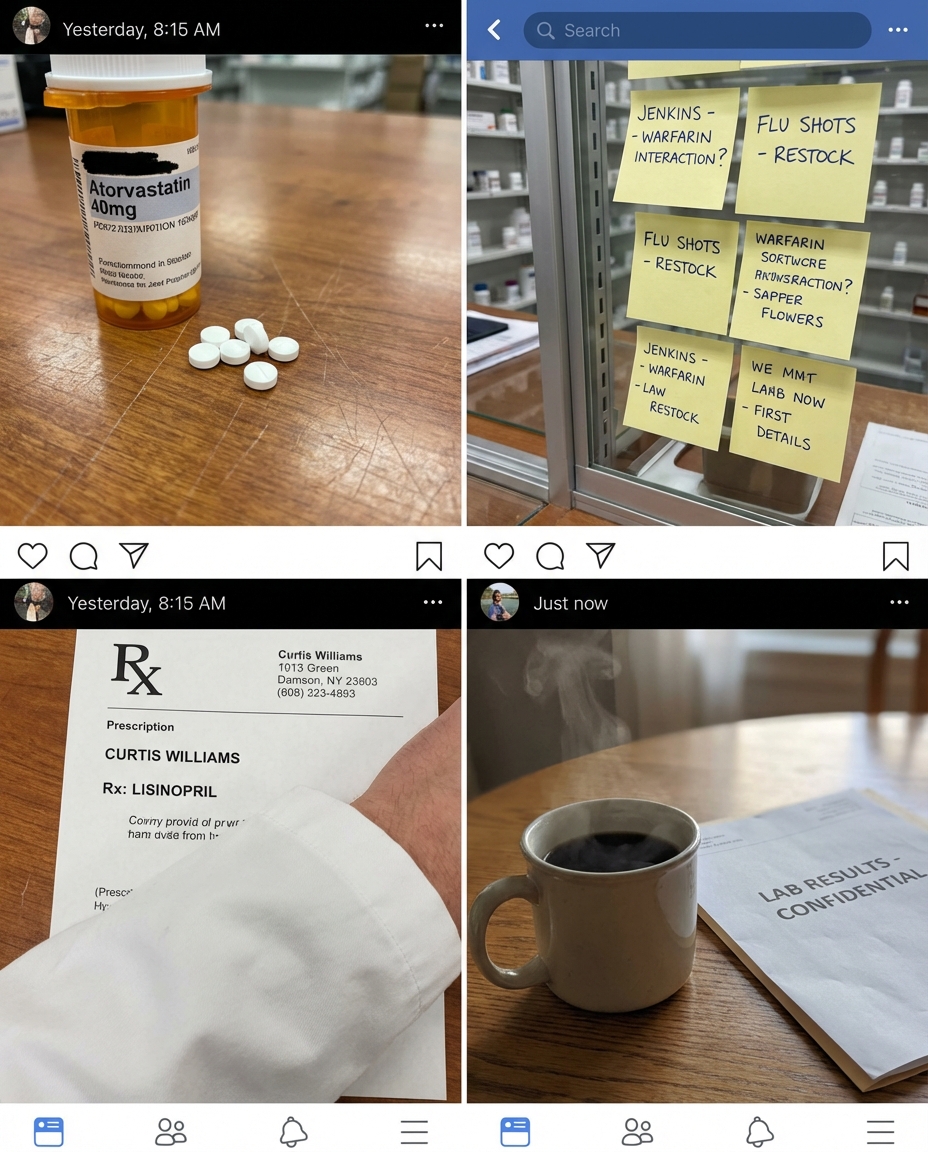
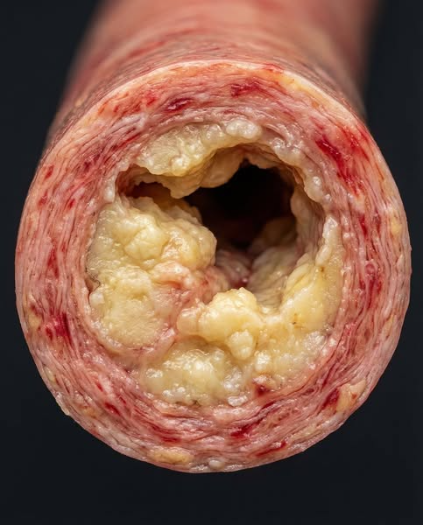
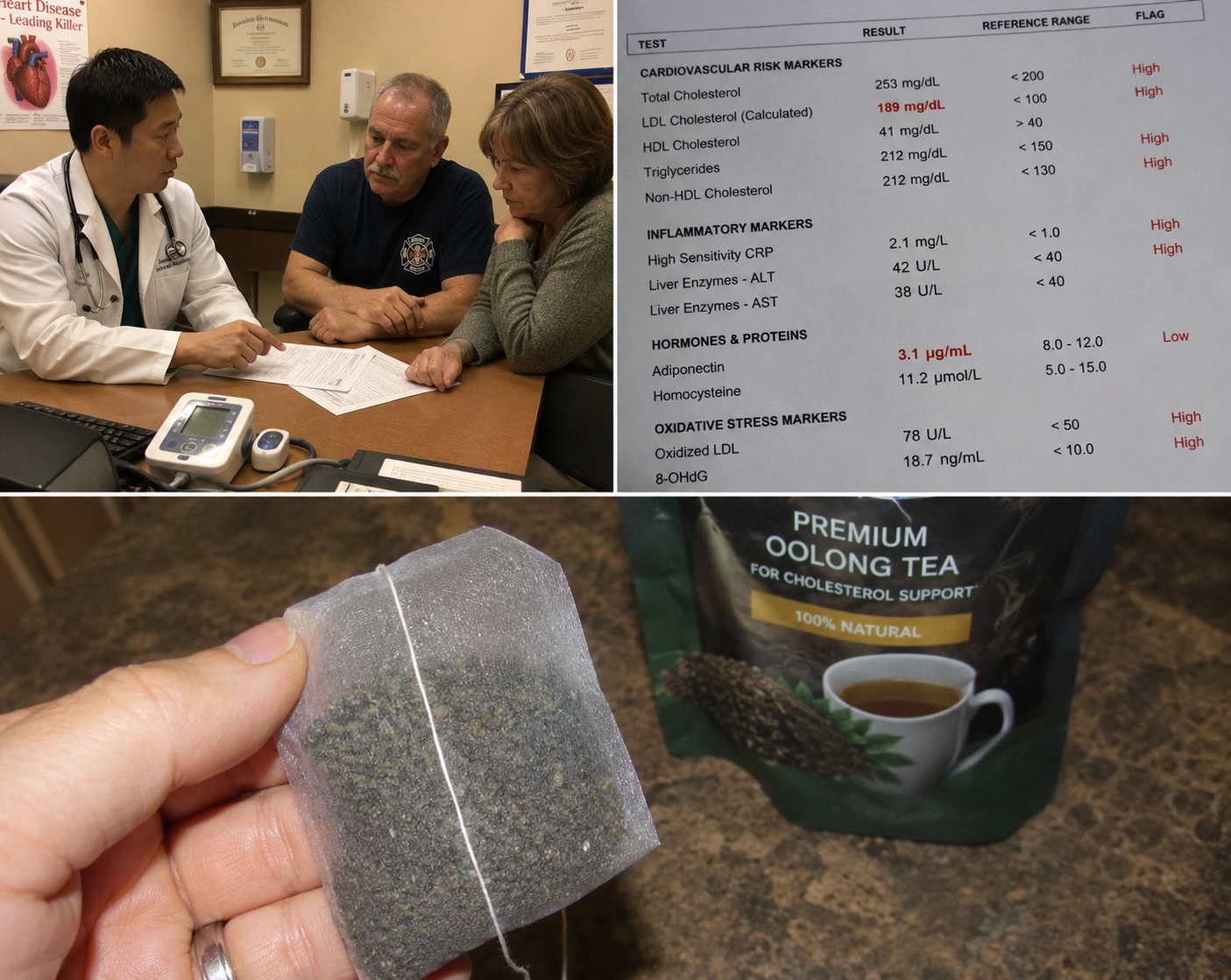
I'm going to lose my f*cking mind if one more person tells me "just cut out eggs and eat more oatmeal" like that's some kind of revolutionary cholesterol advice. YOU'VE BEEN DOING THAT. IT DOESN'T WORK. My name is Dr. James Chen. I've been the lead physician at North Valley Health Clinic for 18 years. And I owe you an apology. Because for 15 of those years, I told my patients the exact same thing your doctor is telling you right now. Someone comes in for their annual physical. Their bloodwork comes back. LDL is 168. Triglycerides are 212. I look them in the eye and say: "You need to clean up your diet. Cut the eggs. Less red meat. More salmon and oatmeal." They go home. They change everything. Three months later, they come back for bloodwork. LDL: 161. Seven points. "You need to try harder. Cut all saturated fat. Switch to olive oil. Eat more fiber." They go home. They throw out everything in their pantry. They eat salads for every meal. Three months later: LDL: 155. Six more points. "Try the Mediterranean diet. It's the gold standard." They follow it religiously. Every meal. No cheating. Three months later: LDL: 152. Three points. "Have you tried oatmeal every morning? The soluble fiber binds to cholesterol." They eat oatmeal every single morning. Steel-cut. No sugar. Plain. Three months later: LDL: 149. Three more points. In an entire year of dietary perfection — a year of no eggs, no red meat, olive oil, salmon, fiber, Mediterranean meals, and oatmeal every morning — their LDL dropped from 168 to 149. Nineteen points. I wanted them under 100. And I'd watch them leave my office knowing I was going to have the statin conversation next visit. Because that's the playbook. Diet fails, statins follow. I could see it in their face — that look of someone who's done everything right and still lost. If you've ever opened a patient portal on your phone, seen a number that barely moved after months of sacrifice, and just sat there for a minute staring at it before closing the app — I know that feeling now. Because I was the one creating it, four times a week, for fifteen years. The pattern finally broke me open with one patient. His name was Robert. Fifty-four years old. Retired firefighter. His wife Margaret called my office — and I could hear it in her voice before she finished the first sentence. "Dr. Chen, we've done everything. He cut out eggs two years ago. We switched to salmon twice a week. He eats oatmeal every morning. He walks three miles a day. He lost 22 pounds. And his cholesterol just keeps going up." LDL was 189. It had been 172 when they started. He was eating better than he ever had in his life. And his numbers were going in the wrong direction. When I examined Robert, he looked like a health poster. Healthy weight. Good blood pressure. Active. No family history of heart disease until you went back two generations. So instead of adjusting his diet again — instead of reaching for the statin pad — I ran panels I'd never thought to order before. Adiponectin levels. Oxidative stress markers. Liver inflammatory markers. The results came back four days later. Adiponectin: 3.1 μg/mL. Normal range: 8-12. Critically low. And that result changed everything I understood about cholesterol. Your liver produces 80-85% of your cholesterol on its own. The food you eat — the eggs, the red meat, all of it — that's only 15-20% of your total number. So every egg Robert didn't eat, every oatmeal breakfast he forced down, every dinner where Margaret cooked salmon instead of what they actually wanted — all of it was fighting the small fraction. The other 85% was his liver, locked in overproduction mode because it didn't have the antioxidants it needed to regulate itself. Without adequate adiponectin — which requires specific antioxidants like EGCG, polyphenols, and catechins — the liver just keeps making more cholesterol. Doesn't matter what you eat. I went back through my records after Robert. Pulled charts for 127 patients who had followed dietary advice with confirmed compliance for at least 12 months. 118 of them had critically low adiponectin. 93%. I'd spent fifteen years telling people to try harder at something that was never going to fix the actual problem. And here's what makes this more than frustrating — here's what makes it dangerous: The Framingham Heart Study — the longest-running cardiovascular study in history — found that every 40-point increase in LDL above optimal doubles the risk of a major cardiovascular event within 10 years. Patients with LDL above 160 for more than 5 years had a 3.7x higher rate of heart attack. 2.9x higher rate of stroke. And arterial plaque buildup from sustained high cholesterol is largely silent. No symptoms. No warning. Just a Tuesday morning where your chest tightens and doesn't release. Every month Robert's LDL sat at 189 while he choked down oatmeal — that was another month of silent damage nobody was addressing. I told Margaret: "Robert's liver needs specific antioxidants to restore adiponectin production — EGCG, polyphenols, catechins. The most concentrated natural source is oolong tea, but it has to be real, whole-leaf oolong grown at high altitude." "That's it? Tea?" "Not just any tea. The research is very specific about concentration." Margaret didn't wait. She ordered oolong tea from Amazon that night. $14.99. 4.7 stars. "Premium oolong for cholesterol support." Three thousand reviews. Robert drank it every morning for six weeks. His LDL dropped eight points. From 189 to 181. Margaret called me, frustrated: "Should we just do the statins?" I asked her to bring me the tea. One look and my stomach dropped. I could see through the tea bags. Dust and fragments — not leaves. I sent it to a lab. EGCG content: 12mg per cup. The research requires 150-300mg. Robert was getting 8% of the therapeutic dose. He wasn't drinking oolong tea. He was drinking hot brown water with a fancy label. I ordered every oolong brand I could find — eleven total — and had them all independently tested. The results were devastating. One brand had pesticide residue exceeding safe limits. Another had heavy metals — lead at twice the safe threshold. A third had actual mold. Most had EGCG levels between 6 and 44mg per cup — a fraction of what the research requires. Ten out of eleven failed. The eleventh was a small company called PiPi Tea. EGCG content: 187mg per cup — well into the therapeutic range. 340mg total polyphenols. Zero pesticide residue. Zero heavy metals. 100% whole-leaf oolong grown above 4,500 feet in Pu'er, Yunnan Province. Hand-picked. Traditional processing that preserves the active compounds. It was the only brand that actually had what the research says works. Margaret started Robert on PiPi Tea that same day. She ordered it that night after I called her — same way she'd ordered the Amazon stuff, just a different link. Week one: LDL 184. Down five points. Small — but faster than anything dietary changes had done in two years. Week two: LDL 176. Margaret called me: "Is this real? Thirteen points in two weeks? He spent a whole YEAR on dietary changes and only dropped nineteen." Week three: LDL 162. Triglycerides dropped from 198 to 171. Week four: Margaret was in my office, unannounced, with a bloodwork printout. LDL: 149. "He hasn't been under 150 since he was 47." Week six: I brought Robert in for a full panel. LDL: 128. HDL: 58 — up from 42. Triglycerides: 144 — down from 212. Adiponectin: 9.4 μg/mL — normal range. Up from 3.1. In six weeks on Amazon tea: eight points. In six weeks on PiPi Tea: sixty-one. Robert's other doctor pulled up his chart and said "whatever you're doing, keep doing it." He didn't even ask what it was. Margaret called me crying. "Why didn't anyone tell us this?" I didn't have an answer. Robert hasn't had an LDL reading above 130 in over a year. He eats eggs again. Has steak on Saturdays. Stopped the oatmeal he hated. The food was never the real problem. His liver was. If you've been cutting eggs, eating oatmeal, following Mediterranean, doing everything your doctor said — and your numbers barely move — you're not failing. The approach is failing you. Your liver needs antioxidants that actually reach therapeutic levels. Same diet. Same person. Different tea. 90-day money-back guarantee. 👉 https://shop.pipitea.com/ppch/7-benefits P.S. — If you've tried turmeric, fish oil, CoQ10, or whatever your doctor or a friend recommended and got nothing — I understand why you'd be skeptical of one more natural approach. The difference is measurable: Robert's Amazon oolong had 12mg of EGCG per cup. The research requires 150mg minimum. Most "cholesterol support" products don't contain enough active compound to do anything. PiPi Tea delivers 187mg — independently verified. That's not marketing. It's a number you can check against the published research yourself. 👉 https://shop.pipitea.com/ppch/7-benefits
Natural Relief in Weeks
Struggling with high cholesterol that won't respond to diet changes? Here's why adding PiPi Tea to your routine can make a real difference, without statins or harsh side effects.
LEARN MORELike this ad? Make it yours.
Crush rebuilds this exact creative around your product — your brand, your colors, your offer — in about a minute.