
Inactive· since Jul 8, 2026
- 32
- days it ran
- 1
- relaunches
- 42
- EU reach
Ad copy
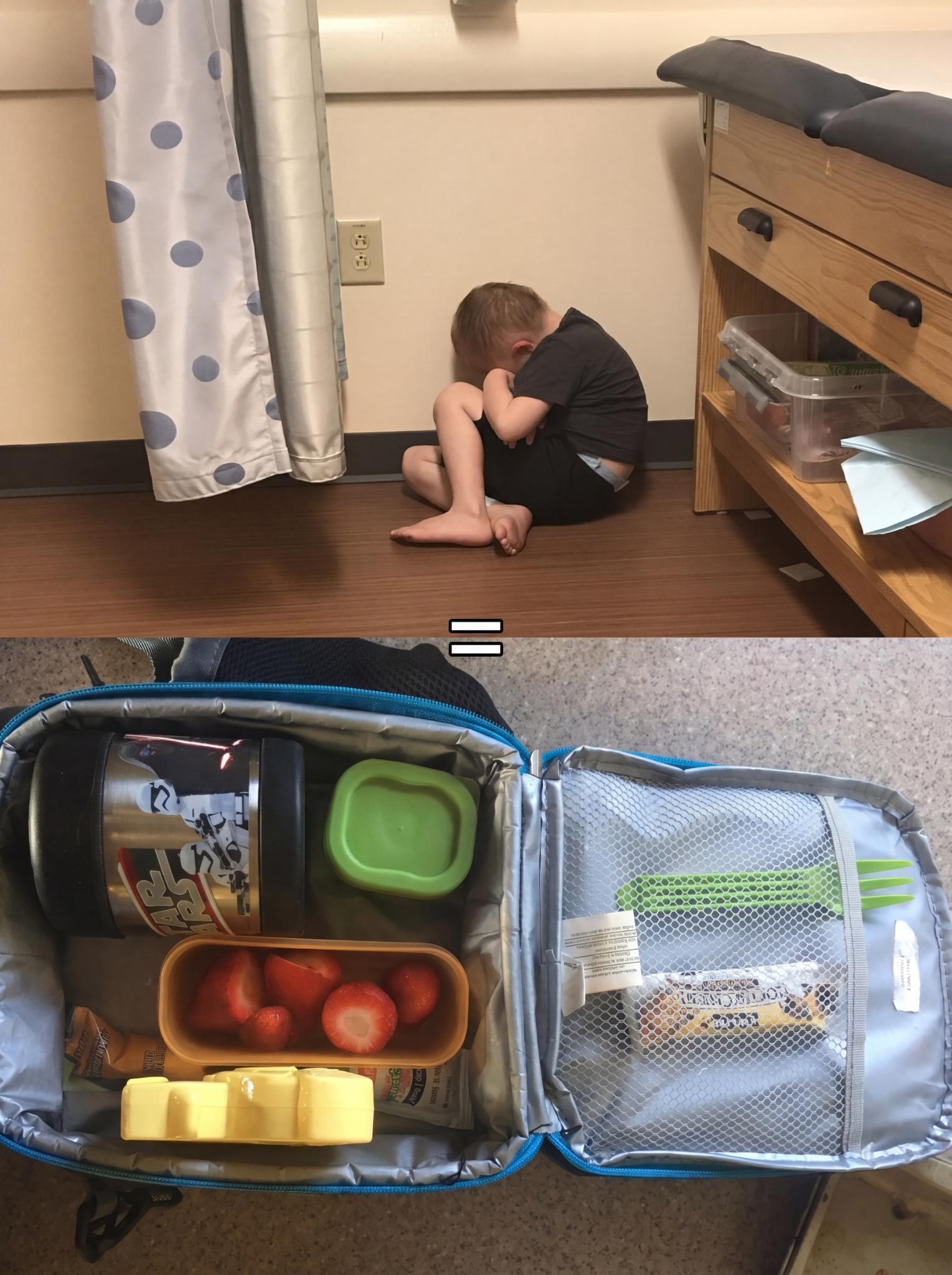
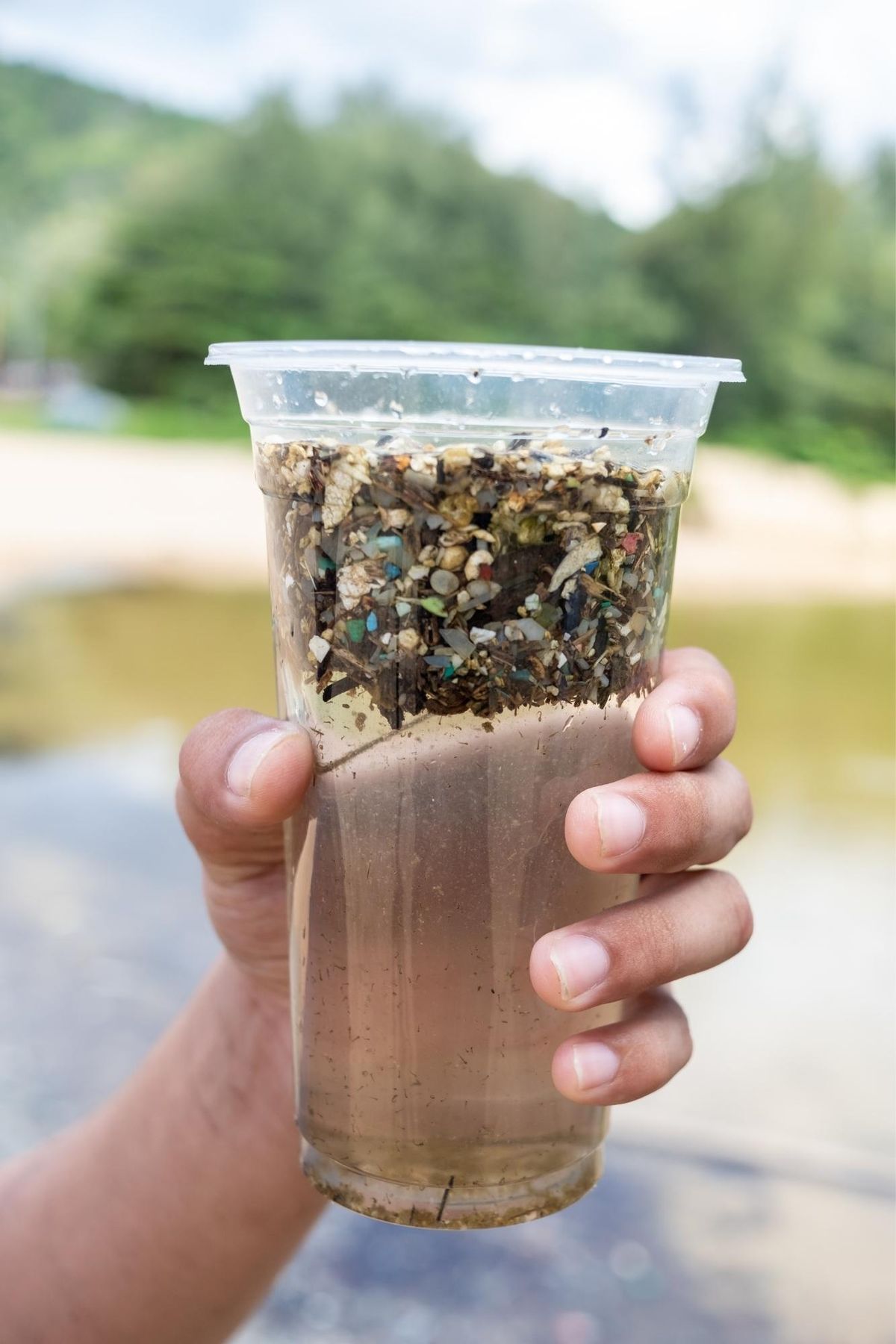
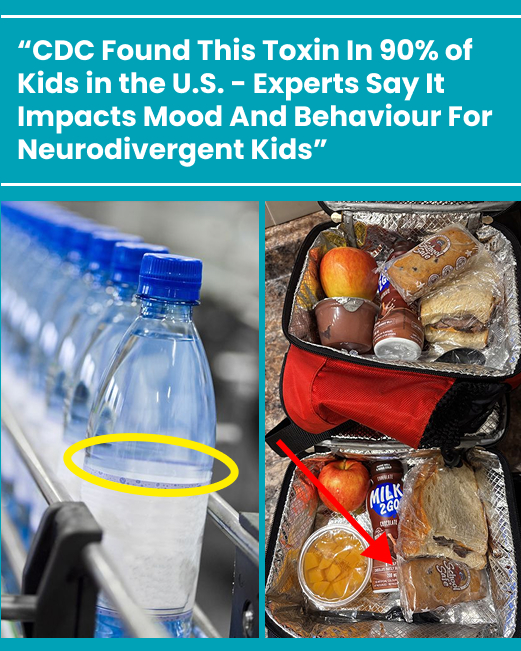
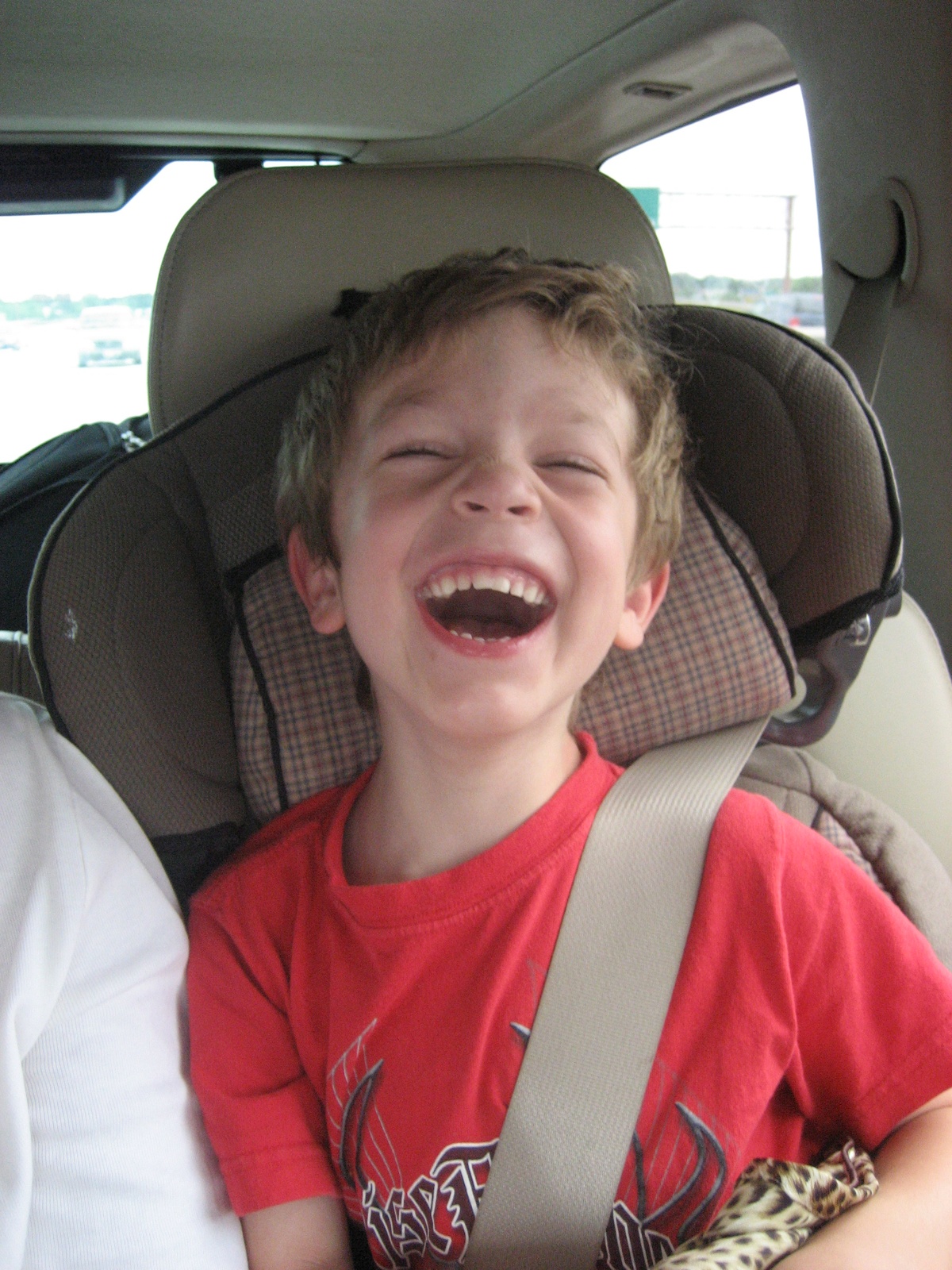
My son asked me "Mom, am I a bad kid?" after he calmed down from another one of his outburst episodes. He's only 8. It broke my heart to hear those words when I tucked him in bed. I kissed his forehead and told him no. Made it to the hallway and fell apart in tears completely. Because he doesn't know why he does it. He told me that himself. "I know mom. I don't know why I get so upset and I can't stop." He's not a bad kid. Anyone who spends ten minutes with him knows that. He's funny. He's sweet. He tries harder than any kid I've ever seen. But I later found out that something fires in his brain and his body follows before he can catch it. And then after, when it's over, that’s why he collapses and cries. The shame on his face is not the face of a kid who wanted to explode. It's the face of a kid who watched himself do something he couldn't stop and has no idea why. That's the part that scared me more than the outbursts. The belief forming underneath every explosion that…he was the problem. The mornings in our house don't start calm. Getting dressed is a negotiation that can go sideways in thirty seconds. Getting out the door before the bus is something I have to actively manage every single day. School holds him together for seven hours. Then he walks through the door and it's over. The smallest thing sets him off. I say "homework before screens" and we're at a ten in under a minute. I say "time for dinner" and I lose him completely to his tantrums. The loop in our house was the same every single day. Remind. Escalate. Meltdown. Guilt. Repeat. The notes home from his teacher used the same words every time. Defiant. Disruptive. Refuses to follow instructions. I got the dreaded "your son didn't have a good day today" so many times I started to feel sick on pickup days. I'd sit in the car line bracing for it before I even saw his face. The worst part wasn't any single explosion. It was watching him start to believe all of it. He started going quiet in ways he never used to. Stopped trying to explain himself. By the time he asked me if he was a bad kid, he wasn't asking because he wanted reassurance. He was asking because he'd already started to think the answer was yes. I’d already been trying everything I could to support him. And I kept trying harder after he started his negative self talk phase. Reward charts first. He earned stickers for two days straight and I thought we'd cracked it. Day three he had a meltdown so big we had to take the chart down. Back to square one. Green zone, yellow zone, red zone. We practiced the breathing exercises for weeks at home. In her office the school therapist said he was doing great. But in the car on the way home, he lost it because I turned the wrong way out of the parking lot. I took the screens away for a full month. No iPad, no TV, no anything. The meltdowns just got worse. I gave the screens back because at least with them there were a few calm hours, and because taking them away proved they were never the actual problem. Then the supplements. Magnesium gummies. Omega-3s. Olly vitamins from Target. His pediatrician brought up medication. I wasn't ready because I'd heard too many things from too many moms about what it does to their kids. Their appetite, the flatness, the sleep loss, I was pretty freaked out from those stories. But I was at my wit’s end. Every strategy worked for a day or two and fell apart. Each time something failed, the same thought crept in: I must be the problem. I wasn't consistent enough. I gave him screens too early. If I just parented better, he'd respond. I carried that for two years. But now that I understand why this was all happening, and how to fix it… I want to tell you none of it was true. If you feel the same way I did, I wanna tell you, it's not your fault. Nobody told me that until a friend stopped me in the parking lot after school pickup. She asked to keep her name anonymous. But our boys are in the same class. I'd seen her at pickup a hundred times but we'd never talked much beyond waving. She stopped me by my car one afternoon and asked how things were going with my son. I don't know why I told her the truth but I did. All of it. The notes home. The meltdowns. The two years of failed strategies. The night he started his negative self talk. She nodded her head like she recognized every word. She told me she'd been exactly where I was 8 months ago. Then she took her son to a pediatric neuropsychologist. Someone who specifically studies what happens inside a child's brain. I almost didn't go. I already knew what they were going to say. ADHD. Defiant. Oppositional. Another label. Another person telling me what was wrong with my son without explaining why. But I made the appointment because he started saying he was “dumb” and that he “hates himself” which was keeping me up every night. The specialist surprised me before she even started. She asked me to tell her about a moment when my son was calm. Not about the outbursts. A time he was completely settled. Nobody had ever asked me that. Every meeting, every email, every phone call for two years had started with what he did wrong. I told her about Sunday mornings. Before the day gets going. He climbs into bed next to me and just talks. About his friends, about something he saw on Mr Beast, about whatever's in his head. Calm and present. That's my real kid. She nodded like she'd heard this before. "And what happens when you tell him it's time to get up and get ready?" "He explodes." "And after?" "He collapses and then proceeds to tell me he doesn't know why he did it." She said something I've thought about almost every day since. "What you're describing is a child whose body reacts before his brain can think. This is panic, and it's coming from inside his brain." Then she explained why. His brain registers a transition as a threat. The second that happens, the amygdala fires. That's the brain's alarm system. And when it fires, the prefrontal cortex goes dark. That's the part responsible for logic and reasoning. So there's no filter. No pause between the trigger and the reaction. "Time to get up" lands the same as a threat, and his body does the only thing it knows. The words that fly out before he can stop them, the explosion, the kicked chair. His nervous system hijacks him before his brain can catch it. The shame after, when he's curled up crying asking why he can't stop, that's the real him coming back online. She explained why the alarm keeps firing. His brain doesn't produce enough of three chemicals called dopamine, serotonin, and norepinephrine. Washington University School of Medicine has proven that ADHD is not one chemical in the brain. But instead it's how these chemicals interact with each other. They work as one connected system. Dopamine handles focus and impulse control. Norepinephrine handles alertness and drive. Serotonin is the buffer that keeps a small frustration from becoming a full explosion. When all three are where they need to be, the prefrontal cortex stays on, and the filter works. A trigger stays a trigger instead of becoming a crisis. But when the system runs short, every small request hits at full force and there's no gap between what happens and how he reacts. Everything gets registered as a threat. "Most kids' brains run on a lower baseline than they should," she said. "Some kids are wired to produce less of these chemicals naturally. And then the demands of the day burn through whatever they do have. Seven hours of school spends down the supply. They get twenty minutes of recess to build it back. By the time they walk through your door, there is nothing left." That's why everything is worse after school. He holds it together all day because he has to, and by 3pm there is nothing to hold with. The food most kids eat doesn't help either. The brain builds dopamine, serotonin, and norepinephrine from specific nutrients: B6, B12, magnesium. Most kids aren't getting anywhere near enough of them. Depleted soil, processed food, the same beige diet every day. Enough calories. Almost none of what the brain needs to rebuild. So he starts every day already short. School spends what's there. Food doesn't replace it. And then your child walks into every moment with a nervous system that has no buffer at all. I felt my eyes well up. 2 years of guilt and hopelessly trying everything all came apart in one conversation. Nothing I did caused this. I had been fighting the behavior while his brain was the thing that needed support. The reward charts targeted behavior. The therapy targeted emotions. The supplements each targeted one piece. But his brain’s system runs on three chemicals built by one process, and nothing I tried was built for that. That's why nothing touched it. Nobody had explained what was actually broken. Dana told me what the specialist said about medication. She didn't dismiss it. For some kids it's the right call. But she wanted me to understand why it only fixes part of the problem. ADHD medication, methylphenidate, Adderall, Concerta, works by forcing dopamine into the brain. One chemical. Artificially. Fast. That's why focus improves within a week. The brain suddenly has the one thing it was spending all day. But remember, the brain runs on two more chemicals. And when you force dopamine up artificially, serotonin and norepinephrine don't come with it. So focus comes back and everything serotonin controls crashes. Appetite disappears. Sleep falls apart. The personality flattens. The loud, funny, chaotic kid you were trying to help comes home quiet, compliant, finishing his worksheets, not laughing at dinner. That's exactly what happens when you force one chemical and leave the other two behind. The brain gets overridden instead of supported. I wasn't on medication yet. But I understood why so many moms who were kept telling me their kid was focused but gone. Dana said the specialist had something different she wanted her to look at. A study. Published in a peer-reviewed medical journal in 2019. Researchers took clinical-strength saffron extract and found it was just as effective as drugs like Ritalin for focus, attention, and mood. Which is what dopamine, serotonin and norepinephrine are responsible for. That’s because saffron contains two compounds, crocin and safranal, that naturally support the brain's own natural production of all three brain chemicals They help the brain hold onto what it produces instead of burning through it. That's what those moms in Dana's group were describing. Their kids’ brains were being given what it needed to work on its own. I asked Dana if she had tried saffron before. She said yes. Two different ones from Amazon. Nothing happened either time. The specialist had explained why. Most saffron supplements use generic extract, maybe 20% active compounds. The clinical trial used extract standardized to over 95% pure crocin and safranal. Below that concentration, brain chemistry doesn't change. It's just a word on a label. The Olly gummies, the calm drops, the focus supplements from Amazon were all missing the dose and concentration from the actual study. That's why they did nothing. Those products were never built to do what the study showed was possible. And saffron alone still isn't the full picture. The brain needs the raw materials to build what saffron helps produce. B6, B12, magnesium glycinate to increase serotonin, dopamine and norepinephrine production. Without the building blocks, even the right saffron can only do so much. She told me the one the specialist recommended. Mood Balance. Clinical-dose saffron at the actual concentration from the study. Magnesium glycinate. Lion's mane. L-theanine. B6 and B12 to fuel the production chain. And it came as a gummy so that it wasn’t a fight to give it to her son in the mornings. He just takes one every morning. I ordered it on my phone before I got home. My son chewed the first gummy Wednesday morning. Said it tasted like candy. Asked if he could have another one. I said one is enough. I told myself not to watch for changes. I was burnt out from everything not working but I gave it a fair shot after seeing what it did for Dana and these other parents. Week one was quiet. I noted that and told myself it was fine. But after 3 weeks of being consistent here’s what I noticed. I used to hear him through the door. Talking to himself. Calling himself stupid, saying nobody liked him. But now? I haven't heard that in weeks. Our house just feels different. Home feels like home and my sweet giggly boy isn’t struggling with self-esteem. One night he came home and told me he answered a question in class. Not that he got it right, just that he answered. He said it like it was a big deal. Because for him, it was. He used to never raise his hand because he was convinced he'd get it wrong and everyone would know. And I’ll never forget this. He'd been on his iPad after dinner. I said "bedtime, buddy." And he calmly responded “five more minutes please?”, and after five minutes he turned the iPad off and went upstairs to brush his teeth. No tantrum or outburst. Now, obviously, he still has his moments here and there, but I noticed he's able to regulate his big emotions. So whatever word they put on your kid. Defiant. Oppositional. Impulsive. A handful. Is your kid choosing this? Or are they losing control and hating themselves for it after? You can't discipline a nervous system out of survival mode. You can't fix a brain chemistry problem with a reward chart. I tried that for two years. The behavior wasn't the problem. His brain was the thing that needed support, and once it had what it had been missing, everything I was trying started working. Because I solved the problem that was hiding underneath his outbursts and struggles. The explosions stopped. The shame stopped. The bedtime question stopped. He stopped calling himself a bad kid. Not because I convinced him he wasn't. But because his brain finally had enough to let him figure that out on his own. And now I feel this weight has been lifted off my shoulders. I’m able to support my sweet giggly boy and homes really does feel like home now. EDIT: I keep getting asked what I give him. Mood Balance. Clinical-dose saffron extract with 95%+ active compounds, magnesium glycinate, lion's mane, L-theanine, B6, B12. This is what he takes every morning. [uselumexa.com/pages/saffron-2] I packed my son's lunch every morning for two years. But I had no idea I was making his ADHD WORSE every day. I tossed it all in the trash after I found out what was inside. There's a chemical the CDC found in over 90% of Americans - and I learned what it specifically does to a brain that already has ADHD. I'm still angry nobody told me sooner. — My son's name is Tyler. He's 9. And for 2 WHOLE YEARS, our afternoons looked the same. He'd walk through the door at 3:45PM and then…I'd feel my whole body tense up. Because I knew something was coming. Some days it was homework. He'd sit at the table for thirty seconds, then the pencil would go down, then the arguing would start. A worksheet that should take twenty minutes turned into ninety. By the end, one of us was in tears. Some days it was the iPad. I'd say "time's up" and his whole face would change. Not a grumble or a protest. A FULL SHUTDOWN. Screaming, crying, sometimes throwing things. His little sister learned to take her plate to her room before I gave the warning. She was 7 and already had a system for it. Dinner happened in silence most nights because nobody had anything left. My husband and I stopped talking after 8pm because we were both drained by the end of the day. I'd lie in bed running through what I did wrong that day. Thinking if I was more patient, more consistent, more something, it would stop. His teacher used words like “defiant.” The school counselor said he was oppositional. And I sat in every meeting nodding, saying "we'll work on it at home." Like it was something I could fix if I just tried harder. — The thing about being told your kid is defiant is that you start to believe it. Not about him. About yourself. Every article I read implied the same thing. More structure. Firmer limits. More consistency. Be the calm in the storm. If you parent correctly, the child responds. So if he isn't responding, the math says it's you. I carried that for two years. I tried stricter consequences. The meltdowns got bigger. I tried gentle parenting. Same result. I took the iPad away for a full month. That was the WORST month of our lives. The meltdowns didn't stop. They spread to everything. Getting dressed, brushing his teeth, being told it was dinnertime It wasn't the iPad…confiscating it proved that. So I tried the supplements. Magnesium gummies. Omega-3s. Those Olly focus vitamins from Target. A calm drops thing from Amazon that a mom in my Facebook group swore by. Nothing moved. And with every failed attempt, I got a little quieter about it. Stopped posting in the groups. Stopped bringing it up at his checkups. Started just managing it. Building our entire afternoon around surviving the next meltdown 😔 I told myself this was just who he was. Or hoping that he would “grow out of it” one day. I was wrong. But not in the way I thought. He wasn't defiant. Nor was he broken. And it wasn't my parenting. Something was happening in his brain every single day that I didn't know about. Something nobody told me. And the more I tried to discipline my way through it, the more I was fighting a problem that had nothing to do with behavior. — A few months ago I was up late going down a rabbit hole. I'd seen a post in one of my groups about plastics. I almost kept scrolling. I'd read enough things that turned out to be nothing. But I clicked. BPAs? You may or may not have heard it, but it’s a chemical found in plastic food containers, water bottles, cafeteria trays, microwave-safe packaging, the lining of food cans. The EPA classifies it as an endocrine disruptor. So when it enters the body, it interferes with hormone signaling. When it reaches the brain, it DISRUPTS dopamine and serotonin pathways. The two chemical messengers ADHD children are already producing less of. The CDC's own biomonitoring program found detectable BPA in over 90% of Americans tested. I kept reading. Then I found the part that stopped me cold. A study published in PLOS ONE found that children with ADHD metabolize BPA 17% less efficiently than other kids. Which means instead of getting cleared, it builds up. Day after day, in a brain that's already running low on the exact chemicals BPA disrupts. I thought about his lunchbox. The water bottle I refilled every morning. The containers I packed his snacks in. The school cafeteria trays he ate off of five days a week. I had been handing him the thing that was making it harder…Every single day without even knowing. — Then it made sense why everything I tried didn't work because I was always going after things I could see, like his behavior and meltdowns, focus problems… But none of them touched what was causing all of it underneath. The reward charts. I tried three different systems over eighteen months. They worked for a few days, then fell apart completely. Because you can't reward a brain into producing chemicals it doesn't have. The therapy. His therapist was kind and patient and Tyler liked her. The breathing exercises worked in her office. They fell apart in the car on the way home. Because the techniques were real. The tank was still empty. The magnesium gummies. Bought two different brands. Took them for three months each. Nothing changed. Magnesium targets one pathway. His brain was struggling with two. The fish oil. Same problem. One pathway. One ingredient. A system that runs on three chemicals doesn't get fixed by addressing one of them. The Olly focus vitamins from Target. The calm drops from Amazon. The melatonin for the sleep. Each one targeting a single symptom while the root chemistry kept running low. We almost went the prescription route, but after what I found out, you'll see why we didn't have to risk that route with the harsh stim side effects (i’d heard many kids can’t tolerate the appetite loss and sleep disruption) And the whole time, BPA was suppressing the very chemicals every one of those supplements was trying to support. It's like trying to fill a bathtub with the drain open. You can keep adding water. You can switch brands of water. You can add more water faster. But the tub will never fill until someone closes the drain. And I'd been adding water for two years. Yet nobody told me about the drain that was behind my son’s dysregulation. — I posted about what I'd found in one of my ADHD groups. And a mom named Dana messaged me an hour later. She said she'd been where I was eight months ago, in the exact same rabbit hole of BPAs and plastic toxins. Turns out there’s a whole community around it. But she'd kept going further than I had. She told me what her son's specialist had explained to her after she brought the BPA research in. BPA suppresses dopamine and serotonin by interfering with their signaling pathways. That part I already knew. What I didn't know was that there was a natural compound that worked on those same pathways from the other direction. Saffron extract. Not the cooking spice though, a clinical-strength extract with two compounds named crocin and safranal. I almost stopped reading there. Because I'd heard "natural remedy" enough times to be tired of the nonsense online. But Dana sent me the studies. The first one was published in 2019 in a medical journal where researchers from a medical university took clinical-strength saffron extract and compared it head-to-head against methylphenidate in children with ADHD. That's the compound used in Ritalin. They found saffron extract was just as effective for focus, attention, behavior, and anxiety. I read that twice. Comparable to…Ritalin. Without the appetite loss, sleep destruction, or personality disappearing. Dana explained what her son's specialist told her about why it worked. BPA closes the door on dopamine and serotonin by disrupting their signaling. Meanwhile, crocin and safranal work as reuptake inhibitors. They slow the rate at which the brain clears those chemicals out of circulation, so the signal stays active long enough to actually do its job. Basically, BPA shuts the door, while saffron reopens it. — I told Dana I was going to order saffron that night. She told me to wait. The saffron in that study wasn't generic saffron. It wasn't the kind sitting on the shelf at Whole Foods or the kind inside those Amazon focus gummies. It was a standardized extract with two specific compounds isolated and concentrated to a precise percentage. The trial used extract standardized to 95% pure crocin and safranal. Which is the threshold where the brain chemistry actually changes. Most saffron supplements on the market sit around 20% active compounds. Some even less. Just “enough” so they can put the word saffron on the label. Dana tried two of them before her son's specialist explained this. Nothing happened with either one. She'd written saffron off completely before she understood why they didn't work. That's why moms in the groups kept saying saffron gave their kid headaches and nothing else. It was the wrong form and wrong concentration. Not even close to what the study used. She told me there was one more thing the specialist had flagged. Saffron slows the drain. But if the tank is still empty, there's nothing to protect. BPA had been suppressing dopamine and serotonin production for months. The brain also needs raw materials to build those chemicals in the first place. B6, B12, and Magnesium glycinate are the necessary building blocks that most kids aren't getting enough of from food. Saffron at clinical dose addresses what BPA suppressed. While the building blocks address what BPA depleted. You need both sides at the same time. — I asked Dana which one had both. She sent me a link from Mood Balance by Lumexa, which I believe is their name. Clinical-dose saffron extract standardized to 95% pure crocin and safranal. The actual concentration from the study. Magnesium glycinate, in the form that actually crosses the blood-brain barrier, not the oxide version that barely absorbs and ends up passing straight through. B6 and B12 to fuel the production chain. The raw materials the brain needs to build dopamine and serotonin in the first place. Lion's mane to support natural long term brain development. L-theanine for the calm, focused state that lets the brain actually use what it's producing. Both sides of the problem supported by one formula. — I asked her the question I'd asked about every supplement for two years. “Does he actually take it?” She said it's a gummy and tastes like candy (NON-GMO and no additives) Her son asks for it every morning. Easy peasy. Ten seconds and it's down the hatchet. I ordered it before we finished the conversation. Saw they had a 30 day refund guarantee so saw there was nothing to lose. — The first week I didn't let myself read into anything. Week two, he came through the door, dropped his bag, and asked what was for snack. That was it. No tension in the room. I told myself it was one afternoon. It kept happening. Week three, homework. He sat down and worked through his worksheet. 32 min! He got up twice but came back. No screaming or throwing his pencil at all =) I stood at the counter making dinner and didn't say a word because I didn't want to jinx it. Week four, the iPad. I said time's up. I watched his hands tighten around it. I braced. He looked up, set it down, and walked to the kitchen. His sister didn't leave the table. That was the moment I knew something had actually changed. Week five I got an email from his teacher. My stomach dropped the way it always does when I see the school's name on my phone. She said Tyler had been finishing his work in class. That he'd raised his hand twice during discussion. That transitions had been easier. She said whatever I was doing at home, keep doing it. I sat in the school parking lot and cried 🥲 — Here’s what’s changed. Tyler still has ADHD. He still has hard days. He's still loud and energetic and will argue about bedtime every single night. That's not what changed. What changed is his brain finally has what it was missing. The drain is closing. The tank is filling. And the version of him that was always in there has room to show up now. I think about all the afternoons I spent convinced I was the problem. All the supplements I bought that went after one symptom at a time while the root chemistry kept running low. All the mornings I braced for impact before anything had even happened. None of that was my fault. But I also can't get that time back. What I can do is tell you what I found. Because nobody told me and I'm still angry about that. If your child has ADHD or shows signs of it without a formal diagnosis - and nothing you've tried has moved the needle, it might not be the approach. It might be that every approach you've taken went after the visible problem - while something invisible kept making it worse every single day. You don't have to figure that part out alone. Mood Balance has a 30-day money-back guarantee. If you don't see a meaningful difference in your child's focus, mood, or emotional regulation, they'll refund you in full. You have nothing to lose and they've made it completely risk-free. One gummy. Every morning. Ten seconds. That's what changed our house. EDIT: I keep getting asked what I actually gave him. It's called Mood Balance by Lumexa. Clinical-dose saffron extract with 95% active compounds, magnesium glycinate, lion's mane, L-theanine, B6, B12. Real concentrations, not filler. This is what Tyler takes every morning. uselumexa.com/pages/saffron-2 "My son with ADHD has increasingly started negative self-talk. Should I be concerned?" I saw this comment in an ADHD parenting group three months ago. Yes, you should be concerned. And I don't say that to scare you. I say it because most parents hear "negative self-talk" and think it's a phase. Something they'll grow out of. Something a little encouragement can fix. But here’s what studies say. Psychiatrist Dr. William Dodson found the average child with ADHD receives 20,000 more pieces of negative feedback before their 12th birthday than most children. 20,000. Before turning 12. Every "why can't you just sit still." Every correction in front of the class. Every birthday party they weren't invited to. And here's what nobody tells you about what happens to all of that feedback inside an ADHD brain. Your child's brain has a filter. It lives in the prefrontal cortex. Its job is to take incoming criticism, contextualize it, and say: “that's one moment. It's not who you are.” And in most kids, that prefrontal cortex system works. Negative feedback comes in, gets processed, and files itself as temporary. But studies show that children with ADHD have an imbalance in dopamine and serotonin levels, and that affects how they process negative feedback. The amygdala becomes overactive. The amygdala acts as the brain's alarm system, that fires when there’s a real threat to your child. But when it's overactive, it fires at things that are NOT threats. A correction from their teacher, being the last one picked, a desk moved to the front of the class. Every time it fires, your child’s prefrontal cortex shuts down. So the brain can't contextualize the feedback they receive, and it ends up landing as a fact. Now think of this happening over thousands of those moments, they start to become a child’s inner voice. This is a neurological event happening inside your child every time they get corrected, excluded, or told they did something wrong. It has nothing to do with their character. And your child isn't choosing to believe they’re a bad kid. Their brain simply doesn't have the internal support to tell them otherwise. I always tell parents it's not their fault either. The parents I see who are furthest down this road all tried the same things. They encouraged. They corrected gently. They cheered every win loud enough to try to drown out the losses. But their kids still went to bed asking if they were a bad person, had low self esteem and it took a toll on their social skills. Because the problem isn't the messages parents were sending. The problem is the brain doesn't have the chemistry to hold onto the good ones and let go of the bad ones. No amount of reassurance gives the brain the chemistry it's missing. I want to address what most parents try first. Positive reinforcement. It helps in the moment. It matters. But it doesn't change the underlying chemistry. The reassurance passes, while the baseline stays the same. Therapy. Cognitive behavioral work. Social skills training. These are great real tools, and I recommend them. But the limit is this: therapy gives your child the skills. But it doesn't give his brain the chemistry to use them under pressure. When the amygdala fires, everything they learned in a calm office goes offline with the prefrontal cortex. And then there's medication. Medication works. For some children it is absolutely the right choice. But something most parents never hear is what medication does and doesn't do for the self-image problem. Methylphenidate, Adderall, Vyvanse all force dopamine up artificially, one chemical at a time, and they work fast. Focus improves, the teacher notices, and homework gets done. But the negative self-talk doesn't stop. I've had mothers sit across from me and say: "He's focused now. His teacher loves him. But he still says he hates himself." I've heard that sentence more times than I can count. And for a long time I didn't have a good answer. Because medication targets dopamine. Serotonin, the chemical that governs how criticism lands and how the brain contextualizes feedback, doesn't come up with it. In some kids it gets disrupted. So the focus comes. But the self-image doesn't move. Something most parents never get told: Most pediatricians will never explain this to you. Not because they don't care. Because they're generalists. Medical school covers every system in the human body. Neurotransmitter biochemistry gets maybe 19 hours total of coverage. They weren't trained to explain why the ADHD brain processes negative feedback differently. Or what to do about it at a chemical level. So most parents never get this explanation. They get a diagnosis, a behavior plan, and sometimes a prescription. They go home not understanding why. And they spend years fighting the symptoms without knowing what's underneath, causing them in the first place. Now they finally understand why and most importantly what to do about it. This all started three years ago when a colleague sent me a paper I almost didn't read. It was peer-reviewed, published in a medical journal. Researchers took clinical-strength saffron extract and put it head-to-head against methylphenidate in children with ADHD. That’s the compound found in Ritalin. They measured focus, attention, behavior, and anxiety. Ratings came from both parents and teachers. The results were comparable. I read it twice. Then I read the full study. Then I found the follow-up research that confirmed it. Same improvements across every measure. The reason comes down to the chemistry. Saffron contains two compounds: crocin and safranal. What they do in the brain is different from what medication does. Medication forces dopamine up artificially and leaves everything else alone or disrupted. Crocin and safranal support the brain's natural production of dopamine, serotonin, and norepinephrine, all three, not just the one medication addresses. And they help the brain hold onto what it produces instead of breaking it down too fast. When serotonin comes up naturally, the prefrontal cortex stays online under pressure. The brain can contextualize criticism again. One moment instead of a verdict. Dopamine comes up. And the part of the brain that protects how your child sees himself comes up with it. When both dopamine and serotonin levels are balanced, the amygdala stops being overactive and the prefrontal cortex stays online. But please be careful. I don't want you just getting saffron because I told you to get saffron. Most parents who tell me saffron didn't work tried the wrong product. Most supplements on the shelf use generic extract. Maybe 20% active compounds. The study used extract standardized to over 95% pure crocin and safranal. Below that concentration, brain chemistry doesn't change. The dose wasn't there, which is why it didn't work. And saffron alone isn't enough either. The brain still needs raw materials to build what saffron helps produce. Specifically B6, B12, and magnesium. The same nutrients most kids aren't getting from a modern diet built on chicken nuggets, goldfish, and granola bars. That way, they can produce enough dopamine and serotonin that Saffron can protect. The only formula I’ve seen with these clinically researched ingredients is from Mood Balance. Clinical-dose saffron at the right concentration. Magnesium glycinate, B6 and B12 to fuel the production chain. And it comes as a gummy so parents don’t struggle to consistently give it to their kids. I want to tell you about a patient I saw last year. He was 9, sharp, but he couldn't get through homework without a meltdown. His teacher emailed his mom constantly. And every few weeks, his mom would tell me what he said at bedtime. "I'm the worst kid." "Nobody likes me." "I don't know why I'm like this." His mom had tried everything. She was exhausted and running out of ways to tell him those things weren't true. A year ago I would have gone straight to methylphenidate. Instead I said: give this three weeks. If nothing changes, we'll have the medication conversation. Two weeks later she called my office. She was crying. "He came home yesterday and told me about his day. Not what went wrong. Just his day. He was happy." And the bedtime conversations changed. He stopped asking her if he was a bad kid. She looked at me and said: "Why didn't anyone tell me about this sooner?" And honestly? I didn't have a good answer. I still don't. If your child is starting to believe the story that 20,000 pieces of negative feedback are writing about them, this is the window. That story gets harder to rewrite the longer it runs. The brain is most plastic right now. What gets reinforced in these years tends to stick. You can't encourage your way past a chemistry problem. You can't talk a brain into contextualizing criticism it doesn't have the chemistry to process. But you can give it what it's been missing. EDIT: I keep getting asked which product. Mood Balance from Lumexa. They have clinical-dose saffron extract, 95%+ active compounds, magnesium glycinate, lion's mane, L-theanine, B6, B12. Link is below. (Also third-party tested, non-GMO and no additives) [uselumexa.com/pages/saffron-2]
My son asked me "Mom, am I a bad kid?" after he calmed down from another one of his outburst episodes.
Lumexa
SEE DETAILSLike this ad? Make it yours.
Crush rebuilds this exact creative around your product — your brand, your colors, your offer — in about a minute.