
Inactive· since Dec 29, 2025
- 48
- days it ran
- 0
- relaunches
Ad copy
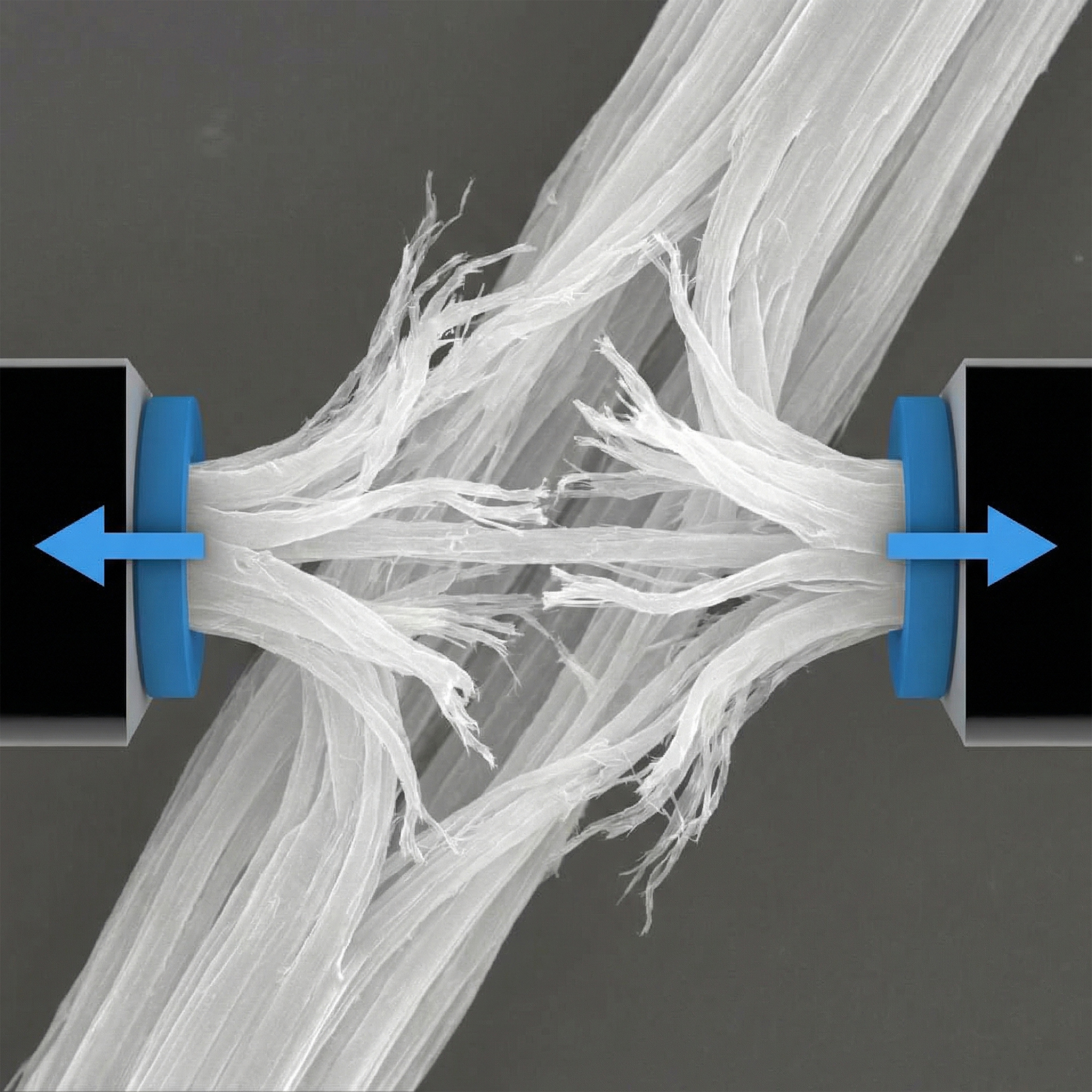
“I put orthopedic patients to sleep for a living. When my own joints started failing, I refused the surgery.” As an anesthesiologist, I’ve assisted in hundreds of orthopedic procedures over my career. I see what patients look like going in. And I see what they look like coming out. That’s why when my imaging showed progressive tissue degeneration, and my specialist said, “We need to start escalating,” I said no. My wife thought I was crazy. “You work with these doctors every day,” she said. “You trust them with other people. Why won’t you trust them with yourself?” I didn’t have a clean answer. Just a feeling I couldn’t shake. The pain started slowly. Stiffness in the morning. Tendon pain by mid-day. Mobility shrinking month by month. I’d finish a long day at work and need twenty minutes just to feel functional again. By spring, I was waking up at 3 AM from the discomfort alone. Lying there in the dark, I’d think about the patients I saw every week. Second injections. Third injections. “Next step” conversations. I see the hands shaking when consent forms come out. I see that a lot. My imaging came back a few weeks later. My specialist pulled it up and said, “See that? Chronic degeneration. That’s why the pain keeps coming back.” I could see it clearly. Tissue thinning. Structural breakdown. “We’ve tried conservative care,” he said. “Next step is escalation.” Injections. Longer recovery windows. Eventually surgery. I’d heard it all before. I tried everything else first. Physical therapy. Mobility protocols. Glucosamine. Fish oil. Turmeric. Anti-inflammatories that wrecked my stomach. Temporary relief. Then right back where I started. My doctor said, “You’ve done what you can.” But I couldn’t stop thinking about the outcomes I’d seen. One night, unable to sleep, I started reading. Not marketing. Not testimonials. Outcomes data. And what I found made my stomach drop. There’s a pattern nobody likes to name. Pain starts → manage it → suppress it → inject it → operate on it. Each step meant to “solve” the problem. Each step making the next one more likely. And here’s what nobody tells you early on: Every escalation treats symptoms - not the reason your body stopped healing in the first place. That’s when I went down a different rabbit hole. I found research that contradicted almost everything I’d been told. Most chronic joint pain isn’t mechanical. It isn’t just inflammation. It’s degenerative. The tissue itself - tendons, ligaments, connective structures - slowly breaking down. That explained everything I was feeling. Morning stiffness. Afternoon flare-ups. Temporary relief from anti-inflammatories. Then back to baseline. I’d heard the labels already. One doctor called it “classic tendinopathy.” Another said “you’re inflamed.” Another shrugged and labeled it “chronic pain syndrome.” Different words. Same outcome. That’s when I got a fourth opinion. Different clinic. Younger orthopedic specialist. Research background. He didn’t start with pain. He started with tissue. He pulled up a diagram and pointed to the same structure most people ignore. “Tendons,” he said. “The connective tissue between muscle and bone. They’re not getting enough blood flow to heal.” Then he explained something I’d never heard explained this clearly before. By age 40, your tendon flexibility declines by up to 50%. These tough fibrous tissues develop microscopic tears. They can’t get adequate blood supply, can’t repair collagen damage, and just slowly degenerate - shutting down your mobility.” Degenerate. Not inflamed. Not overused. Breaking down. He leaned back and said the line that finally made sense of everything I’d seen in practice. “Ibuprofen masks pain. Cortisone suppresses inflammation. But if the tissue is dying, you’re just numbing a degenerating structure.” Then he added: “Glucosamine and supplements can help, but they don’t restore the tissue.” Finally - biology that matched real outcomes. “So what actually works?” I asked. He didn’t pitch a procedure. He pulled out his phone and showed me a research paper. “Can’t prescribe it directly,” he said. “But this peptide’s been studied for over 30 years. It triggers tissue regeneration. More than half of the patients I mention this to stop taking NSAIDs within a month and successfully avoid surgery.” BPC-157. Not a painkiller. Not another joint supplement. A peptide involved in tissue repair signaling. Before I ever ordered anything, he warned me: “If you get this wrong, even BPC-157 won’t help.” Because most people fail with it. Not because BPC-157 doesn’t work - but because it never reaches the tissue. “When you’re choosing BPC-157, it has to work and it has to be absorbed. Most people think purity is all that matters, but that misses the hidden danger. Pharmaceutical-grade, verified BPC-157 can trigger tissue regeneration, but the wrong kind gets destroyed before it reaches your tendons.” That explained a lot of failures I’d seen second-hand. Patients “trying peptides.” Then writing them off completely. The biology never had a chance. Here’s why. “Standard BPC-157 was never designed for oral use. It gets destroyed by stomach acid before reaching your bloodstream. You can’t fix tissue degeneration when the peptide never makes it to your tendons.” So what actually works? “Pharmaceutical-grade BPC-157 stabilized with Arginine Salt,” the research showed. A formulation that protects it from stomach acid degradation and ensures 99.9% oral bioavailability. When it’s done correctly: “Your damaged tendons wake back up. They start producing new blood vessels. They repair collagen structure. They begin rebuilding like they did when you were younger.” But only if it’s stable. Only if it’s verified. “Stability matters as much as purity. Many products degrade from the moment they’re bottled. Without proper stabilization and third-party verification, benefits fade fast.” That’s when I found Healthletic. FDA-registered manufacturing. cGMP-certified facilities. Independent Certificates of Analysis. Arginine Salt formulation. 99.9% oral bioavailability testing. No hype. No mystery sourcing. Just proof. So I ordered Healthletic’s BPC-157. Nothing dramatic happened overnight. No numbness. No artificial relief. And that mattered. This wasn’t a painkiller. Nothing happened all at once. The change was gradual. Quiet. Movements that used to feel guarded started to feel normal again. I stopped bracing without realizing it. That’s when I knew this wasn’t symptom control. Something underneath had finally stopped breaking down. I still work alongside surgeons. I still respect what they do. But I also see the outcomes. I see the escalations. The repeat interventions. The patients who never get told why their tissue stopped healing. And I know this: Your body doesn’t need another anti-inflammatory. It needs bioavailable, pharmaceutical-grade BPC-157 Arginine Salt. Support tissue repair - or keep chasing symptoms. I almost chose the second path. I’m glad I didn’t. 👉 https://compare.lifestylecrave.com/
End That Chronic Pain in 3 Weeks
Injuries, inflammation, and digestive problems don't just slow you down—they steal your quality of life. Whether you're an athlete facing recovery plateaus, someone battling persistent joint pain that conventional treatments miss, or dealing with gut issues that mainstream medicine hasn't resolved...
LEARN MORELike this ad? Make it yours.
Crush rebuilds this exact creative around your product — your brand, your colors, your offer — in about a minute.