Travis Wilson
Travis Wilson Facebook ad: “What 92% of Podiatrists Don't Tell Patients About Heel Pain”
Started on July 14, 2026.
Run by Travis Wilson on Facebook. Crush is not the advertiser and does not verify its claims. See this ad in Meta's Ad Library(opens in a new tab)
Want an ad like this for your product?
Crush makes new ad images for your product from this ad: your logo, your product photo, your offer.
Trials from $19.95 USD, then $79.95 USD a month. Cancel anytime.
About this ad
- Meta Ad Library ID
- 2062454144666542
- Platforms
- Facebook, Instagram, Audience Network, Messenger and Threads
- Relaunches
- 0
Ad text
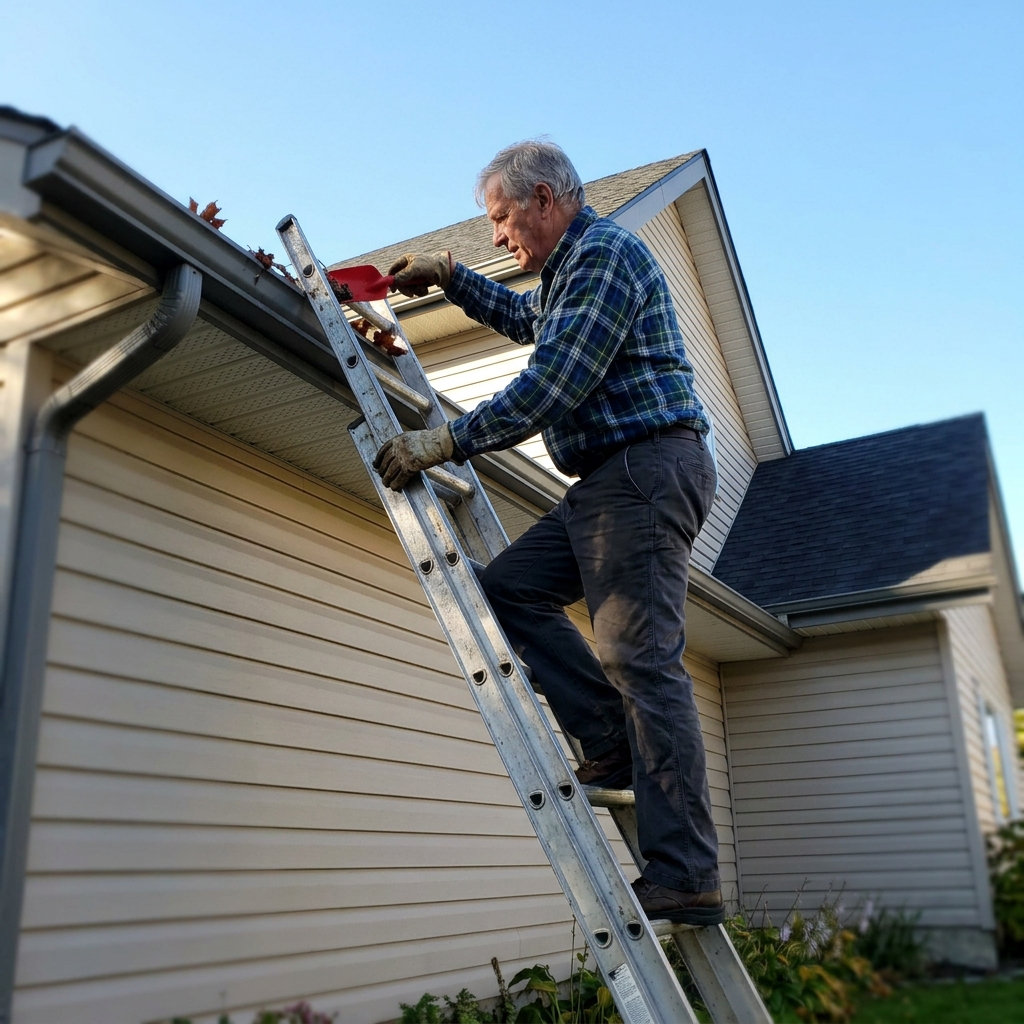
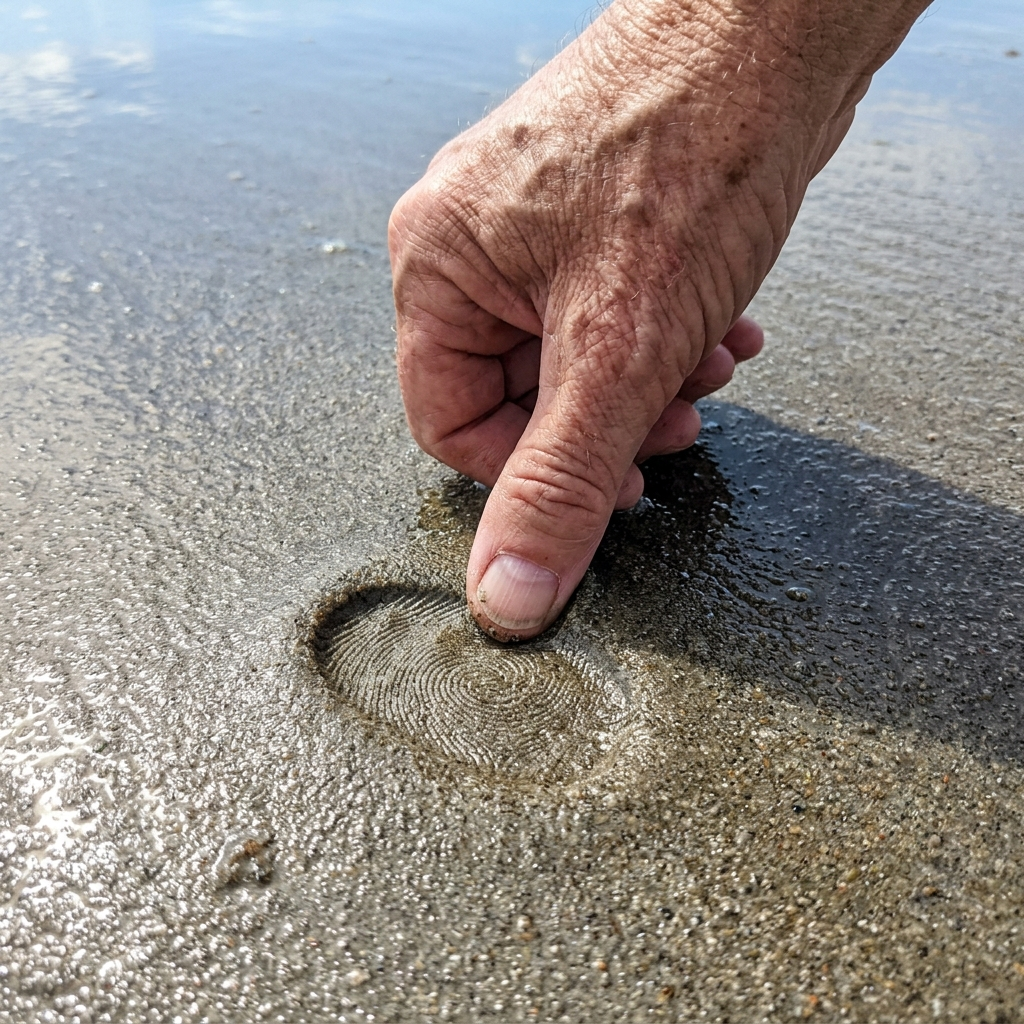
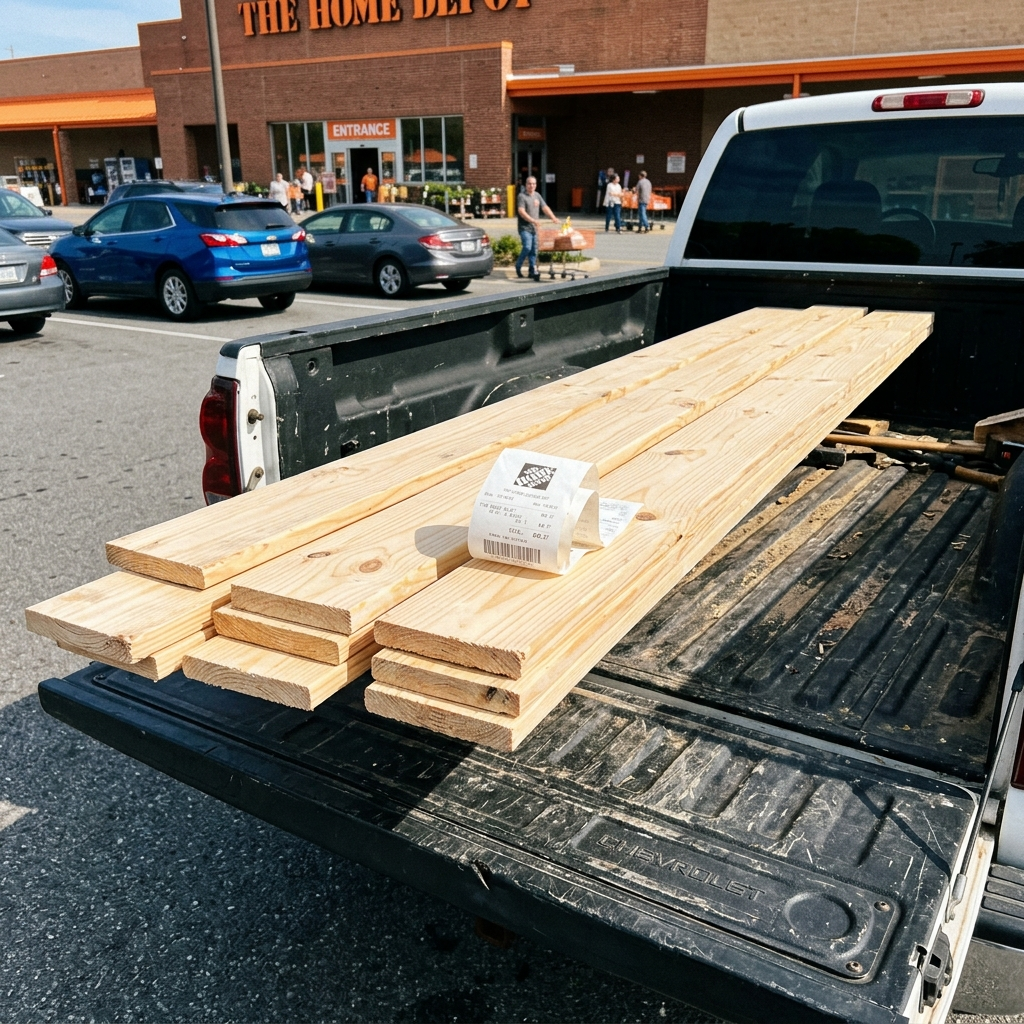
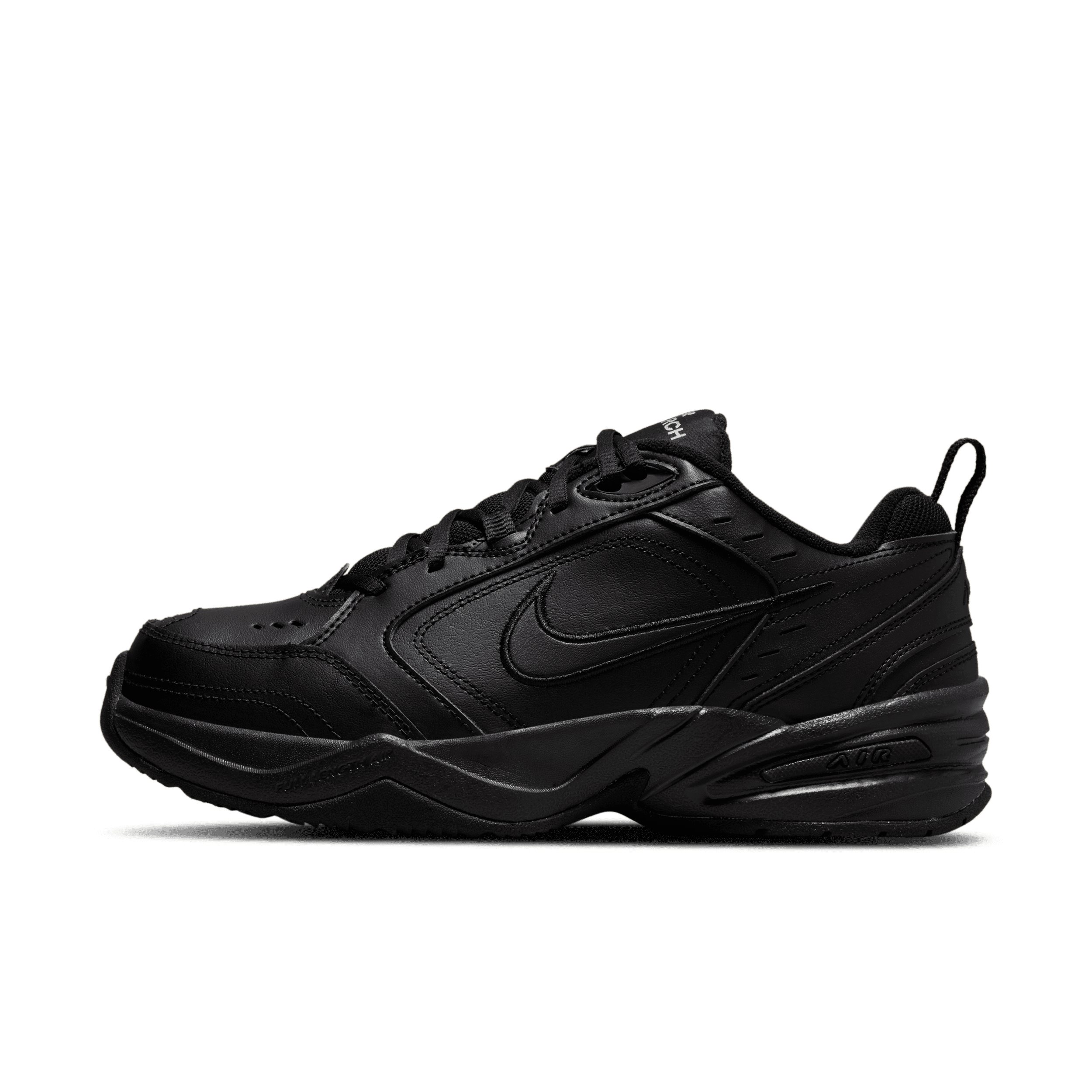
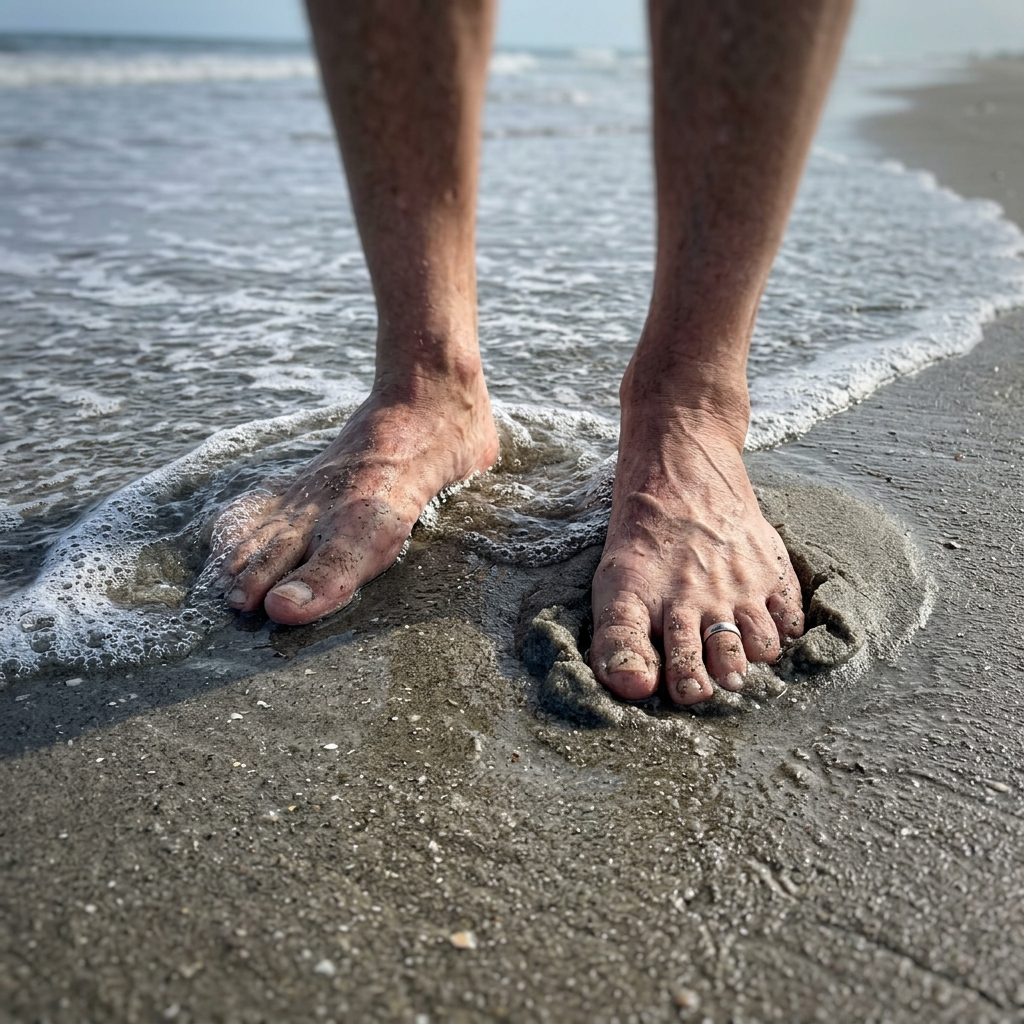
I debated posting this for weeks because my family is private and my dad would be mortified if he knew I was sharing this. But after what happened in November, I promised myself that if his story could prevent even ONE family from getting that phone call... it's worth the embarrassment. My dad is 71 years old. Retired electrician. Built our back deck, re-wired my first house as a wedding present, still changes his own oil. Forty years on his feet on concrete floors and ladders, and the kind of man who has never once admitted to being in pain in his entire life. Which is why none of us saw it coming. It started about two years ago. Little things. He stopped taking his after-dinner walks with my mom — something they'd done since before I was born. He started circling parking lots for the closest spot. Mom would hear him get up in the night and find him sitting on the edge of the bed at 3 AM, pressing his thumbs into his heel in the dark. He started skipping his Saturday morning fishing trips. Said the rocky bank was "too much hassle." My dad. Giving up fishing. Mom told me his mornings had turned into a whole production. He'd sit on the edge of the bed working up the nerve to stand. Then he'd cross the bedroom on his tip-toes with one hand on the wall, wincing like he was stepping on glass. She said watching him get out of his truck was the worst part — he'd hang onto the door frame and lower himself down one foot at a time like a man twenty years older. He went to the doctor. Got the usual: "It's just age, Frank. Feet wear out." Told him to take ibuprofen. Then came a cortisone shot. It worked for about six weeks — he was almost himself. Then it wore off. The second shot barely lasted three. Each time, the pain came back worse than before. He tried the 400 custom orthotics — rigid plastic things that he said felt like standing on a serving tray. They went in a drawer. He tried the drugstore gel insoles. The frozen water bottle trick. The stretches from YouTube. A night splint that Mom said made him sleep like Frankenstein. He even spent 200 on special walking shoes the salesman swore by. Nothing. Worked. In 18 months, my dad aged ten years. He put on 19 pounds because the man who never sat still suddenly couldn't walk to the end of the driveway without paying for it. My 14-year-old daughter asked me after Thanksgiving dinner last year: "Mom, why does Grandpa walk like that?" He wasn't sick. Not according to the X-rays anyway. The podiatrist found a small heel spur, said the tissue was inflamed, used the words "plantar fasciitis" and "remarkably healthy for your age" in the same appointment — while my dad sat there because standing through it was too much. Mom was worried. I was worried. But Dad kept brushing it off. "I'm fine. Just getting old." November 14th at 2:47 PM, my phone rang. It was my mom. She was crying so hard I couldn't understand her for the first 15 seconds. When I finally made out the words I felt my legs go numb. "Your father fell. He's at St. Joseph's." He'd been carrying a box of Christmas lights down the porch steps. His foot buckled on the second step — just gave out under him — and he went down hard on the concrete walk. Broke his wrist, split his eyebrow open on the railing, knocked out for almost a minute. The ER doctor told my mom he was lucky. Two inches of difference in how he landed and it would have been his hip. At 71, a broken hip is how it starts. I drove to the hospital shaking so bad I had to pull over twice. When I walked into his room and saw him — my dad, the strongest man I've ever known — with his arm in a cast and a bandage over half his face... I lost it. Right there. Couldn't even talk. He looked at me and said, "Don't tell your mother what the doctor said about the hip." That's my dad. Broken wrist, eight stitches, and he's worried about my mom's nerves. They kept him overnight for the concussion. Then sent him home with a cast, a bag of prescriptions, and instructions to rest. He healed. Physically, anyway. The wrist took eight weeks. But his feet? His feet got worse, because now he was scared. He barely walked at all through December. I watched him shuffle around the house in January with his wrist brace and it hit me: my dad almost broke his hip over something everyone kept calling "just age." And he was still suffering. That's when I decided to take them to Florida. I told my husband I didn't care what it cost. My parents hadn't taken a real vacation in four years. My dad got hurt because his own feet gave out on his own porch steps. If I could give them one week somewhere warm where Mom could stop worrying for five minutes, I was doing it. I booked a little beachfront place on Anna Maria Island. My company had just paid out annual bonuses and I couldn't think of a better use for it. Told Dad it was an early birthday present. He argued for exactly 11 seconds before Mom said "Frank, shut up, we're going." The first morning, Mom talked him into walking down to the water. Just to the water, she promised. Barefoot on the sand. He came back and said the strangest thing. "That's the first walk that hasn't hurt me in two years." I figured warm weather, vacation mode, he's relaxed. Don't read into it. Day two, they walked to the pier. Day three, Mom started crying at dinner. Just quietly, trying to hide it behind her napkin. When I asked what was wrong she said, "He walked on the beach for an hour this morning. He looks like himself. I forgot what that looked like." By day five he was walking a mile and a half on the sand with Mom every morning, holding her hand at sunrise like they were dating. This is a man who couldn't make it to his own mailbox without paying for it since last spring. The night before we left, I couldn't sleep. Because I knew what was going to happen. I could feel it. We flew home on a Saturday. Dad went to bed that night in his own house, woke up Sunday on his own floors. By Monday — 48 hours — it was all back. The tip-toe walk. The hand on the wall. The wincing. Mom called me Tuesday morning and she sounded hollow. "It's like the beach never happened. Every single thing came back." I hung up the phone and sat in my kitchen and something clicked so hard I said it out loud. "It's the sand." Not the warm weather. Not the vacation. Not the salt water. It was the one thing nobody had thought to question in two years of doctors and shots and drawers full of insoles. What was UNDER his feet. On the beach, every single step, the sand rose up and filled his arch and cradled his heel. It supported his foot exactly the way his foot needed, thousands of steps in a row. At home, he was walking on flat packed-down foam over hardwood and concrete — every step slamming into a heel with no cushion left and an arch with no support at all. That night I went down a rabbit hole I didn't come out of until 4 AM. Here's what nobody tells you: after 50, the natural fat pad under your heel wears thin — the cushion you were born with, gone. And the band that holds up your arch loses its stretch. So with every step, the arch sinks, and that band tugs and tears right where it attaches to the heel bone. It tries to heal overnight while you sleep. Then that first step in the morning rips it open again. That's not some internet theory — that was a sports medicine study I found on the NIH website. That's why his mornings were the worst part. That's why he winced across the bedroom on his toes. His foot spent all night trying to close a tear, and his first step tore it right back open. I sat back in my chair and it hit me all at once. Dad was fine on Anna Maria Island because the sand held his arch up and cushioned his heel, so the tearing stopped — and five days of ceasefire brought him back to life. Then he came home to flat, dead insoles on hard floors, and the war started right back up. Within 48 hours. THAT'S why the 400 orthotics didn't help — rigid plastic cast from a foot at rest, fighting him on every step. THAT'S why the gel insoles didn't help — they pack down flat within weeks. THAT'S why the shots didn't help. They numbed the tearing. They never stopped it. I spent the rest of that week researching what a normal person could buy that actually does what the sand did. Structured support that holds the arch, real cushioning that doesn't flatten out. I kept finding the same name: Liftly. Anatomical arch support that holds the foot the way wet sand does — plus a cushioning layer they call 4D Cloud Cushioning that keeps its shape for a year or more instead of packing down after a few weeks. Little support nodes across the top that ease pressure with every step. And you trim them to fit any shoe with regular kitchen scissors. I ordered a pair. Didn't tell Dad. Didn't tell Mom. Just showed up while they were at my brother's house, pulled the flat dead insoles out of his walking shoes and his work boots, used them as a guide to trim the new ones, and slipped the Liftly insoles in. Dad noticed immediately. Called me that evening. "What did you do to my shoes?" "Just wear them. One week. That's all I'm asking." Day one, he walked to the mailbox and back without stopping. Doesn't sound like much? He hadn't done it without paying for it in over a year. Day three, Mom said he crossed the bedroom in the morning flat-footed. No tip-toes. No hand on the wall. By the end of the first week, they took their after-dinner walk. Two blocks. First one in two years. Mom started a little notebook by the door — she wrote down how far they went every evening. She was so afraid to believe it was working that she needed proof. Week two, I went to visit. When I walked in, Dad was in the garage. Reorganizing his tools. He had the radio on. He was humming. I stood in the doorway and cried. He came over and hugged me, and his grip was strong again. "I feel like myself again, kid. I don't know what you did to those shoes. But I feel like myself." By week four, the notebook said a mile a night. He'd lost 8 of the 19 pounds. He drove to the hardware store and came back with lumber for a shelf he'd promised me two years ago. Last Saturday — this was six weeks in — he went fishing. Got up at 5 AM, packed his thermos, walked the rocky bank and everything. Caught three bass and texted me a photo of each one. I saved all three photos. I look at them when I need to remind myself that sometimes the answer isn't another specialist or another shot or another 400 pair of orthotics. Sometimes it's the thing you never even thought to question. Mom has since put a pair in every shoe Dad owns, including his slippers. My brother ordered a set after watching Dad climb his ladder to clean the gutters (Mom nearly killed him, but still). I put a pair in my own running shoes and didn't realize how much my feet ached at the end of a workday until they stopped. And my husband — this is embarrassing — but his knees had been bothering him for a year. Turns out when your arches collapse, your knees catch the twist with every step. Two weeks after he switched, he quietly stopped complaining. He won't let me tell anyone his father-in-law's insoles fixed his knees, but honestly it's worth mentioning because it might help someone. I'm sharing this because I spent 2 years watching my dad disappear. Watching him go from the strongest person I know to someone whose own feet dropped him on the concrete in front of his house. And the fix was something so simple it makes me angry. Your insoles are either working for you or against you with every single step. For most people, they're a flat piece of dead foam you slam your heels into 8,000 times a day. They're not cheap. But compared to the 400 orthotics that live in a drawer? Or the shots that wore off faster each time? Or the ER visit? Or watching him waste another year? They have a trial period. Order a pair. If you don't notice a difference, send them back. But I'm betting you won't. Nobody should have to get THAT phone call for the answer to be this simple. P.S. — If someone you love has been told surgery is the only option left, please get a second opinion first. Dad's podiatrist agreed to push the surgery consult back six months to "see how things go." He never went back. P.P.S. — A few people have asked about the morning tip-toe walk. Yes, that was one of the first things to go. Mom says watching him just walk down the hallway like a normal person still gets her sometimes. P.P.S. — Quick warning: there are cheap "cloud" insoles all over Amazon that are just flat gel with good photos. They pack down after a few weeks and then you're walking on regular foam that cost twice as much. Get the structured kind with real anatomical arch support. My coworker tried to save money with a dupe and said it did absolutely nothing. P.P.P.S. — Dad still doesn't know I'm posting this. If you're reading this, Dad — sorry. But 71-year-old electricians who fall down their own porch steps and scare their daughters half to death don't get to be private about it anymore. I love you. Wear your insoles.
Where the ad sends people
mygrannysblog.com
What 92% of Podiatrists Don't Tell Patients About Heel Pain
Why Every Senior Should Have These In Their Shoes At All Times
Learn more: c.mygrannysblog.com(opens in a new tab)