Holly Smile Blog
Holly Smile Blog Facebook ad: “Fresh Breath Shouldn't Burn”
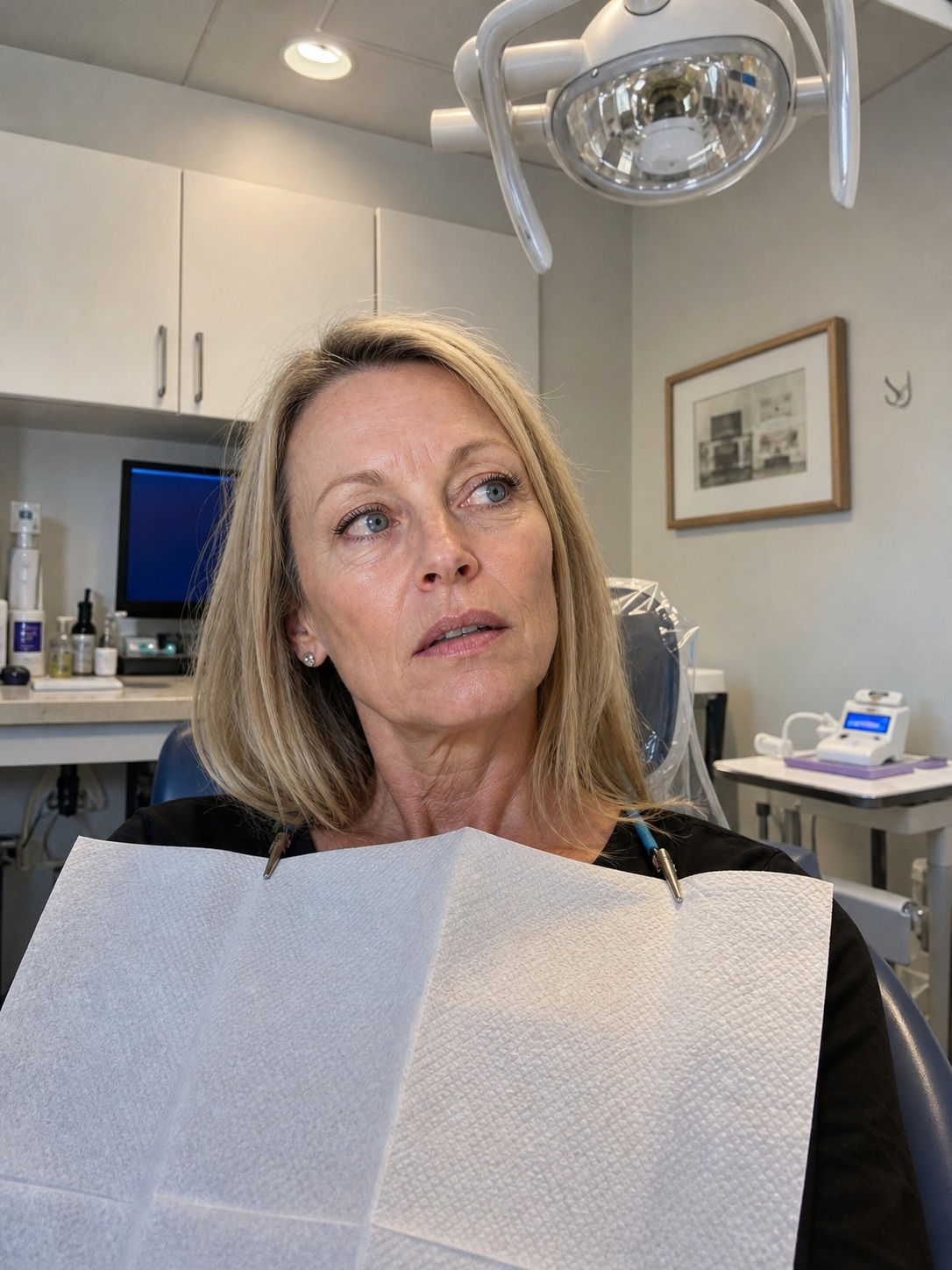
Ran for 7 days, from June 24 to July 1, 2026, the last day Crush saw it.
Run by Holly Smile Blog on Facebook. Crush is not the advertiser and does not verify its claims. See this ad in Meta's Ad Library(opens in a new tab)
Want an ad like this for your product?
Crush makes new ad images for your product from this ad: your logo, your product photo, your offer.
Trials from $19.95 USD, then $79.95 USD a month. Cancel anytime.
About this ad
- Meta Ad Library ID
- 2080795902469673
- Platforms
- Facebook, Instagram, Audience Network, Messenger and Threads
- Relaunches
- 0
- EU reach
- 20
Ad text
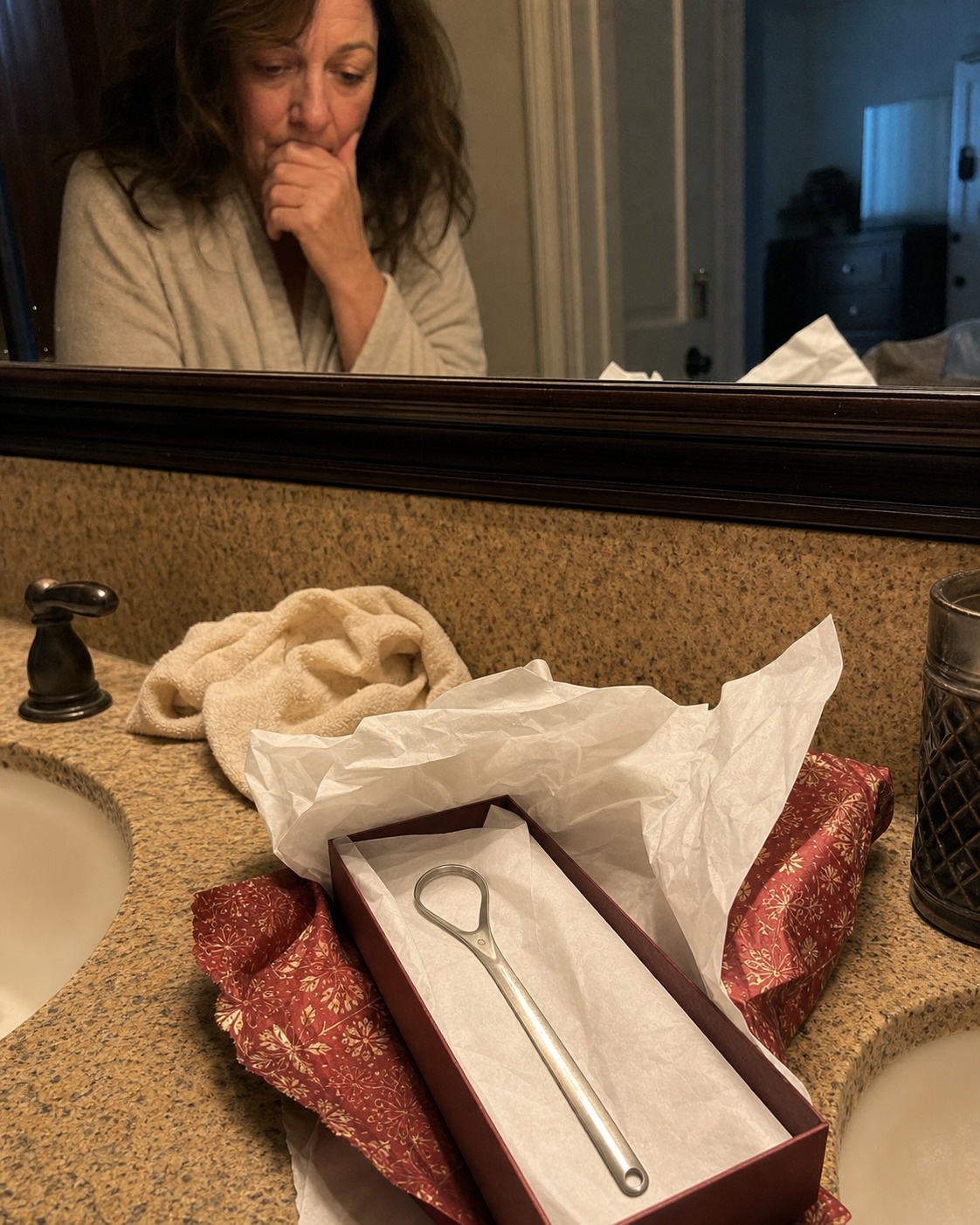
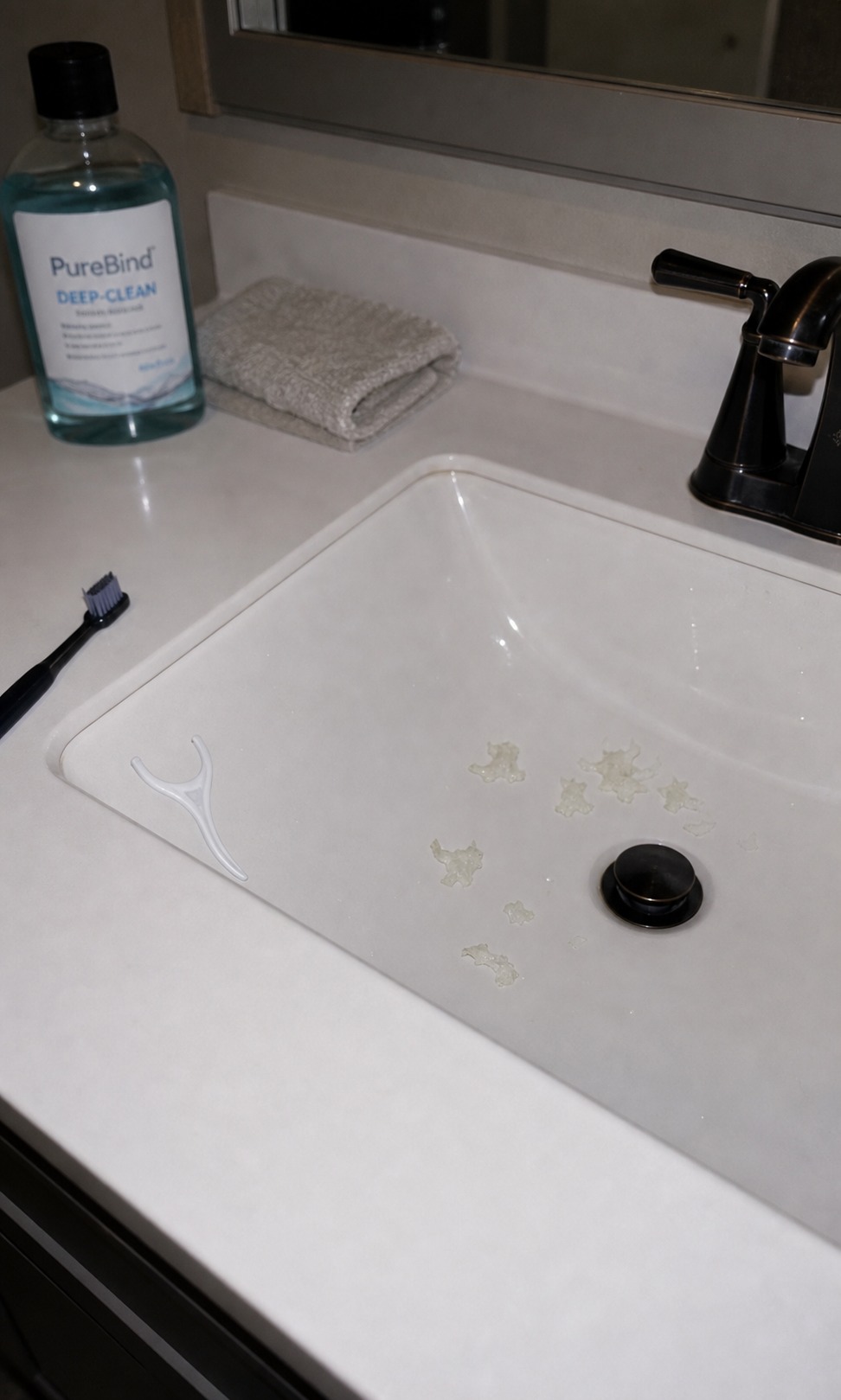
A hygienist told me the burn was not bacteria dying. I was tipped back in the dental chair with the paper bib clipped around my neck when she said it. The light was in my eyes. The little suction tube was resting against my cheek. I had that helpless feeling you get when someone is looking inside your mouth and you suddenly become aware of every choice you have made at the sink. She had paused and asked me a question that made me feel strangely exposed. "Do you use a strong mouthwash?" Not "Do you floss?" Not "Do you drink coffee?" Not the usual gentle lecture I was prepared for. A strong mouthwash. I laughed because the answer was obviously yes. I used the strong stuff like it was a moral obligation. The kind that made my eyes water. The kind that made me grip the sink and breathe through my nose while I counted down the seconds. And because I could not handle it full strength every night, I had a little private ritual I never would have admitted to anyone. I watered it down. Half a capful of mouthwash. A splash of water. Swish just long enough to feel the sting. Spit. Tell myself I had done the responsible thing. In my head, that was the compromise: I was making the burn bearable without making the mouthwash useless. Then my hygienist said the line that broke the whole ritual in half. "The burn is not bacteria dying." I remember staring at the ceiling light and actually feeling annoyed. Because if the burn was not bacteria dying, then what had I been trusting for all those years? She was not talking about PureBind. She did not mention PureBind. She did not recommend a product, sell me a bottle, or tell me to buy anything. She was just explaining why my mouth looked irritated. She said the strong sting people associate with a "real clean" is usually irritation from the formula, not proof that odor-causing bacteria are being defeated. The burn is a sensation in your tissue. It is not a scoreboard. That sentence bothered me more than I wanted to admit. Because my whole mouthwash protocol was built around that scoreboard. If it burned, I believed it was working. If it did not burn, I believed it was probably just flavored water. I had a whole ranking system in my head. Mouthwash that made me wince was serious. Mouthwash that made my tongue feel numb was stronger. Mouthwash that I could barely keep in for ten seconds was, in my mind, the kind that meant business. And mouthwash that felt gentle was suspicious. I had tried the gentle mouthwash before. Of course I had. The no-burn bottles always sounded nice on the label, especially after a week of making my own mouth feel raw. But the first time I used one, I felt cheated. No sting. No shock. No "whoa, that got everything." Just a mild mint finish that disappeared too quietly. I would stand there afterward doing that little internal audit: Did it actually clean anything? Did it get the bacteria out? Or did I just swish around something pleasant? And after a few days, I would drift back to the strong bottle. Then the strong bottle would burn too much. Then I would dilute it. Then I would tell myself diluted pain still counted. It sounds ridiculous when I write it out, but at the sink it felt logical. A full-strength mouthwash that hurt felt too aggressive. A gentle mouthwash that did not hurt felt fake. So I made a third option: a watered-down version of the thing I was scared of. That is what my hygienist exposed. I was not optimizing a cleaning routine. I was rationing an injury. The signs had been there. My cheeks would feel tight afterward. Sometimes the inside of my mouth would peel a little, which I embarrassingly took as evidence that something was being stripped away. My tongue would feel dull, almost numb, and food would taste off for a while. I had even had nights where the mouthwash made my lips sting after I brushed my teeth, like the whole area had been overworked. Looking back, those were not signs of a heroic clean. They were warning lights. When the inside of your mouth peels, that is not a trophy. When your tongue feels flattened for hours, that is not proof that bacteria lost a battle. When you have to add water before you can tolerate the product, that is not discipline. But because the burn had been marketed to me as proof, I filed all of that under "strong clean." Pain became my measuring tool. And once pain becomes the measuring tool, gentle starts to look suspicious. That was the part I had to untangle. My hygienist was not saying all mouthwash was bad. She was not saying I should never use one. She was saying I had confused one signal with another. The question was not, "How much can I feel?" The question was, "What actually leaves my mouth?" That sounds obvious now. It did not feel obvious then. Because most mouthwash does not show you anything. You pour it. Swish. Feel the flavor. Spit out a colored liquid. Then you are left guessing. If it burned, I guessed yes. If it did not burn, I guessed no. The whole category had trained me to judge an invisible result by a painful feeling. So after that appointment, I stopped chasing the strongest sensation and started looking for a better metric. Not a bigger mint blast. Not a harsher sting. Not another bottle asking me to trust a claim I could not verify. I wanted something that would show me what it was doing without making my mouth feel punished. That became the new rule. Before I gave any mouthwash credit, I wanted to know what changed before and after. Could I observe anything besides flavor? Could I tell whether the coated feeling on my tongue changed? Could I see anything leave my mouth instead of simply feeling a chemical reaction inside it? That is when I found PureBind Deep-Clean Mouthwash. I was skeptical before I was impressed. Actually, skeptical is too polite. I distrusted it immediately because it was alcohol-free and did not burn. My old brain heard "no burn" and translated it into "no proof." But PureBind was the first no-burn mouthwash I tried that did not ask me to treat comfort as the evidence. It had a different proof signal. The idea is simple: PureBind uses a protein-binding rinse that binds to odor-causing mouth film so it can clump together, leave your mouth, and show up when you spit. That is the part that got my attention. Not "fresh breath" as a floating promise. Not "gentle" as a personality trait. A visible mechanism. The mouthwash is not trying to prove itself by making your tissue scream. It is trying to prove itself by helping the film leave. And that distinction matters if you are the kind of person who has been trained to trust pain. A strong mouthwash can make you feel something immediately. PureBind gives you something to check. The first time I used it, I made myself do it carefully because I did not want to be fooled by novelty. I brushed like normal. I flossed like normal. Before using PureBind, I paid attention to the feeling on my tongue instead of my breath. This mattered because breath is hard to judge on yourself. My tongue, though, I could feel. There was still that coated feeling. Not dramatic. Not disgusting. Just a faint layer, especially toward the back, that the toothbrush never quite seemed to change. Then I used the mouthwash. No burn. My first reaction was distrust. There was a mild mint finish, but no punishment. No sharp alcohol hit. No watery eyes. No private little countdown where I tried to survive the final five seconds. If that had been the whole experience, I probably would have dismissed it the way I dismissed every gentle mouthwash. But when I spit, I saw small cloudy clumps in the sink. Not a horror show. Not some dramatic science-fair reveal. Just visible little bits of material that had not been there when I started. And I know the obvious objection because I had it too: Is that just saliva? Is that the product globbing up? Is this one of those satisfying sink tricks that looks more important than it is? That is why the tongue-feel mattered. The clumps got my attention, but the before-and-after tongue-feel made me trust what I was seeing. Before PureBind, my tongue still felt coated after brushing. After I spit the clumps out, my tongue felt smoother. Cleaner in a different way. Not blasted numb. Not perfumed. Just less loaded. That difference was what my old strong mouthwash never gave me. The strong mouthwash gave me drama. It gave me a burn so intense I interpreted it as effectiveness. But after the sting faded, I still could not tell what had actually changed except that my mouth felt assaulted. PureBind gave me a quieter sequence: Feel the film before. Use the protein-binding rinse. See the clumps come out. Feel the tongue after. That sequence changed how I judged mouthwash. I stopped asking, "Did it hurt enough?" I started asking, "Did anything leave, and can I feel the difference after it did?" That is a much better question. Because pain is vague. Pain can mean clean, or it can mean irritation, or it can mean you should stop doing what you are doing. A burn by itself does not tell you whether odor-causing film left your mouth. A visible clump plus a smoother tongue-feel is a more useful signal. It also made me realize how strange my dilution ritual was. I had been adding water to a harsh mouthwash so I could tolerate the feeling I believed proved it was working. But if the burn was never the proof, then watering it down was not preserving the clean. It was just making the irritation slightly less obvious. That was the personal wake-up. I had been loyal to a sensation, not a result. And the sensation was the part my hygienist had warned me about. Again, she did not endorse PureBind. She did not know I would try it. She did not point me to a brand. Her role in this story was smaller and more important: she removed the false metric. Once the false metric was gone, I needed a new one. PureBind gave me one I could actually check. I still brush. I still floss. I still do the boring parts. PureBind did not replace any of that. It replaced the final step I used to dread. The old step was: brace for pain and hope the burn meant clean. The new step is: use a no-burn mouthwash, watch the odor-causing film clump and leave, then check the tongue-feel afterward. That last part is important enough to repeat. Do not judge it only by the sink. The visible clumps are the first proof signal, but the tongue-feel is the second one. If you are like me, and you have distrusted gentle mouthwash for years, you need both. Look at what comes out. Then notice whether the coated feeling changed. That is the point where the old belief starts to crack. Because once you have seen film leave without the burn, the burn starts to look different. Not heroic. Not medicinal. Not proof. Just pain wearing a lab coat. I wish someone had explained that to me earlier. I wish I had not spent so many nights negotiating with a bottle I was half afraid of. I wish I had not treated peeling, numbness, and stinging lips as signs that I was doing oral care "right." But the useful part is this: You do not have to keep using pain as your measuring tool. If strong mouthwash has trained you to distrust anything gentle, I get it. The first no-burn swish feels wrong when your brain expects fire. But your mouth does not need to be punished to prove something happened. It needs a better kind of proof. For me, the better proof was seeing the film leave and feeling the tongue-feel change afterward. That is why PureBind finally made sense to me in a way the gentle bottles never did. It did not say, "Trust us, it works even though you feel nothing." It said, "Here is what leaves. Here is what your tongue feels like before. Here is what it feels like after." That is a different standard. And once I had that standard, the old one felt almost absurd. A mouthwash should not have to injure your mouth to earn your trust. A mouthwash should not need you to dilute it so you can survive it. A mouthwash should not make you choose between pain you believe and comfort you distrust. Pain was a bad measuring tool. Visible film leaving is better. A smooth tongue-feel after is better still. That is the metric I wish I had been using the whole time. If you are still watering down the strong stuff because full strength burns too much, PureBind is running a Buy 2 Get 1 offer right now. You can try the protein-binding mouthwash, look for the visible clumps, check the before-and-after tongue-feel for yourself, and if it does not make sense for your mouth, there is a 30-day money-back guarantee.
Where the ad sends people
harper-heights.com
Fresh Breath Shouldn't Burn
Shop Harper Heights for men’s and women’s apparel, shoes, accessories, and home essentials. Discover quality, style, and comfort with curated collections for your wardrobe and home.
Learn more: harper-heights.com(opens in a new tab)