Drink Harmonia
Drink Harmonia Facebook ad: “Every doctor was wrong. My husband was right.”
Ran for 2 days, from May 17 to May 19, 2026, the last day Crush saw it.
Run by Drink Harmonia on Facebook. Crush is not the advertiser and does not verify its claims. See this ad in Meta's Ad Library(opens in a new tab)
Want an ad like this for your product?
Crush makes new ad images for your product from this ad: your logo, your product photo, your offer.
Trials from $19.95 USD, then $79.95 USD a month. Cancel anytime.
About this ad
- Meta Ad Library ID
- 2084040012328083
- Platforms
- Facebook, Instagram, Audience Network, Messenger and Threads
- Relaunches
- 5
- Niche
- Insurance
Ad text
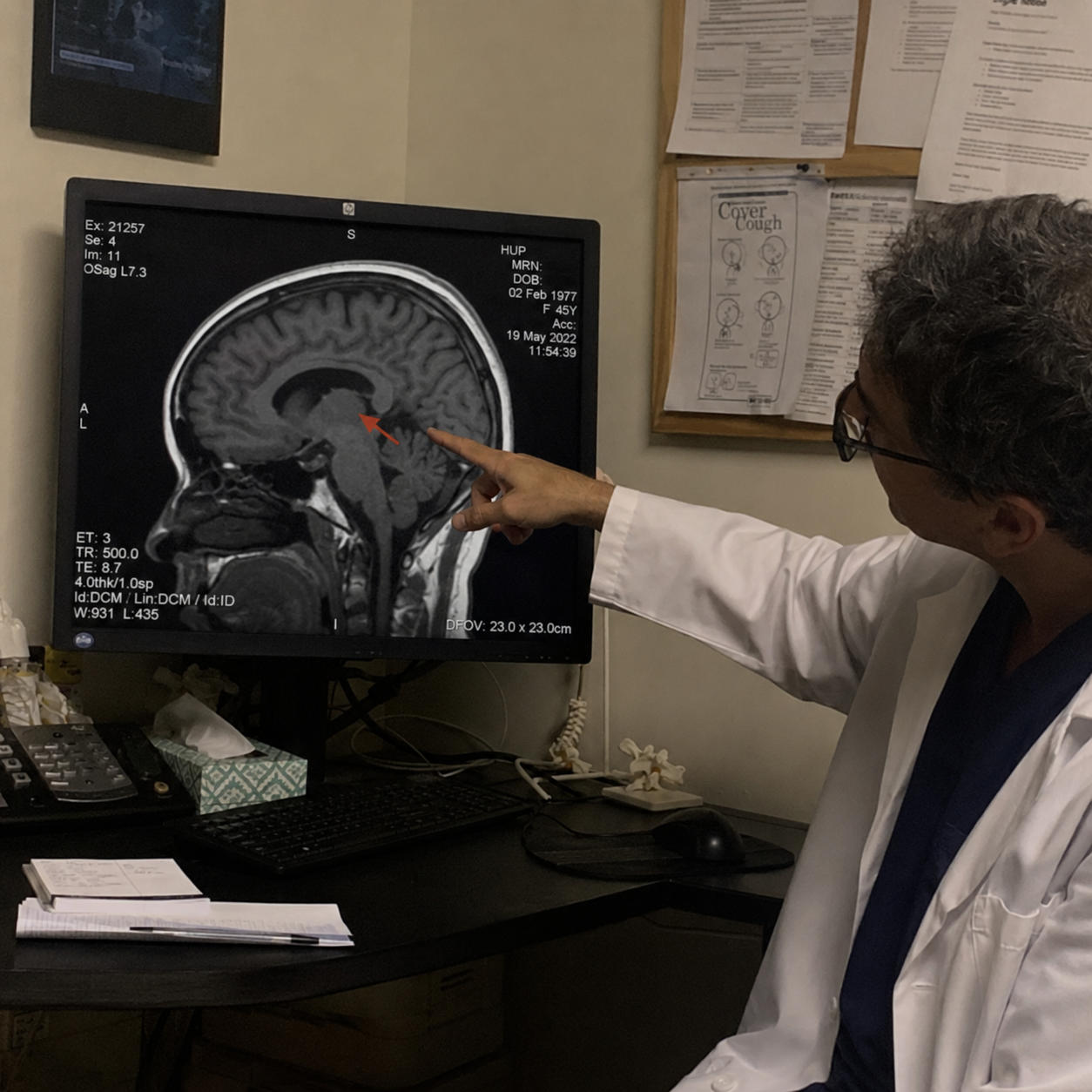
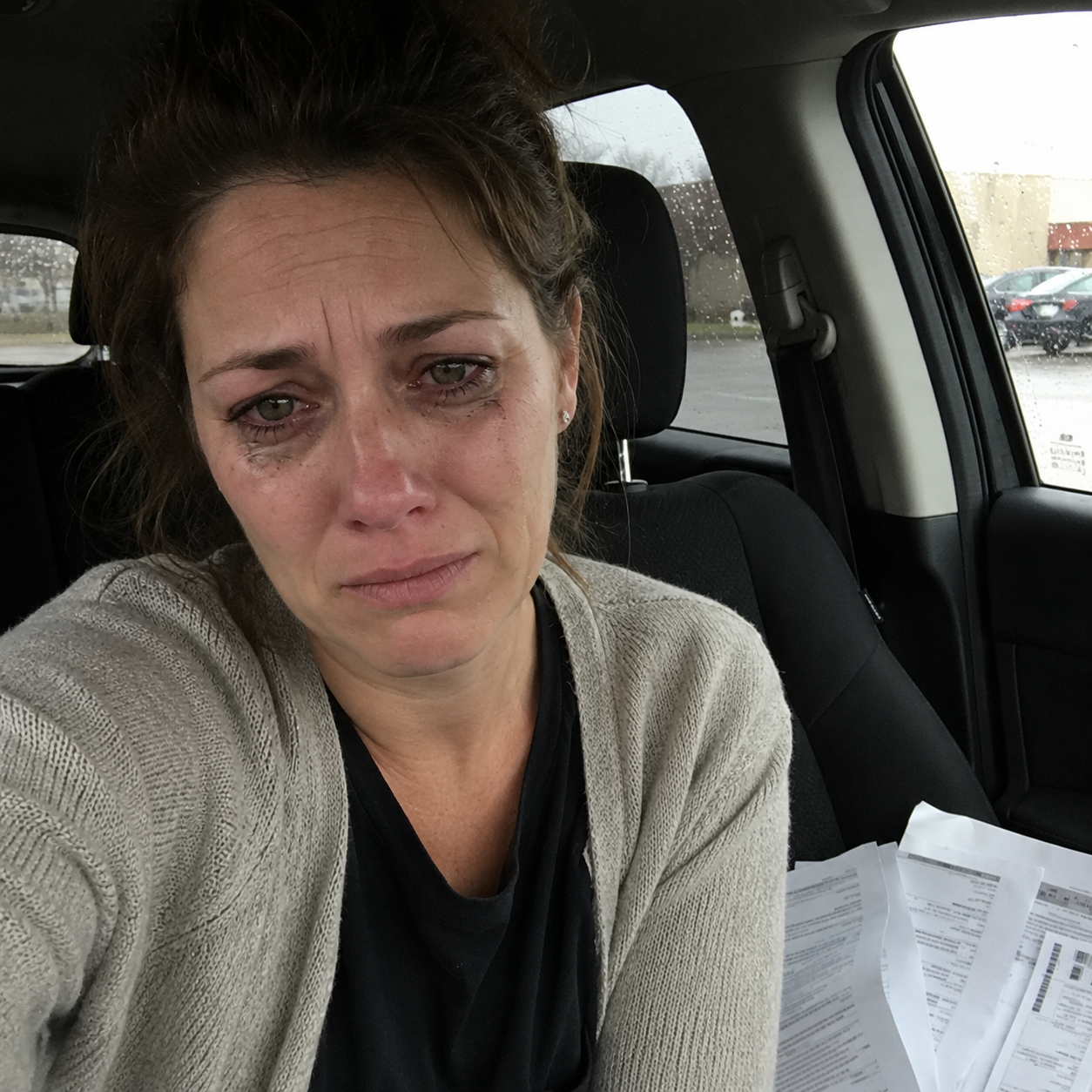
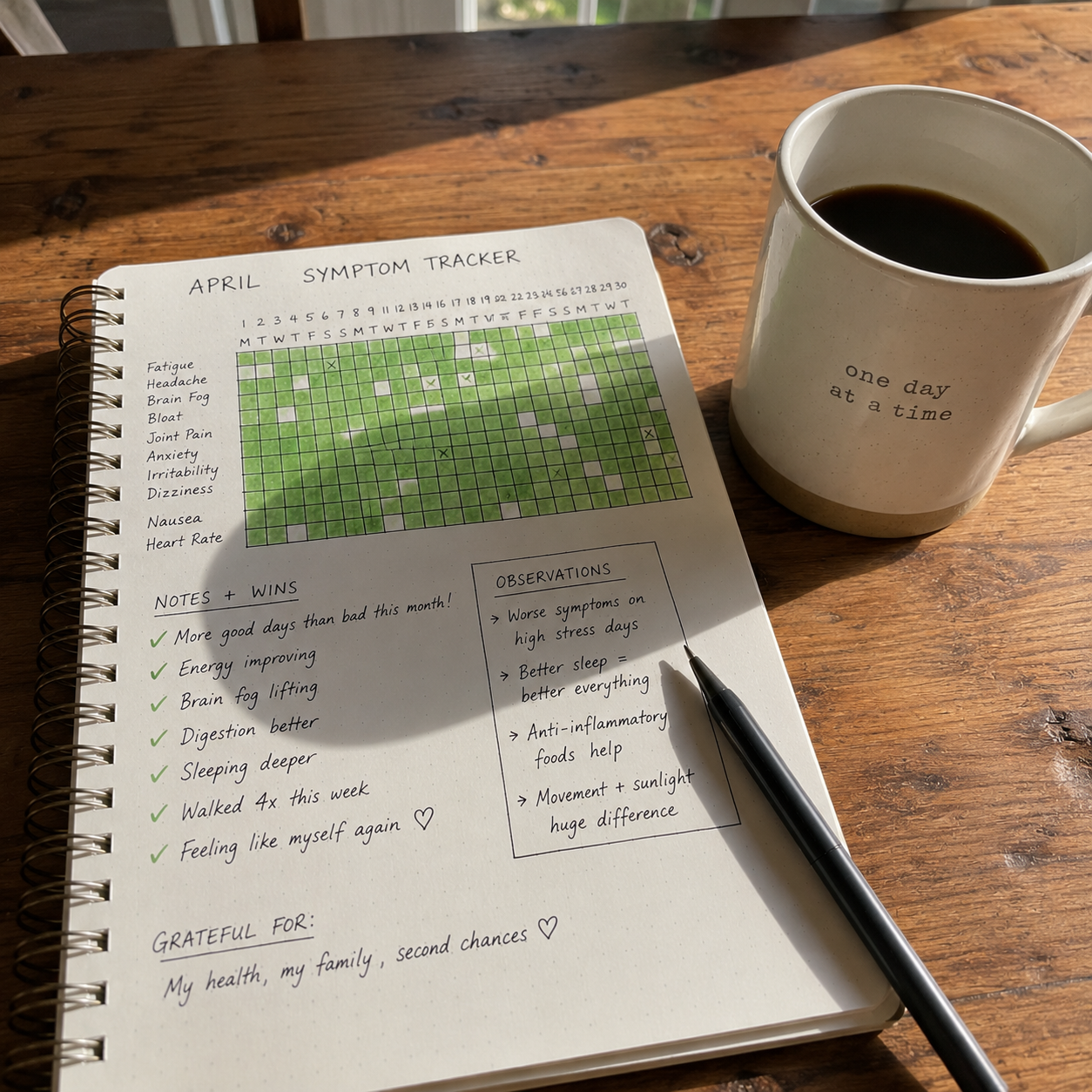
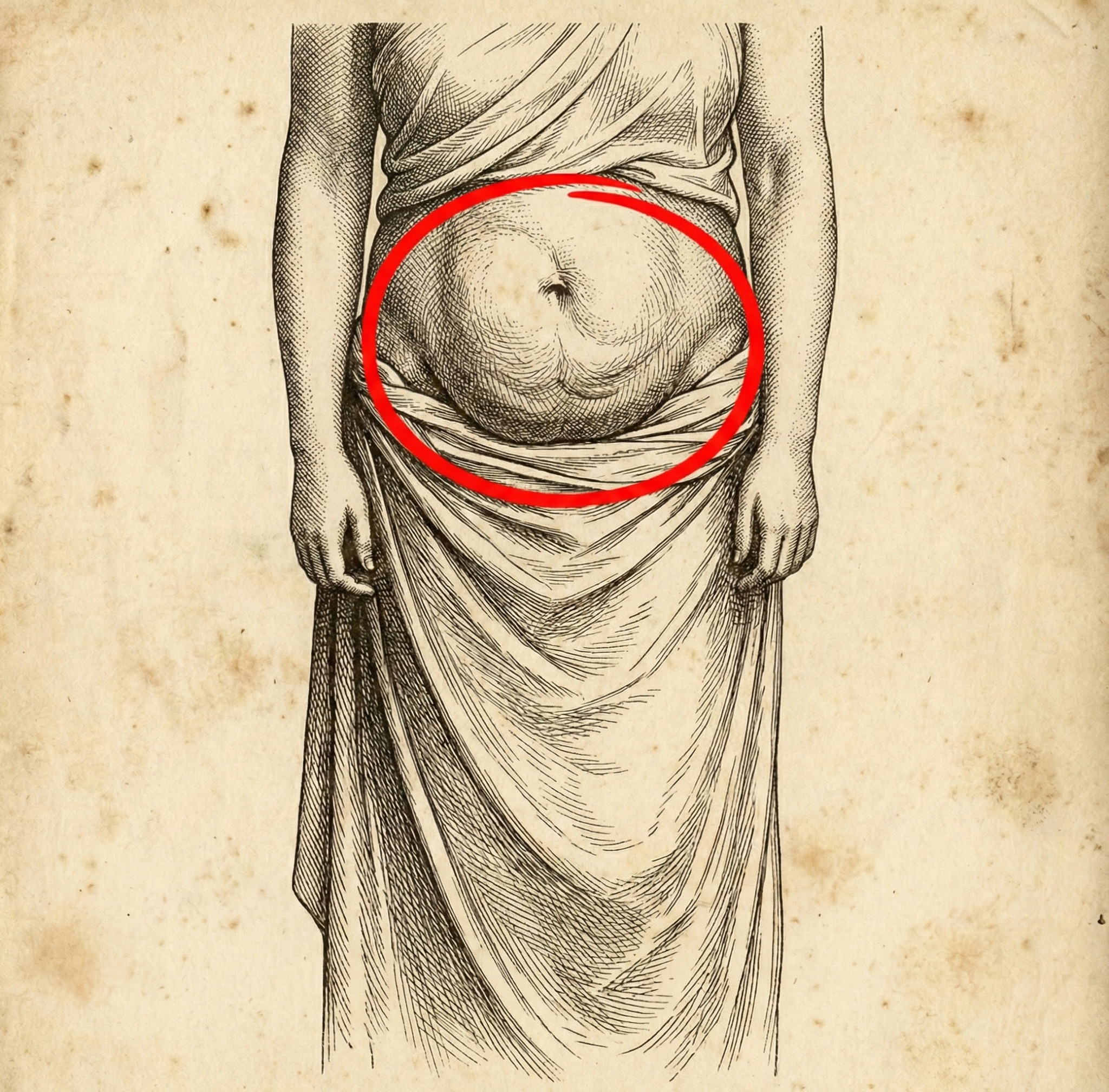
My husband didn't believe my chronic fatigue was real. So I tried to prove him wrong. Turns out he was right, and EVERY doctor was wrong. Let me back up. I'm 38. My husband is 40. We've been married eight years. And after a while, he stopped believing my fatigue was "real". I don't think he meant to stop believing me. I think he just got tired. He'd watched me cancel on three years of weekend plans. He'd watched me come home from work and disappear into the bedroom by 7. He'd watched me promise I'd "feel better tomorrow" so many times the word "tomorrow" became a sad word in our marriage. Somewhere around year three, his eyes started to change when I'd say I was tired. Not angry. Just… checked out. He stopped offering to make me tea. He stopped asking if I was okay. He'd say "alright, get some rest" the way you say it to someone whose stories you've stopped listening to. The breaking point was a Saturday in October two years ago. We had plans with another couple — dinner at their house, a 90-minute drive each way. I'd RSVP'd yes a month earlier. The Friday before, I texted my husband at lunch and said I didn't think I could go. He didn't text back for two hours. Then he wrote: "Cool. I'll go alone." That night when he got home, we got into the worst fight of our marriage. He said, almost crying: "I don't know what's wrong with you anymore. The doctors say nothing. You're not sick. You won't go to the gym. You won't go to dinner. You won't go on a hike. You sleep all weekend and you're still tired. I'm not saying it's not real. I'm saying I don't know what to do with it anymore." I knew exactly what he meant. I felt the same way about myself. That night, I sat at my kitchen table at 1am with a cheap notebook from CVS. And I started keeping a journal. Not a feelings journal. A receipt journal. Every hour of every day for three months, I wrote down how I felt. On a scale of 1 to 10. Color-coded. Green for 7+. Yellow for 4-6. Red for 1-3. I wrote down what I ate. What I drank. How I slept. What time I woke up. What time I crashed. When my heart raced. When I had brain fog. When I forgot a word mid-sentence. I made the journal because I wanted to prove to my husband — and to myself — that this was real. Three months later, the notebook was almost entirely red and yellow. Out of about 1,400 hourly entries, I had logged green 37 times. Thirty-seven. Out of 1,400. I had a calendar where I'd circled every social plan I'd canceled — 14 in three months. I had a sleep tracker showing my deep sleep was averaging 32 minutes a night. Thirty-two. The recommendation is 90. I had screenshots of texts to friends apologizing for canceling. I had a literal log of every supplement I'd taken — 19 different bottles in three months — with the date I started each, the date the placebo effect wore off, and the date I quit. I took it all to four different doctors. My PCP looked at the journal for about thirty seconds, said "this is anxiety," and offered me Lexapro. A GYN ran a hormone panel. Estradiol low-normal. Progesterone fine. "Probably stress." A psychiatrist diagnosed me with major depressive disorder and started me on Cymbalta. The journal numbers got slightly less red. The fatigue did not change. A sleep specialist did a sleep study. "Mild fragmentation, no apnea." Recommended sleep hygiene. I would walk into appointments with a notebook full of three months of data and walk out with a prescription for an antidepressant. After the fourth doctor, I cried in my car for an hour. Then I went home, took a shower, and made an appointment with the only kind of practitioner I hadn't tried — a nurse practitioner at a small integrative health clinic forty minutes from our house. Insurance didn't cover her. I paid out of pocket. Her name was Lori. I brought the notebook. She asked me to walk her through every page. For one hour and twenty minutes, I walked Lori through three months of my life — color-coded, hour by hour. She didn't interrupt. She didn't say "this is anxiety." She didn't say "have you tried meditation." When I finished, she said, "Can I ask you something? When does the red happen? Look at the patterns." I looked. The red clustered between 1pm and 4pm every single weekday. And between 2:30am and 4:30am most nights — when I'd wake up wired, stay up for an hour, then fall back into broken sleep. She nodded. "That's a cortisol curve. A broken one. Your body is producing energy at the wrong times. The 2pm crash is a cortisol drop. The 3am wake is a cortisol spike. Both of them happening on the same body, the same week, for months — that's not anxiety. That's not depression. That's circadian dysregulation." "What's causing it?" "In every single patient I see who looks like you, the answer is the same. Chronic stress that never fully switches off. Not the kind you feel. The kind your body registers silently — a low-grade fight-or-flight state that runs in the background around the clock. It builds up. Over the years. Your cortisol curve breaks. And eventually your body literally cannot produce energy on a normal human schedule anymore." "For three years?" "Probably more. The dysregulation is cumulative. Most patients I see who feel like you do today first felt 'off' five or seven years ago." "And nobody tests for this?" "Nobody knows to test for it." I sat there in her office and realized something I didn't want to admit. My husband had been right. Every doctor he'd asked about me had told him the same thing: "we can't find anything wrong." He'd been listening to the doctors. I'd been listening to my body. We had both been telling the truth. It was the doctors who had been wrong. She told me what to do. Bring the cortisol back into rhythm. A complete formula of adaptogens — not one ingredient, the full system working together. Ashwagandha to bring cortisol directly down. Rhodiola to stop the body from overreacting to stress. Phosphatidylserine to blunt the spike at night. L- Theanine to calm the nervous system. All of it together, every morning. Cortisol would re-curve over three to six weeks. She said, "Don't get the single-ingredient versions off Amazon. They do one thing. You need the whole system. The one I recommend is a Harmonia cortisol cocktail — everything working together." I ordered it from her parking lot. I want to tell you about the morning I told my husband. I showed him the bag on a Sunday. He was watching football. He looked at it like I'd brought home a fourth medication that wasn't going to work. "Just let me try it," I said. I mixed a scoop into water. I took it Sunday morning. Monday morning, I woke up before my alarm. I lay there for a minute trying to figure out what was different. I wasn't refreshed. But the heaviness — the lead-blanket heaviness that had been waiting for me at the foot of every morning for three years — was about thirty percent lighter. I got up. I made my own coffee. He came downstairs at his usual time and stopped halfway across the kitchen. "You're up?" "I've been up for forty minutes." He didn't say anything for a long moment. Then he said, "Was it the powder?" "I have no idea." By Friday I'd had four mornings in a row of waking up before my alarm. By the end of week two, I made it through a workday without a 2pm crash for the first time in three years. By week four, my husband and I went on a hike. Two hours. I came home, took a shower, and started dinner. He sat at the kitchen island and watched me. That night, in bed, he said: "I owe you an apology. For three years. I didn't know what was wrong with you. And I started thinking maybe nothing was. I'm sorry." I cried for a long time. Week six, I tapered off Cymbalta with my prescriber. Week ten, I went back to the kitchen table on a Saturday morning and pulled out the notebook. I started a new month of color-coding — same scale, same hours. Out of 30 days, 27 of them were green or yellow. Twenty-seven. Out of 30. The notebook is now in a drawer. I don't need it anymore. If your spouse has stopped believing you… If your friends have stopped asking you to things… If your doctors look at your data and prescribe you another antidepressant… If you've started keeping a journal because you needed proof that what's happening to you is real… If you've started believing — just a little — that maybe you really are crazy or lazy or making it up… You aren't. None of it is in your head. There's a cortisol curve in your body that has been silently broken for years by a stress system nobody told you to look at. And it's reversible. The cortisol cocktail Lori recommended is a complete formula — everything in the right amounts, working as a system. They have a 30-day money-back guarantee. Take it for a month. If your journal still looks the same, send it back. I almost lost a marriage to something nobody could name. You don't have to. Click below to learn more— it explains the cortisol curve, why single ingredients don't fix it, and the exact formula Lori recommended. It was always real. https://www.drinkharmonia.com/cortisol
Where the ad sends people
drinkharmonia.com
Every doctor was wrong. My husband was right.
Discover Harmonia—the smart cortisol cocktail that lowers stress, balances hormones, improves sleep, and boosts energy. Vegetarian, natural & USA-made.
See details: drinkharmonia.com(opens in a new tab)