Cassie McCarthy
Cassie McCarthy Facebook ad: “My sister's perimenopause hair loss stopped in 3 months…”
Ran for 9 days, from June 16 to June 25, 2026, the last day Crush saw it.
Run by Cassie McCarthy on Facebook. Crush is not the advertiser and does not verify its claims. See this ad in Meta's Ad Library(opens in a new tab)
Want an ad like this for your product?
Crush makes new ad images for your product from this ad: your logo, your product photo, your offer.
Trials from $19.95 USD, then $79.95 USD a month. Cancel anytime.
About this ad
- Meta Ad Library ID
- 2086593351889587
- Platforms
- Relaunches
- 0
- Niche
- Hair Care
Ad text
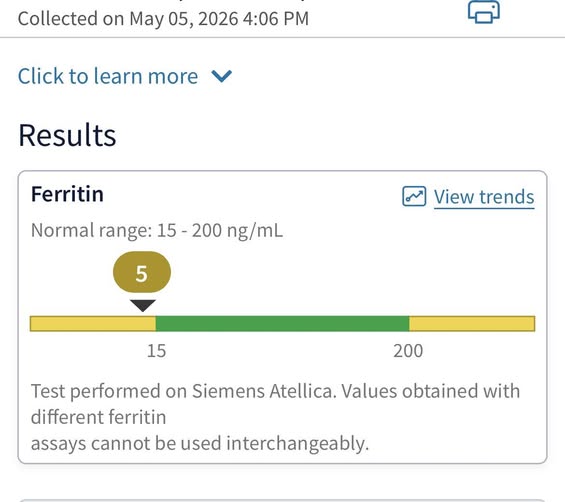
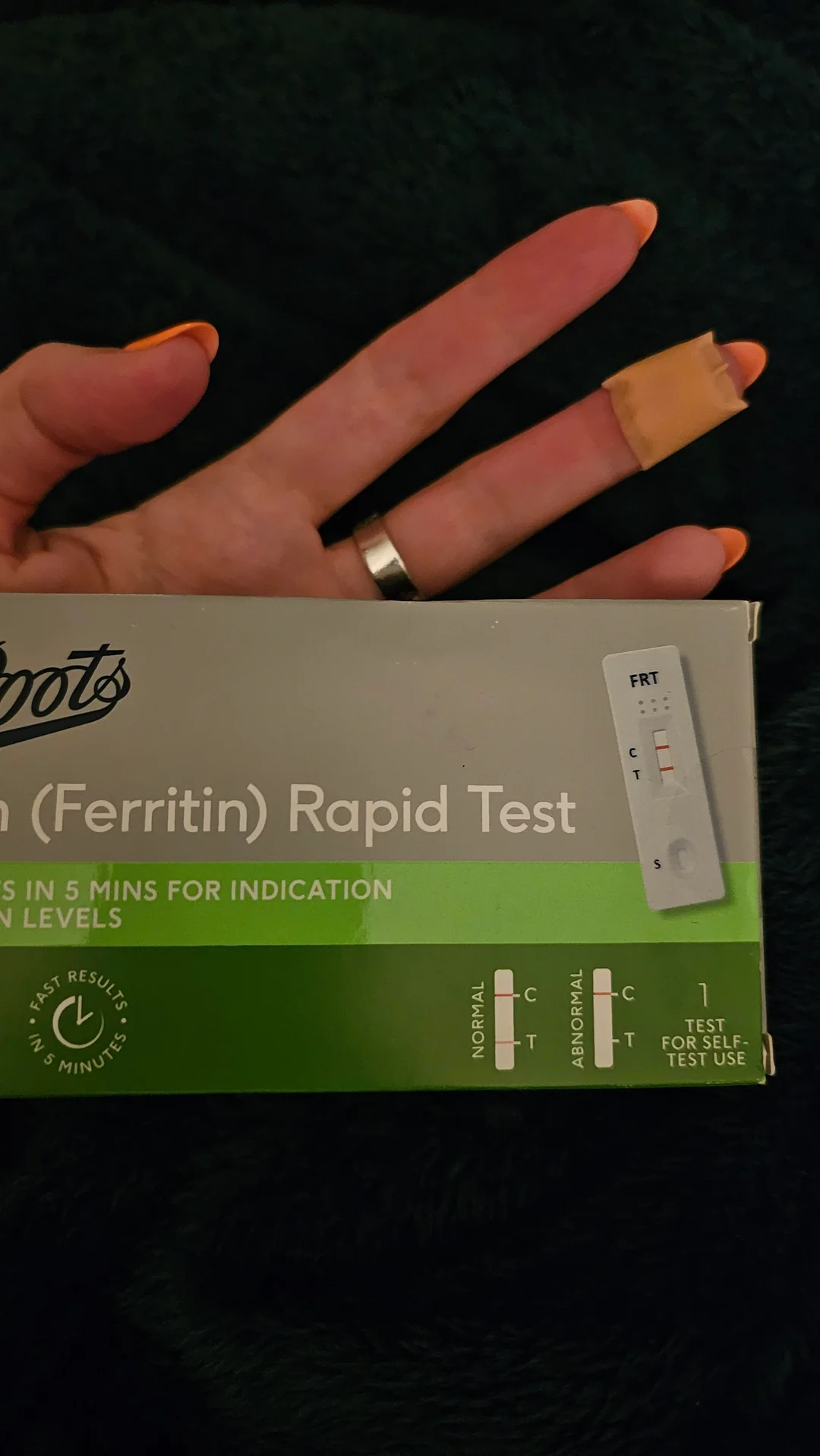
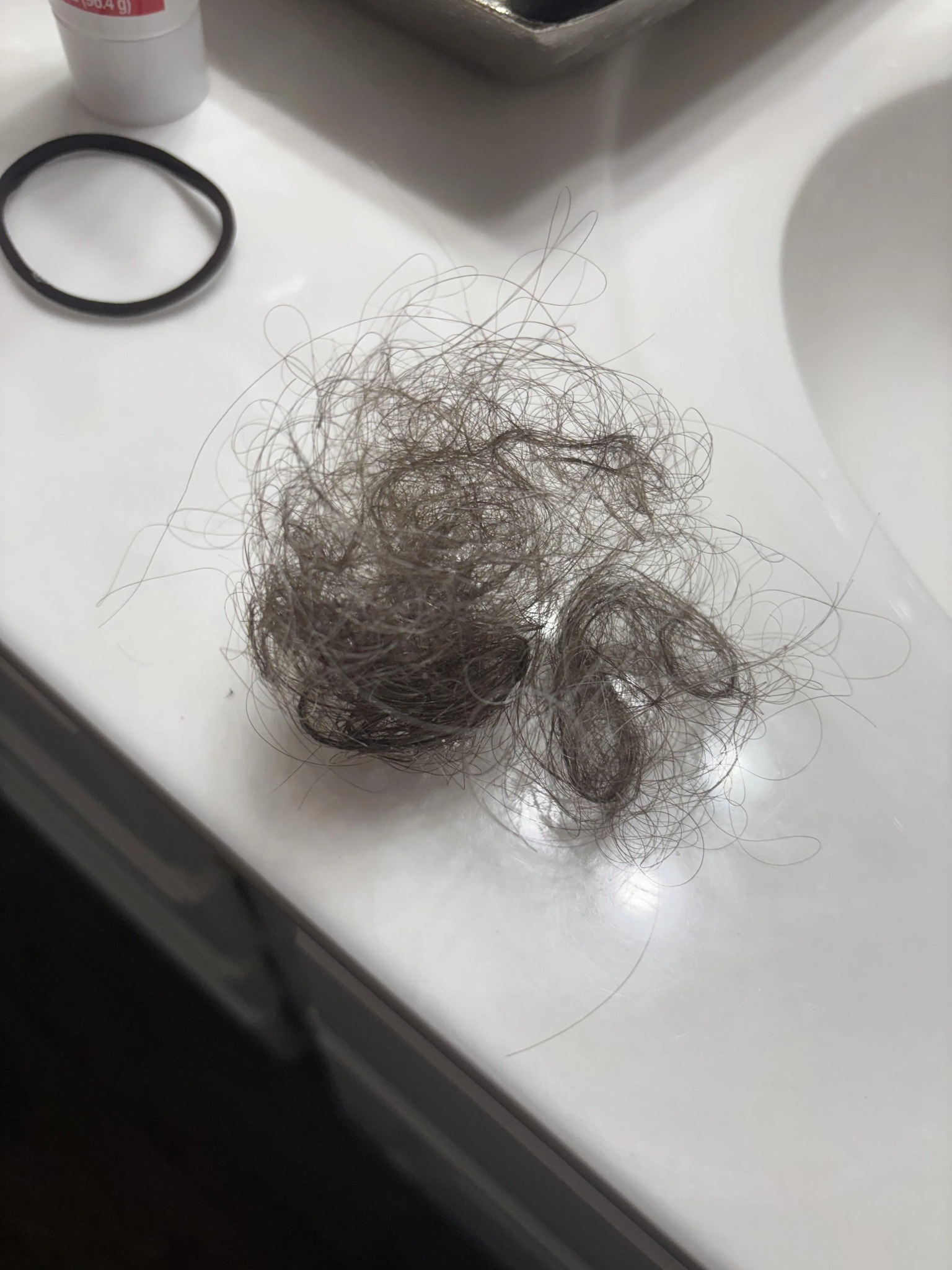
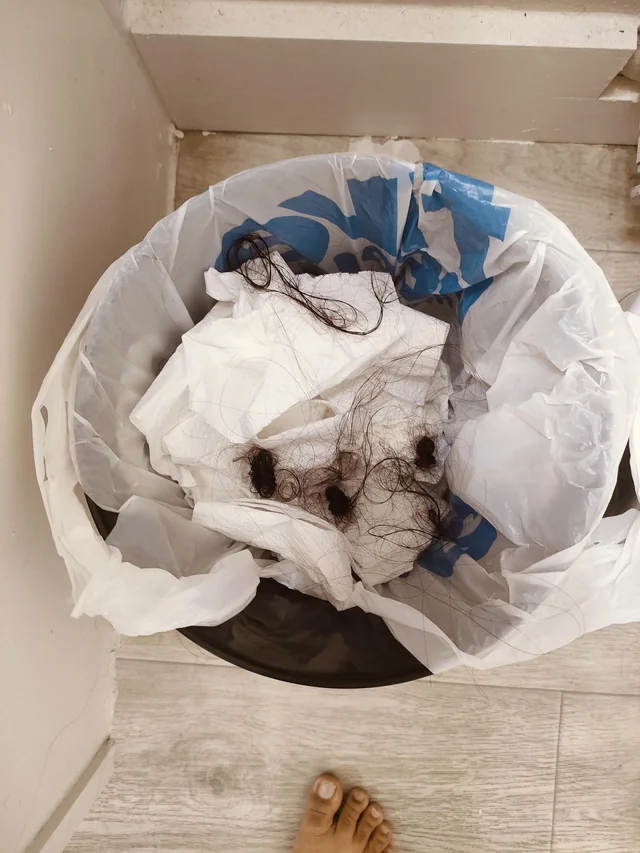
If you're going through perimenopause and you've been rubbing rosemary oil into your scalp at night, swallowing biotin gummies, switching between shampoos because someone on TikTok swore the caffeine one worked, maybe even microneedling your own scalp twice a week... and your hair is STILL falling out every time you shower... I need to tell you something that's going to change how you think about this completely. There's a reason none of it worked. And it's not because you bought the wrong brand or didn't stick with it long enough. The cause of your hair loss isn't on your scalp. I'm about to tell you exactly why nothing you've tried has worked, what's actually happening inside your body that nobody explained to you, and what finally stopped my sister's hair loss after two years of trying everything. By the end of this you're going to be frustrated. Because there are three things happening right now: One — your body has been trying to tell you something and every shampoo, oil, and scalp treatment you've tried has been ignoring it. Two — the reason your hair keeps falling out during perimenopause has nothing to do with aging or bad genetics. Three — there's a reason your doctor looked at your bloodwork, said "normal," and sent you home. And it's not because nothing's wrong. So let me tell you about my sister. She's 47. Works at an elementary school. Two teenagers and a dog that needs walking every morning. Hair was never her thing. Wash it, tie it back, done. Around 44 it started. She'd step out of the shower and there'd be a clump sitting over the drain. Not a few strands. A clump. At first she told herself it was seasonal. Then a few weeks later she saw a photo someone took at a school event and noticed her parting had gotten wider. She zoomed in on that photo and sat there staring at it for five minutes before she closed her phone. Bought a caffeine shampoo that same week. Then the front started thinning. That's when she stopped tying her hair back. Started wearing it down all the time, shifting it around to cover the patches near her hairline. She stopped wanting to be in photos. Her daughter had a school project where she needed photos of the family. She asked my sister to be in one. My sister told her she wasn't feeling well. She couldn't let her 13-year-old take a photo of her looking like that. She texted me that night. "I don't even look like me anymore." She's never been dramatic about anything. That's how I knew this was wrecking her. She did what everyone does. Started trying things. Rosemary oil. Found the studies, bought a bottle, massaged it into her scalp every single night for four months. Her pillow smelled like a restaurant kitchen and her hair kept coming out exactly the same. Biotin gummies because a coworker swore they'd changed everything for her. Three months without missing a day. She grew incredible nails. Her hair didn't notice. Collagen powder. Stirred into her coffee every morning. About $40 a tub. She went through two of them. The shedding didn't change at all. Caffeine shampoo round two. Different brand, $25 a bottle. Used it exactly as directed, left it on for the full two minutes, massaged it in. Five weeks. Nothing. Then minoxidil. The serious one. The one with actual clinical evidence behind it. Five months of daily use. Scalp irritation and a fine peach fuzz along her forehead she hadn't signed up for. The shedding reduced slightly but her part never filled in. And she read that if she ever stopped she'd lose whatever she'd gained. She stopped. Iron capsules were last. Someone in a Reddit thread told her to get her ferritin checked. She did. It was 23. Bought a bottle of ferrous sulfate from the drugstore. Two days in and her stomach was a disaster. Nausea, bloating, constipation. She switched to a gentler brand that cost three times as much and took it for three months. Got retested. Ferritin went from 23 to 26. Three points. In three months. Two years of trying. Hundreds of dollars. A bathroom shelf that looked like a supplement aisle. And her hair was still falling out every morning. That's when I started asking the question nobody around her seemed to be asking. Why was this so hard to fix? And why was every single thing she tried aimed at the surface of her scalp when the hair was falling from the root? Here's what I found. Hair loss during perimenopause isn't a scalp problem. It's a blood storage problem. Your body stores iron in a protein called ferritin. Think of it as a reserve tank. When your body needs iron, it pulls from this reserve first. Blood and organs get fed from the top of the line. Muscles come next. Hair follicles are dead last. When that reserve drops below a certain level, your body starts rationing. The essentials get priority. Hair does not make the cut. That's why the shedding starts. Your follicles aren't damaged. They're starving. And during perimenopause, that reserve drains faster than at any other point in your adult life. Heavier menstrual bleeding. Longer cycles. Bleeding that shows up whenever it wants to. Every single month your body is losing iron faster than it can replace it. Imagine a bathtub with the faucet on low and the drain wide open. That's what perimenopause does to your ferritin stores. Now think about what she was actually doing all that time. The rosemary oil, the biotin, the caffeine shampoo, the collagen powder. None of them can cross into the bloodstream. They either sit on the scalp or they support completely different proteins. Her ferritin could be at 5 and not a single one of those products would know or care. And then there was minoxidil. This is the one that gets me. Minoxidil increases blood flow to the scalp, which is genuinely useful. But only if the blood showing up at the follicle is carrying enough ferritin to feed it. Hers was showing up with a level of 23 when her hair needed 70. She was pushing more blood to a follicle that had nothing to eat. Five months of that. None of it could reach the actual problem. Everything was aimed at her scalp and the cause was in her blood. And the frustrating part is she did go to her doctor. Twice. Bloodwork both times. Ferritin came back at 23. The reference range on the lab report said 12 to 150 is normal. Doctor looked at the number, looked at the range, told her she was fine. She was not fine. That lab range exists to flag clinical anemia. It was never designed to tell a woman whether her ferritin is high enough to keep her hair growing. Research published in the Journal of the American Academy of Dermatology points to the same place. Ferritin needs to be above 70 for follicles to maintain normal growth. Some hematologists and dermatologists who specialize in this won't let their patients drop below 100. Her doctor wasn't wrong. The standard workup just isn't built to catch this. It measures whether you're dangerously anemic, not whether your hair has enough supply to stay on your head. 23 is "normal" on a lab printout. 23 is a famine for a hair follicle. Nobody told her. She found it out through a Reddit thread at 11pm on a Tuesday. So I went deep. Research papers on ferritin and female hair loss. Posts from integrative doctors. Hematology forums. Dermatology studies on perimenopause iron depletion. I was on PubMed more than I'd ever been on anything in my life. The science was straightforward once you knew where to look. Ferritin below 70 and hair loss becomes clinically predictable in women. Raise it above that threshold and shedding slows, then stops, then regrowth starts over the following months. So the answer was obvious. Raise her ferritin. Problem was, she'd already tried. Three months of capsules and a three-point bump. Why? I found that too. Your gut has a limited number of transport channels for absorbing iron called DMT1 receptors. Once those channels are full, extra iron passes straight through your digestive system unused. On a good day your gut absorbs somewhere between 10 and 15 percent of any iron supplement you swallow. Doesn't matter what form the iron comes in. Ferrous sulfate, bisglycinate, chelated, food-based. They all hit the same ceiling because they all enter through the same bottleneck. Like pouring water through a funnel with ten holes. You can pour faster, pour from a nicer jug. Ten holes is ten holes. So her capsule was delivering roughly 2 to 3 milligrams of usable iron per day. Meanwhile her menstrual cycles were draining 15 to 30 milligrams every month. The math was impossible. She was never going to catch up at that absorption rate. That's when I found something completely different. An oral strip. Like a breath strip. Dissolves under the tongue in about 30 seconds. Instead of going through the gut and hitting that DMT1 bottleneck, the iron absorbs directly through the tissue lining inside the mouth and enters the bloodstream. Gut bypassed entirely. No receptor ceiling. No competition with calcium or food. No nausea, no constipation, because the iron never touches the stomach. I looked at several products once I understood this route. Most were regular iron supplements in a different shape. Low dose, no supporting nutrients. Then I found Aviné. 19 milligrams of highly absorbable iron per strip, plus folic acid which your body uses to metabolize and store iron properly. Raspberry flavored. Dissolves on your tongue in seconds. When I compared the formulation against everything she'd tried over two years, I understood why those capsules gave her three points in three months and a stomach ache. She started. One strip a day, under the tongue, while she made her morning coffee. First week nothing dramatic. Tasted like a raspberry candy and was gone before her coffee finished brewing. No stomach issues. No metallic taste. She kept going because it took 30 seconds and didn't make her miserable. By week three she sent me a photo of the shower drain after washing her hair. Usually it was covered. This time there were maybe eight or nine strands sitting on it. She told me she didn't want to jinx it. Week five she brushed her entire head over the bathroom sink and sent me a photo of what came out. I've seen her brushes before. They used to look like small animals. This time it was a few loose strands you could count on one hand. She went quiet after that. I think she was afraid to trust it. Every product she'd tried had given her a week of hope and then nothing. Week eight she got retested. Ferritin 23 to 51. Twenty-eight points in eight weeks. Versus three points in three months on capsules. Same element. Same body. Different route. Her dermatologist told her to keep going. Aim for 80 or above because that's where regrowth really starts. Month three she FaceTimed me and tilted her head toward the light. Along her hairline, right where the thinning had been worst, there were these tiny new hairs growing in. Short and soft and standing straight up because they weren't long enough to lie flat yet. She kept brushing her fingers over them like she couldn't believe they were real. She tied her hair back last month. First time in over a year. Didn't think about it. Just grabbed it on the way out the door because it was hot. That's when I knew it actually worked. Not the lab number. Not the brush. The moment she stopped thinking about her hair and just lived her life. She's not some miracle case. This isn't new. Doctors have been publishing on ferritin and women's hair loss for over twenty years. Thousands of women studied across peer-reviewed dermatology journals. The threshold keeps showing up in the same range. Below 70, shedding accelerates. Above it, follicles recover. You don't need to take anyone's word for it. Get a blood test, watch the number move, see the shedding slow down. Your doctor can order the retest. The proof shows up on a lab printout. The strip solves the delivery problem that capsules, tablets, gummies, and liquid iron have been quietly failing at for decades. The part that still makes me angry isn't that Aviné exists. It's that my sister spent two years and hundreds of dollars on products that were physically incapable of reaching her problem. And not one person along the way told her. The shampoo companies knew their products don't cross into the bloodstream. They sold them to her anyway. The supplement brands knew gut absorption caps at 15 percent. They put "supports healthy hair" on the label anyway. Her doctor saw 23 on the lab report and said normal. Her dermatologist never ordered the test at all. Meanwhile she's lying to her daughter about why she can't be in a family photo. That's not a woman who failed to find the right product. That's a woman the entire system failed because nobody had a reason to tell her the answer was in her blood. Using it is almost stupidly simple. Peel a strip from the pack. Put it on your tongue. Let it dissolve. That's it. No horse pills on an empty stomach. No nausea. No constipation. No timing it around food or calcium or coffee. 30 seconds while you make your morning coffee and you don't think about it again until tomorrow. Her dermatologist said to stay on it until ferritin holds above 80 because that's the range where regrowth sustains itself. Most women going through perimenopause are starting somewhere between 15 and 35. Closing a gap that size takes about 12 weeks to reach the hair-growth threshold and another month or two to lock in visible regrowth. That's why most women grab a 3-month supply. And most come back for a second round to make sure the number holds through a few menstrual cycles before easing off. This isn't a product you try for two weeks and judge. It's a protocol. Your ferritin number will tell you exactly when you're done. Your ferritin isn't going to climb on its own. Every menstrual cycle pulls it lower. Every month you wait is another month the deficit deepens and another month your follicles stay unfed. The shedding doesn't pause while you think about it. If you've been rubbing oils into your scalp and swallowing pills that wreck your stomach and buying shampoo after shampoo because someone online told you this one was different... stop. Not because those products are scams. Some of them do what they claim. They just can't reach the problem you actually have. Your hair isn't falling out because of your scalp. It's falling out because your ferritin is sitting at 19 or 25 or 34 and your follicles need it above 70 and nothing you put on your head or swallow through your gut at 15 percent absorption will close that gap. The strip closes the gap. Aviné is $39.99. That's less than the caffeine shampoo she was buying. Less than the collagen powder. Less than a single month of minoxidil. About a dollar thirty a day. Less than the coffee you're drinking while the strip dissolves. And unlike everything else she tried, this one shows up on a blood test. You can walk into your doctor's office in 8 to 12 weeks and see the number on paper. Proof in a lab result, not a promise on a bottle. Aviné comes with a 90-day money-back guarantee. Read that again. Ninety days. What shampoo offers that? What drugstore iron supplement gives your money back when your number doesn't move? None of them. Because they can't promise a number on a lab test. Not next month. Not after you finish the biotin sitting on your bathroom shelf doing nothing. Now. While it's in stock. Go read what other women are saying. Look at the ferritin numbers they're posting. Grab a 3-month supply so you have enough to reach the retest where your doctor confirms what your shower drain already started telling you. A week ago you probably didn't know what ferritin was. Now you know your follicles need it above 70, you know your gut can't deliver enough to get there, and you know there's a route that bypasses it entirely. You know more about your hair loss right now than your doctor explained in two visits. Go get your ferritin tested. Then close the gap.
Where the ad sends people
getavine.com
My sister's perimenopause hair loss stopped in 3 months — it had nothing to do with her scalp.
Aviné
Learn more: getavine.com(opens in a new tab)