
Stopped· since Aug 15, 2026
- 7
- days it ran
- 0
- relaunches
- 402
- EU reach
Ad copy
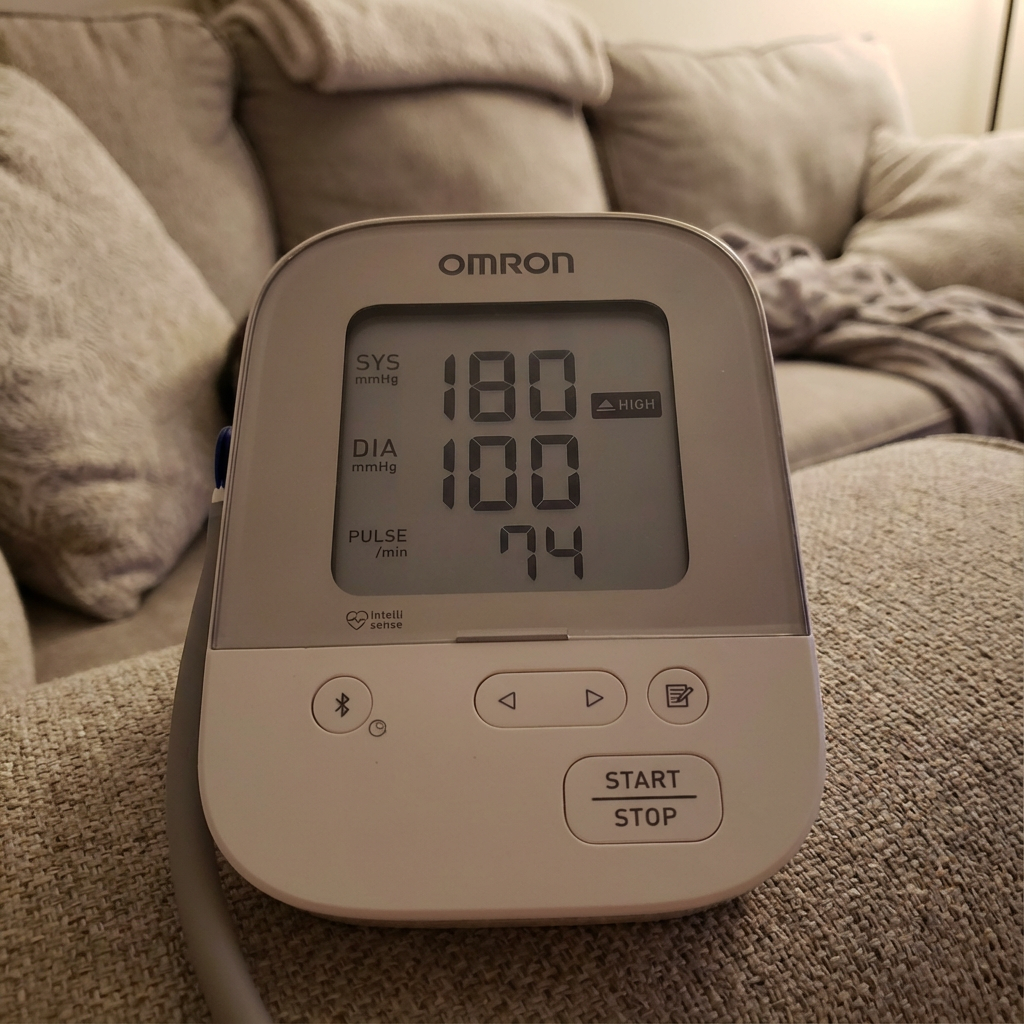
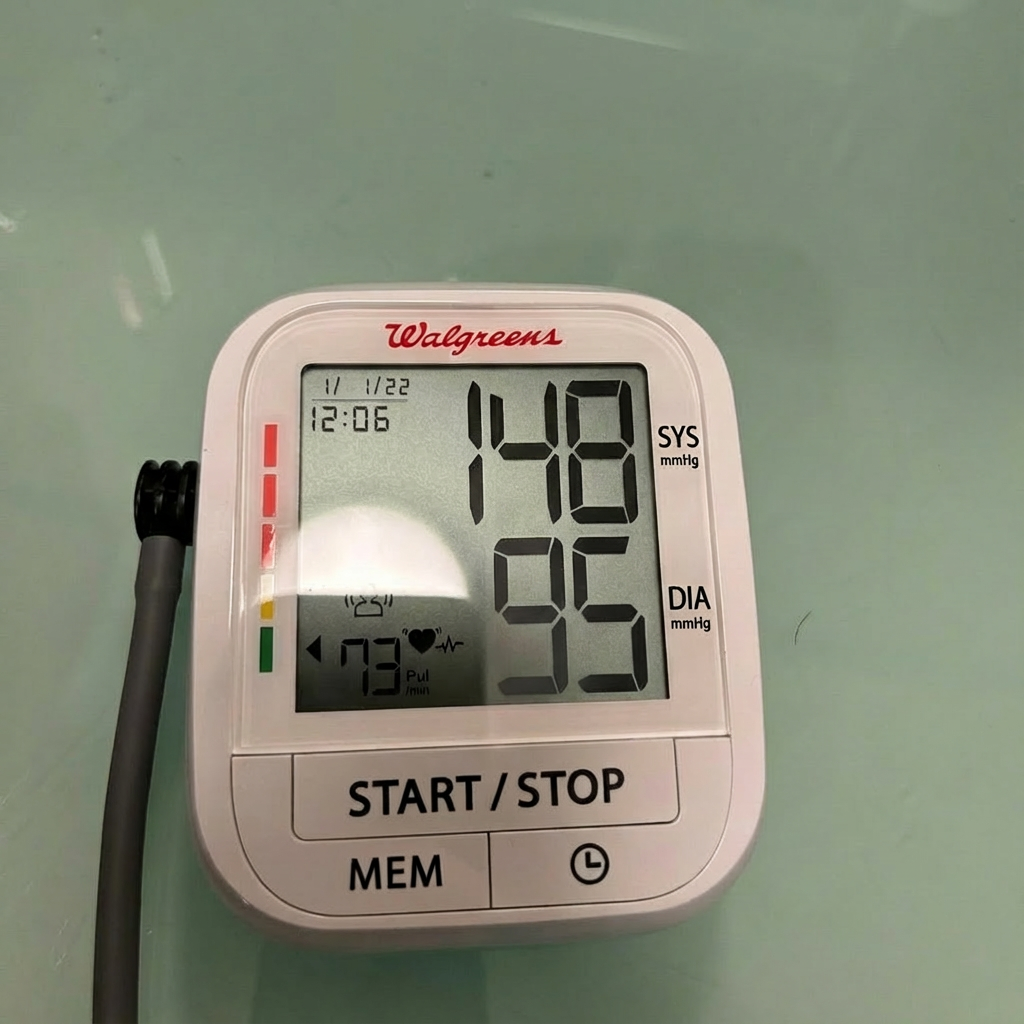
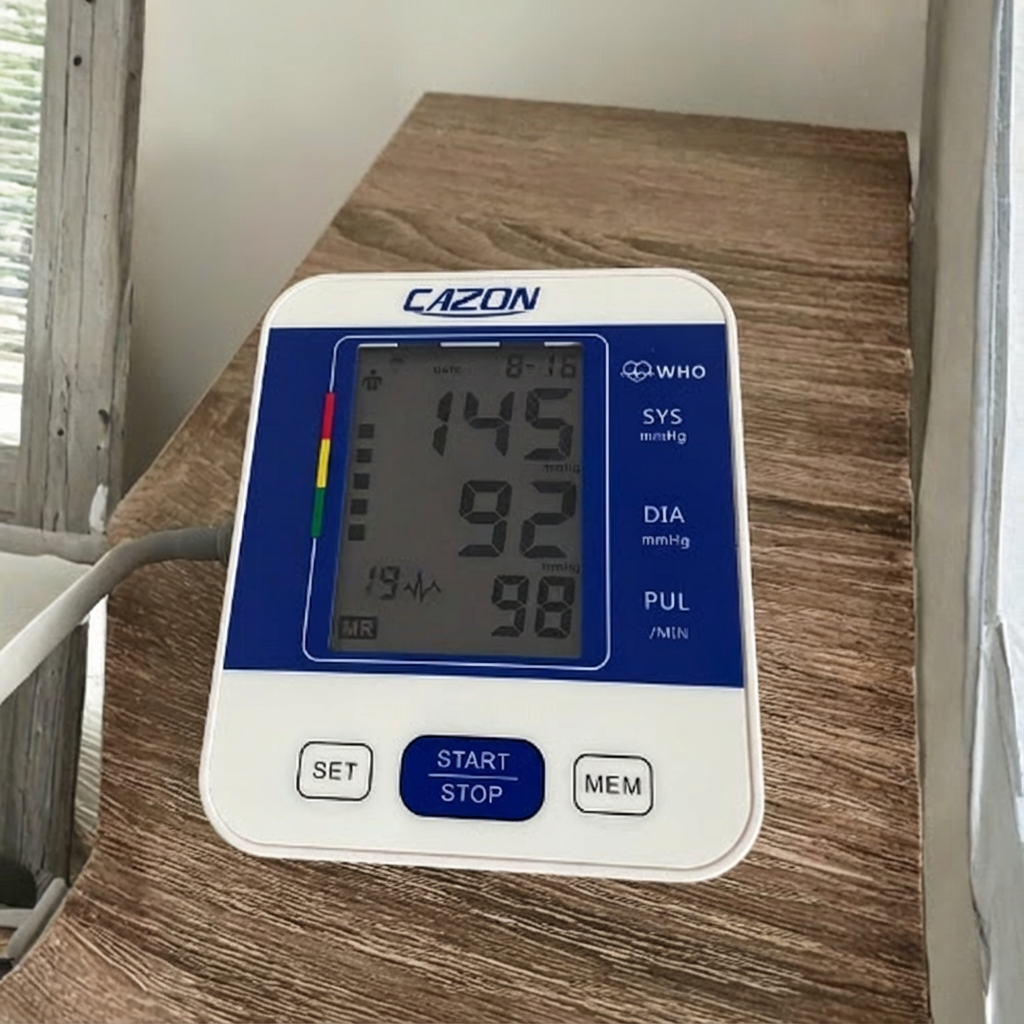
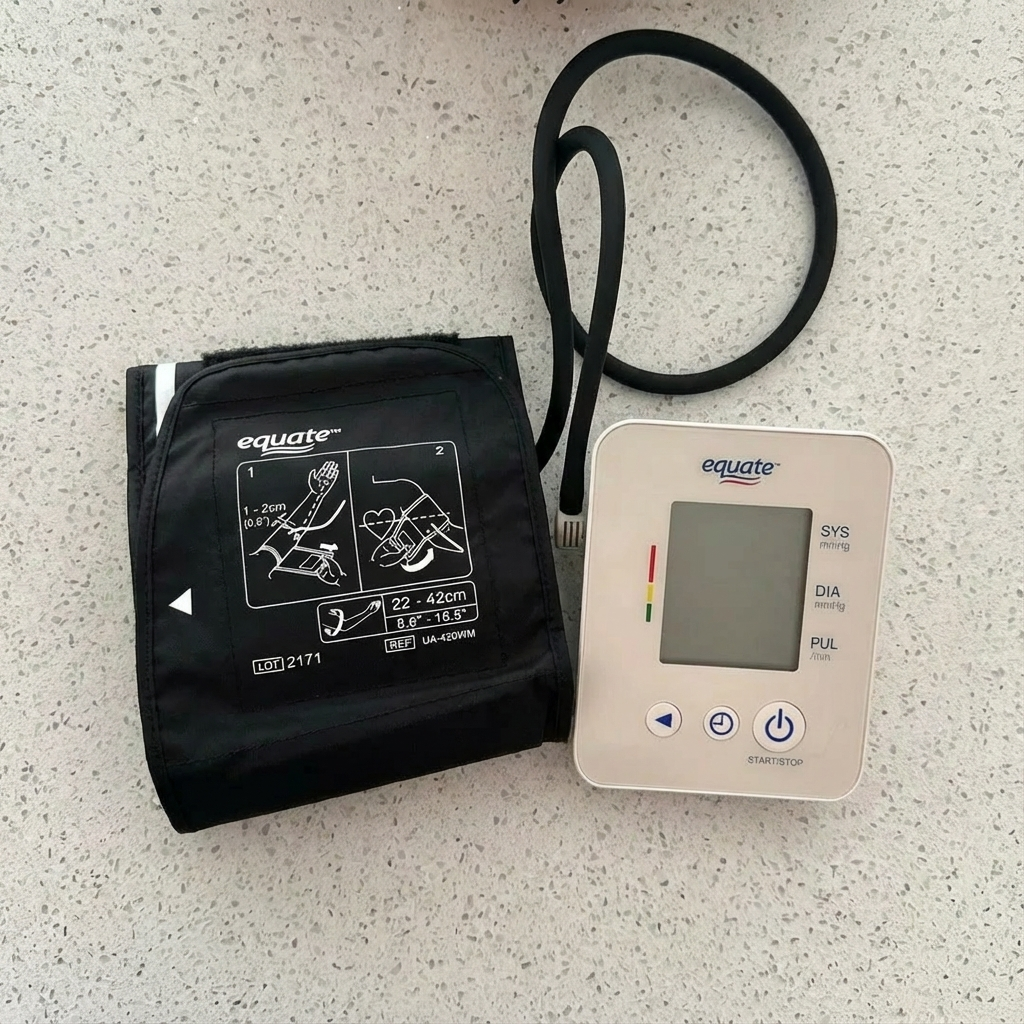
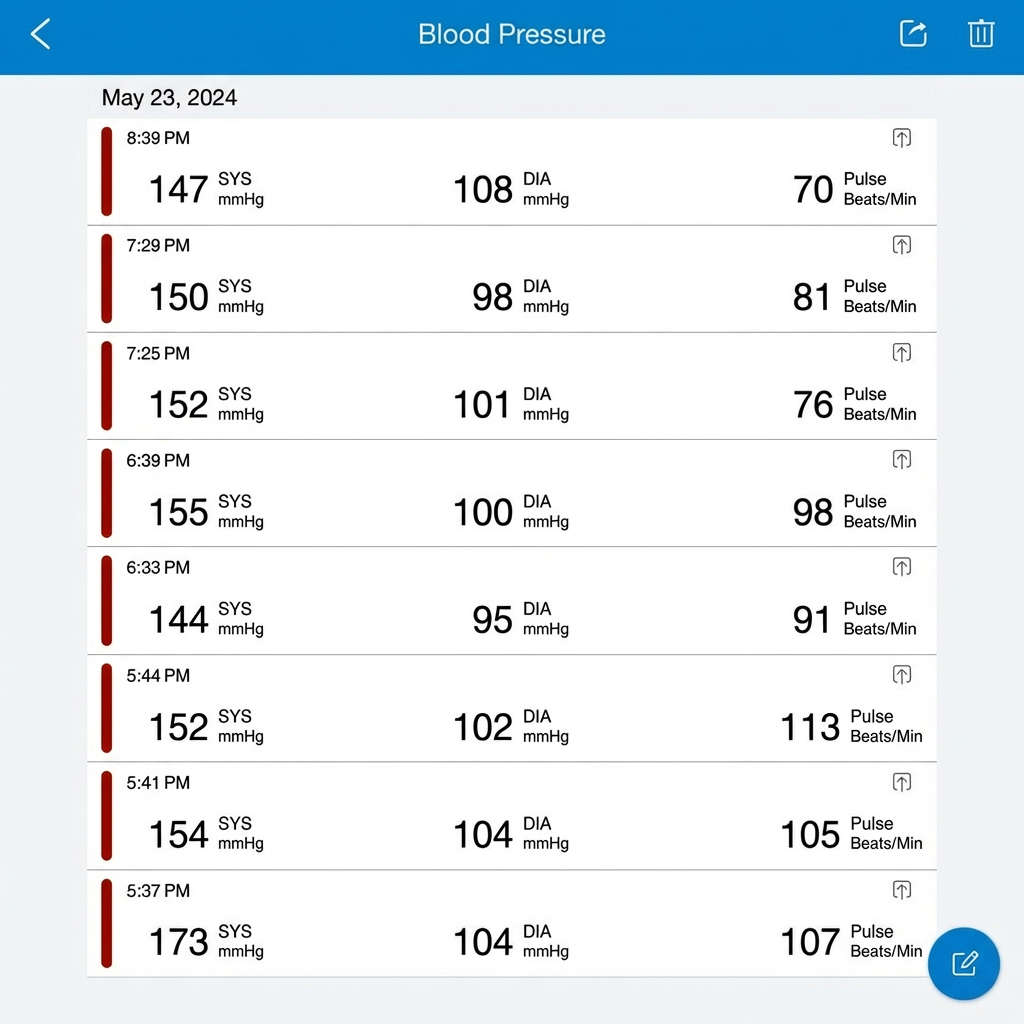
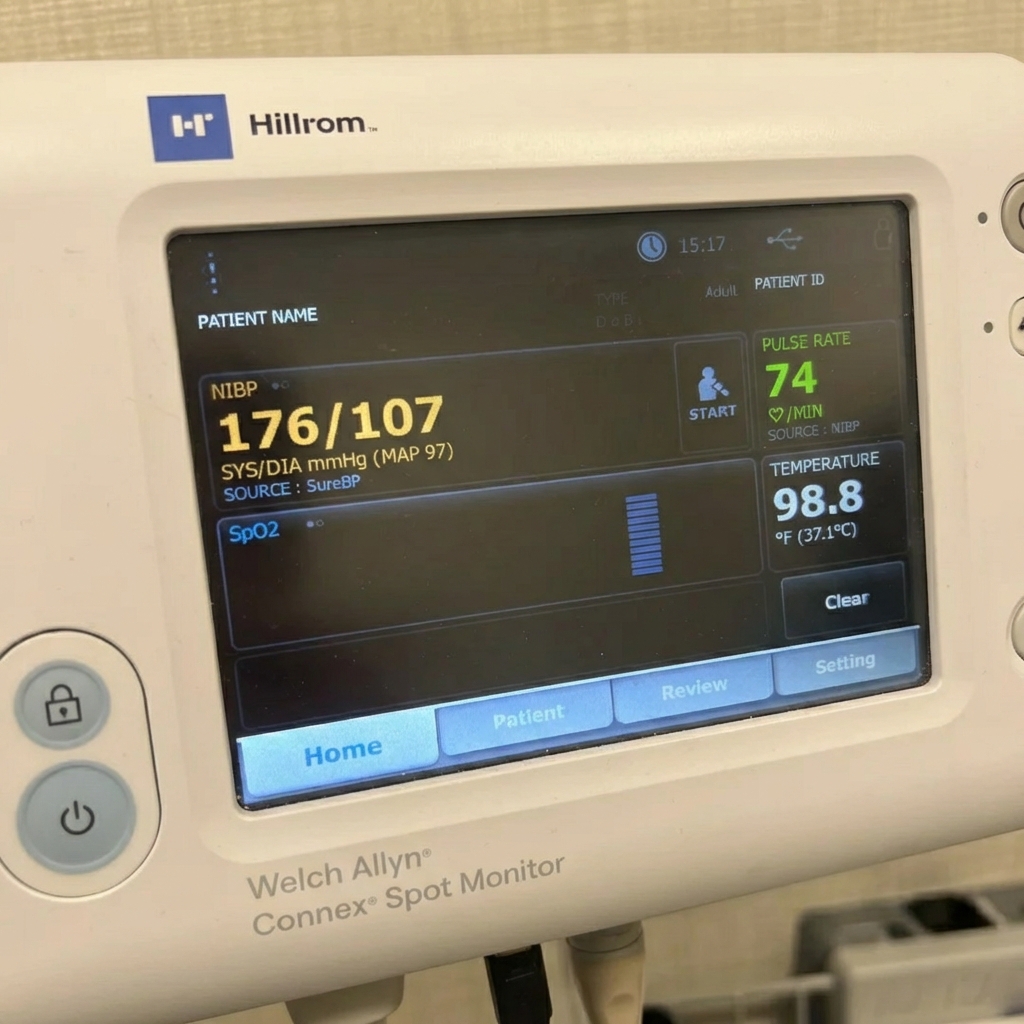
A woman left a folded blood pressure log beside the cart return. I almost handed it to customer service and kept walking. I almost handed it to customer service and kept walking. I had groceries in the trunk, a phone at five percent, and an appointment of my own I was already late for. Then I saw the folded paper underneath it. It was a blood pressure log. Six weeks of readings. The newest one was written in blue pen at the top of the page. 145 over 95. Under that, someone had written one sentence. Doctor says if it is still high at my next appointment, we talk about another medication. I looked around the parking lot. Nobody was coming back for it. I asked at the pharmacy counter. The woman behind the glass called the name written on the first page. No answer. She called again. Still nothing. The address was printed on the back of the log. It was only twenty minutes from my house. I put the monitor on the passenger seat and left the pharmacy parking lot. For the first few minutes, I kept thinking I would turn around. It was not my log. It was not my appointment. It was not my responsibility to solve a stranger’s blood pressure problem before I got home. Then I looked at the paper again at the red light. 145 over 95. The ink had pressed so hard into the page that the number was visible from the back. Whoever wrote it had not scribbled it down casually. They had pushed the pen into the paper as if making the number darker would make it easier to understand. I knew that feeling. The first time David showed me his reading, he had left the monitor on the kitchen table and walked outside. He did not say the number. He did not need to. The way he put the cuff back in the drawer told me enough. He had folded the tube twice. He had wrapped the strap around the monitor. He had placed the batteries beside it so the next reading would be ready. People do that when they are trying to act calm. They organize the object that scared them. I drove past a gas station, a closed diner, and a church with a sign that said the food pantry would be open on Saturday. The road got narrower after the turn. There were no sidewalks. Just mailboxes, driveways, and houses set back behind trees. The address on the log belonged to a small brick house with a blue door. I checked the number twice before pulling into the driveway. I could still leave the monitor on the porch. I could put the log in an envelope. I could knock once, wait ten seconds, and go. That would be the reasonable thing. But people do not write “I don’t want another pill” on a blood pressure log because they are having a reasonable week. They write it because they have been thinking about it long enough for the sentence to become part of the routine. I turned off the engine. The monitor sat on the seat beside me. The screen had gone dark, but I could still see my reflection in it. I picked it up and walked to the door. I stood there with the monitor in one hand and the paper in the other, having a conversation with myself that sounded reasonable until I heard it out loud. I could leave it at the pharmacy. They would probably find her. They would probably put it in lost and found. Probably. But the log was full of notes. “Woke up with a headache.” “Felt shaky before lunch.” “Number high again.” “Try again tomorrow.” The last note said, “I don’t want another pill.” I know what it feels like to wait for a number you cannot control. You sit there with the cuff squeezing your arm. You listen for the machine to finish. You look at the screen. Then you decide whether the number is bad enough to worry about or good enough to ignore. You tell yourself you will check again later. Then later becomes tomorrow. Tomorrow becomes the next appointment. And the next appointment becomes a new prescription. I put the monitor in the passenger seat and drove to the address. The house was on a quiet road behind a row of older maple trees. Small brick front. White trim. A porch with two chairs, one facing the street and one facing the door. The chair facing the street had a folded blanket on it. The other one had a stack of unopened mail. There was a flower bed along the walkway, but the flowers had gone over for the season. Someone had planted them carefully. Someone had tried to keep them alive. I noticed the front steps first. There were three of them. A metal railing ran along the right side. The railing was polished where hands had used it over and over. I sat in my car for a minute with the monitor on my lap. The house looked quiet in the way a house looks quiet when someone is waiting for a phone call they do not want to receive. I knocked. It took a while. I heard slow footsteps. A lock turned. A chain slid across the door. The door opened four inches. An older woman looked through the gap. Gray hair. Blue sweater. Reading glasses hanging from a cord around her neck. “Can I help you?” “I think I found something that belongs to you.” I held up the monitor. She opened the door all the way. Her eyes went straight to the paper in my other hand. “Oh,” she said. Not “thank you.” Not “where did you find that?” Just “oh,” like she had been waiting for that page to come back before she could breathe normally again. “I found it at the Walmart pharmacy.” She took the paper first. Her hands were small, and the blue pen marks covered most of the page. Then she looked at the monitor. “I thought I put that in my purse.” “It was under a cart.” She looked down at the 145 over 95 she had written at the top. “That was the morning I called the doctor.” “Are you okay?” She gave me a tired smile. “I’m okay right now.” That is not the same thing as being okay. She knew it. I knew it. The monitor on the table knew it. “My doctor wants me to check again before my appointment,” she said. “If it’s still high, he wants to add another medication.” She said “add” like it was a small word. It wasn’t small to her. She had already organized the pills she was taking in a plastic box beside the sink. Morning on one side. Evening on the other. She knew which ones had to be taken with food and which ones made her feel strange if she took them too late. She did not want another slot in the box. She did not want to become the person who carried a list of medications in her wallet. She did not want every high reading to become evidence that her body was failing and another prescription was the only answer. She looked at me and said, “I don’t want to wait until the number gets worse.” That sentence stayed with me. She invited me inside. I should have handed her the monitor and gone. I had no reason to stay. She was a stranger. I had my own errands. But the page was still open on the table, and she was looking at it like it had become a verdict. So I said yes. Her name was Helen. She was 68. The kitchen was clean, but not staged. One mug sat beside the sink. One plate was drying on a towel. A small digital monitor rested next to the toaster. The table had two chairs. One chair had a cushion with a zipper down the middle. The other one had a small basket filled with unopened mail. Helen moved the basket onto the counter before she sat down. She did not throw anything away. She separated the envelopes into two piles. Bills on the left. Everything else on the right. “I do that every morning,” she said. “Sort the mail. Check the number. Then decide how the day is going to feel.” She said it with a little laugh, but the laugh ended quickly. The blood pressure log stayed between us. The first pages were neat. The handwriting was small and even. The later pages were different. Some numbers were written in the margin. Some had circles around them. One page had been torn out and replaced with a new sheet. “I started writing the time because the doctor asked,” she said. “Then I started writing what I had eaten. Then whether I slept. Then if I felt nervous before checking.” She tapped the page with one finger. “Now I write everything.” She had made a system because the number kept moving. A person can handle a difficult number when they understand what caused it. What makes a blood pressure reading frightening is not only that it is high. It is that the same person can see one number on Monday and a different one on Tuesday and have no idea which one represents the truth. Helen had tried to find the pattern. She checked after waking up. She checked after coffee. She checked after waiting. She checked after sitting quietly with both feet flat on the floor. She checked when she felt fine and when she felt pressure behind her eyes. The numbers still moved. “The doctor said not to panic,” she said. “That sounds sensible.” “It is sensible. But it doesn’t tell you what to do at six in the morning when the number is high and you have to decide whether to start your day.” She opened a drawer and pulled out the plastic medication box. The compartments were labeled with small white stickers. Morning. Noon. Evening. Bedtime. “I’m not against taking medicine,” she said. “I’m against pretending that adding another box is the same thing as fixing what is happening.” She put the box back in the drawer. “The doctor gave me three weeks to get better readings. Three weeks is not a long time when you have been trying to change a number for months.” She showed me the appointment card. The date was written in red. “I put it where I can see it,” she said. “Then I move it because I don’t want to see it. Then I put it back.” That was Helen’s life at that point. The monitor on the table. The medication box in the drawer. The appointment card changing places. The same question waiting every morning. What did the number do today? She told me she had started taking walks, but she had not made it a performance. She walked around the block after dinner when the weather allowed it. She did not buy new clothes for it. She did not tell anyone she was becoming a different person. She simply wanted to give the number one less reason to rise. She also stopped adding salt at the table. Then she found out how much salt was already in the food she had been eating. She read labels until the words blurred. That made her angry. “People say just change your diet,” she said. “They don’t tell you what to do when you have already changed it and the number still does what it wants.” That was why the bottle bothered her. The bottle promised beetroot. It did not give her a clear amount of dietary nitrate. She had followed the directions. She had taken it with breakfast. She had waited. But there was nothing on the label that let her compare the dose with anything else. “I didn’t want to keep taking it just because the picture looked healthy,” she said. She folded the log again. Then she said, “I need something I can measure.” That was the part I understood. When a number controls your next appointment, vague is not reassuring. You want to know what the product contains. You want to know how much you are taking. You want to know whether the amount stays the same from one serving to the next. You want to take it long enough to see what it does to your morning reading. Helen looked at the blood pressure log again. “I have three weeks,” she said. Three weeks before her appointment. Three weeks before her doctor decided whether the number had improved enough or whether another medication belonged in the box. She folded the paper carefully. “I’m not against medicine,” she said. “I’m against waiting until the only thing left to do is add another one.” She picked up the monitor and turned it over. The battery cover had a strip of tape across it. “The cover kept falling off,” she said. “I taped it because I didn’t want to buy another machine.” She put it back beside the toaster. Then she opened the log to the first page. The date was six weeks earlier. The first number was written in pencil. The second was written in black ink. The third was written in blue. “I used to think the color mattered,” she said. “If I wrote it neatly, it felt more official.” She smiled at herself. “You start doing strange things when you are waiting for a number to improve.” I knew exactly what she meant. David had started moving the monitor around the kitchen. Some mornings it was beside the toaster. Some mornings it was on the table. Once I found it on the floor beside the refrigerator because he had checked it before coffee and did not want to look at it again. The number had become a thing in the house. It followed us from room to room. It changed the way we talked about dinner. It changed the way David answered simple questions. “How was work?” “Fine.” “Are you tired?” “No.” “Do you want to check it?” “Later.” Later meant after the number had stopped taking up all the space in his head. Helen did not want that to become her life. She wanted a better number before the appointment made the decision for her. She wanted to keep the doctor involved. She wanted a daily routine she understood. That is why the exact amount mattered so much. When a product only says “beetroot,” you are left with the picture. When it gives you a verified nitrate amount, you know what the product is delivering. Helen closed the log. “If you find anything that gives you a real amount,” she said, “write it down for me.” I promised I would. Then I went home and saw David’s monitor beside our toaster. I drove home thinking about that sentence. Not because Helen had told me anything I had never heard before. Because I had heard the same fear in my own house. My husband, David, had started checking his blood pressure after a high reading at a routine appointment. His doctor told him to monitor it at home and bring the numbers back. If the readings stayed high, medication would be the next conversation. David did not say he was scared. He said the monitor was annoying. He said the cuff was too tight. He said the machine probably needed new batteries. But I noticed what happened every time he pressed the start button. He stopped talking. He watched the numbers appear. Then he turned the screen away before I could see it. David had always been the person who fixed things in our house. If a cabinet hinge came loose, he repaired it. If the car made a strange noise, he looked under the hood. If one of the grandchildren needed help with a school project, he showed up with tools before anyone asked. Now a small machine on the kitchen table could change the way he looked at the next month. That evening, he took a reading while I was washing dishes. I heard the cuff inflate. Then it stopped. He did not tell me the number. He put the monitor back beside the toaster and went to sit in the living room. I waited until he went upstairs. Then I picked up the log. The numbers were not extreme every time. That almost made it worse. There was no clear line between “fine” and “not fine.” There was just a top number that moved around, a doctor waiting for more readings, and a man trying not to think about the word medication. I went upstairs, brushed my teeth, and got into bed. I lasted twenty minutes. I kept seeing Helen’s hand folding the paper. I kept hearing David say the machine was annoying. I kept thinking about how quickly a number can become a decision made by somebody else. So I got up, went back downstairs, and opened the laptop. The first search was useless. I searched “how to lower blood pressure before a doctor appointment.” One page told me to cut salt. Another told me to exercise harder. Another told me to buy a different supplement. One page made it sound like every high reading was an emergency. Another made it sound like the only answer was medication. Every page had a different list. None of them explained why two people could take the same steps and still see different morning readings. I searched “beetroot blood pressure.” That produced thousands of results. Beet juice. Beet powder. Beet capsules. Recipes. Sports drinks. Products that showed a red vegetable on the label but did not tell me how much dietary nitrate was in the serving. I found one page saying beets support healthy blood pressure. Another page said the amount mattered. Another page did not list the amount at all. I closed the laptop at one in the morning. I had opened twelve tabs. One talked about breathing exercises. One talked about supplements. One talked about medication side effects. One used the words “natural blood pressure support” without telling me what was in the serving. I kept looking for a line that connected the product to the reading. Not a general statement about health. The actual chain. What enters the body? What does the body do with it? What changes around the blood vessel? Why would the top number move? That was when the explanation became clear. Dietary nitrate is not the same thing as a vague beet claim. The body uses dietary nitrate to make nitric oxide. Nitric oxide signals the ring of muscle around a blood vessel to relax. That relaxation gives the blood more room to move. When the vessel widens, blood presses less against the wall. The top number comes down. I wrote the chain on the back of an envelope. Dietary nitrate. Nitric oxide. Relaxed vessel muscle. More room for blood. Less pressure against the wall. Lower top number. It was the first explanation I had found that connected an ingredient to the exact number Helen was tracking. Then I read the part about age. Nitric oxide production declines as people get older. That does not mean an older person has forgotten how to eat or exercise. It means the same habits do not produce the same amount of nitric oxide forever. The body has a lower supply of the material it uses to relax the blood vessel. That is why a person can reach their sixties or seventies, keep eating the same way, and suddenly see a different morning reading. The number changes because the body changed. That did not make Helen’s responsibility disappear. It gave her a better place to start. I wanted to know how much dietary nitrate she had been taking from the bottle she bought. The answer was not on the label. I wanted to know whether the amount stayed consistent from one serving to the next. The bottle did not show outside lab results. It showed a beet. That was not enough for someone with an appointment date circled in red. I searched for verified nitrate content. That search led me to Zenther’s Beetwise Root Formula. The product page stated the dose clearly. 400 milligrams of dietary nitrate in a dose, which is two capsules a day. Not 400 milligrams in one capsule. One dose is two capsules. One capsule in the morning and one in the afternoon, preferably with food. The product uses cold-extracted beetroot. Outside lab tests check every batch, and the results are published. I kept reading because a clear number makes a different kind of promise. It tells you what the product is built to deliver. It gives you a routine you can repeat. It gives you a reason to track the reading instead of guessing from one day. I knew more words than I knew at ten o’clock, but I did not know what David should take the next morning. The next day I changed the question. I stopped searching for a list of foods. I searched for the reason beetroot is connected to blood pressure in the first place. That was when I found dietary nitrate. Beetroot contains dietary nitrate. Your body converts dietary nitrate into nitric oxide. Nitric oxide tells the ring of muscle around a blood vessel to let go. When that muscle relaxes, the vessel widens. When the vessel widens, blood presses less against the wall. That is how the top number can come down. The process is simple enough to understand, but the amount matters. As people get older, the body makes less nitric oxide. That means the same daily routine can produce a different blood pressure reading at 68 than it did at 38. Helen was not failing because she had forgotten how to take care of herself. David was not failing because he was lazy. Their bodies were producing less of one thing the blood vessels need in order to relax. I read that sentence again. Then I went back to the product pages. Most of them talked about beets. Very few told me the actual nitrate amount. That was the gap. Not “beetroot is healthy.” The real question was whether the serving delivered enough verified dietary nitrate to give the body a consistent source of the material it uses to make nitric oxide. I found stories from people who had been trying to improve their readings before their doctors added another medication. One woman said her blood pressure was 145 over 95 and her doctor wanted to add another medication. She started taking Zenther’s Beetwise Root Formula. Within three weeks, her reading was 125 over 78. Her doctor was amazed. I read that story three times. Not because it promised a miracle. Because it matched the exact situation in Helen’s kitchen. A high reading. A doctor preparing to add medication. A short window before the next appointment. I found another customer who had been living with a blood pressure reading of 190 over 100 while taking two medications. After 60 days with Zenther’s Beetwise Root Formula, the reading was 127 over 76. That customer said they were now off both medications. That is not a decision to make alone. It is a conversation to have with the doctor who sees your readings and knows your history. But the number made one point clear. The product was not being sold as a beet picture on a bottle. The useful part was the verified nitrate dose. I found Zenther’s Beetwise Root Formula. It uses cold-extracted beetroot. Each dose delivers 400 milligrams of dietary nitrate in a dose, which is two capsules a day. One capsule in the morning and one in the afternoon, preferably with food. The company tests every batch outside the company and publishes the lab results. That mattered to me. Because I had already seen what happened when Helen bought a bottle that showed a beet on the label but did not tell her the nitrate amount. The bottle was not the mechanism. The verified dietary nitrate was the mechanism. The cold-extraction process and published lab results were how Zenther made the amount clear from one serving to the next. I ordered it. The bottle arrived with a simple instruction card. Two capsules daily. One in the morning. One in the afternoon. Preferably with food. I put it beside the monitor so David would see both at the same time. The monitor told him what his blood pressure was doing. The capsules gave him the verified dietary nitrate dose the body uses to make nitric oxide. The first morning, he read the label twice. He asked whether the 400 milligrams referred to one capsule or both. “Both,” I said. “One dose is two capsules.” That detail mattered. When someone is tracking a number before a doctor decides about medication, the routine has to be exact. David took one capsule with breakfast. The second went with his afternoon meal. He checked his blood pressure the next morning after sitting quietly. He wrote the number down. He did not say it was perfect. He said, “That is a better number than yesterday.” The next morning, he checked again. The number moved. It was not a straight line, and I did not expect it to be. The important part was that he had stopped treating the reading as a judgment. He had turned it into information. We did not make the mistake of treating one lower reading as the finish line. The next morning was higher. David stared at the screen. Then he opened the log and wrote it down. He did not say the product had failed. He did not say the monitor was broken. He looked at the previous six readings and waited for the pattern to become clearer. That was the first useful change. He was no longer making a decision from one number. He was collecting a record. The product gave him the same amount of dietary nitrate each day. The monitor gave him a reading at the same time. The log gave him a way to see the whole week instead of the worst morning. Helen started doing the same thing. She stopped writing comments like “bad” and “good” beside the readings. She wrote the time. She wrote whether she had taken the morning capsule. She wrote the number. That was all. By the second week, she had a page she could actually show her doctor without explaining every emotion she felt while writing it. The doctor could see the readings. Helen could talk about the routine. The appointment became a conversation about information instead of a conversation about panic. That was the result she wanted before she ever opened the bottle. She wanted to walk into the room with something better than hope. She wanted a page of readings tied to a clear two-capsule routine. The blood pressure number was still the number that mattered. The mechanism explained why the routine was connected to it. Dietary nitrate becomes nitric oxide. Nitric oxide helps the muscle around the blood vessel relax. The vessel widens. Blood presses less against the wall. The top number comes down. As the body gets older, nitric oxide production declines. That is why the amount of dietary nitrate matters more than a picture of a beet on a label. He kept the same morning routine. He took the first capsule with breakfast. He took the second in the afternoon. He checked at the same time. He wrote down the reading before doing anything else. After several days, he started asking questions about the ingredient instead of the monitor. How does dietary nitrate become nitric oxide? Why does the body make less nitric oxide with age? Why does the dose have to be verified? That was the change I wanted. He was no longer waiting for a machine to tell him whether he was failing. He was following a routine and looking at the trend. Helen did the same thing. She kept the monitor on the table. She kept the appointment card on the refrigerator. She took one capsule in the morning and one in the afternoon. She wrote down each morning reading. When a number went up, she did not throw away the whole routine. When a number went down, she did not declare the problem solved. She kept collecting information. That is how the product fits this avatar. The person is not looking for another dramatic promise. They are looking at a number that will influence the next medical conversation. They need a clear dose and a repeatable routine. They need to know what is in the serving. They need to know the product is not relying on a beet picture to do all the selling. I did not tell David I had found a solution. I told him I had found a beetroot formula with a measured nitrate amount and asked him to take it exactly as directed while he continued checking his blood pressure. He looked at the bottle. “Two capsules?” “One in the morning and one in the afternoon.” “And this is supposed to do what?” “It gives your body verified dietary nitrate. Your body uses that to make nitric oxide. Nitric oxide helps the muscle around the blood vessel relax, so blood presses less against the wall.” He looked at me. “You read all of that?” “I had a long night.” He took the first capsule with breakfast. The second one went with his afternoon meal. Then he checked his blood pressure at the same time the next morning. The number was not a reason to celebrate. It was one reading. But it was the first morning he did not turn the screen away from me. He wrote it in the log. Then he checked again the next day. And the day after that. The reading did not move in a straight line. No blood pressure reading does. But the morning numbers started looking less frightening. David stopped treating the monitor like an enemy. He began sitting quietly before the reading instead of checking it immediately after walking in from the garage. He put the cuff on the same arm each time. He wrote down the time. He brought the log to the next appointment. That was the part I did not expect. The routine made him pay attention to the number without letting the number control the entire day. Helen started the same routine. She took one capsule in the morning and one in the afternoon. She checked her reading at the same time each morning. She wrote it down. She did not throw away the monitor when one reading came back high. She looked at the full page instead of one line. That is what a useful blood pressure routine gives you. Not a reason to stop paying attention. A clearer picture of what your number is doing over time. The first changes were small. One morning Helen called me because her top number had come down enough for her to read it twice without reaching for the phone. She did not say the problem was solved. She said, “I have something better to show my doctor.” That sentence told me why this avatar matters. This is not the person who wants to ignore their blood pressure. This is the person who is already checking it. They are already writing down the readings. They already know the next appointment ends with another medication if the number does not improve. They are looking for a measured, simple daily step they can take before that appointment and discuss with their doctor. That is exactly where verified dietary nitrate matters. Not because a beet is magic. Because the body uses nitrate to make nitric oxide. Nitric oxide helps the ring of muscle around the blood vessel relax. The vessel widens. Blood presses less against the wall. The top number comes down. As you age, your body makes less nitric oxide. So you need a reliable source of dietary nitrate if you want the body to keep making it. The problem with random beet products is that the label tells you the ingredient without telling you the amount of nitrate in the serving. That leaves you guessing. Zenther’s Beetwise Root Formula gives you 400 milligrams of dietary nitrate in a dose, which is two capsules a day. It is cold-extracted from beetroot. Outside lab tests check every batch, and the results are published. There is one plant-based formula, one clear daily routine, and one number you can track every morning. The product is not powder. It is not a scoop. It is two capsules. One in the morning and one in the afternoon, preferably with food. That matters when your goal is not to collect another supplement. Your goal is to see whether your morning blood pressure reading starts moving in the right direction before the next appointment. I went back to Helen’s house three weeks after I first returned the monitor. She opened the door before I knocked twice. The appointment card was still on the refrigerator. The monitor was still beside the toaster. But the log was no longer folded into a tight square. It was open on the table. Helen had marked the readings she wanted to show her doctor. She had also written the time beside each one. “I stopped checking whenever I felt worried,” she said. “I check at the same time now.” She pointed to the pages. “This is the number I had before breakfast. This is the number after I sat down. This is what happened the next morning.” She had turned the log from a fear journal into a record. “What happened at the appointment?” I asked. She took the appointment card off the refrigerator and set it on the table. “The doctor said the readings were better.” She looked at the card. “He did not add the medication that day.” She was careful with the sentence. She did not say she had beaten anything. She did not say she no longer needed medical care. She said the number gave her a different conversation. That was what she had wanted when she wrote “I don’t want another pill.” Not to ignore the problem. To have something concrete to bring to the appointment before the prescription was written. She kept checking. She kept taking the two capsules daily. She kept her doctor informed. The monitor was still on the table, but it no longer owned the room. She had the same kitchen table. The same two chairs. The same digital monitor beside the toaster. But the log was different. The numbers were no longer scattered across the page like warnings. They were written at the same time each morning. She had circled the readings she wanted to discuss with her doctor. “I brought this to my appointment,” she said. “What did the doctor say?” She pulled out the chair and sat down. “He said the numbers looked better.” She paused. “He said we didn’t need to add the medication today.” She did not throw away the medication list. She did not pretend her doctor had been wrong to monitor her. She kept taking care of herself. She kept checking her number. But the next conversation happened with a better reading in front of her. That is the goal. Not guessing. Not waiting until the next high reading forces the conversation. Not buying a beet bottle that refuses to tell you what the dose contains. Start with a verified amount and track what happens to your morning number. The customer who reported a reading of 145 over 95 had the same problem Helen did. Her doctor wanted to add another medication. After three weeks with Zenther’s Beetwise Root Formula, her reading was 125 over 78. Her doctor was amazed. Another customer had a blood pressure reading of 190 over 100 while taking two medications. After 60 days, the reading was 127 over 76. They said they were now off both medications. Again, that is a doctor conversation. You do not stop or change a medication because an ad told you to. You bring your readings to your doctor and let them decide what is right for you. What you can do is give your body a consistent source of dietary nitrate while you track the number. Zenther has already been chosen by more than 50,000 customers. The formula is vegan, gluten-free, nut-free, soy-free, dairy-free, cruelty-free, and non-GMO. It is made with cold-extracted beetroot and delivers 400 milligrams of dietary nitrate in a dose, which is two capsules a day. If you are checking your blood pressure because your doctor said medication is next, this is the time to start the routine. Not after the next appointment. Not after another month of wondering whether the bottle you bought contains enough nitrate. Go to https://zenther.co/pages/listicle and choose your supply. You can buy one month for $50 one time, or subscribe for $40 and save 20 percent. The better value is Buy 2 Get 2 Free. That gives you a four-month supply, saves 60 percent, and includes free shipping. Zenther also gives you a 90-day money-back guarantee. If the routine does not give you the result you want, you have 90 days to request your money back. The point is not to guess. The point is to know what you are taking, know how much dietary nitrate is in the dose, and know what your morning reading is doing. P.S. The woman with the 145 over 95 reading was 68, and her doctor wanted to add another medication. After three weeks with Zenther’s Beetwise Root Formula, she reported a reading of 125 over 78 and said her doctor was amazed. P.P.S. If your next appointment is coming up and the doctor already warned you that medication is next, begin the two-capsule routine now. One capsule in the morning and one in the afternoon, preferably with food. Write down your reading every morning so you have something concrete to discuss.
read this if you have hypertension
Zenther Beetwise, 400mg verified nitrates per serving not 5mg like most brands. Cold-extracted beetroot supplement with published lab results. 90-day guarantee. Try BeetWise today.
LEARN MORELike this ad? Make it yours.
Crush rebuilds this exact creative around your product — your brand, your colors, your offer — in about a minute.