
Active· since Jul 6, 2026
- 70
- days running
- 0
- relaunches
Ad copy
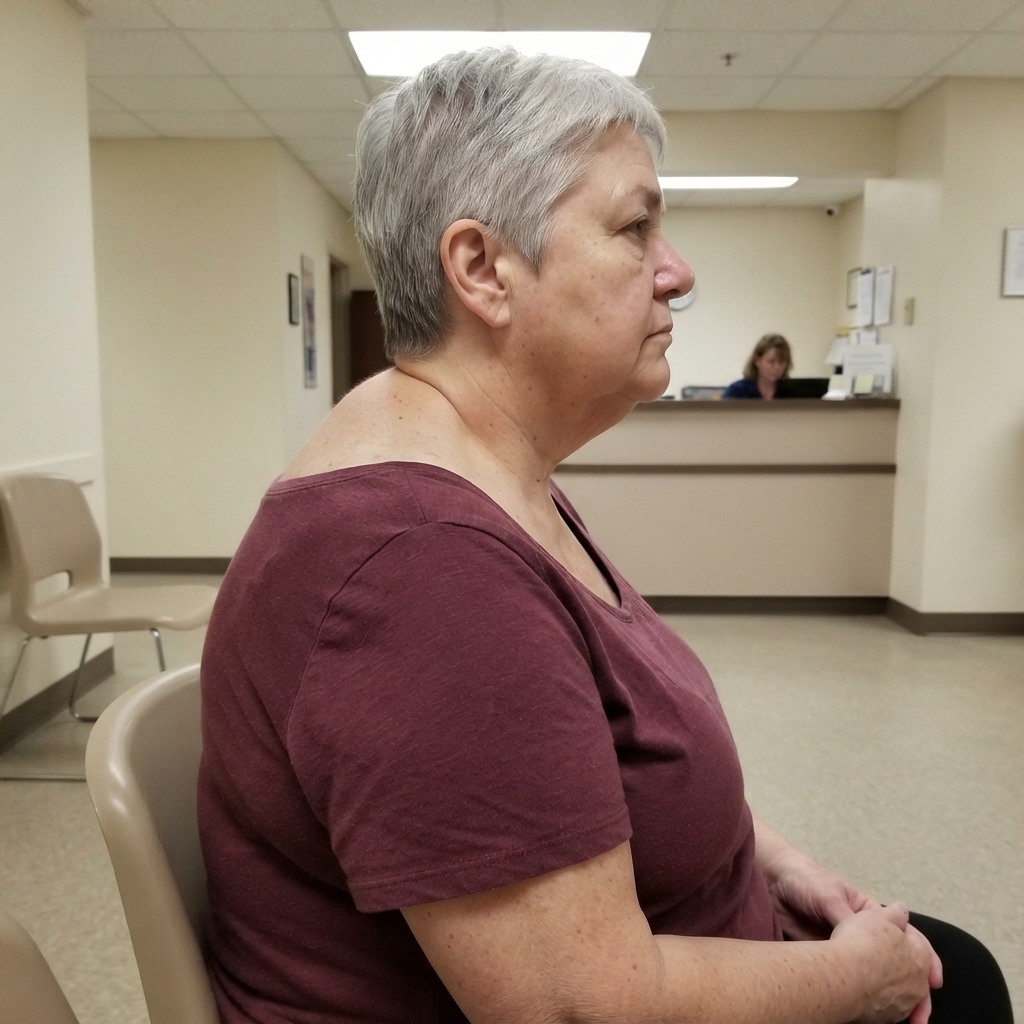
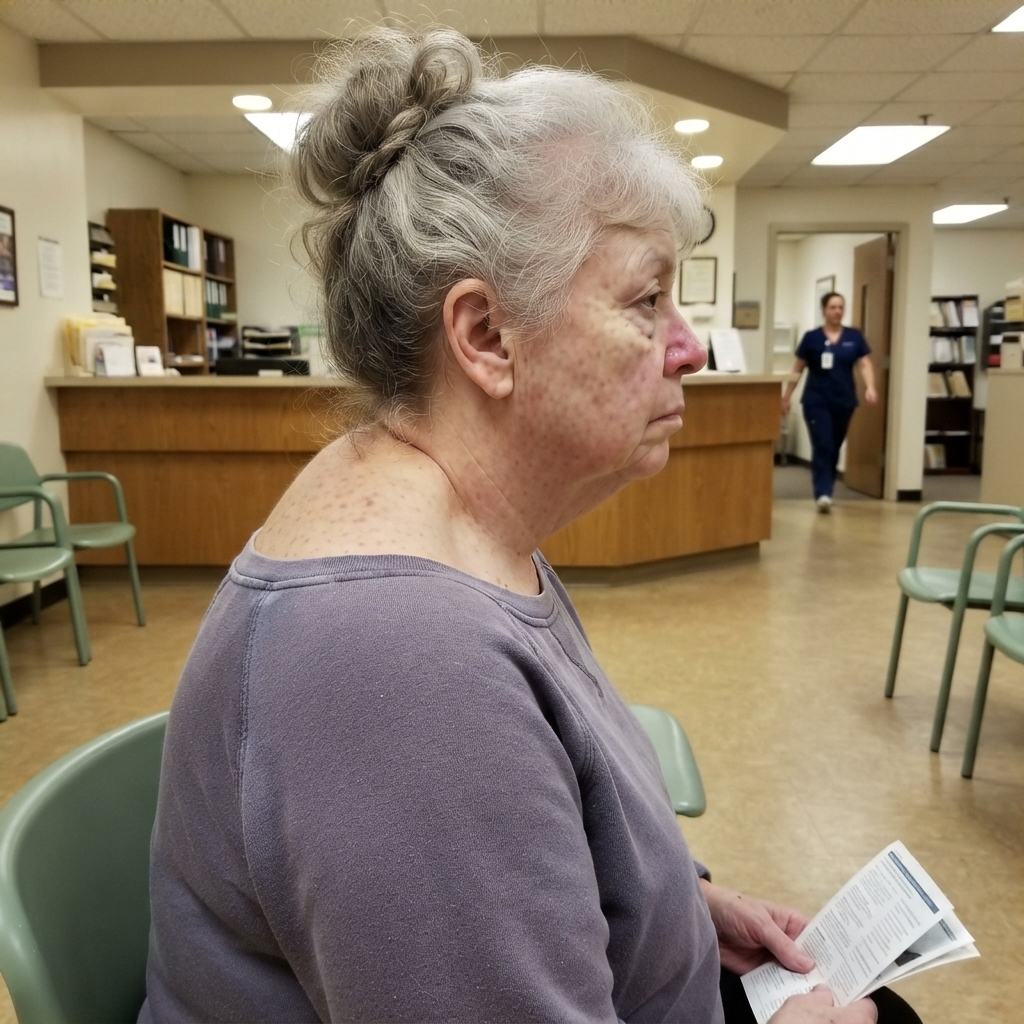
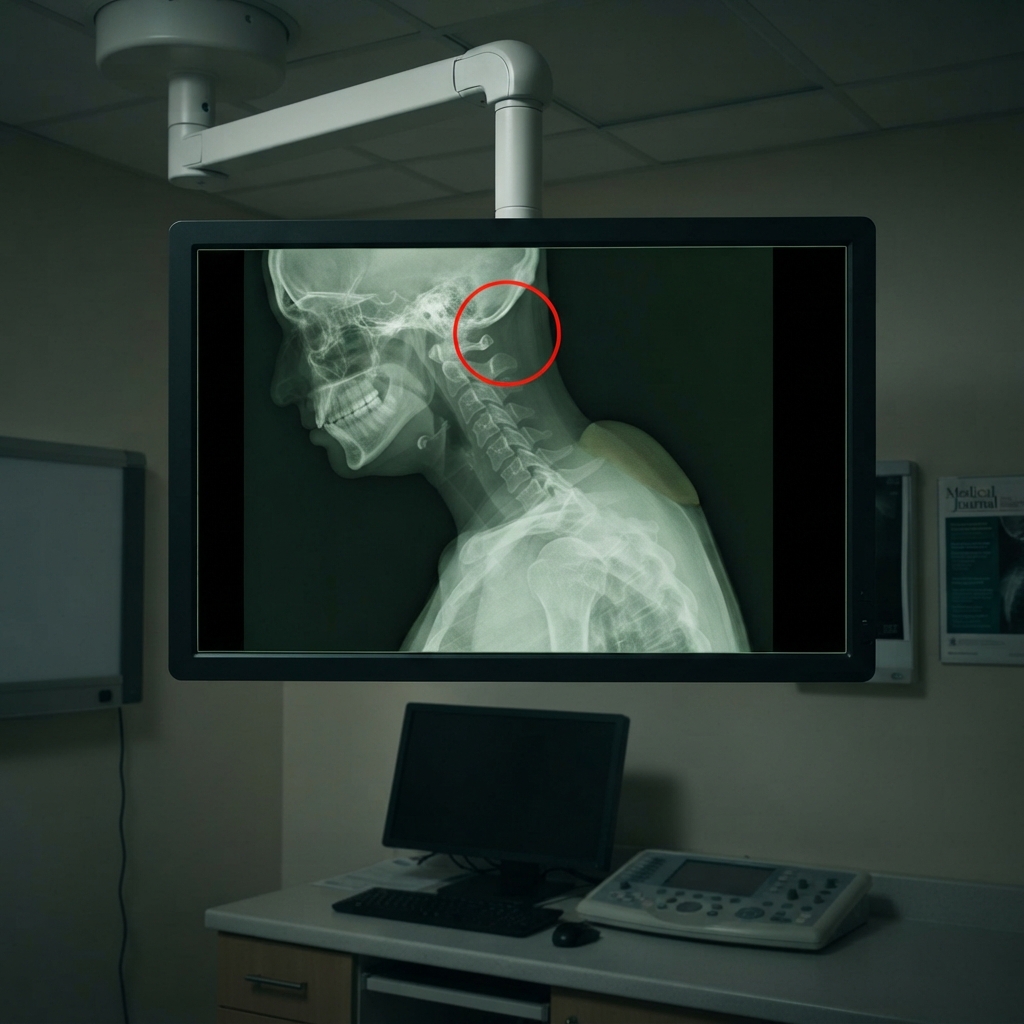
My older sister had a neck hump. She stopped showing up at the center of family photos seven months ago. Not because she died. Because she disappeared from her own life entirely before any of us realized it was happening. She was 63. I have a neck hump too. Same exercises. Same assessments that always "looked stable." Same profile her practitioner was "monitoring." After I understood what had happened to her... I went looking for what was actually causing it. What I found is the reason my own profile is changing. And the reason I'm writing this. ======== Her name was Carol. She worked as a school librarian for 31 years. Two grown sons. A husband she'd been married to since she was 24. Made the best lemon cake in the family. Could find any book you needed in thirty seconds. Walked her neighborhood every evening after dinner. She was the steady one. The one everyone called when something fell apart. She was 63 years old. She should still be in the front row. ======== Carol got told she had a building neck hump in her mid-fifties. Got put on a progressive exercise programme. Her practitioner said it was the standard. Said her profile measurements would be checked every six months. Said the building would slow down. It didn't. The morning stiffness she blamed on sleeping wrong. The fifteen pounds she couldn't shift she blamed on getting older. The daily collar adjustments she blamed on her clothes. The photos she started avoiding she blamed on not liking cameras. Her profile kept creeping at her biannual checkups. Her practitioner called it expected. Said they'd watch it. Watched it for 8 years. Carol used to call me on her way home from those appointments. Frustrated. Saying her measurements were "stable" but she felt like the hump was getting worse every season. I told her the same thing every time. "If your practitioner says it's fine, it's fine." I wish I could take those words back. The last symptom she mentioned to me was the wardrobe. She said she'd emptied the left side of her closet into bags for the charity shop. She thought she just needed a clear-out. She was going to buy things that suited her better. Four months later I visited and the left side was still empty. She'd stopped buying things to replace them. ======== It was a Sunday afternoon. Her husband called me from the house. His voice was steady in the way voices get when someone has been holding something for too long. He said: "I think Carol has disappeared." He didn't mean she'd left. He meant the Carol he'd been married to for thirty-nine years had been retreating so gradually that one Sunday he looked across the kitchen and couldn't find her anymore. She wasn't in photos. She wasn't in the front row at her granddaughter's school play. She'd stopped suggesting the Sunday drives they'd done every week for decades. I drove ninety minutes that afternoon. The neurologist Carol had seen the month before met us in the kitchen afterward. Tired eyes. Soft voice. Said something I'll never forget. "Profile changes. Some extra weight. On exercise programmes for years. We see this all the time in women her age. There's not much that can be done beyond what she's already doing." He said it the way you'd talk about the weather. Like my sister disappearing from her own life at 63 was just... what happens. There was a half-finished crossword on the kitchen table. She'd done one every morning with her coffee. There was a library book on the counter she'd been meaning to return. She'd texted me two days earlier asking about our grandmother's lemon cake recipe. Her granddaughter's birthday was in March. Carol had already bought the wrapping paper. None of those things are fixed yet. ======== Two weeks after that Sunday, I went to my own six-month assessment. The practitioner wrapped the measuring tape around my skull base. Frowned. Measured again. Pulled up my chart. Profile "stable." Measurements 11 millimeters off. Up from 9 the year before. My practitioner sat down across from me. Same tone. Same words I'd been hearing for years. "Your profile is progressing slowly. We should talk about escalating your programme. This happens to a lot of women your age." A lot of women your age. Like my sister. I sat in the car park afterward and couldn't turn the key. I'm 58. Same neck hump as Carol. Same exercises. Same measurements that "look stable." Same profile creeping. Same morning stiffness when I wake up... a symptom I'd been blaming on my pillow. Just like she did. And here's the part that made it worse. I'd done everything they told us. Cut the screen time. Bought the cervical pillow. Worn the corrector. Months of it. The measurements barely moved and the morning stiffness kept coming back anyway. Our own mother had it — I only put that together after Carol's Sunday. Three of us. Same road. I knew, sitting in that car, that I was looking at the same trajectory. That if I did nothing, I was going to disappear from my own life the exact same way Carol was disappearing from hers. I drove home. Didn't book the escalated programme. I was going to find out what was actually happening at the base of my skull. ======== That night I couldn't sleep. I went downstairs at 2 AM and opened my laptop. I wasn't searching for exercises. I wasn't searching for correctors. I was searching for what makes neck humps keep building in women who do everything right. What I found stopped me cold. A study out of Maastricht. Nearly eight thousand patients. Women with progressive cervical tissue building who continue standard exercise protocols see measurable continued building in 79% of cases at the three-year mark regardless of compliance. 79%. Not sometimes. Not in severe cases. Nearly eight in ten women doing everything they were told. Nobody had ever told Carol. Nobody had ever told me. I kept digging. Found a thread with over 3,000 comments. The title... "Why don't Amish women get neck humps?" I almost scrolled past. Something made me click. Lancaster County, Pennsylvania. Progressive cervical tissue building rates 68% lower than the rest of the state. Women in their seventies and eighties with cervical profiles that matched women twenty years younger. Person after person in the comments. Stories. Studies. Photos of Amish women in their seventies. Upright. Easy. Working without calculation. Someone posted a Google Maps link. An Amish farm. I looked at the clock. 2:47 AM. By 6 AM I was in my car. By noon I was in Pennsylvania. ======== I didn't have an address. Just drove until I saw farmland. Turned down a dirt road when I spotted a hand-painted sign. "Vegetables and Preserves." First farm I came to, there was an old woman on the porch. Had to be pushing 80. Small. Thin. Grey hair pulled back under a white cap. She was shelling peas into a bowl so fast her fingers blurred. No stiffness in her hands. No forward rounding at the base of her skull. Just easy, steady work. I parked and walked up to the porch. By the time I reached the steps I was already checking my own collar. "Excuse me," I said. "I don't want to bother you. But how old are you?" She looked up with sharp, clear eyes. "Seventy-eight." I stood there. 58 years old. Collar already adjusted twice that morning. And this woman twenty years older had a cervical profile I hadn't seen in my own mirror in a decade. "I'm 58," I said. "I have a building neck hump. My older sister has it too. She's been on exercise programmes for eight years and it keeps building. Her practitioner says it's just age. My practitioner wants me to escalate my programme. I've done everything on the list and nothing is holding. I'm scared I'm next." She set down the bowl. Looked at me for a long moment. "You came here for a reason," she said. "Come inside. I'll show you something." Her kitchen smelled like coffee and rising bread. She poured me a cup without asking. Pulled out a chair. "Your exercises," she said. "They're not the problem. Don't stop doing them. Your practitioner is right about that part." I blinked. Not what I expected her to say. "But your exercises are only half the job. And nobody has told you about the other half." "I know about posture," I said. "I know the exercises strengthen the muscles. I've worn the corrector and watched the screen time too. That's not new to me." She smiled. "Then you know more than most. But you don't know the last step. Because nobody teaches it. And without the last step, the first steps don't matter." She folded her hands on the table. "There are two kinds of work your neck does every day. Work that builds up during the day. And work that should release overnight." She held up two fingers, separated. "They are NOT the same thing. Your assessment only measures how much has built. Your release signal is a different country. The signal that should be clearing it overnight is already failing. And that is where the whole thing has been going wrong." I stared at her. "Every morning you wake up with stiffness. That stiffness is the tissue from yesterday that never released. It doesn't dissolve when your blood measurements come back normal. It sits there. For weeks. For months. For years. Telling your body to keep the tissue where it landed. Even if your assessment looks clean on a chart." She leaned forward. "And here's the part no one has told you. That tissue does not clear on its own. It has to receive a signal to release. And the address where that signal originates is right here." She touched the back of her own skull base. "At the junction where your skull meets the top of your spine." She sat back. "Your junction does two jobs for you. First, it supports the muscles around it. You may know this part. But the SECOND job is the one nobody talks about. The junction also sends the overnight release signal to the deep muscles at that address. Made at C1-C2. Released during the night. They instruct the tissue to decompress and clear. When the junction sends the signal... the tissue clears." She picked up two peas from her bowl. One in each hand. "No release signal... no clearing. You can do your exercises all day. You can wear your corrector. You can cut every behaviour on the list. If the junction signal is quiet, the release cells aren't being activated. The tissue never clears. It just sits there in the cervical zone, looking stable on a measurement chart, keeping the building going." My chest tightened. "That's why your measurement can be 'stable' and you can still build. That's why women who do their exercises for months still build. That's why wearing a corrector doesn't fix this on its own. You can correct your posture all day. But if the junction isn't sending the release signal... the tissue never leaves the place it's doing the building." She looked me straight in the eye. "Your assessment measures tissue in your profile. Your building comes from the release that isn't happening overnight. These are two different things. And one of them is the one that matters... and nobody is measuring it." She reached across the table. "Now here's what progressive building does. Years of missing release signal accumulate as set tissue in the cervical zone. Like smoke filling a room. The junction gets quieter. It still sends some signal. Less every year. So every year more tissue settles in your cervical zone and stays, while your measurements still read stable. Your labs still look fine. Your body builds more." She tapped the table once. "And here's the piece that will make you angry. That set tissue changes your profile. That profile change runs through how you carry yourself, how you appear in every photo, how you choose your clothing, how you choose your seat in every room. And the choices your body makes to accommodate that profile touch almost everything. The same signal collapse that sets the tissue reorganizes how you inhabit your own life. Slowly. Invisibly. Until one Sunday your husband looks across the kitchen and realises the woman he married has retreated to the edges of her own story." My eyes started to burn. "That is what happened to your sister. Not her exercises. Not her corrector. A release signal that was never restored. A profile that built for years while her practitioner told her it was stable." I couldn't speak. "But I want to be clear," she said. "Your exercises are not the enemy. Your programme is doing exactly what it's supposed to do. It strengthens the muscles around the junction. That's the scaffolding. The problem is the release signal the junction stopped sending... and the tissue that's been setting every night because nothing told it to clear. Restore the junction signal. The release restarts. The tissue stops setting. The building that your exercises never touched finally slows." I asked her how. She smiled. A small smile. "The junction knows how to wake up. You just have to give it the right input. For generations the women on this land have used one thing for it. Every household I grew up in had the practice before bed." She stood. Walked to a shelf along the wall. Pulled down a small curved tool. Almost black from years of use. "Exact placement," she said. I'd seen things like it in physiotherapy catalogues. She must have read my face. "That's not what you think it is," she said. "What's in the catalogues is approximate." She held up the tool. "Real junction input has to land at the exact address. The catalogues make general cervical supports because they're cheaper to produce. General placement misses the junction by centimeters. The signal never fires. Then they fill the description with words about cervical support over a product that does nothing for the junction. The women who buy those get nothing. Their junction stays quiet. Their tissue keeps setting. Their profile keeps building." She set the tool down. "And the placement has to be held correctly. Your own head weight delivering the input. At the exact C1-C2 address. For long enough that the inhibited muscles begin to respond. Not five minutes. Not a quick stretch. Ten minutes of sustained gravity-assisted input at the exact junction address. A protocol you can read that proves the mechanism." She looked at me. "Restore the junction signal. Give it the gravity-assisted input at the right address for the right duration. The tissue you've been carrying for years finally gets the instruction to clear. The release finally happens. The building finally starts to slow." I asked if anyone made it the way she was describing. She nodded. "My daughter works with one company. Only one. Took them years to get the placement right. Exact C1-C2 positioning. The gravity-assisted delivery. The minimum hold duration validated in the research. The mechanism explained clearly for every product." She wrote the name on a piece of paper and handed it to me. Cevera. ======== I ordered it from her kitchen table. Tool arrived four days later. I placed it that evening. Kept doing my exercises at 7 AM the next morning, exactly the way I always had. Sat on my back porch after dinner. Waited. ======== Week one. The first thing I noticed was the morning stiffness. I woke up one morning and waited for the locked feeling at the base of my skull the way it always came. It didn't. The same tightening that had been making me reach for the corrector before I was even dressed for months. I woke up. Lay there. Stood up. Just to make sure. That's when I started crying. Because that was the symptom Carol mentioned to me six months before her husband called. And it was already different. Week two. The morning collar adjustment disappeared. I made it to noon without checking my reflection in the kitchen window. First time in over a year. Week three. Scale moved. Three pounds. I hadn't shifted three pounds in eighteen months no matter what I adjusted. Week five. Wore the open-collar blouse to my niece's birthday dinner. Carol's niece actually. I'd been choosing the blouse the day before and putting it back for two years. I made it through the whole evening without once thinking about the angle. I stood in the car park afterward thinking about Carol. About every dinner she didn't get to be present for. Every photo she wasn't in. Month two. Profile reassessment. 8 millimeters off. Down from 11. My practitioner looked at the numbers. Then at me. "What did you do?" I told her. Cevera. Exact placement at C1-C2. The junction signal. The gravity-assisted input. The minimum hold duration. She wrote it down. Said keep doing whatever I was doing. Month four. Profile 6 millimeters off. Morning stiffness gone. My sister-in-law pulled me aside at a family lunch and asked if I was okay. Said I looked like myself again for the first time in years. I cried in the bathroom for ten minutes. Month seven. Full reassessment. Profile 5 millimeters off and still improving. Morning stiffness: absent. Practitioner cancelled the escalation discussion. No new programme. No medication changes. Just my exercises every morning. And ten minutes of Cevera every night before bed. ======== I'm still here. My profile is improving. The morning stiffness is gone. My practitioner told me last month that my measurements are moving in the right direction for the first time in eight years. I should be celebrating. But Carol is still disappearing. Christmas this year had a different energy. Her husband sat at the table doing the crossword alone because Carol had gone to bed early. Her granddaughter's birthday is in March. Carol bought the wrapping paper but she's not sure she'll feel like going. I get my profile back. Carol doesn't get hers yet. But she's started using the tool. It's only been six weeks. There is no version of this story where I get to fully celebrate. Every measurement win I've had in the last seven months is a win Carol could have had eight years ago. And the worst part... the part that keeps me up at 3 AM... she could have had this years ago. If anyone had told her about the junction signal. If anyone had told her that her measurements were only half the picture. If anyone had told her that the release signal had been quiet for years while her practitioner said she was stable. She would still be in the front row. ======== So I'm writing this. Not because I want to sell you anything. Because if you're reading this... you're sitting where Carol sat. A building neck hump. Exercises you've been doing. Measurements that "look stable." Profile your practitioner said to "watch." The morning stiffness you've been blaming on your pillow. Every behaviour on the list already changed, and still building. You have every single one of her qualifiers. And nobody is checking the one thing that actually matters. Your junction signal is quiet. Your tissue isn't being cleared overnight. The profile is building. Every year that goes by it gets harder to reverse. Please. Don't be my sister. Your husband doesn't want to look across the kitchen one Sunday and not find you. Your kids don't want to watch you retreat to the edges. Your grandkids deserve to have you in the front row. ======== This is what I found. Exact anatomical placement at C1-C2. The junction signal restored, not approximated. Clinical hold duration. Gravity-assisted delivery via your own head weight. Mechanism verified for every product. The only tool I've found that reaches the junction AND restores the release signal that exercises never touched. 90-day money-back guarantee. Keep the tool even if you return it. Over 12,400 verified reviews from women who've used it. ======== Real reviews from women like me: "My profile went from 14mm off to 7mm off in four months. My practitioner cancelled the escalation programme she'd been planning." "Down 3 dress sizes in 5 months. Morning stiffness gone in week two." "I did every exercise on the list for a year and still built. Started this and the building stabilized by week three. Morning stiffness gone as a bonus." "My manual therapist saw the mechanism diagram and said this is exactly what she recommends patients look for when exercises stop holding." "My mother's profile set permanently by 65. I have a building hump. I refused to follow her path. Six months in. Profile improving. I'm going to be in the front row for my grandkids." ======== I tried ordering another bottle last month. Back-ordered for two weeks. Over 31,000 tools sold in the last 90 days. If it's in stock when you click, don't wait. ======== 👉 Cevera: https://trycevera.com/pages/adv-womens-wellness-report P.S. Last week I was at Carol's house helping her sort through some things. On her nightstand, behind a stack of books, I found an unopened cervical pillow still in the packaging and a half-empty foam roller she'd given up on. She'd been trying. Looking for something. Same as the rest of us. She just never made it to the right one in time. I sat on the edge of her bed and held that pillow for a long time. If she'd known about the junction signal. If anyone had told her her measurements were only half the story. If she'd had this eight years ago. She'd be in every photo this year. Your family wants you in the photo.
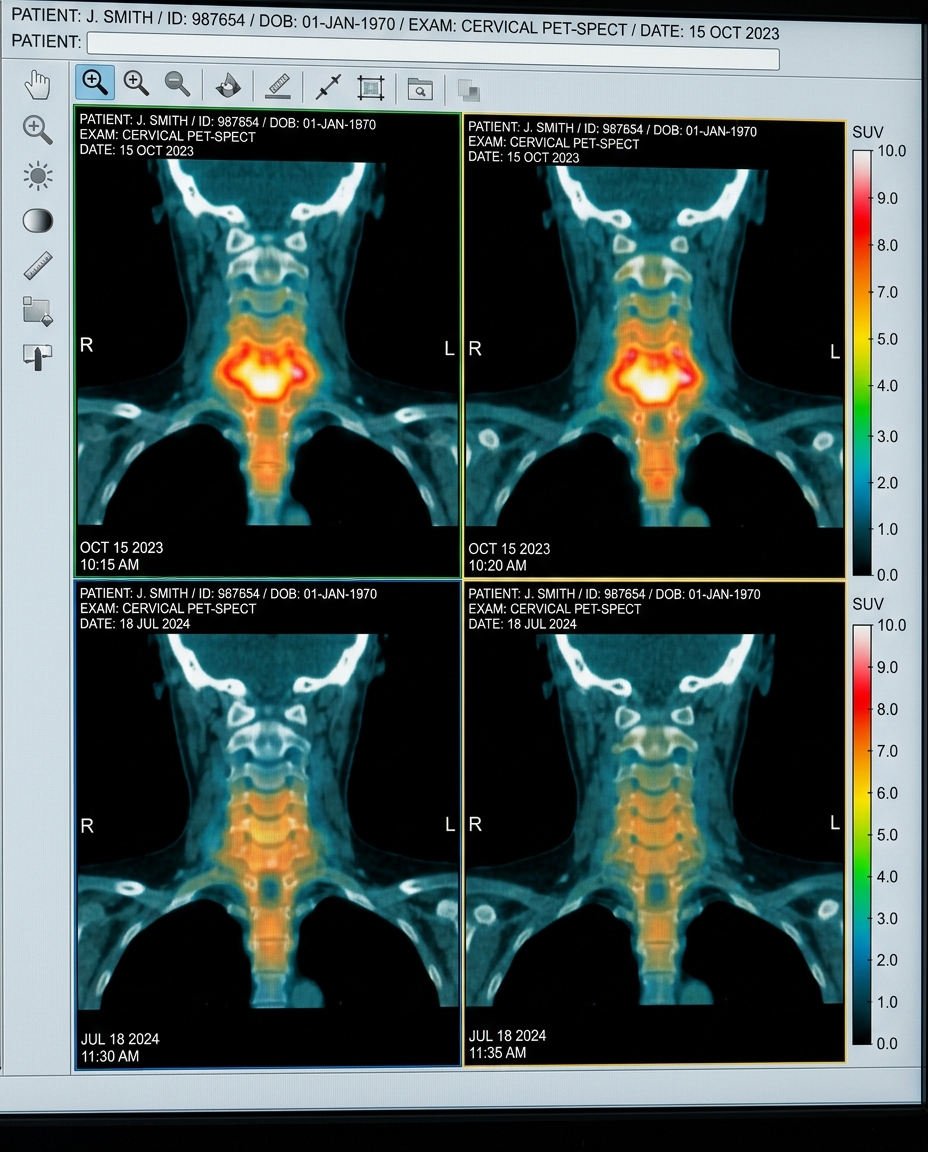
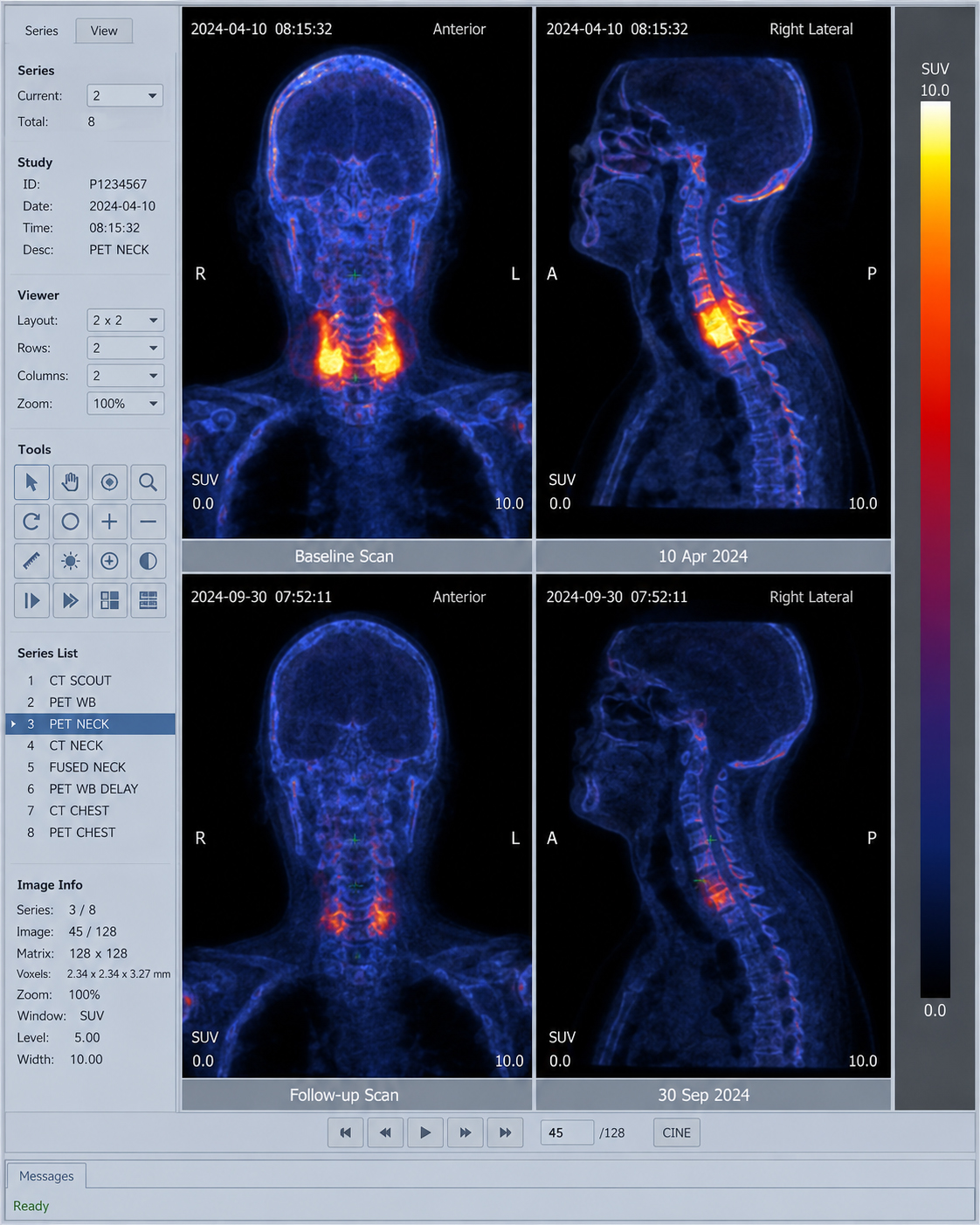
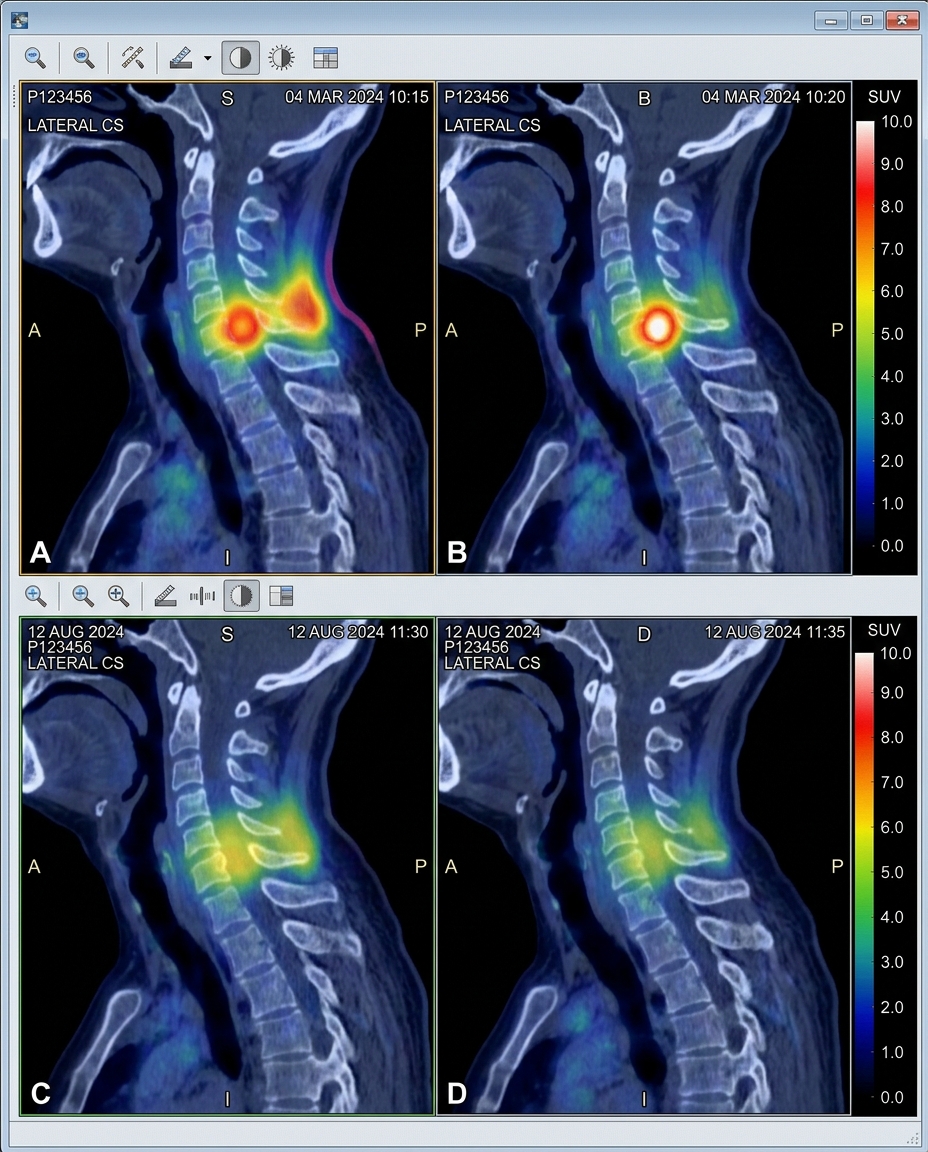
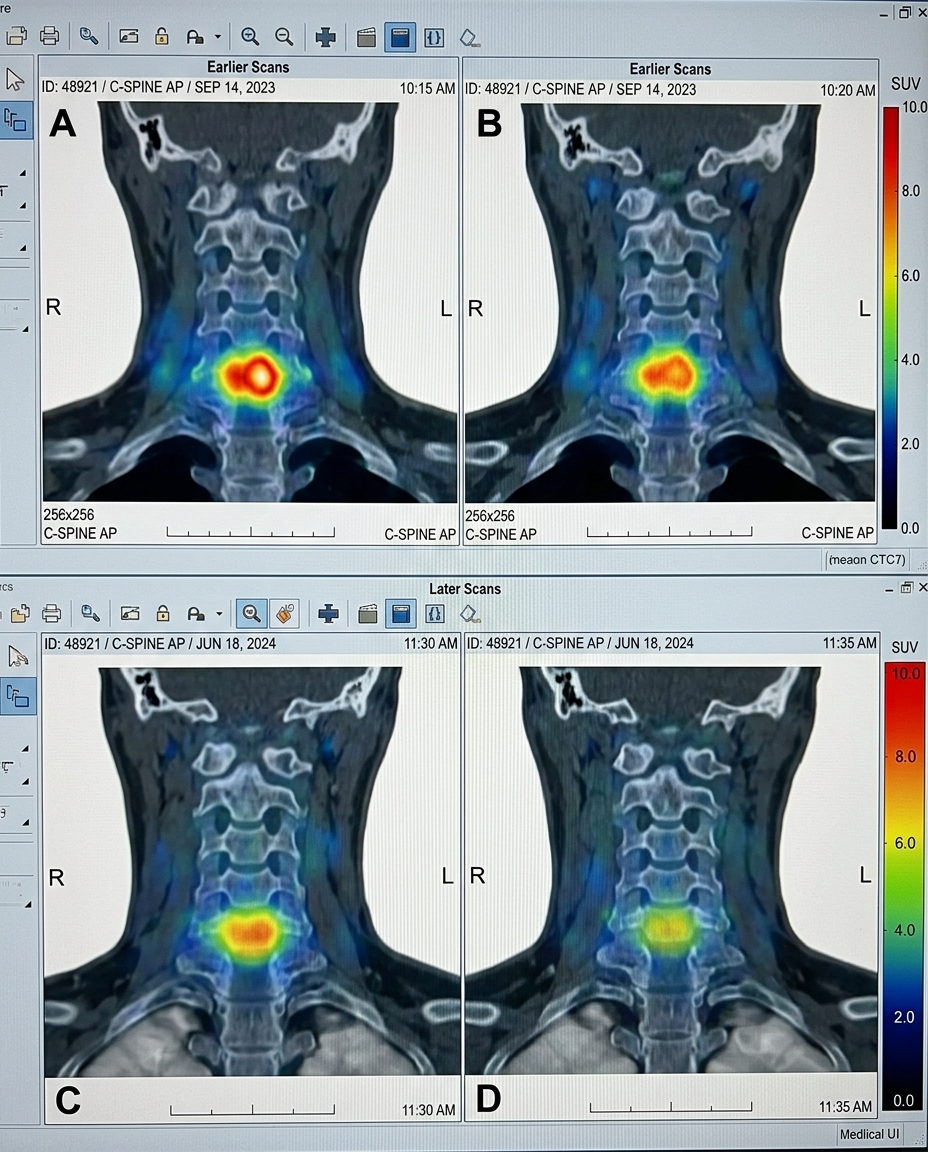
Everyone with a building neck hump needs to see this 👆
High-potency skull-spine junction placement tool. Designed to deliver gravity-assisted input at C1-C2 to restore the natural overnight release signal for maximum profile improvement and morning stiffness relief.
LEARN MORELike this ad? Make it yours.
Crush rebuilds this exact creative around your product — your brand, your colors, your offer — in about a minute.