
Inactive· since Jun 2, 2026
- 11
- days it ran
- 0
- relaunches
Ad copy
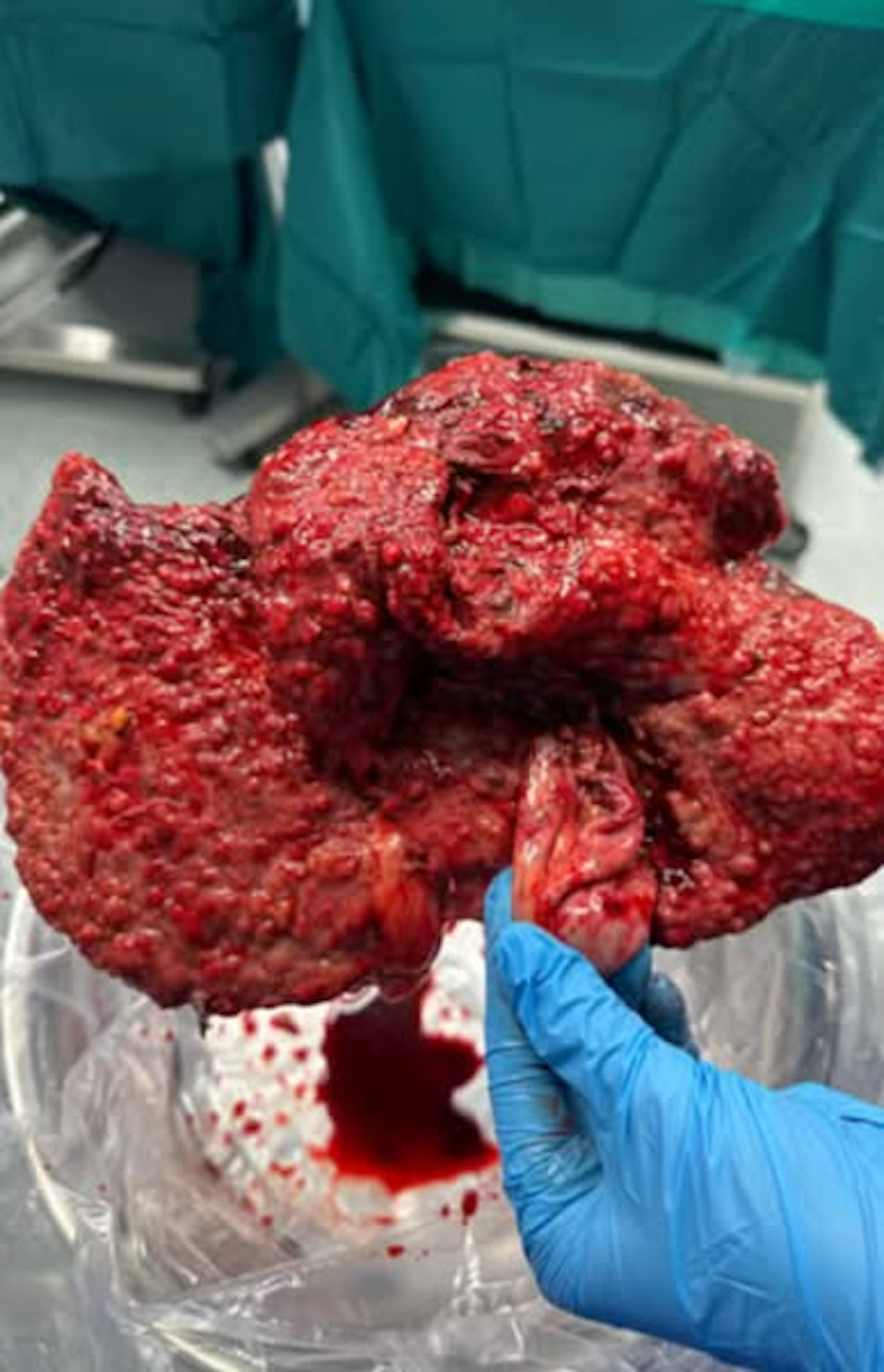
When a man dies of cirrhosis at 62, the coroner writes "liver failure" on the death certificate. He doesn't write "thirty years of moderate drinking that became fatty liver that became fibrosis that became cirrhosis while his GP kept telling him to cut back and come back in six months." He doesn't write "twelve repeat lab tests and two Fibroscans and a biopsy that confirmed exactly what the surveillance was watching arrive." He doesn't write "everything his doctors did for fifteen years was monitoring, never treating." There is a reason for that, and it has nothing to do with paperwork. It has to do with where fatty liver does its real damage. And once you understand where, you understand why "cut back on drinking" and "take milk thistle" have never once reversed established fatty liver disease in any meaningful study — and why a Nobel Prize awarded in October 2021 may matter more to you, personally, than any hepatology advice you have ever received. I want to tell you what fatty liver actually is. Not the textbook definition. The real one. Fatty liver is a disease of blood vessels and metabolic poisoning disguised as a disease of alcohol. The elevated ALT is the symptom you can measure. It's the number that came back high on the routine lab. It's what got you the "cut back" lecture from your GP. It's what got you referred to a hepatologist who ordered a Fibroscan. It's what every diagnostic test in the standard surveillance protocol is built to track. But the actual damage — the damage that takes livers, takes lives, and writes the wrong cause of death on the certificate — is happening underneath the ALT number. In the lining of the smallest vessels in your liver. In a sheet of cells called the sinusoidal endothelium that wraps the inside of every hepatic capillary. In immune cells called Kupffer cells embedded in those sinusoids. In stellate cells that quietly transform into the cellular machinery of fibrosis when the inflammation goes unaddressed. The liver has the densest microvascular network of any solid organ in your body. Every drop of blood that returns from your intestines flows through the portal vein and then through hepatic sinusoids before reaching the rest of your circulation. The sinusoidal endothelium is the lining of those vessels — and it is what allows toxin clearance, metabolic processing, and the constant filtering job your liver performs every minute of your life. When the sinusoidal endothelium is healthy, nitric oxide flows. The hepatocytes — the working cells of your liver — get the perfusion they need. Toxin clearance happens efficiently. Metabolic load gets processed without inflammation. But here's what 15, 20, 30 years of moderate drinking plus a Western diet high in fructose does to that endothelium. It poisons it. Fructose metabolism in the liver drives a process called de novo lipogenesis — your liver literally manufactures fat out of fructose. Alcohol metabolism produces acetaldehyde, a known endothelial toxin. The combination drives chronic low-grade inflammation in the sinusoids. Kupffer cells become chronically activated. They release inflammatory cytokines. Stellate cells, normally dormant, transform into myofibroblasts and start producing collagen — the cellular basis of fibrosis. It's all the same disease. Fatty liver. Fibrosis. Cirrhosis. Portal hypertension. Esophageal varices. Hepatocellular carcinoma. They are not six separate complications. They are six stages of one problem — damaged hepatic vasculature and chronic metabolic inflammation. The American Liver Foundation admits this on their own patient pages. Hepatology textbooks admit it. The phrase "sinusoidal endothelial dysfunction" appears in the foundational literature. Your hepatologist knows this. Your hepatologist has known this since fellowship. Now here is the part that should make you angry. There is not a single intervention in the standard fatty liver protocol that targets the sinusoidal endothelium itself. "Cut back on drinking" reduces one input — alcohol load. It does nothing to repair the endothelium, deactivate the Kupffer cells, or stop the stellate cell fibrosis cascade. "Lose weight" reduces metabolic load. Same problem. "Take milk thistle" provides a mild hepatoprotective compound that has shown inconsistent results in randomized trials. None of these address the underlying mechanism. The standard protocol is not even a treatment. It is a monitoring schedule. You get the elevated ALT at year 1. You get the cut-back lecture. You come back at year 2. ALT is roughly the same. You get the Fibroscan. Mild fibrosis. You come back at year 3. Slightly worse. You come back at year 4. Still slightly worse. The Fibroscan now shows F2. You come back at year 5. F3. The hepatologist orders a biopsy. The biopsy confirms bridging fibrosis. You come back every six months from this point for HCC surveillance ultrasound. Year 8, your MELD score crosses 10. Year 10, decompensated cirrhosis. Year 12, transplant evaluation. Year 13, the wait list. Year 14, the call — or no call. The whole time, nobody is treating anything. They are watching the disease progress and naming what stage you are at. I have been calling it the hepatology surveillance treadmill — and you have been on it for years. You started with a single elevated ALT. The GP said cut back. You did, somewhat. The next lab showed ALT still elevated. The hepatologist ordered a Fibroscan. F1. You were sent home. The next Fibroscan showed F2. You were told to keep cutting back. The biopsy came when F2 became F3. The cirrhosis diagnosis came when F3 became F4. The HCC surveillance started. The transplant evaluation came when the MELD score crossed a threshold. Every step of this process is documentation, not treatment. Every appointment is naming where the disease has progressed to since the last appointment. There is no medication being added because there is no medication that addresses the actual mechanism. The hepatology specialty has essentially nothing to offer between "elevated ALT" and "transplant referral" beyond watching. That is not treatment. That is a slow walk to a cause of death the coroner won't write accurately. Your hepatologist is not the one who is going to step you off this surveillance treadmill. I want to say that carefully, because I respect hepatologists. Most of them are good people working inside a specialty that genuinely has very little to offer at the relevant disease stage. But I have to be honest about how the machine works. In 2009, a UCSF pediatric endocrinologist named Dr. Robert Lustig gave a lecture called "Sugar: The Bitter Truth." It has now been viewed over 20 million times on YouTube. His argument was simple: fructose is not metabolized like glucose. Fructose is metabolized exclusively in the liver, where it drives de novo lipogenesis — your liver literally manufactures fat out of the fructose you eat and drink. Lustig published "Metabolical" in 2021 laying out the case that the modern epidemic of fatty liver disease is overwhelmingly driven by fructose intake, with alcohol as a co-driver. The fructose framing has slowly become mainstream — the American Liver Foundation now acknowledges fructose as a major NAFLD driver. Dr. Lustig is still practicing. He is, however, a single endocrinologist with a single platform. There are roughly 7,000 hepatologists practicing in the United States. Most of them are still telling fatty liver patients to "cut back on drinking, lose weight, take milk thistle, and come back in six months." I'm telling you this because there aren't enough Lustigs to go around. You are not going to walk into your local hepatology clinic and have someone hand you a published anti-fructose protocol. You are going to get the hepatologist who has 15 minutes for you and a follow-up Fibroscan ordered for six months out. So you are going to have to take the lead. Not by firing your hepatologist. Not by ignoring the monitoring. Not by doing anything reckless. By learning what the system was never set up to teach you — how to support the actual mechanism that the surveillance protocol is documenting but never addressing. The sinusoidal endothelium. In October of 2021, a researcher named Dr. David Julius at the University of California, San Francisco was awarded the Nobel Prize in Physiology or Medicine. His discovery was a tiny molecular doorway on the surface of human cells called TRPV1 — the transient receptor potential vanilloid 1 receptor. TRPV1 responds to capsaicin — the active compound in cayenne pepper. But that wasn't why it won a Nobel Prize. It won a Nobel Prize because of what TRPV1 does inside the lining of your blood vessels — including the sinusoidal endothelium that wraps every hepatic capillary in your liver. A team led by Dr. Dachun Yang published a landmark paper in Cell Metabolism in 2010 titled "Activation of TRPV1 by Dietary Capsaicin Improves Endothelium-Dependent Vasorelaxation and Prevents Hypertension." In plain English: chronic, low-dose dietary capsaicin activates TRPV1, which triggers a cascade ending in increased nitric oxide production by endothelial cells throughout your body. It was the same molecule — nitric oxide — that had already won the 1998 Nobel Prize in Medicine. The molecule that, when produced by your hepatic sinusoidal endothelium, allows efficient perfusion of your liver tissue and reduces the chronic inflammation driving fibrosis. A 2017 paper in the journal Hepatology demonstrated that capsaicin reduced Kupffer cell activation and hepatic fibrosis in models of NAFLD. A 2020 review in the World Journal of Gastroenterology summarized over a decade of mechanistic research linking TRPV1 activation to reduced hepatic stellate cell activation — the cells that drive the fibrosis your Fibroscan keeps measuring. I want to be careful and honest with you here. This research is not a cure for fatty liver disease. It is not a replacement for the medical surveillance your hepatologist is providing. The strongest evidence is in animal studies and mechanism studies. The human clinical-trial evidence on capsaicin specifically for hepatic endpoints is still maturing. Anybody who tells you a softgel "cures" or "reverses" cirrhosis is lying to you, and you should close their page immediately. But what this research does support is something far more important than another miracle claim. That there is a real, scientifically validated, Nobel-recognized molecular pathway for supporting the hepatic vasculature that fatty liver disease spends decades attacking — a pathway your hepatologist was never trained on, and a pathway that involves food, not patents. This is where Aurivita Capsaicin Power comes in. I'm not going to insult your intelligence with a "liver cleanse" pitch. You've seen too many of those. Liv Pure. LivPure. Liver Health Formula. Hepato-Burn. The 7-day-flush products. The "Tibetan ritual" angle. The "milk thistle plus turmeric" knockoffs. You've been burned. So have your friends. I'm going to do the opposite. I'm going to tell you exactly what's in the bag, exactly how much, and exactly why. Aurivita Capsaicin Power is built around 3 milligrams of standardized capsaicin per serving — extracted from cayenne pepper and delivered in a softgel format specifically designed not to burn your stomach. Three milligrams is a thoughtful, low daily dose — enough to engage the TRPV1 pathway without the GI upset. But capsaicin alone is only one piece of the picture. The hepatic sinusoidal endothelium and the surrounding hepatic tissue have multiple input pathways. So we built a stack of nine companion ingredients. Hawthorn — this is the lead supporting ingredient for the fatty liver use case. Hawthorn supports vessel wall integrity during the hepatic vascular repair process. European herbal medicine has used hawthorn for cardiovascular and hepatic support for centuries; modern trials have validated its effects on vessel function. Berberine — published research shows favorable effects on hepatic lipid metabolism, NAFLD markers, and de novo lipogenesis. Multiple meta-analyses have shown berberine reduces ALT, AST, and fasting glucose in NAFLD patients. Cinnamon — supports glucose handling and insulin sensitivity, both of which drive de novo lipogenesis when impaired. Turmeric, paired with BioPerine for absorption — the curcumin in turmeric has its own established anti-inflammatory mechanism that complements TRPV1 activation, with specific published effects on hepatic inflammation. Beetroot — dietary nitrate supports endothelial function across the vascular system, including hepatic vasculature. Korean Red Ginseng — multiple trials show modest hepatoprotective effects. Vitamin D3 paired with K2 — D3 deficiency is rampant in NAFLD patients and correlates with worse outcomes. Vitamin E — Vitamin E specifically has been shown in randomized trials (the PIVENS trial, 2010) to improve histological NAFLD features. That is the formula. Nine ingredients. Each one published. Each one disclosed in milligrams on the label — no proprietary blends. Three softgels a day. Six bottles a year. I want to draw a hard line. Aurivita Capsaicin Power is not a cure for fatty liver disease, fibrosis, or cirrhosis. Anyone who tells you otherwise is selling you a fairy tale. It is not a replacement for the surveillance protocol your hepatologist is providing. Do not skip Fibroscans, biopsies, or HCC surveillance imaging. Bring your labs to your hepatologist. When you start to see ALT move — and many men do — bring that data into the conversation about adjusting your surveillance schedule. It is not a license to drink more, eat more fructose, or skip the lifestyle interventions. Aurivita supports the underlying vasculature; lifestyle determines the load on it. It is not instant. Your liver has been under attack for somewhere between 10 and 30 years. The fastest-acting ingredients engage the relevant pathways within days. The deeper work of supporting hepatic vascular repair happens over weeks and months. That is why our money-back guarantee is 120 days. That is the line. Now let me tell you what the men who are using Aurivita have started to notice. Results are not typical, individual results may vary, statements not evaluated by the FDA, not intended to diagnose, treat, cure, or prevent any disease. The first thing most men notice is energy. The fatigue that comes with hepatic insufficiency — the morning grogginess, the post-lunch wall, the 8pm exhaustion — begins to lift in the first three to four weeks for many men. The second thing most men notice is sleep. The disrupted sleep architecture that comes with elevated inflammation and hepatic processing load — waking up at 3am, restless legs, racing mind — improves for a lot of men. The third thing is mental clarity. Brain fog is a real symptom of hepatic insufficiency, mediated by impaired ammonia clearance and inflammatory cytokines. Many men report that the mid-afternoon "I can't think" sensation lifts. The fourth thing is the bedroom. Liver function affects sex hormone-binding globulin levels and overall energy. Many men report sexual function improvements they hadn't expected. The fifth thing — and this is the one that takes 2 to 4 months — is the bloodwork. The ALT and AST that have been stubbornly elevated for years start dropping. A lot of men come back from their next quarterly lab with ALT 30-50 points lower than their average over the last three years. Some men get follow-up Fibroscans that show stabilization or partial reversal of fibrosis stage. Their hepatologist looks at the chart and asks them what they've changed. They tell their hepatologist. Some hepatologists are intrigued. Some are skeptical. Almost all of them say, keep doing whatever you're doing. The deepest piece of feedback we ever got was from a man in Kentucky who wrote to us five months in to say: "My dad died of cirrhosis at 61. I'm 57. I had F2 fibrosis last year and was being told to prepare for a transplant evaluation. My Fibroscan this month showed F1. My hepatologist said this almost never happens. I think I'm going to outlive my father." That letter is on the wall. I know you're skeptical. The liver-supplement industry has earned every ounce of your distrust. So let me be plain. The mechanism is real. TRPV1 won a Nobel Prize in 2021. Nitric oxide won a Nobel Prize in 1998. Lustig's fructose-NAFLD framework is now mainstream. We did not make any of this up. The label is transparent. Every milligram of every ingredient is listed. No proprietary blends. The guarantee is 120 days. Take Aurivita for four months. Get repeat ALT, AST, GGT labs. Get a follow-up Fibroscan if it's been more than a year. Bring it to your hepatologist. If the numbers haven't moved meaningfully, return whatever's left — full or empty — and we refund every dollar. I want you to picture two different futures. In one future, you keep doing what you're doing. The annual labs come back marginally worse. The next Fibroscan shows F2 instead of F1. The one after that shows F3. You cut back more, but not enough. The biopsy comes. The cirrhosis diagnosis comes. The 6-month HCC surveillance starts. The transplant evaluation comes. The wait list. And eventually — six years, ten years, twelve years from now — you go into hospice care or you receive a transplant call you may or may not survive, and a coroner sits at a desk and writes "liver failure" or "hepatocellular carcinoma" on a piece of paper, and the actual disease — twenty-five years of hepatic microvascular dysfunction nobody was treating — will not appear on it. In the other future, you start a program today that targets the actual mechanism your surveillance protocol has been watching for years. You give it 120 days. You watch your ALT drop. You watch your energy return. You watch your next Fibroscan come back better than the last one — something almost no one in your support group has experienced. You ask your hepatologist what changed. You tell them. You break the family pattern. You outlive your father. The liver is one of the few organs that can fully regenerate if the damage is addressed in time. That is the medical reality. The standard surveillance protocol watches the damage progress without acting on that regenerative capacity. The TRPV1 pathway acts on it. That is not a guarantee. I am not allowed to make that guarantee. But it is what is possible. And it is what is not possible if you stay on the surveillance treadmill. If you've read this far, you already know. You knew before you started reading. You knew when last year's ALT came back higher than the year before. You knew when the Fibroscan progressed from F1 to F2. You knew when you watched your father's last years. You don't need another piece of evidence. You need permission and a path. This is both. Tap below to claim your bottles of Aurivita Capsaicin Power, backed by our 120-day money-back guarantee. Three softgels a day. One pathway your hepatologist was never trained on. One Nobel Prize you almost never heard about. One chance — at 52, 58, 64 — to be the man whose liver regenerated instead of the man whose surveillance protocol documented exactly when his liver gave out. I'll see you on the other side of 120 days. https://aurivita.co/products/cayenne-pepper-softgels
Fibrosis → Cirrhosis → Hepatocellular Carcinoma. Your Hepatologist Is Documenting the Process.
Support strong circulation today with our powerful cayenne pepper formula. 180 softgels and 60 servings per bag.
LEARN MORELike this ad? Make it yours.
Crush rebuilds this exact creative around your product — your brand, your colors, your offer — in about a minute.