
Inactive· since Jul 10, 2026
- 37
- days it ran
- 0
- relaunches
Ad copy
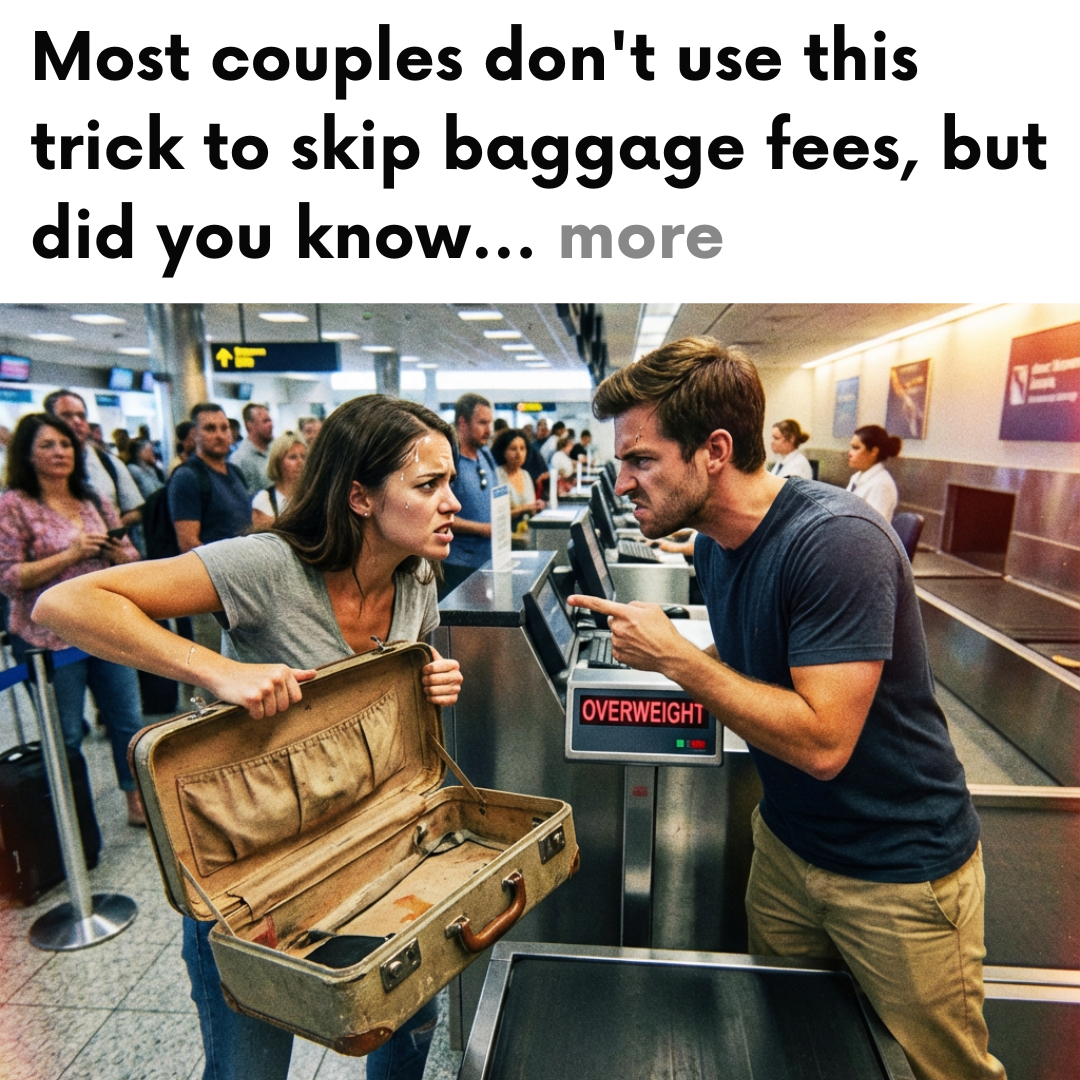
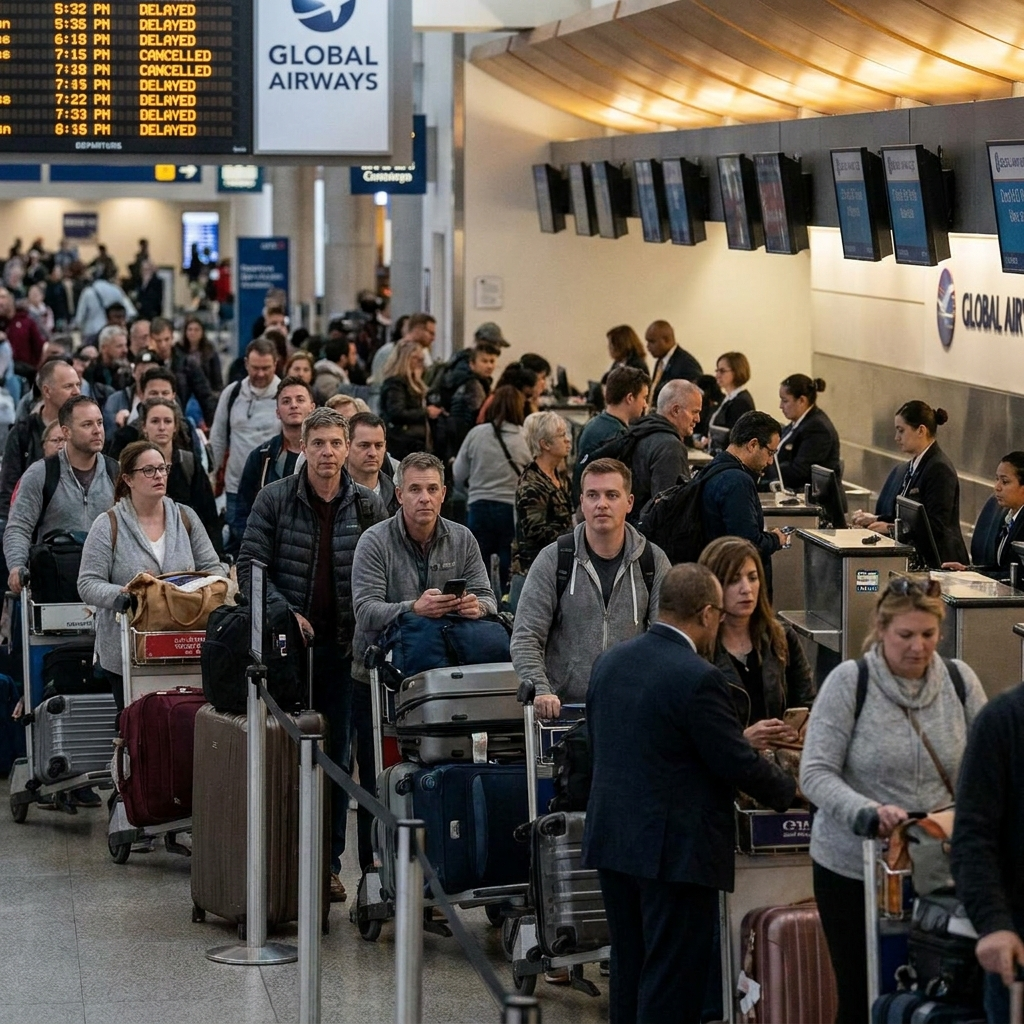
Airlines in the US alone made $7.27bn from check-in luggage fees last year. With Air Canada and Southwest the latest airlines to charge passengers for check-in luggage, the ballooning cost of such ancillary or "junk fees" is provoking anger among politicians and consumer groups. Standing outside Chicago O'Hare International airport, Emma Brown has flown over from Boston for the weekend. She describes such additional charges as "ridiculous". It feels like a trick, says the 42-year-old. "You buy the ticket, you think it's going to be less expensive, then you have to pay $200 extra [to bring a suitcase]." To avoid the fee, Ms Brown instead travelled with a small backpack as hand luggage. Sage Riley, who is 36, agrees, telling the BBC, "It can be pricey." There was a time when checked bags, seat selection and your meals all came as standard on commercial flights. But that all changed with the rise of the budget airlines, says Jay Sorensen of US aviation consultancy IdeaWorks. It was in 2006 when UK low-cost carrier FlyBe became what is believed to be the world's first airline to start charging passengers to check in bags. It charged £2 for a pre-booked item of luggage, and £4 if the customer hadn't paid in advance. Other budget carriers then quickly followed suit, with the so-called flag carriers or established airlines then also doing so, at least on shorter flights. In 2008 American Airlines became the first US airline to charge a fee, $15, for the first checked bag on its domestic routes. Mr Sorenson says such traditional airlines felt they had no choice when they "began to realise that the low-cost carriers were providing very significant competition". He adds: "They felt they had to do something to meet that." Fast forward to today, and US airlines alone made $7.27bn from check-in baggage fees last year, according to federal figures. That is up from $7bn in 2024, and $5.76bn in 2019. Little wonder then that more of us are trying to just take carry-on. Kirsty Glenn, managing director of UK luggage firm Antler, confirms that there is an ongoing surge in demand for small suitcases that meet airline dimension limits for carry-on luggage. We have seen huge spikes in searches online and on our website, she says. Describing a new small-dimension case her company launched in April, Ms Glenn adds: "Testament to the trend of only travelling with hand luggage, it's sold like crazy." At the same time, social media content about travel packing "hacks" and luggage that meets airlines' carry-on size measurements, have soared according to travel blogger Michelle Porter. She makes this content for TikTok. Social media has really propelled this idea of needing a bag that fits the baggage allowance requirements, says Ms Porter. It's become a core part of the content that I create and post on social media." Ms Porter, whose social media following has ballooned to close to a million followers, adds that her luggage videos have become a "core part of the content" she creates. It blows my mind, she says. "I could spend weeks and weeks researching a big trip, and the resulting videos will not come close to doing as well as me going and buying a cheap suitcase, taking it to the airport, testing it in one of those baggage sizes and reporting back." The overall global cost of all airline extra fees, from luggage to seat selection, buying wifi access, lounge access, upgrades, and food and drink, is expected to reach $145bn this year, 14% of the sector's total revenues. That's according to the International Air Transport Association, which represents the industry. This compares with $137bn last year. These numbers have caught the attention of some politicians in Washington, and last December airline bosses were grilled before a senate committee. It was a Democrat senator who used the term "junk fees". He wants the federal government to review such costs and potentially fine airlines. We asked the US Department of Transportation for a comment, but did not get a response. But if having to pay for check-in wasn't enough, a growing number of airlines are now charging for hand luggage. For example, Irish budget airline Ryanair will only allow you to carry a small bag that fits under the seat in front of you for free. If you want to take a bigger bag or suitcase to go in the overhead locker that will cost you from $25. Other European airlines that now have similar charges for hand luggage are Easyjet, Norwegian Airlines, Transavia, Volotea, Vueling, and Wizzair. This has annoyed pan-European consumer group BEUC (The European Consumer Organisation), which last month filed a complaint with the European Commission. There can, however, be a different way of doing things, as shown by Mrs Porter in her latest article "From Overpacker to Carry-on Queen". You can read her full story below.
How airline fees turned baggage into billions
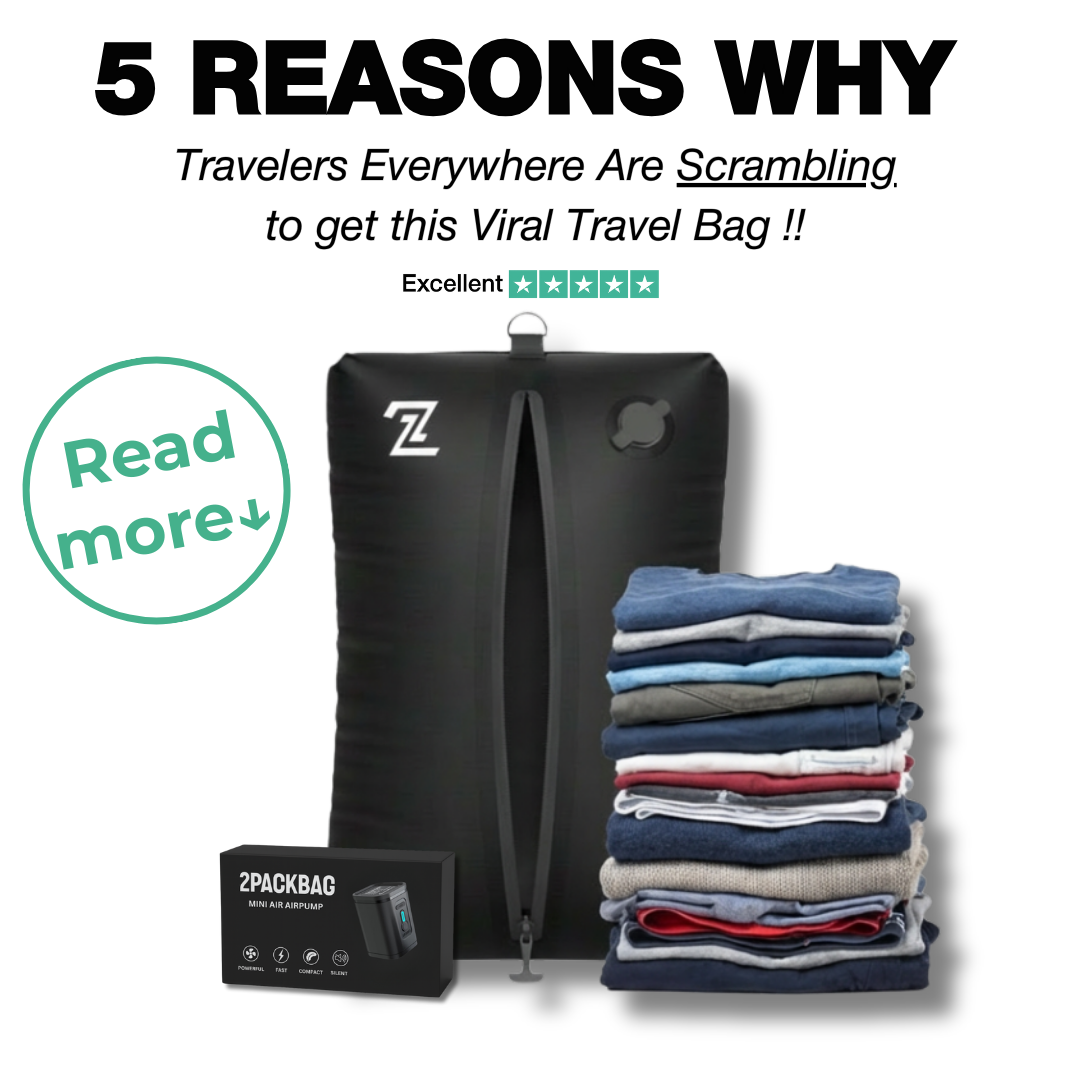
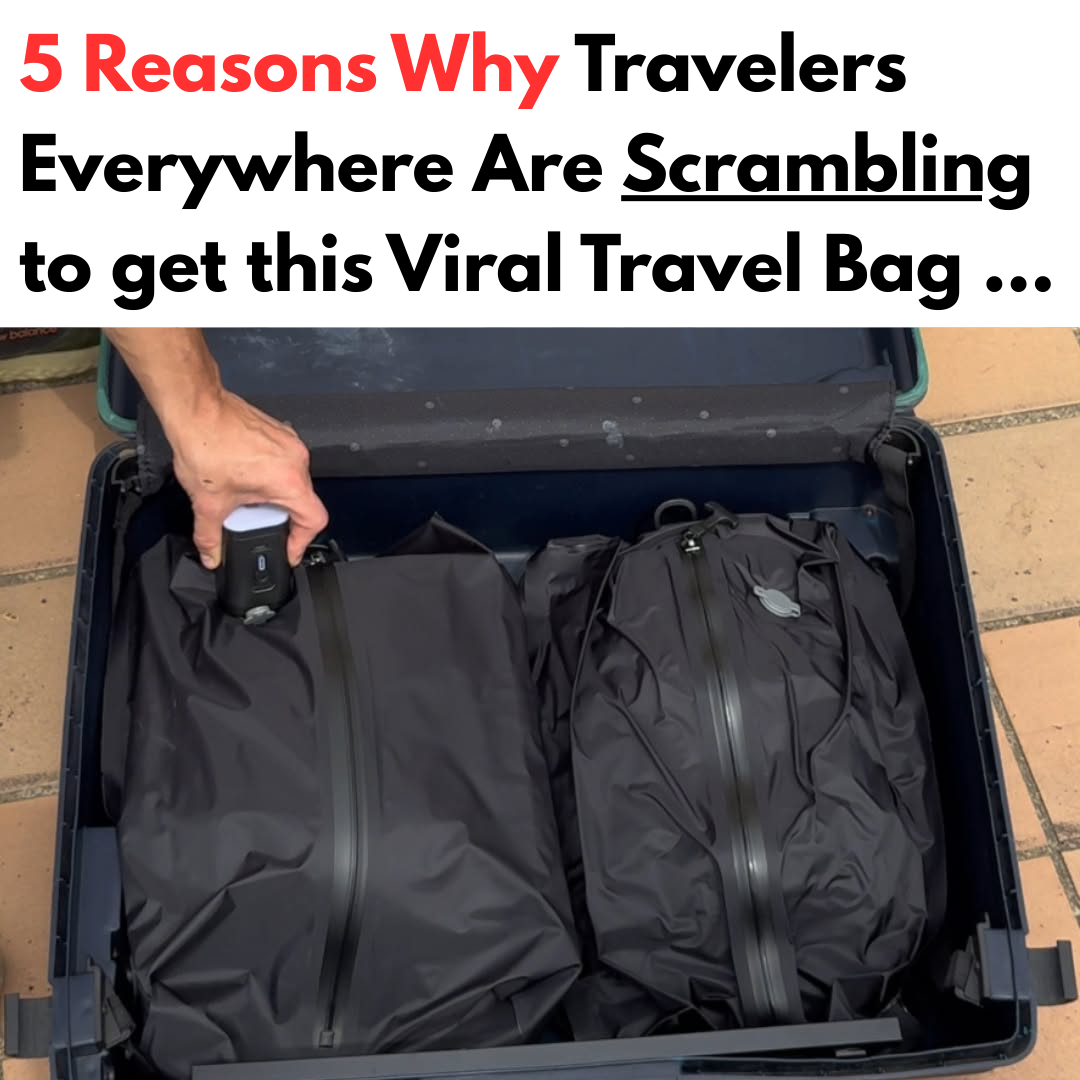
121,500+ Travelers Use This to Skip Baggage Fees
LEARN MORELike this ad? Make it yours.
Crush rebuilds this exact creative around your product — your brand, your colors, your offer — in about a minute.