
Active· since Jul 2, 2026
- 76
- days running
- 0
- relaunches
Ad copy
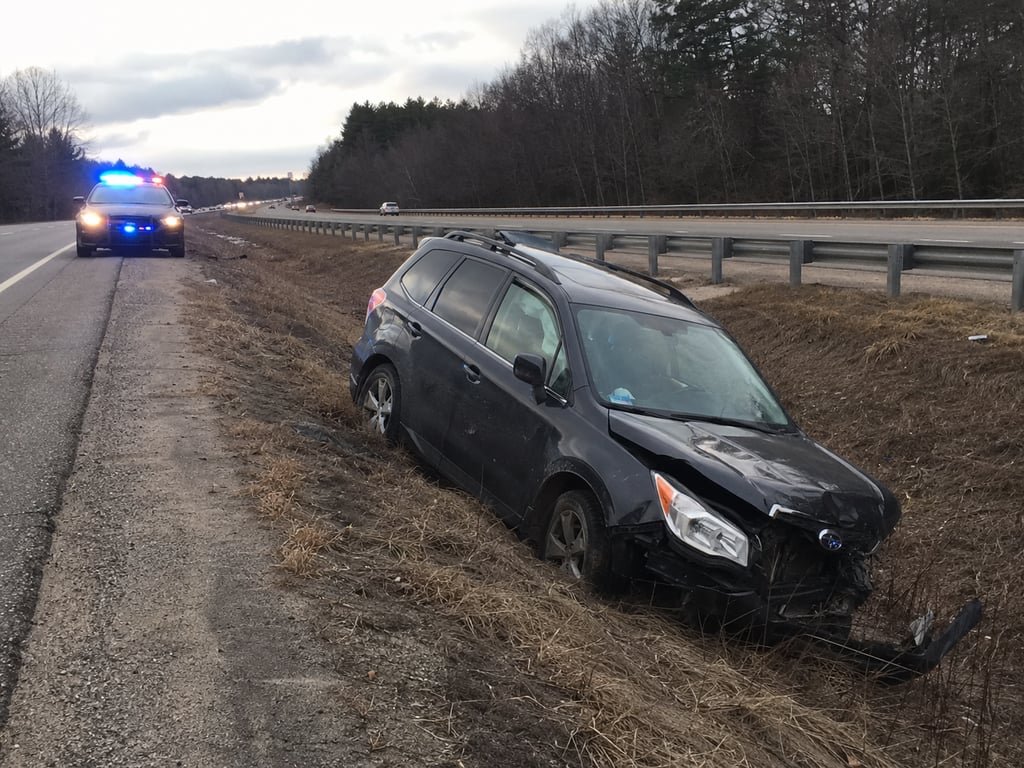
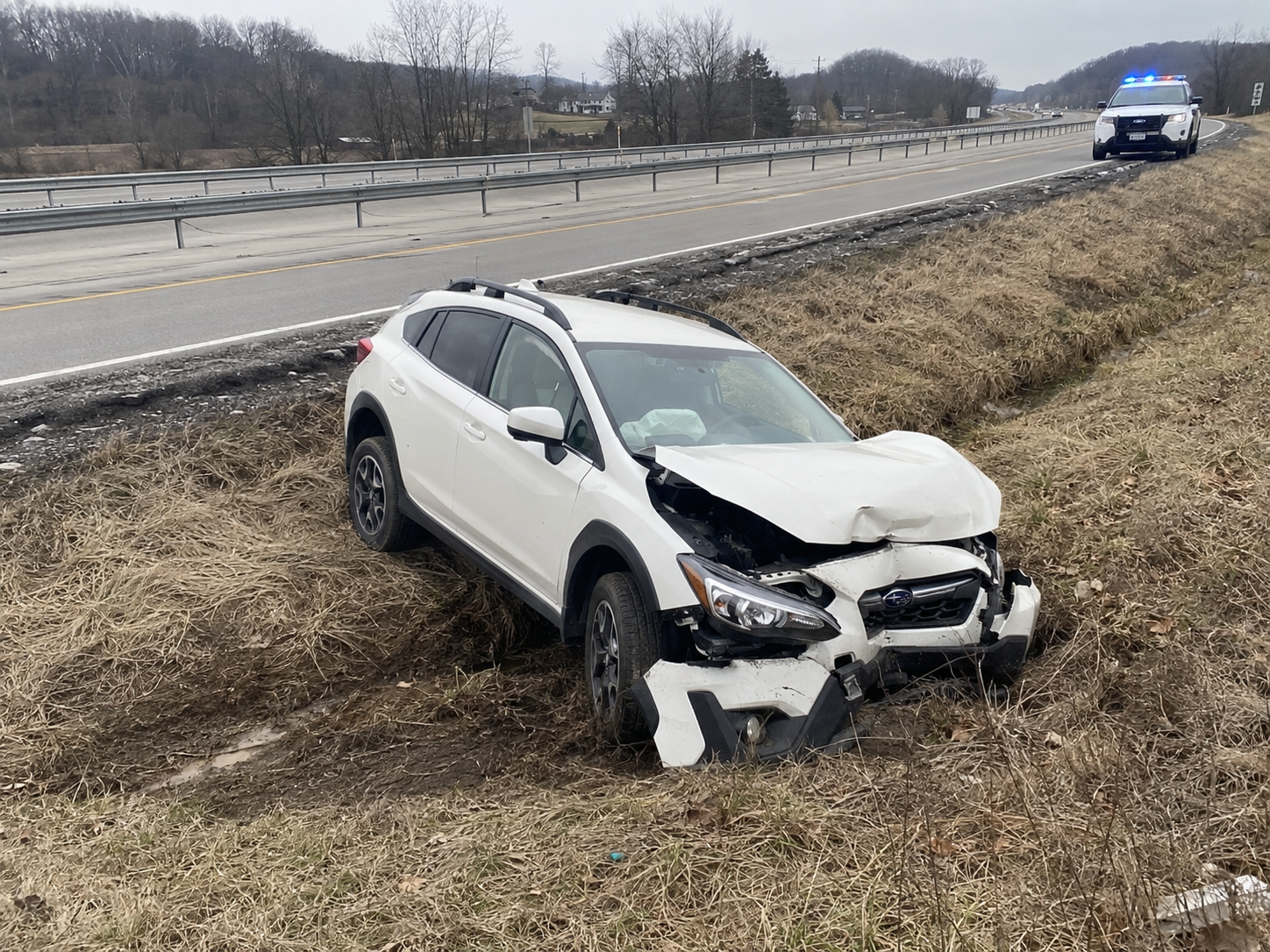
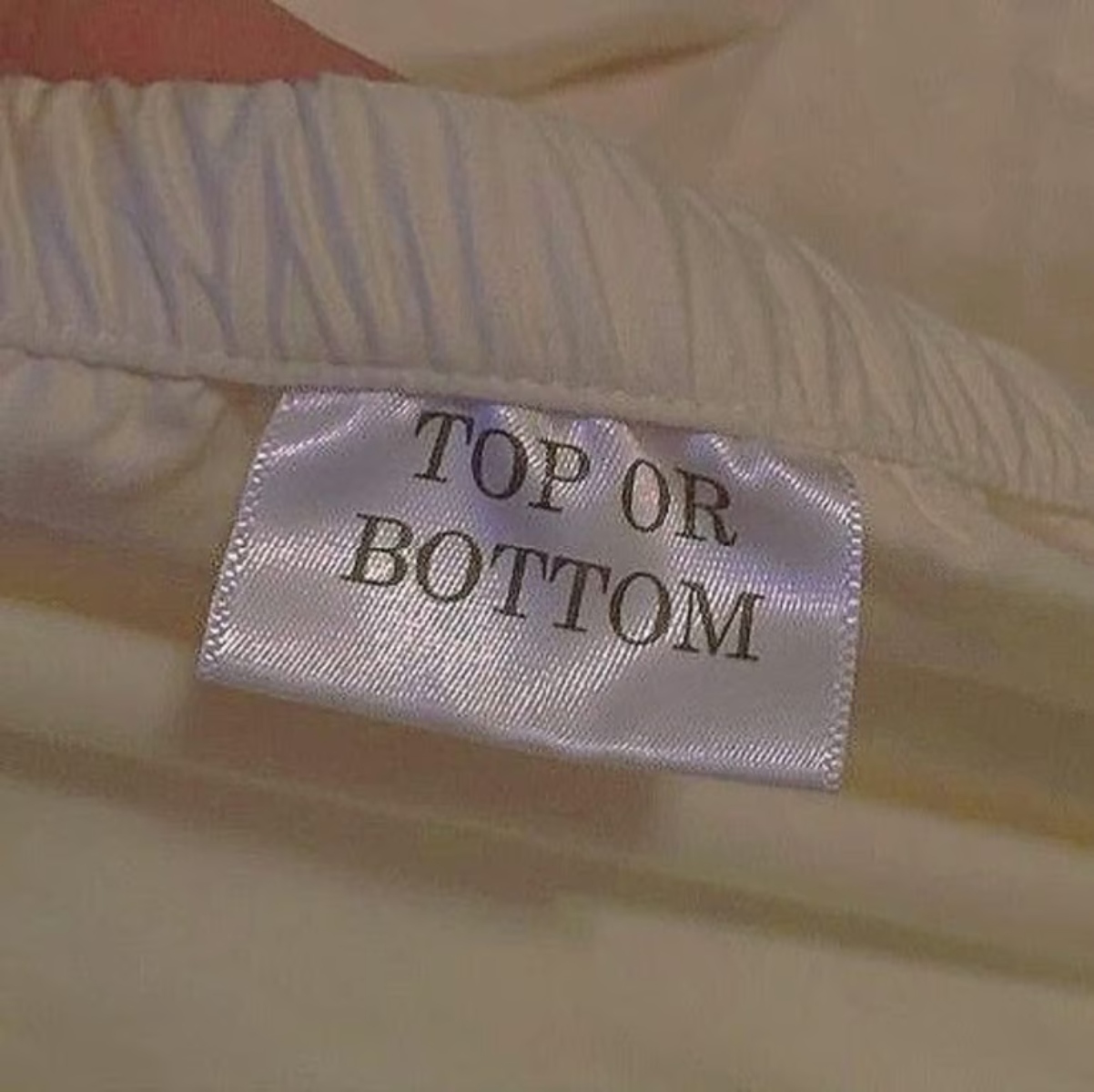
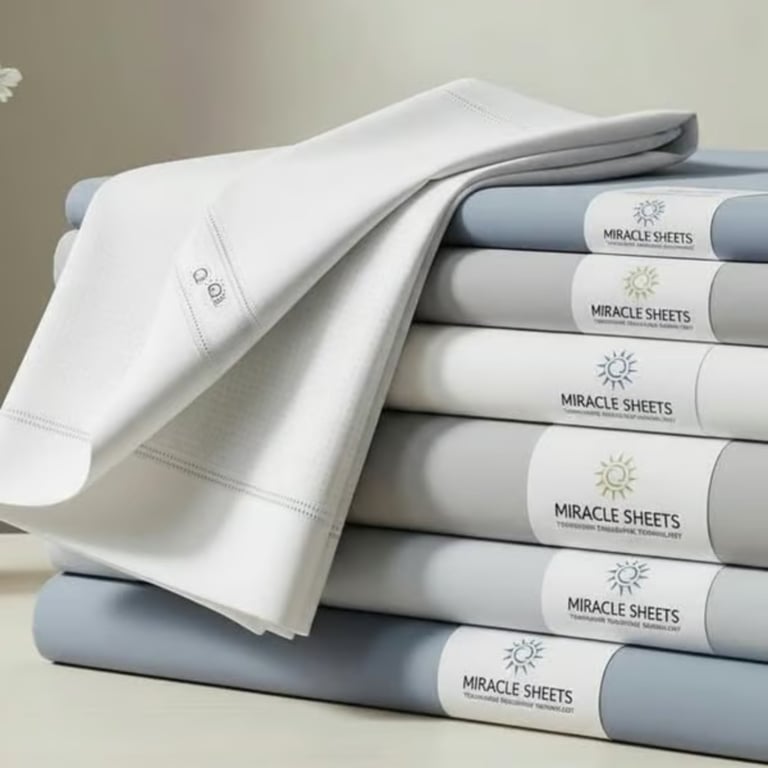
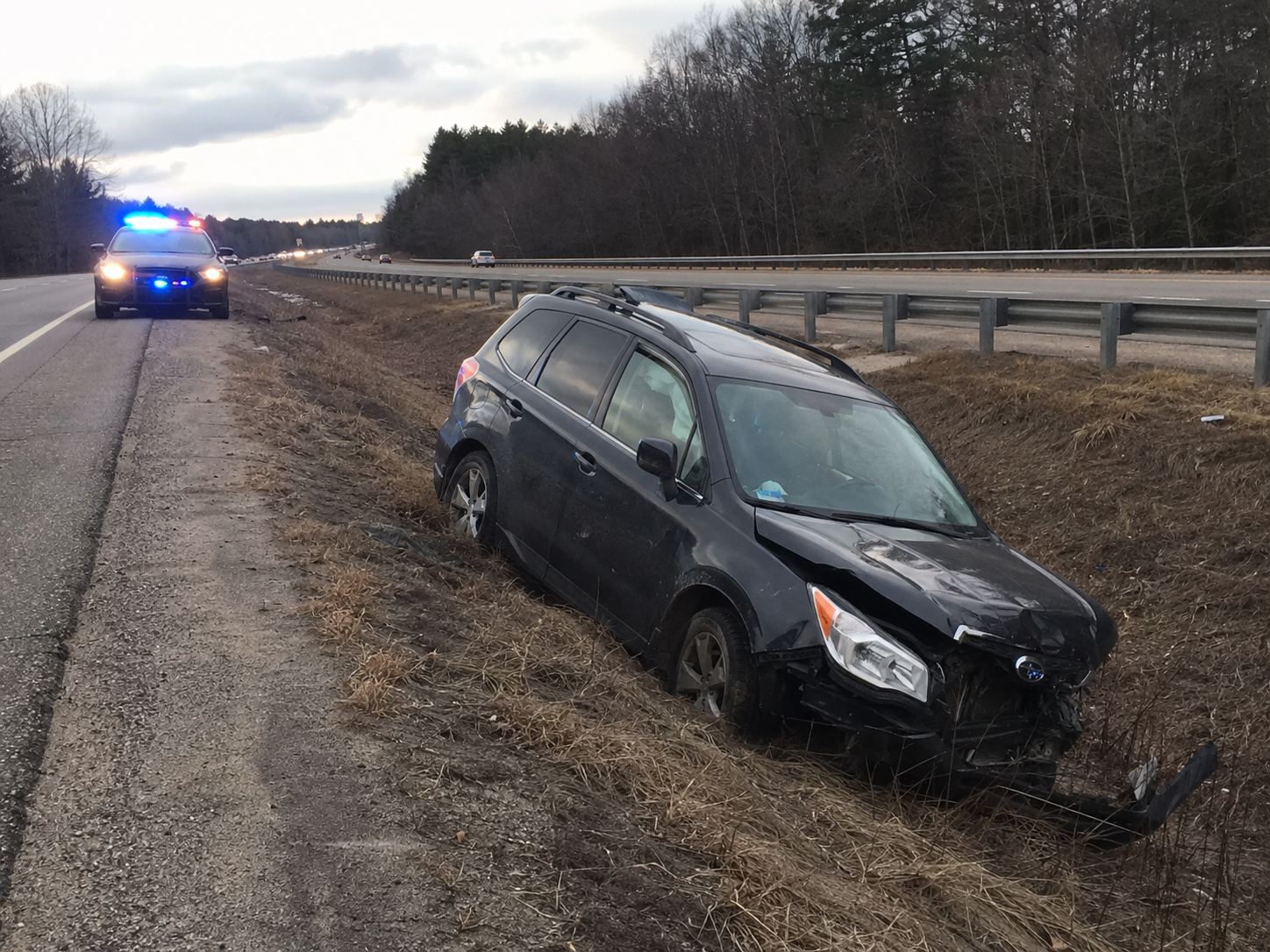
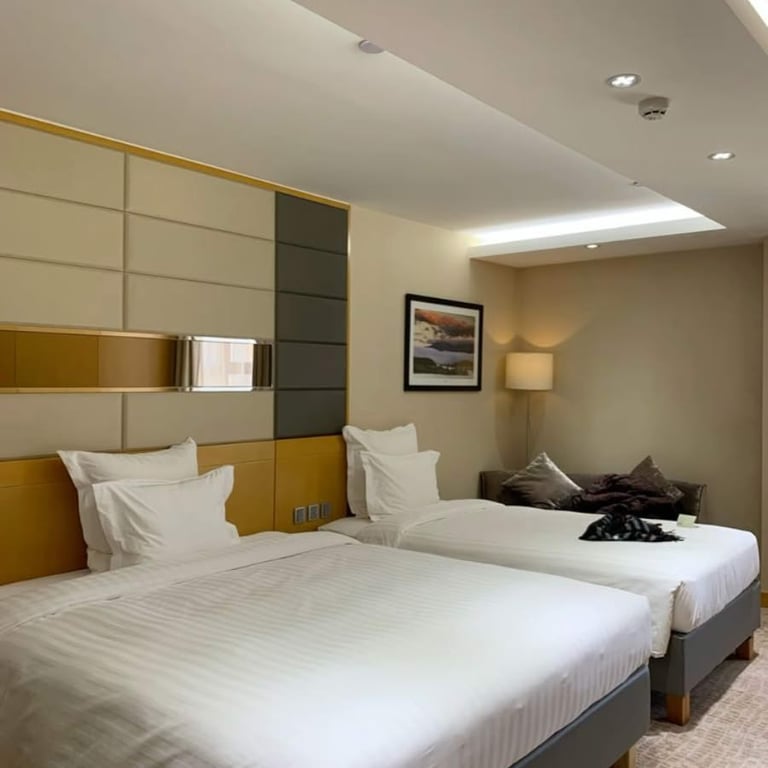
I wasn't going to write any of this down. My daughter is the one who pushed me. She said, "Dad, if you don't tell people, somebody else's mom is going to end up in a ditch off I-890 like Mom almost did." So here I am, a 58-year-old retired civil engineer from upstate New York, typing out the hardest fourteen months of my marriage because I think the answer might save someone reading this. My wife's name is Linda. She's 56. Before all of this started, Linda was the loudest laugh in any room. She taught third grade for 29 years and still got Christmas cards from kids who are now grown adults with kids of their own. She walked four miles every morning before the coffee was done brewing. She gardened. She baked sourdough for the neighbors. She was, in every honest sense of the word, alive. It started small, the way these things always seem to. Around the holidays in late 2022, she began waking up drenched. Not "a little warm" — soaked. She'd peel the top sheet off her body like it had been dunked in a bucket. I'd find her sitting on the edge of the bed at 3 a.m. with her hair stuck to her neck, staring at the wall. Then came the smell. I want to be careful here because I love this woman more than anything on this earth, but I have to tell you the truth: her side of the bed started giving off this sour, metallic odor. Like wet pennies. Like a handful of loose change left in a damp pocket. The pillowcase under her head went from white to a faint, stubborn yellow that no detergent could lift out. By month four she'd lost eleven pounds. By month nine she'd lost nineteen. Her hands started trembling when she poured her tea. The light in her eyes — and I know how that sounds, but anyone who's watched it happen to someone they love knows exactly what I mean — the light was going out. Our six-year-old grandson, Theo, climbed into her lap one Sunday, put his little hand on her cheek, and said, "Grandma, why are you turning into a ghost?" That was the night I made a list of every doctor in a 40-mile radius. Our family doctor was first. Full bloodwork, thyroid panel, hormones, the works. Everything came back, in his words, "honestly enviable for a woman your age." He prescribed a low-dose sleep aid and told us to try magnesium. Doctor number two was a sleep specialist in Albany. She slept in a lab with wires glued to her scalp. No apnea. No restless legs. No narcolepsy. He shrugged and suggested melatonin and a cooler bedroom. Doctor three was an endocrinologist. He ran her through menopause panels, cortisol tests, adrenal function. "Linda, you're remarkably healthy." That phrase started to feel like a slap in the face. Because she wasn't. She was disappearing. Doctor four was a neurologist, because by then the hand tremors were scaring me. MRI, clean. Reflexes, perfect. "Probably stress. Probably perimenopause aftershocks. Try yoga." So we tried everything. Prescription sleep meds that left her hung over until noon. Valerian root. Ashwagandha. Sleep gummies. Blackout curtains. A white-noise machine. A weighted blanket. And the big one — a $2,400 "cooling, pressure-relieving" mattress the salesman swore was used by professional athletes. Add it all up and we'd spent around $2,600 chasing a fix. And Linda was still waking up drenched, still smelling like wet pennies, still losing weight, still going gray in the face. I remember standing in our kitchen one morning watching her hold a coffee cup with two hands so it wouldn't spill, and thinking: I'm watching my wife die and nobody can tell me from what. February 11th, 2024. A Tuesday. Linda was driving the route she'd driven a thousand times — I-890 east toward Schenectady to visit her mother. It was 2:15 in the afternoon. She fell asleep at the wheel. The Subaru drifted across the right lane, clipped the rumble strip, kept going, and went nose-first down into a culvert at the side of the highway. On the way, she crossed in front of a semi-truck whose driver later told the state trooper he locked his brakes and "watched her go by like a sleepwalker." Three feet to the left and she would have been hit head-on by oncoming traffic merging from the on-ramp. I got the call at home. The trooper used the words "your wife" and "accident" and my knees actually gave out — I had to sit down on the kitchen floor with the phone pressed to my ear. She walked away with a sprained wrist, a seatbelt bruise across her chest, and a totaled car. In the ER, sitting under those awful fluorescent lights, she looked at me and said, "James. You wouldn't have had a wife tonight." And then she cried in a way I had never seen her cry in 34 years of marriage. I made her a promise right there in that triage bay. I would figure this out. I would not stop until I figured this out. I didn't know yet that the answer was already in our house, two feet from her face every night. Our daughter Megan booked it without asking. Five nights at L'Auberge de Sedona, a resort tucked along Oak Creek out in Arizona. "Mom needs red rocks and quiet," she said. "Go. I already paid the deposit." We flew out the first week of March. I wasn't expecting a miracle. I was expecting to watch my wife not sleep in a prettier room. Night one, she slept seven hours. I lay there next to her in the dark, listening to her breathe — slow, deep, even — and I almost woke her up to make sure she was okay. Night two: seven and a half hours. Night three: almost eight. By the fourth morning she was up before me, on the little patio, wrapped in a robe with a coffee, watching the sun light up the canyon walls. She looked twenty years younger. The color was back in her cheeks. Her hands were steady. She laughed at something the waiter said at breakfast and I felt my chest crack open because I hadn't heard that laugh in over a year. By day five we hiked — actually hiked — three miles along the creek. She ate a real lunch. She held my hand on the trail. She said, "James, I feel like myself again." I thought it was over. I thought the doctors were right — stress, vacation, sunshine, problem solved. I was so sure of it that I tipped the housekeeper an extra forty bucks on our way out and didn't think twice. We landed in Albany on a Sunday night. Slept in our own bed. Monday morning, the sheets were soaked. The sour smell was back. Tuesday morning, she had the tremor in her right hand again. By Wednesday she'd been awake since 2 a.m. and had that hollow look behind her eyes that I'd come to dread. Forty-eight hours. That's all it took to undo everything Sedona had given her. She sat at the kitchen table and said, very quietly, "James. It's something in this house. It has to be something in this house." I'm an engineer. Thirty-two years designing water systems for the state. When I have a variable I can't identify, I isolate. So that's what I did. I tore the bedroom apart. New air purifier. Tested for mold — negative. Tested for carbon monoxide — negative. Swapped the laundry detergent. Switched out her pillows. Changed the HVAC filter. Pulled up a corner of carpet to check the padding. Had a guy come test the well water. Nothing. Nothing. Nothing. Every night, I'd watch her go to bed in a clean room with clean air and clean water, and every morning she'd wake up poisoned all over again. I sat at my desk one night around midnight, staring at photos on my phone from Sedona, trying to figure out what was different about that hotel room versus our bedroom. Same kind of mattress. Same kind of pillows. Same kind of dark. And then I zoomed in. I'd snapped a photo of Linda on the morning of day three in Sedona — sunlight coming through the window, her smiling, the white pillow behind her head. I zoomed in on the corner of the pillowcase, where a little white tag was poking out. Five words, in tiny print: "Antimicrobial silver thread woven in." I sat up straight in my chair. I called L'Auberge the next morning and asked for housekeeping. A very patient woman named Rosa walked me through it: yes, the resort had switched their entire linen program two years earlier to bedding with real metallic silver thread woven directly into the fabric. They'd done it because their guests — paying $700 a night — were complaining about sleep quality and that funky "hotel pillow" smell. Once they switched, the complaints stopped. "Sir," Rosa said, "you'd be surprised how many people ask us this exact question after they go home." I hung up the phone, and for the first time in fourteen months I felt something close to hope. Then I went down a rabbit hole that kept me up — by choice this time — until four in the morning. Here's what I learned, and I want you to sit with this for a second because it changed how I look at my own bedroom forever. Your pillowcase, after one week of use, carries more bacteria per square inch than a toilet seat. That's not a clickbait line — that's a microbiology stat I cross-checked across three studies. Cotton fibers are tiny hollow tubes. Sweat, skin oils, dead skin cells, and saliva soak into those tubes and feed bacterial colonies that washing in hot water never fully reaches. The fiber itself becomes a reservoir. Two things then happen, every single night, for eight hours, two inches from your face: Part one: Your immune system detects the bacteria on your skin and launches a low-grade inflammatory war. All night long. You're not resting — your body is fighting. That's why you can be "asleep" for eight hours and wake up feeling like you got hit by a truck. Part two: Those bacterial colonies produce waste compounds called biogenic amines — cadaverine, putrescine, histamine. Those amines do two terrible things at once. They give off that sour, metallic, "wet pennies" smell I'd been smelling on Linda's pillow for over a year. And they actively suppress the deep, restorative stages of sleep — the exact stages where the body repairs itself, regulates hormones, and stabilizes the nervous system. In other words: the more nights Linda slept on those "clean" cotton sheets, the more her body was being marinated in a bacterial soup that was both stealing her sleep and poisoning her in slow motion. The $2,400 mattress didn't matter. The cooling pillows didn't matter. The melatonin didn't matter. Because the actual problem was happening in the half-inch of fabric pressed against her skin. I sat at my desk and said out loud, to nobody: "Oh my God. She wasn't sick. She was being poisoned in her own bed." I went looking for what the resort used. The category is small. Most "antibacterial" sheets on Amazon are sprayed with a chemical coating that washes out in three to five cycles — useless. What I needed was sheets with pure metallic silver fiber woven directly into the thread itself, so it could never wash out, never wear off, never stop working. I landed on a brand called Miracle Sheets. Real silver, woven in at the fiber level. Independently tested to eliminate 99.7% of bacteria. The same fabric technology hospitals use on burn-unit dressings and that high-end hotels — including the kind we'd just stayed at — use on their bedding. I ordered a queen set in white. Paid for expedited shipping. They arrived on a Thursday. Linda was at her sister's. I washed them once, made the bed, tucked the corners tight, fluffed the pillows, and didn't say a word. I figured if I told her, she'd want it to work so badly that any improvement would feel suspect. I wanted the bed to do the talking. She came home that night, brushed her teeth, climbed in, and said, "These feel nice. New?" I said, "Megan sent them. Try 'em out." Then I lay down next to her and waited. Linda had been using a sleep-tracking app on her phone for almost a year — her sleep doctor's idea. So we have actual data. I'm not making any of this up. Night 1: 5 hours, 22 minutes of sleep. Her best night in over six weeks. She woke up once instead of four times. No drenched sheets in the morning. The smell was lighter. Night 3: 6 hours, 41 minutes. She got out of bed before me. Made coffee. Hummed. Night 6: 7 hours, 18 minutes. Deep sleep stage tripled compared to her baseline. She walked into the kitchen, looked at me, and said, "James, what did you do to our bed?" I told her. She cried. I cried. The dog looked confused. Two weeks in, I made a mistake that turned into the best proof I could have asked for. I washed the sheets with a regular fabric softener — didn't know any better. Fabric softener coats the fibers and blocks the silver from contacting the skin. That night, Linda woke up at 2 a.m. soaked. The smell was back. My stomach dropped. I re-washed them the next morning with plain detergent, no softener. That night: seven hours straight. Smell gone. Sweat gone. That was the moment I knew, with engineer-level certainty, that it was the sheets. Not placebo. Not coincidence. Not Sedona magic. The silver in the thread was the variable. Within eleven weeks, I'd replaced the bedding in every bed in our house. Then I started buying sets for family members the way some men buy lottery tickets. Linda's mother — 81 years old, on Ambien for nine years — has been completely off it for four months now. She told Linda, "I don't know what these sheets are but I'm being buried in them." Our friend Carol, who'd been battling what her doctor called "treatment-resistant insomnia," is sleeping six and a half hours a night for the first time since her divorce in 2019. And me? I didn't even realize I had a problem. My chronic morning sinus congestion — the kind I'd blamed on allergies for a decade — is just… gone. I breathe through my nose now. I don't reach for the tissues at 6 a.m. But the moment that broke me happened last month. Linda picked up her keys, kissed me on the cheek, and said, "I'm driving up to see Mom. Be back by dinner." She drove the Schenectady route. I-890 east. The same stretch of highway where her car went off into the culvert. She came home that night with a casserole dish from her mother and a story about traffic. Normal. Boring. Perfect. Here is the brutal, simple truth I wish somebody had told me in November of 2022: every night, you climb into a petri dish that you yourself created. If your sheets are ordinary cotton, you're marinating in bacterial waste compounds for eight hours and you're calling it "rest." It's not rest. It's a slow, invisible chemical assault on your nervous system. The fix cost me around $120. Less than one night at the resort that accidentally saved my wife's life. A rounding error compared to the $2,400 I'd thrown at a mattress that did nothing. A joke compared to what a totaled car and an ER bill cost me. Miracle Sheets comes with a 30-night risk-free trial. Sleep on them for a month. If they don't change something about how you wake up in the morning — the smell, the sweat, the fog, the exhaustion — send them back. You're out nothing. I'm not a salesman. I'm a retired civil engineer from upstate New York whose wife almost died on a highway because nobody — not four doctors, not a sleep lab, not a mattress store — figured out that the thing killing her was the pillowcase under her head. Don't wait for the phone call I almost got. Don't wait until somebody you love drifts off the road at 2:15 on a Tuesday afternoon. Spend $130 before you spend $2,400. P.S. — That sour, metallic, wet-pennies smell I described on Linda's pillow? That was the biogenic amines I told you about — the literal chemical waste of the bacterial colonies living in the cotton. Five nights on the silver-woven sheets and the smell was gone. Not masked. Gone. If you've ever flipped your pillow at 3 a.m. looking for "the cool side" because the other side smelled off, that's what that was. It wasn't you. It was them. P.P.S. — One warning, and I mean this. After our story started spreading in our friend group, two people went to Amazon and bought cheap "silver antibacterial" sheets from knockoff brands. Both got zero results. Here's why: those dupes are sprayed with a silver coating that washes out in three to five laundry cycles. Useless after a month. The real ones have pure metallic silver woven directly into the thread — it can never wash out, never wear off, never stop working. Get the real woven-in ones. Don't waste your money proving this to yourself the hard way like my neighbors did. here’s the link to the real ones with the discount: https://tinyurl.com/2ppe4mye
These New Silver-Infused Sheets Kill 99.7% of Bacteria While You Sleep
Click Here To Get 46% OFF Miracle Sheets Today
LEARN MORELike this ad? Make it yours.
Crush rebuilds this exact creative around your product — your brand, your colors, your offer — in about a minute.