
Inactive· since May 7, 2026
- 3
- days it ran
- 0
- relaunches
- 3
- EU reach
Ad copy
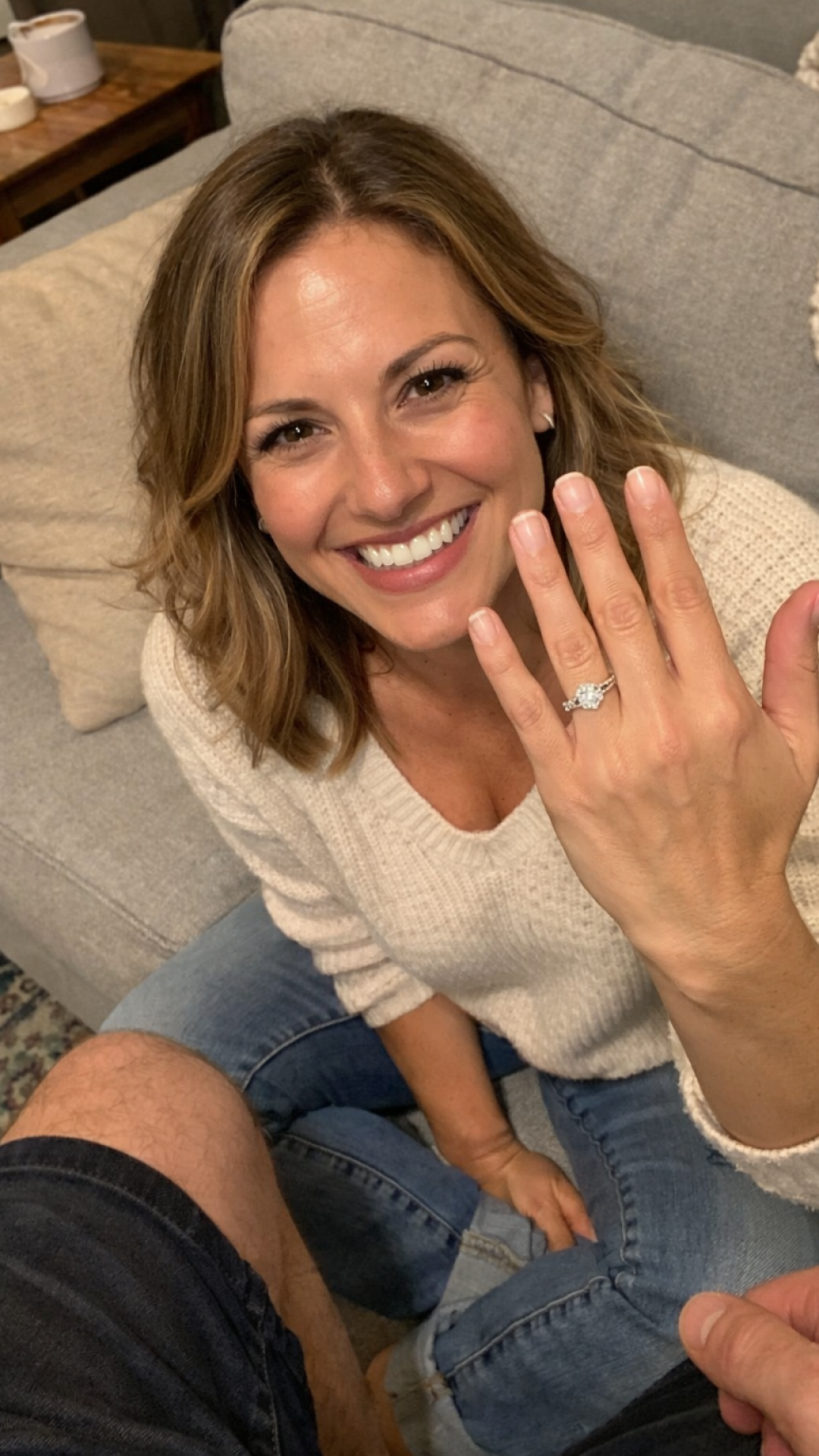
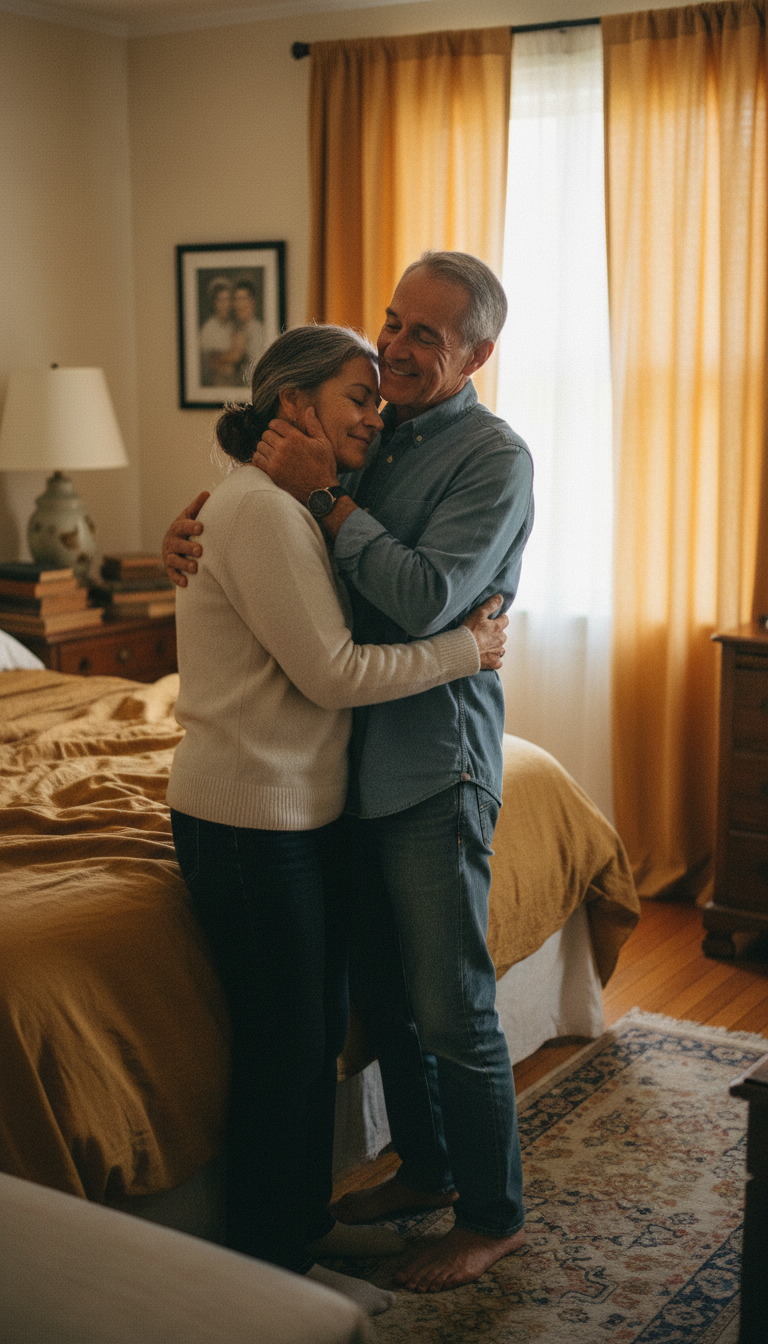
It started when my wife was 37. The exhaustion that coffee couldn't fix. The anxiety that came out of nowhere. And the complete disappearance of her wanting me anywhere near her. She spent 4 years convinced something was seriously wrong with her. She was right — just not in the way she thought. At 37, you don't think "perimenopause" about your wife. You think: she's tired. The kids are young. Work is crazy. She's carrying a lot. Give her space. So I gave her space. And the space got wider every month until we were sleeping in the same bed twelve inches apart and it might as well have been twelve miles. The exhaustion came first. Not regular tired — the kind where she'd sleep nine hours and wake up looking like she hadn't slept at all. I'd bring her coffee in the morning and she'd hold the mug with both hands like it was the only thing keeping her upright. She was running on fumes. Every day. For years. Then came the anxiety. I'd find her in the kitchen at 6 AM with her hands flat on the counter, breathing. Just breathing. Heart racing over nothing. "I'm fine," she'd say. She wasn't fine. She was having a panic response while making the kids' lunches. And then — the thing that nearly broke us. She stopped wanting me. Not slowly. Like a light switching off. One month we were us — still reaching for each other, still flirting, still connected in the way that makes a marriage feel like a marriage instead of a business arrangement. The next month my hand on her waist made her stiffen. My reaching for her in bed was met with a gentle "not tonight" that became every night. At 37. Married to a woman who loved me. And suddenly she couldn't feel it. I want to be honest about what that does to a husband. Because nobody talks about this part. Everyone talks about HER experience — the hormones, the symptoms, the loss of desire. Nobody asks the man lying twelve inches away what it's like to want someone who can't want you back. I felt rejected. I felt ugly. I felt like I'd done something wrong. I lay in bed at night next to a woman I loved and wondered: is it me? Did she meet someone? Does she see me the way she used to? She'd say: "I do want you. I just can't feel it right now." "Right now" lasted four years. I was patient. I didn't pressure her. I didn't guilt her. But the patience cost me something I couldn't name — a slow erosion of the confidence that your wife finds you desirable. That's not a small thing for a man. It's structural. At 38 she started looking for answers. Maybe depression — she tried therapy. Helped with some things. Not this. Maybe thyroid — tested normal. Maybe she just needed to try harder — she forced herself a few times. She'd lie there afterward with a look on her face that I'll never forget. The look of a woman who just performed intimacy instead of experiencing it. Who showed up for her husband's needs in a body that felt nothing. I told her to stop. "Don't do that for me. Not like that." She cried. "I don't know what's wrong with me." At 39 her sister mentioned perimenopause. My wife Googled it, found the list — fatigue, anxiety, low libido, brain fog — and felt relief. Finally a name for it. Then the relief turned to dread. Because everything said perimenopause lasts 8-10 years. The articles said "management, not cure." Which meant the woman I'd married — the one who'd reach for me in the dark, who'd look at me a certain way across a room — might be gone for a decade. I read the same articles. At 1 AM. While she slept next to me. And I thought: ten years. I'll be 48 before my wife can feel anything. Can I wait that long? Should I? I hate that I thought that. But I thought it. At 40 she tried everything the internet suggested. Supplements. Hormone teas. Special diets. Exercise. A stack of bottles on her nightstand that grew every month — ashwagandha, maca root, evening primrose oil. The pharmacy of a desperate woman. Nothing worked. Or it worked for a week and then stopped. And every failed attempt took something from her — another piece of the belief that she could get herself back. We were roommates. Good roommates. We loved each other. We parented well together. We laughed sometimes. But the fire was out and the ashes were cold and I was starting to grieve a marriage that was still technically alive. Then one night. She was scrolling her phone in bed at midnight. I was almost asleep. She sat up. "Listen to this." She'd found a reel. A woman talking about perimenopause symptoms. The same list. But then the woman said: "I blamed perimenopause for three years. But when I addressed my nervous system, everything changed. It wasn't my hormones shutting me down. It was my body stuck in survival mode." My wife read me everything. About chronic stress living in the body. About the nervous system staying on high alert for years. Fight or flight. All the time. And the body shutting down "non-essential" functions to conserve energy. Sleep. Clear thinking. Emotional regulation. And desire. The ability to feel safe enough to be intimate. Because a body in survival mode can't relax into pleasure. Can't soften into closeness. Can't produce wanting when it's bracing for danger. "That's me," she said. "That's exactly me. My body thinks it's in danger. That's why I can't feel anything." The reel mentioned Liven. Micro-Cycle Method. Five minutes a day. Something for the nervous system. Not hormones. The system underneath. She took the quiz. Said yes to everything. Downloaded Liven at midnight in our bed. "What's five minutes compared to four years," she said. Here's what I watched from the husband's seat. Week 1: she slept better. Not perfectly — but better. She woke up and her face was different. Less behind. Less already-exhausted. Week 2: the steering wheel. She told me she noticed she wasn't gripping the steering wheel like she was bracing for impact. Her shoulders were down. She was just driving. I thought: that's small. But I'd been watching her shoulders for four years. They hadn't been down in four years. Week 3: I made a dumb joke at dinner. The kind she usually ignores. She laughed. Actually laughed. I looked at her like she'd spoken a different language. Because that laugh had been gone for years. Week 4: we were on the couch. TV on. Normal evening. And she moved closer. Put her head on my shoulder. Not asked. Not performed. She moved toward me on her own. I held my breath. Literally. Because my wife had moved TOWARD me for the first time in — I couldn't remember. And I was afraid that if I moved, the moment would break. She stayed. Her head on my shoulder. For twenty minutes. That twenty minutes was the best night I'd had in four years. Week 6: she kissed me. Not a peck. Not a duty-kiss before bed. She kissed me like she meant it. Like her body wanted to. Like the wanting was hers and not a performance for my benefit. She pulled back and I looked at her. "Who are you and what have you done with my wife?" She laughed. "I think I'm coming back." Coming back. Two words. The two best words she's ever said to me. It's been four months now. She's not the woman she was at 35. Neither am I. We're older. Different. But we're US again. Connected. Present. Reaching for each other in the dark the way we used to. Not every night — but enough. Enough that the twelve inches between us feel like twelve inches again instead of twelve miles. She has energy. The real kind. The fumes are gone. She wakes up and she's THERE. The anxiety has eased. No more hands flat on the counter at 6 AM. No more heart racing over nothing. And the wanting came back. I need to say that carefully because it's private and it's hers and it's ours. But it came back. Not the 25-year-old version. The 41-year-old version. Which is deeper and more real and more knowing. The kind of wanting that has history in it. That knows what it lost and appreciates what it found. Four years I spent lying twelve inches from a woman who couldn't feel me. Four years of "not tonight" and patience and the quiet erosion of believing I was wanted. Because everyone told us it was perimenopause. Hormones. Normal. 8-10 years. Just manage it. It wasn't perimenopause. It was a nervous system stuck in survival mode. And once she addressed that — five minutes a day — her body remembered what it could do. What it wanted to do. Who it wanted to do it with. If your wife has been exhausted, anxious, and numb since her late 30s... If she's blamed perimenopause but nothing helps... If the twelve inches between you feel like twelve miles... It might not be her hormones. It might be her nervous system stuck in survival mode. Liven has a quiz that shows you what might actually be going on. Takes a few minutes. Doesn't cost anything. Show it to her. Not at midnight. On a Saturday morning. When the twelve inches are smallest. Tell her: "I'm not asking you to want me. I'm asking you to find out why your body stopped letting you." The link is below. 💙
THIS IS what you need to do
LEARN MORELike this ad? Make it yours.
Crush rebuilds this exact creative around your product — your brand, your colors, your offer — in about a minute.