Melissa Hayes
 Facebook ad: “Everyone with joint issues needs to see this”
Ran for 19 days, from October 3 to October 22, 2026, the last day Crush saw it.
Run by Melissa Hayes on Facebook. Crush is not the advertiser and does not verify its claims. See this ad in Meta's Ad Library(opens in a new tab)
Make your own version of this ad
Crush makes it, launches it in your own Meta ad account, scales the winners and pauses the losers.
About this ad
- Meta Ad Library ID
- 2121187832096833
- Platforms
- Facebook, Instagram, Audience Network and Threads
- Relaunches
- 1
- Niche
- AI & Software
Ad text
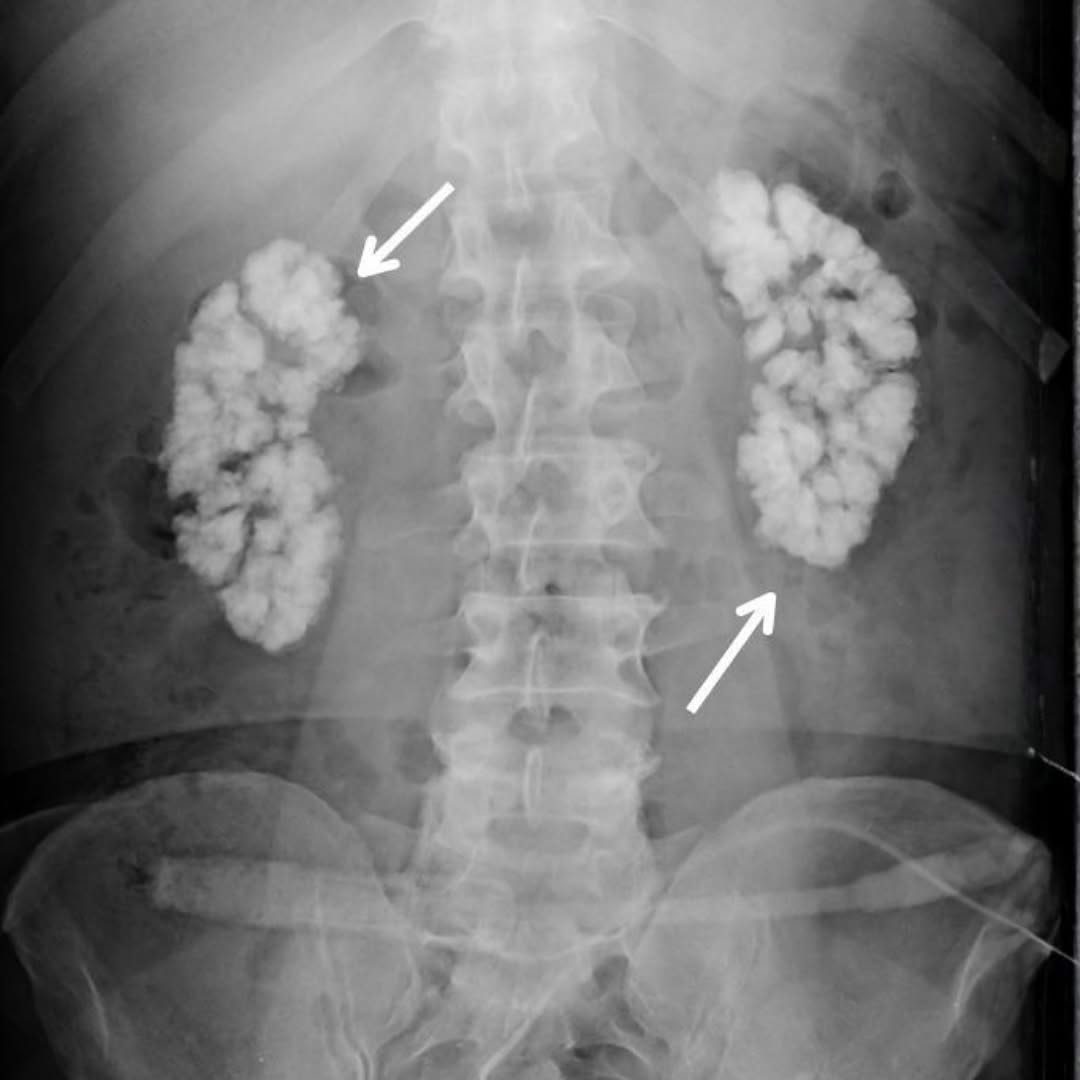
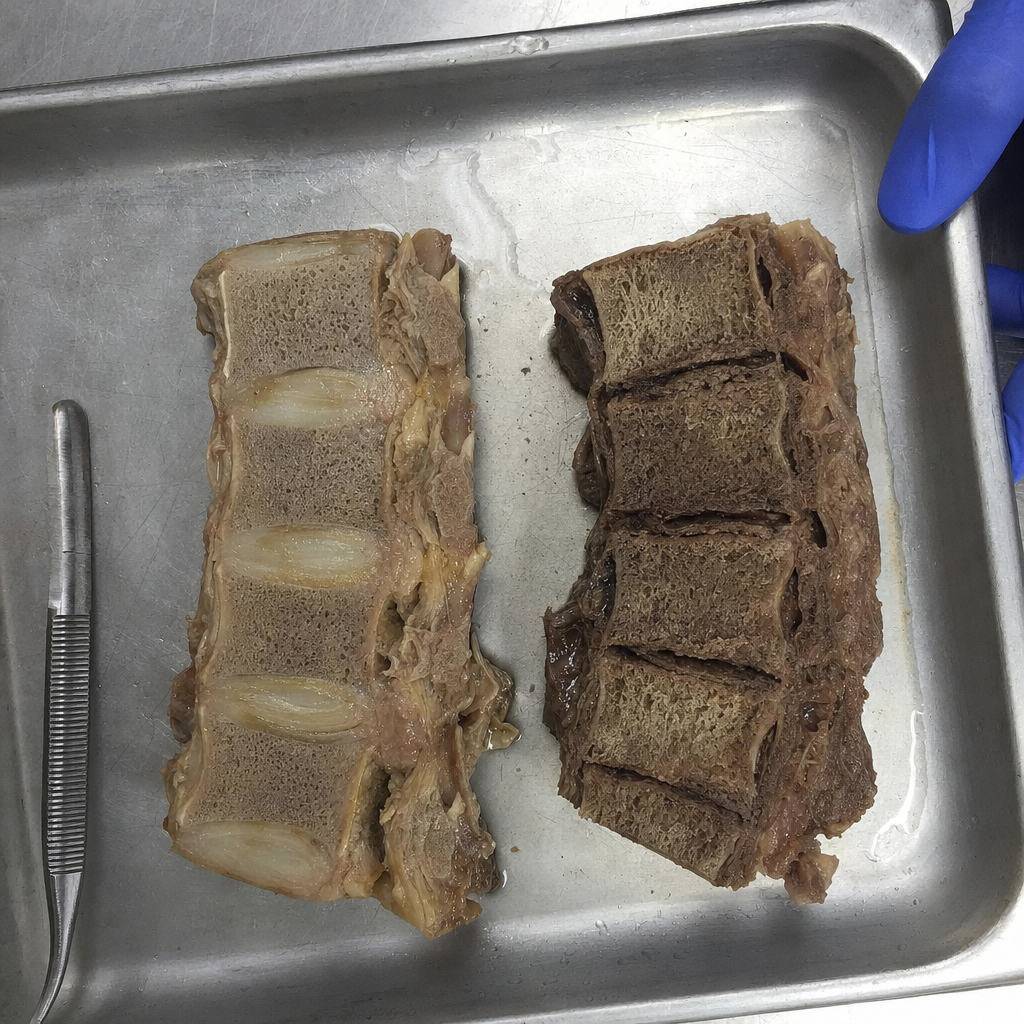
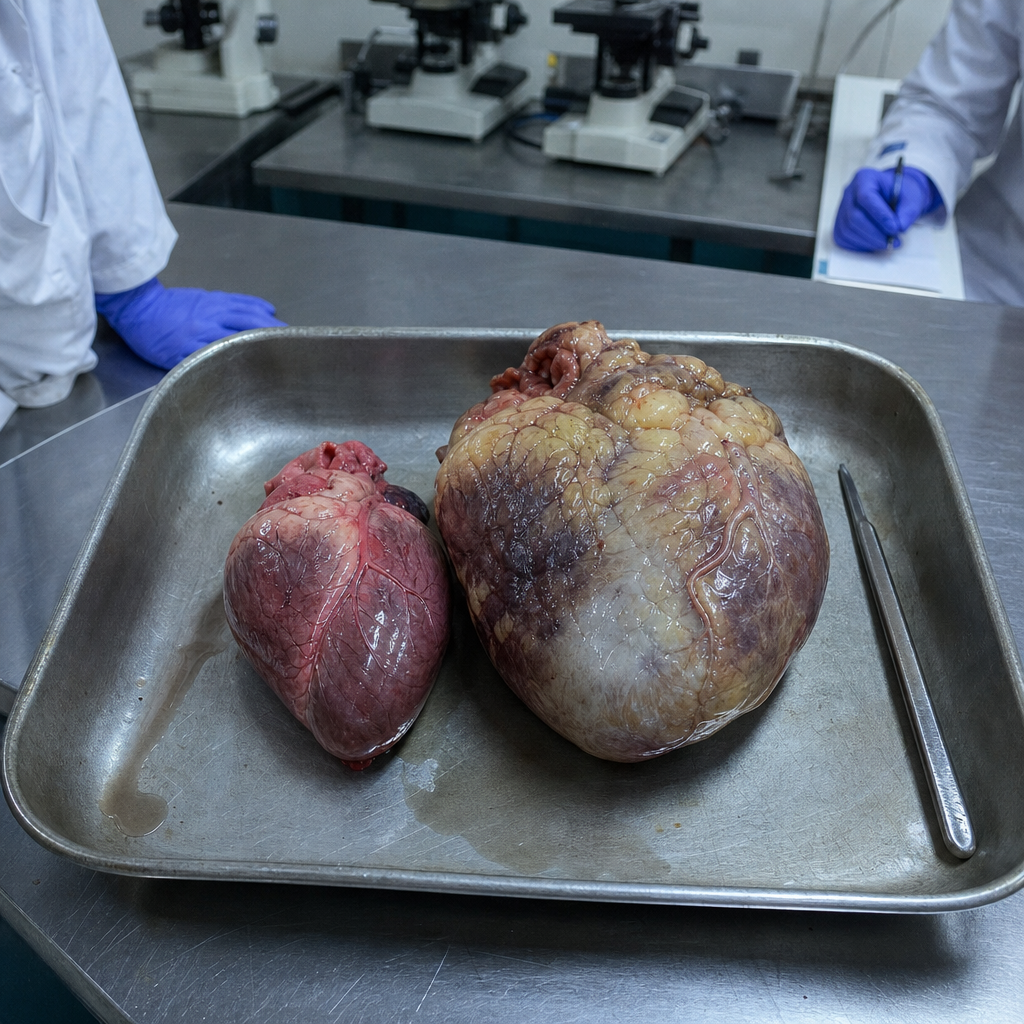
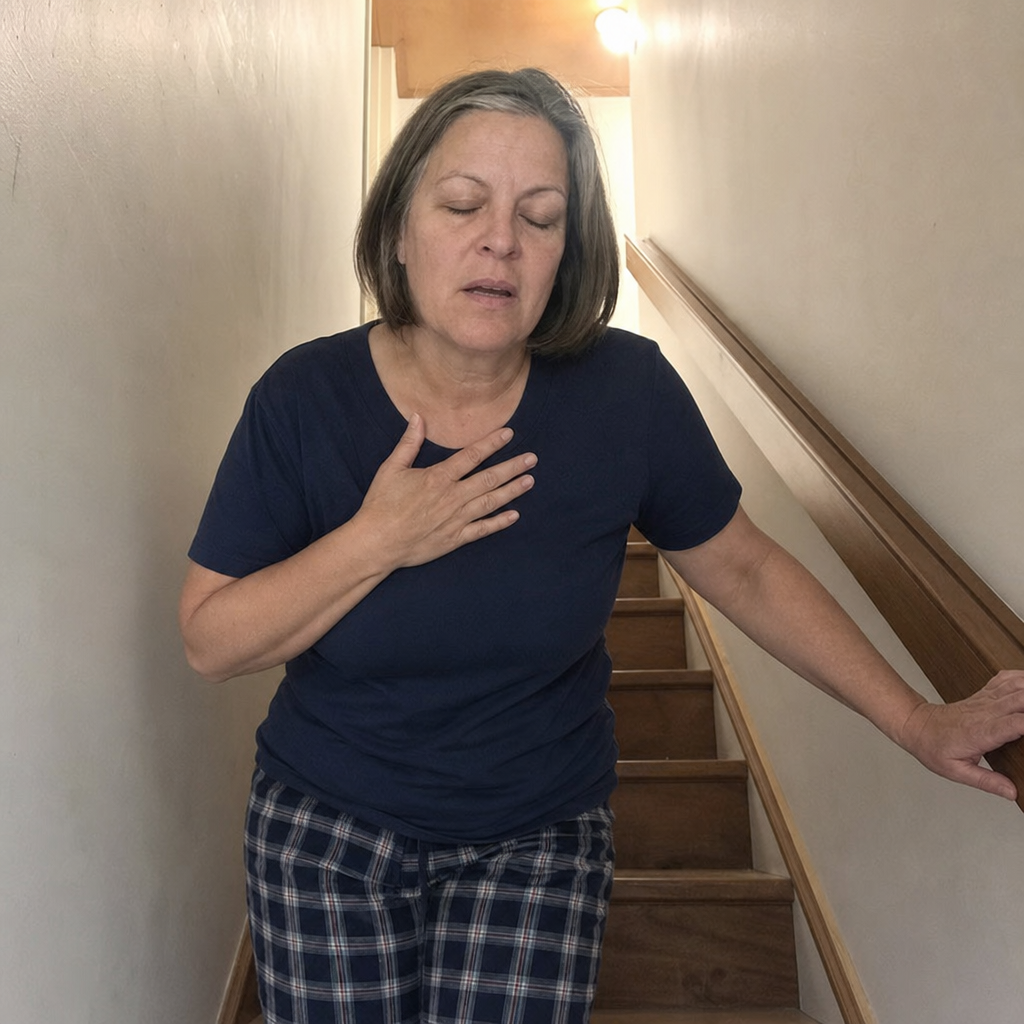
My wife Carol had been taking tart cherry for the arthritis in her back for exactly 19 days when her primary care doctor called her to ask what she was doing differently. This is the truth behind tart cherry — what it can do, and why most people never get results from it. We'd discovered this forgotten remedy after four years of her back getting worse at every checkup, and three of her blood pressure creeping higher since she started the daily pill. Nothing prepared me for what that call would mean. I'm Dr. Melissa Hayes. I've been a rheumatologist, a joint specialist, for 18 years. I've sent patients with arthritis in their backs for a routine spinal fusion and seen them die of a heart attack three weeks later. I've watched arthritis destroy backs, hands, hearts. And for four years, I watched my wife become one of them. My wife had just had her follow-up visit. Her doctor's voice was different this time. Not the usual "let's get the fusion on the calendar." Something else. "Carol, I was going over your chart. You put your morning pain at a 4. It was a 7 at your annual checkup. What changed?" Carol sat across from me, tears in her eyes. This strong woman who'd never cried in twenty years of marriage. Crying. Four years of being told her back was "moving in the wrong direction." Four years of the brace, the cortisone, walking every morning before work. Four years of watching her do everything right while her back got worse at every appointment, and her pressure climbed at every one since the pill. And it wasn't just the X-rays. The ache in her back, worst with the morning stiffness the second her feet hit the floor. Blood pressure creeping the wrong way. Heart pounding so hard on the stairs she'd stop at the landing. Hands so stiff in the mornings she described them as "working through wet cement." All of it. At once. Getting worse. Her back trouble started quietly. Annual checkup at 47. "Some wear in your lower back, let's keep an eye on it." Then arthritis, and the daily anti-inflammatory. Then a higher dose. Then "the discs are wearing thin." Then bone grinding on bone, at 51. And her doctor said it was time to talk about a spinal fusion. I advised against the fusion. Not after 18 years of watching what happens in the weeks after. When they fuse that spine, they cut you open, clear out the worn discs, and bolt the bones together with metal and screws. The pain in your back may ease. It does not touch the fire. A surgery like that is a shock to the whole body. The cutting, the swelling, the blood that wants to thicken and clot while you lie still recovering. To a heart already straining, a match to dry grass. The X-rays doctors call "stable" while the fire quietly burns. That is when they have the heart attacks. Women her age. Weeks after a surgery the surgeon called a success. Carol didn't schedule it. So she suffered. My wife stopping at the landing every night, her heart pounding. The ache in her back she'd started taking to bed with ice packs. "I'm doing everything they tell me," she said one appointment, close to tears. "I walk every morning. I take turmeric. I eat clean. And everything is still getting worse. Am I next?" That's when she started digging. Three months in, she found the number behind what I'd watched for 18 years. The research suggested that in the first month after a spinal fusion, the risk of a heart attack was about seven times higher than it would have been without the surgery. And it hits hardest in the very first weeks. Seven times. Not seven percent higher. Seven times over. There is one compound at the center of all of it. Anthocyanins. The active compound inside real tart cherry. That is what eases the ache in your back. That is what helps calm the stiffness the second your feet hit the floor. That is what brings down the strain on her blood vessels. That is what loosens stiff, swollen hands. Two things are happening in her back. The pain you feel, and the damage underneath it. The pain is just the alarm. Underneath it, the spine is releasing enzymes that eat away at the discs. The pill silences the alarm. But it never stops the enzymes. They keep eating. The discs wear thin. The same fire runs through her blood, her arteries. This one is your spine. This one is your heart. Same fire feeds both. That fire causes everything my wife was experiencing. All of it traces back to the same fire. Anthocyanins go after the enzymes eating your cartilage. The ones your painkiller never reaches. Put out the fire that's been eating her discs and straining her heart. The ache in her back eases. And the strain on her blood vessels comes down with it. Her heart stops pounding on the stairs. The stiffness lets up. So why wasn't everyone taking tart cherry? Because most people are not taking real tart cherry, pressed cold. My wife had tried the grocery-store tart cherry juice. Nothing happened. Here's why. Most people don't know there are two different things both sold as "tart cherry." The grocery-store juice — the kind on every grocery-store shelf, and in every cheap heat-dried capsule online — is boiled at high heat so it can survive shipping and six months on a shelf. By the time that bottle hits the shelf, what mattered is already gone. Gone. That is why it does nothing. It's not tart cherry failing. It's cooked. Then they cut what's left with filler and water. The women who buy it get nothing. Real tart cherry, pressed cold. Bottled in the USA. No fillers. The anthocyanins still intact. But even people who switch to tart cherry are still failing because of one thing nobody tells you. Heat destroys the anthocyanins. Boil it for the shelf, and what mattered is gone before the bottle reaches her. Every bottle of grocery-store juice she'd tried. The glucosamine in her drawer. Wasted. Not because the idea was wrong. Because the dose was wrong. The studies that actually worked used a real dose. And the compounds have to be cold-pressed, never heated, to do anything. Right idea. Cooked. Wrong dose. And then something happened at my hospital that connected everything. A patient admitted after a fall, her spine films the worst I'd seen that year: bone grinding on bone. On day three I watched her walk to the hospital cafeteria, carry a loaded tray back without a cane, and bend to the floor for a fork she'd dropped. I followed her back to her room ready to intervene. She looked at me and said, "Watch." Bent to the floor and straight back up. Twice. Then I asked her for her pain score. One. I had her film pulled again. Same spine. Asked again. One. Her attending checked her pressure himself. 118 over 76. The chart her own doctor sent over had her at 148 over 90, from the visit where her films first showed bone on bone, on the daily pill alone. He asked what the patient was taking that wasn't on her chart. The patient pulled a bottle from her bedside drawer. Tart cherry extract. 3,600 mg equivalent per serving. Called GoodGrove. I called my wife that evening and told her everything. The tray. The 1. The bottle in the drawer. This was what my wife had been researching. Cold-pressed. Right compound. Right dose. Getting my wife to try one more supplement was harder than I expected. "Doctor," she said, "if I see one more thing that claims to help arthritis I'm going to lose my mind." But I'd seen that patient's chart. Bone on bone on the film, and a 1. So my wife agreed to try it for 30 days. Week one: Halfway up the stairs one afternoon, her heart wasn't pounding. And that night, for the first time in fourteen months, she climbed the stairs to bed without stopping at the landing. Week two: The ache in her back quieter. Not locking her up the second her feet hit the floor anymore. "I just don't feel like I'm fighting my own back every morning." Week three: Morning pain scores starting to shift. She writes hers in a notebook the second her feet hit the floor. A 5. Moving in the right direction for the first time in years. Day 19: Her primary care doctor called. Then the full picture came in. Morning pain: 7 down to 4. Her doctor paused. Then said: "Whatever you're doing, keep doing it. And your blood pressure's down too. 134 over 86. It was 146 over 92 at your annual checkup." Four years of warnings. First time a doctor told her to keep going. Dana, a colleague on my unit: "Six weeks in. Morning pain down from an 8 to a 3. And the ache in my back I'd written off as getting older — almost gone." So here is the truth behind tart cherry. Does it help the ache in your back? Yes. Does it help with morning stiffness? Yes. Blood pressure? Hers came down. Heart pounding on the stairs? Yes. Stiff hands? Yes. Is there anything it cannot do for someone fighting arthritis in her back? Honestly, not much. Because every symptom traces back to the same problem — the fire. Put out the fire, and the body starts working the way it was supposed to. I'm not the one to tell you whether to have an operation. A bad day is a bad day, and what you do about that surgery is between you and your doctor. But only cold-pressed. The right dose. The anthocyanins intact. That is GoodGrove. Tart cherry extract. Bottled in the USA. 3,600 mg equivalent per serving. Cold-pressed, never heated. Third-party tested. GMP. 60 capsules a bottle. Two capsules every morning with breakfast. My wife has been on GoodGrove for six months. Morning pain a 2. Her back no longer locking her up in the mornings. Up the stairs without stopping. Her doctor took the spinal fusion off the table. Blood pressure 120 over 78. Last week she told me: "You didn't just bring me a supplement. You gave me my life back. I feel like myself again for the first time in years." 90-day money-back guarantee. If your numbers do not move, you pay nothing. Full refund, no questions. It's a small company, and it sells out. If it's in stock, order now: https://trygoodgrove.com/products/tart-cherry-extract Three months from now, you could be proof too. The fire needs putting out. ~ Dr. Melissa Hayes, MD, Rheumatology, 18 years P.S. I still have the page in her notebook where she wrote down that first 7. I keep it because I never want to forget what it felt like to watch her do everything right and still lose ground. GoodGrove helped my wife the way it helped that patient at my hospital. It can help you too.
Where the ad sends people
trygoodgrove.com
Everyone with joint issues needs to see this ☝️
GoodGrove Tart Cherry Extract is a daily dietary supplement made for adults who want to support healthy uric acid levels already within the normal range, joint comfort, and recovery after physical activity using a simple, plant-based formula.* Each serving delivers 3,600 mg of cold-processed tart ch...
Learn more: trygoodgrove.com(opens in a new tab)