Sandra Davis
Sandra Davis Facebook ad: “What your pharmacist knows but won't tell you”
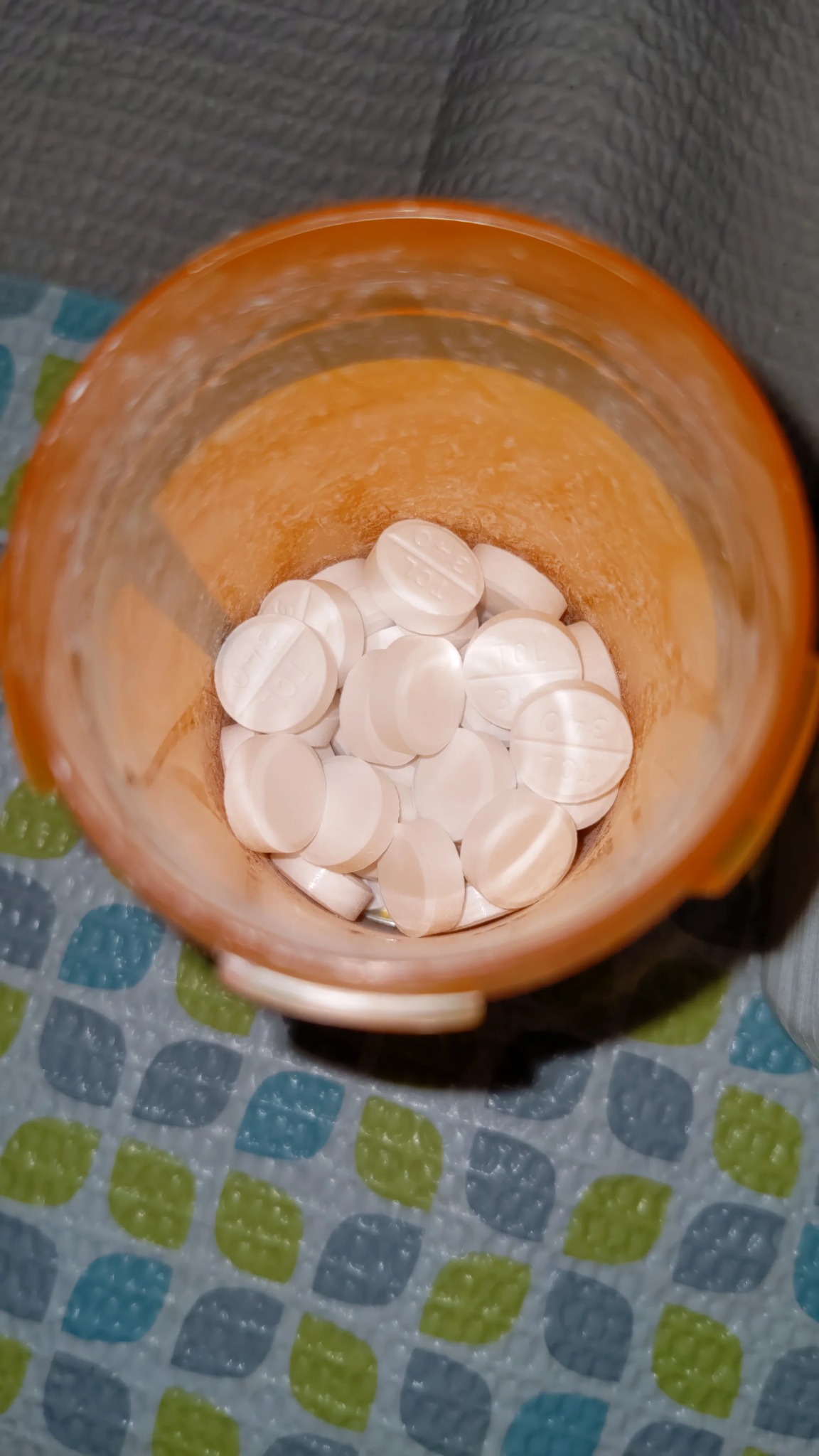
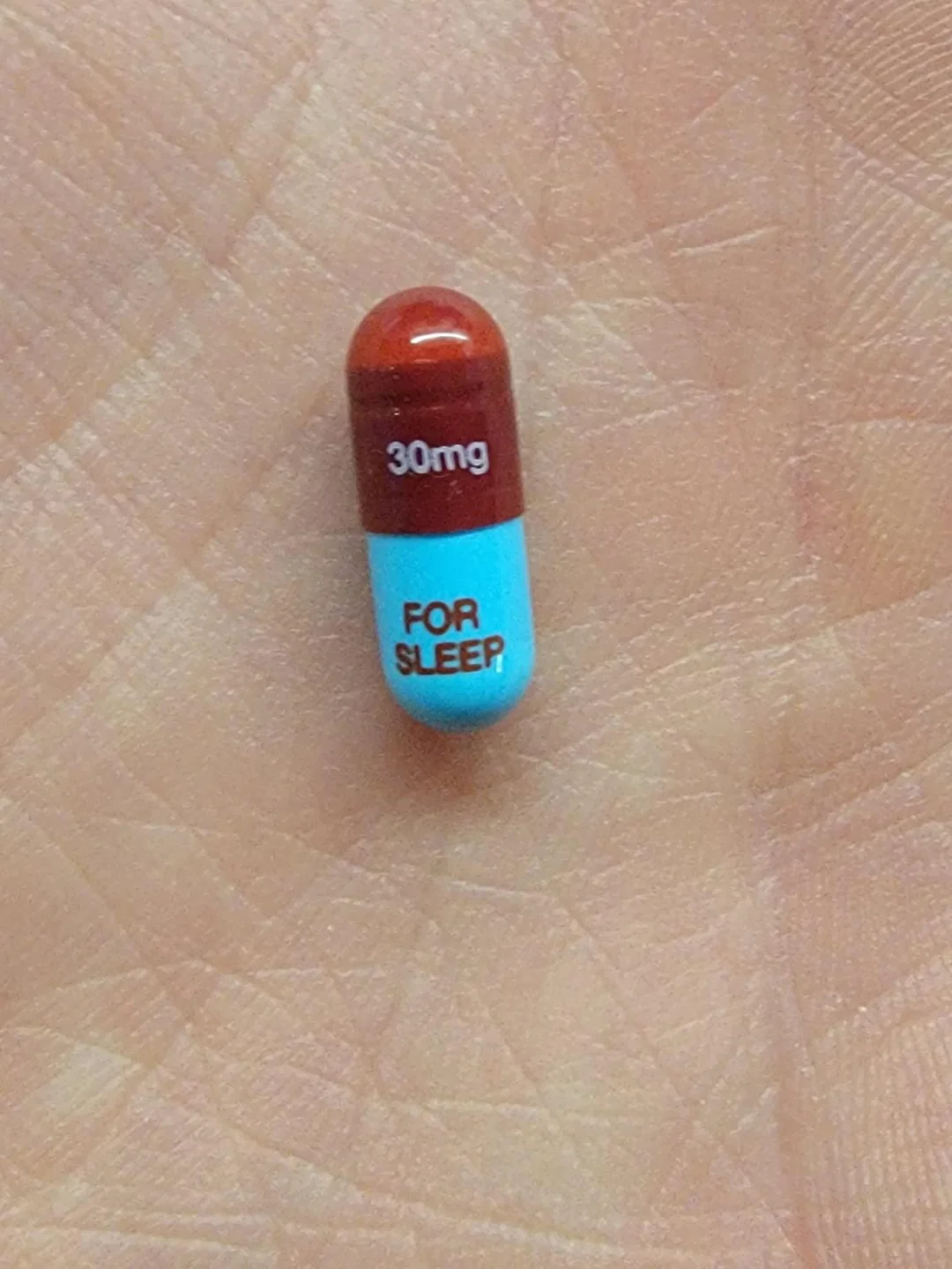
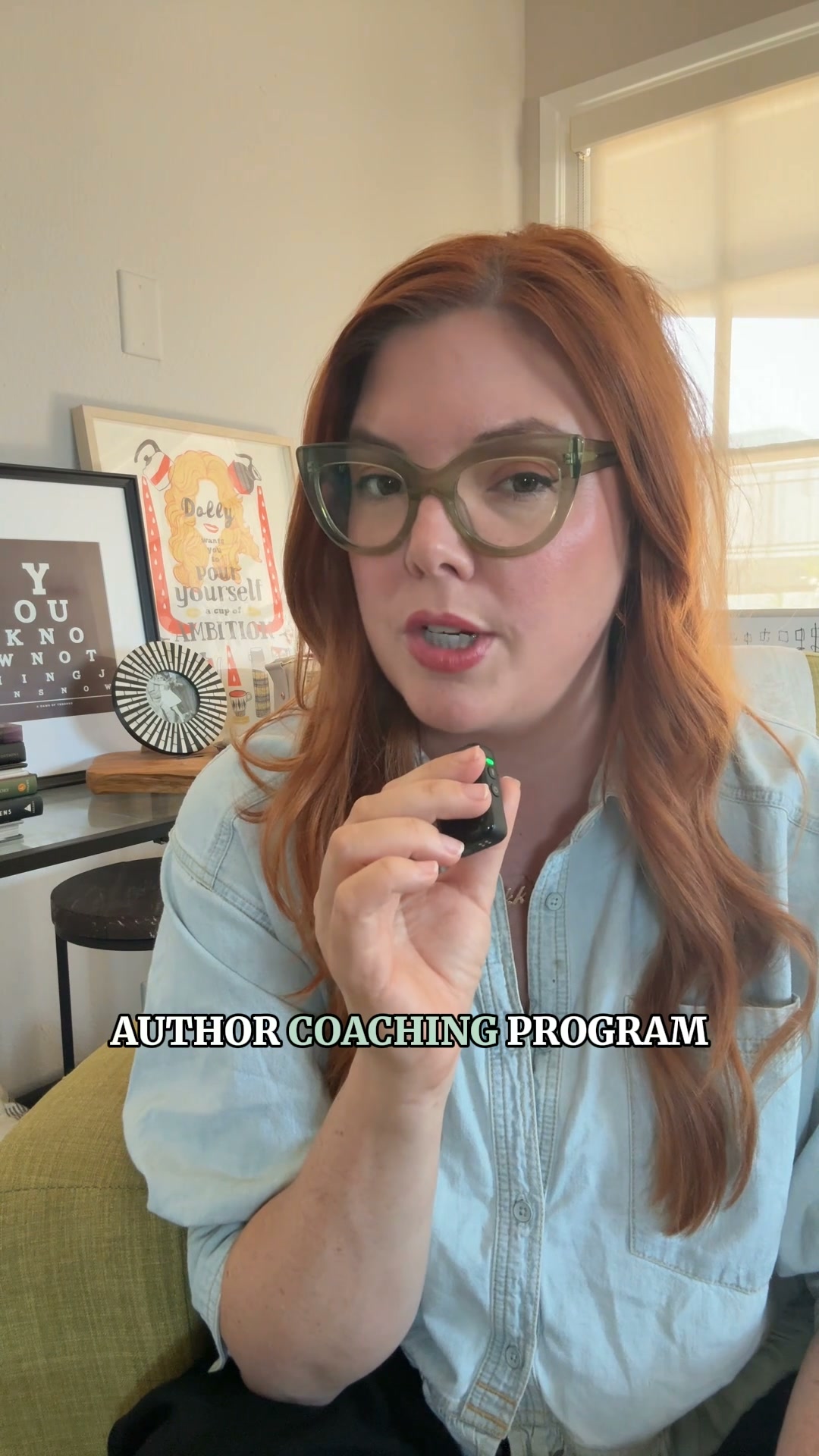
Ran for 2 days, from May 17 to May 19, 2026, the last day Crush saw it.
Run by Sandra Davis on Facebook. Crush is not the advertiser and does not verify its claims. See this ad in Meta's Ad Library(opens in a new tab)
Want an ad like this for your product?
Crush makes new ad images for your product from this ad: your logo, your product photo, your offer.
Trials from $19.95 USD, then $79.95 USD a month. Cancel anytime.
About this ad
- Meta Ad Library ID
- 2123914225212227
- Platforms
- Facebook, Instagram, Audience Network, Messenger and Threads
- Relaunches
- 0
Ad text
Every time a woman hands me a sleep prescription, I fill it. I have to. But there's something I've started saying quietly before she leaves. My manager would not approve. I've been a licensed pharmacist for 14 years. I have a PharmD. I know exactly what every sleep medication does at the molecular level — what happens the first week, what happens at week three, what happens six months in when the dose has doubled and she's scared to stop taking it. I know what comes next before she does. For 14 years I said nothing. I filled the prescription. I smiled. I said "take one at bedtime, call us if you have any questions." I handed women a bag containing something I knew would eventually stop working. And I went home. Three months ago, that changed. A woman came to my counter to pick up her sixth Ambien refill. Eight months on the medication. She'd started on 5mg. She was on 15mg now. She didn't say anything when I rang her up. Just stared at the bag on the counter. Then: "Is it normal that it's not working as well? My doctor keeps saying give it more time." I looked at her. I looked at the bag. And I said something I had never said to a patient in 14 years. "Can I ask you something before you go?" I need to explain what I know. Because what I told her at that counter is what I now tell every woman who comes in with a sleep prescription. Here's how these medications actually work. Zolpidem — Ambien — amplifies your GABA receptors. GABA is your brain's main inhibitory neurotransmitter. When it activates these receptors, brain activity slows. You feel drowsy. You fall asleep. For about two weeks. Then your brain does something it always does with any repeated chemical signal: it adapts. It's called receptor downregulation. Your brain removes GABA receptors from your neurons — because it's getting too strong a signal and needs to compensate. Now the dose that worked last month doesn't work this month. Not because your insomnia got worse. Because you have fewer receptors responding to the drug. So the dose goes up. And your brain keeps downregulating. And when you try to stop — those receptors don't just come back. Your brain has to rebuild them. That takes weeks. Sometimes months. In the meantime you have less natural GABA signaling than before you started. That's rebound insomnia. Your sleep comes back worse than it ever was. Every prescribing doctor knows the general concept of tolerance. What most of them don't know is the specific molecular mechanism — how fast it happens, how severe the rebound becomes, how hard it is to stop once the downregulation takes hold. I know. I learned it in pharmacy school. I've watched it happen to hundreds of women since. The woman at my counter had been on the medication for eight months. She was at triple her starting dose. She was exactly where I knew she'd be. I slid the bag to the side. "The reason it's not working as well," I said quietly, "is that your brain has been compensating for the medication. It's removed some of the receptors the drug needs to activate. That's going to keep happening." She stared at me. "So it's never going to work again?" "Not the way it did the first two weeks. The dose will keep needing to go up. And stopping is going to get harder the longer you take it." She was quiet for a moment. "Then what do I do?" That's the question I'd been waiting 14 years for someone to ask me. Here's what I told her. Chronic insomnia isn't a GABA deficiency. It's nervous system dysregulation. Your body is stuck in a state where it thinks it needs to stay alert — releasing cortisol at night when cortisol should be low, running a low-grade fight-or-flight response that prevents your nervous system from ever fully powering down. Sedation doesn't fix that. It bypasses it. Which is why the sleep doesn't feel restorative. You're not resting. You're just offline. What actually resets chronic insomnia is giving your nervous system the specific signal it needs to stand down. Not sedation. A signal. Filling the prescription wasn't enough. So I kept reading. Here's what eight months of research after my shifts taught me. Women's nervous systems don't dysregulate the same way men's do. Women are twice as likely to develop chronic insomnia. Our cortisol patterns are different. Our HPA axis responds to chronic stress differently. And almost all the clinical sleep research — the studies behind the standard protocols, behind the prescriptions I fill every day — was conducted on men. The women I hand prescriptions to weren't failing the medication. The medication was failing them. And it was never built for them. But even among women, chronic insomnia isn't one pattern. It's several distinct patterns that look identical from the outside. Some women can't fall asleep at all. Their nervous system won't transition out of alert mode. Some fall asleep fine but wake at the same time every night — because their cortisol spikes at the wrong point in the sleep cycle. Some sleep eight hours and feel like they got nothing — because they never reach restorative deep sleep. The medication treats all of these the same way. Sedation. But each pattern requires a different reset. And no one was asking these women which pattern they actually had. I told the woman at my counter about an assessment I'd found. Free. Two minutes. Identifies a woman's specific nervous system disruption pattern — the thing every doctor should determine before writing a single sleep prescription. "Take this before you fill your next refill," I said quietly. "Just take it. Two minutes." I wrote the link on the back of a pharmacy bag. She came back four weeks later. Not for a refill. She came to tell me. Her pattern was the 2 AM cortisol spike — her nervous system had been activating at exactly the wrong point in the sleep cycle every single night. The assessment had identified it. Given her access to a program built specifically around that pattern. Fifteen minutes a night. Not sedation. A signal her nervous system could actually respond to. "I slept through 2 AM for the first time in two years," she said. "Last Tuesday. I stood there in the morning and just cried." She'd stopped dreading bedtime by week three. By week five she'd told her sister about it. She handed me back the Ambien. The bottle was still half full. I've started doing this with every woman who comes to my counter now. I fill the prescription — I have to. But before they leave, I say: can I give you something to look at first? My manager doesn't know. My colleagues think I'm just being thorough. But every woman who comes to my counter with a sleep prescription deserves to know what I know. That the medication will stop working. That stopping will get harder the longer she waits. That her nervous system isn't broken — it's stuck in a specific pattern nobody has thought to measure. And that there are two questions nobody has asked her yet. Which pattern is her nervous system stuck in? And what does her specific pattern need to actually reset? Two minutes. Free. This is what I hand to every woman before she fills her prescription. Take the free sleep quiz
Where the ad sends people
bettersleepdigestca.com
What your pharmacist knows but won't tell you
See details: reclaimsleep.co(opens in a new tab)