
Inactive· since May 2, 2026
- 6
- days it ran
- 0
- relaunches
- 15
- EU reach
Ad copy
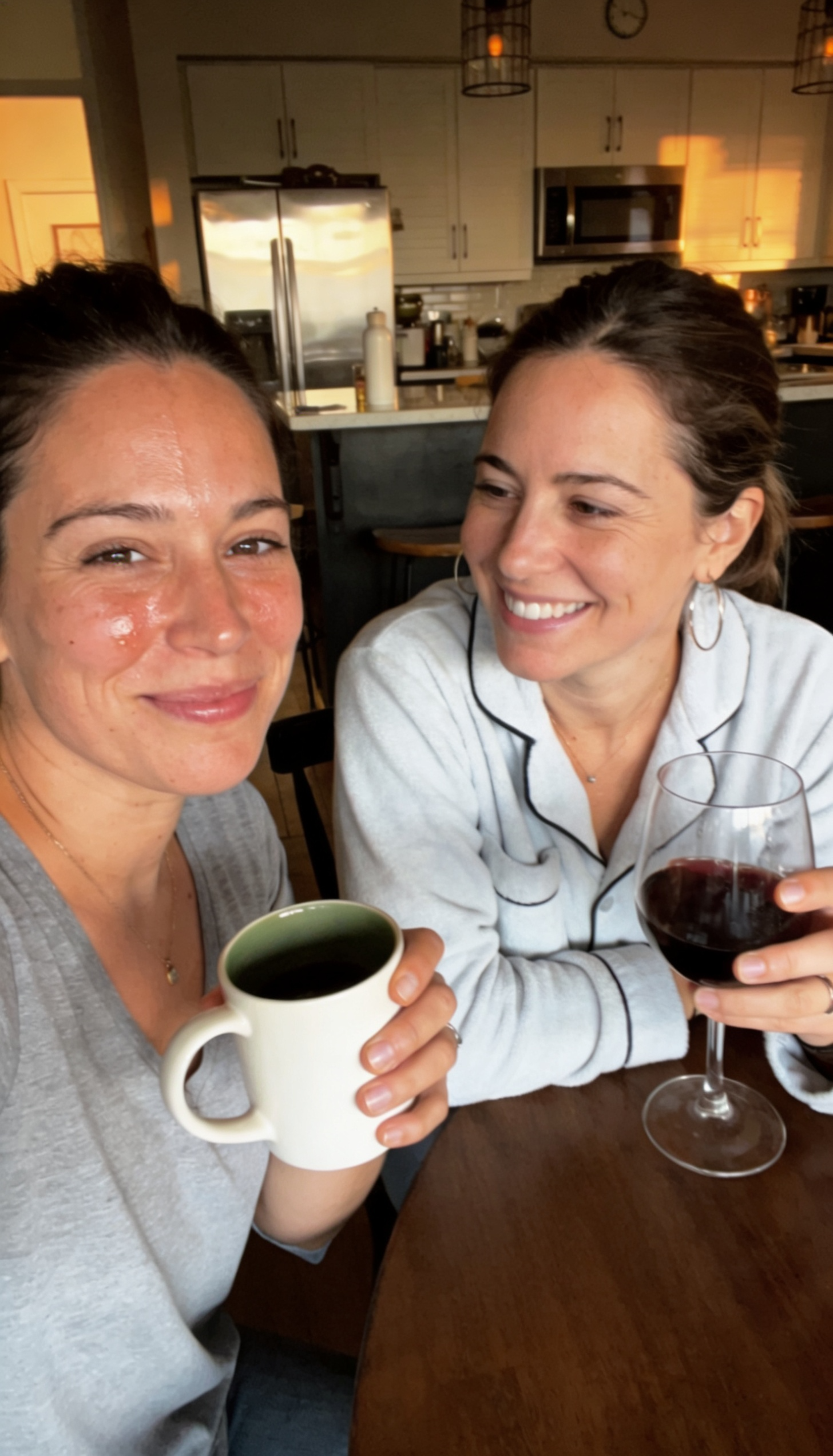
My best friend has apologized for things that aren't her fault for 20 years. She apologizes for crying. I asked her why she was doing that. She didn't know. I think I do. I'm posting this because I watched it for 20 years and almost said nothing. Maya and I have been close since college. We met at orientation. She was 18 and the most apologetic person I'd ever met. She said sorry for asking the RA a question. She said sorry for sneezing in lecture. She said sorry when someone bumped into her in the dining hall. I thought it was a quirk. I thought maybe it was Midwestern manners. I didn't ask. I should have asked sooner. Over 20 years I watched her say sorry for things she had not done. She apologized to a waiter who brought her the wrong order. She apologized to her boss for asking when her promotion would come. She apologized when her mother called to complain about her sister. She apologized to me when I was late to her birthday dinner. She apologized to her doctor for taking 12 minutes of his time. She apologized to her husband when he forgot her anniversary. She did not just say sorry. She felt sorry. She believed every interaction was somehow her fault. If someone was upset, she had caused it. If something went wrong, she should have prevented it. If a room was tense, she should have already smoothed it. She thought this was a personality trait. She thought she was "just polite." Or "just sensitive." Or "raised right." I thought it was something else for a long time. I just didn't know what. By 35 she was running 3 mornings a week to "burn off the day before it started." She was doing this at 5 AM. The day hadn't started yet. By 38 she had a list on her phone of "things to remember to apologize for." It was 14 items long. By 40 she was crying in her car between meetings and never telling anyone. Not me. Not her husband. She'd touch up her makeup in the parking lot and go back in. The night I figured it out: It was a Tuesday. She'd come over for tea. She was telling me about a fight she'd had with her sister. Her sister had said something cruel to her. Maya was upset. She started crying in my kitchen. Then she said: "I'm sorry. I'm sorry. I'm so sorry. I shouldn't be doing this." I asked her why she was apologizing. She was the one who had been hurt. She said: "I don't know. I just am." I asked her something I had wanted to ask for 20 years. I asked her to tell me about her father. She got very quiet. Maya's father was an alcoholic. She had told me this once, in a single sentence, when we were 22. She had never brought it up again. She had told me he was "fine now." She had told me her childhood was "normal." She had told me she was "lucky compared to other people." That night in my kitchen she told me what it had actually been like. She told me about the way the house felt when he was drinking. About the way she could tell from the sound of his car door whether dinner was going to be safe. About the way her mother had taught her to "not make it worse." About the way she had been the one to put her younger brother to bed when her father came home angry. She had been 8. She had been apologizing to the air in that house for as long as she could remember. Apologizing for being there. Apologizing for needing things. Apologizing for breathing too loud. She was 41 now. She was still doing it. She said something I think about every day. "I think I learned to be sorry I existed before I could read. I don't know how to be in a room without being sorry I'm in it." I learned to be sorry I existed before I could read. I wrote it down on a Post-it that night. I still have it. A few weeks later I was up at 1:47 AM scrolling. I wasn't looking for anything. I read a thread by a woman about adult children of alcoholics. About patterns that begin in childhood and become invisible as they become normal. About apologizing as a survival skill. About people-pleasing as a way to keep the peace in a house where peace was always at risk. About reading rooms because the room had been the only thing standing between you and chaos. The thread described Maya so completely that I cried. The woman writing it described herself. They were the same person. They had grown up in different states and somehow learned the exact same set of skills. She mentioned an app. Liven. She said it had asked her questions her therapist had not asked in 8 years. I sent the thread to Maya at 2 AM. I didn't say anything else. Just the link. She read it before she got out of bed the next morning. She called me at 6:30. She was sob-crying. She said: "This is my whole life. I've been calling it 'being polite' since I was a child. It was never being polite. It was being scared." I know. What do I do. There's an app she mentioned. Take their quiz. It asks the questions your therapist might be missing. She took it that morning. She said yes to almost everything. The apologizing. The reading the room. The way she felt responsible for everyone else's mood. The way she didn't know what she actually wanted because she had spent 30 years figuring out what other people wanted first. Here is what I watched over the next few months. Week 1: She caught herself apologizing 23 times in a single morning. She wrote each one down. She didn't change anything. She just noticed. Week 3: She told her sister she didn't want to hear complaints about their mother anymore. She said it without apologizing first. Her sister was angry. Maya did not call back to apologize. Week 6: She let her husband bring her tea when she had a headache without saying "you don't have to do that." She just said "thank you." She told me later that two-word sentence had been the hardest thing she had said in 5 years. Week 10: She was at her sister's house. Her sister said something cutting about Maya's outfit. Maya said: "That hurt my feelings. Please don't say things like that to me." She did not cry. She did not apologize. Her sister was so shocked she did not say anything else for 20 minutes. Week 14: She was at her own kitchen table. Her husband walked in. She did not look up to read his mood. She did not check his face. She just kept reading her book. She said it was the first time she had been in a room with another adult and not been scanning them since she was 6. Week 20: She was crying at my kitchen table again. Different crying. She said: "I don't think I have to apologize for being sad anymore. I have spent my whole life apologizing for feelings I was allowed to have. I'm so tired." She is still tired. She still apologizes more than most people. But she catches it now. She catches it the way you catch a falling glass. Sometimes she still drops it. But she sees it on the way down. The thing she told me last week: "I am not a polite person. I am a person who learned that being sorry kept me safe in a house that wasn't safe. I am 41 years old. I am safe now. I do not have to be sorry to be safe anymore." I am safe now. I do not have to be sorry to be safe anymore. I'm posting this because I know there is a version of me reading this who has a Maya. A best friend. A sister. A daughter. Or maybe she is reading this herself. Someone who apologizes for crying. Someone who apologizes for needing things. Someone who has been polite for so long she does not know what she actually wants. If you grew up in a house where peace was something you had to manage. If you have been the responsible one since you were 6. If you cannot ask anyone for anything. If you read rooms reflexively. If you say sorry for breathing. It might not be politeness. It might not be sensitivity. It might be a survival skill you learned before you could read. And it might still be running you. Liven has a quiz. A few minutes. It asks the questions a therapist might miss. Take it before you apologize one more time today. Link is below. P.S. Maya knows I am posting this. She read it first. She said tell them about the kitchen. The night I asked her why she was apologizing for crying was the night she stopped being able to lie to herself about it. She said she had been waiting 35 years for someone to ask her that question. Nobody ever had. The photos are hers. She sent them to me as she went over 5 months. The one of us at the kitchen table laughing was the morning she had told her sister no for the first time in her life. We had cappuccinos. We were celebrating. She said: "Tell them I am 41 and I just learned how to say no. Tell them it is not too late." I am telling you.
She apologized for crying. I know why
LEARN MORELike this ad? Make it yours.
Crush rebuilds this exact creative around your product — your brand, your colors, your offer — in about a minute.