Alba Team Group
Alba Team Group Facebook ad: “https://myalbashop.com/products/cerva-neck-release-tool”
Ran for 17 days, from June 27 to July 13, 2026, the last day Crush saw it.
Run by Alba Team Group on Facebook. Crush is not the advertiser and does not verify its claims. See this ad in Meta's Ad Library(opens in a new tab)
Want an ad like this for your product?
Crush makes new ad images for your product from this ad: your logo, your product photo, your offer.
Trials from $19.95 USD, then $79.95 USD a month. Cancel anytime.
About this ad
- Meta Ad Library ID
- 2143278542910143
- Platforms
- Facebook, Instagram, Audience Network, Messenger and Threads
- Relaunches
- 0
Ad text
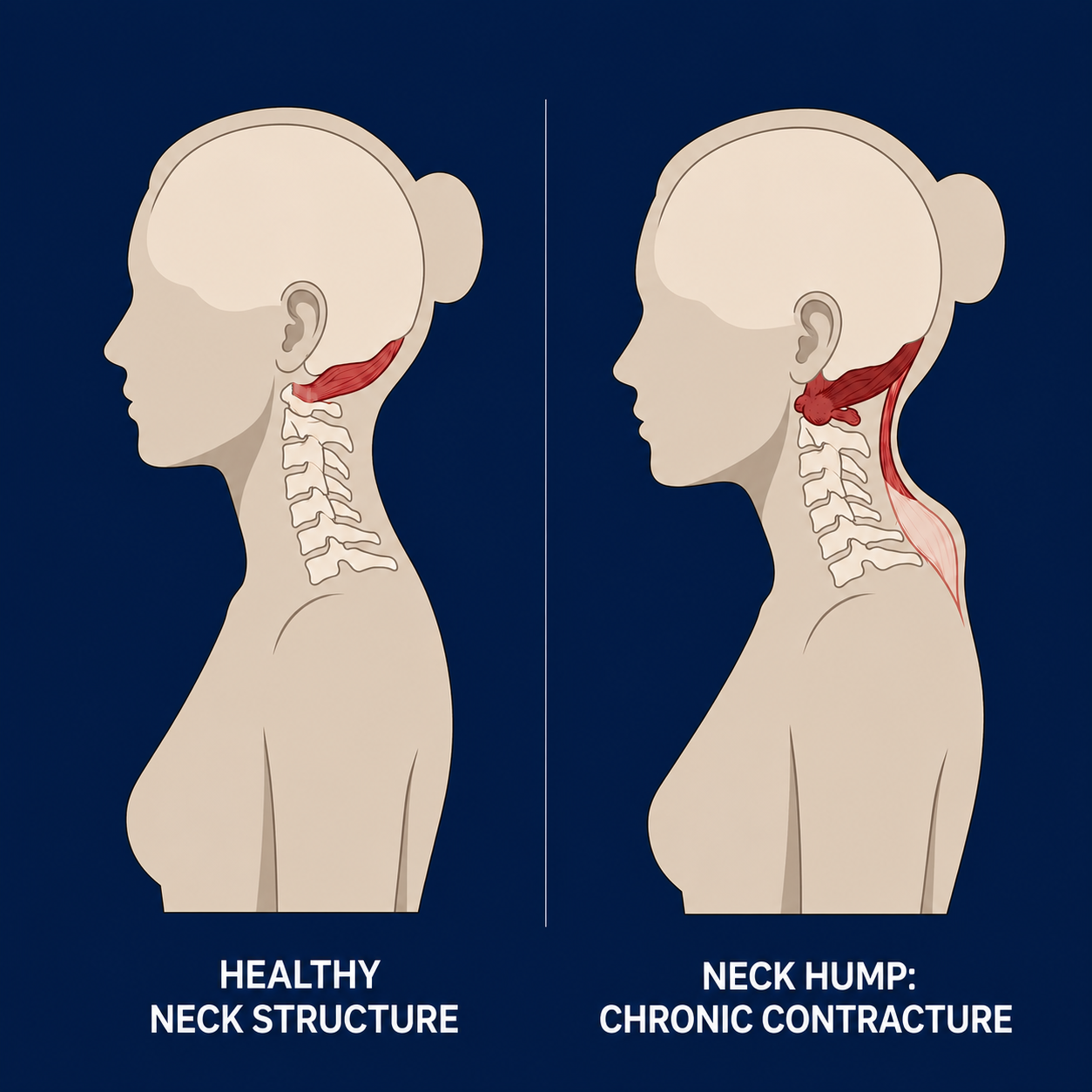
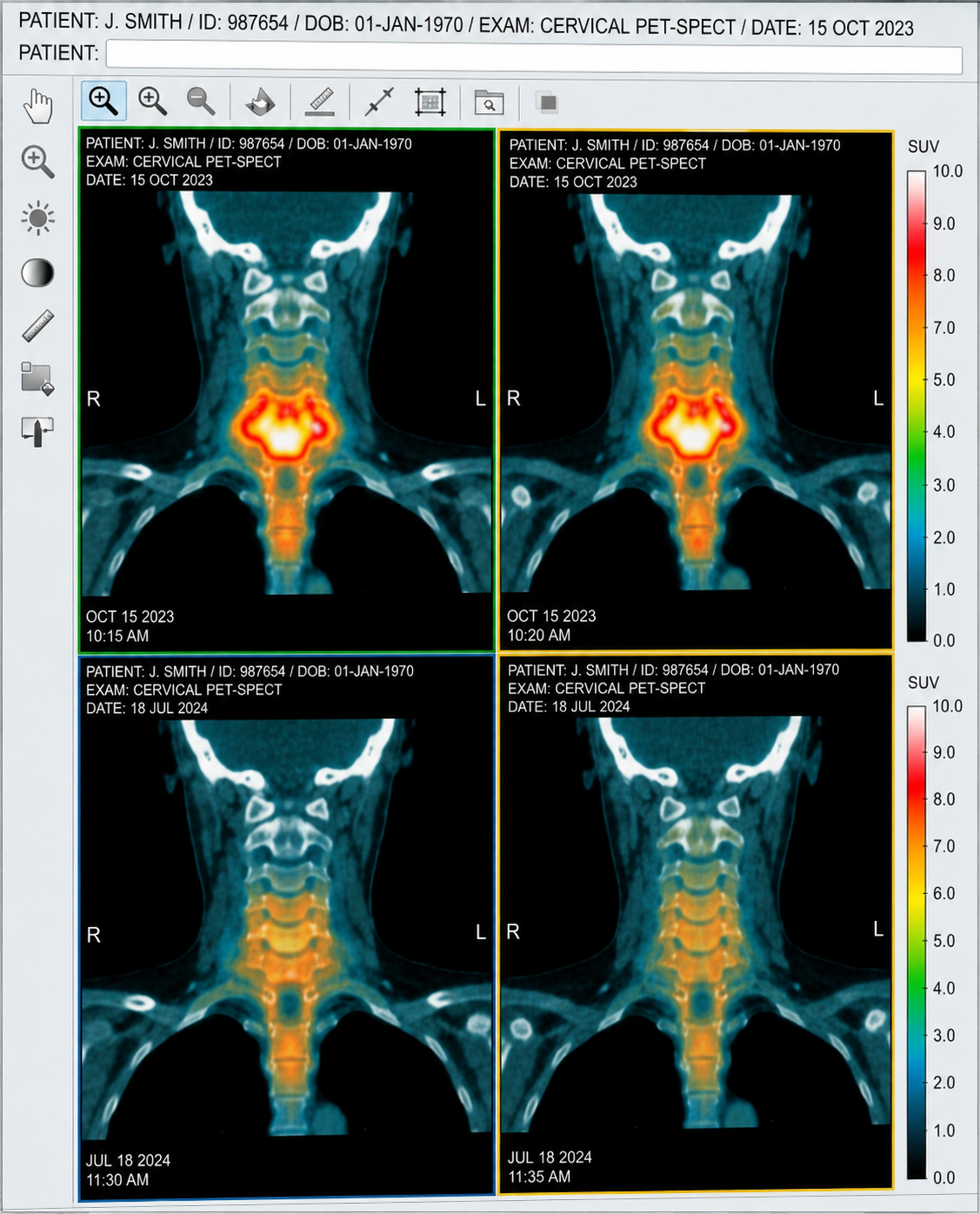
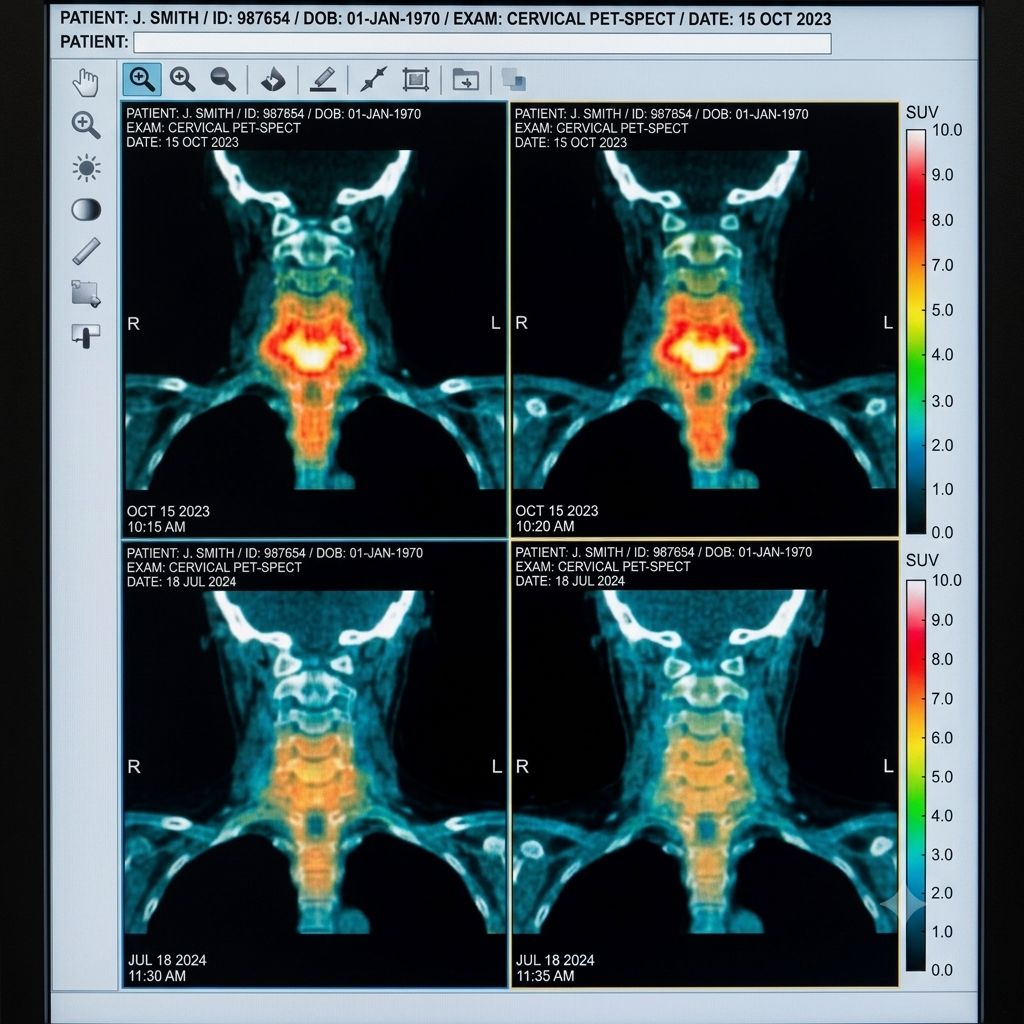
If your chiropractor told you that you have a neck hump and all she said was "keep up the adjustments," I am writing this for you specifically. Because I was you three years ago and nobody told me what was actually happening inside my cervical structure. My name is Maria. I am 56. I found out I had a progressing neck hump at a routine posture assessment when I was 53. My forward head translation was 2.8cm. My chiropractor said, "you have some forward head positioning, let's start twice-weekly adjustments and we will recheck in six months." That was the whole appointment. So for two years that is all I did. I changed my posture habits. I cut out all unnecessary screen time. I started doing posture exercises four days a week. I lost some weight that was not helping matters. I went back for my recheck expecting good news. Forward head translation was 2.7cm. I had spent two years doing everything right and my number barely moved. My chiropractor looked at the chart and said, "well, keep doing what you are doing. These things take time." But here is what she did not tell me. While I was focused on adjustments and exercises, something else was happening inside my cervical structure. Something that posture habits alone cannot fix. I did not find out until much later. And when I did, I was furious. About six months after that appointment, the coverage planning started taking over my mornings. Not dramatic at first. Just a slight hesitation before reaching into my wardrobe. I would stand there for a few minutes trying to figure out what worked. I would put something on, turn sideways, take it off. I would find myself always choosing the same few things. I told my chiropractor. She said it was probably anxiety about the hump. Maybe focus on acceptance alongside the management. Then the wardrobe reorganisation. Not overnight. Gradual. The kind where you do not notice until you realise you have not worn an open neckline in eight months. The kind where your husband asks if you want to take a photo at your granddaughter's birthday and you feel something tighten in your chest before the camera comes out. The kind where you start positioning yourself in group photos without consciously deciding to. I went back again. More assessment. Forward head translation was now 2.9cm. Going up, not down. She said, "your measurements are slightly elevated but nothing alarming. Let's keep monitoring." Monitoring. That word should have made me angry. It did not at the time. But it does now. Because here is what monitoring means: we are going to watch this consolidate and do nothing until the tissue is too established to reverse. I started researching on my own. Late at night. Googling things I did not want to Google. Neck hump stages. Cervical kyphosis progression. Tissue consolidation. What happens when it is permanent. And I thought about my aunt. She was told she had a progressing neck hump in her late 40s. Same thing I heard. Keep up the adjustments. Watch your posture. Come back next year. She came back every year. She watched her posture. She wore her brace. Year 3: measurements crept up. Chiropractor said keep monitoring. Year 6: an assessment showed the tissue had consolidated significantly. They called it established cervical kyphosis. She was scared but they said it was "manageable." Year 9: the tissue had consolidated further. They used the word "permanent structural change" for the first time. Year 12: she had reorganised her entire life around the hump. She stopped going to events. She stopped appearing in family photos. She wore the same five outfits every week because everything else showed it. She never got her wardrobe back. She is 67 years old and she has not worn an open neckline in nine years. Her forward head translation when she was first assessed? 2.6cm. Almost exactly what mine was. I was not going to be my aunt. I refused. I read that millions of women over 50 have progressive neck hump tissue buildup. That most do not fully understand what is driving it. That practitioners call it "age-related postural change" when the real cause has a specific name and a specific address. I read that neck hump tissue builds in a progression. Early forward pull becomes visible tissue. Visible tissue becomes consolidated tissue. Consolidated tissue becomes permanent structural change. And then I read something that changed everything. The real problem is not the posture. The posture is the visible result of a chain reaction. The head drifts forward. That forward load stresses the suboccipital muscles at C1 and C2, right where your skull meets your spine. Over time those muscles stop releasing after every forward movement. They lock. And once they are locked, your head gets pulled forward continuously. Your body builds tissue at the cervical base to absorb the constant stress. The suboccipital contracture is the driver. Without releasing it, everything else is just managing the symptom. And here is the part that made me furious. In people with progressing neck humps, the suboccipital contracture is chronically locked. The accumulated forward load keeps it in a neurological holding pattern faster than the body can compensate. The more the tissue builds, the harder the contracture pulls. The harder the contracture pulls, the more tissue builds. It is a cycle. And nothing my chiropractor told me to do breaks that cycle. Adjustments help. Exercises help. Posture habits help slow the forward load. But none of those things directly release the suboccipital contracture. That is why my forward head translation did not move in two years. I was reducing the load but the lock was already running. And my cervical structure had nothing to release it with. I felt like I had been painting over a wall that was still getting wet from behind. I called my chiropractor. I said what about the suboccipital contracture? Why aren't we addressing the neurological lock directly? Why are we only talking about adjustment? She said she was "aware of" direct suboccipital compression approaches but there was no standard protocol for it in her practice. I said what about home tools? She said she could not recommend anything she had not assessed. So I went looking myself. First thing I tried was a foam roller. Because that is what everyone uses for neck and upper back. Amazon, £22. Used it faithfully for five months. Got my assessment done. Forward head translation 2.7cm. Five months. No change. Turns out foam rollers target the thoracic spine, nowhere near the C1-C2 suboccipital zone where the contracture lives. It is like trying to open a lock by polishing the door handle. The handle looks better. The lock stays locked. Then I tried a cervical contour pillow. Then a traction device. Then one of those multi-function cervical posture tools with six different settings. Forward head translation stayed between 2.7cm and 2.9cm the entire time. Bouncing around. Never coming down. I was spending money every month on tools that were not doing a single thing. That is when I found direct suboccipital compression. I had never heard it called that before. But what I read stopped me cold. The suboccipital contracture releases on three specific inputs that all have to fire simultaneously. Exact C1-C2 anatomical placement, the two precise pressure points where the contracture lives, not the upper back, not the general cervical spine, not "around" the area. Gravity-assisted sustained delivery, your own head weight providing the consistent downward force. And minimum hold duration, eight to ten minutes, long enough for the proprioceptive receptors to activate and the neurological release signal to actually fire. Below threshold on any one of those inputs, the signal does not fire. The contracture does not release. The tissue keeps building. And that is why the foam roller was not working. Wrong address. That is why the cervical pillow was not working. No suboccipital compression. That is why the traction device was not working. Decompresses the joint above the contracture while the lock below keeps pulling. Same principle. Same problem: contracture that never gets the three simultaneous inputs it requires to release. I ordered Cevera that week. Two foam nodes engineered for exact C1-C2 placement. Gravity-assisted delivery through my own head weight. Ten-minute protocol before sleep. The clinical input standard, not the broad cervical tool I had been telling myself was enough. I paid more for it than the Amazon stuff. But at this point I had spent over £400 on tools that had not done anything. I figured one more try. Week 1: I slept better. Not dramatically. Just deeper. Less waking up with the automatic neck position awareness. Week 2: I noticed I was not doing the full coverage calculation at 7am. The morning decision was still there but shorter. Week 3: my husband said something I was not expecting. He said "you seem more like yourself lately." I had not even told him I was trying something new. Week 4: the wardrobe planning was not gone completely but I could feel it thinning. Like a calculation that had been running every morning for years was starting to run quieter. Week 8: I had my assessment scheduled anyway. Almost did not want to look. Forward head translation: 1.9cm. I read it three times. Then I read it again. 1.9cm. Down from 2.8cm. First time under 2.0cm since my diagnosis. I sat in my car in the parking lot and cried. Not because of the number. Because of the three years I wasted not knowing this existed. My chiropractor pulled up the trend line at my next appointment. She looked at the screen for a long time. "What changed?" she asked. I told her everything. The suboccipital contracture. The three simultaneous inputs. The C1-C2 placement. The gravity-assisted delivery. The ten-minute protocol. She listened. She wrote it down. She did not say "you should have told me you were trying something new." She did not dismiss it. She looked at the numbers and she wrote it down. That was nine months ago. My last forward head translation was 1.4cm. Still improving. The coverage calculation is gone. Not reduced. Gone. I get dressed in ten minutes without strategy for the first time in years. My energy around getting dressed is back. I do not spend the first part of my morning calculating anymore. I just choose what I want to wear. I am in photos. At my granddaughter's last birthday I stood at the front. I did not position myself. I just stood there. And for the first time since my diagnosis, I am not afraid of what my next assessment will show. I am not afraid of the word "permanent" anymore. I am not Googling "neck hump reversal timeline" at 2am anymore. I understand now what was happening to me. The forward load was creating contracture. The contracture was preventing the suboccipital muscles from releasing. Without release, my head stayed pulled forward continuously. And everything my chiropractor told me to do addressed the joint above the contracture but nothing addressed the contracture itself. It is like telling someone with a locked door to push harder. Yes, pushing harder helps a little. But until you turn the key, you are still outside. Direct suboccipital compression is the key. If you are reading this and you have a progressing neck hump. If your measurements are creeping. If you have been told to keep up the adjustments and come back next year. If you have been using foam rollers and watching your numbers stay the same. If the coverage planning has crept into your mornings. If the wardrobe is reorganising itself around the same problem. If you are scared of what comes next. Please hear me. Your suboccipital contracture has never been directly released. That is the root cause. And nothing you have been told to do addresses it. The three simultaneous inputs are what the contracture requires. Exact C1-C2 placement, gravity-assisted sustained delivery, minimum eight to ten minute hold. Cevera delivers all three. My forward head translation went from 2.8cm to 1.4cm in about nine months. The coverage calculation is gone. My chiropractor went from "keep monitoring" to "whatever you are doing, keep doing it." I wish someone had told me this the day I was diagnosed instead of three years later. I cannot get those three years back. But I can tell you now so you do not lose yours. P.S. A few things: 30-day money-back guarantee. If your measurements do not improve, every pound back. No questions. Cevera is a small company. I have seen them have availability constraints twice this year. I went from 2.8cm forward head translation and three years of coverage planning to 1.4cm and getting dressed in ten minutes without strategy. My aunt lost years of her life because nobody told her any of this. You know now.
Where the ad sends people
myalbashop.com
https://myalbashop.com/products/cerva-neck-release-tool
Women's Wellness Report™ · Independent Health Journalism CERVA by Alma Women's Wellness Report™ Home › Health › Posture & Spine Top Physical Therapists: “This Is the Fastest Way to Reduce Your Neck Hump For Good” Sponsored9:15 am GMT277,929 viewsBy Sarah Mitchell, DPT — Doctor of ...
Learn more: myalbashop.com(opens in a new tab)