
Active· since Apr 25, 2026
- 145
- days running
- 0
- relaunches
Ad copy
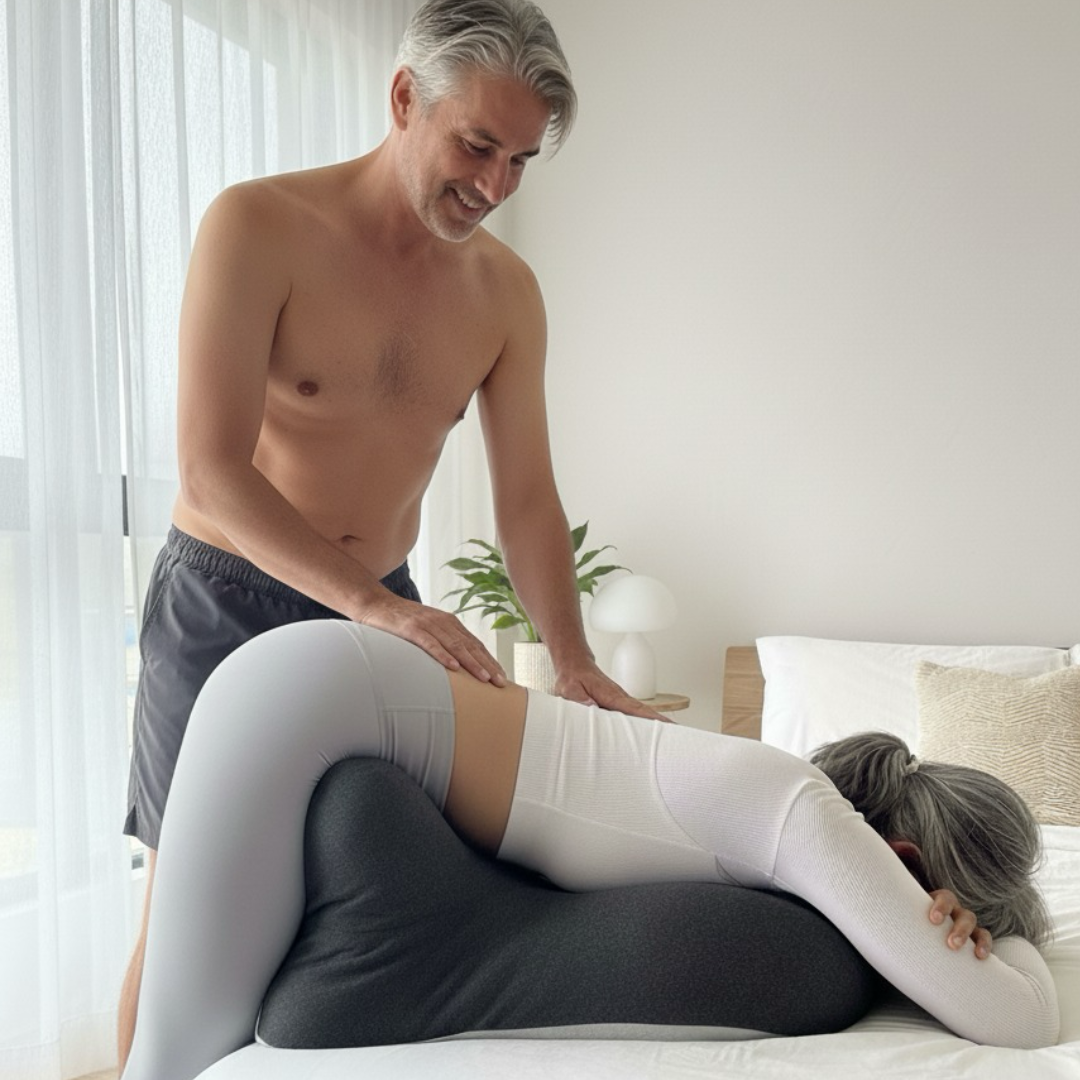
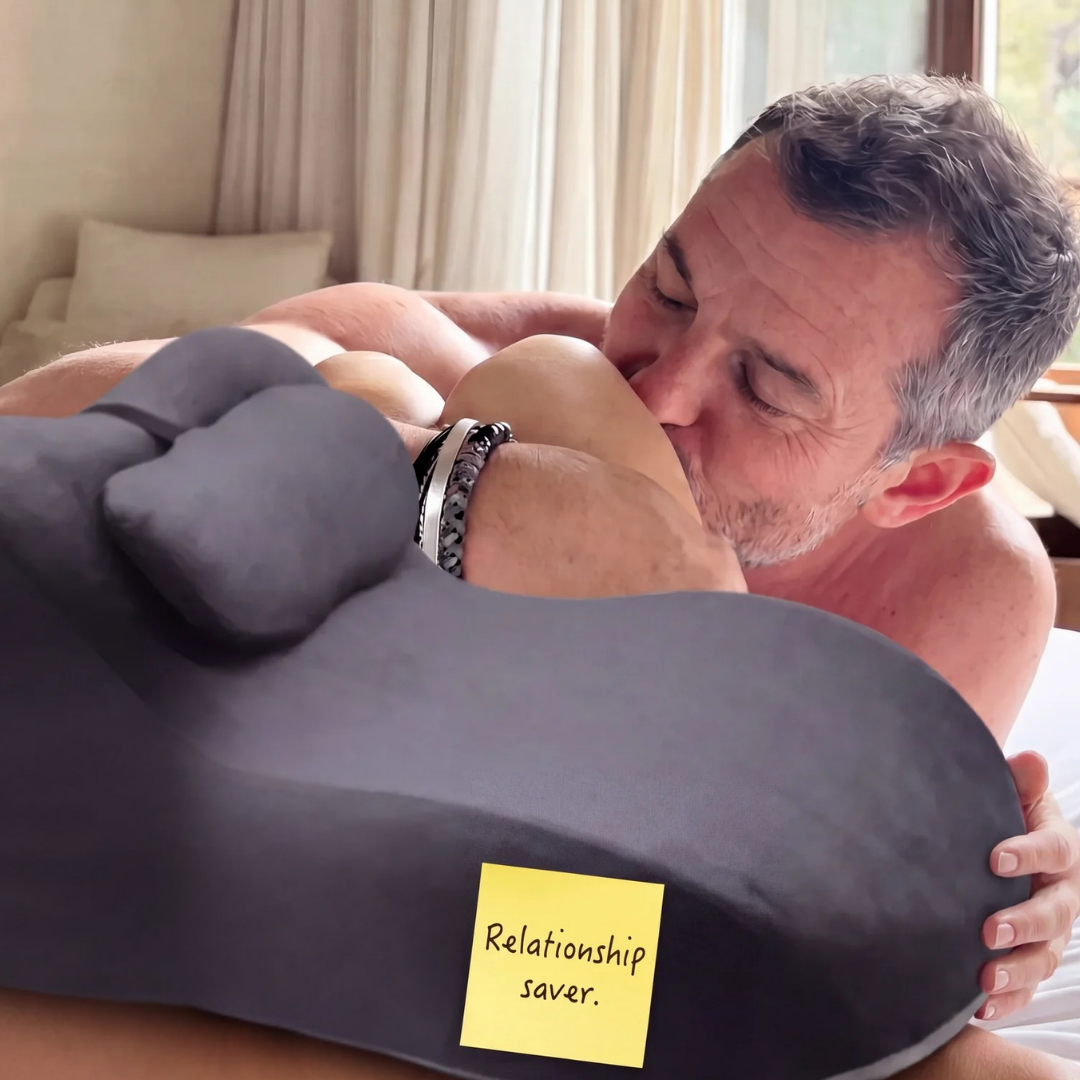
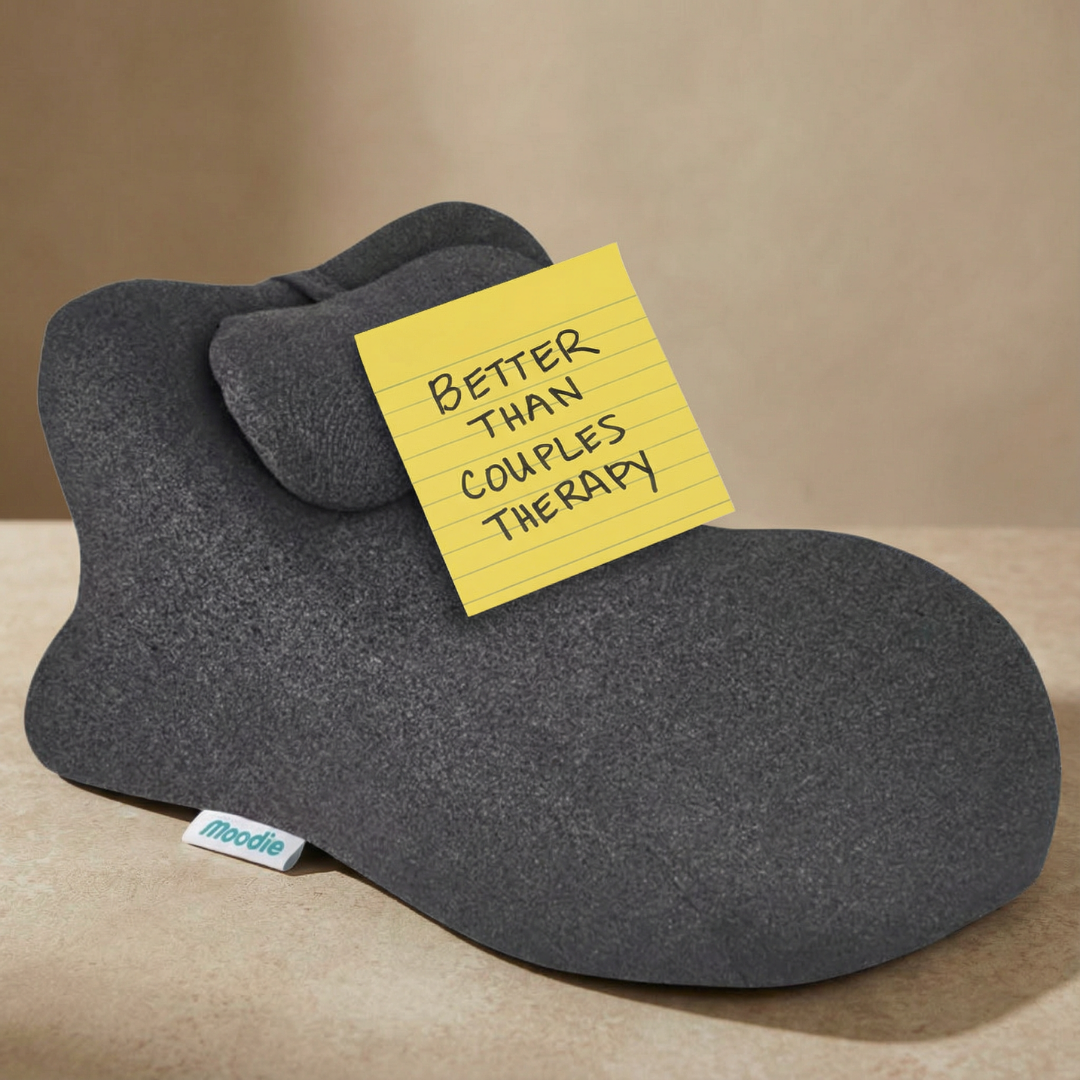
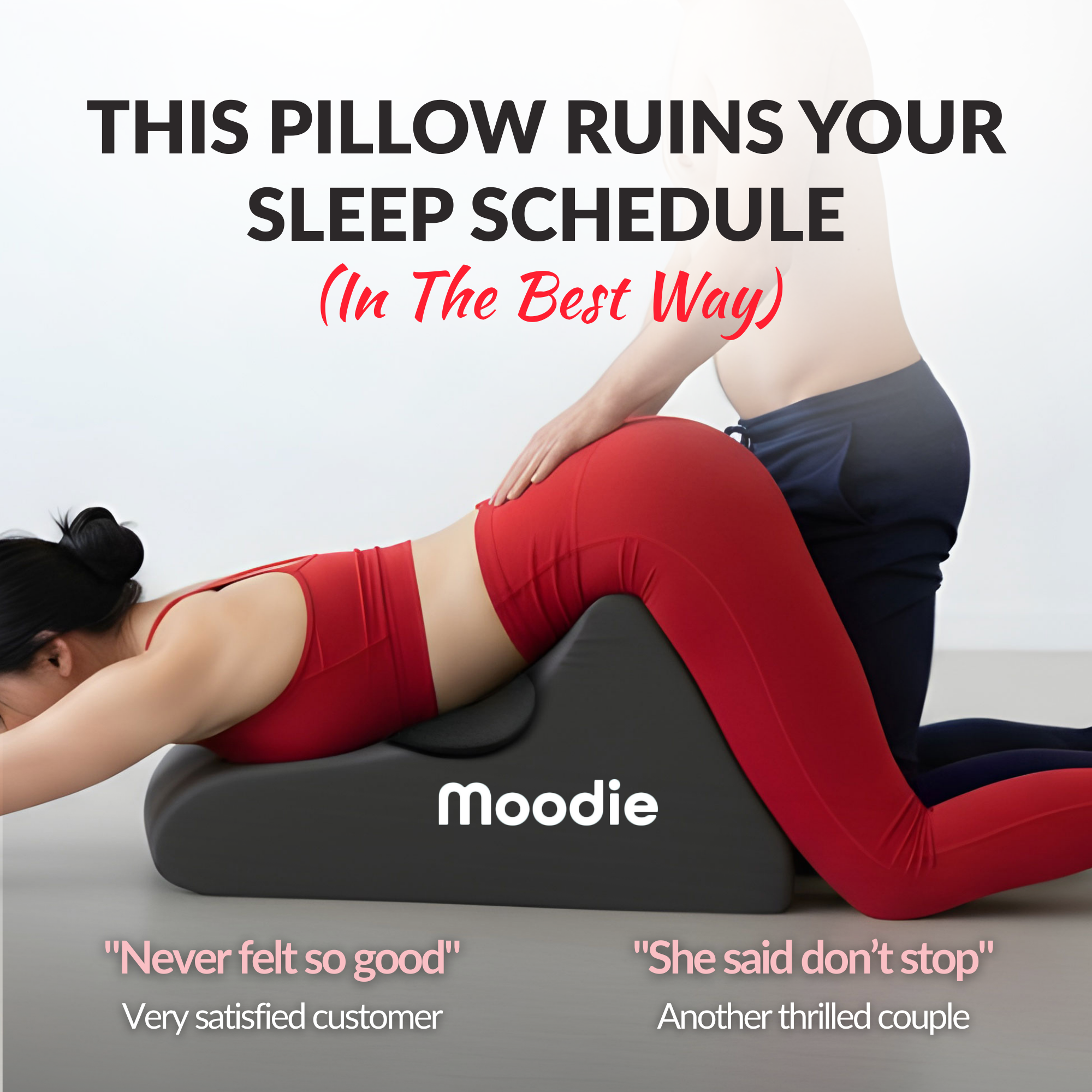
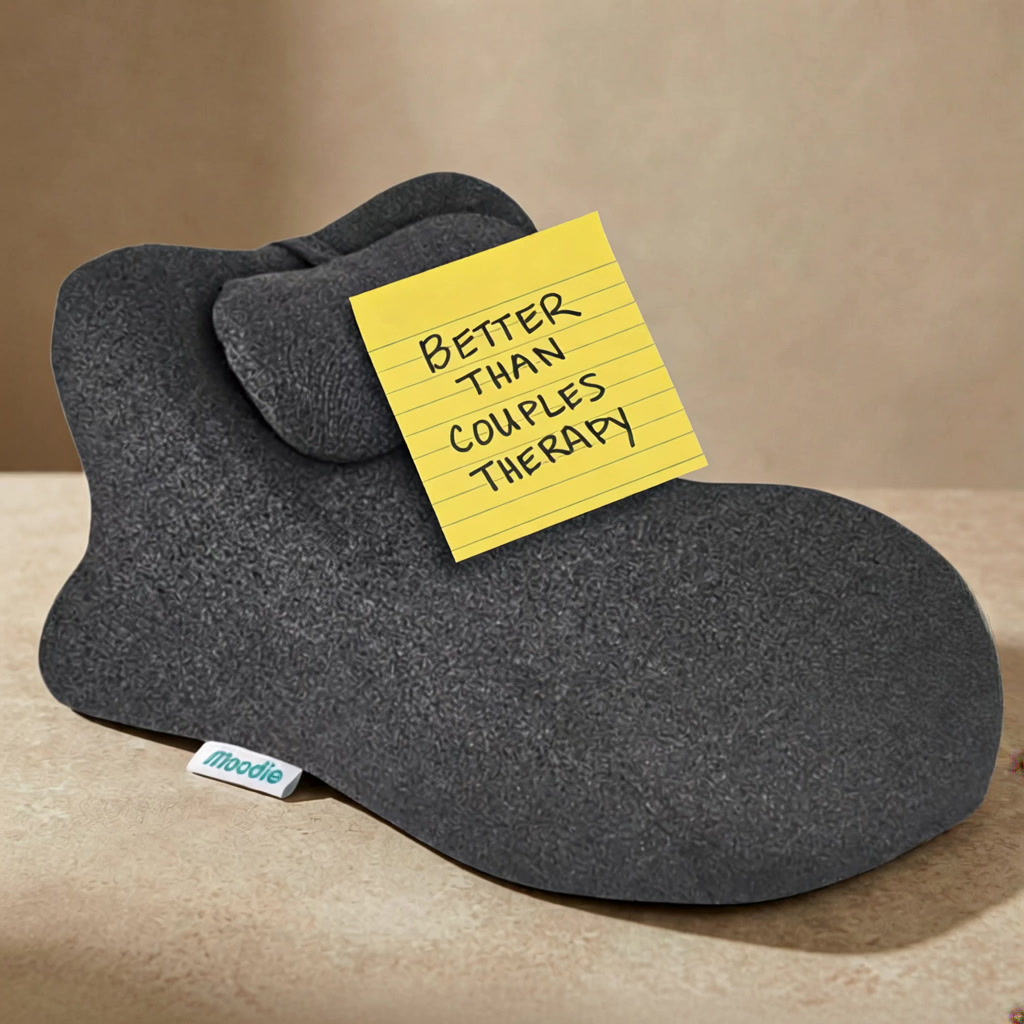
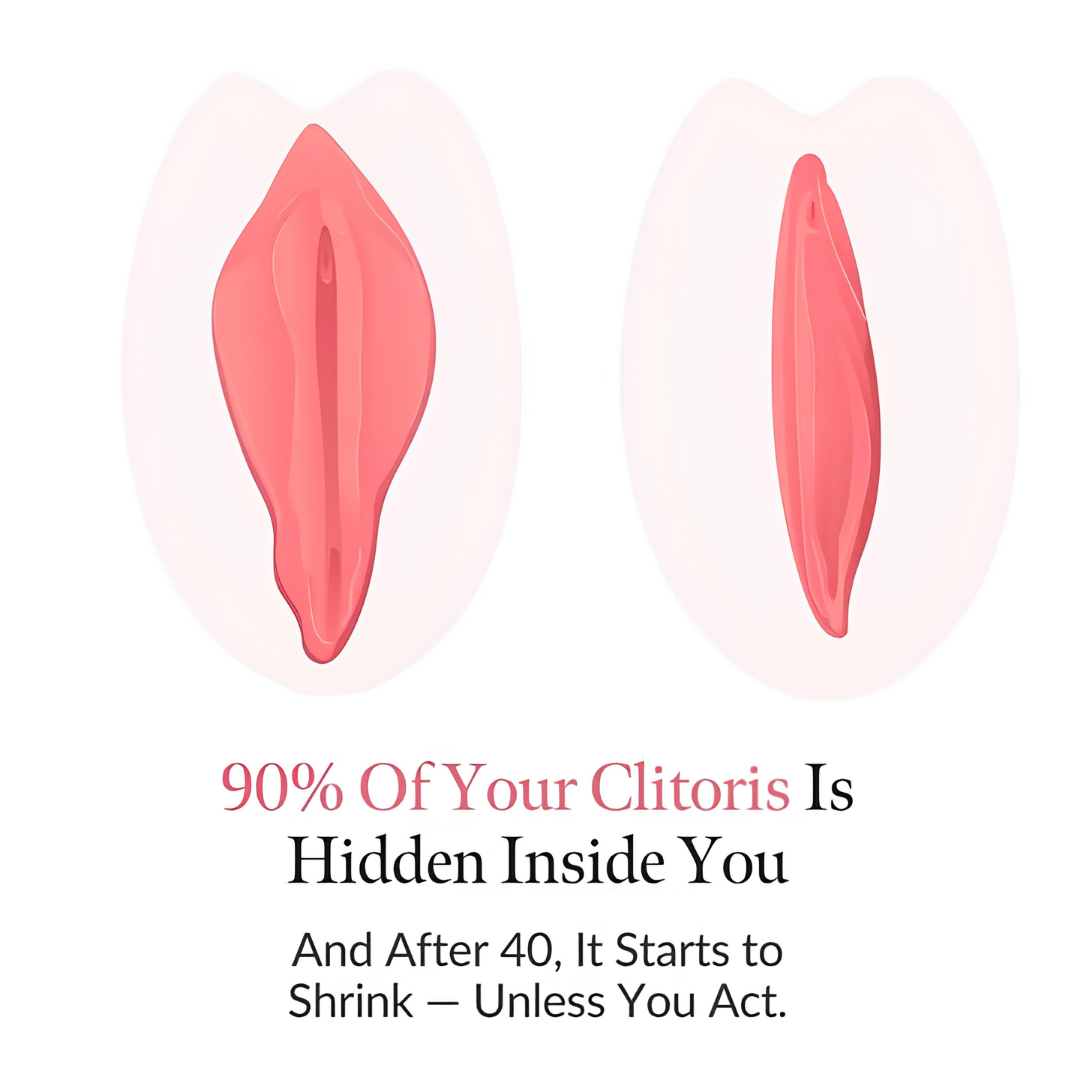
90% of the clitoris is internal. After menopause, the pelvic floor shifts the angle away from the exact tissue that used to respond. That is not a dryness problem. That is a targeting problem. ======== Over 14,000 women over 45 have tried the Moodie Comfort Pillow. And almost all of them said the same thing: they wish someone had taught them their own anatomy before they spent three years assuming their body had stopped working. The Moodie Comfort Pillow is a medical-grade 27-degree positioning cushion designed with pelvic floor therapist Dr. Imogen Ingber. Used by 14,000+ women over 45 who discovered the problem was never sensation. It was contact. Most women over 45 were taught that the clitoris is a small external structure. That is not incorrect. It is radically incomplete. And the gap between what they were taught and what is actually there is exactly the gap where postmenopausal pleasure gets lost. ======== **1. The 90% fact.** The visible clitoris, the external glans, is roughly 10% of the entire structure. The other 90% is internal. It extends downward and outward in a shape that anatomists compare to a wishbone. The two internal legs, called crura, extend between 7 and 13 centimeters along the vaginal wall and under the pelvic floor muscles. This is not recent research. It was mapped in detail in the late 1990s and early 2000s. It is not in most high school textbooks. It is not in most adult health conversations. Most women reach 45 without knowing that the majority of the organ responsible for their pleasure sits inside their pelvis, not outside it. Dr. Imogen: "I have had 60-year-old patients, articulate, educated women, tell me in a consult that they thought there was 'one spot' and it stopped responding. No one ever told them there were 13 centimeters of responsive tissue lining the canal. They spent thirty years thinking their own anatomy was smaller than it is." ======== **2. Pre-menopause: why it used to work.** Between roughly 20 and 45, the pelvic floor holds a specific resting tension. The vaginal canal sits at a specific axis. The surrounding tissue has full estrogen support. In that configuration, penetration naturally contacts the internal arms of the clitoris. The crura run along the canal walls. Pressure against the walls translates into pressure against the crura. Which is sensation. Which is response. A woman at 30 does not have to think about this. Her anatomy is arranged in a way that the contact happens by default. She may not even know why it feels the way it feels. She just knows that it does. This is the baseline. It is the reference point her body has spent decades encoding. ======== **3. Post-menopause: why the contact is lost.** Every piece of that configuration changes after 45. The pelvic floor tightens. This pulls the internal structure of the clitoris into a slightly different position. The crura shift. The vaginal canal angles differently. The axis of penetration that used to run along the crura now runs slightly off them. Contact that used to happen by default now happens intermittently or not at all. The cervix tilts. This is not directly a clitoral issue, but it means the entry angle has changed, which means the depth and direction of contact inside the canal has changed, which means the spots that used to be stimulated by default are no longer the spots in the path of contact. The result, from the woman's perspective, is that sensation has diminished. She interprets this as her body changing. "I am not as sensitive anymore." "I cannot respond the way I used to." "Something inside me has shut down." None of that is accurate. The sensitivity is intact. The tissue is still responsive. The contact is what has been lost. The targeting is off. ======== **4. Why this feels like "dryness" or "loss of sensation."** Here is where the language gets muddy. When contact is off-target, the experience is that what used to feel like pleasure now feels like nothing much. Or it feels like friction. Or it feels like pressure in the wrong place. Women try to describe this to their doctors. Doctors, trained in the framework of hormone loss equals dryness, hear "sex feels different" and reach for estrogen cream. Which addresses surface lubrication. Which does not change where contact happens. Estrogen cream can help. It helps the surface. It does not correct the targeting. Which is why women on estrogen cream often report that sex is less painful but still "different." The tissue is hydrated. The contact is still off. The language "I have lost sensitivity" gets written on the chart. The actual diagnosis, "contact with the responsive internal tissue has shifted," does not get written on any chart, because it is not in the framework most providers are trained in. ======== **5. The 27-degree correction: restoring the targeting.** This is the mechanism. Twenty-seven degrees of pelvic lift does three things simultaneously. First, it rotates the pelvis back toward the pre-menopausal axis. The vaginal canal returns to something closer to the angle it held at 30. This realigns the path of contact with the path of the crura. Second, it elevates the pelvis enough that the pelvic floor releases. When the pelvic floor is on a sustained tilt, the bracing stops. The muscles relax. The internal structures they were pulling on, including the crura, return to a more neutral position. Third, it tilts the cervix out of the way. Contact that had been hitting compressed tissue now glides past it and reaches the internal clitoral tissue that has been sitting there waiting to be contacted again. The targeting is restored. The sensitivity that was never actually lost is now being reached. Dr. Imogen, in a consult recorded for training purposes: "I tell patients this. Your sensitivity has been underneath the whole time. The issue is not the circuit. The issue is the connection. The 27-degree angle is how we reconnect you to your own anatomy." ======== **6. The diagram in prose.** Picture a wishbone. Two arms, coming down from a central point, extending outward and downward in a V shape. That wishbone is the internal clitoris. The central point sits just above the pubic bone. The arms run along either side of the vaginal canal, extending down several inches into the pelvic floor. Now picture a hallway. The vaginal canal. It runs from the opening inward, passing between the two arms of the wishbone. Pre-menopause, the hallway angles so that its walls brush against the arms. Pressure in the hallway equals pressure on the arms. Sensation happens. Post-menopause, the hallway has tilted. The walls no longer brush the arms. Pressure in the hallway goes past the arms instead of into them. Sensation is dim. Twenty-seven degrees of pelvic lift rotates the hallway back toward its original orientation. The walls return to brushing the arms. Contact is re-established. That is the entire mechanism. In three paragraphs. ======== **7. The implementation: the Moodie Comfort Pillow.** The 27-degree angle is the mechanism. The Moodie Comfort Pillow is the implementation. It is a medical-grade positioning cushion that holds the 27-degree angle under full body weight. The foam does not shift or collapse. The cover is cream velvet. It looks like a decorative back cushion for the bed. It ships in a plain brown box with no product name on the outside. You can order it here: trymoodie.com/products/moodie-couples-pillow Women report sensation returning in Week 1. Most say the first use is the one where they realize the problem was never their body. By Week 2, they have stopped assuming the decline was permanent. By Month 2, many say they feel like the woman they were at 35, without any hormones involved. ======== Veronica D., 57, Hawaii: "I thought I had lost the ability to respond. I had lost the angle. My husband and I used the pillow and my body responded for the first time in four years. I was actually in the room again. It turned out I was still in there. I just needed the geometry back." Wilma P., 64, Colorado: "My gynecologist told me my sensitivity was declining with age. My pelvic floor therapist told me the contact had shifted. The pillow proved the therapist right in one night. I went back to the gynecologist and told her. She is referring patients now." Xiomara R., 53, Maryland: "I had read that the clitoris was mostly internal and I did not know what to do with that information. The pillow made it useful. The angle reaches what my body has been trying to reach the whole time." ======== Try The Moodie Comfort Pillow Risk-Free: https://trymoodie.com/products/moodie-couples-pillow 90-Day Money-Back Guarantee. Use it, test it, then decide. Recommended by Pelvic Floor Therapists Looks Like Elegant Bedroom Decor. No One Knows. Medical-Grade Memory Foam That Holds Shape Trusted by 14,000+ Women Over 45 Discreet Shipping. Plain Box, No Labels. No subscriptions. No auto-billing. ======== Picture the summer where the bedroom is a room again. Windows open. Afternoon light on the sheets. Contact happening where your anatomy has been quietly waiting for it. The targeting restored by twenty-seven degrees and nothing else. Try the Moodie Comfort Pillow: https://trymoodie.com/products/moodie-couples-pillow
Not Sensitivity. Targeting.
The Moodie Pillow features scientifically-designed ergonomic curves that align your bodies for maximum comfort and intimacy. Unlike regular pillows that flatten and slip, our high-density memory foam maintains perfect positioning while the double concave arc design fits your natural body curves. Tho...
SHOP NOWLike this ad? Make it yours.
Crush rebuilds this exact creative around your product — your brand, your colors, your offer — in about a minute.