Eddy's ED Blog
Eddy's ED Blog Facebook ad: “irreversible they said.”
Ran for 11 days, from August 14 to August 25, 2026, the last day Crush saw it.
Run by Eddy's ED Blog on Facebook. Crush is not the advertiser and does not verify its claims. See this ad in Meta's Ad Library(opens in a new tab)
Want an ad like this for your product?
Crush makes new ad images for your product from this ad: your logo, your product photo, your offer.
Trials from $19.95 USD, then $79.95 USD a month. Cancel anytime.
About this ad
- Meta Ad Library ID
- 2153367958579996
- Platforms
- Facebook, Instagram, Messenger, WhatsApp and Threads
- Relaunches
- 0
Ad text
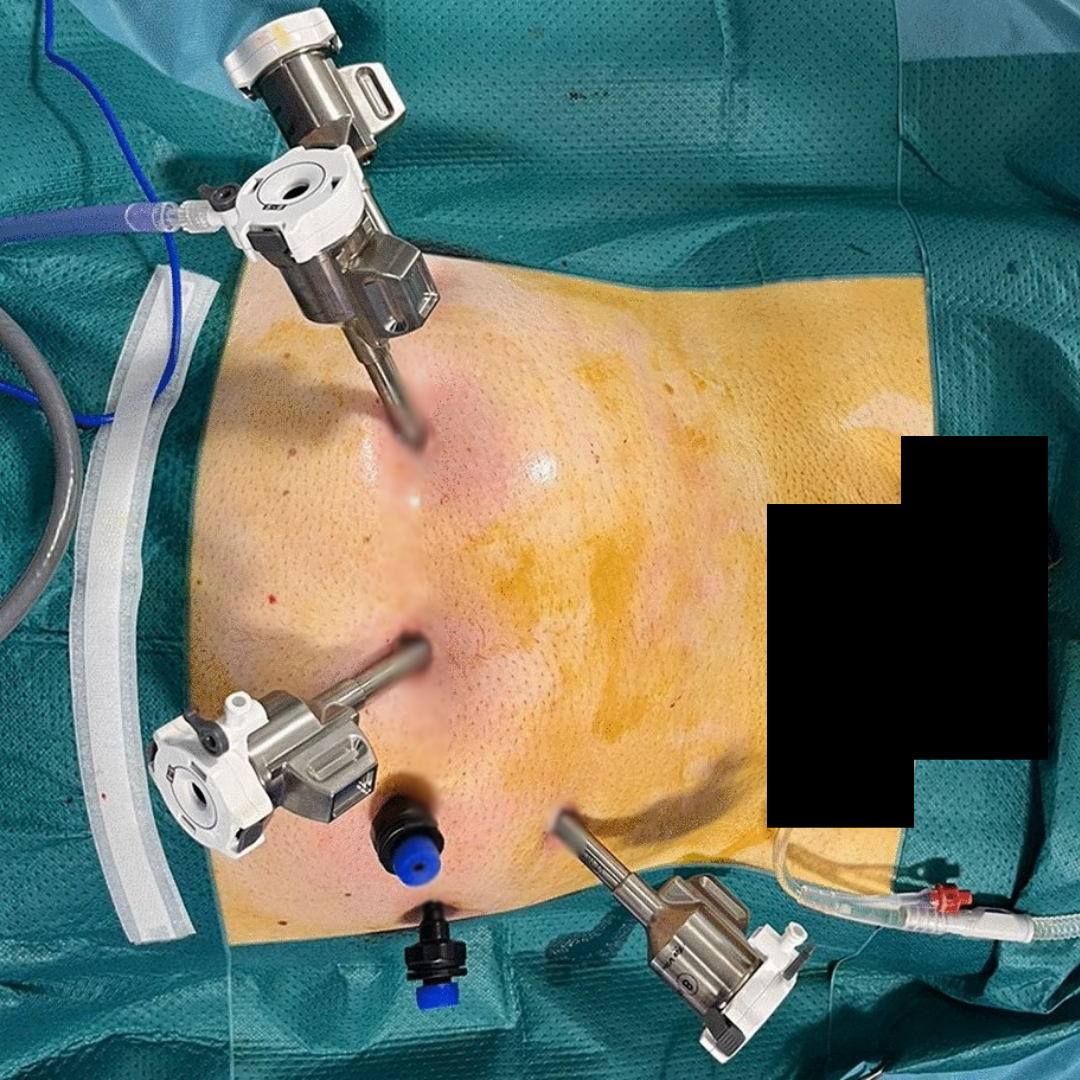
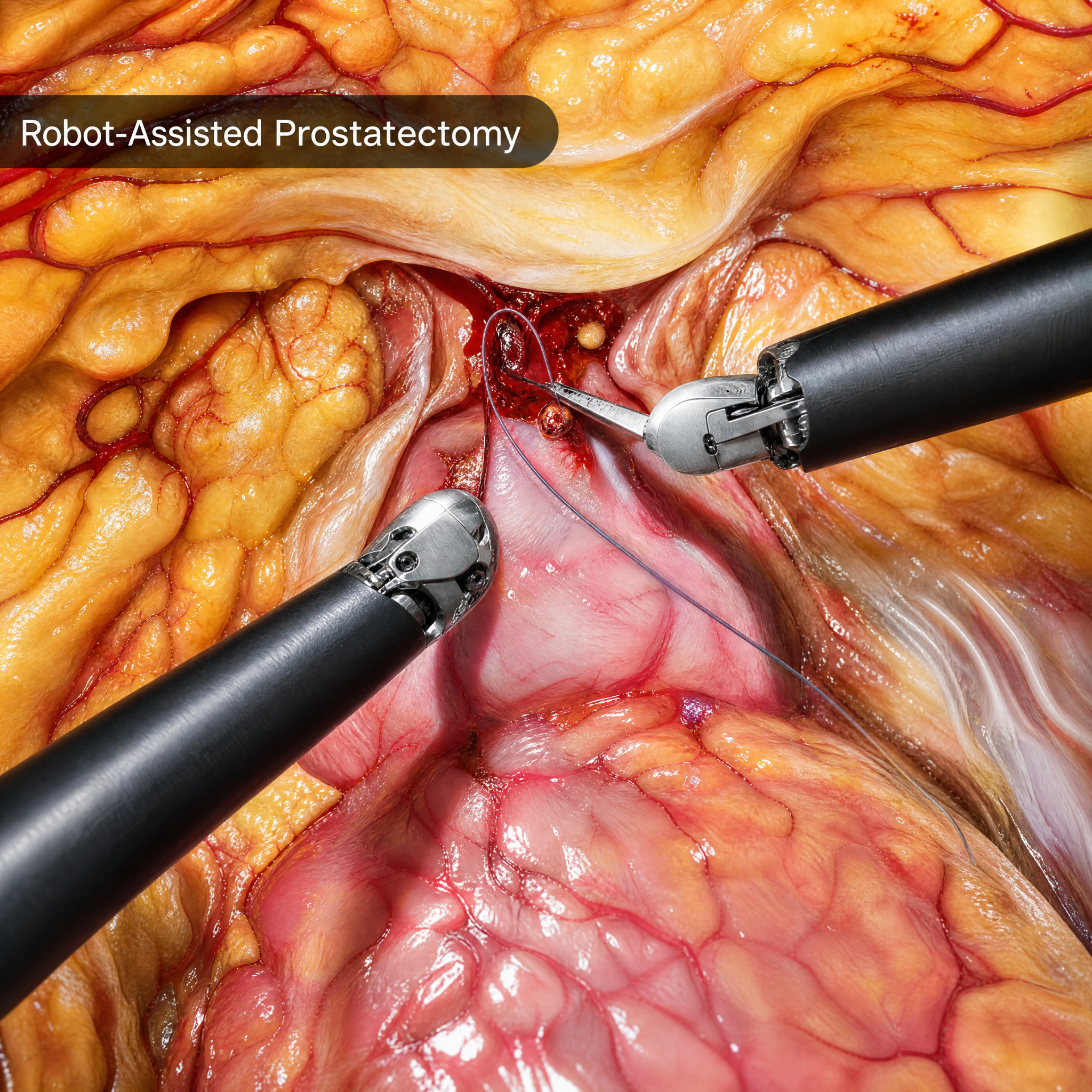
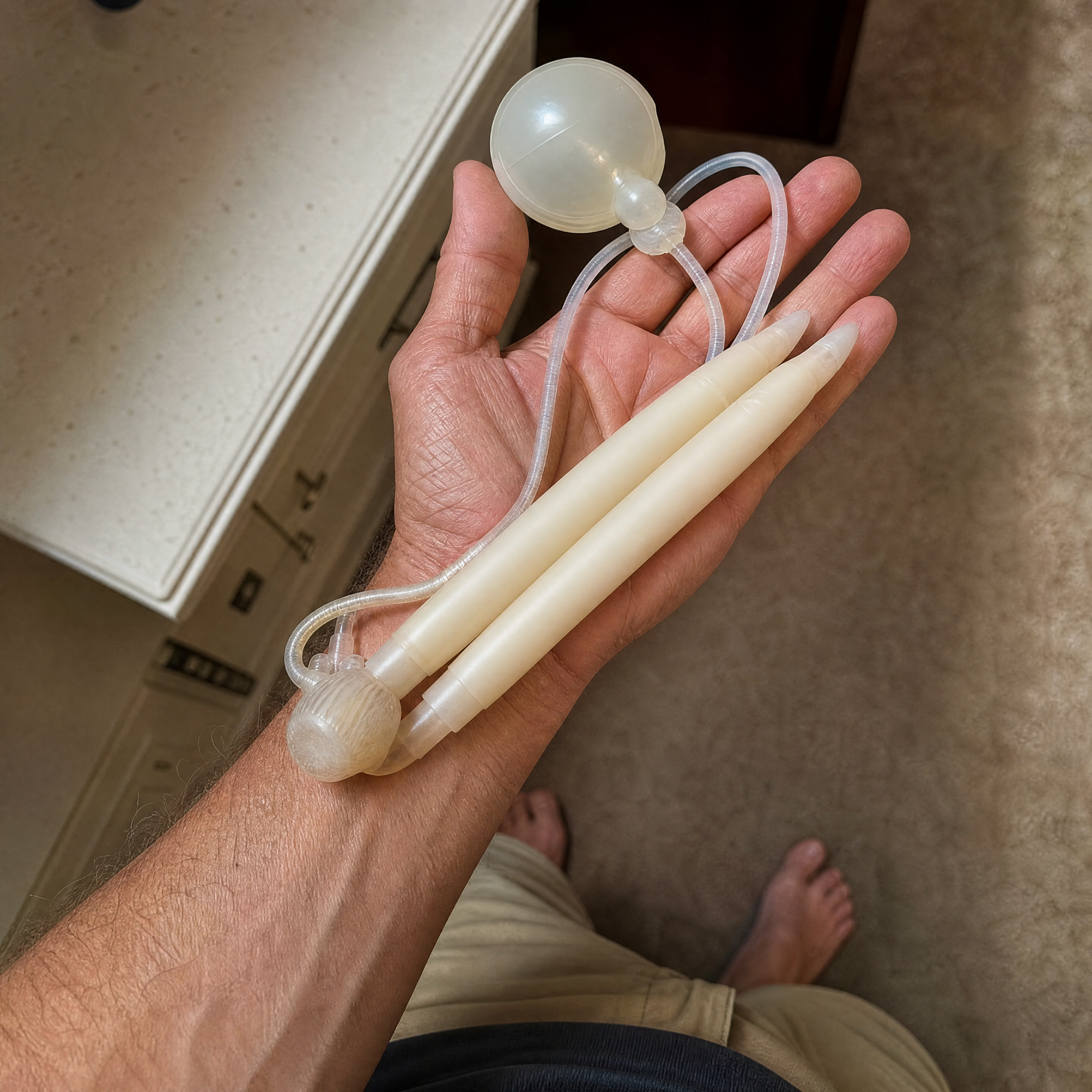
After my prostate surgery, the only way left to get hard was a pump inside me. A machine in my body, for good. I got fully erect without ever entertaining that thought. I'm 61. Eighteen months ago I had my prostate removed. Robotic-assisted radical prostatectomy, nerve-sparing. The margins were clean. They got all the cancer. He saved my life. I don't question that. But he left me with a body I don't recognize. The morning after surgery, I woke up with a catheter draining into a bag strapped to my leg. When they finally pulled it out, I thought the worst was over. It wasn't. For a month, I couldn't hold my bladder. A warm rush down my leg in the kitchen. Soaking through my pants before I could stand up straight. I started wearing pads. Then I upgraded to what they politely call disposable underwear. I'm 61 years old, and I was buying adult diapers at CVS. But the incontinence wasn't the worst of it. The worst part was the complete and total absence of anything resembling an erection. Not even a flicker. My penis felt cold, numb, and dead. I went back to my urologist at the 6-week mark. Told him I hadn't had a single erection — not even in the morning — since the surgery. He didn't look concerned. "You had nerve-sparing surgery," he said. "But those nerves got bumped around during the procedure. They're stunned. It takes 12 to 18 months for them to wake up. Some men recover faster. Some take longer. Just be patient." He prescribed Viagra. 50mg. "This is part of penile rehabilitation," he said. "Even if you don't get a full erection, it will help keep blood flowing to the tissue. We want to prevent atrophy while the nerves heal." I tried it that weekend. It gave me a splitting headache and a red face. My penis stayed completely soft. I went back two weeks later. He upped the dose to 100mg. Same result. Worse headache. Worse flushing. Zero erection. Then he switched me to Cialis, 5mg every day. "Physical therapy for your penis," he said. I took it every morning for 2 months. Nothing. Then he handed me a prescription for a vacuum erection device. I used it once. The sensation of a machine drawing the blood into me, mechanical and cold, was one of the most humiliating things I have been through. It turned me purple, stiff in a way that felt nothing like an erection. It went in the back of the closet. Month 9 was Trimix. A cocktail of three drugs you inject into the side of your penis with a needle. The idea made my stomach turn. But I was desperate. The first time, my hands were shaking so hard I could barely hold the needle steady. But it worked. Not 100% — maybe 75% — but it was enough. For the first time in nine months, I got hard. My wife and I were together again. Afterward, she cried. So did I. I injected myself two to three times a week. It wasn't spontaneous. It wasn't natural. But it was something. Then things started going wrong. My penis started bending slightly to the left. Then I started getting bruising. Black and blue marks spreading from the injection site down toward my scrotum. One time I hit a vein and stayed hard for six hours, sitting in a cold bath until it went down. Then, around month sixteen, the injections stopped working. Same dose. 40%. Then 30%. Then nothing. I went back to my urologist. "You've got scar tissue," he said. "Fibrosis. That's why the injections aren't working anymore. The tissue can't expand the way it used to." "At this point, we need to talk about a penile implant." Two cylinders inserted into my penis. A pump in my scrotum. A reservoir of saline in my abdomen. When I wanted an erection, I'd squeeze the pump and the cylinders would inflate. He walked me through the risks. Infection. Mechanical failure. Erosion of the cylinders through the tissue. Loss of another half-inch of length. He scheduled it for ten weeks out. I left his office feeling numb. This was it. My only option. I was going to have a mechanical pump installed in my body just to approximate something my body used to do naturally before a surgeon reached inside me and removed the gland that started all of this. Three days later, I ran into Mark at Home Depot. Mark is a guy from my prostate cancer support group. He'd had his prostate removed about six months before me. "How's recovery going?" he asked. I was standing there holding a can of wood stain, and I just broke. "I've got an implant scheduled in ten weeks." "Hold on," he said. "Before you do that, can I tell you something?" He'd been exactly where I was. Viagra didn't work. Cialis didn't work. Pump didn't work. Injections worked for a while then stopped. His urologist scheduled an implant. Until, eight weeks before his surgery, someone told him what his urologist never had. Mark pulled out his phone and opened his notes app. He'd written it all down. "Your urologist told you the problem is nerve damage from the prostatectomy, right?" Mark said. I nodded. "That's true," he said. "But it's not the whole story." He explained it slowly. Every night while you sleep, your body is supposed to produce three to five nocturnal erections during REM sleep. Lasting 90 minutes to three hours total. Those aren't sexual. They're maintenance. Your body flooding the penile tissue with oxygen-rich blood to keep it alive. When the prostate is removed, even with nerve-sparing technique, the nerves that trigger this nightly maintenance system get damaged or disrupted. No nerve signal. No nocturnal erections. No oxygen delivery. A morning erection is just the last of the night's erections, still going when you wake up. "How many mornings have you woken up with an erection since your prostate was removed?" Mark asked me. "None," I said. "Not a single one." "That's 16 months," he said. "About 480 nights. 480 nights of zero oxygen delivery to that tissue." Here is what happens when tissue doesn't get oxygen. The smooth muscle cells start dying. The body replaces them with scar tissue — collagen fibers. Week by week. Slowly. Maybe five percent scar tissue at first. Then fifteen. Then thirty. Then forty-five. Smooth muscle is elastic. It expands when blood flows in. Then it compresses against the outer wall of the penis to trap the blood inside. That's what maintains firmness. Scar tissue can't do that. It's rigid. It doesn't compress. So when Trimix forced blood into my penis, the scar tissue couldn't trap it. Blood flowed in but leaked right back out through the veins. That's called a venous leak. That's why the injections stopped working. Not loss of response to the drug. Loss of the tissue's ability to hold blood. Because 480 nights without oxygen had been quietly replacing muscle with scar since the night I came home from the hospital. "Your urologist told you the tissue can't expand," Mark said. "It expands fine. It just can't squeeze anymore." "And that's what your urologist was trying to prevent when he prescribed Viagra for penile rehab," Mark said. "He knew this could happen. He just didn't explain it clearly. The Viagra was supposed to keep blood flowing to prevent tissue death. But Viagra can't work if your nerves aren't sending a signal in the first place." "Your urologist isn't wrong to recommend the implant," Mark said. "At a certain point, if the tissue is too far gone, an implant is the only way to get penetrative function back." "But if you still have some smooth muscle left — if you're not 100% scar tissue yet — you can stop the spiral. You can preserve what's left. And maybe even recover some function." "The implant is irreversible," he said. "Once they put those cylinders in, they destroy whatever natural tissue you have left. You're committed to the device for life." "I'm not saying don't get it. I'm saying: before you do, make sure you've tried everything to save your natural tissue." Then he told me what actually worked. "You need to restore daily oxygen delivery to that tissue," he said. "You can't fix the nerve damage from the prostatectomy — those nerves take 18 to 24 months to heal if they heal at all. But you can bypass the nerves entirely." He explained that the endothelium — the single-cell-thick lining of every blood vessel in the body, including the micro-vessels supplying penile tissue — has its own ability to produce nitric oxide. Nitric oxide is the molecule that signals vessels to relax and widen so blood can flow through. In a healthy man this happens automatically in response to nerve signals. But the endothelium doesn't need the nerve signal to produce nitric oxide. It just needs its raw material. When the endothelium gets enough of that raw material, the cells produce nitric oxide independently. The vessels relax. Blood flows. Oxygen reaches the tissue. The maintenance system that the prostatectomy shut down begins running again — not through the damaged nerves, but through the vessel walls themselves. That raw material is an amino acid. L-citrulline. A 2024 study found a 31 percent improvement in vascular function over eight weeks in damaged endothelial tissue using this exact mechanism. Not a nerve repaired. Not a symptom masked. Endothelial cells recovering their own capacity to deliver oxygen to tissue that had been without it. This is what Viagra cannot do. Viagra amplifies a nitric oxide signal your damaged nerves are not sending. If the nerve signal isn't there, there is nothing for Viagra to amplify. That is why it gave me headaches and flushing and zero erection. This is what Trimix cannot do. Trimix forces blood into tissue mechanically but cannot restore the tissue's ability to hold that blood. That is why the injections stopped working when the scar tissue reached a critical threshold. L-citrulline works upstream of all of them. At the endothelium itself. At the cells that control oxygen delivery. At the raw material that determines whether those cells are producing the signal everything else depends on. The product Mark had found was a formula from Uagain. Not the cheap L-citrulline off the shelf. The dose is everything, and most supplements use a fraction of what the research uses. Uagain uses the full clinical dose — 500mg a day. The formula also includes vitamin K2 and D3, which keep calcium from depositing in micro-vessel walls — the calcification that further restricts blood flow to penile tissue. Turmeric with black pepper for the vascular inflammation that drives endothelial damage. Ashwagandha, saw palmetto, zinc, and more for circulatory support. Every ingredient has one job. Restore oxygen delivery to tissue that has been without it since the prostatectomy shut the system down. Mark had started it eight weeks before his implant was scheduled. By week three he had his first partial morning erection in over a year. By week eight he was waking up with erections four mornings a week. He cancelled the implant. I ordered it that night. Sixty capsules. Sixty days. One a day. The repair takes 8 to 12 weeks, so a 30-day bottle runs out right when the biology starts to turn. Sixty days is the window. Ten weeks until the implant. If this did nothing, I'd be exactly where I already was. The first two weeks, nothing. A little more energy. Week three, I woke up with a partial erection. Maybe 30 percent, gone in a few minutes. But it was the first time in sixteen months I'd woken up with anything at all. By week six I was waking up hard most mornings. My wife and I were together again, without a needle, for the first time in as long as I could remember. Week eight, I woke up fully hard. We were intimate that morning, and I didn't lose it. Afterward, my wife looked at me and said: you're back. I called the surgeon's office that afternoon and cancelled the implant. I want to be direct about what this means and what it doesn't. Uagain's Prime Formula does not repair nerve damage from prostate removal. Nerve regeneration takes 18 to 24 months and no supplement changes that timeline. Every tool was focused on the nerve. Nobody was protecting the tissue. What it does is restore the oxygen the surgery cut off, through the endothelium, without waiting on the nerve. It keeps the surviving tissue alive and slows the scarring while the nerves take the years they need. The implant destroys that tissue for good. Whatever muscle is left when the cylinders go in is gone. If you're within 24 months of the surgery and staring at an implant, you almost certainly still have tissue worth saving. But the window closes. The scar keeps forming. Every night without oxygen is another night gone. 480 nights. That's what I lost before I found this. You know your own number. Don't add to it. Uagain's Prime Formula. 60-day money-back guarantee, full bottle or empty. Before you do something you can't undo, give the tissue eight weeks to show you what's still there. https://uagain.co/pages/90-days-investigating-uagain-prostate-ed P.S. The implant is one-way. The prostatectomy took your prostate. The implant takes what's left. Eight weeks and a guarantee means you find out what the tissue can still do before you make a call you can't reverse. P.P.S. Track your mornings. On waking, before anything else, that's the endothelium doing its job with nothing else in the way. I had none for sixteen months. I had one at week three. Rate them one to ten for eight weeks, and watch what happens when you give the tissue what it needs. https://uagain.co/pages/90-days-investigating-uagain-prostate-ed
Where the ad sends people
uagain.co
irreversible they said...
Uagain
See details: uagain.co(opens in a new tab)